
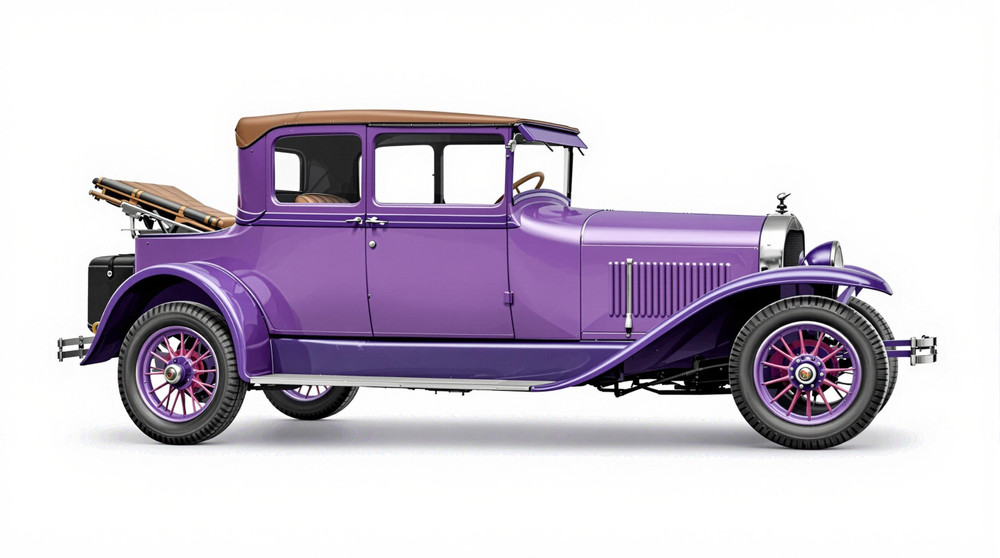
Image of 1926 Franklin Model 11 A, Note: These illustrations use artistic license and may differ from actual historical models.
Performance Metrics
Fundamental Metrics
Emotional Appeal
MMP Rating
| Engine Specifications | |
|---|---|
| Engine: | Air-cooled 6-cylinder engine |
| Displacement: | 199 cu in (3.3 L) |
| Horsepower: | Estimated 32 hp |
| Torque: | Not available |
| Compression Ratio: | Not available |
| Ignition System: | Battery and coil |
| Cooling System: | Air cooling |
| Performance Specifications | |
| 0-60 Time: | Not available |
| 1/4 Mile Time: | Not available |
| Top Speed: | 60 mph |
| Transmission and Drive | |
| Drive Type: | Rear-wheel drive |
| Transmission Type: | 3-speed manual |
| Fuel and Efficiency | |
| Fuel System Type: | Carburetor |
| MPG: | Not available |
| Dimensions and Brakes | |
| Brakes: | Mechanical drum brakes |
| Wheelbase: | 114 in (2,896 mm) |
| Weight: | 2,400 lbs |
Note: Specifications for classic cars are given to the best of our ability, considering the limited and variant data available.
1926 Franklin Model 11-A: The Air-Cooled American Luxury Car
The 1926 Franklin Model 11-A took a distinctly different route to luxury: instead of relying on a conventional water-cooled engine, it used air cooling. Built by the H.H. Franklin Manufacturing Company in Syracuse, New York, the Model 11-A belonged to a line of refined American cars known for engineering independence, careful construction, and a remarkably smooth six-cylinder engine.
Franklin had built its reputation around air-cooled automobiles since the company’s early years. In the 1920s, when most American manufacturers used radiators, water pumps, and coolant, Franklin’s approach was unusual but well developed. A notable piece of Franklin lore is that the company’s cars were associated with high-altitude and long-distance motoring, where their air-cooled engines avoided some of the cooling-system concerns familiar to owners of conventional cars. The Model 11-A was not a mass-market experiment. It was a premium automobile for buyers who valued comfort and engineering distinction.
Streamlined Style and Coachbuilt Comfort
The Model 11-A wore the formal, upright proportions expected of a luxury car in the mid-1920s. Its long hood, tall radiator-shaped front treatment, separate fenders, running boards, and upright passenger compartment gave it a stately profile. The hood and front bodywork concealed Franklin’s air-cooling arrangement, while the overall design remained familiar enough to appeal to buyers accustomed to traditional touring cars and sedans.
Franklin’s construction emphasized lightness as well as strength. Aluminum was used in important parts of the company’s engineering and body-building tradition, helping distinguish its cars from heavier steel-bodied rivals. Interior appointments depended on the body style and trim specification, but buyers could expect substantial upholstery, quality carpeting, polished wood or bright trim, and a thoughtfully finished passenger cabin. Closed bodies offered protection from weather and a quieter, more private ride; open models made touring more sociable and exposed occupants to the countryside.
Period paint and trim choices varied with body style, supplier, and customer preference. Dark, dignified colors such as black, deep blue, maroon, and green suited the Model 11-A’s formal character, while contrasting fenders or trim could add visual interest. Exact factory color combinations should be verified against surviving documentation for a particular car rather than assumed from a modern restoration.
Franklin offered a range of body styles across its production, including touring and closed-car forms such as sedans, coupes, and broughams. The precise Model 11-A catalog lineup can vary in surviving references and should be checked against original sales literature or the car’s serial-number records. Closed sedans are among the most recognizable Franklin configurations today, though an open touring body has a special appeal for enthusiasts who want the full vintage-driving experience.
What Made Franklin Different
The Model 11-A’s defining distinction was its air-cooled powertrain. Rather than circulate coolant through a radiator, the engine relied on airflow over cooling surfaces. This eliminated a conventional radiator-and-water-pump system and gave Franklin a clear engineering identity. It also suited the company’s broader goal of building a refined car that was lighter and mechanically distinctive.
Franklin’s air cooling was not simply a novelty. The company developed its system over decades, and its cars became known for smooth, quiet operation and a willingness to tackle varied conditions. The Model 11-A represented a mature stage in that development. It did not cause the industry to abandon water cooling, which remained the dominant approach, but it demonstrated that an alternative system could be used in a serious luxury automobile.
Franklin also stood apart through its focus on balance, comfort, and engineering quality rather than sheer size or horsepower. The company remained comparatively small beside giants such as General Motors and Ford, but its cars earned a following among buyers who wanted something more individual than a mainstream luxury model. That independent spirit is a major part of the Model 11-A’s appeal to collectors.
Performance and Road Manners
Model 11-A specifications are not consistently reported across modern references, and original performance depended on body weight, gearing, condition, and equipment. Period Franklin six-cylinder cars of this era are generally described as producing roughly 65 horsepower, with engine displacement commonly cited in the neighborhood of 274 cubic inches. Treat these figures as representative rather than guaranteed for every Model 11-A; a car’s original handbook, build records, or marque-club research is the best source for its exact specification.
A sound example could likely reach a top speed in the neighborhood of 65 to 70 mph under favorable conditions. A period 0-to-60-mph figure is difficult to establish, and no dependable factory figure is commonly cited. Given the car’s weight, gearing, and early-automobile power delivery, acceleration would be leisurely by modern standards. A broad estimate would put the run well beyond 20 seconds, with actual results varying substantially from car to car.
On the road, the Franklin’s strengths were composure and comfort, not sharp cornering. Its substantial chassis and long wheelbase helped it settle over ordinary road irregularities, although rough surfaces still demanded the patience expected of a 1920s car. On winding roads, the driver would need to plan ahead, use the transmission deliberately, and respect the limits of period tires, brakes, and steering. Crosswinds and uneven pavement could make the car feel different from a modern vehicle, particularly at speed.
The driving experience is part of the Model 11-A’s character. The six-cylinder engine has a softer, less abrupt note than many contemporary fours, while the lack of a conventional radiator gives the engine bay an unusual look. Controls require more involvement than a modern car: the driver listens to the engine, works the gearbox, anticipates braking distances, and treats every trip as a mechanical partnership rather than a point-and-go commute.
Living With a Model 11-A
Today, a Model 11-A is best suited to touring, vintage-car events, museum display, and carefully planned pleasure drives. It can be driven on public roads when properly restored and maintained, but modern traffic, limited braking performance, and the age of its components make routine commuting impractical. A well-preserved Franklin is most at home on scenic routes and at events where its unusual engineering can be appreciated.
Maintenance is manageable for an experienced vintage-car enthusiast, but it is not equivalent to working on a common Model T or a modern car. Franklin-specific knowledge, correct parts, and accurate service information matter, particularly for the air-cooled engine and its cooling components. Some routine work can be handled by a capable owner, but specialist help may be needed for major engine, chassis, or restoration work. Parts availability is more limited than for high-volume marques, so owners often rely on marque clubs, specialist suppliers, and fellow collectors.
Reliability depends heavily on restoration quality and correct setup. Air cooling removes certain components found on water-cooled cars, but it does not make the engine maintenance-free. Lubrication, ignition, fuel delivery, cooling airflow, and careful attention to operating condition remain essential. A Franklin that has been stored for years should be inspected thoroughly before being driven, even if it appears complete.
Franklin Facts and Collector Trivia
The Franklin is a useful reminder that American automotive history was not shaped by one technology alone. For decades, the company continued to refine air cooling while most competitors standardized around liquid-cooled engines. That persistence made Franklin one of the best-known American advocates of air-cooled passenger cars.
There is no widely established Model 11-A speed or endurance record to highlight, and claims about celebrity ownership should be tied to a documented individual car rather than repeated as general fact. Franklin’s more meaningful distinction is its engineering reputation and its place among independent luxury manufacturers. The company ultimately ceased automobile production in 1934 during the Great Depression, making surviving cars reminders of a distinctive but ultimately vulnerable corner of the American industry.
Common criticisms are practical ones: Franklin cars are uncommon, parts and specialist service can take time to find, and performance is modest by modern expectations. Their air-cooled layout can also be unfamiliar to mechanics accustomed to conventional cooling systems. For enthusiasts, however, those same differences are part of the attraction.
Rarity, Values, and Market Outlook
Exact production figures for the 1926 Model 11-A are difficult to establish from commonly available summaries. Franklin produced far fewer cars than the major American manufacturers, and surviving examples are only a small portion of the original output. As a cautious working estimate, total Model 11-A production was likely in the hundreds to low thousands, not tens of thousands. That is a broad estimate, not a verified factory total.
As a general collector-market guide, a complete but tired example might fall around $15,000 to $30,000, while a sound, usable car could bring approximately $30,000 to $60,000. A high-quality restoration, desirable body style, or exceptional provenance could push a car above $60,000, potentially reaching $80,000 or more in the right sale. These are approximate U.S. dollar ranges, not a formal appraisal. Condition, originality, coachwork, documentation, and the quality of restoration can change value substantially.
Franklin values tend to reward knowledgeable buyers rather than short-term speculation. Interest in unusual prewar engineering and well-presented touring cars supports the market, but the limited pool of specialists and buyers can make sales slower than for more familiar classics. Over time, the best-preserved and most authentic examples are likely to hold their appeal, while cars needing extensive work may be constrained by restoration costs.
A Distinctive Classic Worth Seeking Out
The 1926 Franklin Model 11-A combines formal 1920s styling, careful luxury-car construction, and an air-cooled six-cylinder engine that set it apart from most of its contemporaries. It is not the easiest classic to own, nor is it a fast car by modern standards. Its appeal lies in its unusual engineering, measured road manners, and connection to an independent American manufacturer that chose its own path.
For collectors who want more than a familiar badge, the Model 11-A offers a memorable alternative: a refined touring car whose most important feature is hidden beneath the hood, quietly explaining why Franklin still occupies a special place in automotive history.
1926 Franklin Model 11 A Catalog of Parts
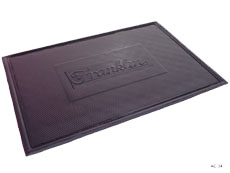 1926 Franklin Model 11 A Accessory Floor Mat - 12"X17"-AC 34Accessory Floor Mat - made of high quality black rubber with molded original emblem. Also designed to be sewn into new carpets. 12"X17", Each
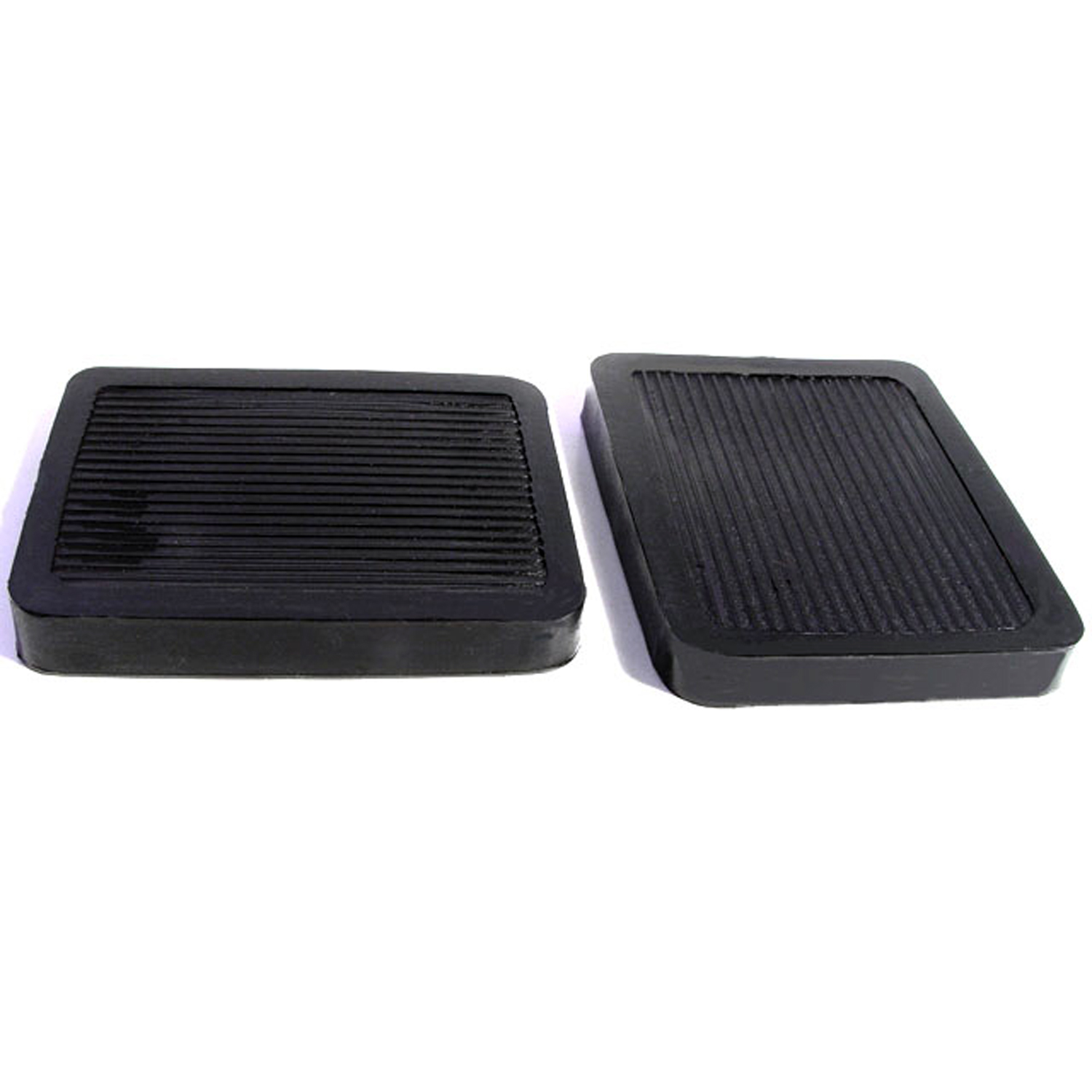 1926 Franklin Model 11 A Clutch and Brake Pedal Pads. Perfect reproduction-CB 24Clutch and Brake Pedal Pads. Perfect reproduction. 3" wide X 3-3/4" long. Pair
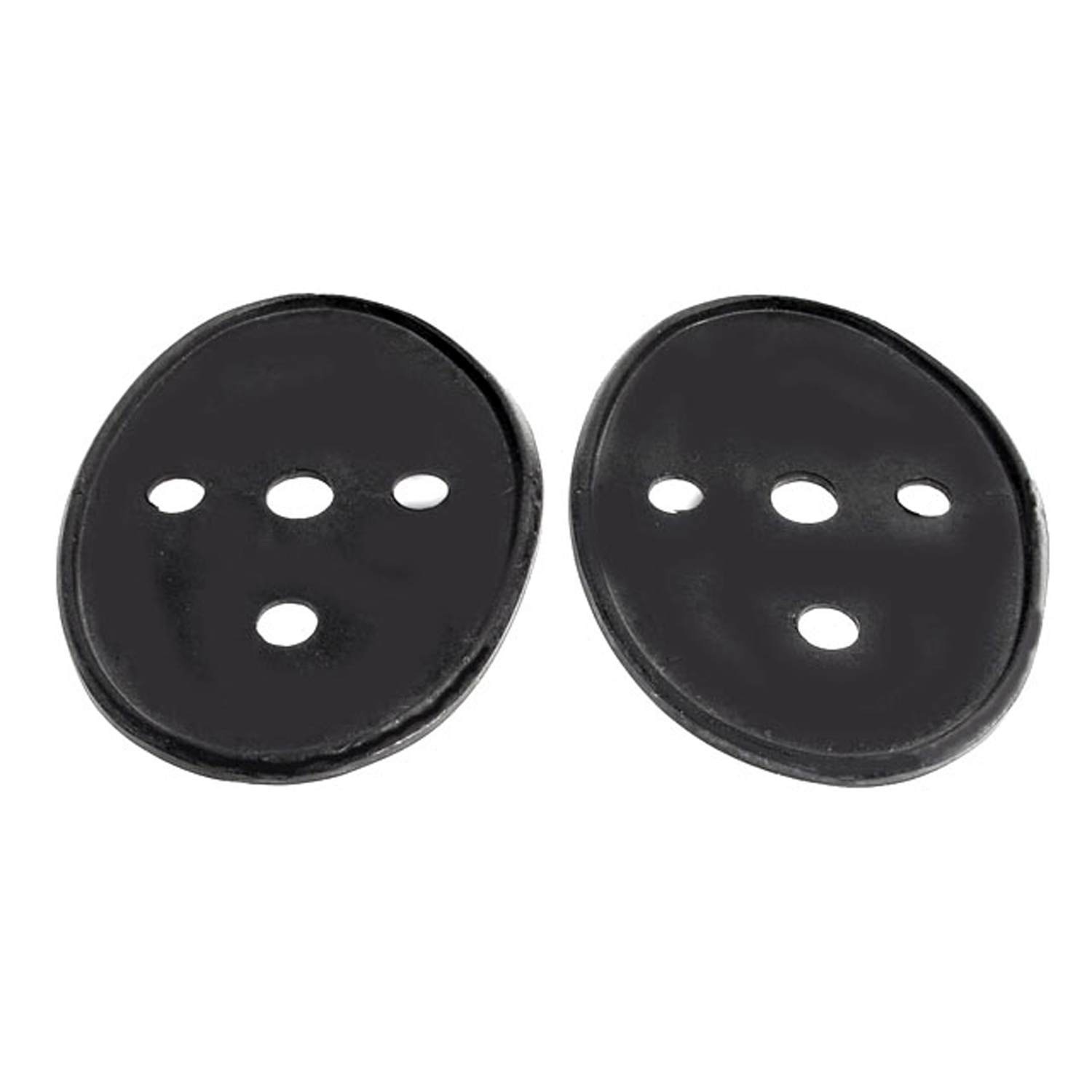 1926 Franklin Model 11 A Tail-light Pads. 3-1/4" wide X 4-5/8" long. Pair.-MP 671Tail-light Pads. 3-1/4" wide X 4-5/8" long. Pair.
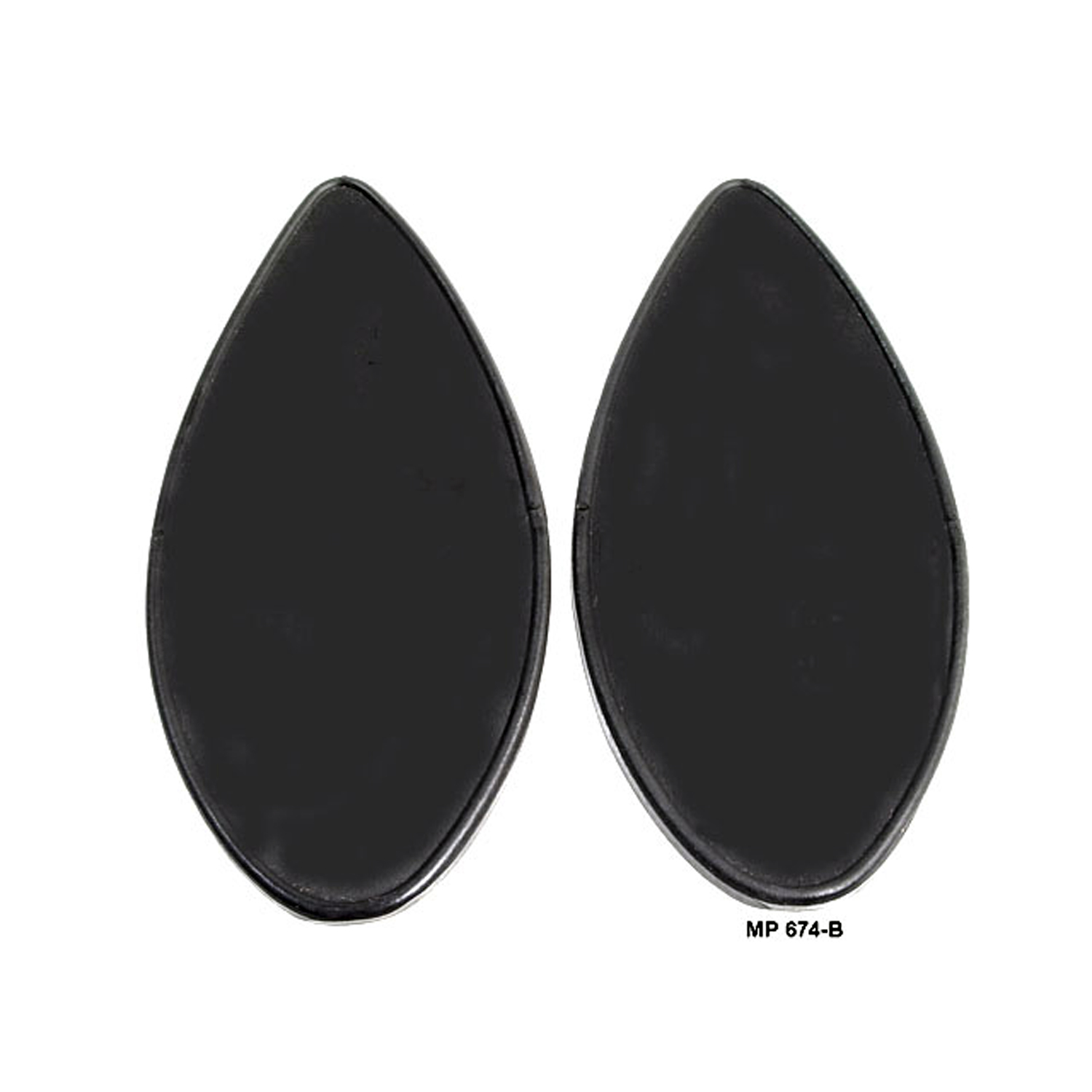 1926 Franklin Model 11 A Tail-light Pads. 3" wide X 6-3/4" long. Pair-MP 674-BTail-light Pads. 3" wide X 6-3/4" long. Pair
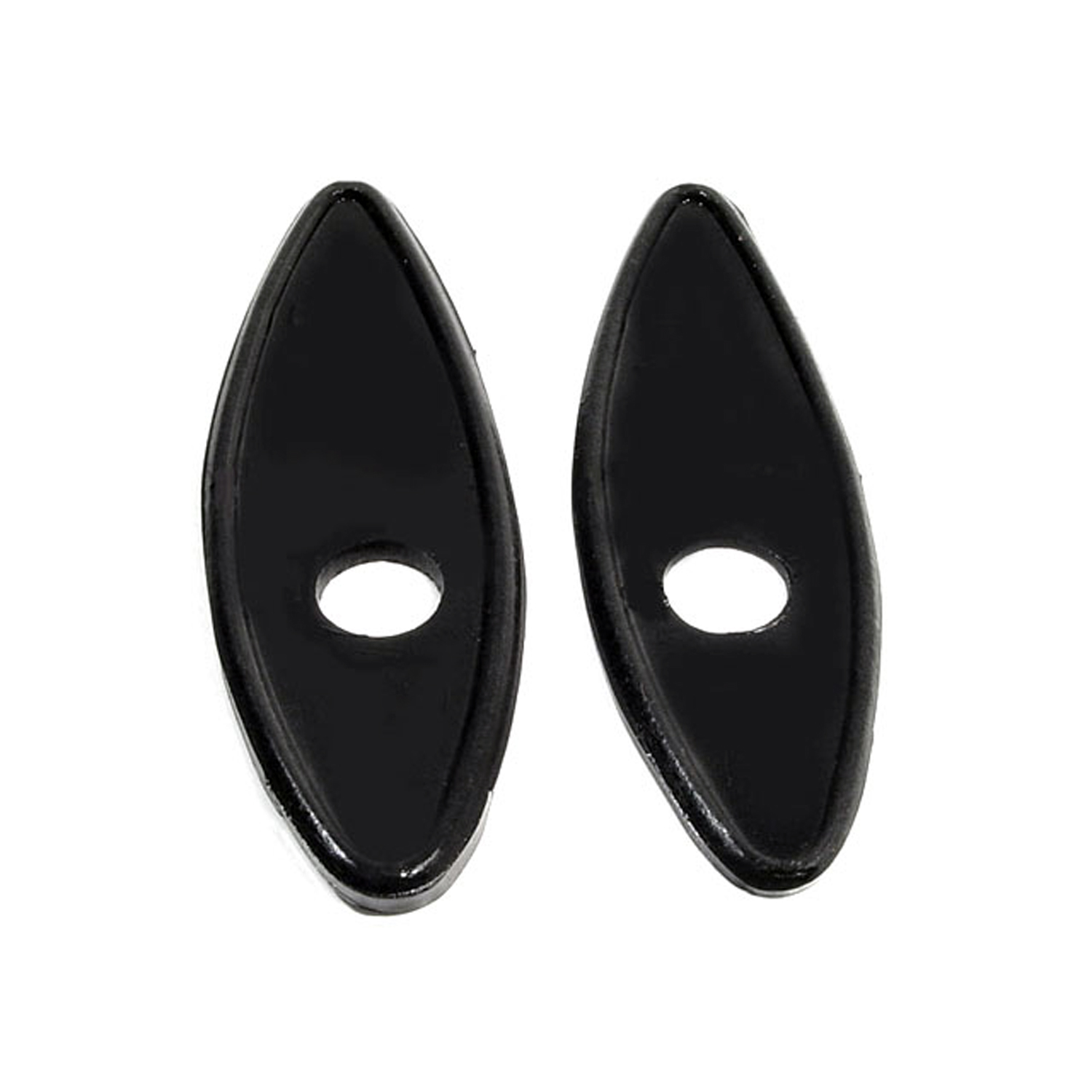 1926 Franklin Model 11 A Park Light Pads. 1-3/8" wide X 4-1/8" long. Pair-MP 674-CPark Light Pads. 1-3/8" wide X 4-1/8" long. Pair
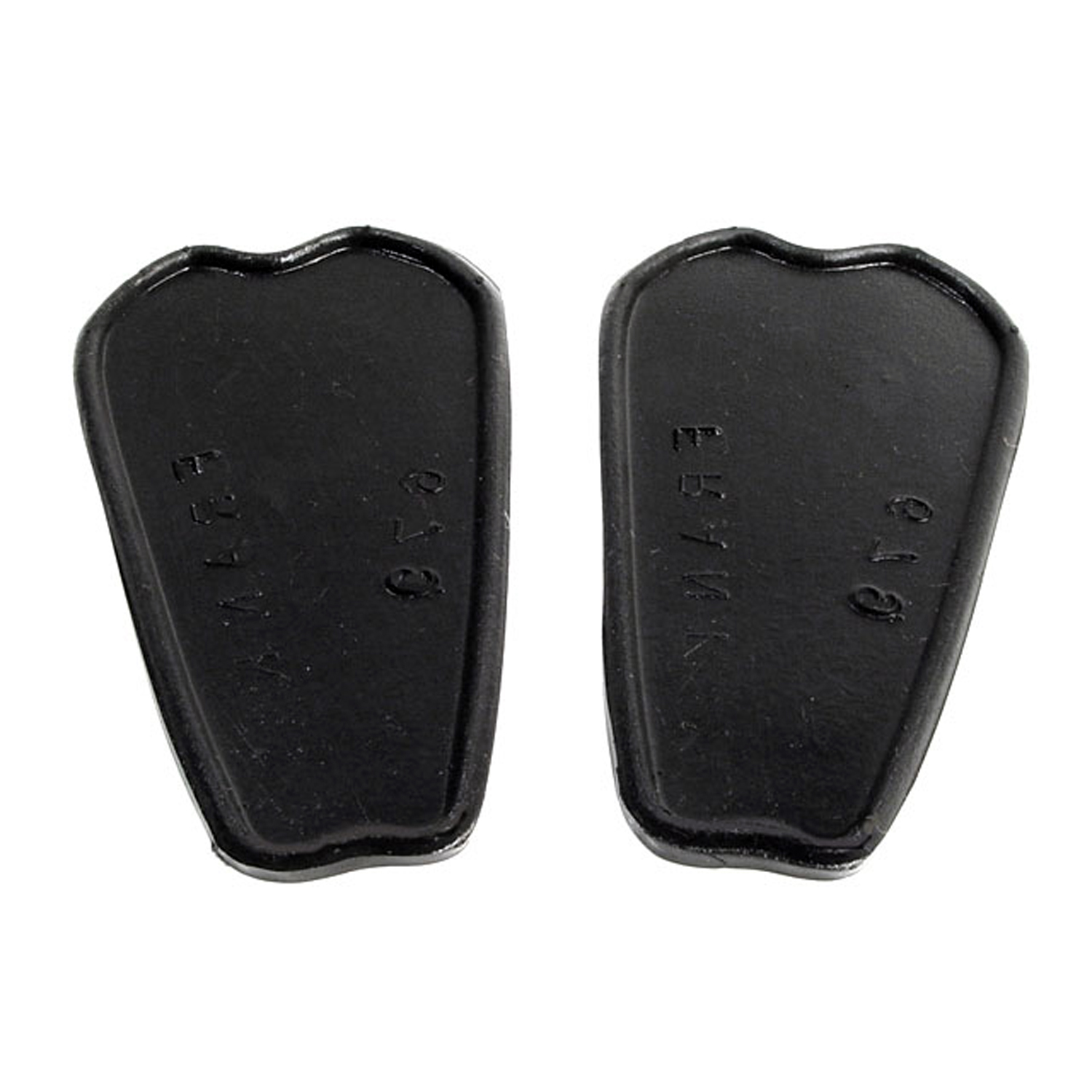 1926 Franklin Model 11 A Park Light Pads. 2-1/4" wide X 4-1/8" long. Pair-MP 679Park Light Pads. 2-1/4" wide X 4-1/8" long. Pair
Why Choose Metro?
For over 100 years, Metro Moulded Parts has been the pinnacle of quality in classic car restoration parts. Our commitment to precision and authenticity in every component ensures a perfect fit and an OEM-level appearance.
- Expert Craftsmanship & Quality: Each part is a testament to our dedication to reliability and perfection, crafted from original designs and thoroughly tested.
- Advanced Technology: We use cutting-edge techniques to create flawless, long-lasting parts that surpass others in performance.
- SuperSoft Sponge – The Ultimate Door Seal: Not only are our door seals 30% softer than competitors', but they're also guaranteed to never leak. They effectively reduce wind and road noise, enhancing your classic car's comfort and driving experience.
- Proudly American: Our parts are a product of American craftsmanship, made in the USA with a spirit of excellence and heritage.
- Unrivaled Warranty: We back our products with a 30-year industry-leading warranty, a testament to our confidence in their quality.
Join us in preserving the legacy of classic cars with parts that are crafted for perfection, not just made.