
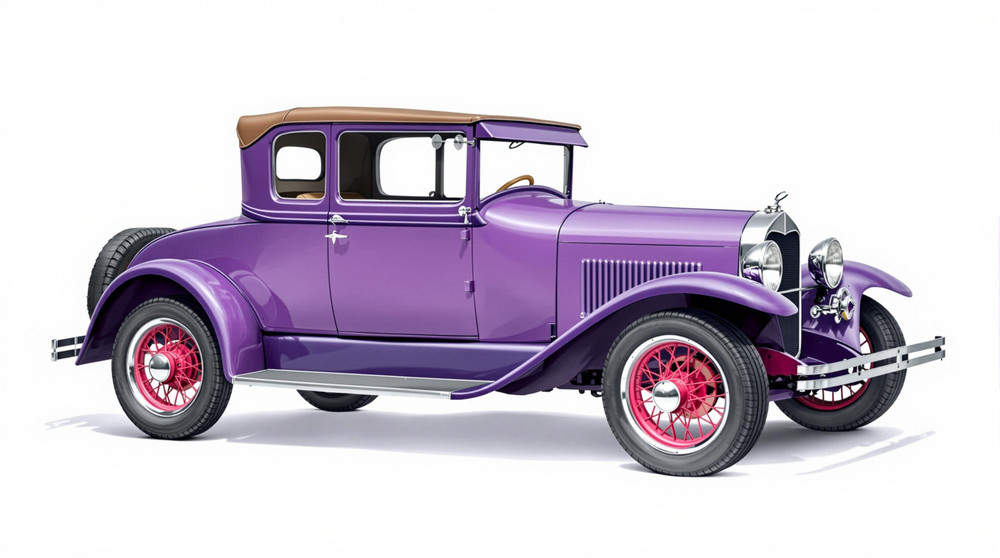
Image of 1927 Franklin Model 11 B, Note: These illustrations use artistic license and may differ from actual historical models.
Performance Metrics
Fundamental Metrics
Emotional Appeal
MMP Rating
| Engine Specifications | |
|---|---|
| Engine: | Air-cooled 6-cylinder engine |
| Displacement: | 199 cu in (3.3 L) |
| Horsepower: | Estimated 32-35 HP |
| Torque: | Not available |
| Compression Ratio: | Not available |
| Ignition System: | Battery and coil |
| Cooling System: | Air-cooled |
| Performance Specifications | |
| 0-60 Time: | Not available |
| 1/4 Mile Time: | Not available |
| Top Speed: | 60 mph |
| Transmission and Drive | |
| Drive Type: | Rear-wheel drive |
| Transmission Type: | 3-speed manual |
| Fuel and Efficiency | |
| Fuel System Type: | Carburetor |
| MPG: | Not available |
| Dimensions and Brakes | |
| Brakes: | Mechanical drum brakes |
| Wheelbase: | 114 in (2,896 mm) |
| Weight: | Estimated 2,400 lbs |
Note: Specifications for classic cars are given to the best of our ability, considering the limited and variant data available.
1927 Franklin Model 11-B: The Air-Cooled Luxury Car
While most luxury cars of the 1920s relied on a conventional water-cooled engine and a prominent radiator, the 1927 Franklin Model 11-B took a distinctly different route: it used air. Built by the H. H. Franklin Manufacturing Company in Syracuse, New York, the Model 11-B belonged to a marque that made engineering independence part of its identity.
Franklin had been building air-cooled automobiles since the early years of the century. By 1927, the company had earned a reputation for refined, lightweight cars that could handle American roads without the weight and complexity of a liquid-cooling system. The Model 11-B is part of that story, offering upscale motoring with a design approach its larger competitors rarely shared.
One detail that still catches people’s attention is what the car does not have: a conventional radiator. Instead, its engine relied on carefully managed airflow and cooling fins. That unusual arrangement was not a novelty added for show. It was central to the Franklin philosophy.
Distinctive Franklin Styling and Craftsmanship
The Model 11-B wore the formal, upright proportions expected of a premium car in the late 1920s. Its long hood, rounded fenders, tall windshield and carefully finished bodywork gave it a dignified presence. Without a large radiator grille dominating the front, the car’s nose looked different from many contemporary Packards, Buicks and Cadillacs. The styling remained traditional, but the missing radiator made the Franklin easy to recognize.
Franklin interiors were designed for comfort and quality rather than bare-bones utility. Depending on body style and equipment, occupants could find upholstered seats, polished interior trim, wood details and thoughtfully arranged controls. Materials and finishes varied with the coachwork and original specification, so surviving cars can differ considerably. As with other luxury cars of the period, the condition of the upholstery and trim is a major part of a restoration’s cost and character.
Period Franklin paint choices varied by model year, body and order. Dark, formal colors were common on luxury cars of the era, while two-tone combinations could emphasize the body’s shape. Original color records for a particular Model 11-B are more useful than assuming one shade was standard across the range. Restorers often research the car’s build details before choosing a finish.
The Model 11-B was offered in more than one body configuration, with availability depending on the specific catalog and production run. Franklin buyers could choose from open and closed styles, including touring or phaeton-type bodies, coupes and sedans. Closed sedans suited owners who wanted all-weather comfort, while open cars showed off the long hood and graceful fenders. Exact body-style names and availability should be confirmed against a particular car’s serial number and factory records.
Air-Cooled Engineering in the 1920s
The Model 11-B’s six-cylinder engine used air cooling, a system Franklin had developed and refined over decades. Cooling fins helped draw heat away from the cylinders, while the engine’s airflow arrangements moved cooling air where it was needed. The design eliminated a radiator, coolant, water pump and the risk of a frozen or leaking cooling system. It also reduced weight at the front of the car.
Air cooling was not automatically simpler in every respect. It demanded careful engineering to control temperatures and distribute airflow evenly. Franklin’s system was a complete design commitment, not merely an engine with exposed fins. That commitment set the marque apart from the water-cooled mainstream and gave the cars a distinctive mechanical identity.
Franklin’s use of lightweight construction was another important part of its approach. The company emphasized comparatively low weight for a large, well-appointed automobile. That could help a Franklin feel more responsive than its imposing dimensions suggested, while also reducing the demands placed on its chassis and powertrain.
Why the Model 11-B Mattered
The Model 11-B was not a mass-market car, and it did not overturn the industry’s preference for water-cooled engines. Its importance lies in showing that a premium automobile could take a different engineering path and still deliver comfort, performance and prestige. Franklin’s long-running commitment to air cooling made it one of the most prominent American advocates of the technology.
Compared with many contemporaries, a Franklin offered a blend of luxury and mechanical individuality. Its air-cooled engine avoided some familiar cooling-system troubles, while its lightweight construction supported a more agile feel than the car’s size might imply. The trade-off was that Franklin’s specialized engineering was less familiar to mechanics than conventional systems, and the marque never achieved the production scale of the industry’s largest manufacturers.
Franklin’s influence is best understood as a lasting alternative rather than a direct template for later mass-produced cars. The company demonstrated how much character a manufacturer could build around a technical choice. Today, that engineering distinction is a central reason collectors seek out the marque.
Performance and Road Manners
The Model 11-B used a Franklin six-cylinder air-cooled engine. Published specifications for individual cars and configurations can vary, and reliable factory performance figures are not consistently available. Period accounts and later marque references generally place comparable Franklin sixes in the range of roughly 60 to 70 horsepower, with top speeds often estimated at about 65 to 75 mph when the car was in good condition. These are broad period estimates, not guaranteed figures for every Model 11-B.
A trustworthy factory 0-to-60-mph figure is not readily documented. Acceleration would have depended on body style, gearing, vehicle condition, passenger load and road surface. For a large luxury car from 1927, brisk progress came from smooth, steady torque rather than modern-style rapid acceleration. A precise 0-to-60 claim should be treated cautiously unless it comes from a documented test of a specific car.
On a well-maintained example, the driving experience is more about composure than outright speed. The six-cylinder engine should feel smooth by the standards of its era, accompanied by mechanical and fan noise that differs from the familiar sound of a water-cooled engine. The steering, brakes and suspension are all period equipment, so the driver needs to plan ahead, especially in traffic or on steep descents.
On rough roads, the Franklin’s substantial chassis and generous suspension travel can make for a relaxed ride, although worn springs, shocks or bushings can quickly spoil it. On winding roads, its relatively light construction may help it feel less cumbersome than some large contemporaries, but it remains a nearly century-old automobile with narrow tires and period braking. It rewards smooth inputs and measured speeds, not aggressive cornering.
Living With a Model 11-B
Today, a Model 11-B is best suited to touring, club events, historic motoring and shows rather than daily commuting. Regular use can be enjoyable for an experienced vintage-car owner, but the car’s age, parts needs and traffic limitations make it impractical as everyday transportation.
Maintenance is manageable for a capable owner who understands vintage machinery, but Franklin-specific knowledge matters. Routine work may be familiar to a seasoned mechanic, while engine, cooling-air and ignition issues can require specialist experience. The air-cooled layout removes coolant-related service, but it does not remove the need for careful inspection, proper lubrication, sound ignition components and clean cooling passages.
Parts availability is more limited than for high-volume American makes. Franklin clubs, marque specialists and the community of owners are valuable resources for technical advice and hard-to-find components. Before buying, inspect the engine carefully, verify that its cooling arrangements are complete and correct, and assess the body, chassis and restoration history. A low purchase price can be misleading if the car needs extensive specialist work.
Franklin Facts and Common Misconceptions
The most memorable Franklin fact is also the simplest: the company built luxury automobiles without conventional radiators. That feature can lead people to assume the cars were primitive or experimental. In reality, Franklin’s air-cooled design was a developed system backed by years of engineering and production experience.
There is no widely recognized speed or endurance record specifically associated with the 1927 Model 11-B. Nor is a particular celebrity owner or major historical-event appearance reliably tied to the model as a whole. Individual cars may have fascinating ownership histories, but those stories should be supported by documentation rather than repeated as general model facts.
A common criticism of Franklin cars is that their distinctive engineering can make repairs less straightforward than work on a more common water-cooled car. Another is that the company’s limited production and eventual financial difficulties left owners with a smaller parts and service network. Those are real ownership considerations, but they also help explain why well-preserved Franklins feel so special today.
Collector Value and Availability
There is no dependable production total readily available for the 1927 Model 11-B alone. Franklin built far fewer cars than America’s largest manufacturers, and production records can be difficult to translate into a precise count by individual model and body style. A reasonable working estimate is that Model 11-B production was in the low thousands or fewer, but that should be treated as an informed approximation, not a verified factory figure.
Surviving cars appear infrequently on the open market. Availability depends heavily on body style, completeness, condition and documentation. A project car can be much less expensive than a properly restored example, but Franklin-specific restoration work and missing components can make a project costly.
As a broad 2026 estimate, a Model 11-B in project condition might fall around $10,000 to $25,000. A sound, usable car could bring roughly $25,000 to $50,000, while a high-quality restoration or especially desirable body style may reach $50,000 to $80,000 or more. These are approximate ranges, not a formal valuation. Recent comparable sales, inspection results and the car’s authenticity should guide any purchase or insurance appraisal.
Franklin values tend to reward condition, provenance and completeness more than simple rarity. The market for specialist prewar cars can be uneven, but well-presented examples have a durable appeal among marque enthusiasts. A correctly restored car is likely to hold interest better than an incomplete project, particularly because replacement parts and specialist labor are not always easy to find.
A Distinctive Prewar Classic
The 1927 Franklin Model 11-B combines luxury-car presence with one of the most unusual engineering choices in American motoring. Its air-cooled six, radiator-free nose and lightweight-minded design set it apart from better-known contemporaries, while its careful craftsmanship made it a genuine premium automobile.
It is not the easiest vintage car to own, nor is it the right choice for someone seeking modern speed or effortless parts support. But for enthusiasts who value independent engineering and the stories behind classic cars, the Model 11-B offers something increasingly rare: a beautifully individual machine that reminds us the road to automotive progress was never a single lane.
1927 Franklin Model 11 B Catalog of Parts
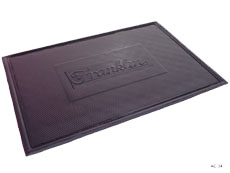 1927 Franklin Model 11 B Accessory Floor Mat - 12"X17"-AC 34Accessory Floor Mat - made of high quality black rubber with molded original emblem. Also designed to be sewn into new carpets. 12"X17", Each
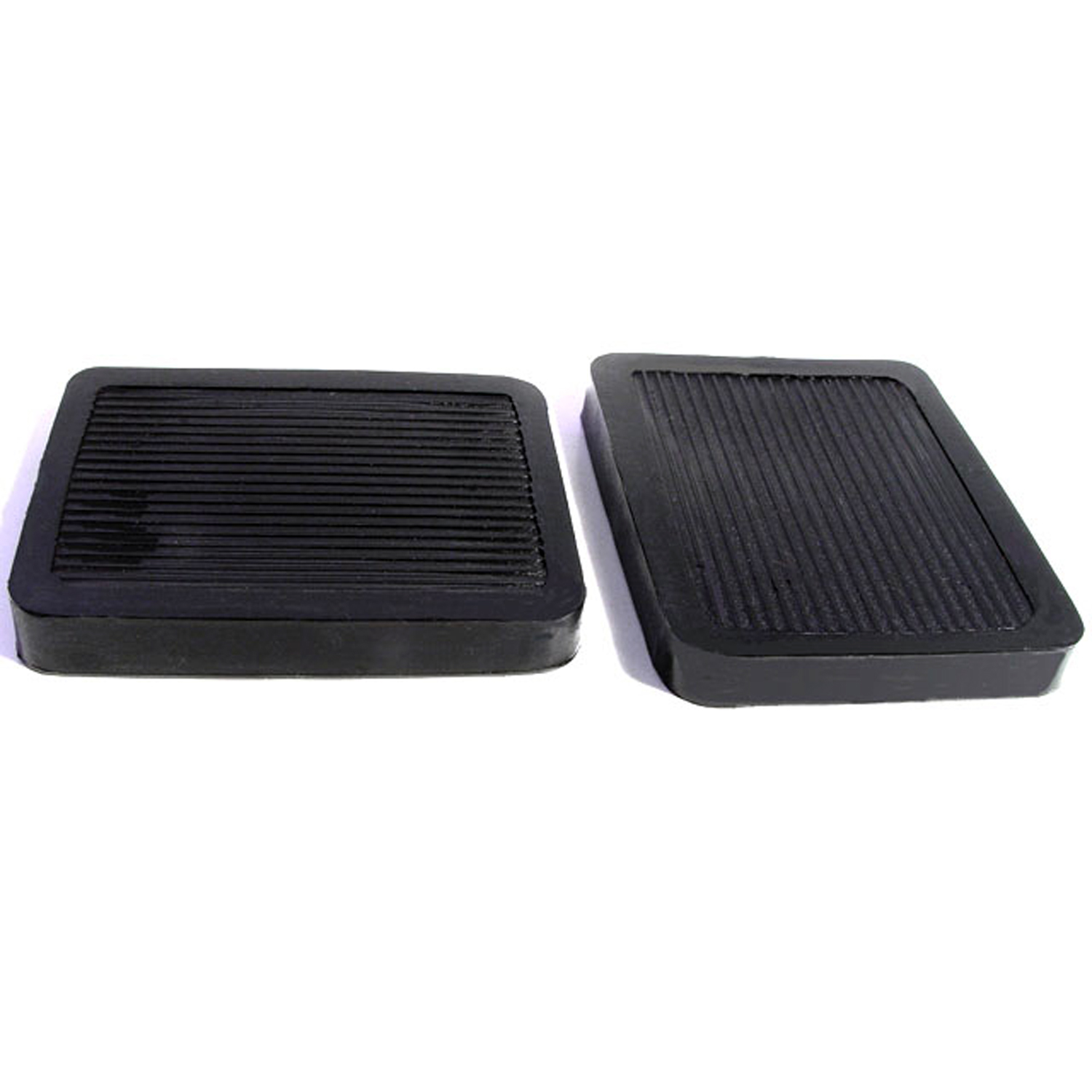 1927 Franklin Model 11 B Clutch and Brake Pedal Pads. Perfect reproduction-CB 24Clutch and Brake Pedal Pads. Perfect reproduction. 3" wide X 3-3/4" long. Pair
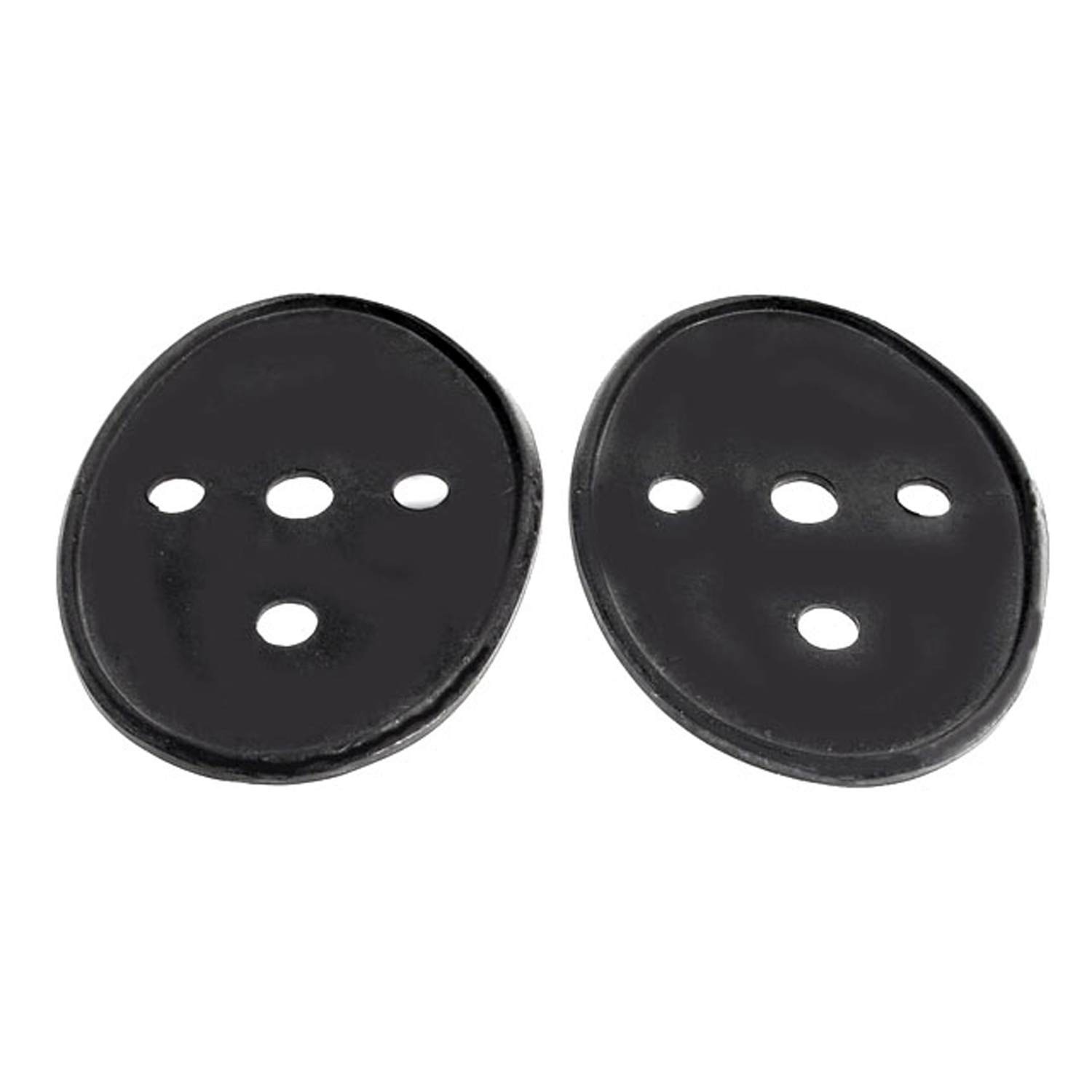 1927 Franklin Model 11 B Tail-light Pads. 3-1/4" wide X 4-5/8" long. Pair.-MP 671Tail-light Pads. 3-1/4" wide X 4-5/8" long. Pair.
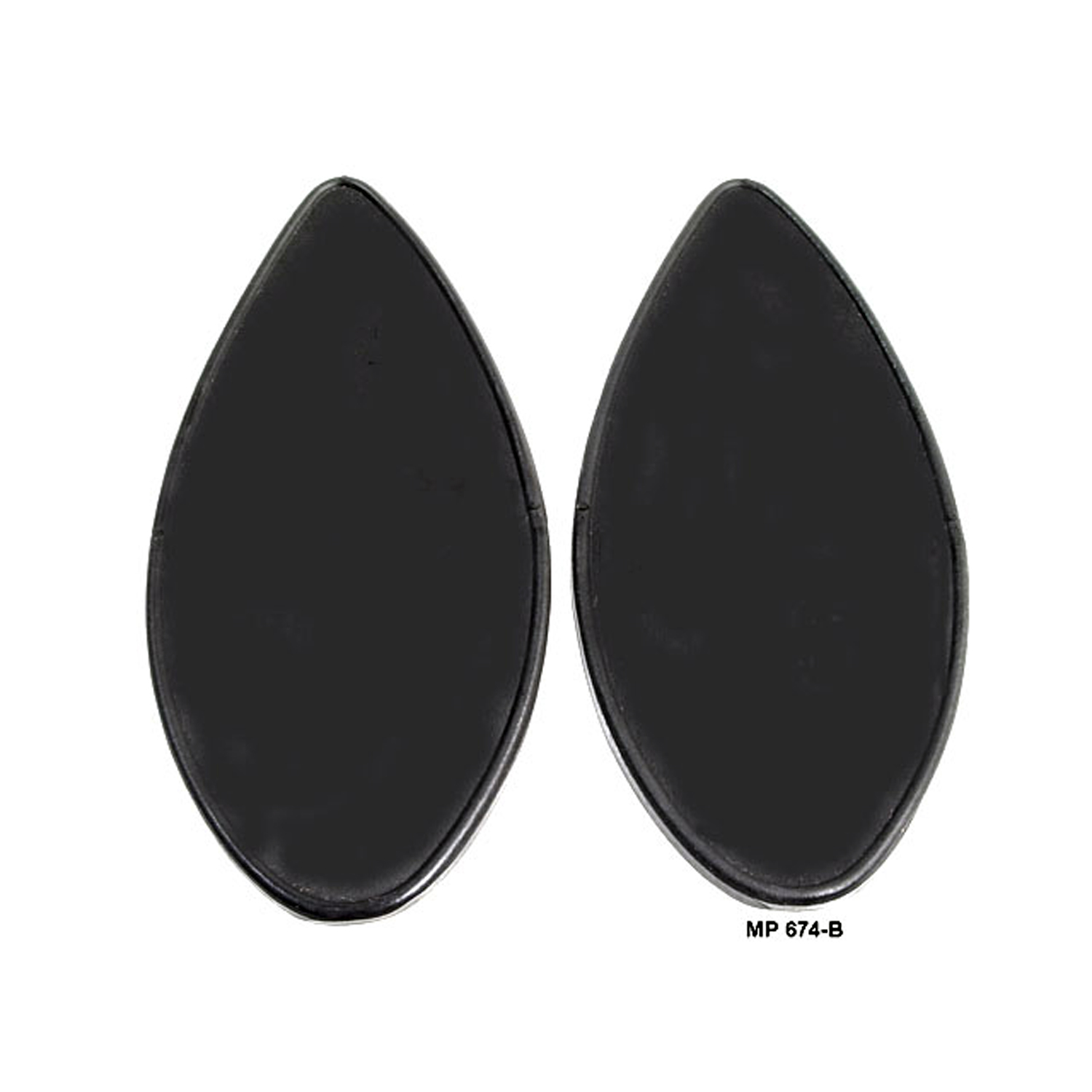 1927 Franklin Model 11 B Tail-light Pads. 3" wide X 6-3/4" long. Pair-MP 674-BTail-light Pads. 3" wide X 6-3/4" long. Pair
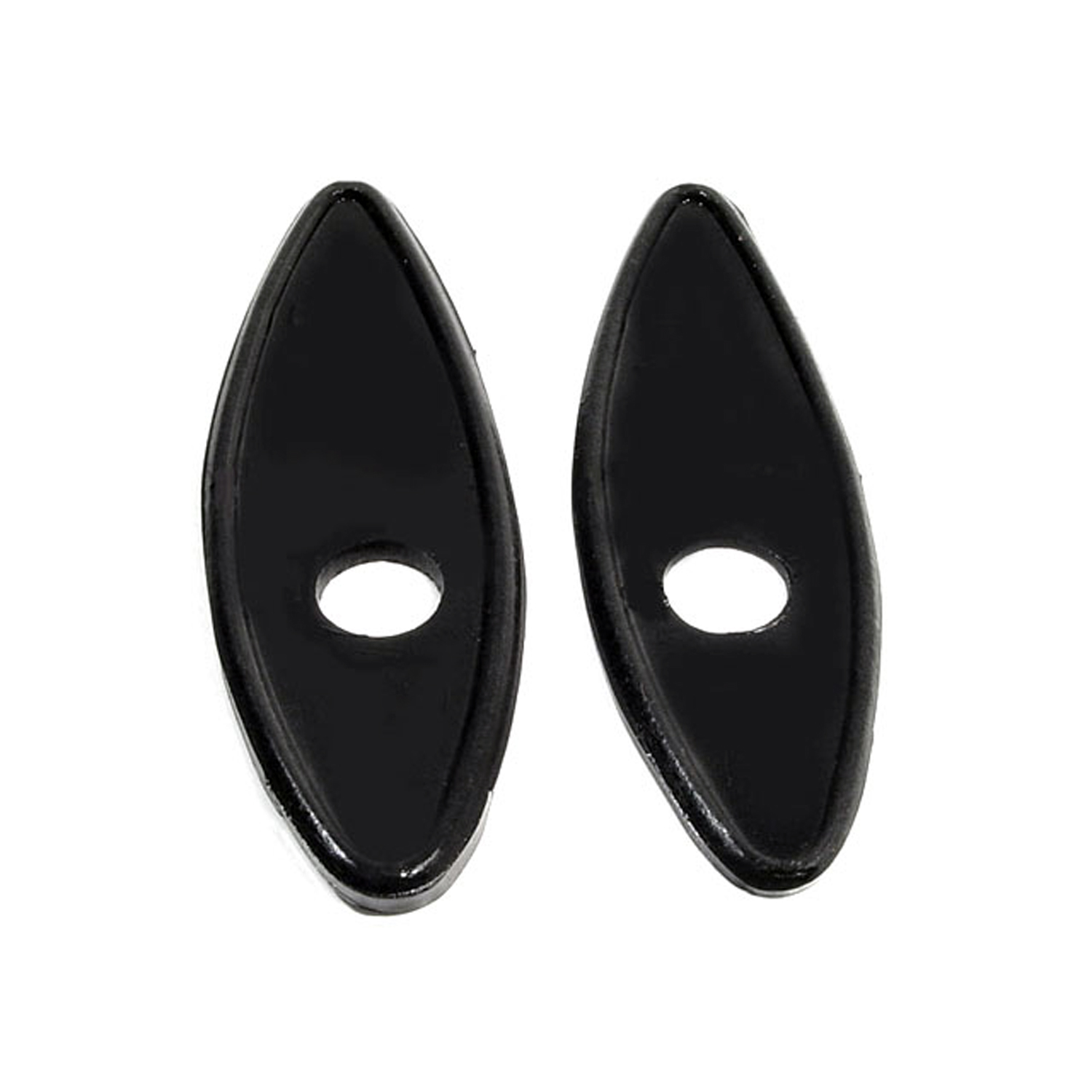 1927 Franklin Model 11 B Park Light Pads. 1-3/8" wide X 4-1/8" long. Pair-MP 674-CPark Light Pads. 1-3/8" wide X 4-1/8" long. Pair
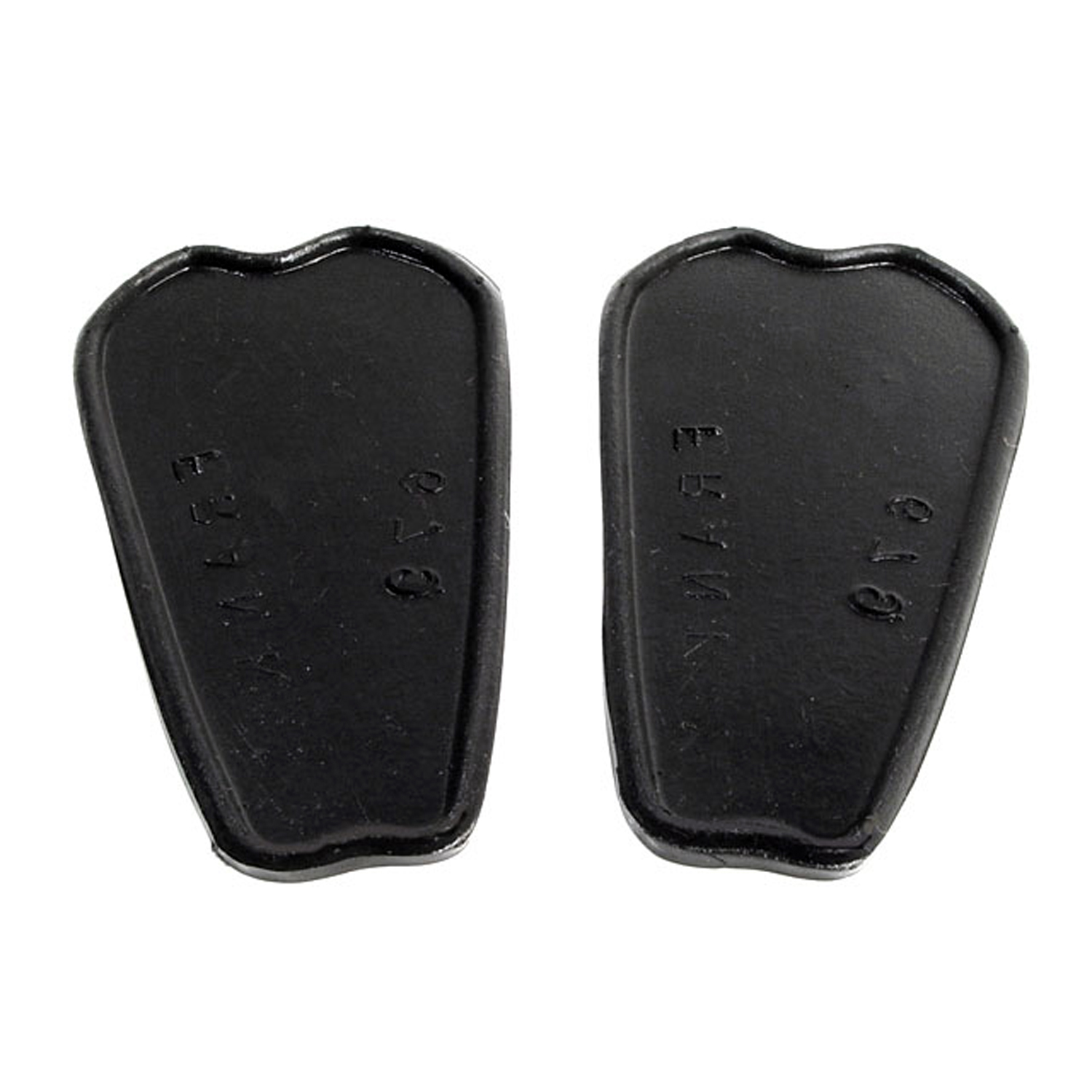 1927 Franklin Model 11 B Park Light Pads. 2-1/4" wide X 4-1/8" long. Pair-MP 679Park Light Pads. 2-1/4" wide X 4-1/8" long. Pair
Why Choose Metro?
For over 100 years, Metro Moulded Parts has been the pinnacle of quality in classic car restoration parts. Our commitment to precision and authenticity in every component ensures a perfect fit and an OEM-level appearance.
- Expert Craftsmanship & Quality: Each part is a testament to our dedication to reliability and perfection, crafted from original designs and thoroughly tested.
- Advanced Technology: We use cutting-edge techniques to create flawless, long-lasting parts that surpass others in performance.
- SuperSoft Sponge – The Ultimate Door Seal: Not only are our door seals 30% softer than competitors', but they're also guaranteed to never leak. They effectively reduce wind and road noise, enhancing your classic car's comfort and driving experience.
- Proudly American: Our parts are a product of American craftsmanship, made in the USA with a spirit of excellence and heritage.
- Unrivaled Warranty: We back our products with a 30-year industry-leading warranty, a testament to our confidence in their quality.
Join us in preserving the legacy of classic cars with parts that are crafted for perfection, not just made.