
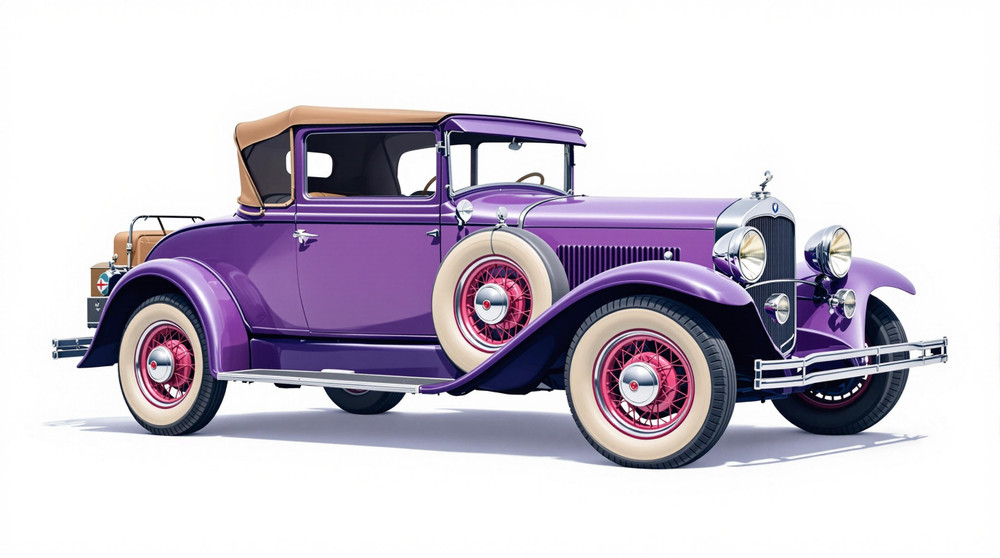
Image of 1928 Franklin Airman, Note: These illustrations use artistic license and may differ from actual historical models.
Performance Metrics
Fundamental Metrics
Emotional Appeal
MMP Rating
| Engine Specifications | |
|---|---|
| Engine: | Air-cooled Franklin 6-cylinder engine |
| Displacement: | 274 cubic inches |
| Horsepower: | Estimated 65-75 HP |
| Torque: | Not available |
| Compression Ratio: | Not available |
| Ignition System: | Battery and coil |
| Cooling System: | Air-cooled |
| Performance Specifications | |
| 0-60 Time: | Not available |
| 1/4 Mile Time: | Not available |
| Top Speed: | 70-80 mph |
| Transmission and Drive | |
| Drive Type: | Rear-wheel drive |
| Transmission Type: | 3-speed manual |
| Fuel and Efficiency | |
| Fuel System Type: | Carburetor |
| MPG: | Not available |
| Dimensions and Brakes | |
| Brakes: | Mechanical drum brakes |
| Wheelbase: | 125 inches |
| Weight: | 3,200 lbs |
Note: Specifications for classic cars are given to the best of our ability, considering the limited and variant data available.
1928 Franklin Airman: The Air-Cooled American Original
The 1928 Franklin Airman took a different route to staying cool: instead of carrying a radiator full of water, it relied on air to cool its engine. Built by the H.H. Franklin Manufacturing Company in Syracuse, New York, the Airman brought Franklin’s distinctive engineering to a broader market at a time when most American cars followed more conventional designs.
Franklin had made air-cooled automobiles since 1902, and its cars were known for light weight, careful construction, and smooth-running six-cylinder engines. The Airman joined the lineup in 1928, when aviation had captured the public imagination. Its name suited the era, though the car’s real claim to fame was its practical approach to cooling, not a direct connection to any particular aircraft or aviator.
Under the hood, the Airman used a six-cylinder engine of about 274 cubic inches, with output commonly listed at roughly 65 horsepower. Exact specifications can vary by body and production details, but the central idea was unmistakable: a refined touring car powered by an engine that did without a conventional water-cooling system.
Art Deco-Era Style and Coachwork
The Airman looked like a substantial late-1920s automobile, with a long hood, upright windshield, separate fenders, running boards, and rounded lamps mounted beside the radiator-shaped front shell. That shell gave the car a familiar face, but it did not conceal a conventional radiator. Its restrained, well-proportioned lines suited the period, when cars were beginning to look more streamlined while retaining distinct, separately mounted body components.
Franklin’s construction emphasized low weight. The company was known for aluminum body panels and wood-framed body construction, an approach that helped reduce mass compared with many steel-bodied rivals. The result was a car that felt thoughtfully made rather than merely large and imposing.
Airman body styles varied with the catalog and model configuration. Buyers could encounter closed bodies such as sedans and coupes, along with open touring or roadster-style forms. The sedan was a practical choice for family motoring, while open bodies offered the breezy, social touring experience that many buyers associated with a premium automobile. Availability and naming can differ across surviving references, so a specific car’s body style is best checked against its chassis and factory records.
Interiors were trimmed for comfort and durability, with upholstered seating, a broad dashboard, and period-appropriate metal and wood details. Materials and finish depended on body style and equipment. Owners could choose from factory paint and trim combinations, with dark blues, greens, maroons, and black all fitting the tastes of the era. Exact color offerings were not identical across every body, and restored cars are not always finished in their original colors.
Air Cooling, Franklin’s Signature Innovation
Franklin’s air-cooling system was the Airman’s defining piece of engineering. Heat was carried away from the engine through its finned surfaces and airflow, supported by the car’s cooling arrangement. Without a water jacket, radiator, coolant hoses, or the usual risk of freezing coolant, the system eliminated several components that owners of water-cooled cars had to maintain.
That did not make the engine maintenance-free. Air-cooled engines still depended on clean cooling passages, proper lubrication, and a sound fan and airflow system. But Franklin’s approach was unusually sophisticated for a full-sized American car, and it reflected the company’s long commitment to developing air-cooled passenger vehicles.
The Airman also benefited from Franklin’s focus on light construction and a flexible, comfortable ride. Its engineering priorities differed from those of many mass-market cars: rather than competing only on size or low price, Franklin aimed to deliver a quiet, refined touring experience. The Airman helped carry that identity into a more accessible part of the company’s range.
How the 1928 Airman Drives
With about 65 horsepower, a manual transmission, and rear-wheel drive, the Airman was built for steady touring rather than quick acceleration. Period performance figures are not consistent, and modern standardized 0-to-60-mph testing did not exist when the car was new. A reasonable modern estimate is that acceleration to 60 mph would take well over 20 seconds, depending on body style, gearing, condition, and load.
Top speed is generally estimated in the neighborhood of 65 to 70 mph for a sound example. That was respectable for a touring car of its time, though most owners would have spent more time cruising at moderate road speeds than running flat out. These figures should be treated as estimates, not guaranteed factory test results.
On a paved road, the six-cylinder engine delivers a softer, more even character than a rough-running four-cylinder. The sound is a subdued mechanical hum with the distinct airflow and fan note of an air-cooled engine. There is no radiator fan and coolant system in the familiar modern sense, so the engine’s cooling hardware contributes its own character to the soundscape.
The Airman’s ride is best understood in the context of 1920s suspension and tires. It can take ordinary road imperfections in a composed manner, but sharp potholes and broken pavement still make themselves known. On winding roads, the driver works a large steering wheel and a manual gearbox, with more effort at low speeds than in a modern car. Braking and steering also demand anticipation: there is no power assistance, and stopping distances are far longer than those of a contemporary vehicle.
Living With a Franklin Airman
Today, an Airman is most at home in historic motoring events, club tours, museum displays, and carefully planned local drives. It can be driven, but most owners treat it as a preservation or show car rather than a daily driver. Its age, mechanical character, and scarcity make routine modern commuting impractical.
Maintenance is manageable for an experienced vintage-car owner, but the Airman is not as straightforward to service as a common Model A Ford. Parts availability is more limited, and repairs to the air-cooling system, engine, or specialized body components may require Franklin expertise or help from marque specialists. Mechanical work can be approachable for a capable hobbyist, but sourcing correct parts and maintaining originality often takes patience.
Reliability depends heavily on condition and previous restoration quality. A Franklin with a properly rebuilt engine and a clean, correctly functioning cooling system can be a rewarding touring car. A neglected example can become expensive quickly, particularly if it has missing or incorrect components. Before buying, a specialist inspection should include the engine, cooling fan and airflow path, transmission, brakes, chassis, and body structure.
Franklin Airman Facts and Myths
The Airman arrived during the same period that made aviation a popular subject in American culture. Its name captured that enthusiasm, while its air-cooled engine gave the association a pleasing technical twist. The model was not an airplane on wheels, but Franklin’s engineers did share aviation’s interest in managing weight and heat.
Franklin’s air-cooled design is sometimes mistaken for a simple system that needed no attention. In reality, it depended on carefully engineered airflow and regular mechanical care. Another common misconception is that every Franklin used exactly the same engine and body specification. Production changes, model variations, and coachwork options mean that individual cars should be researched by serial number whenever possible.
The Airman is not widely known for a single headline-grabbing speed record or a famous race victory. Its significance is more durable than a one-day achievement: it represents a serious American attempt to make air cooling work in a comfortable, full-sized passenger car. Franklin’s cars appeared on the roads of their time as premium touring machines, but today their strongest presence is among collectors, museums, and marque clubs.
1928 Franklin Airman Collector Values
Franklin production figures can be difficult to separate by model, body style, and year. A cautious estimate is that several thousand Airmen were built during the model’s early production, perhaps around 3,000 to 5,000 for 1928, though that figure should be treated as an informed approximation rather than a confirmed factory total. Far fewer survive in drivable, well-documented condition.
As a broad U.S. market estimate, a project car or incomplete example might fall around $10,000 to $25,000. A sound driver or older restoration could bring roughly $25,000 to $50,000, while a high-quality restoration or especially desirable body style may reach $50,000 to $90,000 or more. These ranges are guides, not appraisals. Condition, originality, provenance, body style, and the quality of the air-cooled engine work can move the price substantially.
Well-presented Franklins have a dedicated audience, but the market is narrower than for more familiar classics such as the Ford Model A. Values tend to reward strong restoration quality and documented authenticity rather than simple age or rarity. Over the long term, exceptional examples may appreciate, but ownership costs, specialist maintenance, and changing collector demand make the Airman better suited to someone who values the car itself than someone seeking a quick investment.
Why the Airman Still Matters
The 1928 Franklin Airman combined graceful period styling with an engineering idea most competitors left behind: a sophisticated air-cooled six-cylinder engine in a full-sized touring car. Its light construction, distinctive mechanical character, and relative rarity set it apart from the more familiar water-cooled automobiles of the era.
For collectors, the Airman offers more than an unusual badge or an elegant silhouette. It is a reminder that American automotive history was shaped by bold alternatives, and that sometimes the most memorable way to keep a car moving is to let the air do the cooling.
1928 Franklin Airman Catalog of Parts
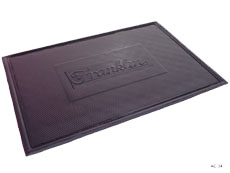 1928 Franklin Airman Accessory Floor Mat - 12"X17"-AC 34Accessory Floor Mat - made of high quality black rubber with molded original emblem. Also designed to be sewn into new carpets. 12"X17", Each
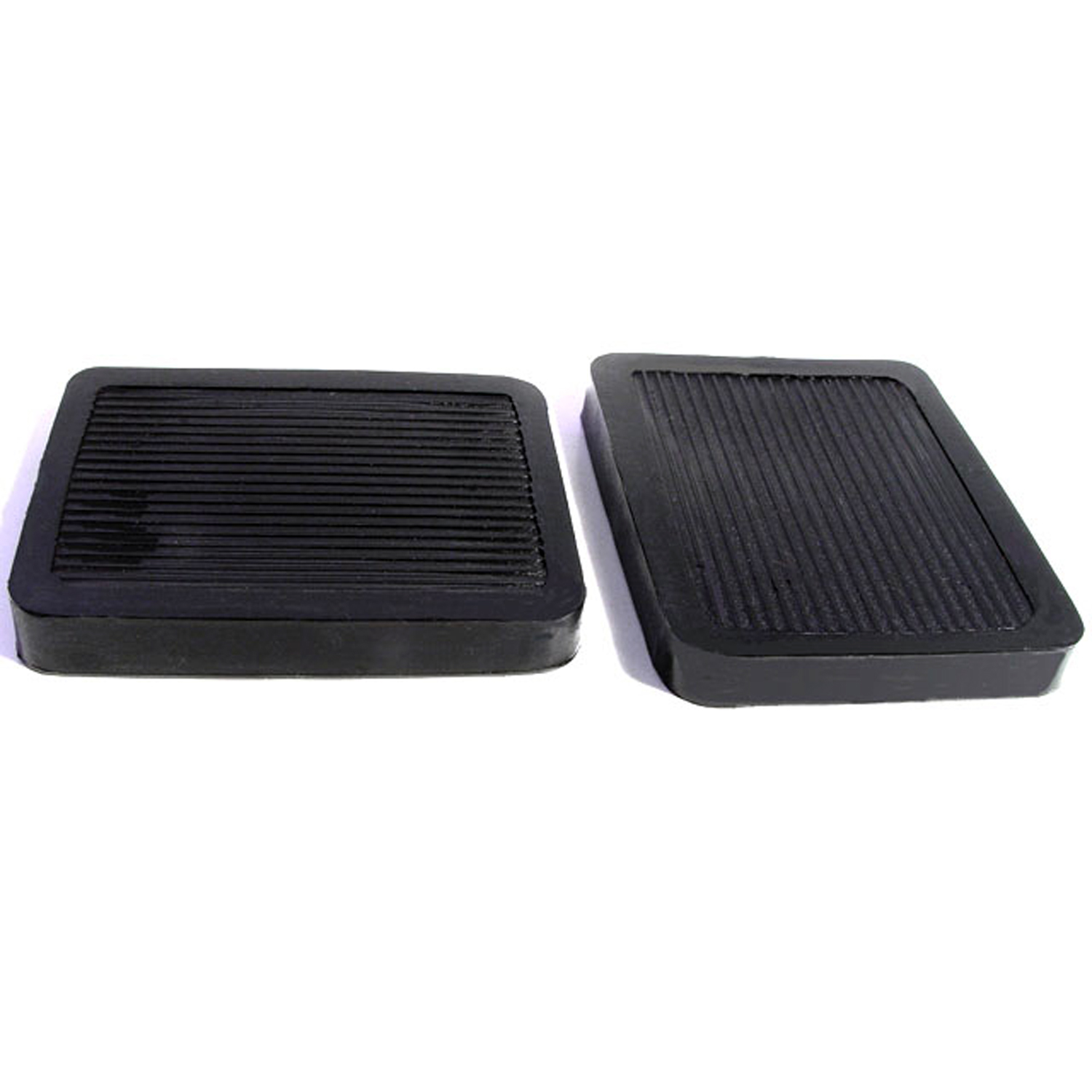 1928 Franklin Airman Clutch and Brake Pedal Pads. Perfect reproduction-CB 24Clutch and Brake Pedal Pads. Perfect reproduction. 3" wide X 3-3/4" long. Pair
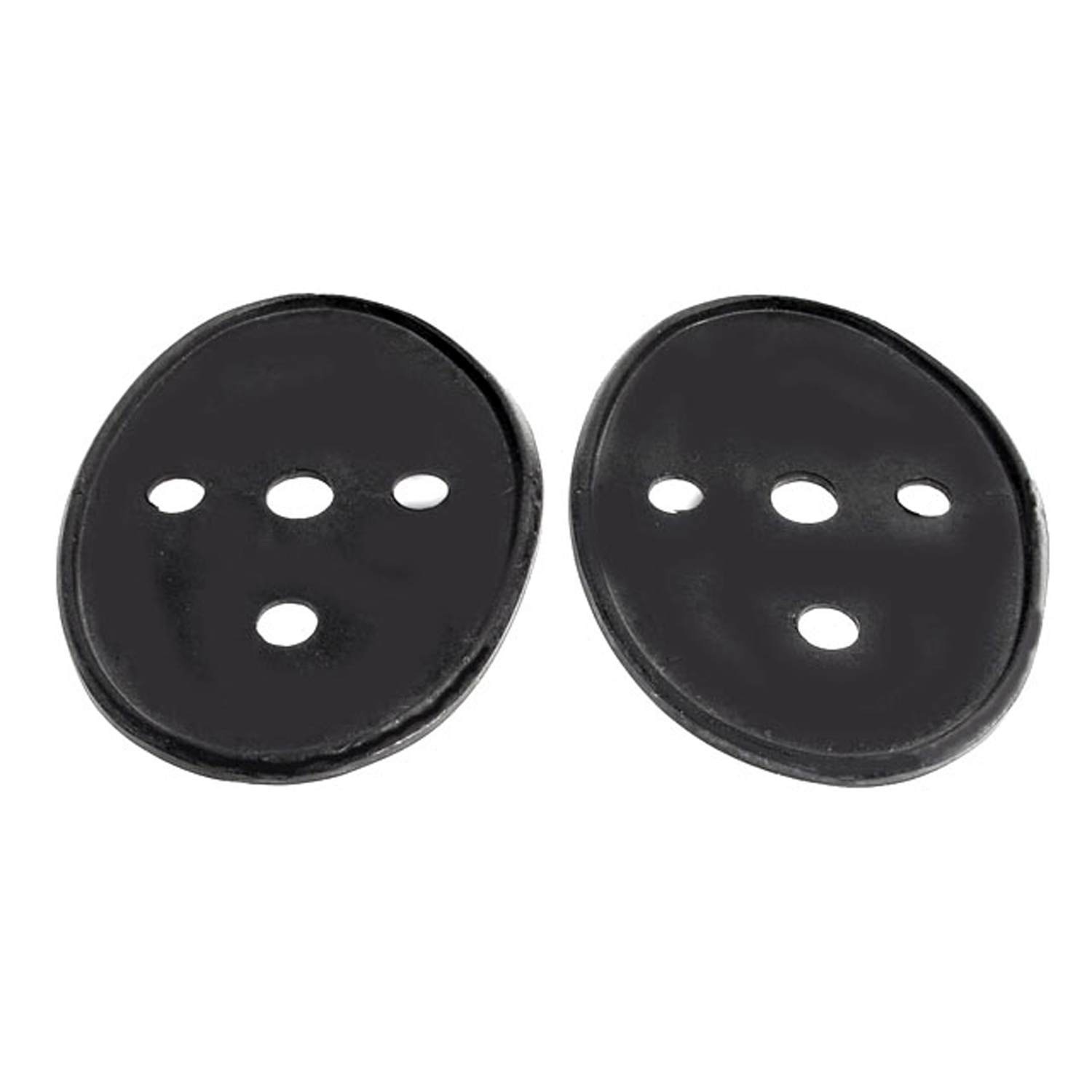 1928 Franklin Airman Tail-light Pads. 3-1/4" wide X 4-5/8" long. Pair.-MP 671Tail-light Pads. 3-1/4" wide X 4-5/8" long. Pair.
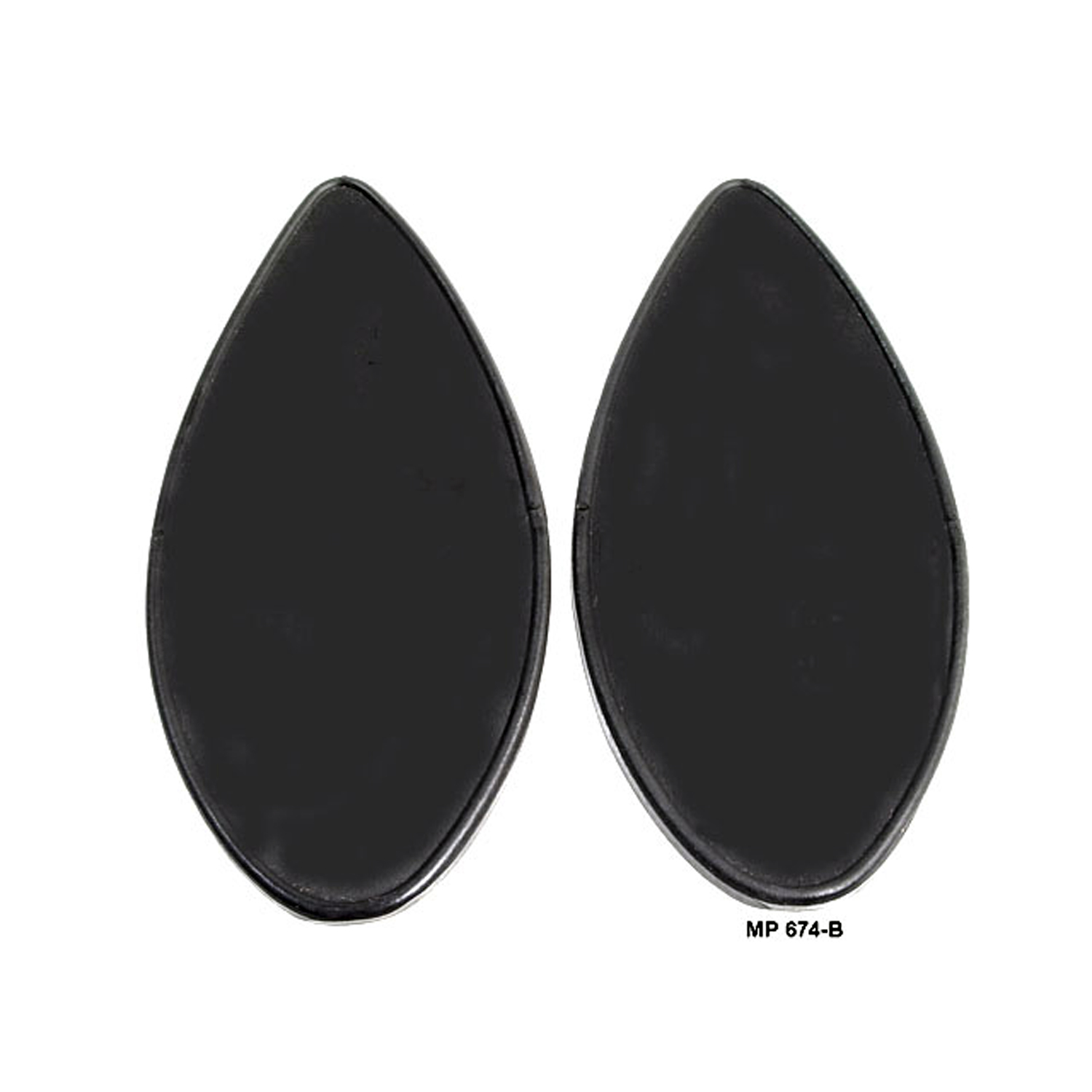 1928 Franklin Airman Tail-light Pads. 3" wide X 6-3/4" long. Pair-MP 674-BTail-light Pads. 3" wide X 6-3/4" long. Pair
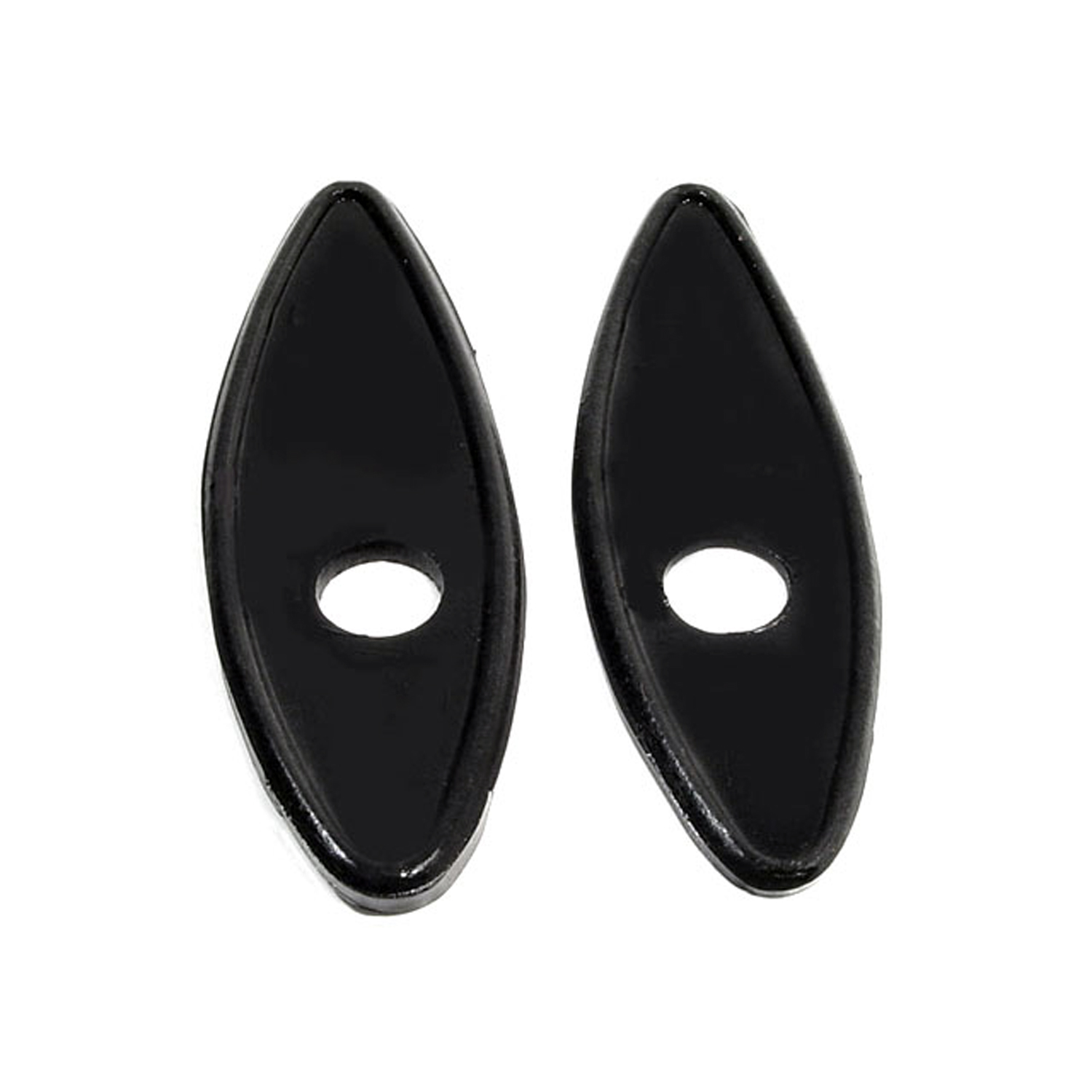 1928 Franklin Airman Park Light Pads. 1-3/8" wide X 4-1/8" long. Pair-MP 674-CPark Light Pads. 1-3/8" wide X 4-1/8" long. Pair
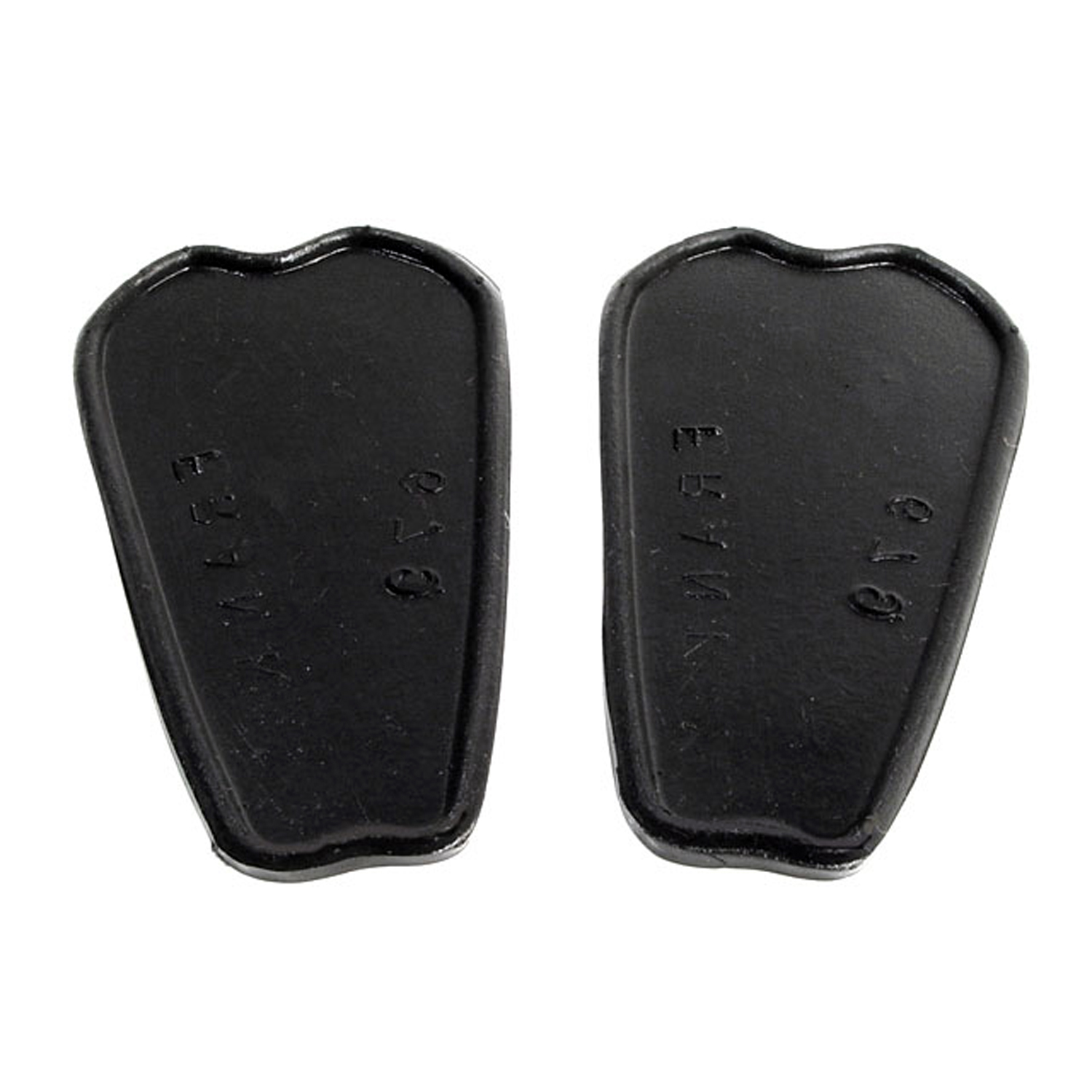 1928 Franklin Airman Park Light Pads. 2-1/4" wide X 4-1/8" long. Pair-MP 679Park Light Pads. 2-1/4" wide X 4-1/8" long. Pair
Why Choose Metro?
For over 100 years, Metro Moulded Parts has been the pinnacle of quality in classic car restoration parts. Our commitment to precision and authenticity in every component ensures a perfect fit and an OEM-level appearance.
- Expert Craftsmanship & Quality: Each part is a testament to our dedication to reliability and perfection, crafted from original designs and thoroughly tested.
- Advanced Technology: We use cutting-edge techniques to create flawless, long-lasting parts that surpass others in performance.
- SuperSoft Sponge – The Ultimate Door Seal: Not only are our door seals 30% softer than competitors', but they're also guaranteed to never leak. They effectively reduce wind and road noise, enhancing your classic car's comfort and driving experience.
- Proudly American: Our parts are a product of American craftsmanship, made in the USA with a spirit of excellence and heritage.
- Unrivaled Warranty: We back our products with a 30-year industry-leading warranty, a testament to our confidence in their quality.
Join us in preserving the legacy of classic cars with parts that are crafted for perfection, not just made.