
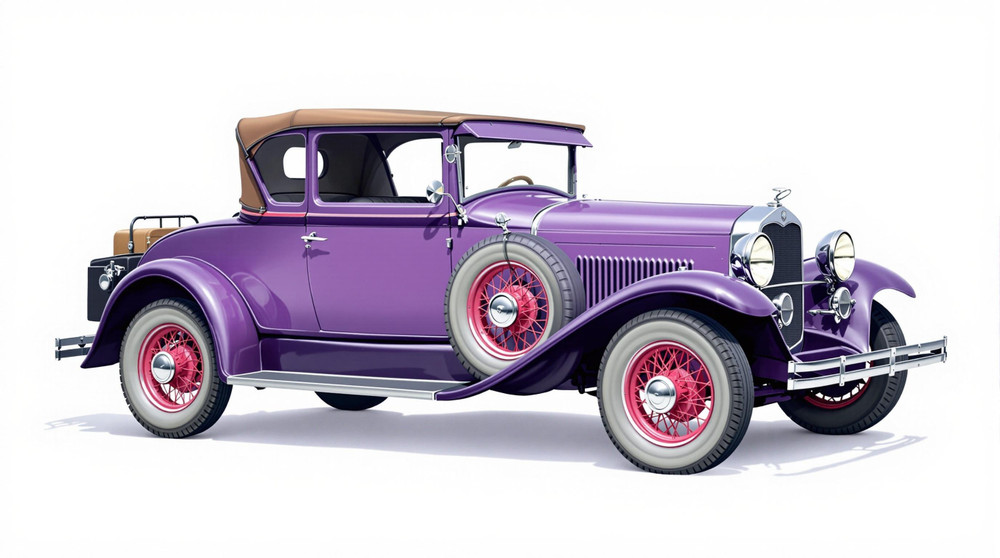
Image of 1929 Franklin Model 130, Note: These illustrations use artistic license and may differ from actual historical models.
Performance Metrics
Fundamental Metrics
Emotional Appeal
MMP Rating
| Engine Specifications | |
|---|---|
| Engine Options: | Air-cooled 6-cylinder engine |
| Displacement Range: | 274 cubic inches |
| Horsepower Range: | Estimated 32-35 HP |
| Torque: | Not available |
| Compression Ratio: | Not available |
| Ignition System: | Battery and coil |
| Cooling System: | Air-cooled |
| Performance Specifications | |
| 0-60 Time: | Not available |
| 1/4 Mile Time: | Not available |
| Top Speed: | 60 mph |
| Transmission and Drive | |
| Drive Type: | Rear-wheel drive |
| Transmission Type: | Manual |
| Fuel and Efficiency | |
| Fuel System Type: | Carburetor |
| MPG: | Not available |
| Dimensions and Brakes | |
| Brakes: | Mechanical drum brakes |
| Wheelbase: | 114 inches |
| Weight: | 2,800 lbs |
Note: Specifications for classic cars are given to the best of our ability, considering the limited and variant data available.
1929 Franklin Model 130: The Air-Cooled Luxury Car
The 1929 Franklin Model 130 took a different route to luxury: instead of a water-cooled engine and conventional radiator, it used a large, air-cooled six-cylinder engine in a handsome American touring car. Built by the H.H. Franklin Manufacturing Company in Syracuse, New York, it belonged to a marque that made engineering independence part of its identity.
Franklin had been building air-cooled automobiles since the early 1900s. By 1929, the company had refined that unusual layout into a smooth, substantial car aimed at buyers who wanted comfort and engineering distinction, rather than a stripped-down economy vehicle. The Model 130 arrived during the final boom years before the Great Depression. Its blend of advanced engineering and expensive coachwork made it memorable, but also put it in a difficult market when luxury-car sales contracted.
One intriguing detail is right there beneath the hood: the Franklin did not need a radiator, coolant, or the usual water-cooling plumbing. That gave the car a distinctive mechanical character and helped Franklin build a reputation around a technology most of its competitors had abandoned or never adopted.
Model 130 Design and Styling
The Model 130 had the long hood, upright windscreen, and generous proportions expected of a high-grade late-1920s automobile. Its bodywork looked substantial without being overly heavy. Carefully shaped fenders swept around the wheels, running boards linked the front and rear sections, and brightwork added a dressy finish. The front end still had a formal, radiator-like appearance, but the engine’s cooling system relied on airflow rather than a conventional radiator.
Franklin’s air-cooled layout influenced the hood design. Side louvers and openings helped move air through the engine compartment, giving the car a technical look as well as a practical purpose. Details varied with body style and equipment, but the overall effect was polished and purposeful, more country-club tourer than sporting roadster.
Inside, the Model 130 was designed for long-distance comfort. Buyers could expect upholstered seating in cloth or leather, depending on body style and specification, along with finished wood trim and a well-appointed instrument panel. Period cars were built to order in ways that could affect their materials and accessories, so the exact interior treatment was not identical on every Model 130. Still, the general standard was that of a premium automobile, not a basic family car.
Factory paint choices and combinations could also vary by body and order. Period luxury cars often used restrained colors, contrasting body accents, and coordinated trim rather than one universal palette. There is no single color that can safely be called the definitive Model 130 choice, though dark, elegant finishes suit the car’s formal proportions particularly well.
Body Styles and Equipment
The Model 130 was offered in several closed and open body configurations, with availability depending on the specific series and coachwork. Franklin buyers could choose practical enclosed cars such as sedans, as well as more sporting or touring-oriented styles. The sedan is among the most recognizable configurations today: its enclosed cabin, formal roofline, and ample seating make it a clear expression of the model’s luxury brief.
Body-style names and specifications can differ among surviving cars and reference sources. Franklin’s model designations are not always used consistently in modern listings, so a prospective buyer should verify the chassis, body plate, and period documentation rather than relying on a badge or seller description alone.
Air-Cooled Engineering and Historical Importance
The Model 130’s defining feature was its air-cooled inline six. A fan and carefully arranged airflow moved cooling air around the engine, eliminating the radiator, water pump, hoses, and liquid coolant used by most contemporary cars. The system avoided familiar problems such as frozen coolant in winter or a boiling radiator on a hard climb. It also gave Franklin a distinctive engineering identity.
That design had trade-offs. Air cooling required effective ducting and airflow management, and the engine’s appearance and service routines differed from those of water-cooled rivals. Franklin’s solution was sophisticated for its time, but it was not a magic shortcut to effortless ownership. Like any complex vintage engine, it depends on correct adjustment, clean cooling passages, and knowledgeable maintenance.
The Model 130 also represented the company’s attempt to compete in the upper reaches of the American market. Its combination of a smooth six-cylinder engine, substantial chassis, and high-grade bodywork set it apart from mass-market cars. Franklin’s influence is less about a single feature adopted by the whole industry and more about demonstrating how far a manufacturer could develop an alternative cooling philosophy. The company continued building cars until 1934, when the Depression and financial difficulties brought production to an end.
Performance and Road Manners
Model 130 specifications are reported somewhat differently across references and surviving examples. The series is generally associated with a large-displacement, air-cooled inline six of roughly 275 cubic inches, producing about 90 horsepower, paired with a manual transmission. Treat those figures as representative rather than guaranteed for every car; original specification sheets and the individual car’s equipment are the best authorities.
A well-sorted Model 130 is commonly estimated to reach roughly 75 to 85 mph under favorable conditions. A period-style 0-to-60-mph time is not consistently documented, and any modern figure should be treated as an estimate. Given the car’s weight, gearing, and period tires, acceleration would be measured rather than brisk by modern standards. The Franklin was built for comfortable touring, not drag-strip launches.
On the road, the long wheelbase and substantial chassis help it feel settled over ordinary bumps and rolling pavement. It is still a car from the 1920s, so rough roads call for a relaxed pace and a thoughtful hand on the controls. On winding roads, the driver has to plan ahead: steering effort, brake response, tire technology, and body lean are all quite different from those of a modern car.
The driving experience is part of the appeal. Instead of the familiar sound and feel of a water-cooled engine, the Franklin has the mechanical hum and airflow noise associated with its fan-cooled layout, mixed with the steady cadence of a large six. The driver works through a manual gearbox and operates controls that feel direct and mechanical. It rewards smooth inputs and gives the impression of a machine engineered for distance, not haste.
Owning and Maintaining a Franklin
Today, the Model 130 is best suited to touring events, car shows, and careful recreational drives. It can be driven on the road, but it is not a sensible modern daily driver. Traffic speeds, limited safety equipment, and the need to preserve an increasingly scarce car all argue for occasional use and sensible routes.
Routine work is manageable for an experienced vintage-car owner, but Franklin-specific knowledge matters. Parts availability is more limited than it is for popular Ford or Chevrolet models, and the air-cooled engine calls for a mechanic who understands its airflow system. Before buying, check for overheating-related damage or signs of poor engine maintenance, inspect the chassis and brakes, and confirm that the car has the correct parts. A pre-purchase inspection by a Franklin specialist is money well spent.
Reliability depends heavily on condition. A properly restored and maintained example can be a rewarding touring car, but age, infrequent use, and improvised repairs can quickly turn a rare automobile into a demanding project. In particular, an owner should not assume that the absence of a radiator means the engine cannot overheat. Air-cooled engines still need clear airflow and correct setup.
Franklin Model 130 Facts and Myths
The Model 130 is not chiefly remembered for racing records or headline-grabbing speed achievements. Its distinction is its engineering approach and its place in Franklin’s final years as an independent luxury-car maker. The company’s Syracuse origins also give the marque a strong regional identity, and the Model 130 is a reminder that important American automotive innovation did not come only from Detroit.
Production figures for an individual Model 130 body style are difficult to pin down from commonly available summaries. As a cautious estimate, the total number of Model 130 cars built may have been in the low thousands or fewer, with particular body styles produced in smaller numbers. This is an estimate, not a verified factory total. No widely documented celebrity ownership or major historical-event appearance defines the model, so claims of that kind should be checked against reliable provenance.
A fair criticism is that Franklin’s unusual engineering can make repairs and parts sourcing more challenging than for a more common classic. The air-cooled design also never became the industry standard. But its rarity and mechanical individuality are precisely what draw many enthusiasts to the marque.
Collector Values and Availability
The 1929 Franklin Model 130 is uncommon on today’s market. Cars do appear through specialist dealers, auctions, and marque networks, but buyers should expect to wait for the right body style and condition. Exact production totals are uncertain, and a best-guess estimate places Model 130 production at a relatively modest level compared with mass-market cars of the era. Surviving examples are rarer still.
As a broad current-market estimate, a project or incomplete car might fall around $15,000 to $25,000, while a sound, usable example could bring roughly $25,000 to $50,000. A high-quality restoration, especially in a desirable body style with strong documentation, could reach $50,000 to $80,000 or more. These are indicative ranges, not appraisals: condition, originality, provenance, and the quality of the air-cooled engine work have a major effect on value.
Well-presented examples of unusual prewar cars have generally attracted steady collector interest, but the Franklin market is specialized rather than broad. Values can be uneven, and restoration costs may exceed the eventual sale price. The best buying decision is usually the most complete, well-documented car the buyer can afford, rather than the cheapest project.
Why the 1929 Franklin Model 130 Matters
The Franklin Model 130 combined handsome late-1920s styling, a comfortable touring-car layout, and an air-cooled six-cylinder engine that set it apart from the crowd. It was not the fastest or easiest car to maintain, but it offered a distinctive answer to one of the automobile’s central engineering challenges: how to keep an engine cool without a radiator.
Nearly a century later, that independent streak is the Model 130’s lasting appeal. It is a rare American luxury car with a story built into its machinery, and every well-preserved example keeps Franklin’s inventive spirit on the road.
1929 Franklin Model 130 Catalog of Parts
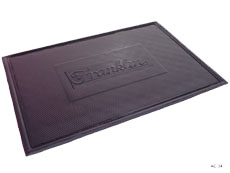 1929 Franklin Model 130 Accessory Floor Mat - 12"X17"-AC 34Accessory Floor Mat - made of high quality black rubber with molded original emblem. Also designed to be sewn into new carpets. 12"X17", Each
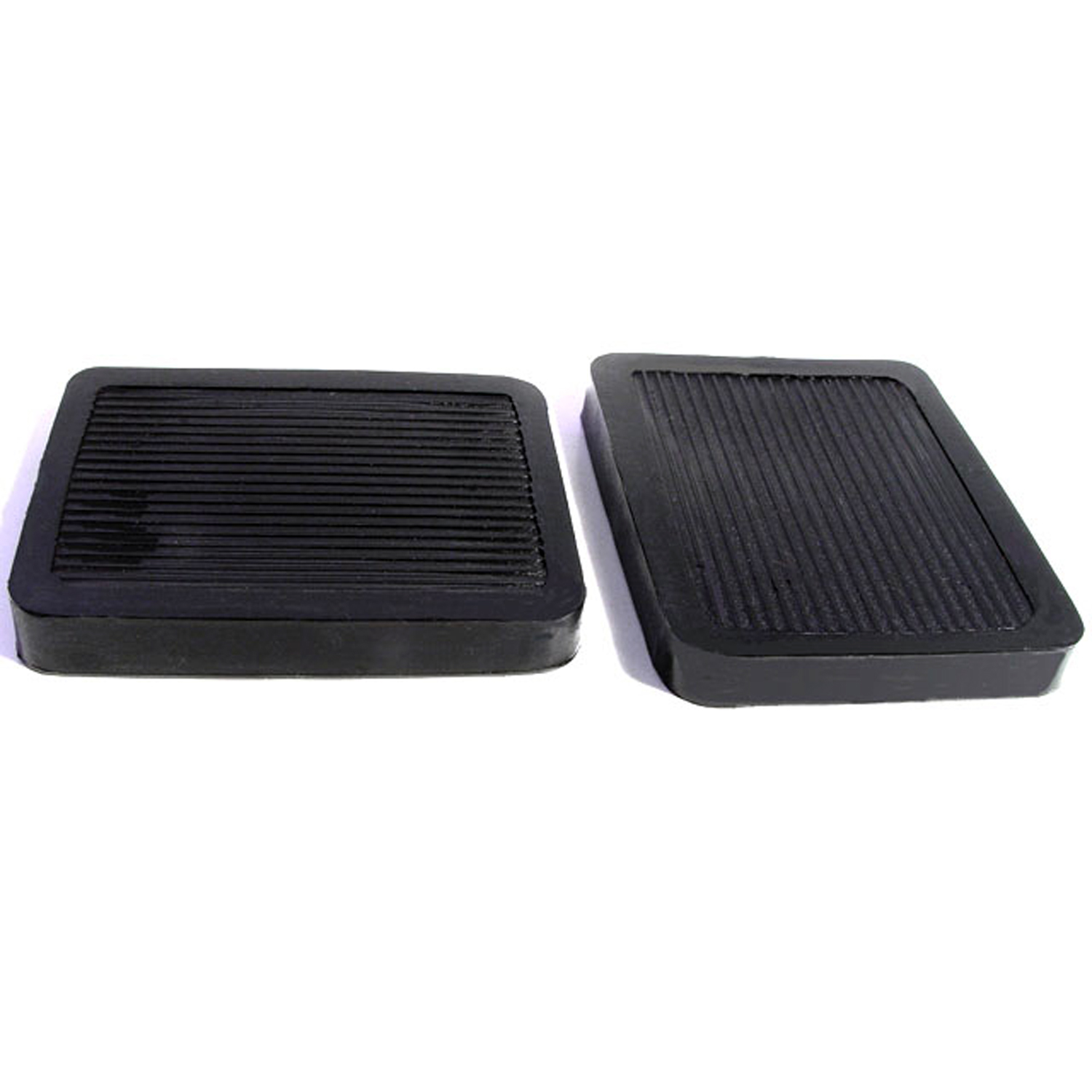 1929 Franklin Model 130 Clutch and Brake Pedal Pads. Perfect reproduction-CB 24Clutch and Brake Pedal Pads. Perfect reproduction. 3" wide X 3-3/4" long. Pair
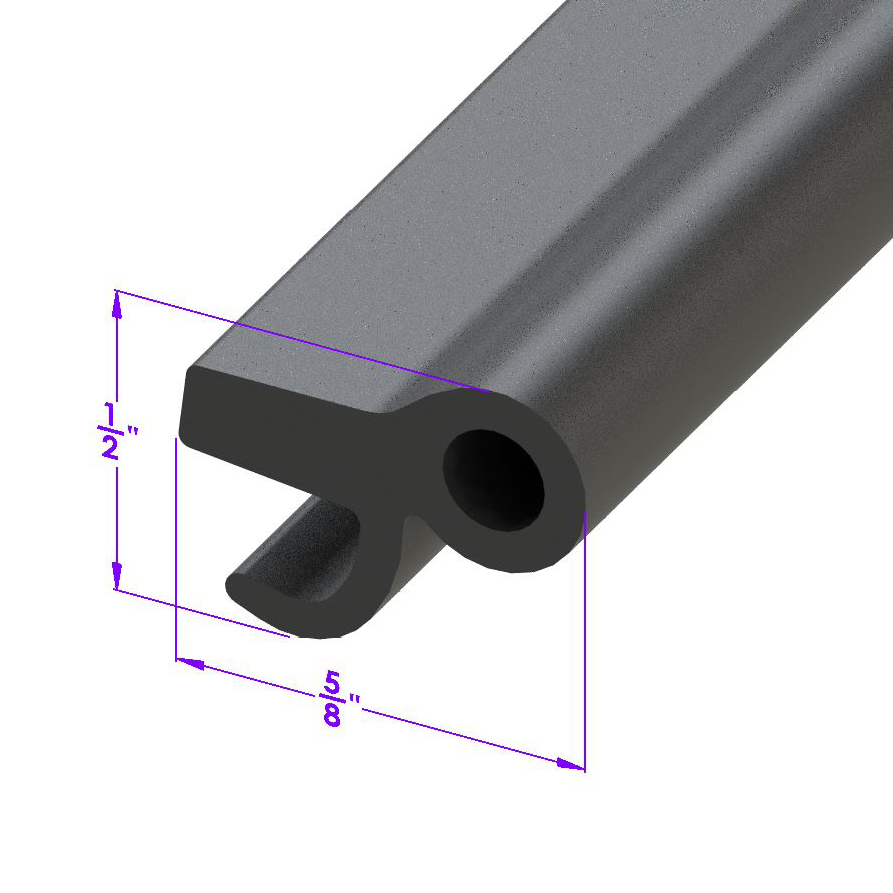 1929 Franklin Model 130 Swing-Out Windshield Seal-LP 97-CSwing-Out Windshield Seal. For both one- and two-piece windshields. Sold by the foot
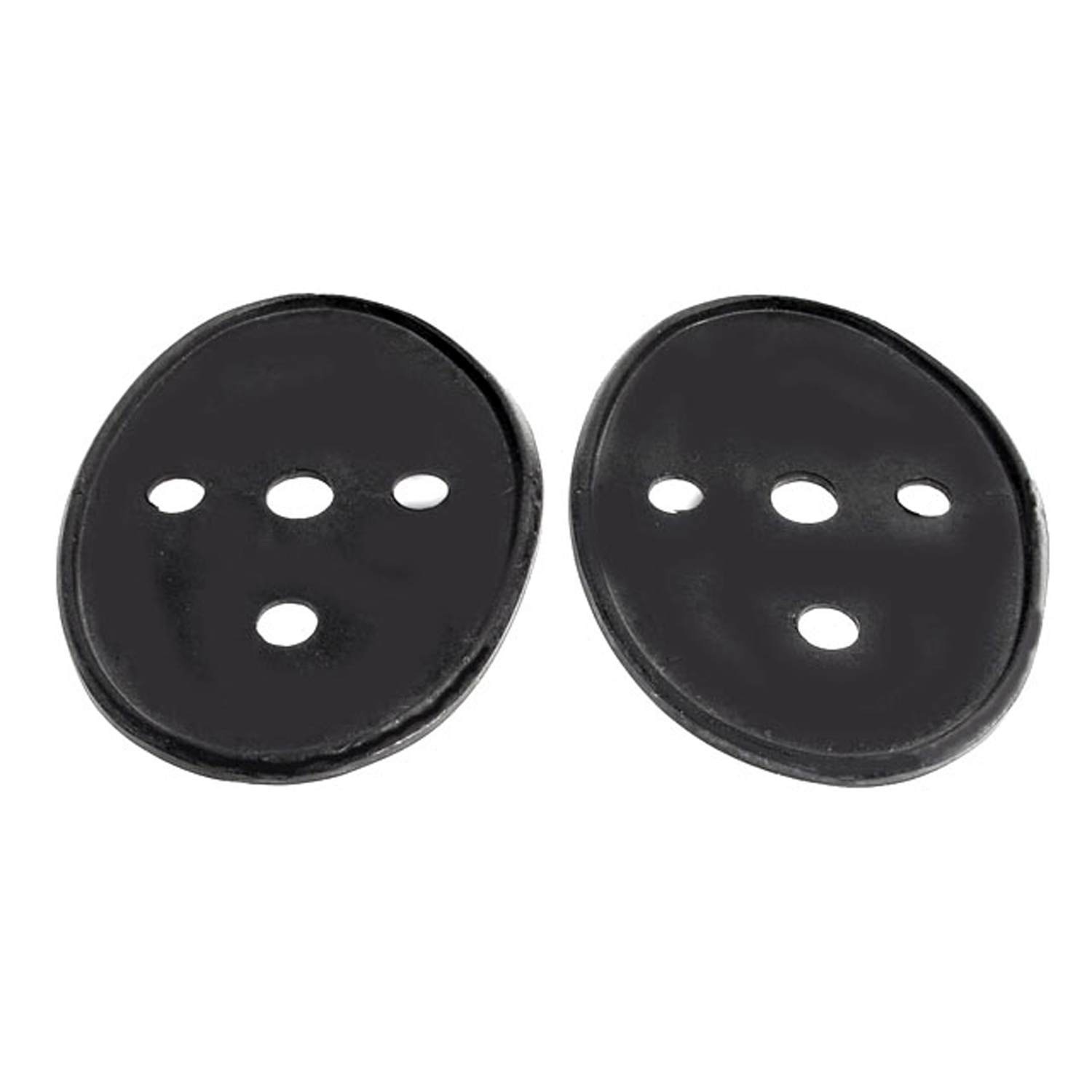 1929 Franklin Model 130 Tail-light Pads. 3-1/4" wide X 4-5/8" long. Pair.-MP 671Tail-light Pads. 3-1/4" wide X 4-5/8" long. Pair.
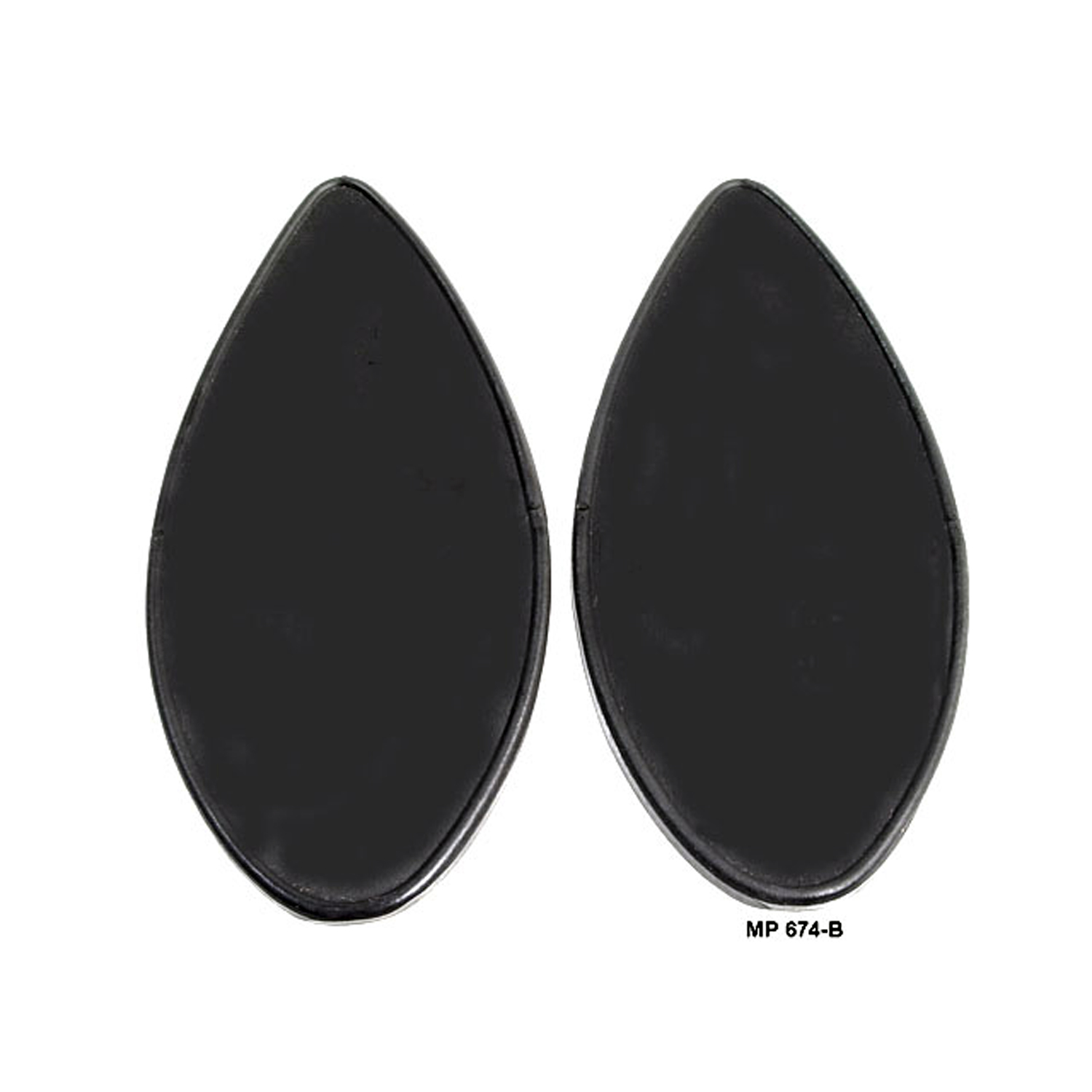 1929 Franklin Model 130 Tail-light Pads. 3" wide X 6-3/4" long. Pair-MP 674-BTail-light Pads. 3" wide X 6-3/4" long. Pair
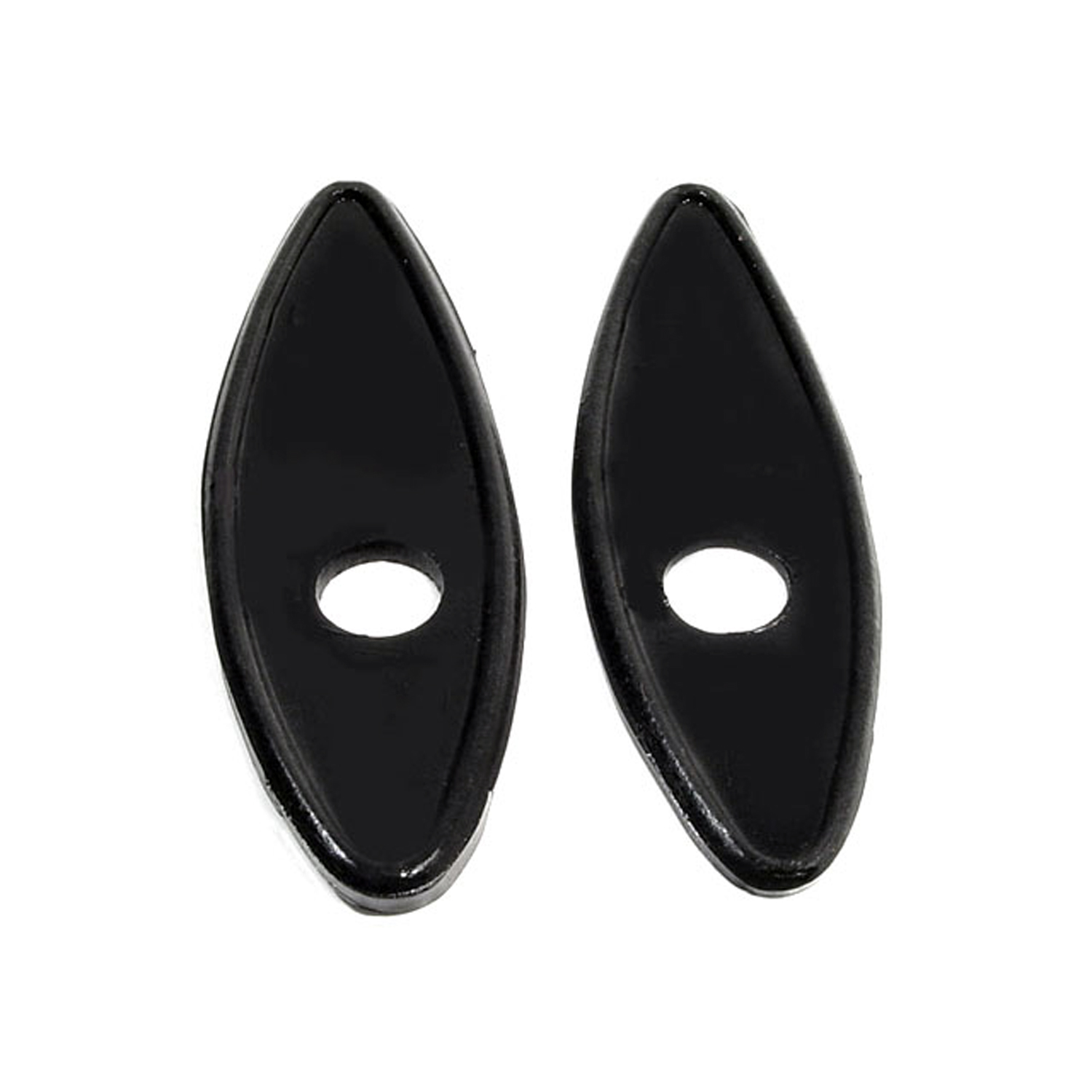 1929 Franklin Model 130 Park Light Pads. 1-3/8" wide X 4-1/8" long. Pair-MP 674-CPark Light Pads. 1-3/8" wide X 4-1/8" long. Pair
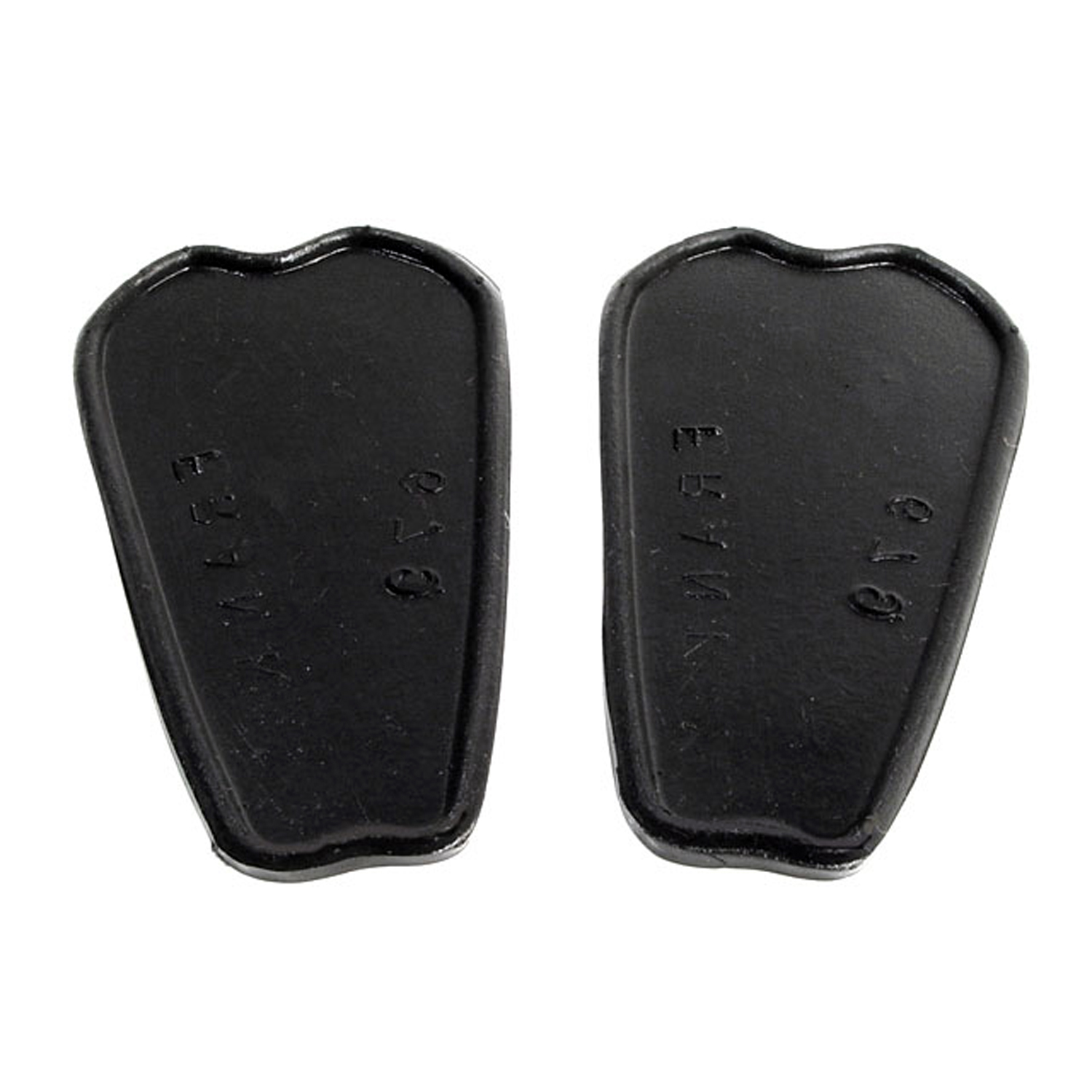 1929 Franklin Model 130 Park Light Pads. 2-1/4" wide X 4-1/8" long. Pair-MP 679Park Light Pads. 2-1/4" wide X 4-1/8" long. Pair
Why Choose Metro?
For over 100 years, Metro Moulded Parts has been the pinnacle of quality in classic car restoration parts. Our commitment to precision and authenticity in every component ensures a perfect fit and an OEM-level appearance.
- Expert Craftsmanship & Quality: Each part is a testament to our dedication to reliability and perfection, crafted from original designs and thoroughly tested.
- Advanced Technology: We use cutting-edge techniques to create flawless, long-lasting parts that surpass others in performance.
- SuperSoft Sponge – The Ultimate Door Seal: Not only are our door seals 30% softer than competitors', but they're also guaranteed to never leak. They effectively reduce wind and road noise, enhancing your classic car's comfort and driving experience.
- Proudly American: Our parts are a product of American craftsmanship, made in the USA with a spirit of excellence and heritage.
- Unrivaled Warranty: We back our products with a 30-year industry-leading warranty, a testament to our confidence in their quality.
Join us in preserving the legacy of classic cars with parts that are crafted for perfection, not just made.