
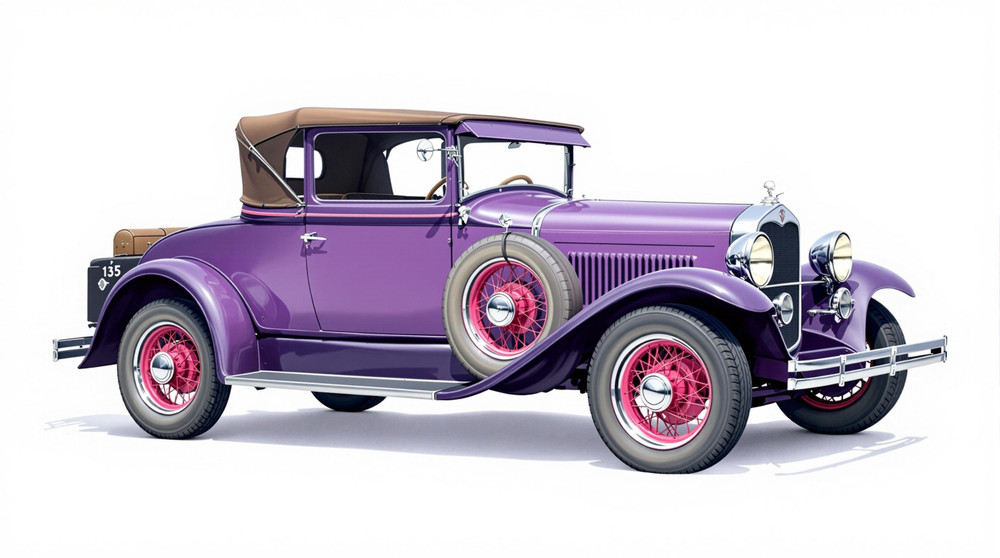
Image of 1929 Franklin Model 135, Note: These illustrations use artistic license and may differ from actual historical models.
Performance Metrics
Fundamental Metrics
Emotional Appeal
MMP Rating
| Engine Specifications | |
|---|---|
| Engine: | Air-cooled 6-cylinder |
| Displacement: | 274 cubic inches |
| Horsepower: | Estimated 32-35 HP |
| Torque: | Not available |
| Compression Ratio: | Not available |
| Ignition System: | Battery and coil |
| Cooling System: | Air-cooled |
| Performance Specifications | |
| 0-60 Time: | Not available |
| 1/4 Mile Time: | Not available |
| Top Speed: | 60 mph |
| Transmission and Drive | |
| Drive Type: | Rear-wheel drive |
| Transmission Type: | 3-speed manual |
| Fuel and Efficiency | |
| Fuel System Type: | Carburetor |
| MPG: | Not available |
| Dimensions and Brakes | |
| Brakes: | Mechanical drum brakes |
| Wheelbase: | 114 inches |
| Weight: | 2,800 lbs |
Note: Specifications for classic cars are given to the best of our ability, considering the limited and variant data available.
1929 Franklin Model 135: The Air-Cooled American Luxury Car
In an age when most luxury cars carried a radiator up front, the 1929 Franklin Model 135 took a different route: it kept its engine cool with air. Built by the H.H. Franklin Manufacturing Company of Syracuse, New York, the Model 135 was a substantial, six-cylinder automobile from one of America’s most inventive independent makers.
Franklin had been building air-cooled cars since 1902, but the Model 135 arrived as the company refined its formula for the late 1920s: smooth power, light-alloy engineering, and roomy bodies aimed at buyers who wanted comfort and distinction. One detail still stops enthusiasts in their tracks: beneath the long hood is no conventional radiator or water-cooling system. That unusual engineering choice shaped the car’s identity and set it apart from many of its contemporaries.
Elegant Styling and Model 135 Body Choices
The Model 135 wears the poised proportions of a late-1920s luxury car. Its long hood, upright windshield, sweeping fenders, and prominent headlamps give it a formal presence without the visual bulk of some larger competitors. Depending on body style, the silhouette could be stately and enclosed or open and sporting. The Franklin’s distinctive air-cooled layout also meant it did not need a conventional radiator, though its front-end design still presented the polished, purposeful appearance expected of a premium automobile.
Model 135 body offerings varied by catalog and coachwork. Enclosed sedans and club sedans suited buyers seeking year-round comfort, while open touring and phaeton styles offered a more sociable motoring experience. Coupes and other closed body styles could provide a more personal alternative. The four-door sedan is among the most recognizable choices today, thanks to its formal proportions and practicality, though open cars often draw particular attention at shows.
Inside, the emphasis was on room and quality rather than modern conveniences. Depending on body and trim, owners could find leather seating or durable wool and mohair upholstery, polished wood or wood-grain trim, and carefully finished metal fittings. Details differed between bodies and equipment levels, so no single interior specification applies to every Model 135. In a well-preserved example, the cabin feels more like a comfortably furnished room than a bare mechanical space.
Factory color combinations also depended on body style and finish. Period-appropriate examples may be seen in dark greens, blues, maroons, and black, sometimes paired with contrasting trim. Specific original combinations should be checked against the car’s documentation or surviving paint evidence rather than assumed from its model name alone.
Air-Cooled Engineering and 1929 Technology
The Model 135’s defining feature was its air-cooled inline six-cylinder engine. Instead of circulating coolant through a radiator, the engine relied on airflow and a fan system to carry heat away. That meant no radiator, water pump, coolant, or risk of a frozen cooling system. Franklin also made extensive use of aluminum in its engineering, helping keep the powertrain lighter than a comparable design made entirely from heavier materials.
Published specifications for the Model 135 are not perfectly consistent across reference sources, but it is generally described as having a six-cylinder engine of roughly 275 cubic inches and about 90 horsepower. The chassis used the conventional front-engine, rear-wheel-drive layout, with a manual transmission and mechanical controls typical of the period. Four-wheel mechanical brakes were part of the era’s move toward more capable stopping, though drivers still needed to plan ahead compared with modern traffic.
Franklin’s approach was unusual, not merely a styling flourish. Air cooling reduced the number of parts in the cooling system and gave the company a clear engineering identity. It also demanded careful management of airflow and engine temperature. The system was clever, but it was not automatically simpler in every respect: specialized components and knowledge could make repairs less straightforward than on a mass-produced water-cooled car.
Why the Franklin Mattered
Franklin helped prove that an American luxury automobile did not have to follow the dominant water-cooled formula. Its long-running commitment to air cooling, combined with lightweight alloy construction, made the marque an engineering outlier. The Model 135 carried that philosophy into a period when buyers increasingly expected greater speed, comfort, and refinement from their cars.
It also arrived at a turning point. The late 1920s were prosperous for many luxury-car makers, but the stock-market crash of 1929 and the Great Depression that followed made expensive independent automobiles harder to sell. Franklin continued for several more years, but the company ceased production in 1934. The Model 135 therefore represents both the confidence of pre-Depression American luxury and the vulnerability of a specialist manufacturer facing a rapidly changing market.
Franklin’s air-cooled concept did not become the industry standard, but that does not diminish its significance. The company maintained a distinctive engineering program for decades, and its cars remain memorable precisely because they did not simply copy the conventional approach.
Road Performance and Driving Character
With approximately 90 horsepower, a Model 135 had enough strength for confident period touring, especially when driven with a considerate hand on the gearbox. A precise factory top-speed figure is difficult to pin down across body styles and conditions; a sound car may be capable of roughly 70 to 80 mph, but sustained high-speed running is not advisable for an antique automobile without a careful mechanical inspection.
There is no dependable, widely published factory 0-to-60 mph figure. Based on its power, weight, gearing, and period construction, an estimate in the neighborhood of 20 to 25 seconds is more realistic than modern expectations. Treat that as an informed approximation, not a verified test result. The Model 135 was built for comfortable travel, not drag-strip launches.
On the road, its long chassis and substantial wheelbase help settle the car over uneven pavement. It can feel composed on a sweeping country road, but its size, period steering, and tall tires call for deliberate inputs on tight bends. Crosswinds and rough surfaces will make themselves felt more than they would in a modern car. There is no power steering or electronic assistance to disguise the driver’s work.
From behind the wheel, the experience is mechanical and engaging. The six-cylinder engine produces a distinctive air-cooled sound, different from the familiar note of a water-cooled luxury straight-six. The driver listens, shifts, steers, and brakes with a level of involvement that newer cars largely remove. A properly sorted Franklin should feel smooth and dignified, but it rewards patience rather than hurried driving.
Living With a Franklin Model 135
Today, a Model 135 is most at home as a show car, touring car, or carefully maintained weekend driver. It is not an ideal everyday commuter. Traffic speeds, modern braking expectations, and the scarcity of specialist parts all favor planned outings over routine use.
Routine work is familiar in principle: inspect the ignition, fuel system, lubrication, brakes, tires, and chassis, and keep the engine correctly tuned. The challenge is finding someone who understands Franklin’s air-cooled engine and can diagnose its cooling airflow correctly. Owners may need to rely on marque clubs, specialist shops, and fellow Franklin enthusiasts for parts and technical advice. Repairs are possible, but not always easy for an average owner using only generic repair manuals.
Reliability depends heavily on condition and maintenance history. A well-restored car can be dependable on sensible tours, while an engine with neglected cooling airflow or improvised repairs can become expensive quickly. Before buying, inspect the engine carefully, verify that the air-cooling components are complete and correctly assembled, and look for evidence of competent past work.
Franklin Facts, Myths, and Common Criticisms
The Franklin Model 135’s best-known talking point is also its simplest: it has no radiator. That makes it instantly recognizable to enthusiasts who know the marque. The company’s air-cooled identity stretched back to its earliest production cars, making the 135 part of a much longer engineering story rather than a one-off experiment.
There is no single, widely recognized speed or endurance record specifically associated with the Model 135. Nor should every Franklin be connected to famous aviation figures simply because the company’s cars were air-cooled. Claims about celebrity ownership or a particular historic event are best confirmed through documentation for an individual car.
The main criticisms are practical. The air-cooled engine can be unfamiliar to mechanics, parts are less readily available than those for mainstream makes, and the car’s braking and handling require an adjustment for drivers accustomed to modern vehicles. Some buyers may also find the Franklin’s engineering more complicated to service than its radiator-free layout first suggests. For enthusiasts, however, those same quirks are a large part of the appeal.
Collector Values and Rarity
Exact production figures for the 1929 Model 135 are not consistently reported in readily available sources. Franklin’s total output around this period was small compared with the mass manufacturers, and surviving cars are rarer still. A reasonable working estimate is that Model 135 production was in the low thousands, perhaps roughly 2,000 to 4,000 cars, but this should be treated as an estimate rather than a confirmed factory total.
As a broad current-market guide, a complete but tired example might fall around $20,000 to $40,000. A sound, usable car may bring roughly $40,000 to $80,000, while a high-quality restoration or especially desirable body could exceed $100,000. Condition, originality, provenance, mechanical quality, and body style can move the price substantially. These are general estimates, not a valuation of a specific car.
Like many niche prewar classics, Franklin values can be uneven. Exceptional, well-documented examples appeal to marque collectors, but the smaller pool of buyers and the cost of specialist restoration limit the market. The finest cars may hold or gain value over time, yet a Model 135 should be purchased primarily for its history and driving character, not as a guaranteed investment.
A Distinctive American Classic
The 1929 Franklin Model 135 combines formal luxury-car styling with engineering that refused to follow the crowd. Its air-cooled six-cylinder engine, aluminum-focused construction, varied body styles, and relatively small production make it a rewarding subject for anyone interested in the inventive side of American motoring.
It may ask more of its driver and mechanic than a common vintage car, but that is part of its charm. The Model 135 is not simply a beautiful survivor from another era; it is a rolling reminder that, for a time, one ambitious American company believed the road to better motoring ran without a radiator.
1929 Franklin Model 135 Catalog of Parts
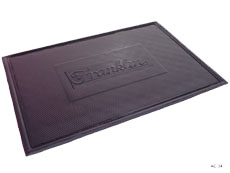 1929 Franklin Model 135 Accessory Floor Mat - 12"X17"-AC 34Accessory Floor Mat - made of high quality black rubber with molded original emblem. Also designed to be sewn into new carpets. 12"X17", Each
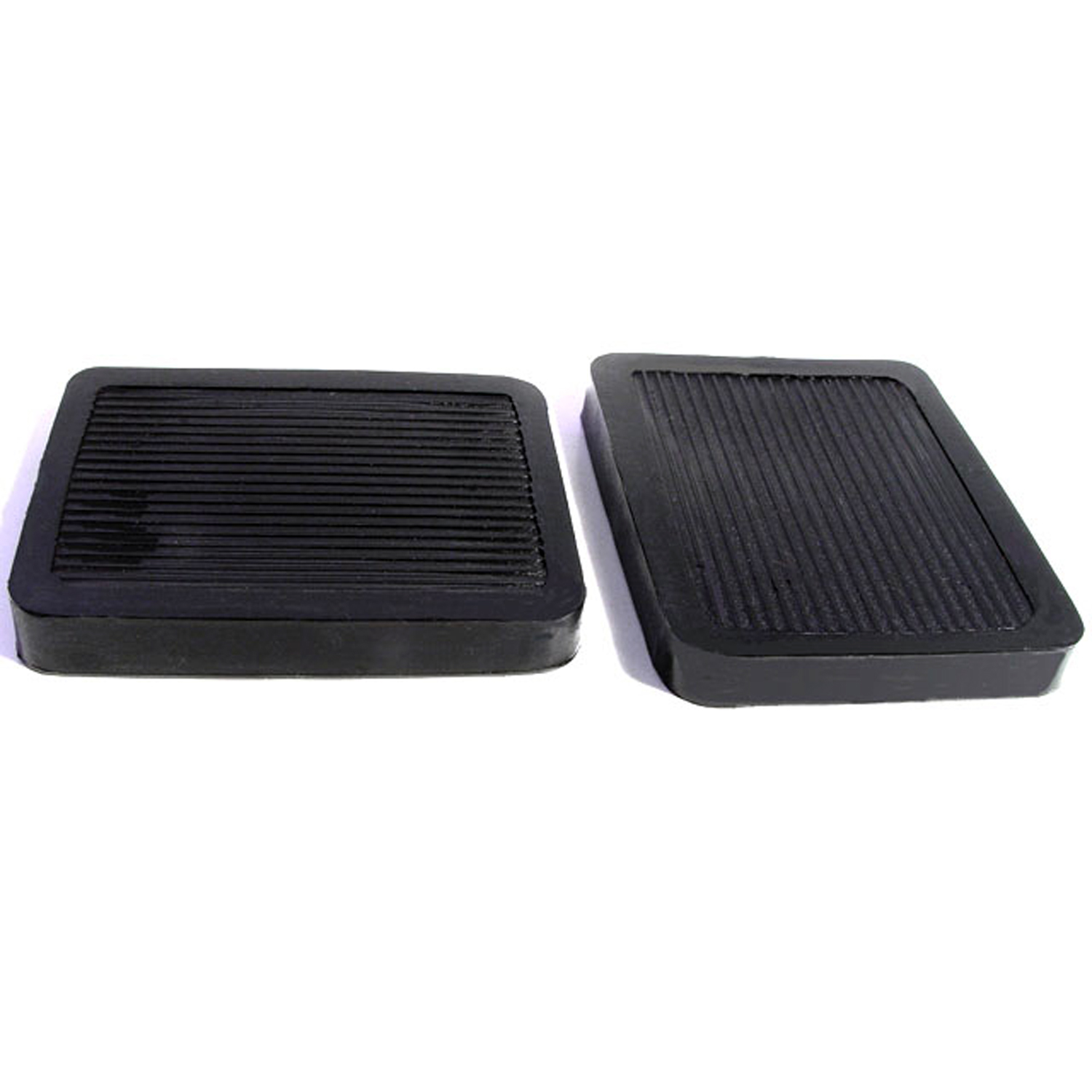 1929 Franklin Model 135 Clutch and Brake Pedal Pads. Perfect reproduction-CB 24Clutch and Brake Pedal Pads. Perfect reproduction. 3" wide X 3-3/4" long. Pair
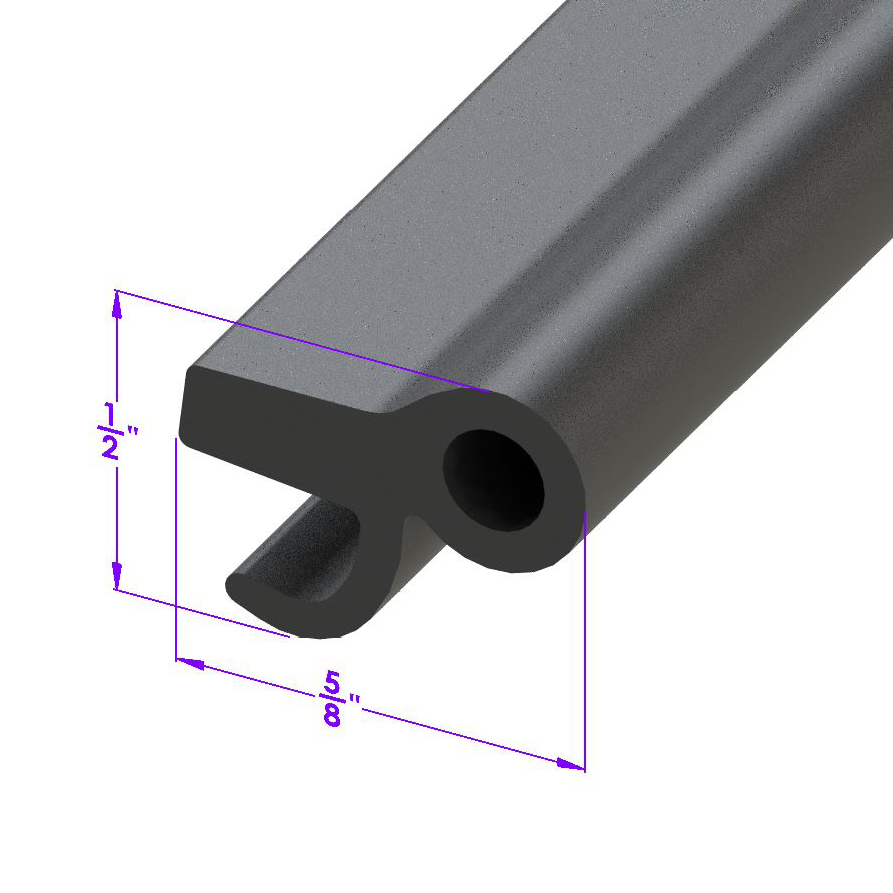 1929 Franklin Model 135 Swing-Out Windshield Seal-LP 97-CSwing-Out Windshield Seal. For both one- and two-piece windshields. Sold by the foot
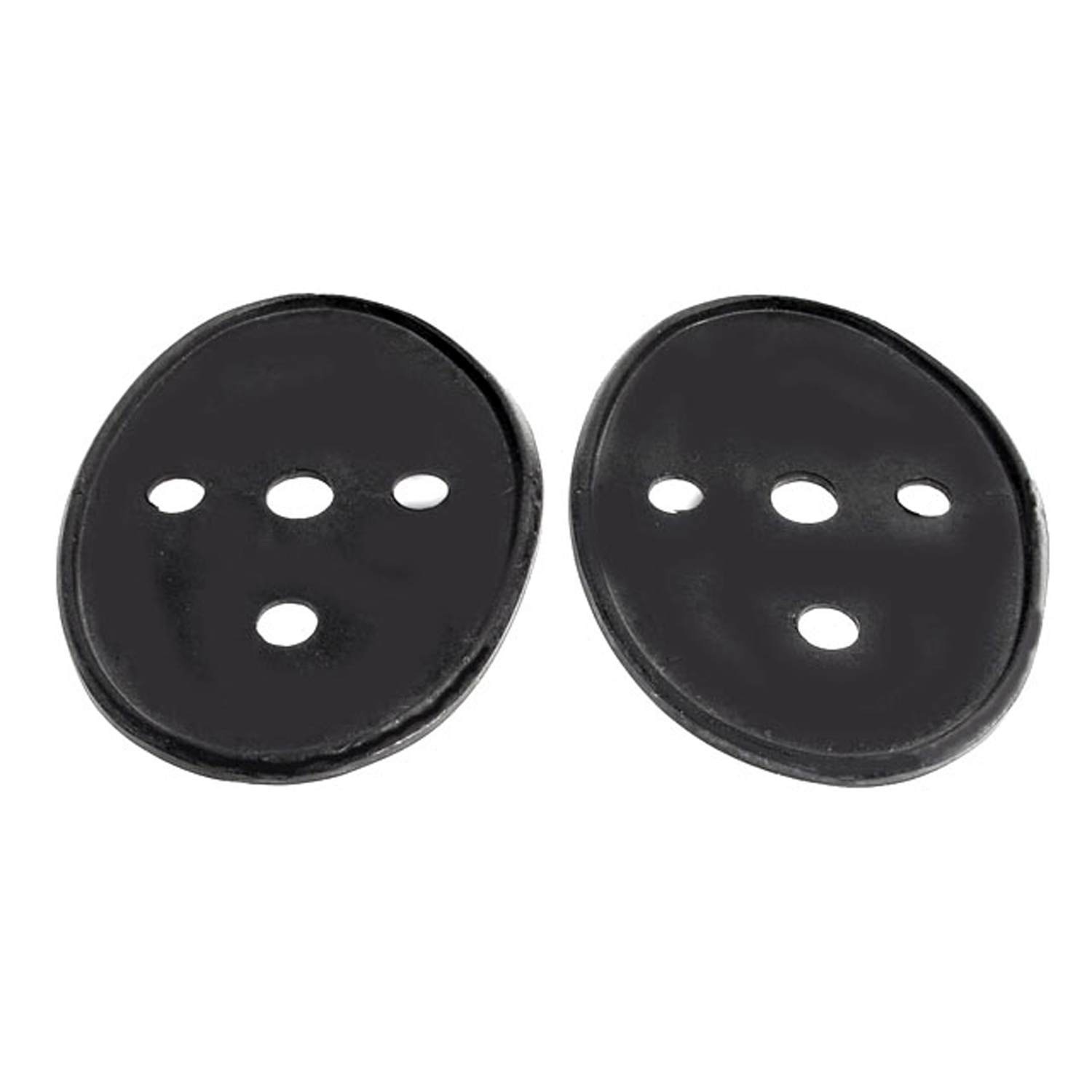 1929 Franklin Model 135 Tail-light Pads. 3-1/4" wide X 4-5/8" long. Pair.-MP 671Tail-light Pads. 3-1/4" wide X 4-5/8" long. Pair.
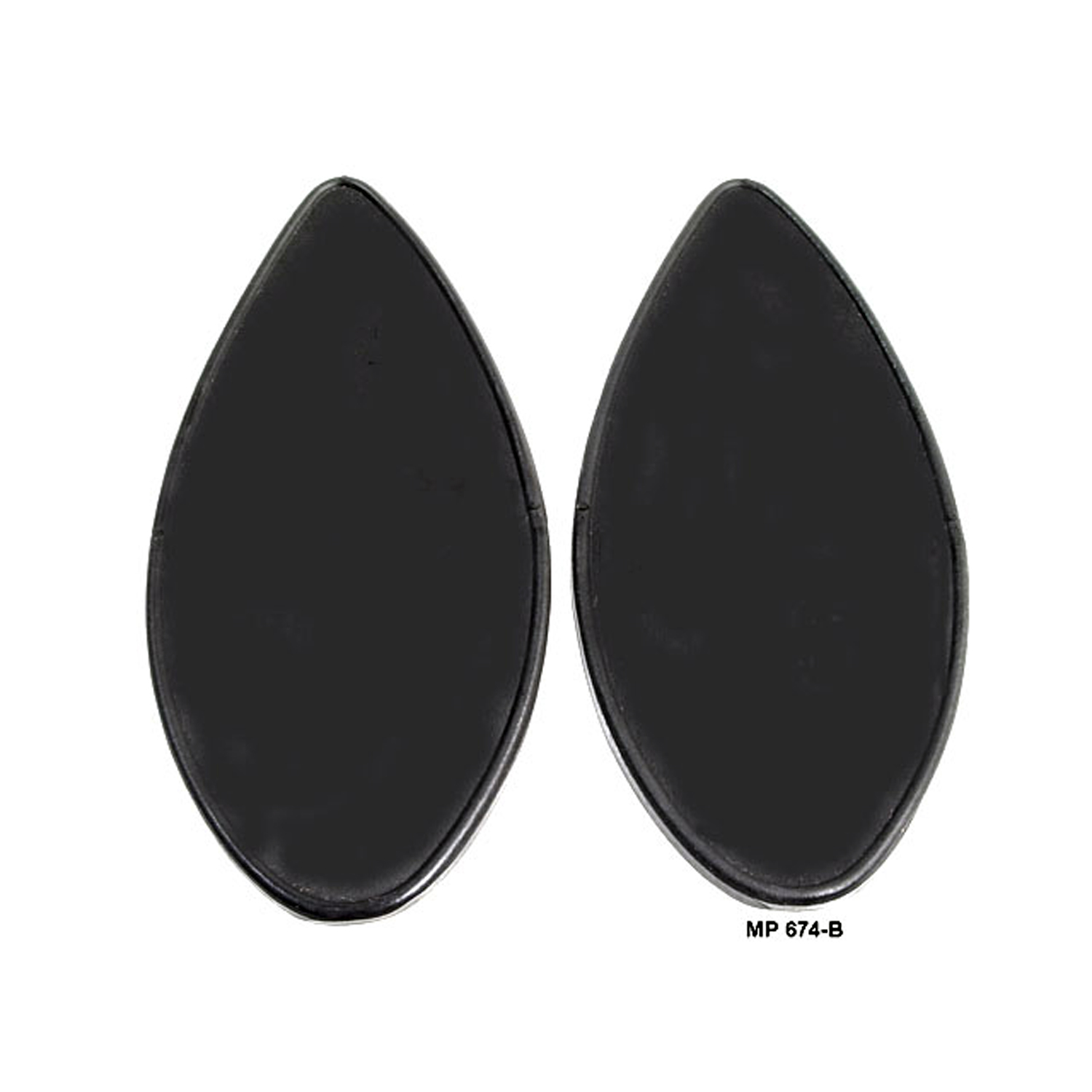 1929 Franklin Model 135 Tail-light Pads. 3" wide X 6-3/4" long. Pair-MP 674-BTail-light Pads. 3" wide X 6-3/4" long. Pair
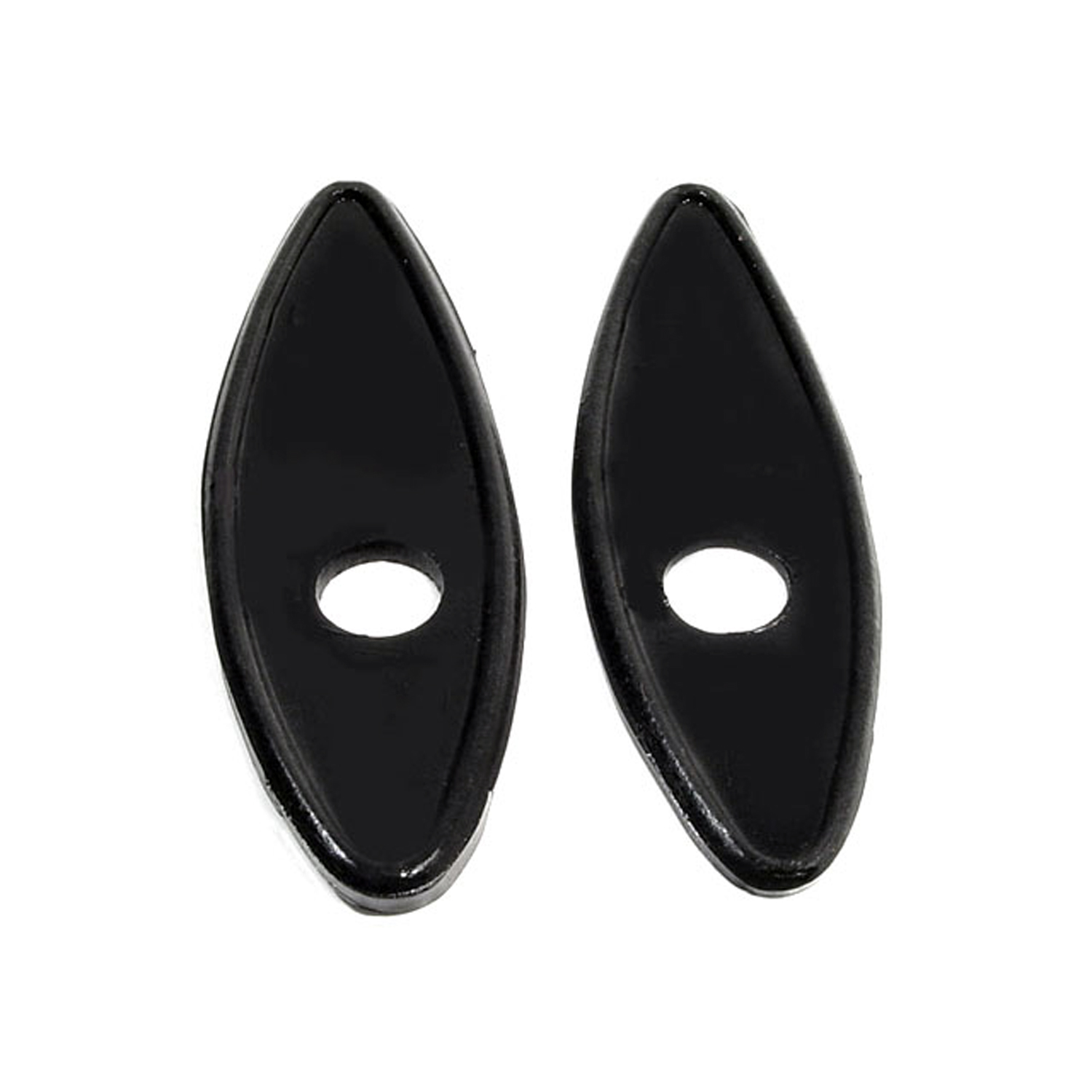 1929 Franklin Model 135 Park Light Pads. 1-3/8" wide X 4-1/8" long. Pair-MP 674-CPark Light Pads. 1-3/8" wide X 4-1/8" long. Pair
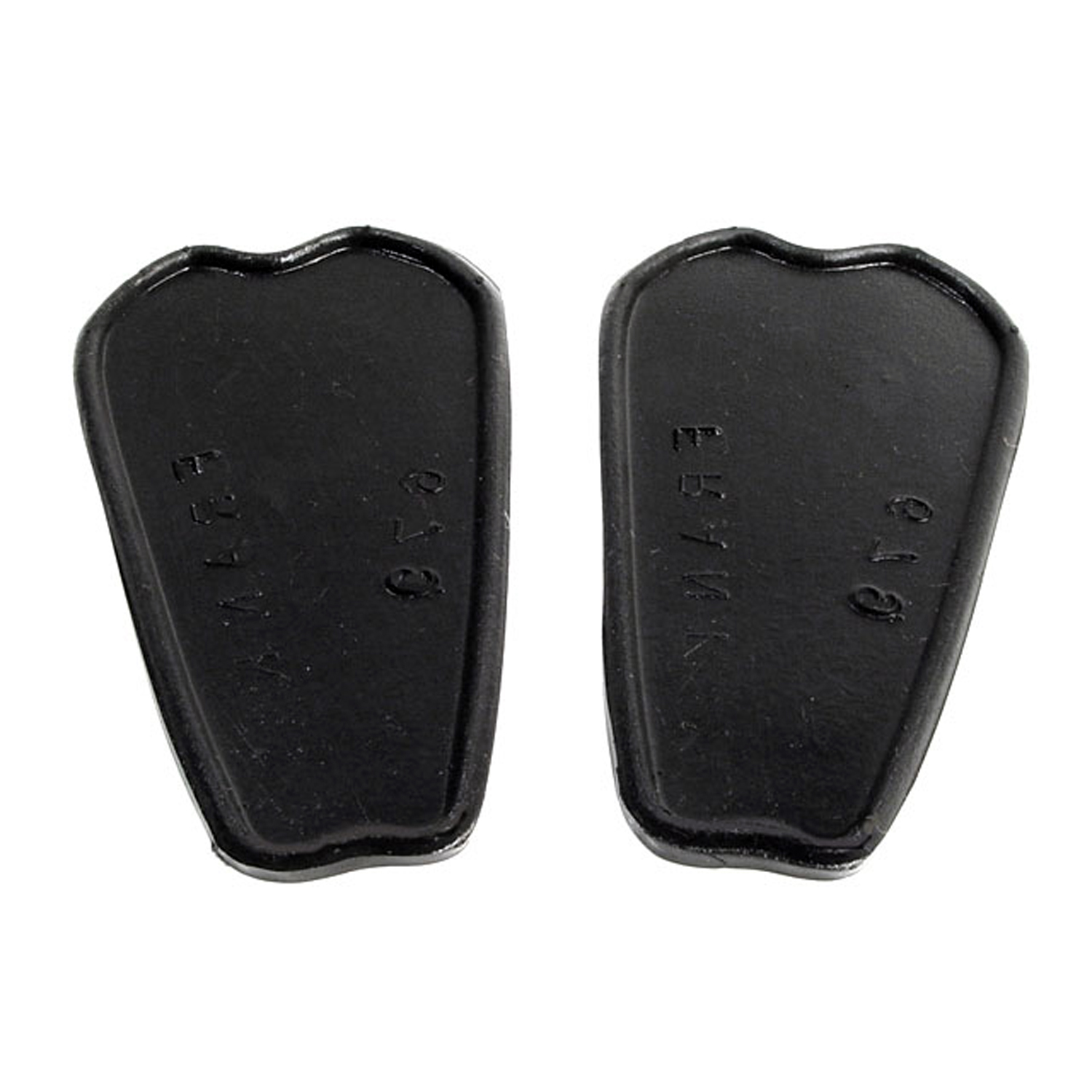 1929 Franklin Model 135 Park Light Pads. 2-1/4" wide X 4-1/8" long. Pair-MP 679Park Light Pads. 2-1/4" wide X 4-1/8" long. Pair
Why Choose Metro?
For over 100 years, Metro Moulded Parts has been the pinnacle of quality in classic car restoration parts. Our commitment to precision and authenticity in every component ensures a perfect fit and an OEM-level appearance.
- Expert Craftsmanship & Quality: Each part is a testament to our dedication to reliability and perfection, crafted from original designs and thoroughly tested.
- Advanced Technology: We use cutting-edge techniques to create flawless, long-lasting parts that surpass others in performance.
- SuperSoft Sponge – The Ultimate Door Seal: Not only are our door seals 30% softer than competitors', but they're also guaranteed to never leak. They effectively reduce wind and road noise, enhancing your classic car's comfort and driving experience.
- Proudly American: Our parts are a product of American craftsmanship, made in the USA with a spirit of excellence and heritage.
- Unrivaled Warranty: We back our products with a 30-year industry-leading warranty, a testament to our confidence in their quality.
Join us in preserving the legacy of classic cars with parts that are crafted for perfection, not just made.