
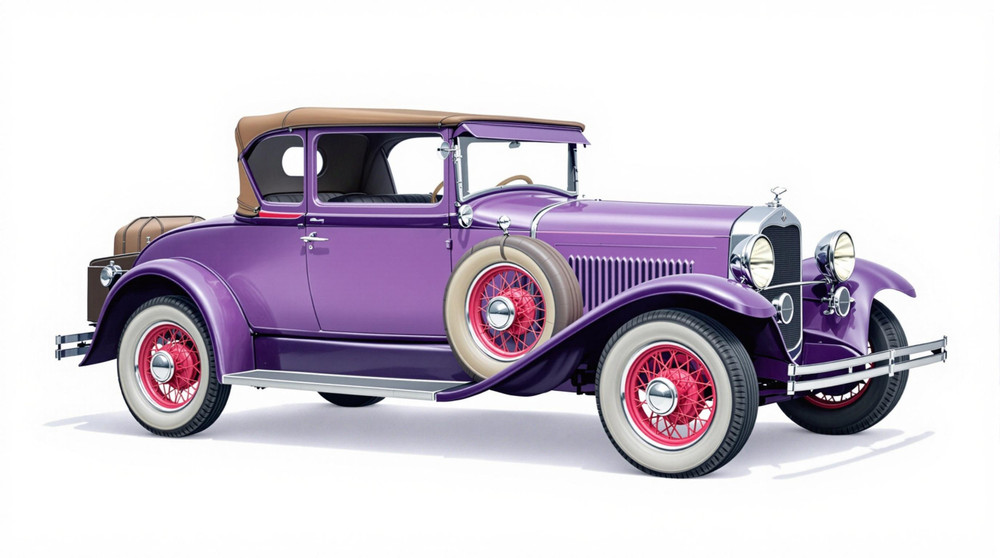
Image of 1929 Franklin Model 137, Note: These illustrations use artistic license and may differ from actual historical models.
Performance Metrics
Fundamental Metrics
Emotional Appeal
MMP Rating
| Engine Specifications | |
|---|---|
| Engine Options: | Air-cooled 6-cylinder |
| Displacement Range: | 274 cubic inches |
| Horsepower Range: | Estimated 32-35 HP |
| Torque: | Not available |
| Compression Ratio: | Not available |
| Ignition System: | Battery and coil |
| Cooling System: | Air-cooled |
| Performance Specifications | |
| 0-60 Time: | Not available |
| 1/4 Mile Time: | Not available |
| Top Speed: | 60 mph |
| Transmission and Drive | |
| Drive Type: | Rear-wheel drive |
| Transmission Type: | Manual, 3-speed |
| Fuel and Efficiency | |
| Fuel System Type: | Carburetor |
| MPG: | Not available |
| Dimensions and Brakes | |
| Brakes: | Mechanical drum brakes |
| Wheelbase: | 125 inches |
| Weight: | 3,200 lbs |
Note: Specifications for classic cars are given to the best of our ability, considering the limited and variant data available.
1929 Franklin Model 137: An Air-Cooled American Luxury Car
The 1929 Franklin Model 137 made a quiet but striking argument: a luxury car did not need a radiator to be sophisticated. Built by the H.H. Franklin Manufacturing Company in Syracuse, New York, it belonged to the company’s Series 13 range, a family of refined six-cylinder cars designed around Franklin’s signature air-cooled engine. The Model 137 is commonly identified as an enclosed sedan, though period body names and modern registry descriptions can vary.
Franklin had been building automobiles since 1902, and by 1929 it had earned a reputation for engineering individuality rather than mass-market volume. Its cars were aimed at buyers who wanted comfort, quality, and advanced construction. The Model 137 arrived during a competitive period for American luxury automobiles, when established marques were adding power and polish. Franklin’s answer was a distinctive combination of light weight, aluminum construction, and air cooling.
One memorable feature was also the car’s most obvious conversation starter: there was no conventional water radiator or liquid-cooling system. The engine shed heat through airflow, eliminating coolant and the maintenance issues associated with a radiator. That unusual arrangement was not a novelty bolted onto an ordinary car. It was the central idea behind Franklin’s engineering.
Body Design and Cabin Craftsmanship
The Model 137 wore the tall, formal proportions expected of a late-1920s sedan, but Franklin’s design had its own character. A long hood led into a carefully shaped cabin, while rounded fenders and running boards gave the car a substantial, balanced stance. Bright trim, lamps, and a distinctive front end supplied the visual cues of a premium automobile. Without a conventional radiator core to dominate the nose, the front treatment served a different purpose from the grille of a water-cooled rival.
Inside, the emphasis was on comfortable, well-finished travel. Buyers in this class could expect generous seating, quality upholstery, polished interior trim, and a well-appointed dashboard with clear instruments. Depending on the particular car and its original specification, upholstery and trim details varied. Today, surviving examples may have been retrimmed or restored, so the condition and originality of an individual interior matter more than a single assumed factory combination.
Period Franklin paint choices were not necessarily limited to one signature color. Buyers could choose from a range of finishes, with dark, dignified shades such as black, maroon, green, and blue typical of luxury-car tastes of the era. Exact color offerings depended on the body and order, and an old car’s current paint may not reflect its original finish. A well-preserved, correctly documented color can add considerable appeal to a collector.
Model 137 Body Styles and Options
The Model 137 is most often described today as a sedan, generally an enclosed, four-door passenger car. Franklin’s wider 1929 range included other body configurations, such as coupes and open touring-style cars, depending on the specific series and catalog offering. It is important not to assume that every body style available across the Franklin range was also offered under the Model 137 designation.
The sedan was a natural choice for owners who wanted year-round comfort and a formal appearance. Its closed body made it more practical in poor weather than an open touring car, while its upright cabin suited chauffeur-driven use as well as owner driving. When evaluating a Model 137, check the body plate, chassis number, period literature, and restoration records to confirm the precise body style and equipment.
Franklin Engineering and Historical Importance
Franklin’s air-cooled engine set the company apart in an industry dominated by water-cooled designs. The 1929 Model 137 used a six-cylinder engine of roughly 274 cubic inches, commonly listed at about 60 horsepower. Aluminum was central to Franklin’s approach, helping keep the engine and vehicle comparatively light. The absence of a radiator, water pump, coolant passages, and antifreeze simplified some aspects of ownership and reduced the risk of freezing damage.
Air cooling brought its own engineering demands. The engine needed carefully directed airflow and dependable fan operation to manage heat, particularly in slow traffic or under heavy load. Franklin’s solution was the product of years of development, not a shortcut. The company helped demonstrate that a premium automobile could take a fundamentally different technical route and still deliver quiet, comfortable road manners.
The Model 137 also reflects an important chapter in American manufacturing. Franklin used aluminum in a period when steel was the default choice for most car bodies and components. Its lightweight philosophy supported responsive performance and a supple ride, while its cars were marketed as carefully engineered luxury machines. The company remained independent through much of its history, but the economic pressures of the Depression eventually proved overwhelming. Franklin ceased production in 1934.
Performance, Ride, and Road Manners
With approximately 60 horsepower, the Model 137 was not built for drag-strip acceleration. Period gearing, vehicle weight, body style, tire condition, and mechanical health all affect performance today. A reasonable modern estimate for a properly functioning example is a top speed in the neighborhood of 65 to 70 mph. A 0-to-60-mph time is not generally available as a reliable factory figure; given the power and gearing, roughly 25 to 30 seconds is a fair estimate rather than a guaranteed specification.
The driving experience is more about steady progress than rapid acceleration. The six-cylinder engine should feel smooth when correctly tuned, with a subdued mechanical note and the distinctive sound of its cooling fan. There is no coolant sloshing through a radiator circuit, but the engine is not silent: airflow and fan noise are part of its character.
On a rough road, the Franklin’s substantial chassis and luxury-car suspension were intended to deliver comfort rather than sporty sharpness. Its relatively light construction could make the car feel less ponderous than some heavier contemporaries, while the tall body and period tires remind the driver to take corners at a measured pace. On winding roads, expect deliberate steering and a relaxed touring rhythm, not modern precision. Strong crosswinds, uneven pavement, and narrow tires all call for attentive driving.
Living with a Model 137
A Franklin Model 137 today is best suited to touring, club events, historic motoring gatherings, and display. It can be driven on appropriate roads, but it is not a sensible daily driver in the modern sense. Braking distances, lighting, crash protection, and traffic speeds are all products of another era.
Routine maintenance is manageable for an experienced vintage-car owner, but specialist knowledge is valuable. The air-cooled engine avoids coolant service, yet its cooling fan, airflow path, ignition, fuel system, and lubrication still need regular attention. Parts availability is more limited than for popular mass-produced cars, and certain engine or body components may require careful sourcing, repair, or custom fabrication. A pre-purchase inspection by a Franklin specialist is wise, particularly if the car has been stored for a long time or has an uncertain restoration history.
Reliability depends heavily on condition and correct setup. A well-maintained Franklin can be a rewarding touring car, but neglected examples may need significant work before they are safe and dependable. For a buyer, records and evidence of recent mechanical attention are often more valuable than shiny paint.
Franklin Model 137 Facts and Myths
The car’s most enduring trivia is its radiator-free layout. Franklin owners did not need to worry about a conventional radiator freezing in winter, although cold-weather operation still depended on the engine being properly prepared and maintained. The air-cooled design is often treated as the whole story, but the Model 137 was also a carefully finished luxury sedan, not simply an engineering experiment.
There is no widely recognized Model 137 speed or sales record to cite, and production figures for individual Franklin body and model designations are not consistently reported. A practical estimate is that Model 137 production numbered in the hundreds to low thousands, but that should be treated as an informed approximation, not a confirmed factory total. The broader Franklin marque remained a niche producer beside the largest American manufacturers.
A common criticism of Franklin cars is that their unusual mechanical layout can make parts and specialist service harder to find. Their performance also feels modest by modern standards, and their handling demands respect. For enthusiasts, those compromises are part of the appeal: the car offers a distinctly different engineering experience from a conventional water-cooled luxury sedan of the same period.
Collector Value and Availability
The Model 137 is a scarce collector car, and examples do not appear on the market as regularly as more familiar American classics. Because individual production totals are difficult to verify, condition, originality, documentation, and the quality of restoration have a major influence on value. A complete, running driver may be worth roughly $30,000 to $60,000, while a well-restored and highly presentable example could fall around $60,000 to $100,000 or more. Exceptional cars with strong provenance may exceed that range, while projects can be substantially less expensive but costly to complete.
These figures are broad estimates rather than a fixed price guide. Franklin sales are relatively infrequent, and auction results can vary sharply depending on the car’s condition and the audience at a particular sale. Over the long term, scarce, well-documented cars have potential to hold or increase their value, but the market is specialized. A Model 137 is best bought for its history and driving character, not as a guaranteed short-term investment.
Why the 1929 Franklin Model 137 Still Matters
The 1929 Franklin Model 137 brought together luxury-car comfort and a bold alternative to conventional engine design. Its air-cooled six, aluminum-focused construction, and formal sedan body made it unlike the typical American car of its day. It was never a mass-market machine, and its rarity, unusual engineering, and relaxed touring character are precisely what make it memorable now.
More than a handsome vintage sedan, the Model 137 is a rolling reminder that automotive progress has never followed just one path. Its fan still turns, its engine still breathes without a radiator, and its presence still rewards anyone curious enough to look beyond the familiar.
1929 Franklin Model 137 Catalog of Parts
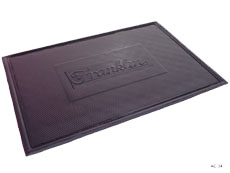 1929 Franklin Model 137 Accessory Floor Mat - 12"X17"-AC 34Accessory Floor Mat - made of high quality black rubber with molded original emblem. Also designed to be sewn into new carpets. 12"X17", Each
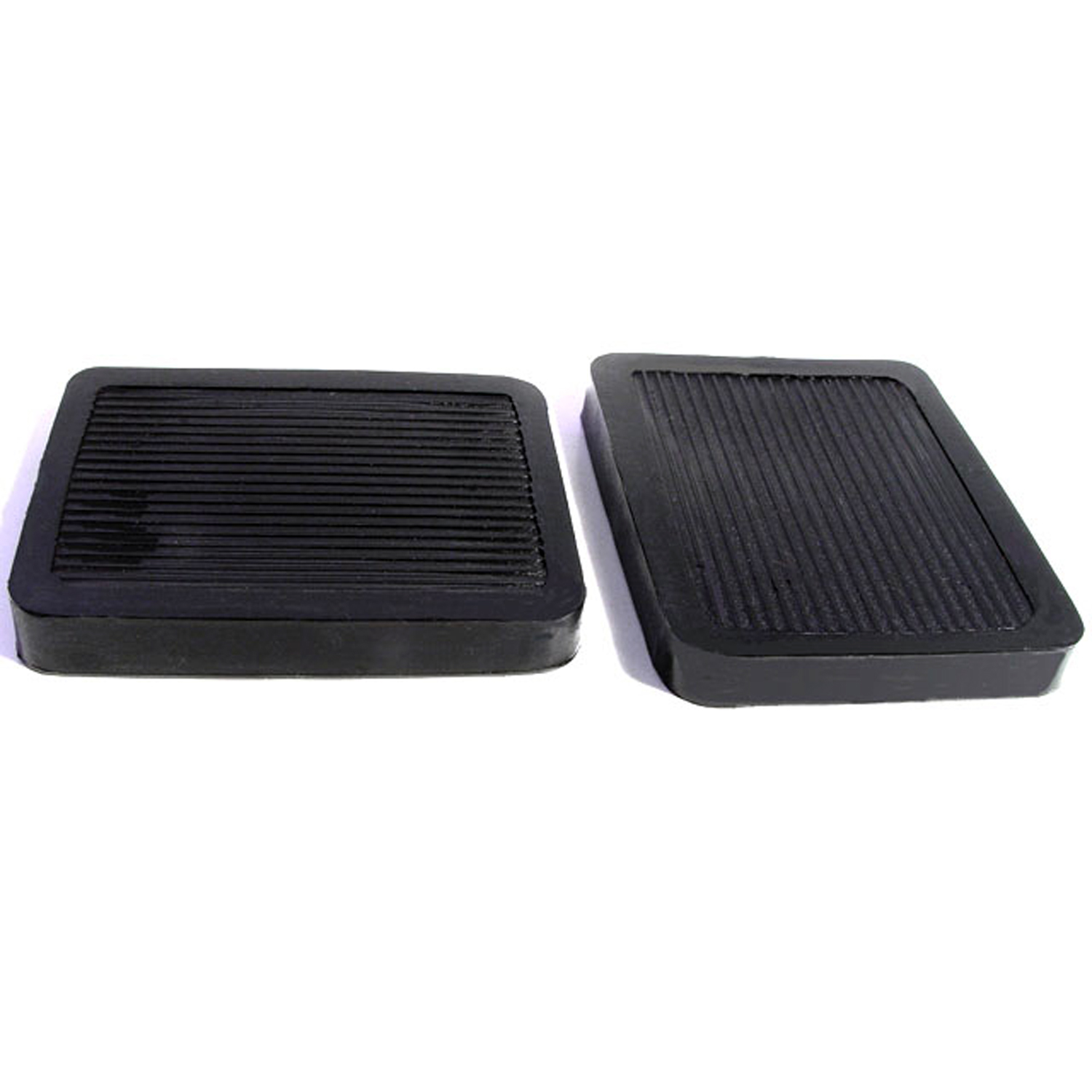 1929 Franklin Model 137 Clutch and Brake Pedal Pads. Perfect reproduction-CB 24Clutch and Brake Pedal Pads. Perfect reproduction. 3" wide X 3-3/4" long. Pair
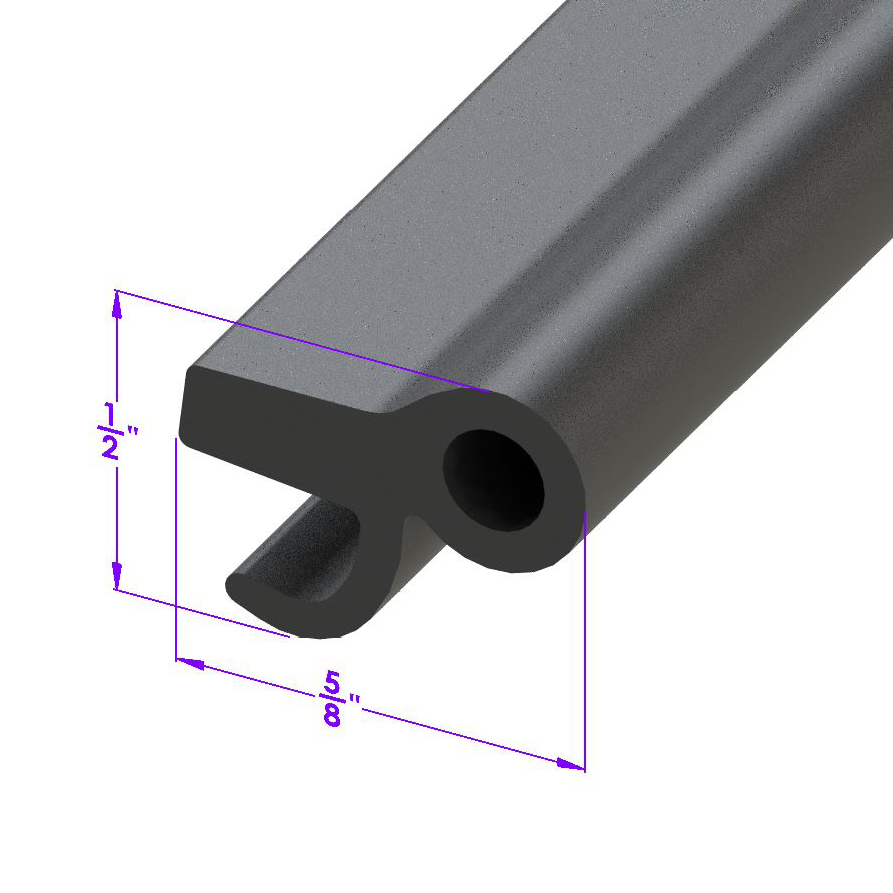 1929 Franklin Model 137 Swing-Out Windshield Seal-LP 97-CSwing-Out Windshield Seal. For both one- and two-piece windshields. Sold by the foot
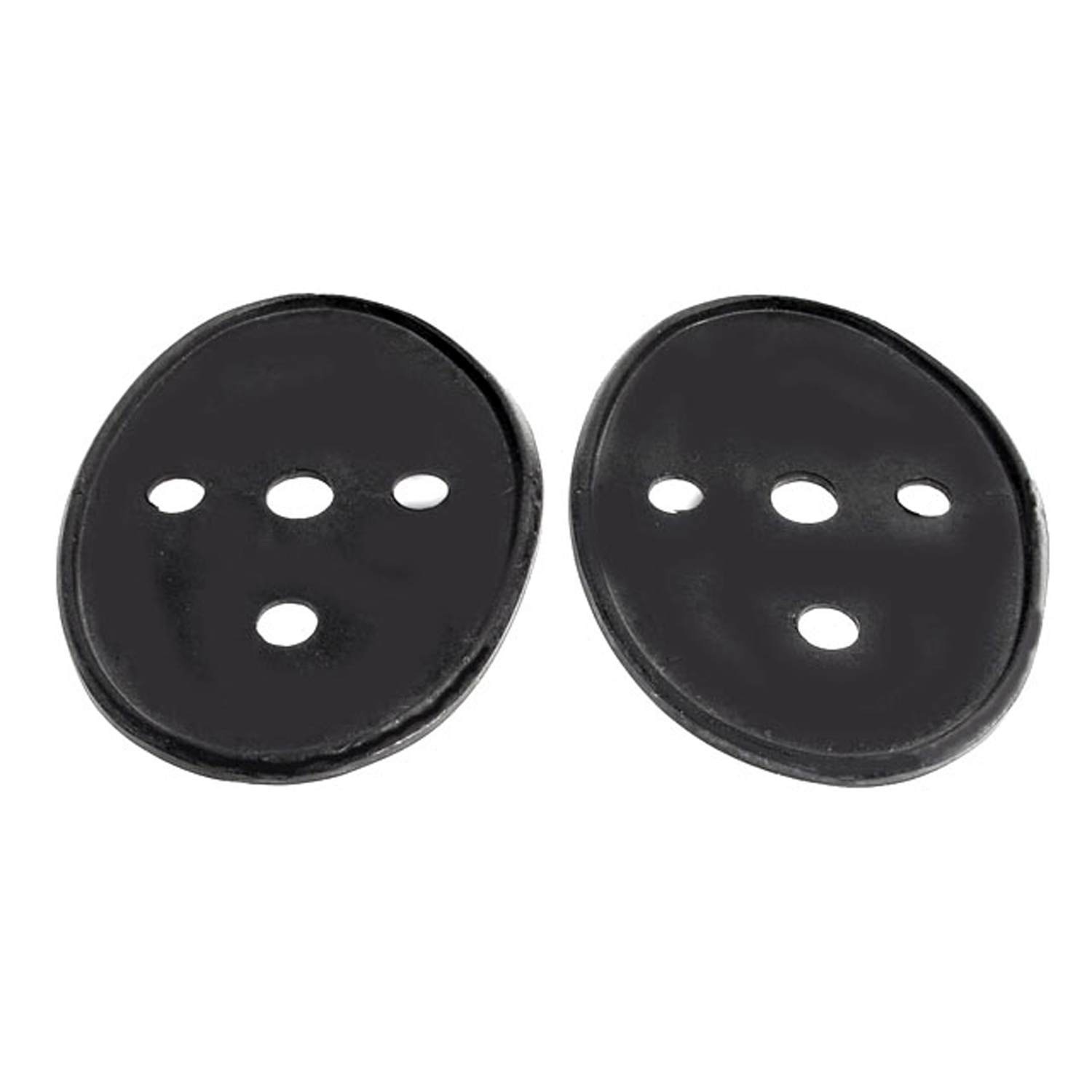 1929 Franklin Model 137 Tail-light Pads. 3-1/4" wide X 4-5/8" long. Pair.-MP 671Tail-light Pads. 3-1/4" wide X 4-5/8" long. Pair.
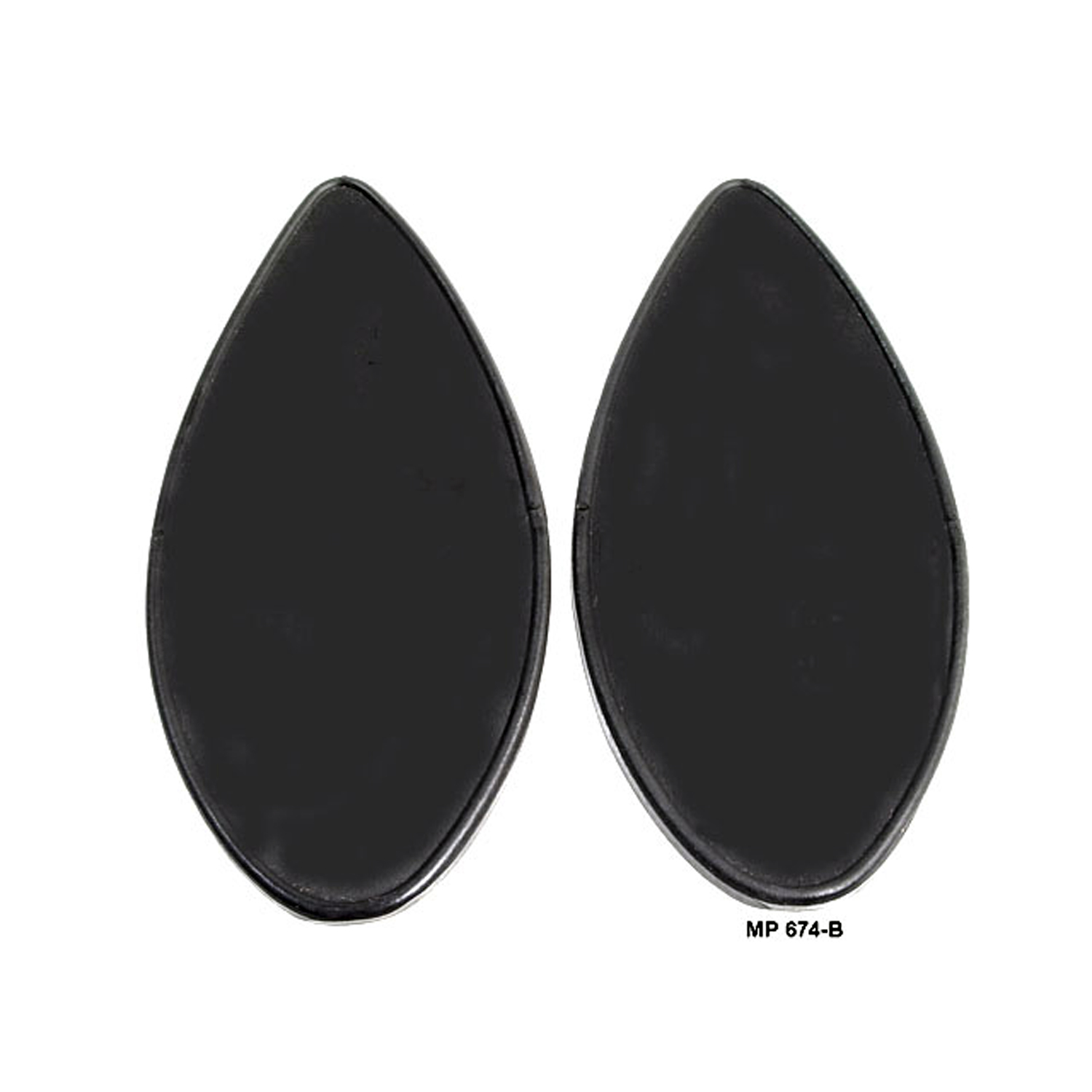 1929 Franklin Model 137 Tail-light Pads. 3" wide X 6-3/4" long. Pair-MP 674-BTail-light Pads. 3" wide X 6-3/4" long. Pair
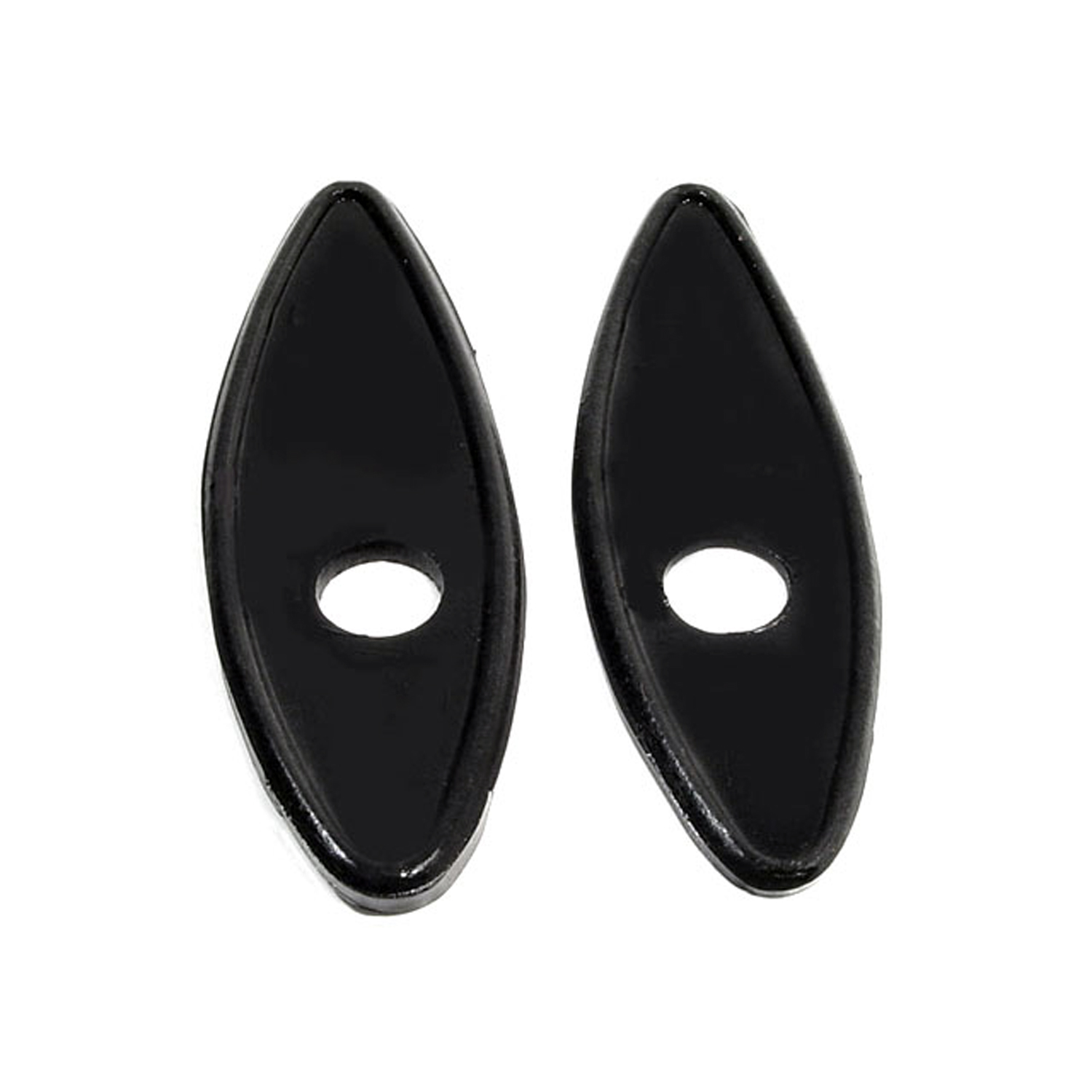 1929 Franklin Model 137 Park Light Pads. 1-3/8" wide X 4-1/8" long. Pair-MP 674-CPark Light Pads. 1-3/8" wide X 4-1/8" long. Pair
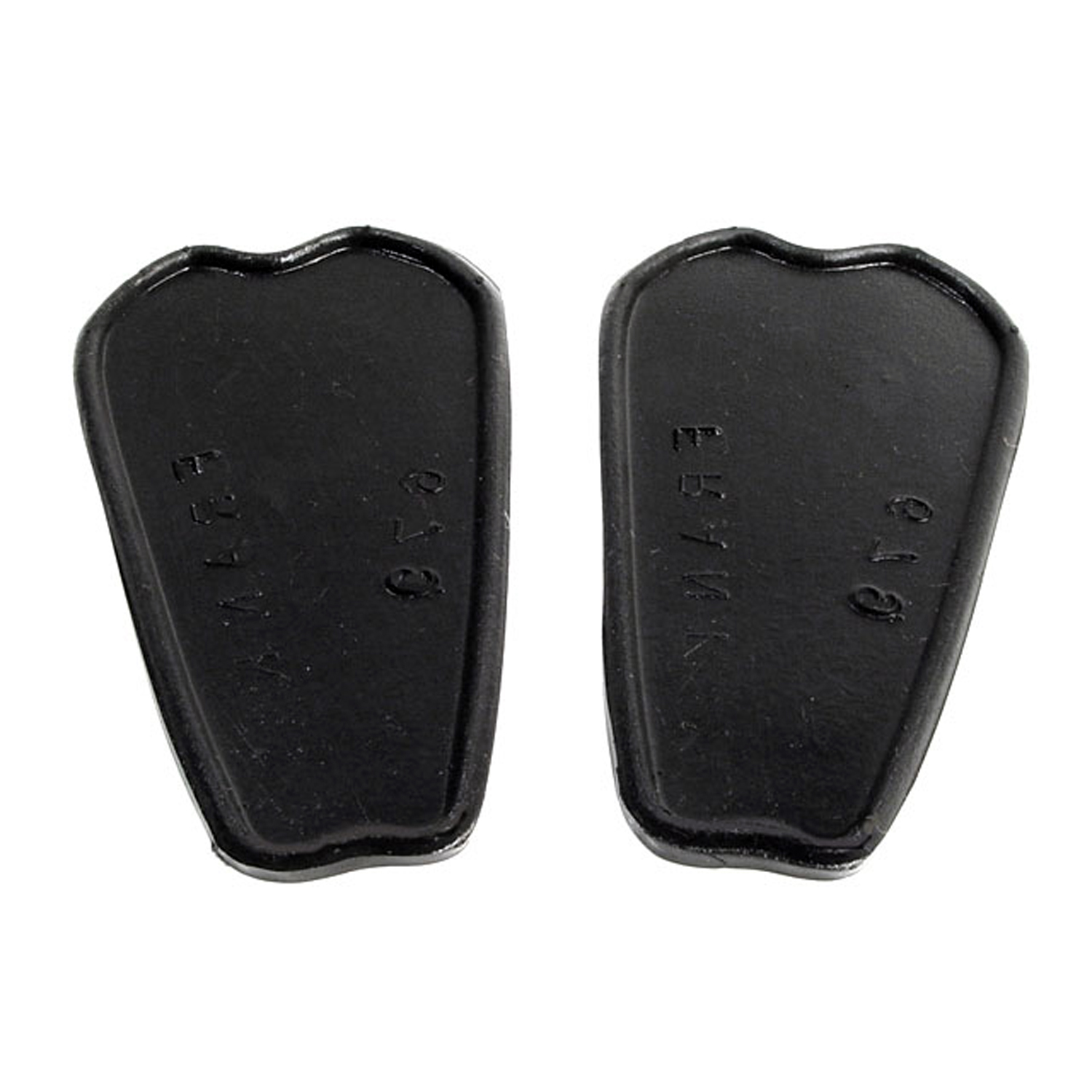 1929 Franklin Model 137 Park Light Pads. 2-1/4" wide X 4-1/8" long. Pair-MP 679Park Light Pads. 2-1/4" wide X 4-1/8" long. Pair
Why Choose Metro?
For over 100 years, Metro Moulded Parts has been the pinnacle of quality in classic car restoration parts. Our commitment to precision and authenticity in every component ensures a perfect fit and an OEM-level appearance.
- Expert Craftsmanship & Quality: Each part is a testament to our dedication to reliability and perfection, crafted from original designs and thoroughly tested.
- Advanced Technology: We use cutting-edge techniques to create flawless, long-lasting parts that surpass others in performance.
- SuperSoft Sponge – The Ultimate Door Seal: Not only are our door seals 30% softer than competitors', but they're also guaranteed to never leak. They effectively reduce wind and road noise, enhancing your classic car's comfort and driving experience.
- Proudly American: Our parts are a product of American craftsmanship, made in the USA with a spirit of excellence and heritage.
- Unrivaled Warranty: We back our products with a 30-year industry-leading warranty, a testament to our confidence in their quality.
Join us in preserving the legacy of classic cars with parts that are crafted for perfection, not just made.