

Image of 1941 Gmc Cc152, Note: These illustrations use artistic license and may differ from actual historical models.
Performance Metrics
Fundamental Metrics
Emotional Appeal
MMP Rating
| Engine Specifications | |
|---|---|
| Engine: | Inline 6 |
| Displacement: | 228 cubic inches |
| Horsepower: | Estimated 93-100 hp |
| Torque: | 175 lb-ft |
| Compression Ratio: | Estimated 6.6:1 |
| Ignition System: | Distributor and coil |
| Cooling System: | Liquid-cooled |
| Performance Specifications | |
| 0-60 Time: | Not available due to the age and type of vehicle |
| 1/4 Mile Time: | Not available due to the age and type of vehicle |
| Top Speed: | 60-65 mph |
| Transmission and Drive | |
| Drive Type: | Rear-wheel drive |
| Transmission Type: | 3-speed manual |
| Fuel and Efficiency | |
| Fuel System Type: | Carburetor |
| MPG: | Estimated 10-12 mpg |
| Dimensions and Brakes | |
| Brakes: | Drum brakes |
| Wheelbase: | 125 inches |
| Weight: | Estimated 3,200 lbs |
Note: Specifications for classic cars are given to the best of our ability, considering the limited and variant data available.
1941 GMC CC-152: A Working Truck at a Turning Point
The 1941 GMC CC-152 is a prewar work truck with the purposeful shape and mechanical character that make early GMC pickups stand out today. Built by General Motors Truck and Coach, GMC’s truck division, it belongs to the redesigned 1941 C-series, a line that brought a more modern cab and bolder styling to commercial vehicles just as the United States was approaching a world war.
The CC-152 is generally identified with GMC’s light-duty, half-ton pickup family, though period model codes and surviving records can be confusing. The exact equipment depended on the chassis and body ordered. One notable detail is its timing: 1941 was among the last full years for civilian truck production before wartime demands redirected much of the American auto industry toward military manufacturing. A truck like this was built first to earn its keep, not to become a collectible.
Art Deco Looks, Built for Work
The CC-152’s exterior blends practical truck proportions with a distinctly prewar style. Its rounded hood flows into a tall, upright grille, while the separate front fenders and curved headlamp housings give the nose a sculpted look. The cab is more enclosed and substantial than that of earlier trucks, with a broad windshield, upright glass, and a compact roofline. From the side, the long hood and simple cargo bed make its purpose unmistakable.
Inside, the emphasis is on durability and clear function. Expect a straightforward dashboard, painted metal surfaces, a broad bench seat, simple gauges, and a rubber floor covering rather than the plush trim of a passenger car. Upholstery and details could vary with equipment and later repairs, but the cabin was designed to tolerate daily use. Visibility is relatively good for a vehicle of its age, although the high cowl and large steering wheel remind the driver that this is a truck, not a modern crossover.
GMC offered different chassis and body configurations across its truck range, including pickup beds and commercial bodies such as panel or service bodies. The conventional pickup is the version most familiar to collectors. Factory paint choices varied by year, body, and order, so a single definitive palette is difficult to assign to every CC-152. Period-appropriate colors often seen on restored examples include dark green, blue, black, gray, and red. Buyers today tend to favor rich dark colors that bring out the truck’s rounded fenders and brightwork.
For its time, the equipment was mechanical rather than electronic: a sturdy inline-six, a manual transmission, conventional brakes, and simple electrical systems. The truck’s appeal lies partly in that simplicity. There are no computers or complex control systems to diagnose, and many routine jobs can be handled with ordinary shop tools.
Why the 1941 GMC Matters
The 1941 redesign gave GMC trucks a more unified, modern appearance while retaining the separate fenders and upright cab that defined the era. The CC-152 is not usually credited with introducing one revolutionary technology. Its significance is instead in how it represents a transition: commercial trucks were becoming more comfortable and better integrated in design, while still remaining rugged, easy-to-service machines.
GMC also had a distinct identity within General Motors. Its trucks shared engineering and components with other GM products, but GMC marketed them as robust commercial vehicles with their own styling and model designations. Compared with many contemporary work trucks, the CC-152’s rounded front sheet metal and composed cab design give it a more polished presence without disguising its working purpose. That balance continues to attract vintage-truck enthusiasts.
Engine, Speed, and Road Manners
Light-duty 1941 GMC trucks are commonly associated with a 228-cubic-inch inline-six, though engine and drivetrain details should be confirmed on the individual truck. Period specifications are often quoted at roughly 90 horsepower, paired with a manual gearbox. The exact figures can vary with engine version, condition, and how a particular truck has been restored or modified.
There is no dependable modern factory-style acceleration test for the CC-152. A realistic estimate for a healthy, stock truck is a leisurely 0-to-60 mph time of roughly 30 seconds or longer. Top speed is commonly estimated in the neighborhood of 55 to 65 mph, but that does not mean sustained highway cruising at the upper end is comfortable or advisable. In good mechanical condition, many owners will find a steady 45-to-55 mph pace more sympathetic to the engine, brakes, and old tires.
On the road, the inline-six delivers its power with a steady, low-revving pull rather than a sharp burst of acceleration. The engine’s muted mechanical rumble, the gear lever’s deliberate movement, and the large steering wheel create a hands-on driving experience. The suspension is designed for carrying loads, so an empty truck can feel firm over potholes and expansion joints. On winding roads, expect slower turn-in, noticeable body movement, and more steering effort than in a modern vehicle. Crosswinds and uneven pavement also demand attention, especially at speed.
Living With a CC-152
Most surviving CC-152s now serve as show trucks, weekend cruisers, parade vehicles, or the centerpiece of a collection. Some are restored to working condition and used for light hauling, but their age makes them poor choices for regular high-speed commuting. A stock example is best enjoyed on back roads and local trips, where its pace and character feel natural.
Basic mechanical work is approachable for an owner who is comfortable with older vehicles. The simple engine, manual transmission, and conventional chassis are generally easier to understand than modern systems. The harder part can be sourcing correct parts, especially trim, sheet metal, cab pieces, and model-specific components. Before buying, inspect the frame, cab corners, floor, bed, and fenders for rust, and check that the engine, brakes, steering, and charging system are in sound condition. A beautifully painted truck can still hide expensive structural or mechanical problems.
CC-152 Facts and Myths
The CC-152 is a working-truck model, not a limited-edition performance special, so there are no widely recognized factory racing records or headline speed achievements attached to it. Its historical interest comes from its prewar design and the moment it represents, rather than a famous competition victory or celebrity ownership story.
Exact production totals for the CC-152 configuration are not readily established in commonly available model-specific records. As a rough collector estimate, several thousand examples may have been built, but that is not a verified factory count and should not be confused with total 1941 GMC truck production. The number of complete, original, or well-restored trucks available today is much smaller.
Common criticisms are predictable: modest power, slow acceleration, heavy steering, limited braking by modern standards, and a bumpy ride when unloaded. Those traits are part of the truck’s period character, but they also mean a CC-152 needs careful maintenance and a driver willing to leave modern expectations behind.
Collector Value and Availability
Values depend heavily on condition, originality, documentation, and the quality of the restoration. As a broad 2026 estimate, a project truck may bring around $3,000 to $10,000. A usable driver or older restoration could fall roughly in the $12,000 to $25,000 range, while a high-quality, correctly restored example may reach about $25,000 to $45,000 or more. Exceptional trucks with rare bodywork or outstanding provenance can exceed that range, while rusty or incomplete examples can sell for less.
The CC-152 is uncommon compared with mass-market passenger cars, but it is not necessarily a one-of-a-kind rarity. Complete trucks appear in the collector market from time to time, while finding one with correct parts and little rust is a more demanding task. Interest in vintage pickups has generally supported values, particularly for well-presented trucks, though condition and restoration costs have a major influence on what buyers will pay. These are guide ranges, not guaranteed sale prices.
A Prewar GMC With Lasting Appeal
The 1941 GMC CC-152 combines a distinctive rounded design, straightforward six-cylinder engineering, and the honest proportions of a truck built for daily labor. It is not fast or especially comfortable by modern standards, but it offers the direct, mechanical driving experience that makes prewar vehicles memorable. As a surviving example of GMC’s last prewar generation of civilian trucks, the CC-152 is more than an old pickup: it is a compact piece of American working history with enough style to turn heads long after the job is done.
1941 Gmc Cc152 Catalog of Parts
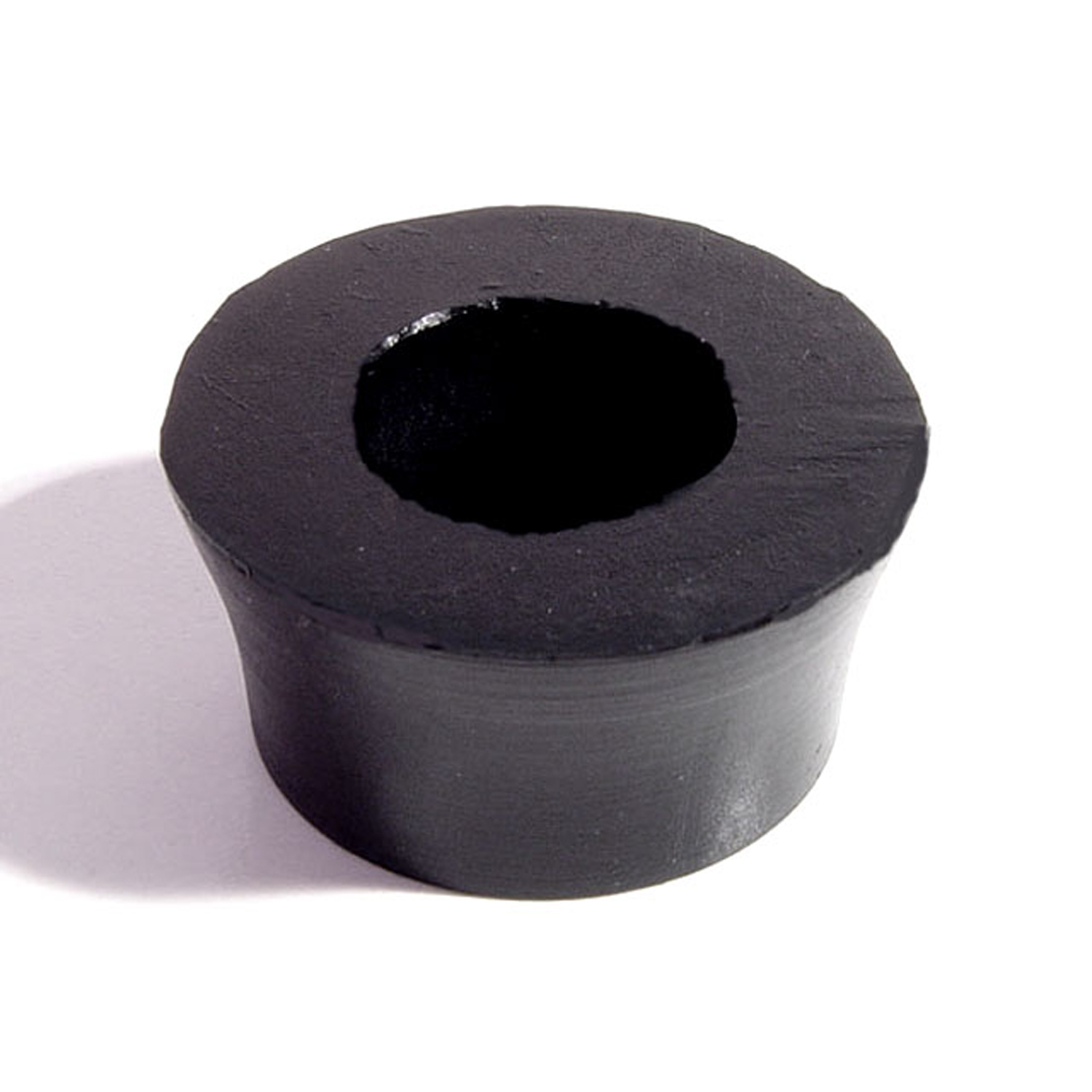 1941 GMC CC152 Shock Absorber Grommet. 1" bottom O.D., 5/8" high-BN 10Shock Absorber Grommet. 1" bottom O.D., 5/8" high., with 5/8" I.D. Each
 1941 GMC CC152 Upper Side Mount Antenna Post Pad. Each-MB 538Upper Side Mount Antenna Post Pad. Each
 1941 GMC CC152 Cowl Vent Seal. 3-3/4" wide X 14-5/8" long. Each-RP 100-OCowl Vent Seal. 3-3/4" wide X 14-5/8" long. Each
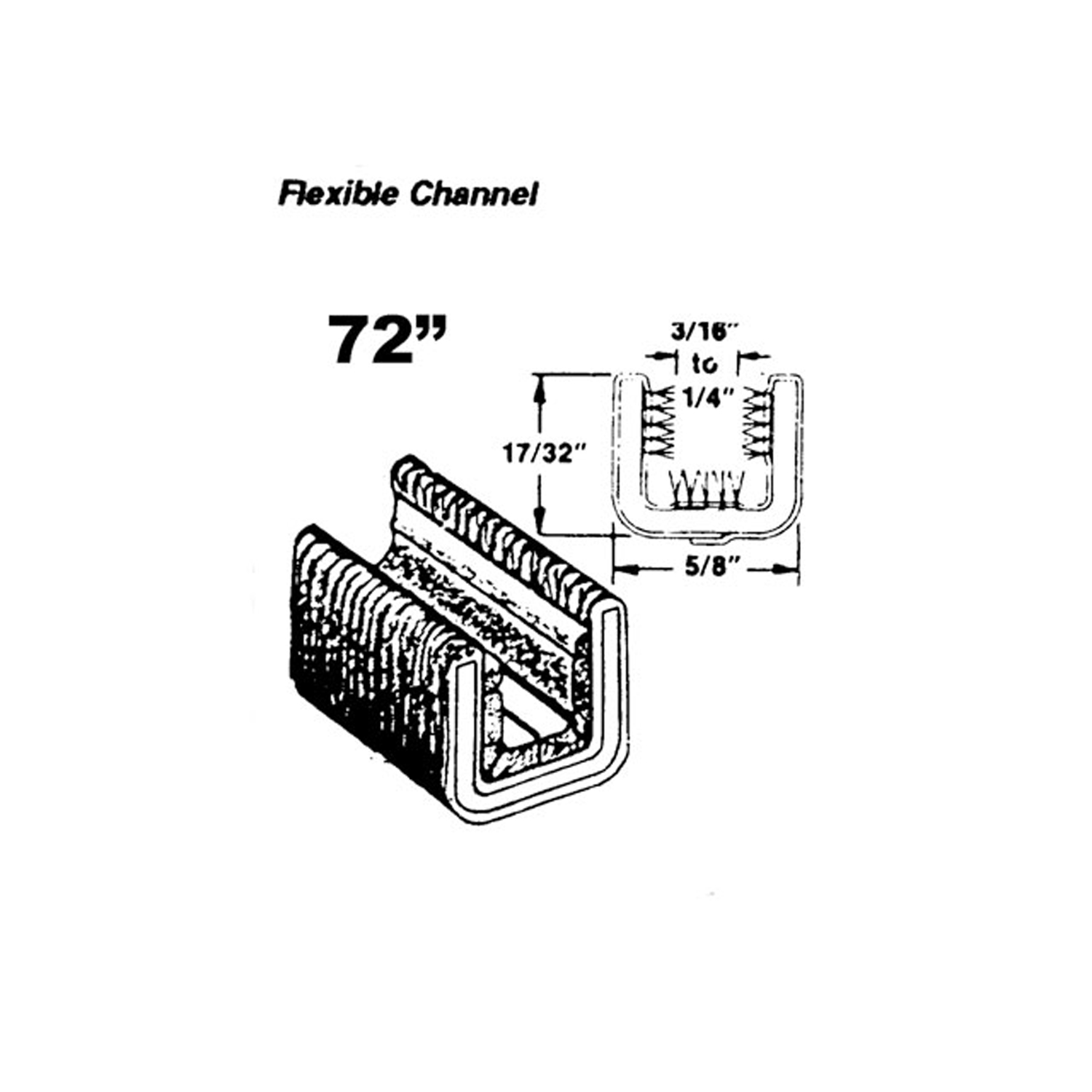 1941 GMC CC152 Flexible glass-run channel-WC 26-72Flexible glass-run channel. For models without framed side glass. Unbeaded, pile-lined. 72 in. long. Each. NOTE: $20 special shipping charge applies for domestic orders. Call or email for overseas shipping costs. Part can be sectioned into two equal lengths to reduce overseas shipping costs.
Why Choose Metro?
For over 100 years, Metro Moulded Parts has been the pinnacle of quality in classic car restoration parts. Our commitment to precision and authenticity in every component ensures a perfect fit and an OEM-level appearance.
- Expert Craftsmanship & Quality: Each part is a testament to our dedication to reliability and perfection, crafted from original designs and thoroughly tested.
- Advanced Technology: We use cutting-edge techniques to create flawless, long-lasting parts that surpass others in performance.
- SuperSoft Sponge – The Ultimate Door Seal: Not only are our door seals 30% softer than competitors', but they're also guaranteed to never leak. They effectively reduce wind and road noise, enhancing your classic car's comfort and driving experience.
- Proudly American: Our parts are a product of American craftsmanship, made in the USA with a spirit of excellence and heritage.
- Unrivaled Warranty: We back our products with a 30-year industry-leading warranty, a testament to our confidence in their quality.
Join us in preserving the legacy of classic cars with parts that are crafted for perfection, not just made.