

Image of 1942 Gmc Cc101, Note: These illustrations use artistic license and may differ from actual historical models.
Performance Metrics
Fundamental Metrics
Emotional Appeal
MMP Rating
| Engine Specifications | |
|---|---|
| Engine: | Inline 6 |
| Displacement: | 228 cubic inches |
| Horsepower: | Estimated 90-100 hp |
| Torque: | 175 lb-ft |
| Compression Ratio: | Estimated 6.6:1 |
| Ignition System: | Distributor and coil |
| Cooling System: | Liquid-cooled |
| Performance Specifications | |
| 0-60 Time: | Not available due to the vehicle's age and type |
| 1/4 Mile Time: | Not available due to the vehicle's age and type |
| Top Speed: | 60 mph |
| Transmission and Drive | |
| Drive Type: | Rear-wheel drive |
| Transmission Type: | 4-speed manual |
| Fuel and Efficiency | |
| Fuel System Type: | Carburetor |
| MPG: | Estimated 10-12 mpg |
| Dimensions and Brakes | |
| Brakes: | Hydraulic drum brakes |
| Wheelbase: | 125 inches |
| Weight: | Estimated 3,500 lbs |
Note: Specifications for classic cars are given to the best of our ability, considering the limited and variant data available.
1942 GMC CC-101: A Wartime Pickup with Prewar Style
The 1942 GMC CC-101 is a pickup from a brief, unsettled chapter in American motoring: a practical prewar truck whose civilian life was cut short by wartime production demands. Built by General Motors’ GMC truck division, the CC-101 combined rounded early-1940s styling with the sturdy, straightforward engineering expected of a working vehicle. It is a truck rather than a passenger car, and its rarity today reflects both its age and the disruption of the Second World War.
One detail gives the CC-101 particular historical interest: 1942 civilian truck production lasted only a short time before the U.S. auto industry shifted its resources toward the war effort. As a result, surviving examples belong to a notably narrow slice of GMC history. Exact production totals for the CC-101 are difficult to establish, so it is best understood as a scarce model from a short production period rather than assigned a precise, unsupported number.
Rounded Lines and a Working Cab
The CC-101 wears the smooth, rounded look that marked many trucks of the early 1940s. Its upright grille, curved front fenders and separate-looking hood give the front end a substantial, almost locomotive-like presence. The headlamps sit in the front-fender area, while running boards connect the front and rear fenders along the sides. These details are more than decoration: they reflect an era when trucks were designed to be repaired and used hard, not styled as sleek, aerodynamic machines.
Inside, expect a straightforward work-truck cabin. The dashboard is functional, with clear, driver-oriented instruments and controls rather than the extensive trim or convenience features found in modern vehicles. The seat and door trim were practical for the period, and much of the cab’s character comes from painted metal, simple hardware and durable upholstery. Original interior materials and finishes vary with condition and restoration history, so a truck advertised as “original” deserves a close inspection.
GMC offered trucks in different chassis and body configurations, but the pickup bed is the most recognizable form associated with a light-duty CC-series truck. Other working bodies, such as platforms or stake beds, could be fitted to suitable chassis, and some commercial bodies came from outside builders. Buyers should distinguish factory pickup configurations from later conversions when assessing a particular CC-101.
Paint choices depended on the original order and the period’s available finishes. Surviving trucks and restorations are commonly seen in dark greens, blues, reds and black, but a restoration color is not proof of a specific factory option. For an accurate repaint, look for traces of original paint in sheltered areas and consult period GMC documentation where available.
Engineering Before the War
The CC-101 was part of GMC’s conventional-cab truck range, built around a traditional front-engine, rear-wheel-drive layout. Period specifications for GMC light trucks commonly list an inline six-cylinder engine, a manual transmission and hydraulic brakes. Exact engine and equipment details can vary by configuration and market, so the identification plate and original sales literature are the best guides to a specific truck.
Rather than introducing a radical new technology, the CC-101 represents the steady development of the American light truck. Its separate chassis, simple mechanical layout and serviceable components made it suitable for farms, small businesses and local delivery work. That approach was a contrast to more specialized military vehicles being built during the war: the CC-101 was a civilian work truck, not a GMC CCKW military truck, even though both came from the same manufacturer.
Its broader significance lies in what it represents. The 1942 model sits at the dividing line between prewar civilian truck design and the enormous wartime mobilization that reshaped American manufacturing. The CC-101 did not single-handedly change truck engineering, but its conventional layout and practical construction helped define the dependable light-duty pickup formula that remained familiar for decades.
Road Manners and Realistic Performance
Factory acceleration figures and verified top-speed data for an individual 1942 CC-101 are not easy to pin down. For a stock, correctly geared example, a reasonable modern estimate is a top speed in the neighborhood of 55 to 65 mph, with 0-to-60 mph taking roughly 25 to 35 seconds, if it can reach 60 at all under the conditions. These are estimates, not guaranteed factory figures. Engine condition, axle ratio, tire size, load and road surface all make a major difference.
On the road, the truck feels deliberate rather than quick. The engine produces the steady, low-revving character associated with an old inline six, while the manual gearbox calls for unhurried shifts. Steering is generally heavier and less precise than in a modern pickup, especially at low speeds, and the tall cab and broad body can catch crosswinds. On rough pavement, the suspension is tuned for carrying a load, so an empty truck may bounce or jiggle more than a passenger car. A well-maintained example is most comfortable on secondary roads at moderate speeds.
Driving a CC-101 is a hands-on experience. The driver sits high, works the controls directly and listens closely to the engine and drivetrain. There is little electronic assistance to mask mechanical sounds or compensate for poor maintenance. That simplicity is part of the appeal, but it also means the driver must allow extra room for braking and avoid expecting modern levels of speed, quietness or handling.
Living with a 1942 GMC
Today, the CC-101 is best suited to weekend drives, local shows, historic displays and light-duty use. Some owners use classic GMC pickups for occasional hauling, but heavy loads and frequent highway travel can place extra strain on an eighty-year-old chassis, brakes and drivetrain. A sound, correctly restored truck can be enjoyable on modern roads, provided it is driven with the limitations of its period in mind.
Its mechanical simplicity can make routine work approachable for an experienced home mechanic. The engine, gearbox and chassis are based on familiar, repairable systems, but age complicates the job: fasteners may be seized, wiring may have been altered, and replacement parts can require searching specialist suppliers or swap meets. Before driving a newly acquired truck, inspect the brakes, steering, tires, fuel system and cooling system. Original-style parts are not always as readily available as components for more common postwar pickups.
Reliability depends less on the badge than on the truck’s condition and the quality of its restoration. A tidy, regularly serviced example can be dependable for short trips. A neglected truck may need substantial work, particularly if it has sat unused or carries poorly executed modifications.
CC-101 Facts and Common Criticisms
The CC-101 is often mistaken for a military GMC because of its wartime model year. It was a civilian truck, distinct from purpose-built military models such as the CCKW. Its production window also makes it a useful reminder that the American industry’s wartime shift affected ordinary vehicles, not just cars and factories.
There are no widely recognized CC-101 speed, sales or endurance records, and celebrity ownership stories are not a defining part of the model’s history. Its appeal is quieter: period-correct styling, a direct connection to the home-front working world and the rarity of a truck built during a major industrial transition.
Common criticisms are predictable for a vehicle of this age. The CC-101 is slow by modern standards, its ride can be choppy when unloaded, and steering and braking require more effort and attention than a contemporary pickup. Parts availability can also be less convenient than for later GMC models. These are important considerations for an owner, though they are also part of what makes the truck feel authentic.
Collector Value and Availability
There is no dependable public production figure for the 1942 GMC CC-101 alone. Given the short civilian production period and the number of decades that have passed, it is reasonable to regard surviving examples as scarce. A sensible estimate is that original CC-101 pickups were produced in the low thousands or fewer, but this is an informed approximation, not a verified factory total. Trucks do appear on the market, though buyers may need patience to find one with the right body, documentation and condition.
As a broad U.S. market guide, a project truck might sell for about $5,000 to $12,000, while a usable driver could fall around $15,000 to $30,000. A well-restored example may bring roughly $35,000 to $60,000 or more, depending on originality, workmanship, provenance and local demand. These are estimates rather than formal appraisals, and a modified truck may be valued differently from a carefully documented restoration.
Classic pickups have attracted steady interest, and the CC-101’s scarcity can support its value, particularly when it is complete and correctly presented. Still, prices are condition-sensitive and the market is smaller than for more familiar postwar pickups. Over time, a high-quality, well-documented example is more likely to hold or gradually gain value than a rough project, but appreciation is never guaranteed. Restoration costs can also exceed the eventual sale price.
Why the 1942 GMC CC-101 Matters
The 1942 GMC CC-101 is not a high-speed performance truck or a technological showpiece. Its importance comes from its timing, its honest working-truck design and its place at the edge of America’s wartime industrial transformation. Rounded prewar styling, simple mechanicals and a practical cab make it a distinctive survivor from a year when civilian motoring changed dramatically.
For collectors, it offers a less-common alternative to the familiar postwar pickup. For drivers, it delivers a slower, more direct connection to the road and to the era that built it. The CC-101’s greatest distinction is that it captures the last moments of ordinary prewar truck life just before the country’s factories turned toward a very different mission.
1942 Gmc Cc101 Catalog of Parts
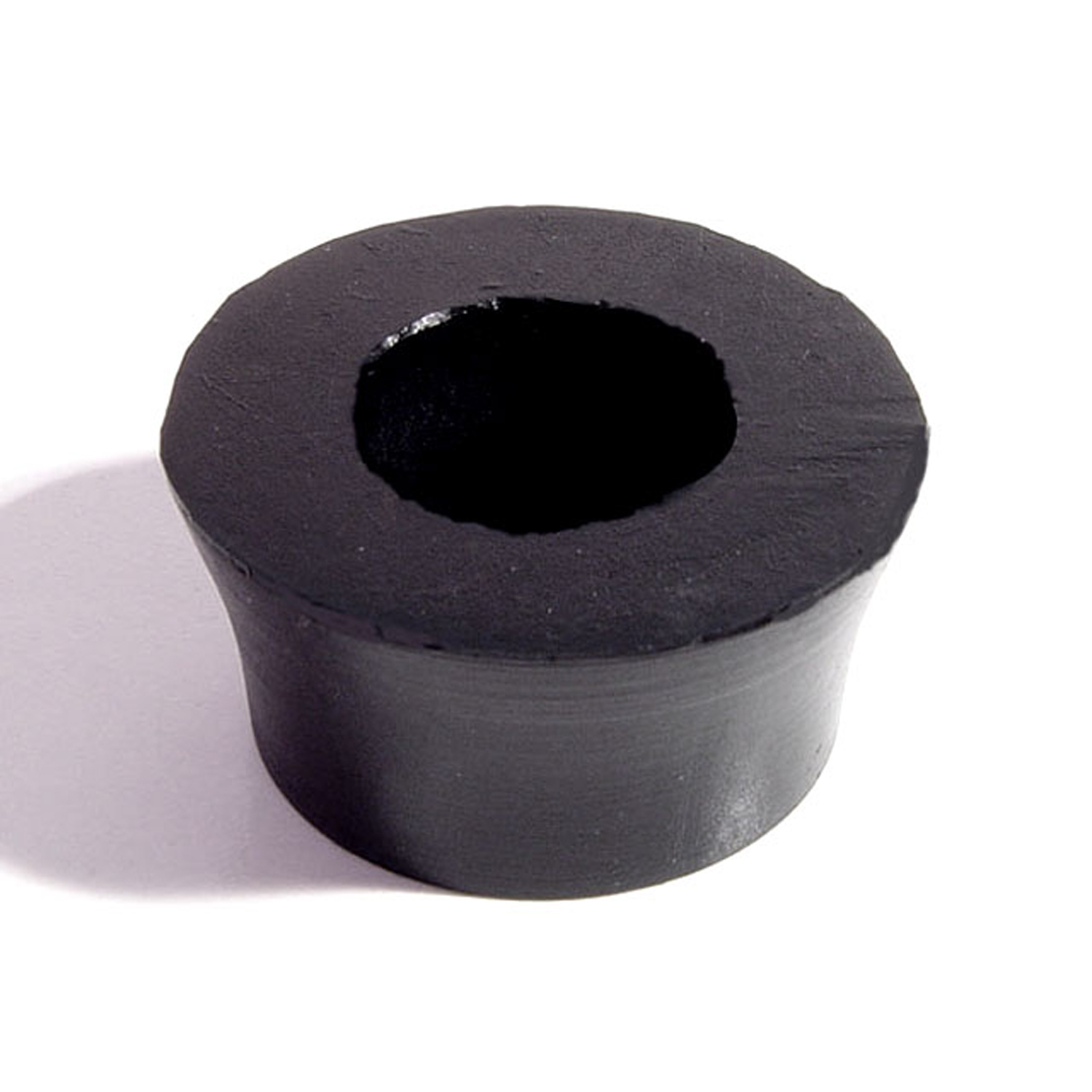 1942 GMC CC101 Shock Absorber Grommet. 1" bottom O.D., 5/8" high-BN 10Shock Absorber Grommet. 1" bottom O.D., 5/8" high., with 5/8" I.D. Each
 1942 GMC CC101 Cowl Vent Seal. 3-3/4" wide X 14-5/8" long. Each-RP 100-OCowl Vent Seal. 3-3/4" wide X 14-5/8" long. Each
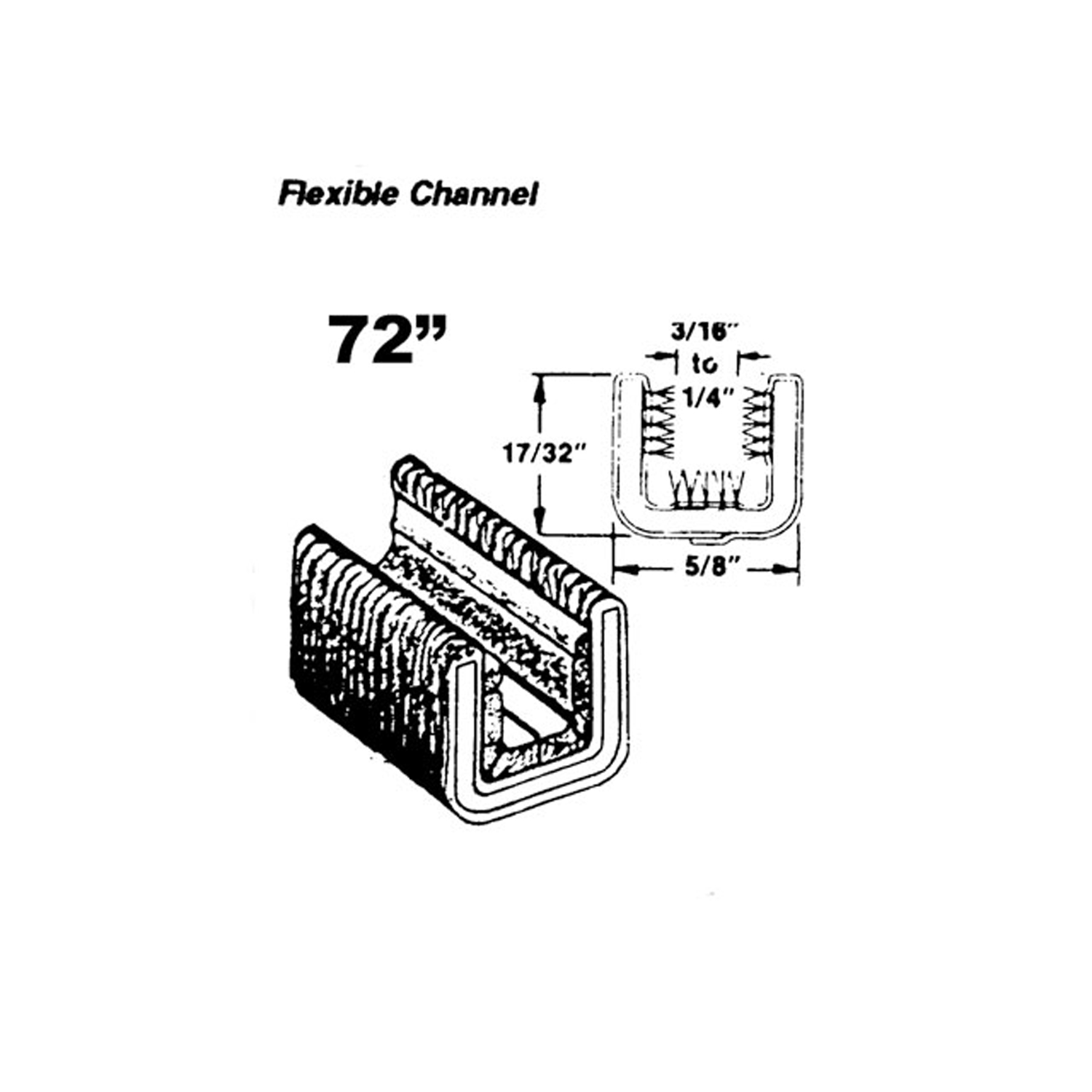 1942 GMC CC101 Flexible glass-run channel-WC 26-72Flexible glass-run channel. For models without framed side glass. Unbeaded, pile-lined. 72 in. long. Each. NOTE: $20 special shipping charge applies for domestic orders. Call or email for overseas shipping costs. Part can be sectioned into two equal lengths to reduce overseas shipping costs.
Why Choose Metro?
For over 100 years, Metro Moulded Parts has been the pinnacle of quality in classic car restoration parts. Our commitment to precision and authenticity in every component ensures a perfect fit and an OEM-level appearance.
- Expert Craftsmanship & Quality: Each part is a testament to our dedication to reliability and perfection, crafted from original designs and thoroughly tested.
- Advanced Technology: We use cutting-edge techniques to create flawless, long-lasting parts that surpass others in performance.
- SuperSoft Sponge – The Ultimate Door Seal: Not only are our door seals 30% softer than competitors', but they're also guaranteed to never leak. They effectively reduce wind and road noise, enhancing your classic car's comfort and driving experience.
- Proudly American: Our parts are a product of American craftsmanship, made in the USA with a spirit of excellence and heritage.
- Unrivaled Warranty: We back our products with a 30-year industry-leading warranty, a testament to our confidence in their quality.
Join us in preserving the legacy of classic cars with parts that are crafted for perfection, not just made.