

Image of 1942 Gmc Cc252, Note: These illustrations use artistic license and may differ from actual historical models.
Performance Metrics
Fundamental Metrics
Emotional Appeal
MMP Rating
| Engine Specifications | |
|---|---|
| Engine Options: | Inline 6 |
| Displacement Range: | 228 cubic inches |
| Horsepower Range: | Estimated 90-100 hp |
| Torque: | Estimated 175 lb-ft |
| Compression Ratio: | 6.6:1 |
| Ignition System: | Distributor and coil |
| Cooling System: | Liquid-cooled |
| Performance Specifications | |
| 0-60 Time: | Not available due to the age and type of vehicle |
| 1/4 Mile Time: | Not available due to the age and type of vehicle |
| Top Speed: | 60 mph |
| Transmission and Drive | |
| Drive Type: | Rear-wheel drive |
| Transmission Type: | 4-speed manual |
| Fuel and Efficiency | |
| Fuel System Type: | Carburetor |
| MPG: | Estimated 10-15 mpg |
| Dimensions and Brakes | |
| Brakes: | Hydraulic drum brakes |
| Wheelbase: | 125 inches |
| Weight: | Estimated 3,500 lbs |
Note: Specifications for classic cars are given to the best of our ability, considering the limited and variant data available.
1942 GMC CC-252: A Wartime Workhorse
The 1942 GMC CC-252 was built for work, not the boulevard. It belongs to GMC’s prewar generation of conventional-cab commercial trucks: sturdy, practical machines designed to haul goods, support local businesses, and keep farms and industries moving. GMC, then part of General Motors, had earned a reputation for dependable commercial vehicles, and the CC-252 carried that reputation into one of the most unusual years in American automotive history.
The United States entered World War II in December 1941, and civilian vehicle production was curtailed as factories shifted toward military needs. That makes a genuine 1942 civilian GMC an unusual survivor of a very short production window. It also gives the CC-252 an interesting place in GMC history: a civilian work truck from the transition between peacetime commerce and wartime manufacturing.
One important detail for buyers and researchers is that surviving trucks may have been rebuilt or fitted with replacement bodies, engines, and axles over their working lives. The model number alone does not guarantee that every CC-252 has identical specifications. A truck’s data plate, serial number, axle tags, and original sales or build records are the best clues to its factory configuration.
Art Deco Truck Styling
The CC-252 wears the rounded, purposeful look associated with GMC’s early-1940s trucks. Its long hood and broad front fenders give it a substantial stance, while the upright cab and prominent grille make its commercial purpose unmistakable. The design is more sculpted than the boxy work trucks that followed, with flowing fender lines and carefully shaped sheet metal that earned this generation a place in the broader Art Deco era of American truck design.
Inside, the emphasis was on serviceability rather than luxury. The cab typically offered a wide bench seat, a large steering wheel, simple gauges, and painted metal surfaces that could take years of hard use. Materials and trim varied with the original specification, but buyers should expect a functional, work-focused cabin rather than passenger-car comfort. Many trucks have since been reupholstered or modified, so originality can vary considerably.
Technology was straightforward for the period. The CC-252 used a gasoline-powered GMC inline-six, a manual transmission, and conventional chassis hardware suited to commercial work. Depending on the truck’s exact build, features such as transmission, rear axle, brakes, and electrical equipment may differ. These were not advanced systems by modern standards, but their relative simplicity made them familiar to mechanics and repairable in small-town garages.
GMC offered commercial trucks in configurations intended to accept different bodies and equipment. A CC-252 might be found as a chassis-cab fitted with a stake or platform body, a dump body, a service body, or another commercial conversion. Factory and dealer body choices depended on the truck’s rating and intended job. Today, the flatbed or stake-bed look is among the most recognizable, though many surviving examples carry later bodies.
Paint choices depended on the original order and body builder. Commercial owners often selected practical fleet colors, while red, green, blue, and subdued earth tones are frequently seen on restored examples. There is no single color that defines every CC-252, and a modern restoration color should not be mistaken for proof of its factory finish.
Why the CC-252 Matters
The CC-252 was not a revolutionary design in isolation. Its significance lies in how it represents the working truck at a pivotal moment. GMC combined a conventional layout, a durable six-cylinder engine, and a chassis adaptable to many trades. That formula helped make commercial trucks useful across farms, delivery fleets, construction sites, and municipal operations.
Compared with passenger cars, the CC-252 put load capacity and ease of maintenance first. Compared with lighter pickups, its heavier frame and commercial running gear made it more suitable for sustained hauling. It was part of a larger GMC tradition of building trucks that could be configured for a job rather than sold as one fixed-purpose vehicle.
Its connection to the wartime era is also part of its appeal. GMC became widely associated with military truck production during World War II, especially through vehicles such as the CCKW. The CC-252 was a civilian model, not a CCKW, but it belongs to the same broader story of GMC’s manufacturing expertise being called upon as the country mobilized.
Engine, Speed, and Road Manners
The CC-252 was powered by a GMC inline-six, but exact engine displacement and equipment should be confirmed against the individual truck’s identification plate and components. GMC used several six-cylinder engines across its truck range, and decades of engine swaps make visual identification alone unreliable. The six-cylinder layout was valued for its steady pulling power and straightforward maintenance, not high-revving performance.
There is no dependable, universal factory 0-to-60-mph figure for a CC-252, and acceleration would vary with engine, gearing, tire size, body, and payload. As a practical estimate, an empty, mechanically sound truck might take roughly 30 to 45 seconds to reach 60 mph, if its gearing and condition allow it. Many examples are happier cruising below that speed. A plausible top-speed range is about 45 to 55 mph, but this is an estimate rather than a guaranteed specification.
On the road, the CC-252 feels like a medium-duty truck of its era. The steering is heavy at low speed, the transmission calls for deliberate shifts, and the cabin gives the driver a close connection to the mechanicals. The engine’s sound is a steady, low six-cylinder growl rather than a refined modern hum. With a load, the truck feels more settled; empty, its rear suspension can feel firm and bouncy over sharp bumps.
On winding roads, drivers should account for the truck’s size, older tires, steering play, and braking distances. Crosswinds can push a tall-bodied truck around, especially with a box or stake body, and narrow roads reward measured speeds. A well-maintained example can be enjoyable on local drives, but it is not designed for modern freeway pace or abrupt evasive maneuvers.
Living With a 1942 GMC
Most owners use a CC-252 as a show vehicle, parade truck, farm or property hauler, or occasional local driver. Some are restored as period-correct commercial vehicles, while others are kept in working condition with sympathetic repairs. Its scale and vintage character make it a memorable display piece, but its size and modest speed limit how practical it is as a daily driver.
Routine work is generally approachable for an owner with mechanical experience. The engine bay and chassis are relatively accessible, and the truck predates electronic engine management and complex computer-controlled systems. Parts for common service items may be obtainable through vintage-truck suppliers, but model-specific trim, body panels, and certain drivetrain components can take more searching. Before buying, inspect the frame, cab corners, floor, fenders, brake system, steering, and cooling system closely.
Reliability depends less on the badge than on the truck’s history and quality of restoration. A sound engine cannot compensate for neglected brakes or a cracked frame, and an attractive paint job may conceal old repairs. Because some trucks have been altered over many decades, verify that replacement parts and modifications are safe and properly installed before driving at road speed.
CC-252 Facts and Myths
The most notable fact about the 1942 CC-252 is the timing of its production. Civilian vehicle manufacturing was sharply affected by wartime priorities, so surviving trucks from that model year are less commonly encountered than many postwar GMCs. That scarcity should not be confused with a documented, model-specific production total: reliable public figures for CC-252 output are difficult to establish.
There is no widely recognized CC-252 speed record or famous celebrity ownership story. Its historical importance is more grounded: it represents the civilian commercial vehicles that served local economies as the nation shifted toward wartime production. It should also not be mistaken for a military CCKW simply because both carry GMC badges and date from the same era.
Common criticisms are typical of prewar work trucks. The ride is firm, steering and braking feel dated, cabin noise is substantial, and highway speed is limited. The truck’s age can also make parts sourcing and registration more complicated than with a newer classic. For enthusiasts, those drawbacks are part of the character; for an everyday user, they are important practical considerations.
Collector Value and Availability
CC-252s appear far less often than popular postwar GMC pickups, and condition has a major effect on value. As a broad 2026 estimate, a project truck may sell for roughly $3,000 to $10,000, while a running but unfinished example could fall around $8,000 to $18,000. A well-restored truck may bring approximately $20,000 to $40,000, with exceptional, highly original, or professionally finished examples potentially exceeding that range. Body style, provenance, mechanical condition, and regional demand can move prices substantially.
There is no dependable production count available for the CC-252 alone. Since it was a specialized model from a disrupted model year, it is reasonable to regard it as uncommon, but not to assign a precise surviving population. A best-guess estimate would put original production in the low thousands or fewer, though that should be treated as an informed estimate rather than a verified factory figure.
Values have generally benefited from interest in prewar commercial vehicles and distinctive working-truck restorations. The market is narrower than for collectible passenger cars, so prices can be uneven: a rare truck in excellent condition may attract committed buyers, while a rough or incomplete example can be difficult to sell. Originality and documentation tend to help, but a sound, usable restoration is often more appealing than a costly restoration with hard-to-find details missing.
A Distinctive GMC Survivor
The 1942 GMC CC-252 combines handsome early-1940s styling with the practical engineering of a genuine commercial truck. Its short civilian production window, adaptable chassis, and connection to the wartime shift give it historical interest beyond its everyday working roots. It is not fast, quiet, or effortless by modern standards, but it offers an honest view of how American businesses moved goods before and during the war years.
For collectors who value substance as much as shine, the CC-252 is a compelling survivor: a rugged GMC built for real work, carrying the look and feel of a turning point in American history.
1942 Gmc Cc252 Catalog of Parts
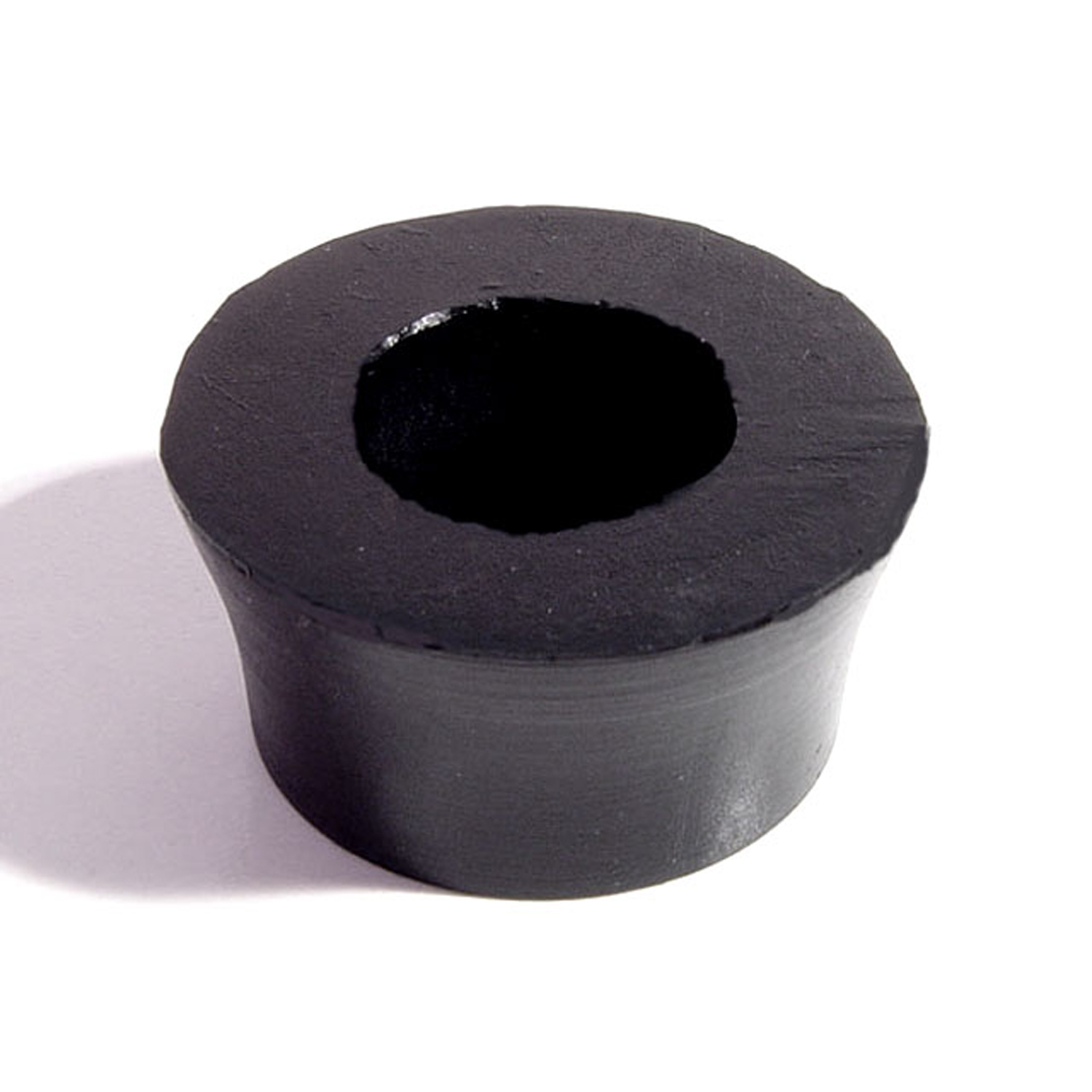 1942 GMC CC252 Shock Absorber Grommet. 1" bottom O.D., 5/8" high-BN 10Shock Absorber Grommet. 1" bottom O.D., 5/8" high., with 5/8" I.D. Each
 1942 GMC CC252 Cowl Vent Seal. 3-3/4" wide X 14-5/8" long. Each-RP 100-OCowl Vent Seal. 3-3/4" wide X 14-5/8" long. Each
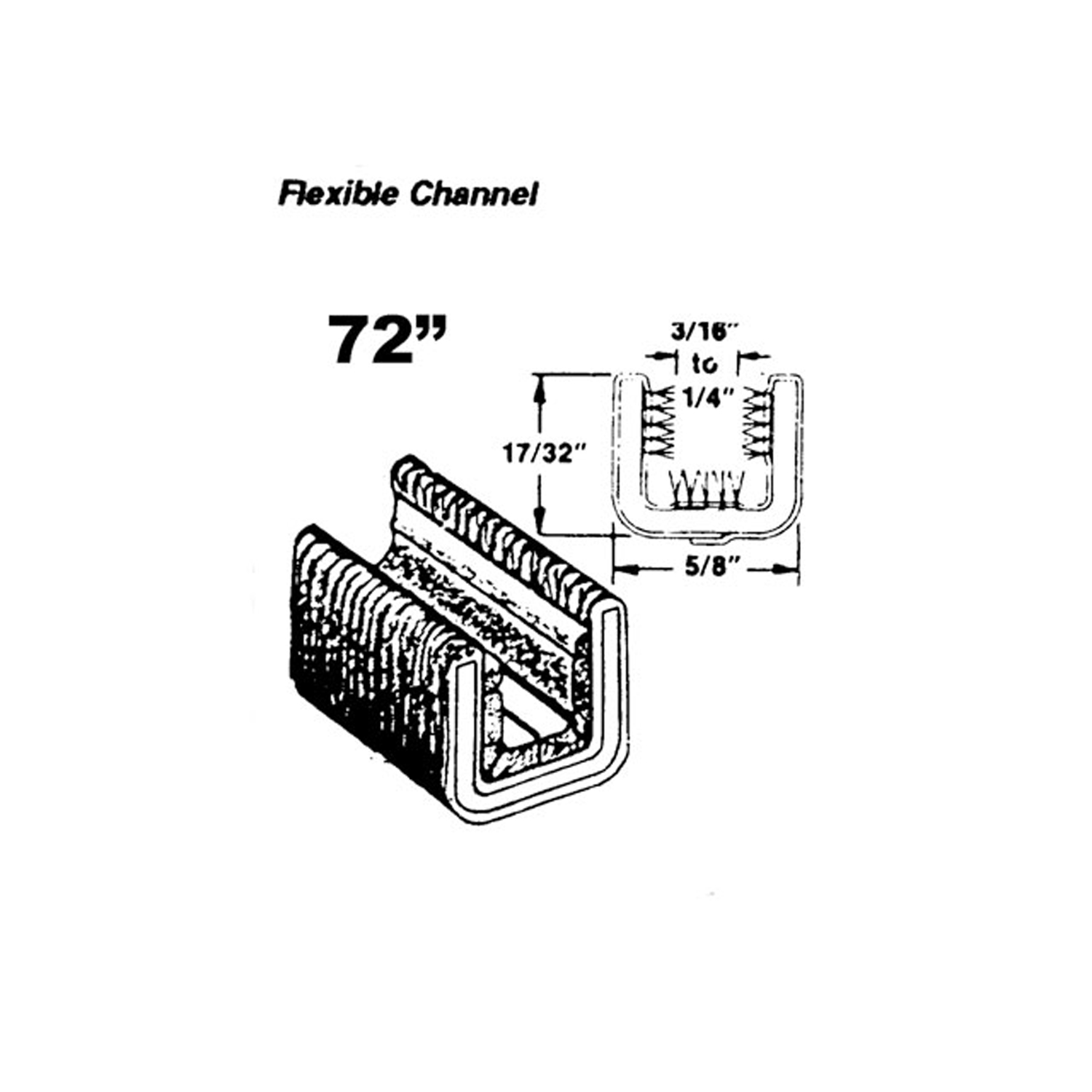 1942 GMC CC252 Flexible glass-run channel-WC 26-72Flexible glass-run channel. For models without framed side glass. Unbeaded, pile-lined. 72 in. long. Each. NOTE: $20 special shipping charge applies for domestic orders. Call or email for overseas shipping costs. Part can be sectioned into two equal lengths to reduce overseas shipping costs.
Why Choose Metro?
For over 100 years, Metro Moulded Parts has been the pinnacle of quality in classic car restoration parts. Our commitment to precision and authenticity in every component ensures a perfect fit and an OEM-level appearance.
- Expert Craftsmanship & Quality: Each part is a testament to our dedication to reliability and perfection, crafted from original designs and thoroughly tested.
- Advanced Technology: We use cutting-edge techniques to create flawless, long-lasting parts that surpass others in performance.
- SuperSoft Sponge – The Ultimate Door Seal: Not only are our door seals 30% softer than competitors', but they're also guaranteed to never leak. They effectively reduce wind and road noise, enhancing your classic car's comfort and driving experience.
- Proudly American: Our parts are a product of American craftsmanship, made in the USA with a spirit of excellence and heritage.
- Unrivaled Warranty: We back our products with a 30-year industry-leading warranty, a testament to our confidence in their quality.
Join us in preserving the legacy of classic cars with parts that are crafted for perfection, not just made.