

Image of 1946 Gmc Cc152, Note: These illustrations use artistic license and may differ from actual historical models.
Performance Metrics
Fundamental Metrics
Emotional Appeal
MMP Rating
| Engine Specifications | |
|---|---|
| Engine: | Inline 6 |
| Displacement: | 228 cubic inches |
| Horsepower: | Estimated 90-95 hp |
| Torque: | 175 lb-ft |
| Compression Ratio: | Estimated 6.6:1 |
| Ignition System: | Distributor and coil |
| Cooling System: | Liquid-cooled |
| Performance Specifications | |
| 0-60 Time: | Not available due to the age and type of vehicle |
| 1/4 Mile Time: | Not available due to the age and type of vehicle |
| Top Speed: | 70 mph |
| Transmission and Drive | |
| Drive Type: | Rear-wheel drive |
| Transmission Type: | 4-speed manual |
| Fuel and Efficiency | |
| Fuel System Type: | Carburetor |
| MPG: | Estimated 10-15 mpg |
| Dimensions and Brakes | |
| Brakes: | Drum brakes |
| Wheelbase: | 125 inches |
| Weight: | Estimated 3,500 lbs |
Note: Specifications for classic cars are given to the best of our ability, considering the limited and variant data available.
1946 GMC CC-152: A Postwar Classic with Working-Class Roots
The 1946 GMC CC-152 brings together the sturdy character of a prewar truck and the optimism of America’s postwar comeback. Built by General Motors Truck Company, GMC’s truck division, it belongs to the “CC” generation of conventional-cab trucks that carried GMC’s rounded, art-deco-inspired styling into the years immediately after World War II.
The CC-152 is generally identified as a half-ton pickup, though exact equipment and specifications could vary with configuration and market. Its design was not an all-new postwar creation: GMC resumed civilian production with a truck whose basic form had roots in the prewar years. That makes the 1946 model a fascinating bridge between two eras. One particularly appealing detail for collectors is that it represents the final chapter of GMC’s prewar-style cab before the more visibly redesigned Advance-Design trucks arrived for 1947.
Art Deco Looks, Built for Work
The CC-152 has the upright stance and rounded contours that make late-prewar GMC trucks instantly recognizable. Its broad hood leads into a tall grille, while separate rounded front fenders frame the wheels and headlights. The cab is compact and practical, with a nearly vertical windshield and simple door openings. Rather than hiding its purpose behind decoration, the truck wears its working hardware proudly. The result is handsome without looking delicate, a design that suits both a restored show truck and a well-used farm pickup.
Inside, the cabin is straightforward and durable. Expect a broad bench seat, a painted metal dashboard, large, easy-to-read instruments, and a rubber floor covering intended to tolerate mud and work boots. Upholstery and trim could differ by equipment and replacement history, and decades of repairs mean surviving interiors are often a mix of original and later materials. The emphasis was function: a clear view of the road, accessible controls, and materials chosen to endure daily use rather than pamper the driver.
Factory paint choices depended on the specific year, market, and body configuration, and surviving trucks have often been repainted. Period-appropriate solid colors such as dark green, blue, red, and black are common restoration choices. There was no single color that defined every CC-152, but deep greens and traditional GMC red look especially natural against its rounded fenders and bright grille details.
The CC-152 was part of a broader commercial-truck family. Buyers could encounter GMC chassis in pickup and other work-oriented configurations, with body styles such as stake or platform bodies available across the wider range. The conventional pickup is the version most often associated with the CC-152 name today. For many owners, its classic open cargo bed is the truck’s most appealing and recognizable form.
Technology from a Practical Era
By modern standards, the CC-152 is mechanically simple. Its defining technology is not an electronic feature or sophisticated driver aid, but a sturdy truck chassis, a naturally aspirated inline-six, and controls that are easy to understand and service. GMC offered engines and equipment according to model and configuration; a common powerplant in this generation was the 228-cubic-inch GMC inline-six. Exact engine specifications should be checked against the truck’s identification and original build information, since decades of engine swaps are common.
That simplicity was a real advantage in the 1940s. There are no computers, complicated emissions systems, or layers of electronic controls to diagnose. The trade-off is that the driver does the work: steering, braking, shifting, and judging the truck’s position all require more attention than in a modern vehicle.
Why the 1946 GMC Matters
The CC-152 reflects a critical moment in American manufacturing. During World War II, civilian vehicle production was restricted as factories focused on military needs. When peacetime production resumed, trucks like the 1946 GMC helped businesses, farms, and local trades rebuild their fleets and meet the surge in demand for goods and services.
Its lasting importance lies in its combination of recognizable style and practical engineering. GMC’s rounded fenders and upright grille gave the truck personality, while its conventional layout made it familiar to mechanics and drivers. Compared with more modern postwar designs, the CC-152 feels direct and mechanical. It does not represent a single breakthrough that transformed the industry; instead, it captures the dependable, incremental engineering that made commercial trucks essential to everyday life.
The model also marks a design transition. The prewar-influenced cab and body shape continued through 1946, then gave way to GMC’s 1947 Advance-Design generation. That makes the CC-152 a useful reference point for enthusiasts comparing the smooth, rounded look of earlier GMC trucks with the broader, more modern appearance of the next generation.
Performance and Driving Feel
A 1946 GMC pickup was built to carry cargo, not to win stoplight races. Period trucks were rarely tested using today’s standardized 0-to-60-mph method, and engine, gearing, tire size, load, and mechanical condition all affect performance. A healthy example with a common six-cylinder engine may manage roughly 55 to 65 mph in suitable conditions, but cruising comfortably at that speed is another matter. Acceleration to 60 mph is slow by modern standards and can take well over 30 seconds; some trucks may struggle to reach that speed, particularly when loaded.
On the road, the CC-152 feels substantial and deliberate. The steering is typically heavier and less precise than power-assisted modern steering, while the suspension communicates bumps through the cab. On rough pavement, the truck’s solid, work-focused setup can feel busy, especially when lightly loaded. A cargo load may settle the ride, but it also places greater demands on the brakes and drivetrain.
Windy roads call for patience. The tall cab and upright body catch crosswinds, and the truck’s older steering and braking systems reward smooth inputs. The engine’s low, steady six-cylinder rumble, the mechanical feel of the controls, and the need to plan gear changes are central to the experience. Driving one is less about speed than enjoying the connection between driver, machine, and road.
Living with a CC-152
Today, most CC-152s serve as collector vehicles, weekend cruisers, farm décor, or show trucks. Some remain useful for light local hauling, but frequent highway use is not ideal unless the truck has been carefully restored and fitted with suitable safety and mechanical upgrades. Many owners preserve the original character; others add discreet improvements such as modern tires, upgraded lighting, or improved brakes. Any modification should be planned with the truck’s age, chassis, and intended use in mind.
Routine maintenance is approachable for an owner with basic mechanical skills. The engine bay is relatively accessible, and many common service tasks involve familiar components such as ignition, cooling, fuel, and lubrication systems. Parts support is generally available through classic-truck suppliers, although finding correct trim, original gauges, and model-specific pieces can take more effort. Rust, worn steering or brake components, neglected cooling systems, and previous repairs deserve close inspection before purchase.
Reliability depends far more on condition and upkeep than on the badge. A properly maintained truck can be dependable for relaxed local driving, but age-related issues are inevitable. Before a road trip, check the brakes, tires, fuel lines, cooling system, and electrical connections. A truck that has sat for years should be recommissioned carefully rather than simply started and driven.
CC-152 Trivia and Common Criticisms
The most notable milestone in the CC-152’s story is its timing: it is part of GMC’s last pre-Advance-Design truck generation, with the 1947 models introducing a new look. It was not a celebrity performance vehicle or a record-setting speed machine. Its distinction is more everyday and historically meaningful: trucks from this period helped move the materials and supplies that powered postwar growth.
There is no widely recognized, authoritative production total published specifically for the CC-152. GMC production records and model designations can be difficult to separate by exact body and configuration. As a broad estimate rather than a verified factory figure, it is reasonable to think that thousands were built, perhaps in the range of 5,000 to 20,000 examples across relevant configurations. That estimate should not be treated as a confirmed production count, and the number of surviving, roadworthy trucks is much smaller.
Common criticisms are easy to understand: the truck is slow, noisy, heavy to steer, and less comfortable than a postwar or modern pickup. Braking distances are longer, safety equipment is basic, and highway traffic can make the experience stressful. Those limitations are also part of its appeal for many enthusiasts. The CC-152 offers an unfiltered look at how a mid-century work truck was designed to function.
Collector Value and Availability
Values vary widely with rust, completeness, originality, mechanical condition, and the quality of any restoration. As a general 2026 guide for the U.S. market, a rough project truck may sell for about $5,000 to $15,000. A usable, presentable example might bring roughly $15,000 to $30,000, while a high-quality restoration can reach approximately $30,000 to $55,000 or more. Exceptional trucks, rare configurations, or vehicles with documented history may exceed those ranges, while incomplete or heavily modified examples can fall below them.
The CC-152 is uncommon compared with mass-produced postwar pickups, but it is not so rare that a buyer should expect to wait years to find one. Trucks appear through classic-vehicle dealers, auctions, online listings, and enthusiast networks. Prices for vintage pickups have generally risen over the long term, although condition and originality matter more than broad market trends. The strongest examples tend to attract steady interest, while expensive restorations do not always return every dollar invested.
A Lasting GMC Workhorse
The 1946 GMC CC-152 is a distinctive half-ton pickup from a turning point in American history. Its rounded prewar styling, simple cabin, mechanical character, and postwar context give it more personality than a mere utility vehicle. It asks for patience on the road and attention in the garage, but rewards its owner with a genuine connection to an earlier era of motoring.
For collectors, the CC-152 is not just an old truck. It is a working piece of the transition between wartime restraint and postwar ambition, still wearing the purposeful lines that helped GMC earn its reputation.
1946 Gmc Cc152 Catalog of Parts
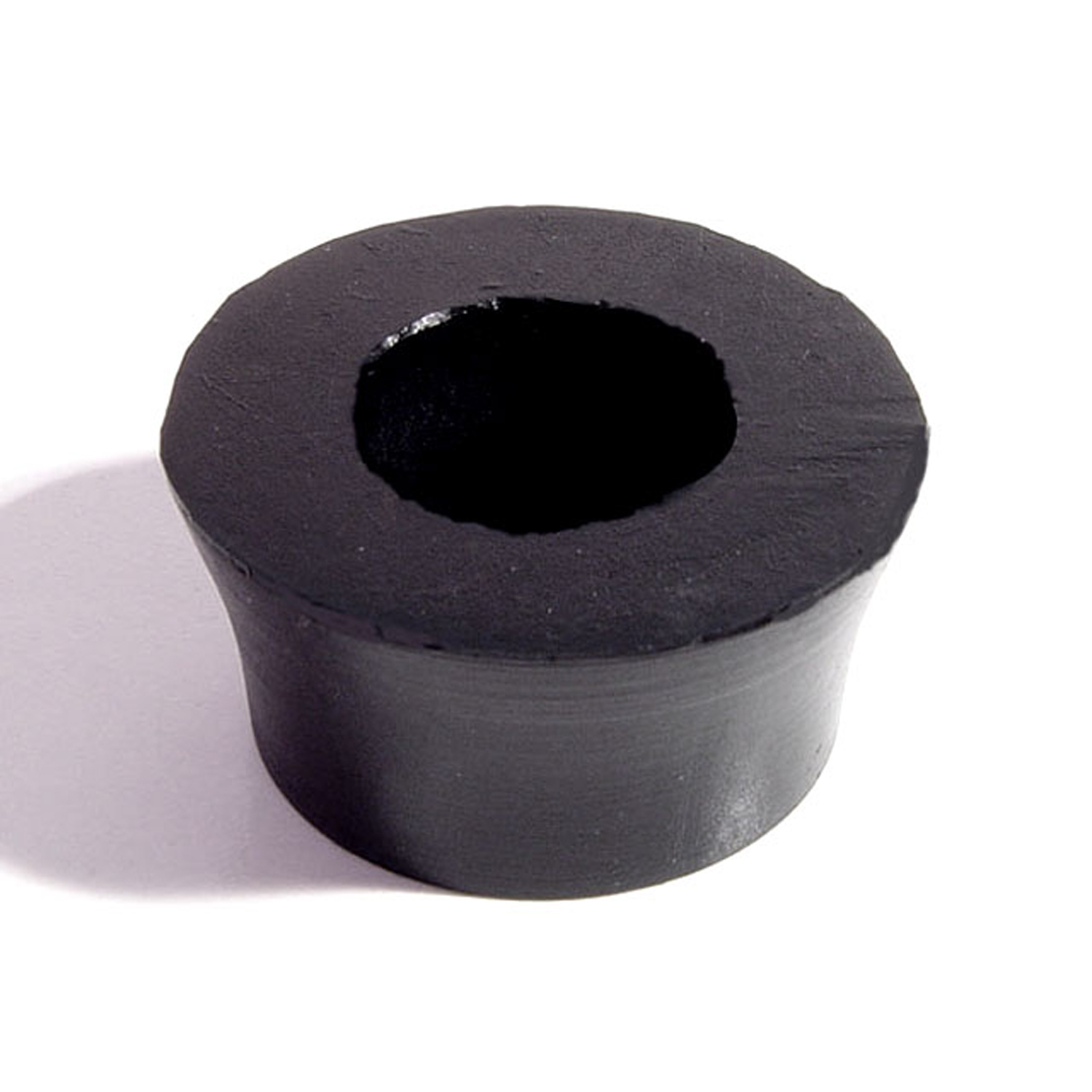 1946 GMC CC152 Shock Absorber Grommet. 1" bottom O.D., 5/8" high-BN 10Shock Absorber Grommet. 1" bottom O.D., 5/8" high., with 5/8" I.D. Each
 1946 GMC CC152 Cowl Vent Seal. 3-3/4" wide X 14-5/8" long. Each-RP 100-OCowl Vent Seal. 3-3/4" wide X 14-5/8" long. Each
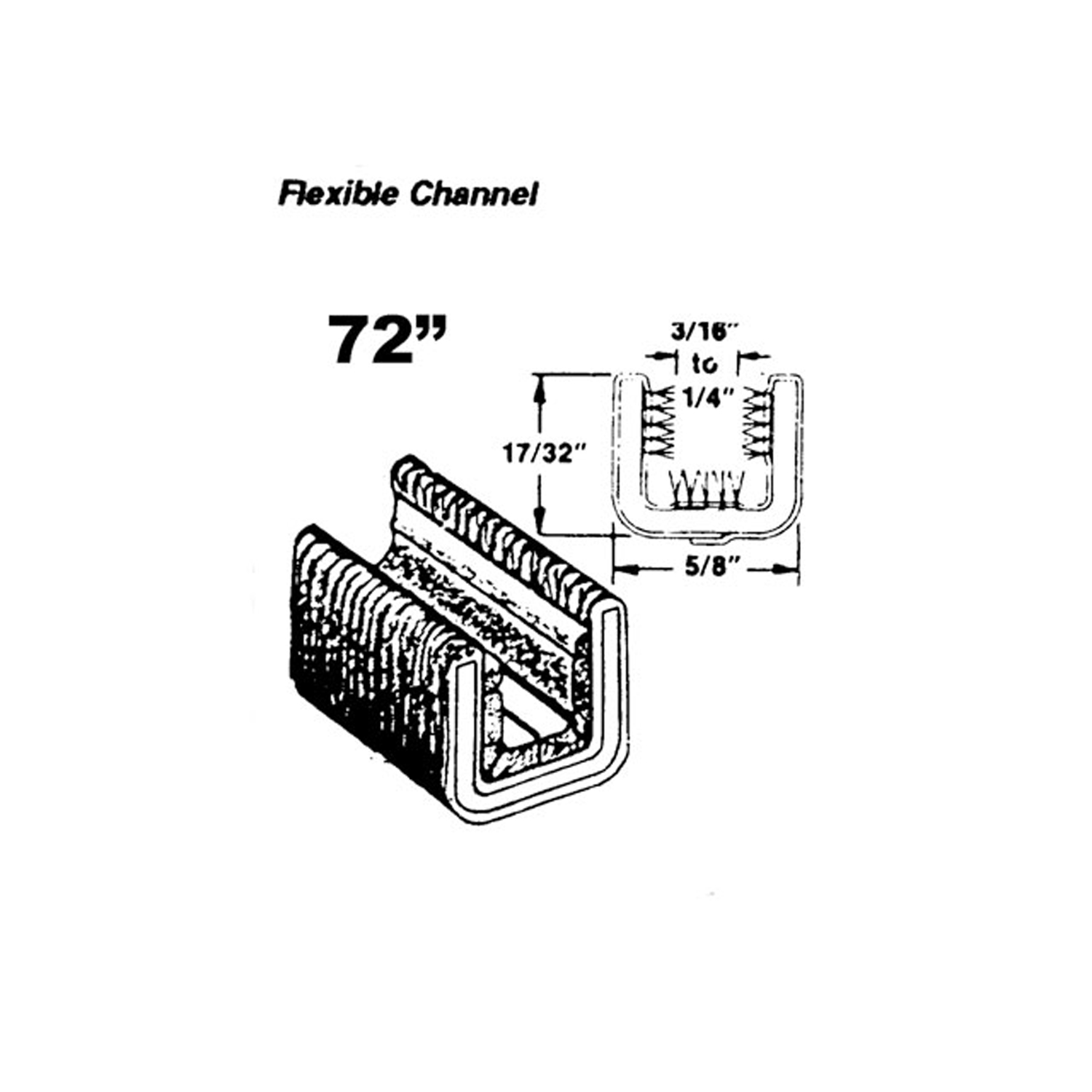 1946 GMC CC152 Flexible glass-run channel-WC 26-72Flexible glass-run channel. For models without framed side glass. Unbeaded, pile-lined. 72 in. long. Each. NOTE: $20 special shipping charge applies for domestic orders. Call or email for overseas shipping costs. Part can be sectioned into two equal lengths to reduce overseas shipping costs.
Why Choose Metro?
For over 100 years, Metro Moulded Parts has been the pinnacle of quality in classic car restoration parts. Our commitment to precision and authenticity in every component ensures a perfect fit and an OEM-level appearance.
- Expert Craftsmanship & Quality: Each part is a testament to our dedication to reliability and perfection, crafted from original designs and thoroughly tested.
- Advanced Technology: We use cutting-edge techniques to create flawless, long-lasting parts that surpass others in performance.
- SuperSoft Sponge – The Ultimate Door Seal: Not only are our door seals 30% softer than competitors', but they're also guaranteed to never leak. They effectively reduce wind and road noise, enhancing your classic car's comfort and driving experience.
- Proudly American: Our parts are a product of American craftsmanship, made in the USA with a spirit of excellence and heritage.
- Unrivaled Warranty: We back our products with a 30-year industry-leading warranty, a testament to our confidence in their quality.
Join us in preserving the legacy of classic cars with parts that are crafted for perfection, not just made.