

Image of 1947 Gmc Ec252, Note: These illustrations use artistic license and may differ from actual historical models.
Performance Metrics
Fundamental Metrics
Emotional Appeal
MMP Rating
| Engine Specifications | |
|---|---|
| Engine Options: | Inline 6 |
| Displacement Range: | 228 cubic inches |
| Horsepower Range: | Estimated 93-100 hp |
| Torque: | 175 lb-ft |
| Compression Ratio: | Estimated 6.6:1 |
| Ignition System: | Distributor and coil |
| Cooling System: | Liquid-cooled |
| Performance Specifications | |
| 0-60 Time: | Not available due to the age of the vehicle |
| 1/4 Mile Time: | Not available due to the age of the vehicle |
| Top Speed: | 70 mph |
| Transmission and Drive | |
| Drive Type: | Rear-wheel drive |
| Transmission Type: | 4-speed manual |
| Fuel and Efficiency | |
| Fuel System Type: | Carburetor |
| MPG: | Estimated 10-15 mpg |
| Dimensions and Brakes | |
| Brakes: | Drum brakes |
| Wheelbase: | 125 inches |
| Weight: | Estimated 3,500 lbs |
Note: Specifications for classic cars are given to the best of our ability, considering the limited and variant data available.
1947 GMC EC-252: A Working-Class Classic
The 1947 GMC EC-252 was built for work first and admiration second, but its rounded cab, upright stance, and unmistakable GMC grille have made it a memorable postwar truck. Produced by General Motors’ GMC division, the EC-252 belonged to GMC’s commercial-truck range rather than the familiar light-duty pickup family. It was a chassis designed to carry substantial loads and accept different working bodies, from flatbeds to service bodies and specialized commercial equipment.
The truck arrived as America was shifting from wartime production back to civilian life. Businesses needed dependable vehicles to move materials, restock stores, and build a rapidly expanding postwar economy. The EC-252 answered that demand with a straightforward, serviceable design. One useful point for identification: “252” is part of the truck’s model designation, not a reference to a 252-cubic-inch engine.
Cab Design and Working Details
The EC-252 has the sturdy, rounded look associated with GMC’s postwar trucks. Its broad hood, tall fenders, separate headlamps, and upright grille give it a purposeful face, while the high cab provides a commanding view over the road. The overall shape is more functional than streamlined, but the curves keep it from looking purely industrial. Depending on its original body and later modifications, a surviving example may appear as a flatbed, stake truck, dump truck, wrecker, or other commercial vehicle.
Inside, the emphasis was on durability and easy cleaning. The cab typically used painted metal surfaces, a simple instrument panel, a broad bench seat, and a rubber floor mat. Materials were practical rather than luxurious, and trim details could vary with specification and body builder. The upright seating position and large windows helped drivers keep an eye on traffic and the truck’s corners, especially useful when maneuvering at low speed.
Equipment was basic by modern standards. The driver had conventional gauges and mechanical controls, without power steering, air conditioning, or electronic driver aids. GMC’s color choices depended on the order and truck configuration. Fleet buyers often selected practical solid colors, while red, green, blue, cream, and traditional dark shades are common on restored or repainted examples. A truck’s current color should not automatically be assumed to be its factory finish.
Chassis, Bodies, and Options
The EC-252 was a commercial chassis, so its final appearance depended heavily on the body installed by GMC, a dealer, or an outside body manufacturer. Flatbeds and stake bodies suited hauling, while dump bodies, enclosed delivery bodies, tow equipment, and municipal fittings could turn the same basic truck into a specialized tool. This flexibility is a major part of the model’s appeal today: two EC-252s may share a cab and chassis but look entirely different.
There was no single body style that defines every EC-252. A period-correct flatbed or stake-bed truck is among the most recognizable configurations, while restored fire-service, utility, and tow-truck versions attract attention for their unusual equipment. When evaluating one, check whether the body appears period-correct and whether its mounting points and modifications have been documented.
Postwar GMC Significance
The EC-252 represents the practical side of postwar American motoring. While passenger cars were beginning to emphasize comfort and modern styling, commercial trucks remained focused on payload, durability, and ease of service. Its conventional layout, separate chassis, and adaptable body made it useful to businesses that could not afford a vehicle built for only one narrow task.
GMC’s reputation rested in part on offering robust trucks for commercial users, and the EC-252 fits that tradition. It was not a revolutionary design that introduced a headline-grabbing technology. Its significance is more down-to-earth: it helped move goods and equipment during a period of rapid rebuilding and growth. Its lasting influence is visible in the continued importance of configurable truck chassis, where one platform can serve many industries.
Engine, Speed, and Road Manners
Power came from a GMC overhead-valve inline-six. Many trucks of this era and class used GMC’s 248-cubic-inch six, though engine fitment and ratings could vary by configuration and production details. Check the engine number and truck documentation on an individual vehicle rather than relying only on a general model description. The engine was designed to deliver useful low-speed pulling power, not sports-car acceleration.
GMC did not publish a modern-style 0-to-60-mph figure for every EC-252 configuration, and a truck’s gearing, tire size, body, and load make any single number misleading. As a broad real-world estimate, an unloaded, mechanically sound example might reach roughly 45 to 55 mph, with acceleration to 60 mph slow or impractical on many trucks. Some are happiest cruising below that range. Treat these figures as estimates, not factory performance specifications.
Behind the wheel, the EC-252 feels like a working truck. The inline-six produces a steady mechanical rumble, the clutch and gearbox demand deliberate operation, and the steering takes more effort than a modern driver may expect. Its heavy chassis helps it feel planted at modest speeds, but a tall body and period tires call for care in crosswinds and on uneven roads. The suspension is built to carry a load, so an empty truck can feel firm over bumps. A properly loaded example may ride more evenly, though loading must always stay within the truck’s safe limits.
Living With an EC-252
Today, most EC-252s are used as show vehicles, parade trucks, working display pieces, or occasional drivers. Some continue to haul light loads, but regular road use requires a careful inspection and realistic expectations. Braking distance, lighting, steering play, tire condition, and the availability of suitable replacement parts matter more than a fresh coat of paint.
The mechanical layout is relatively straightforward, which can make routine work approachable for an experienced owner with basic tools. The engine, clutch, and many chassis components follow familiar old-truck principles. However, a commercial truck is larger and heavier than a pickup, and some parts can be difficult to source. Specialized transmission, axle, brake, body, and trim components may require patience, parts interchange research, or help from a specialist. Before buying, inspect the frame for corrosion or poor repairs, check the brakes thoroughly, and confirm that the drivetrain and body suit the intended use.
EC-252 Facts and Common Concerns
The EC-252’s most interesting feature may be its versatility: the same basic platform could be adapted to a surprising range of jobs. That variety also complicates restoration, because an unusual body may be a legitimate period conversion rather than a factory-built configuration. Records, old photographs, body-builder plates, and previous registration documents can help establish a truck’s history.
There is no widely recognized EC-252 production record for a speed, endurance, or sales milestone, and exact model-specific production totals are difficult to establish. It is best understood as part of GMC’s broader commercial fleet rather than as a limited-edition performance model. Common criticisms include slow acceleration, heavy controls, modest cruising speed, and the challenge of finding specialized parts. Those are real drawbacks for modern use, but they reflect the truck’s original working purpose.
Collector Value and Availability
EC-252s are uncommon compared with light-duty pickups, but their availability varies sharply by body style and condition. Because GMC built trucks for commercial use and many were worked hard, surviving examples can be incomplete, heavily modified, or in need of substantial mechanical attention. There is no dependable published production figure for the EC-252 alone, so any total should be treated as an informed guess rather than a confirmed factory number.
As a broad North American market estimate, a project or incomplete truck might sell for about $5,000 to $12,000. A running, presentable example could fall around $12,000 to $30,000, while a high-quality restoration or especially appealing specialty body may bring roughly $30,000 to $60,000 or more. These are general ranges, not appraisals. Location, title status, body type, restoration quality, and mechanical condition can move the price considerably.
Values have generally benefited from growing interest in vintage commercial vehicles, but the market is narrower than for popular pickup trucks. Well-documented, usable trucks with attractive period bodies tend to be easier to sell than unfinished projects. Exceptional restorations can command strong prices, though restoration costs may exceed the truck’s eventual market value.
Why the 1947 GMC EC-252 Still Matters
The 1947 GMC EC-252 is a reminder that automotive history was built not only by glamorous cars, but also by hardworking trucks that kept businesses moving. Its sturdy GMC six, adaptable chassis, straightforward cab, and range of possible bodies tell the story of a country returning to civilian production and building for the future.
It may not be fast or refined, and it asks more of its driver than a modern truck does. In return, it offers mechanical character, a distinctive postwar presence, and a direct connection to the people and industries it served. For collectors who appreciate useful history as much as polished chrome, the EC-252 is a classic with a job well done.
1947 Gmc Ec252 Catalog of Parts
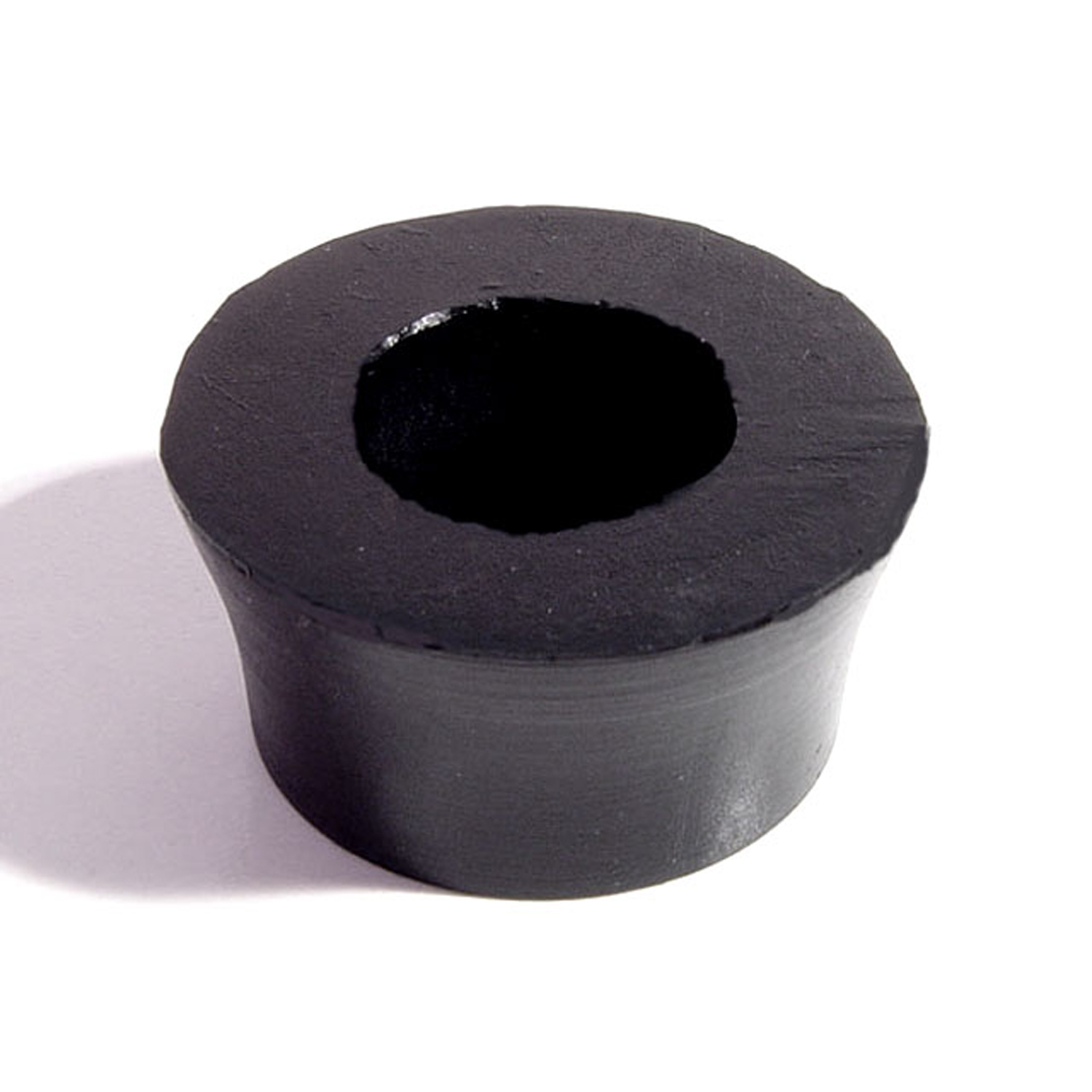 1947 GMC EC252 Shock Absorber Grommet. 1" bottom O.D., 5/8" high-BN 10Shock Absorber Grommet. 1" bottom O.D., 5/8" high., with 5/8" I.D. Each
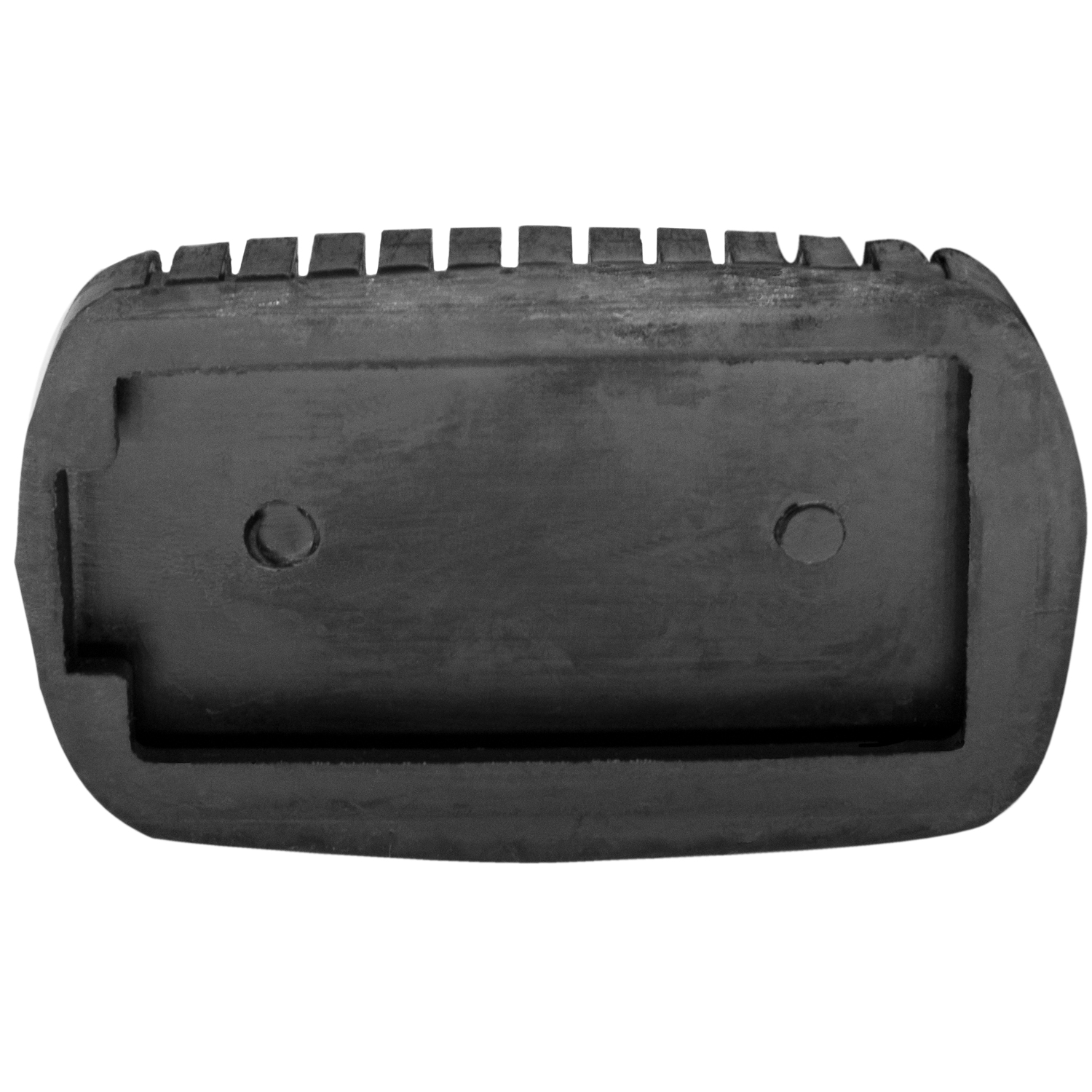 1947 GMC EC252 Clutch and Brake Pedal Pad. 2-1/2" wide X 3-7/8" long-CB 100-A/EAClutch and Brake Pedal Pad. 2-1/2" wide X 3-7/8" long. Each
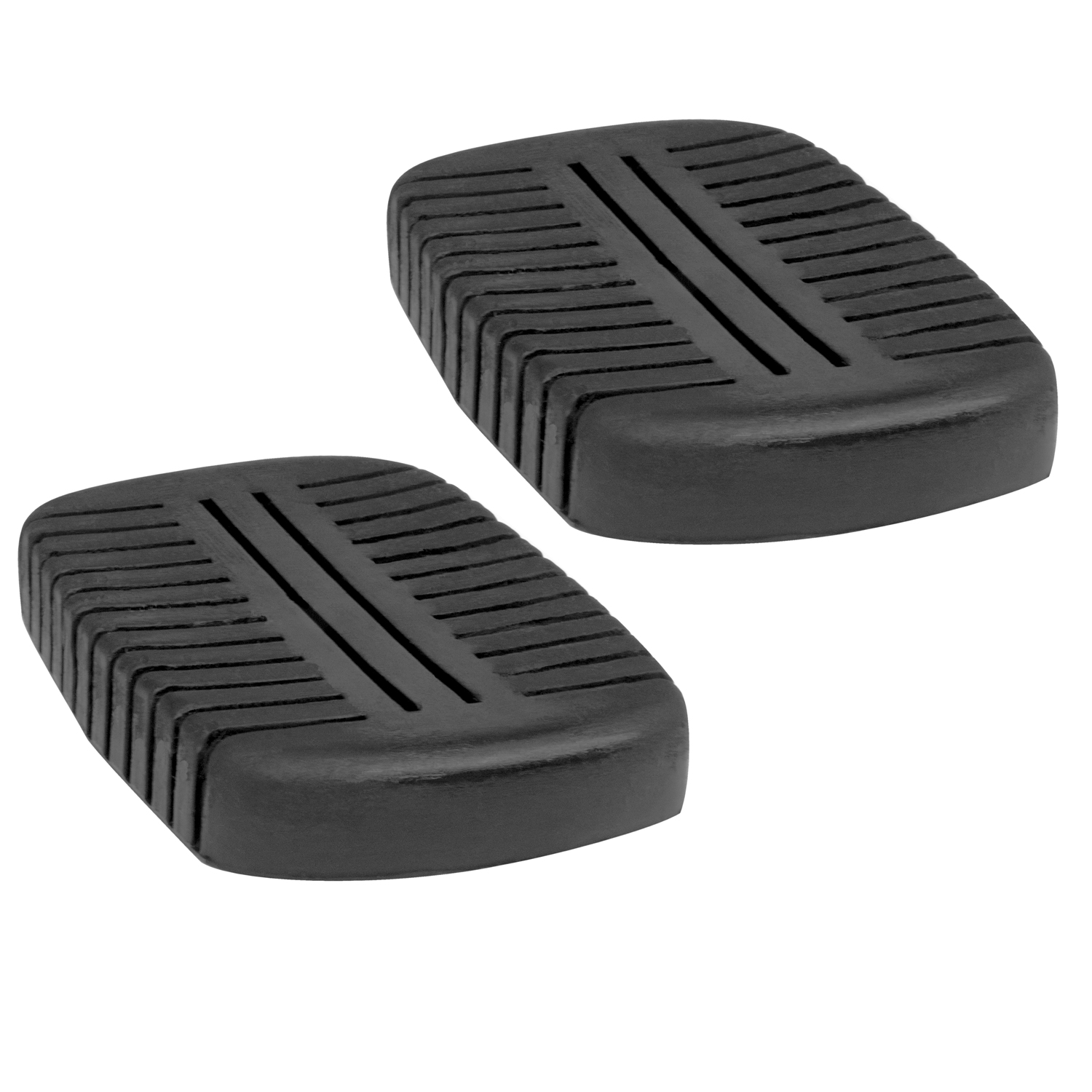 1947 GMC EC252 Clutch and Brake Pedal Pads. 2-1/2" wide X 3-7/8" long-CB 100-A/PRClutch and Brake Pedal Pads. 2-1/2" wide X 3-7/8" long. Pair
 1947 GMC EC252 Door Weatherstrip for 2 Doors. Kit-LPK 40Door Weatherstrip for 2 Doors. Kit
 1947 GMC EC252 Park Light Pads. 2-1/2" wide X 16" long. Pair-MP 850-BPark Light Pads. 2-1/2" wide X 16" long. Pair
 1947 GMC EC252 Cowl Vent Seal. For models with flat-faced cowls-RP 100-KCowl Vent Seal. For models with flat-faced cowls. 4" wide X 16-1/2" long. Each
 1947 GMC EC252 Side Vent Seal. Each-RP 100-MSide Vent Seal. Each
 1947 GMC EC252 Cowl Vent Drain Hose. 5/8" I.D., 13/16" O.D., 8" long-VH 101Cowl Vent Drain Hose. 5/8" I.D., 13/16" O.D., 8" long. Replaces OEM #3683557. Each
 1947 GMC EC252 Rear Window Seal '42-'66 GM Full Size Trucks With Small Window-VWS 7313-URear Window Seal '42-'66 GM Full Size Trucks With Small Window, Includes Lockstrip, Set of 2.
 1947 GMC EC252 Flexible Window Scraper. Used on outside side window-WC 24-A 27Flexible Window Scraper. Used on outside side window. Made of all rubber. Two used per vehicle. 7/8" wide X 1/4" high X 27" long. Each
 1947 GMC EC252 Flexible window scraper. Used on outside side windows-WC 24-A/FTFlexible window scraper. Used on outside side windows. Dense rubber. Two used per vehicle. 7/8 in. wide X 1/4 in. high. Sold by the foot.
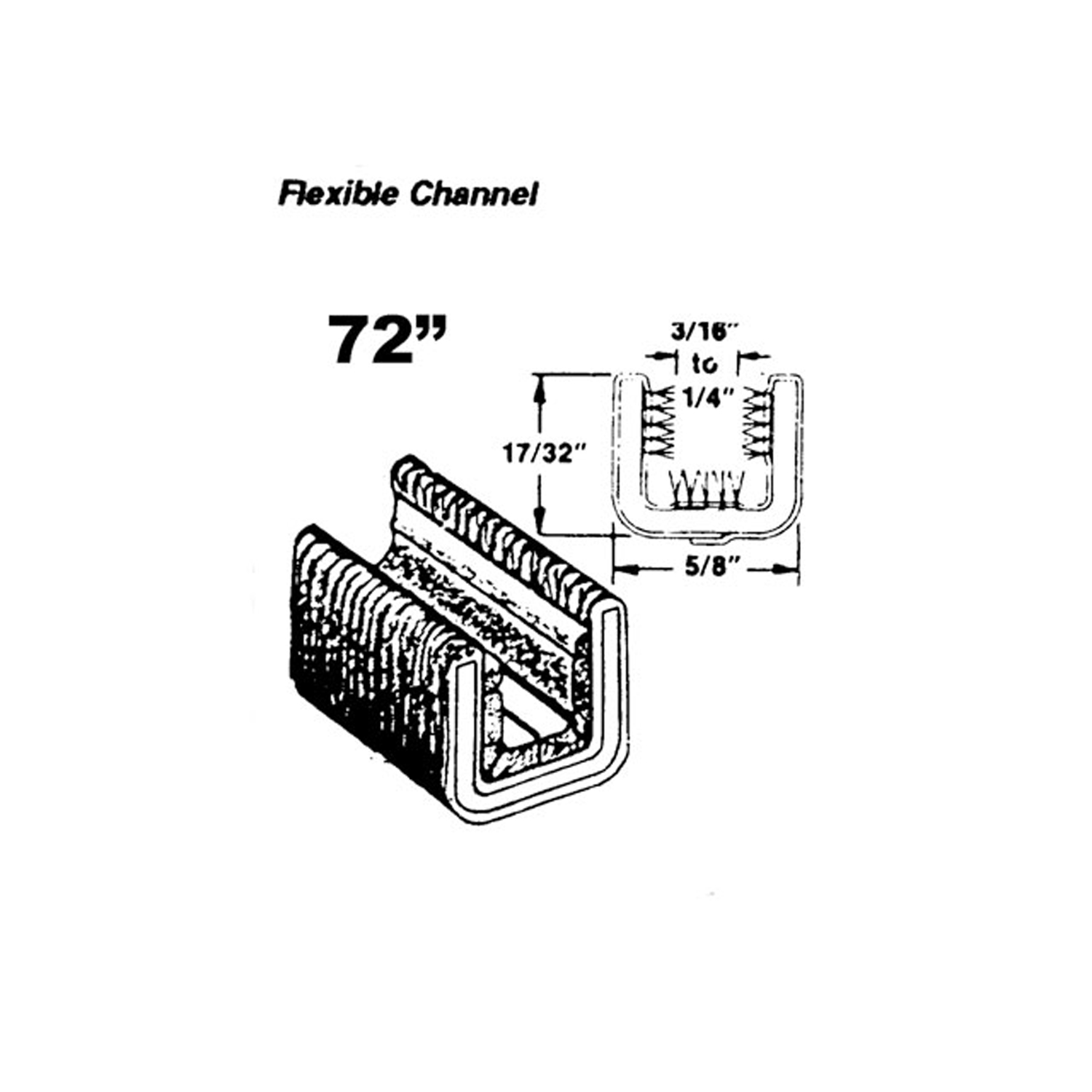 1947 GMC EC252 Flexible glass-run channel-WC 26-72Flexible glass-run channel. For models without framed side glass. Unbeaded, pile-lined. 72 in. long. Each. NOTE: $20 special shipping charge applies for domestic orders. Call or email for overseas shipping costs. Part can be sectioned into two equal lengths to reduce overseas shipping costs.
Why Choose Metro?
For over 100 years, Metro Moulded Parts has been the pinnacle of quality in classic car restoration parts. Our commitment to precision and authenticity in every component ensures a perfect fit and an OEM-level appearance.
- Expert Craftsmanship & Quality: Each part is a testament to our dedication to reliability and perfection, crafted from original designs and thoroughly tested.
- Advanced Technology: We use cutting-edge techniques to create flawless, long-lasting parts that surpass others in performance.
- SuperSoft Sponge – The Ultimate Door Seal: Not only are our door seals 30% softer than competitors', but they're also guaranteed to never leak. They effectively reduce wind and road noise, enhancing your classic car's comfort and driving experience.
- Proudly American: Our parts are a product of American craftsmanship, made in the USA with a spirit of excellence and heritage.
- Unrivaled Warranty: We back our products with a 30-year industry-leading warranty, a testament to our confidence in their quality.
Join us in preserving the legacy of classic cars with parts that are crafted for perfection, not just made.