

Image of 1948 Gmc Fc152, Note: These illustrations use artistic license and may differ from actual historical models.
Performance Metrics
Fundamental Metrics
Emotional Appeal
MMP Rating
| Engine Specifications | |
|---|---|
| Engine: | 228 cubic inch inline 6-cylinder |
| Displacement: | 228 cubic inches (3.7 liters) |
| Horsepower: | 93-100 hp |
| Torque: | 175 lb-ft |
| Compression Ratio: | 6.6:1 |
| Ignition System: | Distributor and coil |
| Cooling System: | Liquid-cooled |
| Performance Specifications | |
| 0-60 Time: | Not available due to the age and type of vehicle |
| 1/4 Mile Time: | Not available due to the age and type of vehicle |
| Top Speed: | 70 mph |
| Transmission and Drive | |
| Drive Type: | Rear-wheel drive |
| Transmission Type: | 4-speed manual |
| Fuel and Efficiency | |
| Fuel System Type: | Carburetor |
| MPG: | 10-15 mpg |
| Dimensions and Brakes | |
| Brakes: | Drum brakes |
| Wheelbase: | 125 inches |
| Weight: | 3,400 lbs |
Note: Specifications for classic cars are given to the best of our ability, considering the limited and variant data available.
1948 GMC FC-152: A Cab-Over Workhorse
The 1948 GMC FC-152 puts the driver almost over the front axle, giving this big postwar truck a strikingly compact nose and a practical advantage in tight loading yards. Built by General Motors Truck and Coach Division, it belongs to GMC’s postwar “Forward Control” cab-over-engine family. The FC-152 designation is generally understood to identify a forward-control truck on a 152-inch wheelbase, though original chassis records and equipment could vary by configuration.
GMC introduced its postwar truck designs in 1947, when American businesses were rebuilding, expanding, and moving more goods by road. The FC-152 was not a family pickup dressed up for work. It was a commercial chassis designed to carry substantial loads and accept a range of bodies. Its cab-over layout was a notable answer to a practical problem: fitting a useful cargo body into a limited overall vehicle length.
One detail that makes the FC-152 especially interesting today is how its proportions reveal its purpose. With little conventional hood ahead of the cab, it could accommodate a longer body than a similarly sized truck with a traditional front-engine layout. That packaging advantage helped make cab-over trucks a familiar sight in delivery fleets and urban work for decades.
Cab-Over Styling and Workday Comfort
The FC-152 has the unmistakable profile of a postwar cab-over: a broad, upright cab, a short front end, rounded fenders, and a large, nearly vertical windshield. Its face is more about visibility and access than ornament. The grille, headlamps, and GMC identification give it a purposeful look, while the generous glass area helps the driver judge the truck’s position in crowded streets and loading areas.
Inside, expect a straightforward commercial cabin rather than passenger-car luxury. A wide bench seat, painted metal surfaces, simple gauges, and large, easy-to-operate controls were appropriate to a vehicle expected to spend long days working. Materials were sturdy and functional, but age, hard use, and replacement parts mean that surviving examples can differ substantially from their original interiors.
Equipment depended on the truck’s order and intended job. Buyers could specify a basic cab or add practical items such as a heater, mirrors, and other fleet or driver conveniences. The cab-over format also made engine access and serviceability important design considerations, although the exact access arrangement can differ by chassis and restoration. Anyone inspecting a truck should check its particular cab, engine cover, and service openings rather than assume every FC-152 is identical.
Commercial buyers commonly ordered trucks in colors suited to their company fleets. Red, blue, green, and cream or light-colored finishes are frequently seen on surviving trucks, but those colors should not be treated as a definitive factory palette for every 1948 FC-152. Many examples have been repainted, sometimes more than once.
Chassis, Bodies, and Configuration
The FC-152 was a chassis intended to be fitted for a job. Depending on the buyer’s needs and the body builder, it could appear as a delivery or box truck, stake-bed truck, dump truck, service vehicle, or other commercial body. Tractor and specialized configurations were also part of the broader cab-over world. The most visually familiar survivors are often box or delivery trucks, though a flatbed or stake-body version makes the truck’s work-truck roots just as clear.
Because the FC-152 was sold as a commercial platform, there was no single body style that defined every example. Body dimensions, rear axles, gearing, and equipment could be selected for the intended load and route. That variety is part of its appeal, but it also means two trucks wearing the same model designation may have noticeably different specifications.
Why the FC-152 Mattered
The FC-152’s importance lies less in introducing a wholly new technology than in making a useful commercial layout available in a polished postwar GMC package. A cab-over truck places the cab above or very close to the engine, shortening the front of the vehicle. For operators working in cities, warehouses, or crowded yards, that arrangement could provide a shorter overall truck for a given cargo-body length and improve maneuverability compared with a long-hood counterpart.
The design came with trade-offs. A conventional truck’s hood can make engine access simpler, while a cab-over concentrates engine heat and mechanical noise closer to the driver. The upright cab and forward seating position also feel very different from a pickup. Still, the FC-152 represents an important period in American truck design, when manufacturers were balancing payload, usable body length, driver visibility, and increasingly busy roads.
Its lasting influence is easy to see in later delivery and medium-duty trucks. Cab-over layouts remained popular in commercial service because they made efficient use of vehicle length. The FC-152 is not famous for a single industry-changing patent or headline-grabbing record. Its significance is the practical design itself, and the way it reflects the demands of postwar freight and local delivery.
Engine, Speed, and Road Manners
GMC’s six-cylinder engines were central to the brand’s commercial reputation. Depending on the truck’s original specification, an FC-152 may have been equipped with one of GMC’s inline-six engines, commonly associated with displacements such as 248 or 270 cubic inches in this era. Exact equipment can vary with the chassis and order, so the engine identification plate and casting numbers are better evidence than a model-name assumption.
These engines were built for low-speed pulling and long service, not quick acceleration. A typical truck would have a manual transmission and low commercial gearing, with the final setup tailored to its load and route. There is no dependable factory-style 0-to-60 mph figure for every FC-152, and many examples were not geared or intended to reach 60 mph comfortably. As a broad estimate, an unloaded, mechanically sound truck might manage roughly 50 to 55 mph, while reaching 60 mph could take 35 to 50 seconds or may not be practical at all. Loaded trucks and short gearing can be slower.
On the road, the FC-152 feels like a working truck, not a vintage car. The driver sits high and forward, the steering is likely to feel heavy by modern standards, and the large wheel and manual controls call for deliberate inputs. Solid axles and leaf springs are designed for carrying weight, so an empty truck can feel firm over broken pavement. A long-wheelbase example can ride more steadily on a straight road, but narrow streets and sharp turns require planning.
Crosswinds can push the broad cab and body, especially on an empty truck or one fitted with a tall box. On winding roads, the driver needs to account for the truck’s weight, turning circle, and period braking performance. The soundtrack is part of the experience: a steady six-cylinder rumble, gear whine, and the mechanical sounds of a working chassis. It rewards a relaxed driving style, early braking, and smooth gear changes.
Owning and Maintaining a GMC FC-152
Most FC-152s today are show vehicles, parade trucks, business displays, or weekend restoration projects. Some remain in light work, but their size, modest speed, fuel consumption, and lack of modern safety features make them poor choices for routine commuting. They are at their best on local drives, at truck shows, or serving as a striking piece of commercial history.
Many mechanical repairs are approachable for an experienced owner with workshop space and heavy-duty tools. GMC’s older straight-six layout is generally understandable, and many components follow familiar mechanical principles. The challenge is often not complexity but condition and parts availability. Cab panels, glass, trim, model-specific fittings, and correct commercial components can be harder to source than basic service items.
Before buying, inspect the frame, cab mounts, floor, lower cab panels, and areas where moisture collects. Check the engine for oil pressure and cooling problems, and examine the transmission, rear axle, steering, and brakes carefully. Brake type and equipment can vary by specification and later modifications, so verify what is actually fitted. A truck that has sat for years may need a full recommissioning even if it starts and moves under its own power.
FC-152 Facts and Common Myths
The FC-152 is a commercial GMC, not a rare passenger-car special edition. Its unusual cab-over shape is its most memorable feature, and the model’s many possible body configurations mean that no single surviving example represents the entire range. There is no widely documented FC-152 land-speed record, major racing achievement, or famous celebrity ownership that defines its history.
Its most common criticism is also tied to its design: the engine sits close to the driver, bringing more heat and noise into the cabin than a long-hood truck typically would. Drivers may also find the steering, brakes, ride, and highway speed demanding compared with a modern vehicle. Those limitations are real, but they reflect a truck engineered around commercial utility rather than comfort or speed.
Rarity and Collector Value
GMC production records do not provide a reliable, commonly available total for the FC-152 alone. As a working estimate rather than an archival figure, production may have amounted to several hundred to roughly 1,500 trucks for this specific configuration. The broader FC family was more numerous, but commercial vehicles were often used hard, modified, or scrapped, leaving far fewer original examples on today’s market.
Values depend heavily on condition, completeness, body style, and whether the truck retains its original drivetrain. In the 2026 collector market, a project or incomplete example might bring about $8,000 to $18,000. A running, presentable truck could fall around $20,000 to $40,000, while a high-quality restoration or especially appealing finished example may reach roughly $45,000 to $75,000 or more. These are broad U.S. market estimates, not guaranteed sale prices.
Interest in unusual commercial vehicles has generally strengthened, but FC-152 prices remain dependent on a relatively small group of collectors. Well-restored examples are scarce, yet the cost of a faithful restoration can exceed the truck’s resale value. That tends to favor complete, usable trucks with sound cabs and documented mechanical work. The best examples may appreciate gradually, but condition and buyer demand matter more than a predictable upward price curve.
A Distinctive Piece of GMC Truck History
The 1948 GMC FC-152 combines a strong postwar commercial identity with an unmistakable cab-over silhouette. Its appeal comes from practical engineering, a durable six-cylinder tradition, and the variety of work bodies it could carry. It is not quick, quiet, or easy to use like a modern truck, but it offers a direct connection to the era when American businesses depended on purpose-built vehicles to move goods through growing cities and along busy roads.
For collectors, the FC-152 is more than an unusual shape. It is a reminder that clever packaging and honest utility can make a working truck memorable long after its daily route has disappeared.
1948 Gmc Fc152 Catalog of Parts
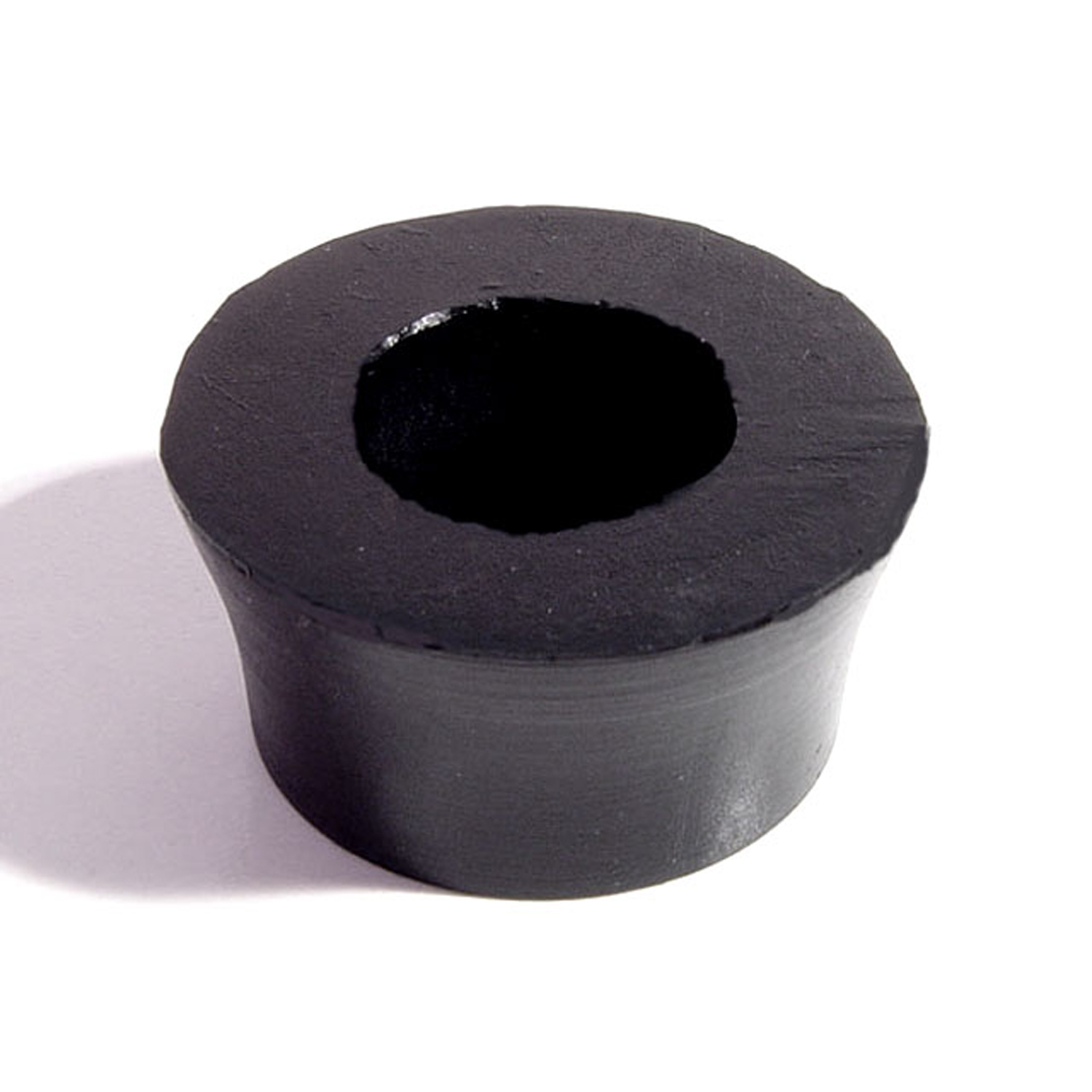 1948 GMC FC152 Shock Absorber Grommet. 1" bottom O.D., 5/8" high-BN 10Shock Absorber Grommet. 1" bottom O.D., 5/8" high., with 5/8" I.D. Each
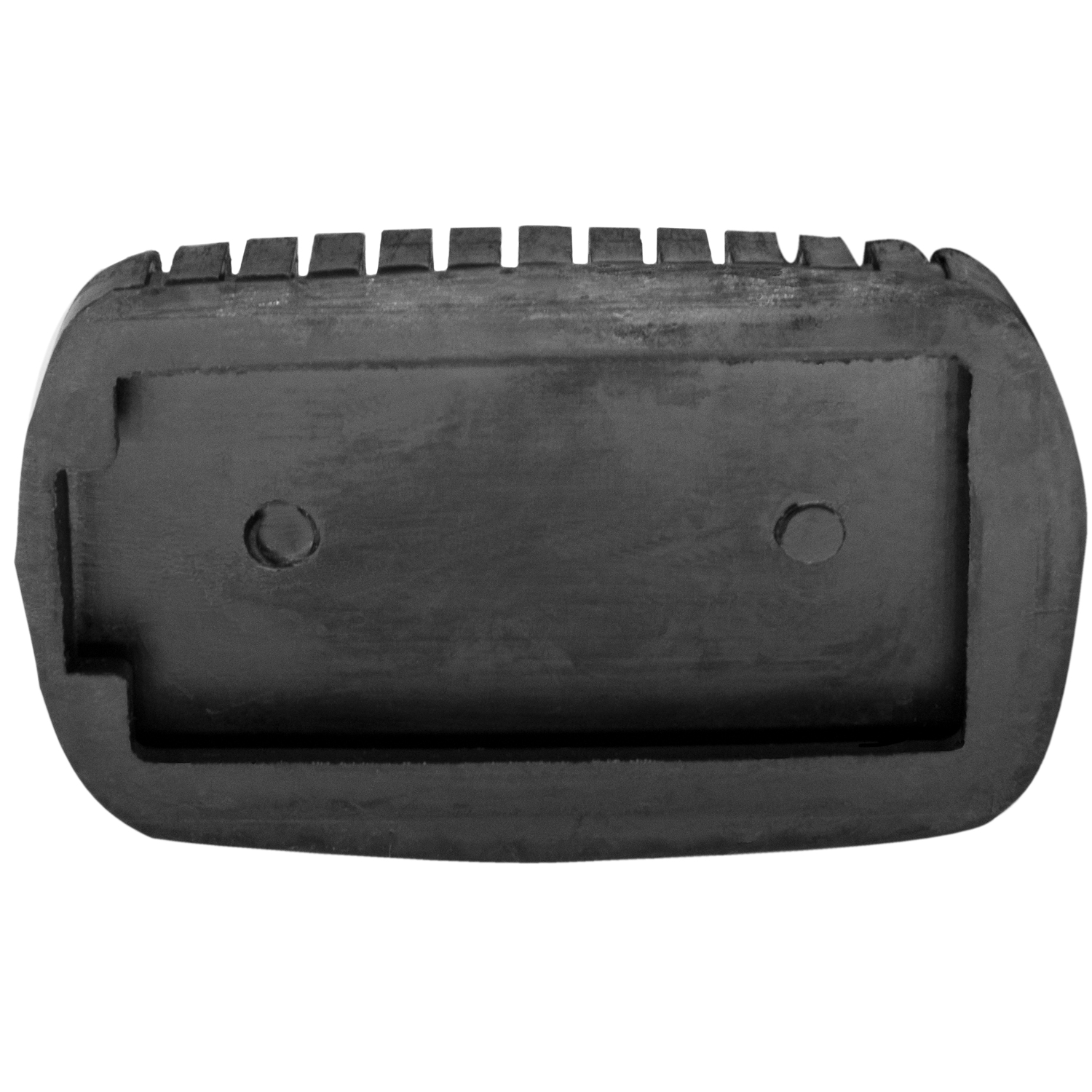 1948 GMC FC152 Clutch and Brake Pedal Pad. 2-1/2" wide X 3-7/8" long-CB 100-A/EAClutch and Brake Pedal Pad. 2-1/2" wide X 3-7/8" long. Each
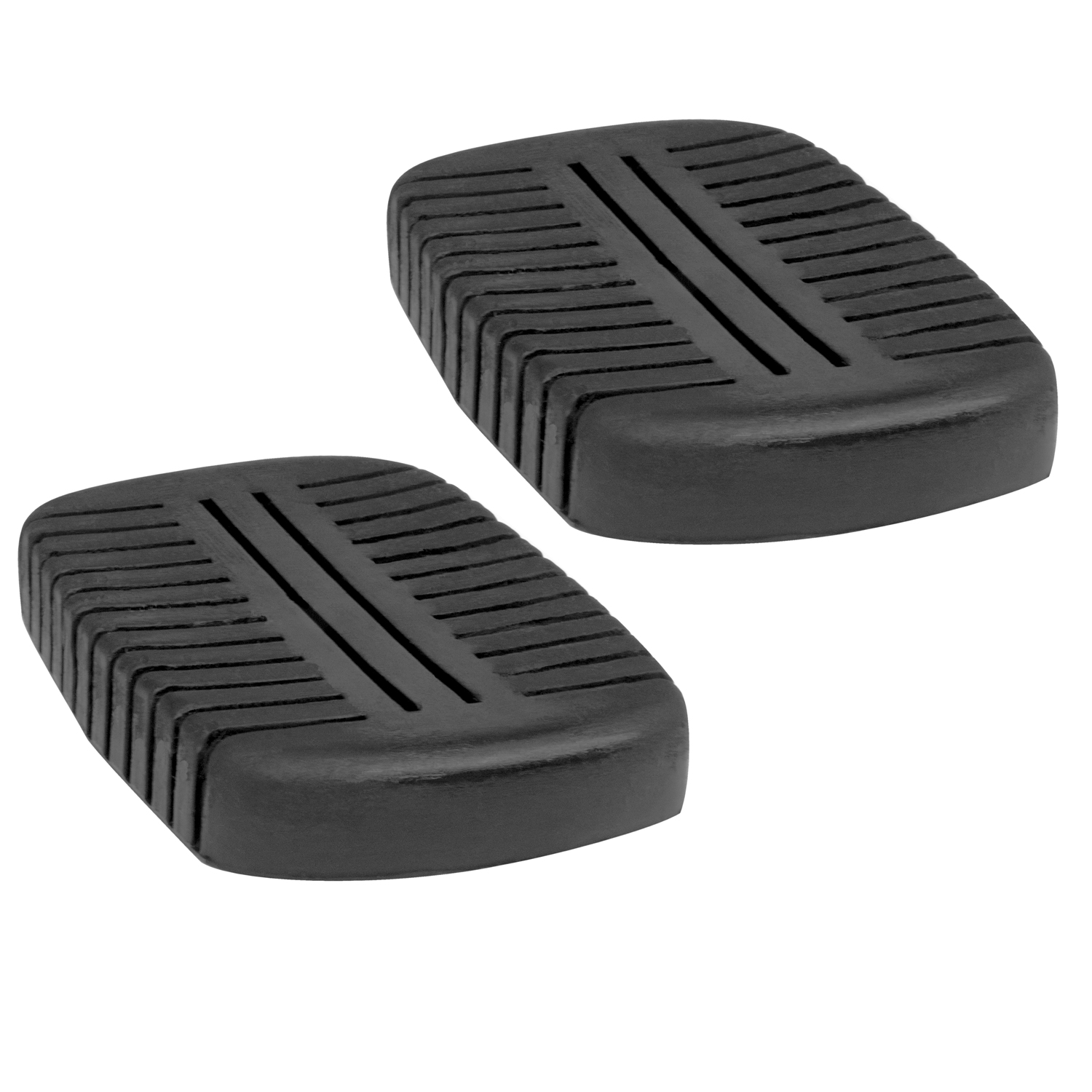 1948 GMC FC152 Clutch and Brake Pedal Pads. 2-1/2" wide X 3-7/8" long-CB 100-A/PRClutch and Brake Pedal Pads. 2-1/2" wide X 3-7/8" long. Pair
 1948 GMC FC152 Door Weatherstrip for 2 Doors. Kit-LPK 40Door Weatherstrip for 2 Doors. Kit
 1948 GMC FC152 Cowl Vent Seal. For models with flat-faced cowls-RP 100-KCowl Vent Seal. For models with flat-faced cowls. 4" wide X 16-1/2" long. Each
 1948 GMC FC152 Side Vent Seal. Each-RP 100-MSide Vent Seal. Each
 1948 GMC FC152 Cowl Vent Drain Hose. 5/8" I.D., 13/16" O.D., 8" long-VH 101Cowl Vent Drain Hose. 5/8" I.D., 13/16" O.D., 8" long. Replaces OEM #3683557. Each
 1948 GMC FC152 Rear Window Seal '42-'66 GM Full Size Trucks With Small Window-VWS 7313-URear Window Seal '42-'66 GM Full Size Trucks With Small Window, Includes Lockstrip, Set of 2.
 1948 GMC FC152 Flexible Window Scraper. Used on outside side window-WC 24-A 27Flexible Window Scraper. Used on outside side window. Made of all rubber. Two used per vehicle. 7/8" wide X 1/4" high X 27" long. Each
 1948 GMC FC152 Flexible window scraper. Used on outside side windows-WC 24-A/FTFlexible window scraper. Used on outside side windows. Dense rubber. Two used per vehicle. 7/8 in. wide X 1/4 in. high. Sold by the foot.
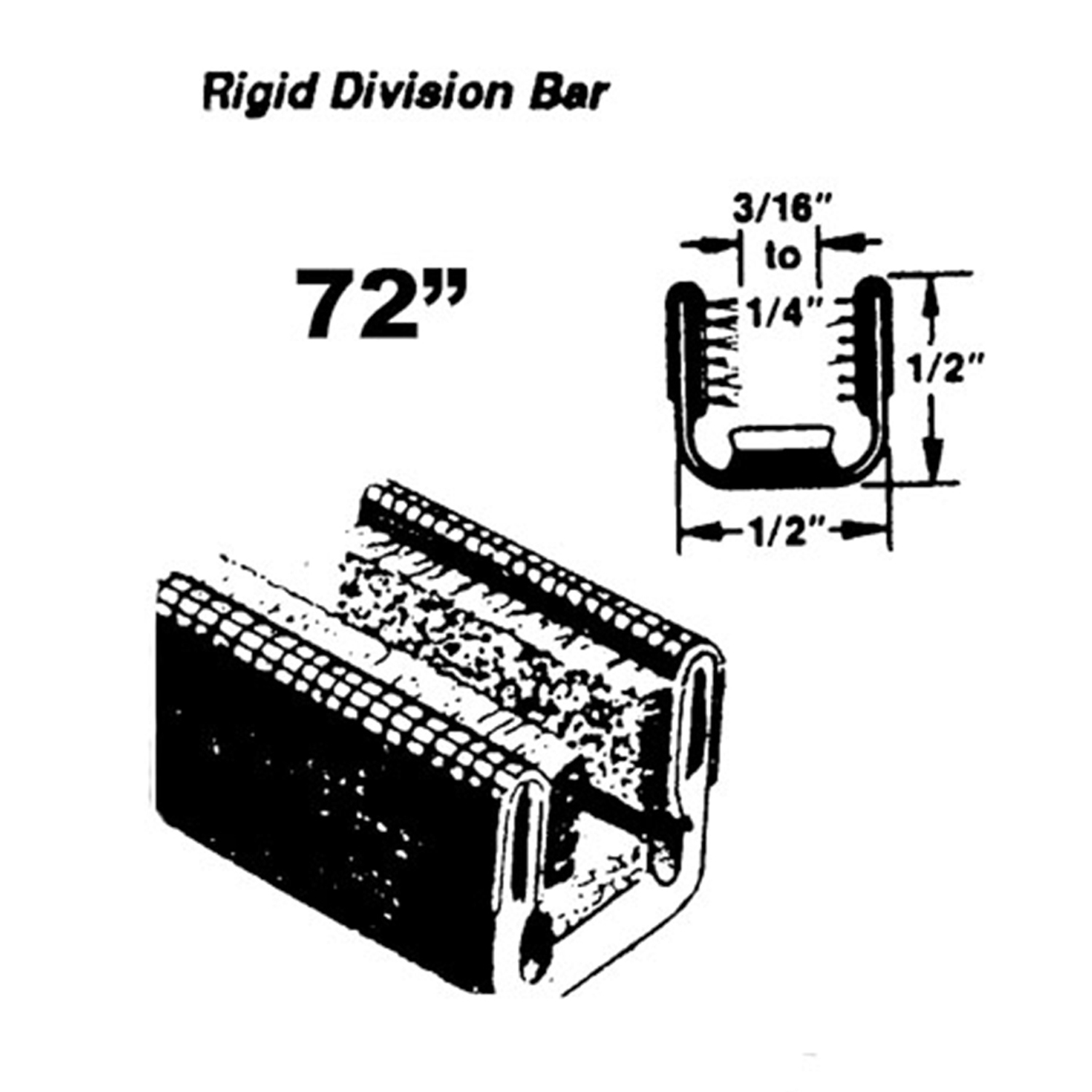 1948 GMC FC152 Upper and lower rigid division-bar channel-WC 25-72Upper and lower rigid division-bar channel. Unbeaded, pile-lined. 72 in. long. Each. NOTE: $20 special shipping charge applies for domestic orders. Call or email for overseas shipping costs. Part can be sectioned into two equal lengths to reduce overseas shipping costs.
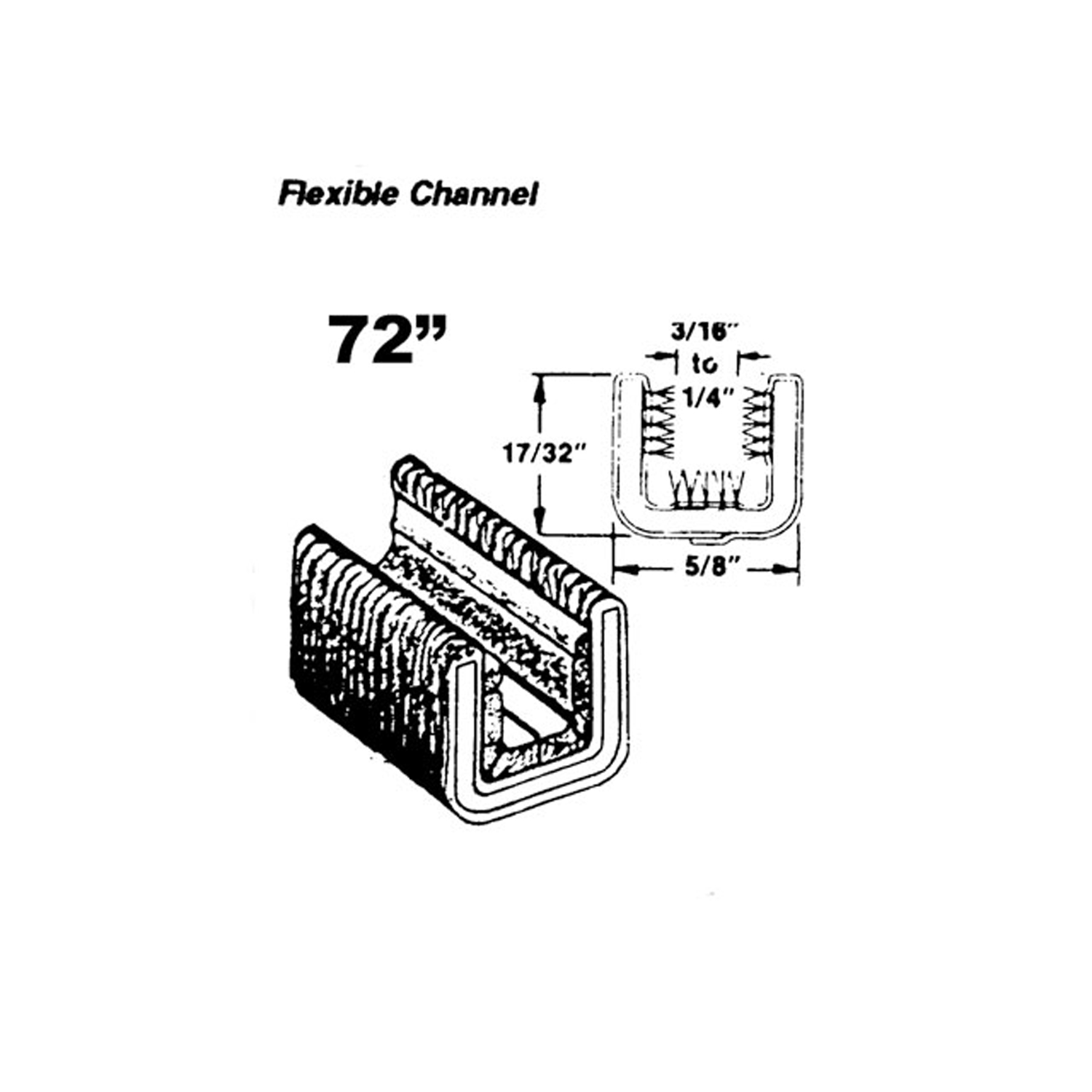 1948 GMC FC152 Flexible glass-run channel-WC 26-72Flexible glass-run channel. For models without framed side glass. Unbeaded, pile-lined. 72 in. long. Each. NOTE: $20 special shipping charge applies for domestic orders. Call or email for overseas shipping costs. Part can be sectioned into two equal lengths to reduce overseas shipping costs.
Why Choose Metro?
For over 100 years, Metro Moulded Parts has been the pinnacle of quality in classic car restoration parts. Our commitment to precision and authenticity in every component ensures a perfect fit and an OEM-level appearance.
- Expert Craftsmanship & Quality: Each part is a testament to our dedication to reliability and perfection, crafted from original designs and thoroughly tested.
- Advanced Technology: We use cutting-edge techniques to create flawless, long-lasting parts that surpass others in performance.
- SuperSoft Sponge – The Ultimate Door Seal: Not only are our door seals 30% softer than competitors', but they're also guaranteed to never leak. They effectively reduce wind and road noise, enhancing your classic car's comfort and driving experience.
- Proudly American: Our parts are a product of American craftsmanship, made in the USA with a spirit of excellence and heritage.
- Unrivaled Warranty: We back our products with a 30-year industry-leading warranty, a testament to our confidence in their quality.
Join us in preserving the legacy of classic cars with parts that are crafted for perfection, not just made.