

Image of 1949 Gmc Fc152, Note: These illustrations use artistic license and may differ from actual historical models.
Performance Metrics
Fundamental Metrics
Emotional Appeal
MMP Rating
| Engine Specifications | |
|---|---|
| Engine: | Inline 6 |
| Displacement: | 228 cubic inches |
| Horsepower: | 92-100 hp |
| Torque: | 175 lb-ft |
| Compression Ratio: | 6.6:1 |
| Ignition System: | Distributor and coil |
| Cooling System: | Liquid-cooled |
| Performance Specifications | |
| 0-60 Time: | Not available due to the age and type of vehicle |
| 1/4 Mile Time: | Not available due to the age and type of vehicle |
| Top Speed: | 70 mph |
| Transmission and Drive | |
| Drive Type: | Rear-wheel drive |
| Transmission Type: | 3-speed manual |
| Fuel and Efficiency | |
| Fuel System Type: | Carburetor |
| MPG: | 10-12 mpg |
| Dimensions and Brakes | |
| Brakes: | Drum brakes |
| Wheelbase: | 125 inches |
| Weight: | 3,400 lbs |
Note: Specifications for classic cars are given to the best of our ability, considering the limited and variant data available.
1949 GMC FC152: The Cab-Forward Workhorse
The 1949 GMC FC152 put its driver almost over the front axle, giving this unusual truck a commanding view and a compact footprint for its load-carrying capacity. Built by General Motors’ GMC truck division, the FC152 belonged to GMC’s new-for-1949 Forward Control family, a line of cab-over-engine trucks designed to make better use of available road and cargo space.
The FC152 was part of the heavier end of the range, generally identified as a 1.5-ton-class model with a long 152-inch wheelbase. Its exact equipment depended on chassis specification and the body ordered by the original buyer. One intriguing feature of the FC series is that it was a relatively short-lived experiment in GMC’s lineup: the trucks looked strikingly modern, but their unusual layout never became a long-running mainstream design.
That makes the FC152 more than an old delivery truck. It is a snapshot of postwar American industry, when manufacturers were testing ways to carry more cargo in less space and businesses were rebuilding their fleets for a booming economy.
Forward-Control Styling and Cab Design
The FC152’s most distinctive feature is its cab-forward layout. Instead of placing a long hood ahead of the driver, GMC moved the cab over the engine and forward axle. The result is a short, blunt nose, a tall glass-heavy cab, and a long chassis behind it. From the front, the truck has a broad upright face, a wide windshield, and a purposeful, almost architectural stance.
This design gave the driver a clear view of the road immediately ahead and let the truck carry a relatively long body without requiring an equally long overall vehicle. It also made the FC152 look dramatically different from GMC’s conventional hooded trucks. Today, that profile is its calling card at vintage-truck gatherings and commercial-vehicle shows.
The cab was built for work rather than luxury. Expect painted metal surfaces, straightforward controls, and a broad bench seat, typically trimmed in practical upholstery such as vinyl or a similar durable material. The cabin was functional and easy to understand, but engine heat and noise were more noticeable than in a conventional truck because the powerplant sat beneath or directly beside the cab.
Color choices were influenced by GMC’s offerings, dealer orders, and the fleet customer’s needs. Commercial trucks were often ordered in practical colors or repainted in company colors, so a single definitive FC152 color palette is difficult to establish. Restored examples commonly appear in red, dark green, cream, blue, or period-inspired fleet schemes. A well-documented truck with its original paint can be especially appealing to collectors.
Chassis, Bodies, and Period Equipment
The FC152 was a chassis platform, not just one fixed body style. Depending on its original job, it could be fitted with a cargo body, stake bed, service body, or another commercial configuration. Many surviving trucks have been altered over the decades, so an original or historically correct body can add considerable interest.
For buyers who wanted an eye-catching display truck, a period-correct box or delivery body suits the FC152’s forward-control proportions particularly well. A flatbed or stake body emphasizes its working-truck roots. There was no single body style that defined every FC152; the most iconic look today is the cab-forward chassis wearing a simple, period-style commercial body.
Mechanical equipment was conventional for a working truck of its era: a gasoline inline-six, a manual transmission, and basic driver controls. The FC152 did not rely on modern electronic systems or complicated accessories. Its innovation was chiefly in packaging, with the cab-over layout making the truck more compact for a given load space.
Why the GMC FC152 Matters
Cab-over trucks were not new in 1949, but GMC’s FC series brought the configuration to a wider range of American commercial customers. The design answered a practical question: how could a business get a useful cargo body and substantial carrying capacity into a shorter vehicle? Moving the cab forward was one answer.
The FC152 also reflects the changing demands of postwar delivery and service work. Cities were growing, businesses needed dependable trucks, and maneuverability mattered in crowded streets and loading areas. The driver’s forward seating position improved visibility close to the front of the vehicle, while the cab-over arrangement made efficient use of the chassis.
Its influence should not be overstated: the FC152 did not single-handedly create the modern cab-over truck, and it did not replace conventional designs across the American market. But it remains an important example of GMC exploring a different commercial-vehicle layout. Its distinctive packaging and unmistakable shape are why the model still attracts attention today.
Engine, Speed, and Road Manners
FC152 specifications can vary with chassis and engine configuration, but surviving examples are commonly associated with GMC’s straight-six engines. A 248-cubic-inch inline-six is often cited for trucks in this class and period, with output around 105 horsepower depending on the rating and equipment. A manual gearbox, typically with multiple forward ratios, was the expected companion.
There is no dependable, widely published factory 0-to-60 mph figure for the FC152. It was a commercial truck, not a performance vehicle, and its acceleration depended heavily on gearing, load, engine condition, and body type. A realistic expectation is that a sound, lightly loaded example would take a long time to reach highway speed. Some trucks may struggle to reach 60 mph comfortably, especially when carrying a load.
Top speed is similarly dependent on gearing and condition. As a practical estimate, many owners should think in terms of roughly 45 to 55 mph cruising capability rather than modern highway speeds. These are estimates, not guaranteed factory test figures. A restored truck with altered gearing or a replacement engine may behave quite differently.
Behind the wheel, the FC152 feels like a piece of working equipment. The inline-six delivers a steady, low-revving rumble, while the manual transmission asks the driver to plan shifts rather than rush them. The high seating position and forward view are memorable, but the close relationship between cab and engine can make the ride noisy and warm.
Like other trucks of its age, the FC152 rides firmly when empty. Bumps and broken pavement make themselves known through the chassis, and a loaded truck generally settles down as its suspension works under weight. On winding roads, its size, steering effort, brakes, and high center of gravity call for measured driving. It is best enjoyed at a relaxed pace, with generous following distance and plenty of room to turn.
Living with a 1949 FC152
Today, the FC152 is more often a show truck, collection centerpiece, parade vehicle, or occasional local driver than a daily work vehicle. Its standout profile makes it a natural conversation starter, and its commercial origins give owners plenty of restoration directions, from faithful fleet truck to period advertising vehicle.
Maintenance is manageable for an owner comfortable with older mechanical systems, but parts availability varies. Routine work on the engine, brakes, ignition, and manual drivetrain is familiar territory for vintage-truck mechanics. Finding correct trim, cab details, glass, or model-specific body components can take more patience. Before buying, inspect the cab structure, frame, steering, brakes, and any areas where water may have collected. Check whether major components are original or have been adapted from another GMC model.
Reliability depends less on the badge than on the quality of the restoration. A properly rebuilt engine and brake system can make an FC152 dependable for short, sensible trips. Old wiring, deteriorated rubber, worn steering parts, and neglected brakes are common concerns. The truck’s size and age also mean it needs more room and attention than a modern pickup.
FC152 Trivia and Common Complaints
The FC in the model name refers to GMC’s Forward Control concept. The number 152 is generally associated with the model’s long wheelbase, making it a useful clue when comparing FC variants. Exact model nomenclature and specifications can differ across reference sources, so a truck’s serial information and original build records are valuable when confirming its identity.
There is no widely recognized FC152 speed, sales, or endurance record, and reliable model-specific production totals are difficult to find. Its claim to fame is its distinctive design and relatively brief place in GMC’s postwar lineup. The FC series did not become as common as conventional-cab GMC trucks, which helps explain why original examples are now uncommon.
Common criticisms are practical ones: the cab can be hot and noisy, ride comfort is limited, and highway pace is modest. The forward cab layout also makes some maintenance tasks less convenient than on a truck with an open engine bay under a conventional hood. For collectors, those compromises are part of the truck’s character, but they should be considered before buying one for regular use.
Rarity, Values, and Collector Appeal
There is no dependable published production figure for the FC152 specifically. As a best-guess estimate, its production was likely in the hundreds to low thousands, rather than tens of thousands, but that range should be treated as an informed approximation, not an official count. The exact number of surviving, identifiable FC152s is smaller still, especially among trucks retaining their original configuration.
Condition, completeness, body style, and documentation have a major effect on value. As a broad North American guide, a project or incomplete example might sell for around $5,000 to $12,000. A running, presentable truck could fall roughly in the $12,000 to $25,000 range, while a high-quality restoration or especially desirable original example may bring $25,000 to $45,000 or more. Exceptional restorations can exceed that range, but the buyer pool is narrower than it is for popular pickups.
Values have generally benefited from rising interest in unusual commercial vehicles and cab-over trucks, though the market is uneven. A rare model does not automatically command a high price: buyers also weigh restoration cost, parts access, and how usable the truck will be. The strongest long-term appeal is likely to belong to complete, well-documented examples with period-correct bodies and sound mechanicals.
A Distinctive GMC from the Postwar Years
The 1949 GMC FC152 combined a practical commercial mission with one of the boldest silhouettes of its era. Its cab-forward design helped make the most of chassis length, its straight-six powertrain suited steady work, and its brief place in GMC history gave it the rarity that collectors appreciate today.
It is not a fast or quiet truck, and it does not pretend to be one. The FC152’s appeal is its honest working character and its unmistakable shape. More than seven decades after it first went to work, this cab-over GMC still looks like it is ready to pull up to the loading dock and get the job done.
1949 Gmc Fc152 Catalog of Parts
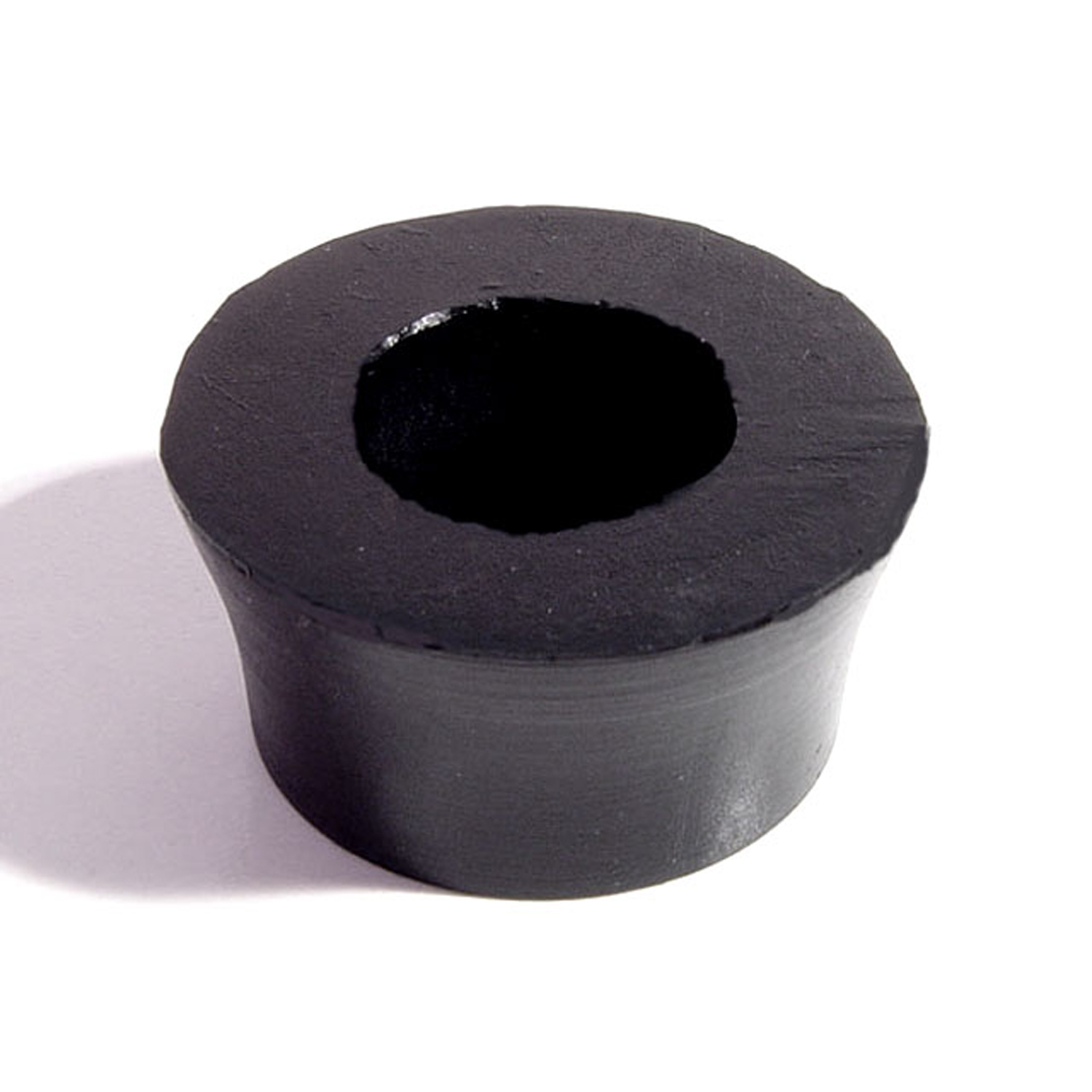 1949 GMC FC152 Shock Absorber Grommet. 1" bottom O.D., 5/8" high-BN 10Shock Absorber Grommet. 1" bottom O.D., 5/8" high., with 5/8" I.D. Each
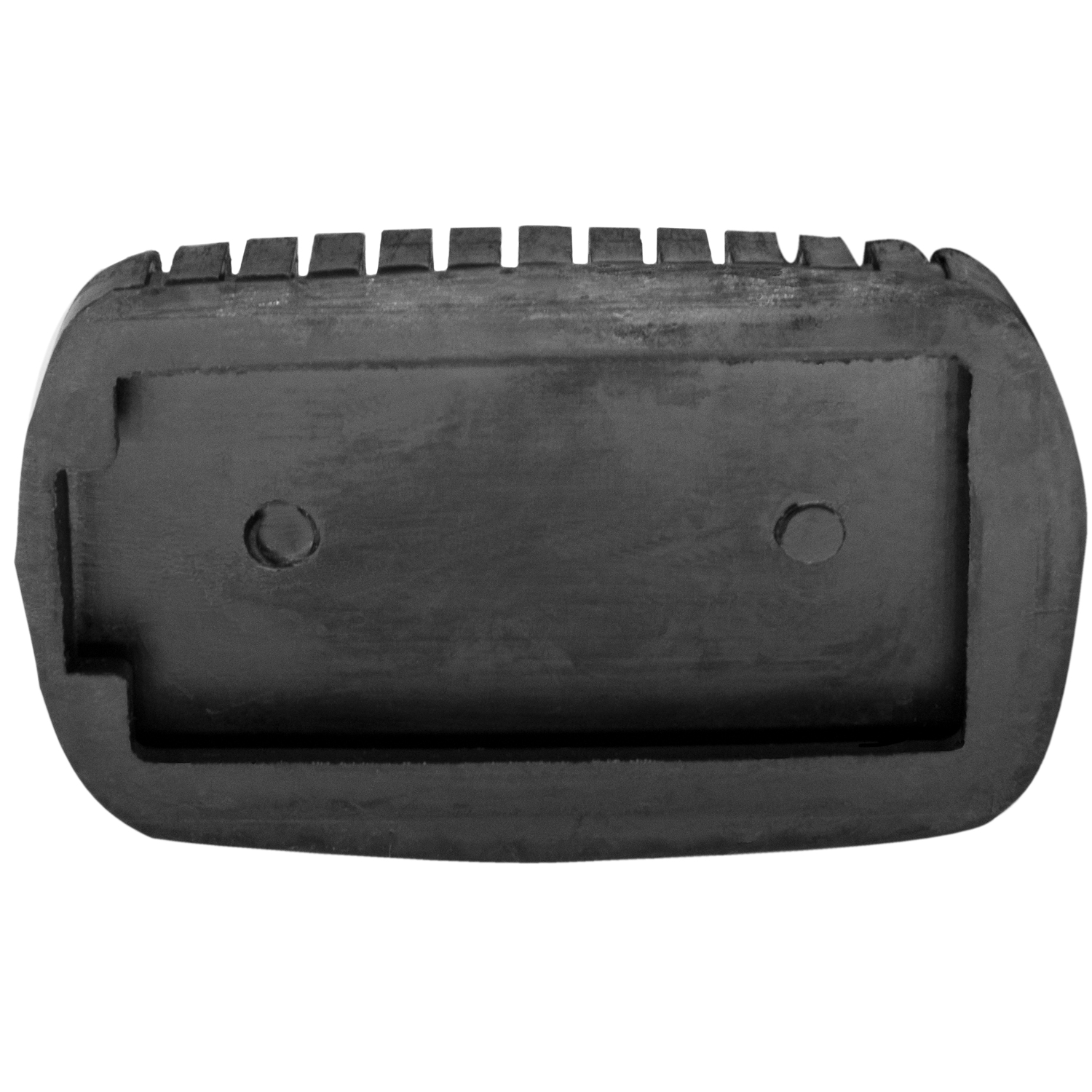 1949 GMC FC152 Clutch and Brake Pedal Pad. 2-1/2" wide X 3-7/8" long-CB 100-A/EAClutch and Brake Pedal Pad. 2-1/2" wide X 3-7/8" long. Each
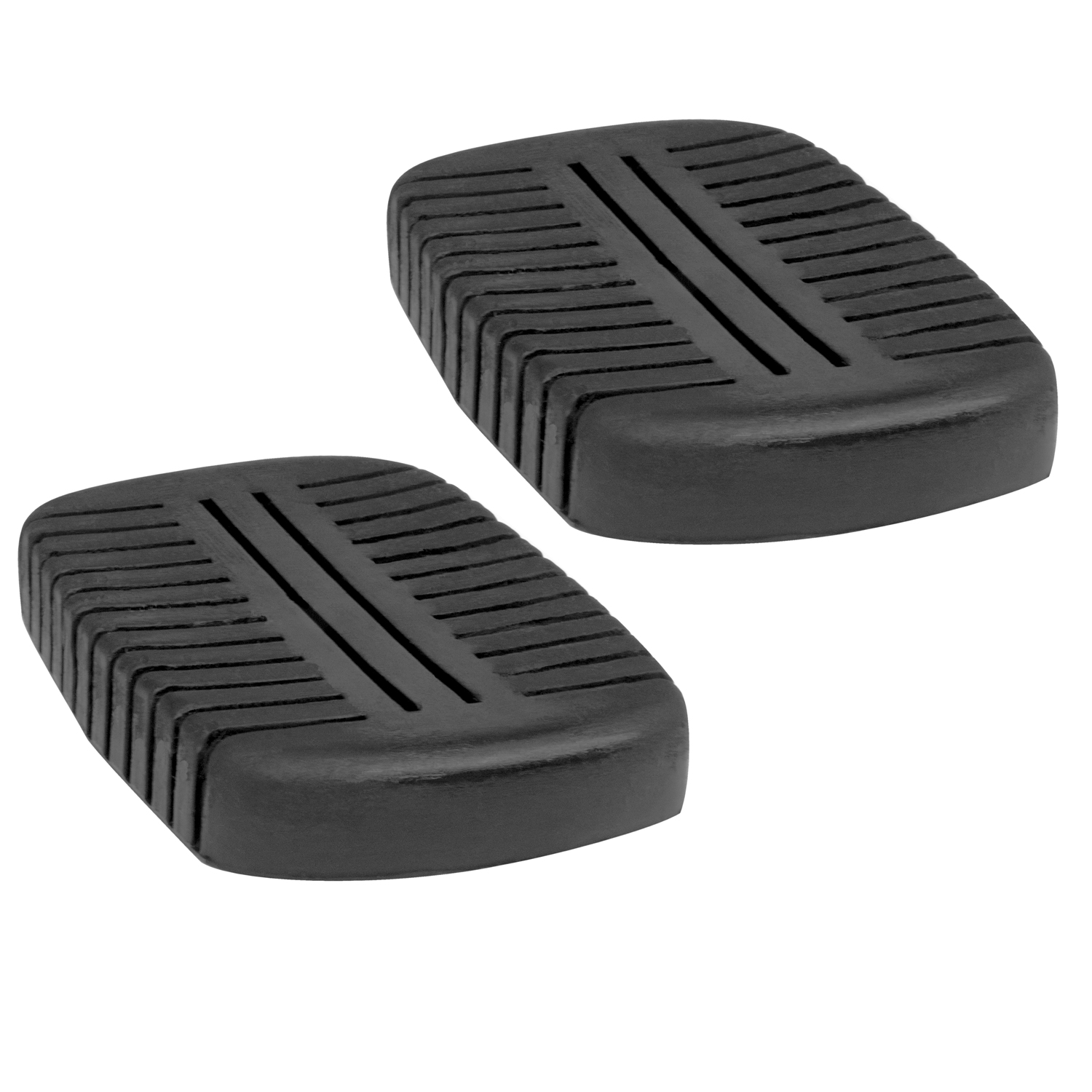 1949 GMC FC152 Clutch and Brake Pedal Pads. 2-1/2" wide X 3-7/8" long-CB 100-A/PRClutch and Brake Pedal Pads. 2-1/2" wide X 3-7/8" long. Pair
 1949 GMC FC152 Door Weatherstrip for 2 Doors. Kit-LPK 40Door Weatherstrip for 2 Doors. Kit
 1949 GMC FC152 Cowl Vent Seal. For models with flat-faced cowls-RP 100-KCowl Vent Seal. For models with flat-faced cowls. 4" wide X 16-1/2" long. Each
 1949 GMC FC152 Side Vent Seal. Each-RP 100-MSide Vent Seal. Each
 1949 GMC FC152 Cowl Vent Drain Hose. 5/8" I.D., 13/16" O.D., 8" long-VH 101Cowl Vent Drain Hose. 5/8" I.D., 13/16" O.D., 8" long. Replaces OEM #3683557. Each
 1949 GMC FC152 Rear Window Seal '42-'66 GM Full Size Trucks With Small Window-VWS 7313-URear Window Seal '42-'66 GM Full Size Trucks With Small Window, Includes Lockstrip, Set of 2.
 1949 GMC FC152 Flexible Window Scraper. Used on outside side window-WC 24-A 27Flexible Window Scraper. Used on outside side window. Made of all rubber. Two used per vehicle. 7/8" wide X 1/4" high X 27" long. Each
 1949 GMC FC152 Flexible window scraper. Used on outside side windows-WC 24-A/FTFlexible window scraper. Used on outside side windows. Dense rubber. Two used per vehicle. 7/8 in. wide X 1/4 in. high. Sold by the foot.
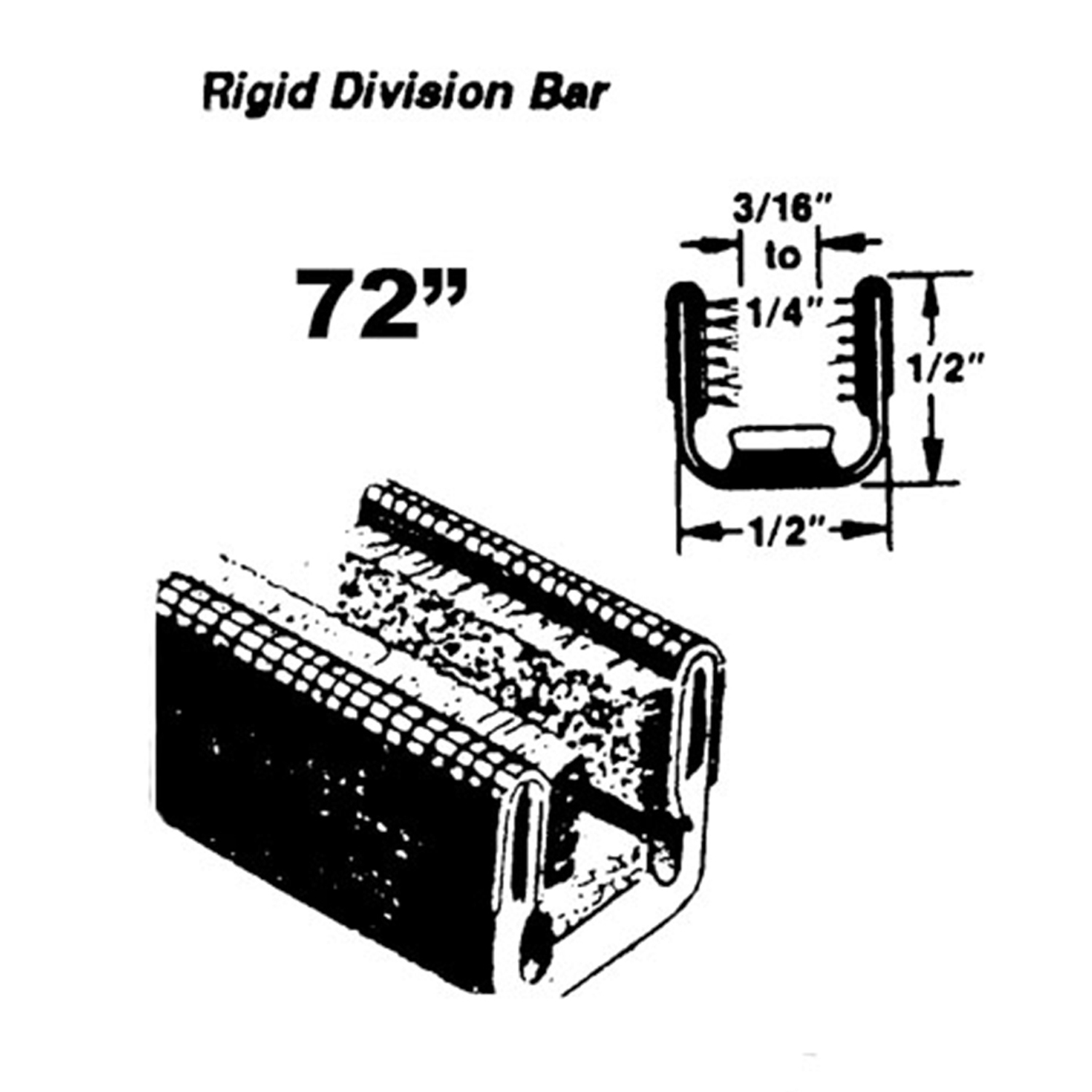 1949 GMC FC152 Upper and lower rigid division-bar channel-WC 25-72Upper and lower rigid division-bar channel. Unbeaded, pile-lined. 72 in. long. Each. NOTE: $20 special shipping charge applies for domestic orders. Call or email for overseas shipping costs. Part can be sectioned into two equal lengths to reduce overseas shipping costs.
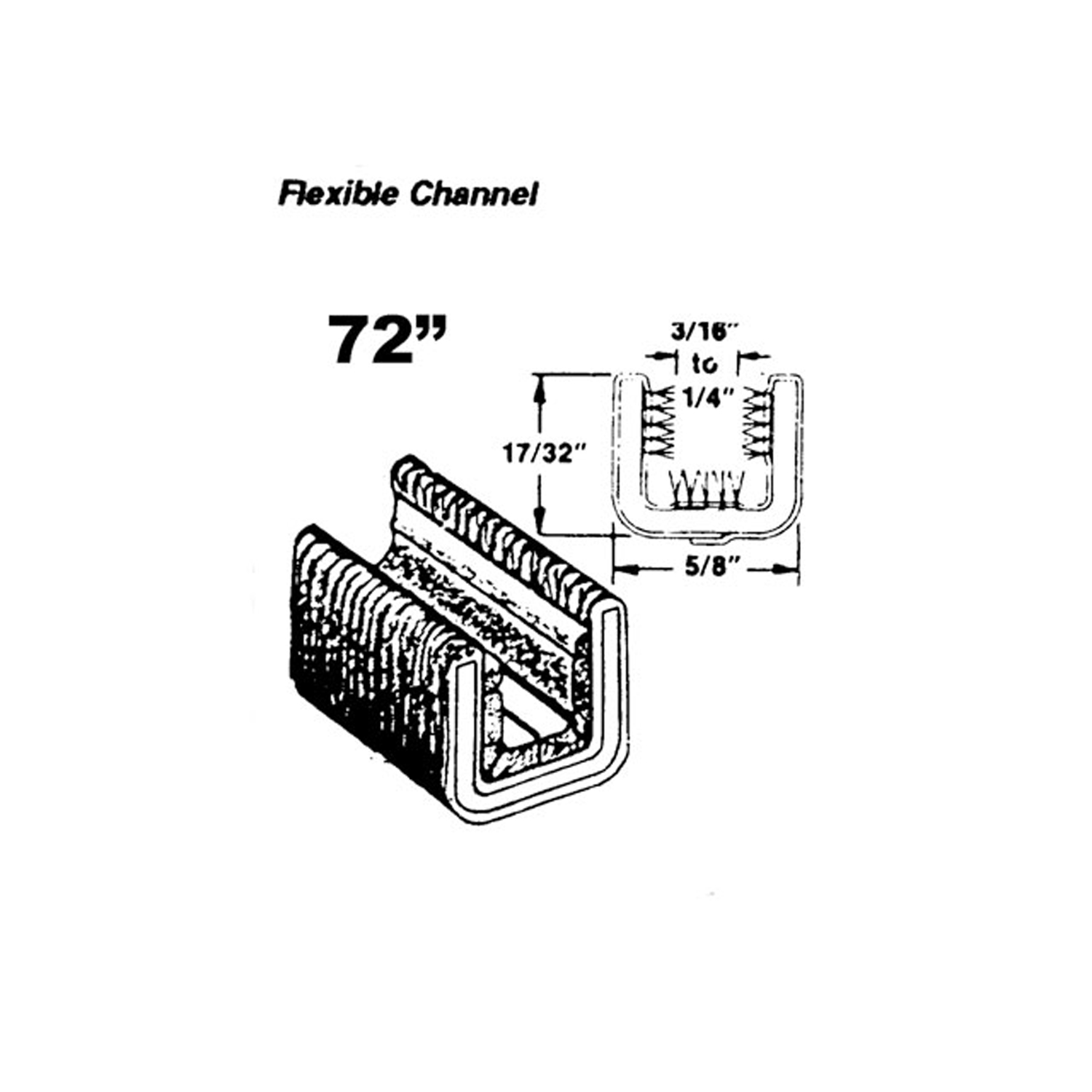 1949 GMC FC152 Flexible glass-run channel-WC 26-72Flexible glass-run channel. For models without framed side glass. Unbeaded, pile-lined. 72 in. long. Each. NOTE: $20 special shipping charge applies for domestic orders. Call or email for overseas shipping costs. Part can be sectioned into two equal lengths to reduce overseas shipping costs.
Why Choose Metro?
For over 100 years, Metro Moulded Parts has been the pinnacle of quality in classic car restoration parts. Our commitment to precision and authenticity in every component ensures a perfect fit and an OEM-level appearance.
- Expert Craftsmanship & Quality: Each part is a testament to our dedication to reliability and perfection, crafted from original designs and thoroughly tested.
- Advanced Technology: We use cutting-edge techniques to create flawless, long-lasting parts that surpass others in performance.
- SuperSoft Sponge – The Ultimate Door Seal: Not only are our door seals 30% softer than competitors', but they're also guaranteed to never leak. They effectively reduce wind and road noise, enhancing your classic car's comfort and driving experience.
- Proudly American: Our parts are a product of American craftsmanship, made in the USA with a spirit of excellence and heritage.
- Unrivaled Warranty: We back our products with a 30-year industry-leading warranty, a testament to our confidence in their quality.
Join us in preserving the legacy of classic cars with parts that are crafted for perfection, not just made.