

Image of 1950 Gmc Fc281, Note: These illustrations use artistic license and may differ from actual historical models.
Performance Metrics
Fundamental Metrics
Emotional Appeal
MMP Rating
| Engine Specifications | |
|---|---|
| Engine: | Inline 6 |
| Displacement: | 228 cubic inches |
| Horsepower: | 90-95 hp |
| Torque: | 175 lb-ft |
| Compression Ratio: | 6.6:1 |
| Ignition System: | Points and condenser |
| Cooling System: | Liquid-cooled |
| Performance Specifications | |
| 0-60 Time: | Not available due to the vehicle's age and purpose (it's a commercial truck, not a performance vehicle) |
| 1/4 Mile Time: | Not available for the same reasons as above |
| Top Speed: | 60-65 mph |
| Transmission and Drive | |
| Drive Type: | Rear-wheel drive |
| Transmission Type: | 4-speed manual |
| Fuel and Efficiency | |
| Fuel System Type: | Carburetor |
| MPG: | 10-12 mpg (estimated based on the vehicle's age and engine type) |
| Dimensions and Brakes | |
| Brakes: | Drum brakes |
| Wheelbase: | 125 inches |
| Weight: | 3,500 lbs |
Note: Specifications for classic cars are given to the best of our ability, considering the limited and variant data available.
1950 GMC FC-281: A Cab-Over Workhorse
The 1950 GMC FC-281 put its driver right over the front axle and engine, turning a heavy-duty truck into a remarkably compact package for its time. Built by General Motors Truck and Coach Division, the FC-281 was part of GMC’s forward-control family, commonly called cab-over-engine or COE trucks. Its cab-forward layout gave operators a shorter overall vehicle than a conventional truck with the same working capacity, a useful advantage on crowded streets, tight loading yards, and delivery routes.
The FC-281 belongs to the postwar boom in commercial trucking. Businesses needed dependable vehicles to move everything from building materials to groceries, and manufacturers were experimenting with ways to make trucks more maneuverable without sacrificing payload. One detail that helps explain the FC-281’s appeal is its name: “FC” stands for Forward Control, describing the cab’s position ahead of the engine rather than identifying a trim package.
Cab-Forward Styling and Practical Design
The FC-281’s defining visual feature is its upright cab, perched above the front wheels. A broad, almost flat nose, large windshield, and substantial fenders gave it a purposeful look. The cab was designed for visibility and access to the working area around the truck, not for aerodynamic polish. Compared with a long-nosed conventional GMC, the FC-281 looked compact and industrial, with a tall profile that made it easy to recognize in traffic.
Inside, the emphasis was on durability. The driver faced a straightforward instrument panel with essential gauges and controls, while the bench seat was built to withstand daily commercial use. Materials were workmanlike rather than luxurious: painted metal, practical trim, and robust upholstery were appropriate for a vehicle expected to spend its life carrying loads. Cab condition matters greatly today, since decades of leaks, hard use, and exposure can leave floors, corners, and cab mounts in need of repair.
Paint choices depended on the buyer, dealer, and fleet order. Period GMC trucks appeared in colors such as red, green, blue, and cream, though commercial buyers often specified a company color or added their own lettering. No single shade defines every FC-281, and restorers should verify the original color from surviving paint, factory records, or traces beneath trim rather than assuming a popular modern restoration color is correct.
The FC-281 was fundamentally a chassis-cab platform. Buyers could have it fitted with a platform or stake bed, dump body, delivery body, or another commercial body built to suit the job. The flatbed and stake-bed versions are among the most recognizable today, but the truck’s real strength was its adaptability. Body equipment and wheelbase could change from one working example to another, so two FC-281s may look quite different while sharing the same basic cab-forward identity.
Why the FC-281 Mattered
Cab-over trucks addressed a practical problem: conventional trucks used a long hood that added length without adding cargo space. By moving the cab forward, GMC could offer a shorter overall truck for a given wheelbase and body length. That made the FC-281 useful in urban delivery work and other places where turning space and loading access mattered. Its tall cab also gave the driver a commanding view of the road immediately ahead.
The FC-281 was not a radical sports-car-style leap in engineering. Its significance was in applying cab-forward packaging to a tough, commercially useful truck. It offered businesses another way to balance carrying capacity, maneuverability, and overall length. The design also reflects a broader postwar shift toward purpose-built vehicles: trucks were increasingly configured around specific jobs rather than treated as passenger-car derivatives with a cargo box.
That layout came with compromises. The driver sat close to the engine and front axle, which could mean more heat, engine noise, and vibration in the cab than in a conventional truck. Access for service also differed from a long-hood design. The FC-281’s practical advantages were real, but so were the trade-offs inherent in putting the cab over the mechanicals.
Engine, Speed, and Road Manners
FC-281 specifications can vary with the truck’s exact configuration, drivetrain, and surviving modifications. GMC’s period heavy-truck offerings used durable inline-six engines, with a 270-cubic-inch (about 4.4-liter) GMC six commonly associated with trucks in this class. Transmission, axle ratio, and body equipment also affected how a particular truck performed. Buyers researching a specific example should check its identification plates and engine details rather than relying on a generic specification list.
Expect work-truck pace rather than modern highway performance. A sound, lightly loaded example might reach roughly 45 to 55 mph, depending on gearing and condition. A 0-to-60-mph figure is not especially useful for a vehicle designed to haul rather than accelerate; many examples will take a long time to approach that speed, and a loaded truck may not reach it comfortably or safely. These are practical estimates, not factory performance claims.
On the road, the engine’s straight-six note is a steady mechanical rumble, with noticeable intake, exhaust, and drivetrain sounds in the cab. The driver works a heavy manual transmission and must plan shifts well ahead, particularly on hills or when carrying a load. Steering and braking feel substantial by modern standards, and the truck rewards smooth inputs rather than quick corrections.
The short, cab-forward proportions help in tight spaces, but the ride can be firm and busy over rough pavement. A heavy chassis and commercial suspension were intended to carry weight, not isolate the driver from every bump. On winding roads, the FC-281’s tall cab and work-truck handling call for measured speeds. Strong crosswinds, uneven loads, worn steering components, and old tires can all affect stability, so a mechanical inspection is essential before regular use.
Living With a GMC FC-281
Today, FC-281s are more likely to serve as show trucks, parade vehicles, business displays, or occasional hobby haulers than as daily transportation. A well-restored example can attract attention at a truck show, while a carefully maintained driver can still handle light local work. Its cab-over shape also makes it a natural candidate for a period-style delivery or utility-body restoration.
Basic mechanical work is approachable for an experienced owner, especially when the truck retains its original-style inline-six and manual drivetrain. The bigger challenges are often finding correct heavy-truck parts, repairing cab and chassis corrosion, and sourcing or rebuilding specialized body equipment. Brake systems, steering, tires, wiring, and fuel lines deserve close attention on any old commercial vehicle. A truck that has been parked for years should not be assumed roadworthy simply because its engine starts.
Parts availability is mixed. Common service items and some engine components may be easier to find than model-specific cab trim, glass, badges, or body hardware. Before buying, inspect the frame, cab mounts, floor, wheel areas, and drivetrain, and confirm that the title and identification numbers make sense. A complete project is usually a better starting point than a cheap truck missing hard-to-find cab or body pieces.
FC-281 Facts and Myths
The FC-281’s strongest claim to fame is its practical cab-over layout, not a racing record or a famous speed achievement. No widely documented production record or celebrity ownership story is central to the model’s history. Individual trucks may have spent decades in municipal, industrial, or family businesses, but their working lives are usually recorded locally rather than in national histories.
A common criticism is that cab-over trucks can be hot, noisy, and less comfortable than conventional trucks, particularly on long journeys. That criticism is fair, but it needs context: the FC-281 was built to earn its keep, and its compact packaging and visibility were important advantages for its intended work. Another challenge for modern owners is that commercial bodies and equipment were often changed during a truck’s service life, making it difficult to determine exactly how a particular example left its first owner.
Collector Value and Availability
There is no dependable published production total for the 1950 FC-281 alone. GMC built many commercial vehicles across numerous configurations, and surviving records do not always provide a clean model-by-model count. As a cautious estimate, FC-281 production over its broader model run was probably in the low thousands, but that is a reasoned guess rather than a verified factory figure. Surviving examples are much scarcer than ordinary pickups, partly because commercial trucks were used hard and often scrapped when their working lives ended.
In the U.S. market, rough project trucks might sell for around $3,000 to $10,000, depending on completeness, title status, and corrosion. A running, presentable driver could fall roughly between $10,000 and $25,000. A high-quality restoration or especially appealing, correctly equipped example may bring $30,000 to $60,000 or more, though unusual bodywork and a limited pool of buyers can make prices vary substantially. These are broad 2026 estimates, not guaranteed sale prices.
Values have generally benefited from growing interest in unusual vintage commercial vehicles, but the FC-281 remains a niche collector truck. Its rarity helps, while restoration expense, transport costs, and a smaller buyer pool can limit top-end prices. Condition, completeness, documented history, and the quality of any body conversion matter more than a simple claim that a truck is rare.
A Distinctive GMC Built for Work
The 1950 GMC FC-281 brought a useful cab-forward layout, heavy-duty construction, and flexible body options to the postwar trucking world. It was not designed for speed or comfort, but for making a working truck shorter, more visible, and more maneuverable. Today, its upright cab and unmistakable proportions make it a standout at any vintage truck gathering. The FC-281 is a reminder that some of the most memorable classics were built not to show off, but to get the job done.
1950 Gmc Fc281 Catalog of Parts
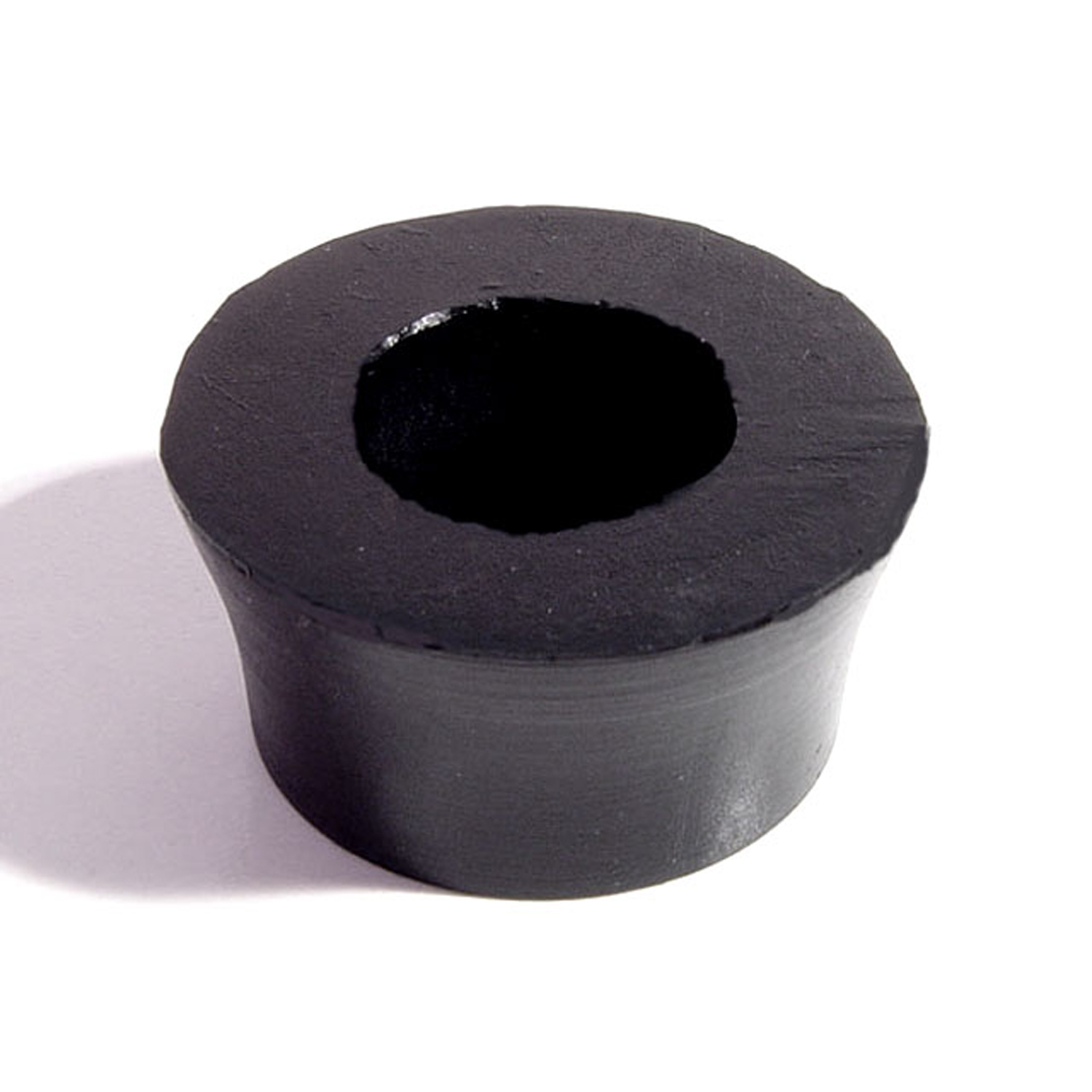 1950 GMC FC281 Shock Absorber Grommet. 1" bottom O.D., 5/8" high-BN 10Shock Absorber Grommet. 1" bottom O.D., 5/8" high., with 5/8" I.D. Each
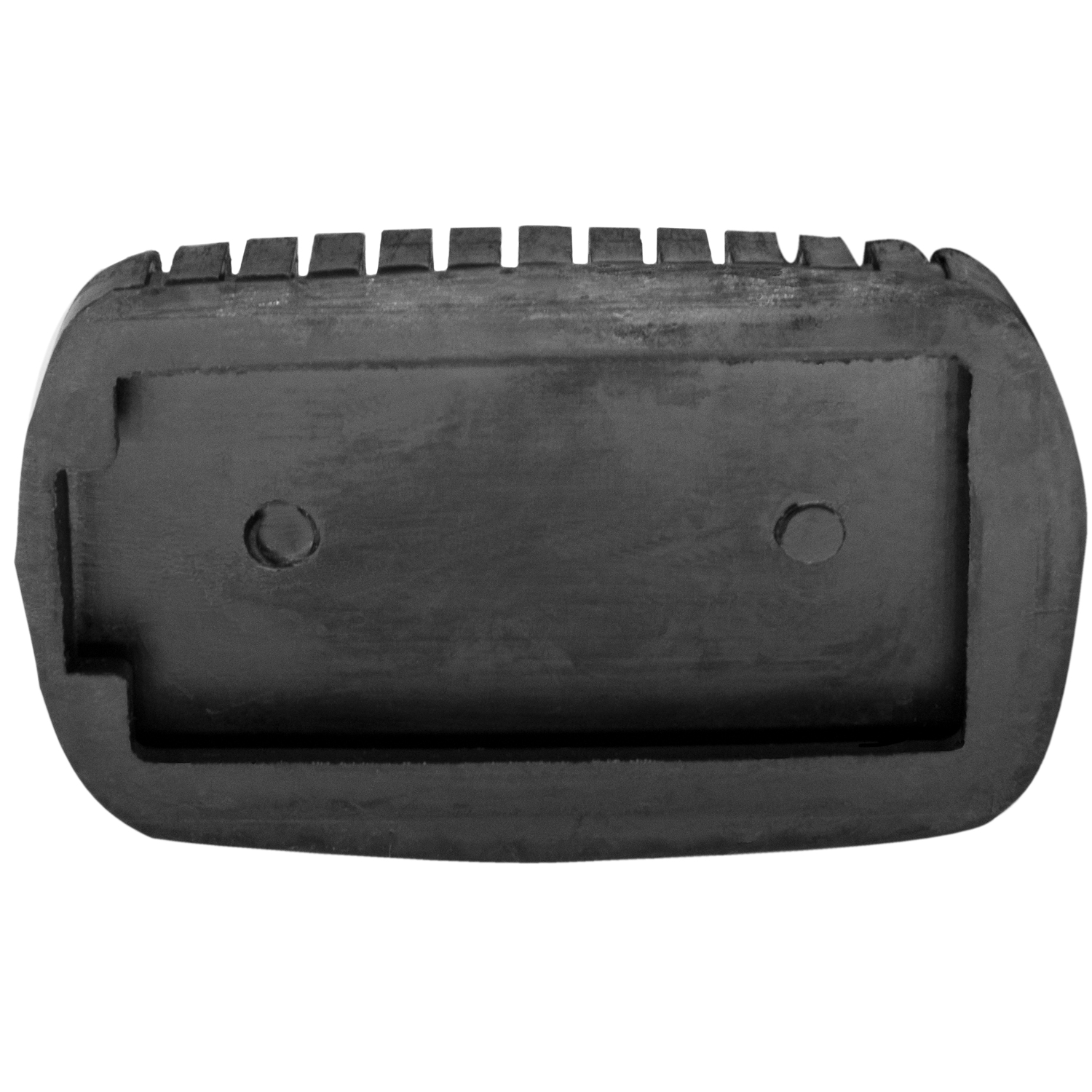 1950 GMC FC281 Clutch and Brake Pedal Pad. 2-1/2" wide X 3-7/8" long-CB 100-A/EAClutch and Brake Pedal Pad. 2-1/2" wide X 3-7/8" long. Each
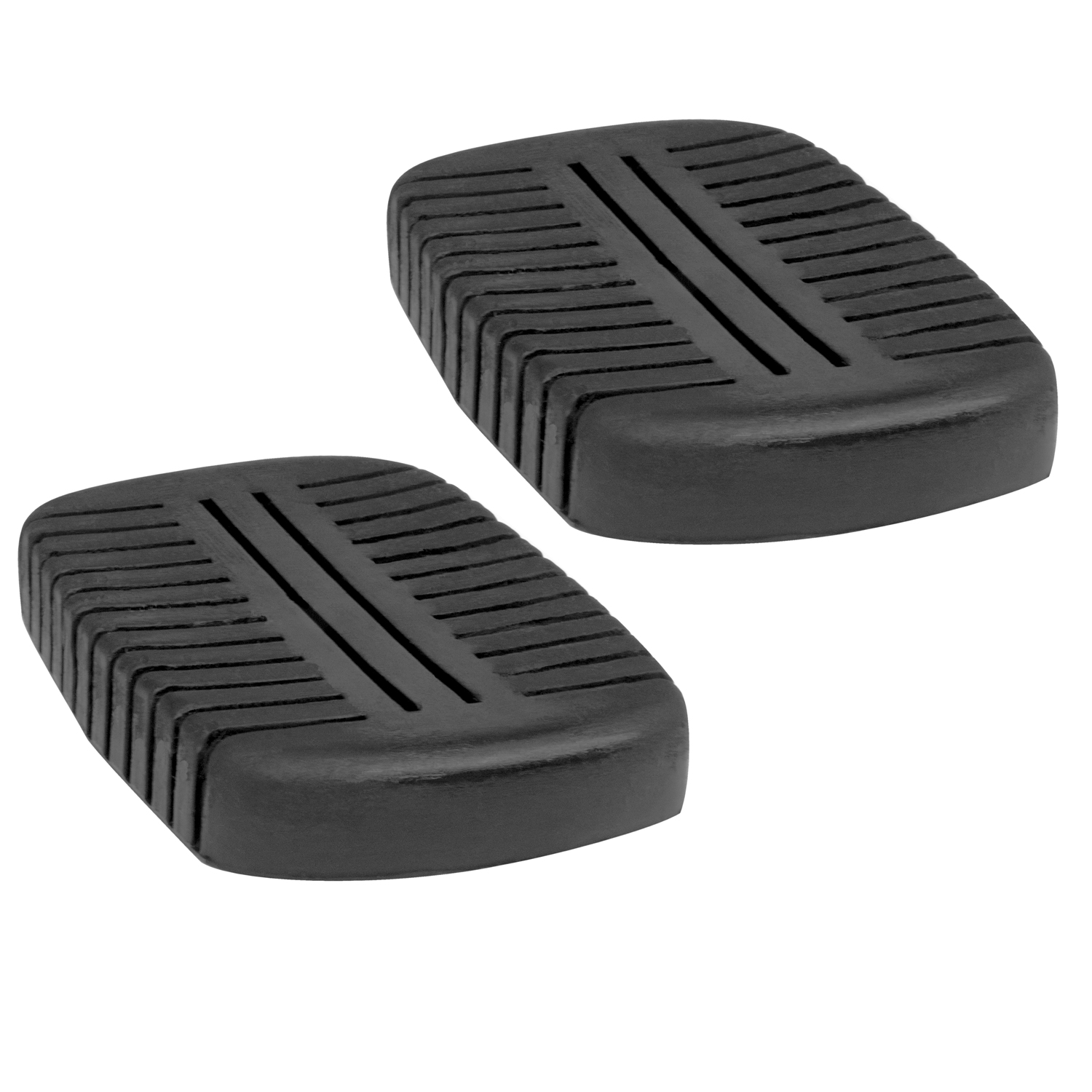 1950 GMC FC281 Clutch and Brake Pedal Pads. 2-1/2" wide X 3-7/8" long-CB 100-A/PRClutch and Brake Pedal Pads. 2-1/2" wide X 3-7/8" long. Pair
 1950 GMC FC281 Cowl Vent Seal. For models with flat-faced cowls-RP 100-KCowl Vent Seal. For models with flat-faced cowls. 4" wide X 16-1/2" long. Each
 1950 GMC FC281 Side Vent Seal. Each-RP 100-MSide Vent Seal. Each
 1950 GMC FC281 Cowl Vent Drain Hose. 5/8" I.D., 13/16" O.D., 8" long-VH 101Cowl Vent Drain Hose. 5/8" I.D., 13/16" O.D., 8" long. Replaces OEM #3683557. Each
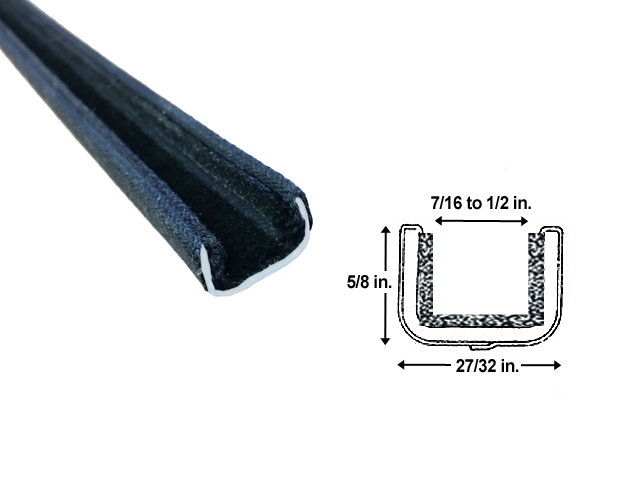 1950 GMC FC281 Flexible window channel-WC 18-60Flexible window channel. Fits '50-'63 Chevrolet and GMC full-size pick-up trucks. 60 in. long. Each.
 1950 GMC FC281 Flexible Window Scraper. Used on outside side window-WC 24-A 27Flexible Window Scraper. Used on outside side window. Made of all rubber. Two used per vehicle. 7/8" wide X 1/4" high X 27" long. Each
 1950 GMC FC281 Flexible window scraper. Used on outside side windows-WC 24-A/FTFlexible window scraper. Used on outside side windows. Dense rubber. Two used per vehicle. 7/8 in. wide X 1/4 in. high. Sold by the foot.
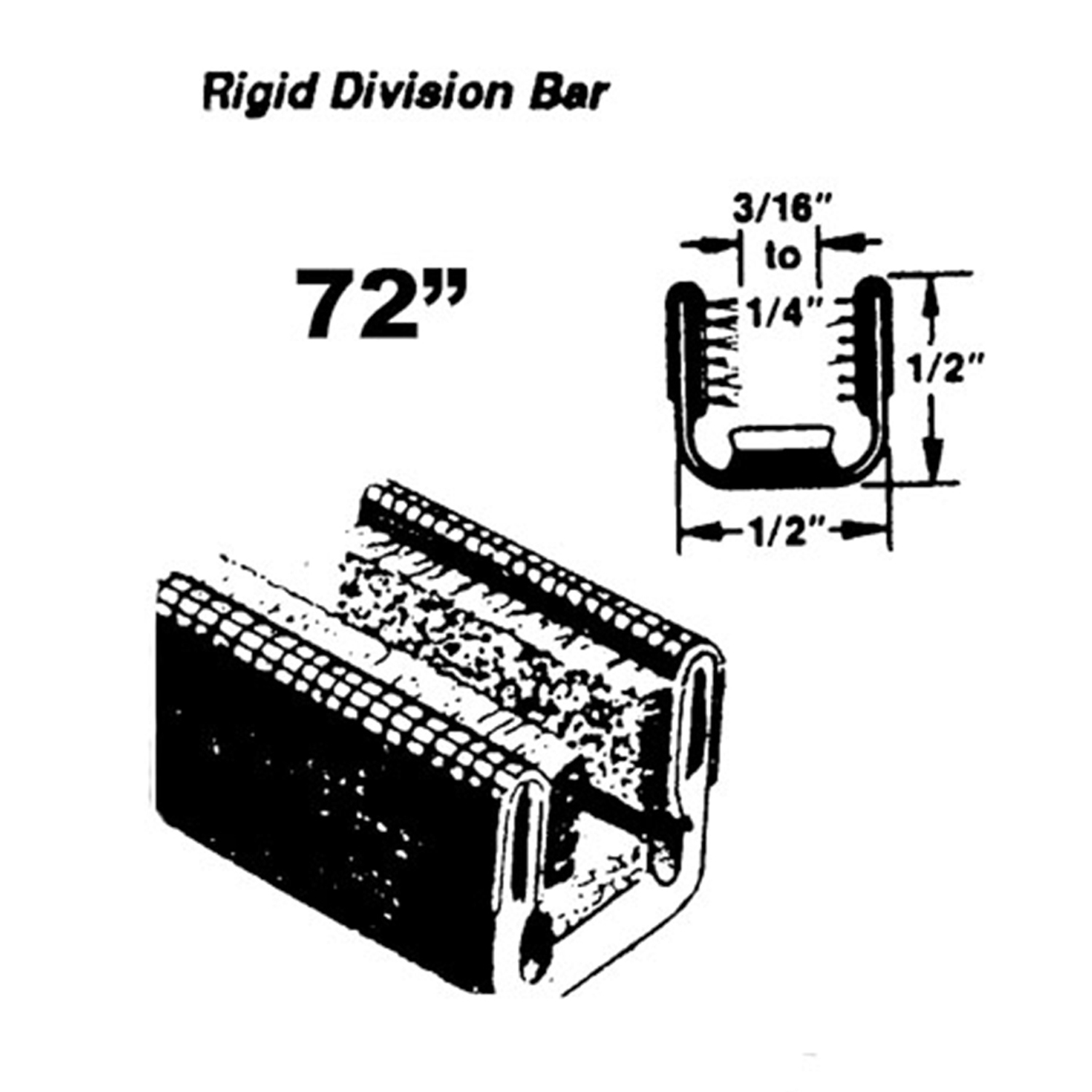 1950 GMC FC281 Upper and lower rigid division-bar channel-WC 25-72Upper and lower rigid division-bar channel. Unbeaded, pile-lined. 72 in. long. Each. NOTE: $20 special shipping charge applies for domestic orders. Call or email for overseas shipping costs. Part can be sectioned into two equal lengths to reduce overseas shipping costs.
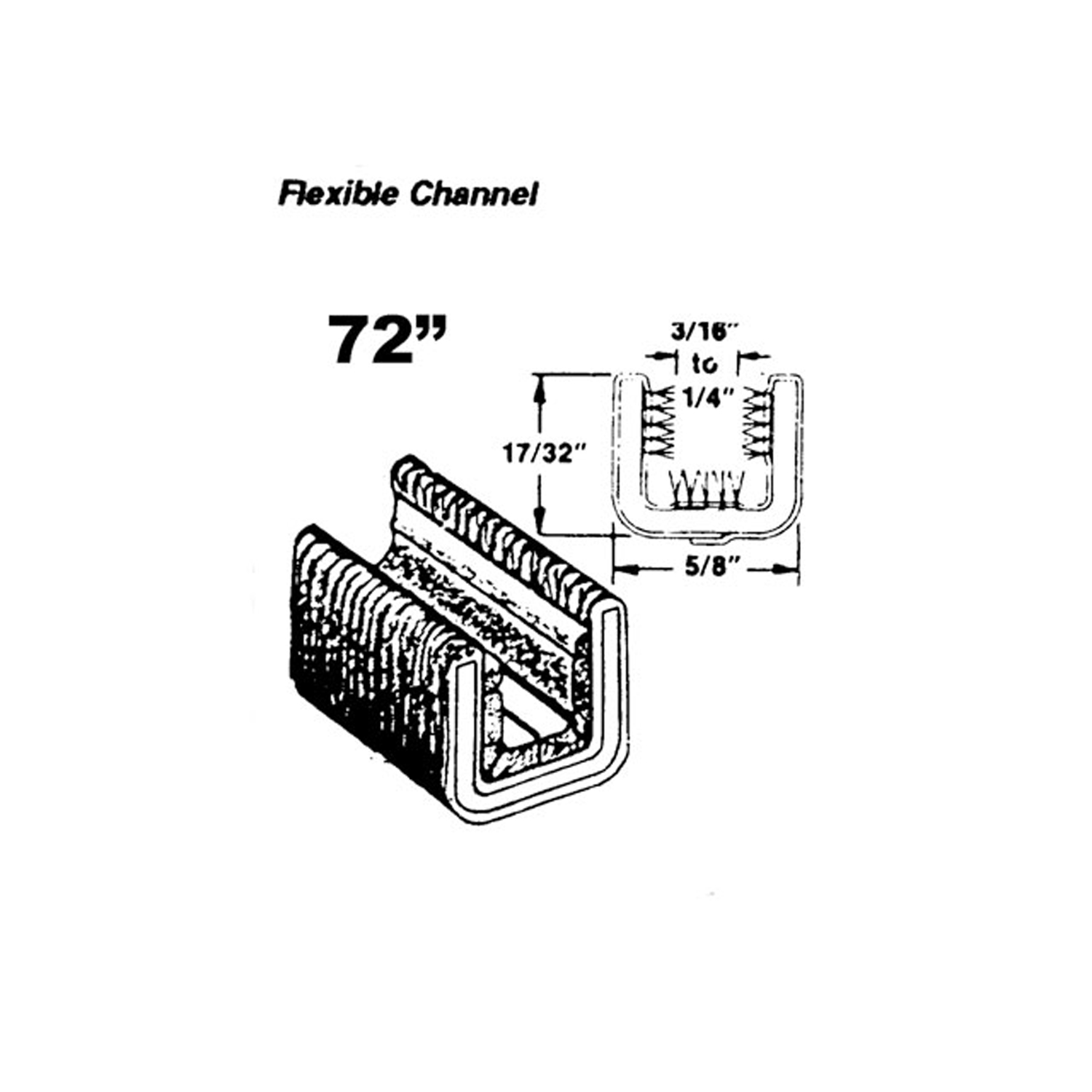 1950 GMC FC281 Flexible glass-run channel-WC 26-72Flexible glass-run channel. For models without framed side glass. Unbeaded, pile-lined. 72 in. long. Each. NOTE: $20 special shipping charge applies for domestic orders. Call or email for overseas shipping costs. Part can be sectioned into two equal lengths to reduce overseas shipping costs.
Why Choose Metro?
For over 100 years, Metro Moulded Parts has been the pinnacle of quality in classic car restoration parts. Our commitment to precision and authenticity in every component ensures a perfect fit and an OEM-level appearance.
- Expert Craftsmanship & Quality: Each part is a testament to our dedication to reliability and perfection, crafted from original designs and thoroughly tested.
- Advanced Technology: We use cutting-edge techniques to create flawless, long-lasting parts that surpass others in performance.
- SuperSoft Sponge – The Ultimate Door Seal: Not only are our door seals 30% softer than competitors', but they're also guaranteed to never leak. They effectively reduce wind and road noise, enhancing your classic car's comfort and driving experience.
- Proudly American: Our parts are a product of American craftsmanship, made in the USA with a spirit of excellence and heritage.
- Unrivaled Warranty: We back our products with a 30-year industry-leading warranty, a testament to our confidence in their quality.
Join us in preserving the legacy of classic cars with parts that are crafted for perfection, not just made.