

Image of 1951 Gmc 101-22, Note: These illustrations use artistic license and may differ from actual historical models.
Performance Metrics
Fundamental Metrics
Emotional Appeal
MMP Rating
| Engine Specifications | |
|---|---|
| Engine: | Inline 6 |
| Displacement: | 228 cubic inches |
| Horsepower: | 93-100 hp |
| Torque: | 175 lb-ft |
| Compression Ratio: | 7.2:1 |
| Ignition System: | Points and condenser |
| Cooling System: | Liquid-cooled |
| Performance Specifications | |
| 0-60 Time: | Not available due to the age and type of vehicle |
| 1/4 Mile Time: | Not available due to the age and type of vehicle |
| Top Speed: | 70-75 mph |
| Transmission and Drive | |
| Drive Type: | Rear-wheel drive |
| Transmission Type: | 3-speed manual |
| Fuel and Efficiency | |
| Fuel System Type: | Carburetor |
| MPG: | 10-12 mpg |
| Dimensions and Brakes | |
| Brakes: | Drum brakes |
| Wheelbase: | 116 inches |
| Weight: | 3,400 lbs |
Note: Specifications for classic cars are given to the best of our ability, considering the limited and variant data available.
1951 GMC 101-22: A Hardworking Advance-Design Pickup
The 1951 GMC 101-22 wears its history in every curve of its fenders: this is a postwar pickup built to work, but styled with enough confidence to become a favorite at today’s classic-truck shows. Produced by General Motors’ GMC truck division, it belongs to the Advance-Design family, the thoroughly updated line introduced in 1947. The 101-22 is generally identified as a half-ton pickup, though surviving trucks can have altered equipment or paperwork that makes it worth checking the factory identification plate when confirming an individual vehicle’s specification.
GMC’s postwar trucks arrived as American businesses and farms were rebuilding and expanding. Buyers wanted dependable machines with more useful cabs and a less austere look than many prewar work trucks. The Advance-Design series answered that demand, and GMC gave its versions a distinctive identity with its own badging and truck-engineering tradition. One detail that still intrigues enthusiasts is the GMC inline-six: rather than simply using Chevrolet’s smaller six, GMC equipped many of these pickups with a larger-displacement engine of its own.
Advance-Design Styling and Cab Details
The 101-22 has the rounded, substantial look that makes an Advance-Design truck instantly recognizable. Its tall hood flows into broad front fenders, with the headlights set into the fender line and a prominent grille filling the space between them. Horizontal grille bars, a large GMC emblem, running boards, and a separate cargo bed give the truck a purposeful, upright stance. It is not streamlined in the modern sense, but its balanced proportions make it look more welcoming than the square-jawed work trucks that came before it.
Inside, the emphasis is on straightforward utility. The cab typically centers on a wide bench seat, a large steering wheel, simple round gauges, and painted metal surfaces. Upholstery and trim varied with equipment, market, and restoration history, but the cabin was built to be cleaned and used, not pampered. Compared with a contemporary passenger car, the materials feel plain. Compared with an earlier work truck, the broad cab and thoughtful layout feel like a real step forward.
Factory paint choices varied by year and configuration. Period trucks could be ordered in practical solid colors, including shades of blue, green, red, gray, and cream, with fleet buyers often choosing straightforward finishes. Exact paint names and codes should be confirmed against a truck’s build information or a reliable period paint chart. Today, deep reds, dark greens, blues, and traditional cream combinations are especially popular because they suit the Advance-Design bodywork without overpowering it.
The 101-22 is best known as a conventional pickup, with a separate cargo bed behind the cab. The wider Advance-Design range also included other truck configurations, such as chassis-cab and commercial bodies, but those should not be mistaken for standard equipment on a pickup. For many collectors, the short, practical pickup profile is the most iconic version of the design.
What Made the GMC Different
The Advance-Design trucks represented a major postwar reset for GMC. The cab was roomier and more comfortable than the prewar designs, visibility was improved, and the styling brought a more modern appearance to a vehicle that still had to earn its keep. These were not luxury trucks, but their improved day-to-day usability reflected a broader change in how manufacturers thought about work vehicles: comfort and convenience mattered, even when the truck’s main job was hauling.
GMC also stood apart from Chevrolet in its engine approach. The two divisions shared much of the GM truck architecture and body design, but GMC’s six-cylinder engines were a point of distinction. That mechanical identity, together with GMC-specific details and badging, gave the 101-22 a character beyond being a rebadged Chevrolet. The Advance-Design formula remained influential because it combined practical construction with a design that felt modern and approachable, a balance that still shapes how collectors value early postwar pickups.
Six-Cylinder Power and Road Manners
A typical 1951 GMC half-ton of this family is associated with GMC’s 228-cubic-inch inline-six. Output depends on the precise engine and specification, but period figures are commonly in the neighborhood of 100 horsepower. A manual transmission was standard equipment, with the exact gearbox and axle ratio varying by configuration. Because surviving trucks may have been rebuilt, repowered, or fitted with different gearing, the engine and driveline in a particular example should always be inspected rather than assumed from the model name alone.
Factory acceleration figures are not consistently documented for the 101-22, and performance varied with load, gearing, condition, and tire size. As a broad estimate, a stock truck might take roughly 25 to 30 seconds to reach 60 mph, while a healthy example with suitable gearing may manage a top speed in the low-to-mid 60-mph range. Those numbers are estimates, not guaranteed specifications. This pickup was designed for useful low-speed pulling and everyday work, not quick starts or sustained high-speed cruising.
On the road, the six-cylinder engine delivers its appeal through steady, low-revving effort rather than urgency. The engine has a familiar mechanical rumble, accompanied by the sounds of a manual gearbox and a working truck chassis. The ride is firm, especially when the bed is empty, and bumps can make the solid-axle suspension feel busy. On winding roads, the large steering wheel, modest tire grip, and period braking distances reward a relaxed pace. The driving experience is tactile: the driver shifts, steers, listens, and plans ahead in a way modern trucks largely handle for you.
Living With a 1951 GMC Pickup
Today, the 101-22 is most often used as a weekend driver, show vehicle, farm runabout, or rolling restoration project. Some owners still use their trucks for light hauling, but vintage brakes, steering, and safety equipment deserve respect. A well-maintained example can be enjoyable on local roads, though modern traffic and highway speeds can make long-distance driving tiring.
Routine service is relatively approachable for an owner with basic mechanical skills. The engine bay is not crowded by modern electronics, and many jobs can be handled with ordinary tools and a service manual. Parts support is generally good for common Advance-Design items, including reproduction body panels, trim, and wear components. GMC-specific engine parts and certain original details can take more searching. Before buying, check for rust in the cab corners, floors, lower fenders, and bed; inspect the frame and suspension; and confirm that the engine, transmission, and title details match the seller’s description.
Trivia, Reputation, and Common Complaints
The 101-22 does not have a widely documented speed or endurance record, and no special celebrity edition is generally associated with it. Its distinction is more everyday than glamorous: it represents the kind of postwar GMC that carried tools, produce, building supplies, and family belongings across the country. That ordinary usefulness is part of its appeal. Many surviving trucks have been modified over the decades, so an original, correctly detailed example can be more interesting to collectors than a heavily customized one.
Common criticisms are familiar to anyone who has driven an early-1950s pickup. The cab is noisy by modern standards, the ride can be stiff, braking distances are long compared with a contemporary vehicle, and the steering requires more effort at low speeds. The truck’s acceleration is leisurely, especially when loaded. These are not hidden flaws so much as reminders that the GMC was engineered for a different traffic environment and a different idea of comfort.
Rarity and Collector Values
GMC did not publish a widely available production total that cleanly isolates the 101-22 by model code and body configuration. A precise production figure should therefore be treated cautiously. As a broad estimate rather than a factory statistic, production of a particular half-ton pickup configuration could plausibly have been in the low tens of thousands. The truck is not exceptionally rare in the classic-car world, but surviving examples vary greatly in condition, originality, and completeness.
U.S. asking and selling prices depend heavily on rust, mechanical condition, restoration quality, and whether the truck retains its GMC engine and identifying details. As a general current-market guide, a project may fall around $7,000 to $15,000; a usable driver often brings roughly $15,000 to $30,000; and a well-restored, highly presentable truck may reach about $30,000 to $50,000 or more. Exceptional restorations can exceed that range, while modified trucks may appeal to a different buyer pool. These are broad estimates, not a valuation of any specific vehicle.
Values for attractive, usable Advance-Design pickups have generally held up well and have strengthened over the long term as interest in vintage trucks has grown. The market is selective, however: buyers tend to pay most for solid metal, sound workmanship, and documented originality. A costly restoration does not automatically return every dollar spent, so condition and quality matter more than a long list of upgrades.
Why the 101-22 Still Matters
The 1951 GMC 101-22 brings together a distinctive postwar shape, a practical cab, and the character of GMC’s inline-six-powered trucks. It was built to work rather than to set speed records, and its modest performance and firm ride are part of the honest experience. For collectors, it offers a satisfying mix of usability, mechanical simplicity, and period style. More than seven decades later, this GMC still looks ready to pull into the yard, unload the day’s work, and earn its place in the garage.
1951 Gmc 101-22 Catalog of Parts
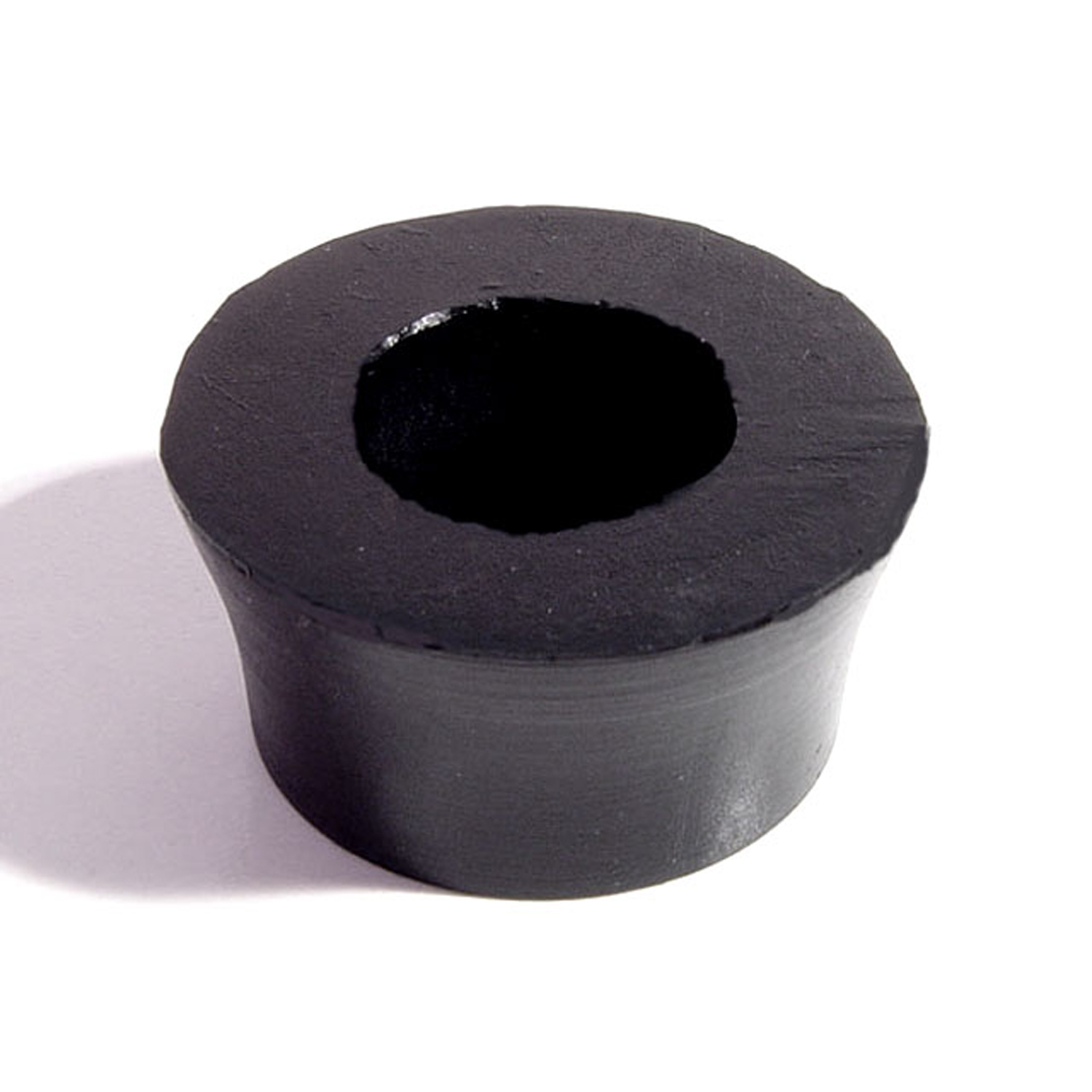 1951 GMC 101-22 Shock Absorber Grommet. 1" bottom O.D., 5/8" high-BN 10Shock Absorber Grommet. 1" bottom O.D., 5/8" high., with 5/8" I.D. Each
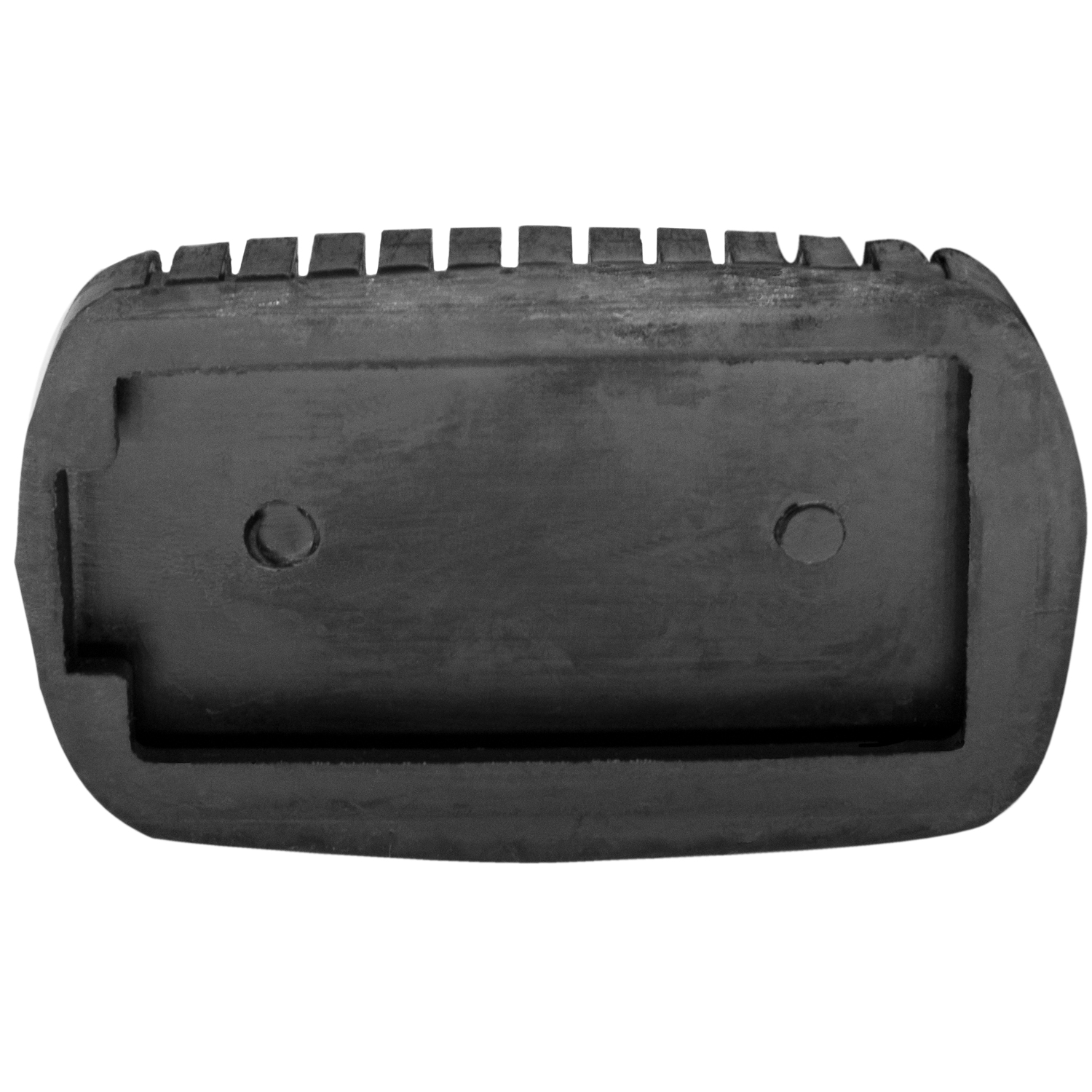 1951 GMC 101-22 Clutch and Brake Pedal Pad. 2-1/2" wide X 3-7/8" long-CB 100-A/EAClutch and Brake Pedal Pad. 2-1/2" wide X 3-7/8" long. Each
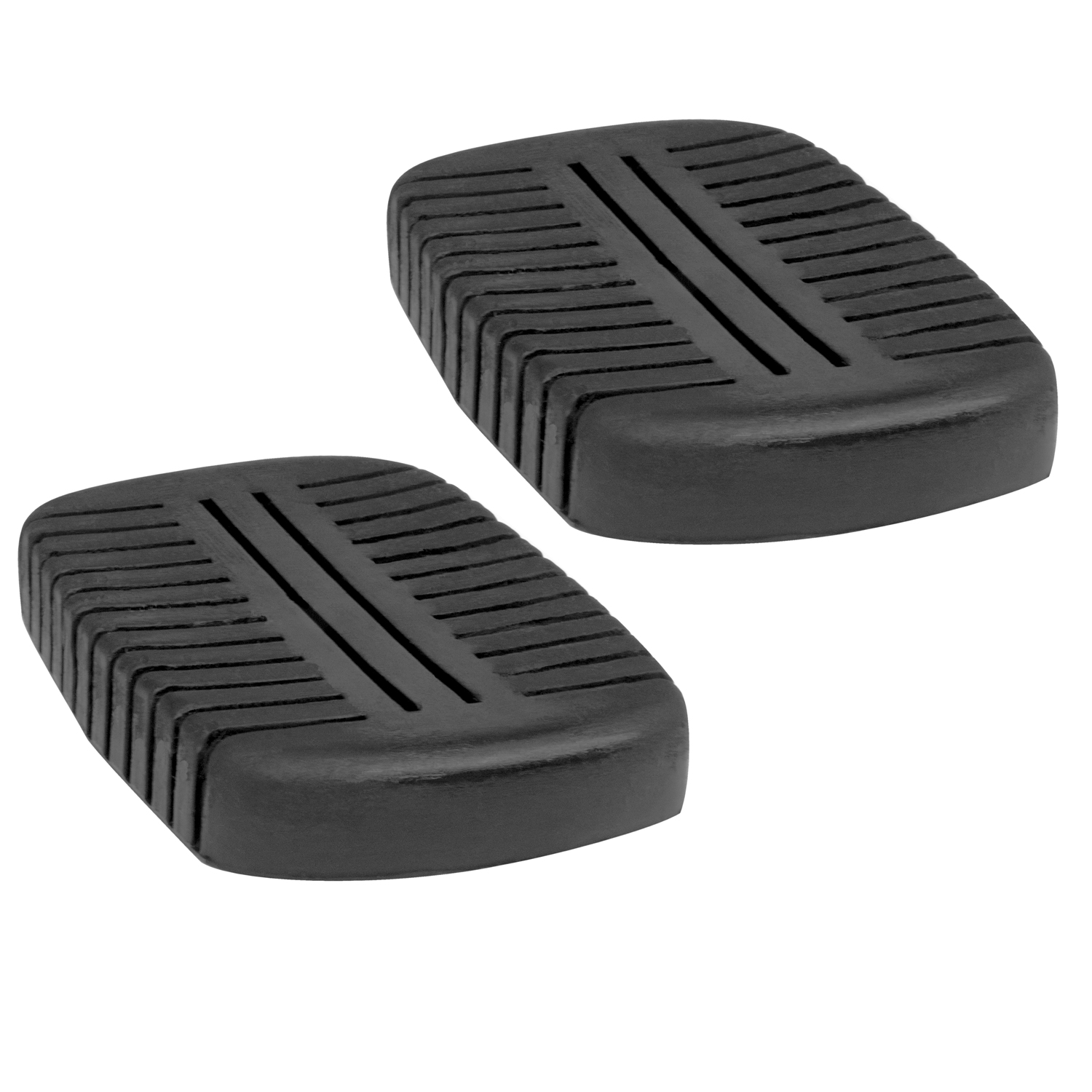 1951 GMC 101-22 Clutch and Brake Pedal Pads. 2-1/2" wide X 3-7/8" long-CB 100-A/PRClutch and Brake Pedal Pads. 2-1/2" wide X 3-7/8" long. Pair
 1951 GMC 101-22 Cowl Vent Seal. For models with flat-faced cowls-RP 100-KCowl Vent Seal. For models with flat-faced cowls. 4" wide X 16-1/2" long. Each
 1951 GMC 101-22 Seat Adjustment Rod & Anti-Rattle Bumper. Each-SB 66Seat Adjustment Rod & Anti-Rattle Bumper. Each
 1951 GMC 101-22 Cowl Vent Drain Hose. 5/8" I.D., 13/16" O.D., 8" long-VH 101Cowl Vent Drain Hose. 5/8" I.D., 13/16" O.D., 8" long. Replaces OEM #3683557. Each
 1951 GMC 101-22 Flexible Window Scraper. Used on outside side window-WC 24-A 27Flexible Window Scraper. Used on outside side window. Made of all rubber. Two used per vehicle. 7/8" wide X 1/4" high X 27" long. Each
 1951 GMC 101-22 Flexible window scraper. Used on outside side windows-WC 24-A/FTFlexible window scraper. Used on outside side windows. Dense rubber. Two used per vehicle. 7/8 in. wide X 1/4 in. high. Sold by the foot.
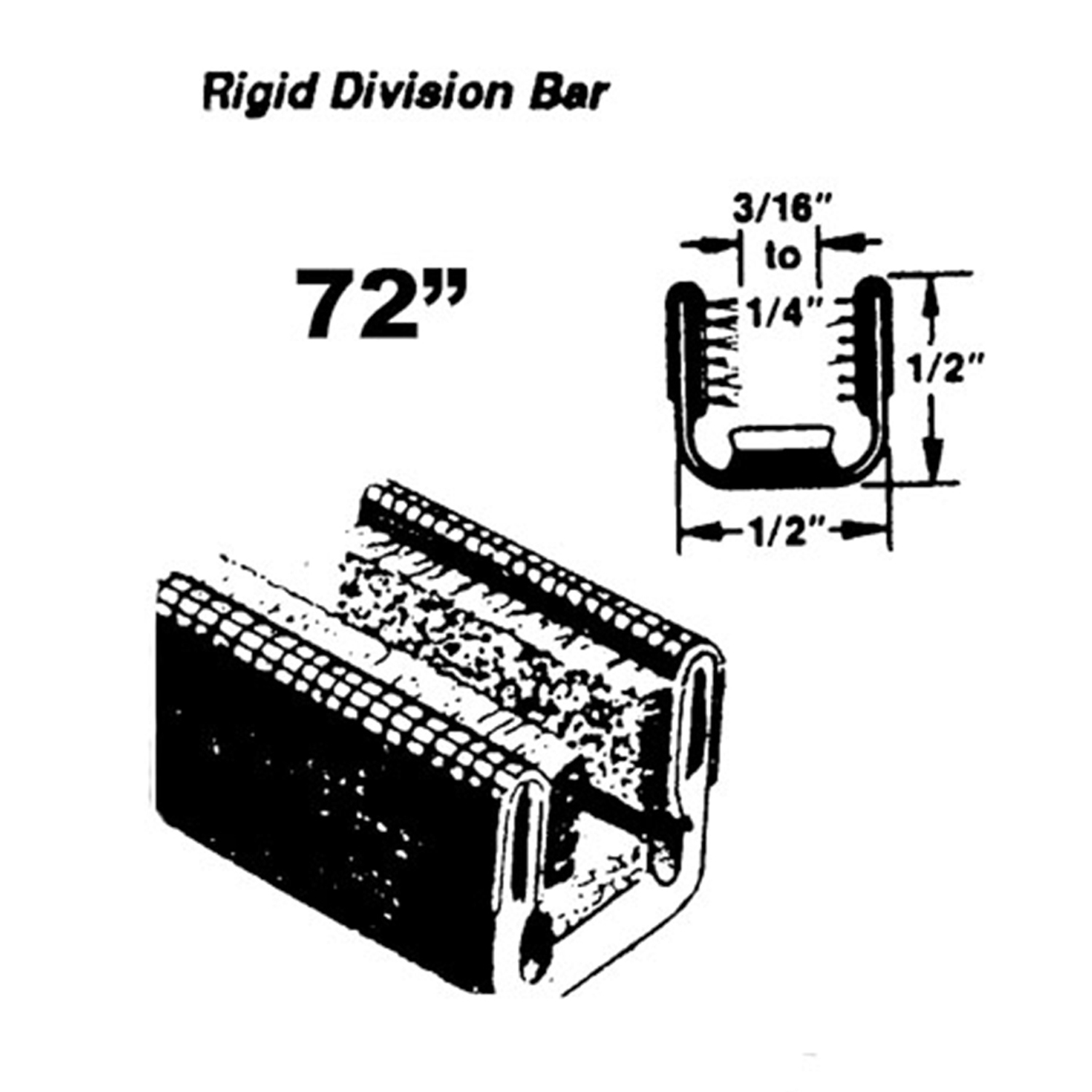 1951 GMC 101-22 Upper and lower rigid division-bar channel-WC 25-72Upper and lower rigid division-bar channel. Unbeaded, pile-lined. 72 in. long. Each. NOTE: $20 special shipping charge applies for domestic orders. Call or email for overseas shipping costs. Part can be sectioned into two equal lengths to reduce overseas shipping costs.
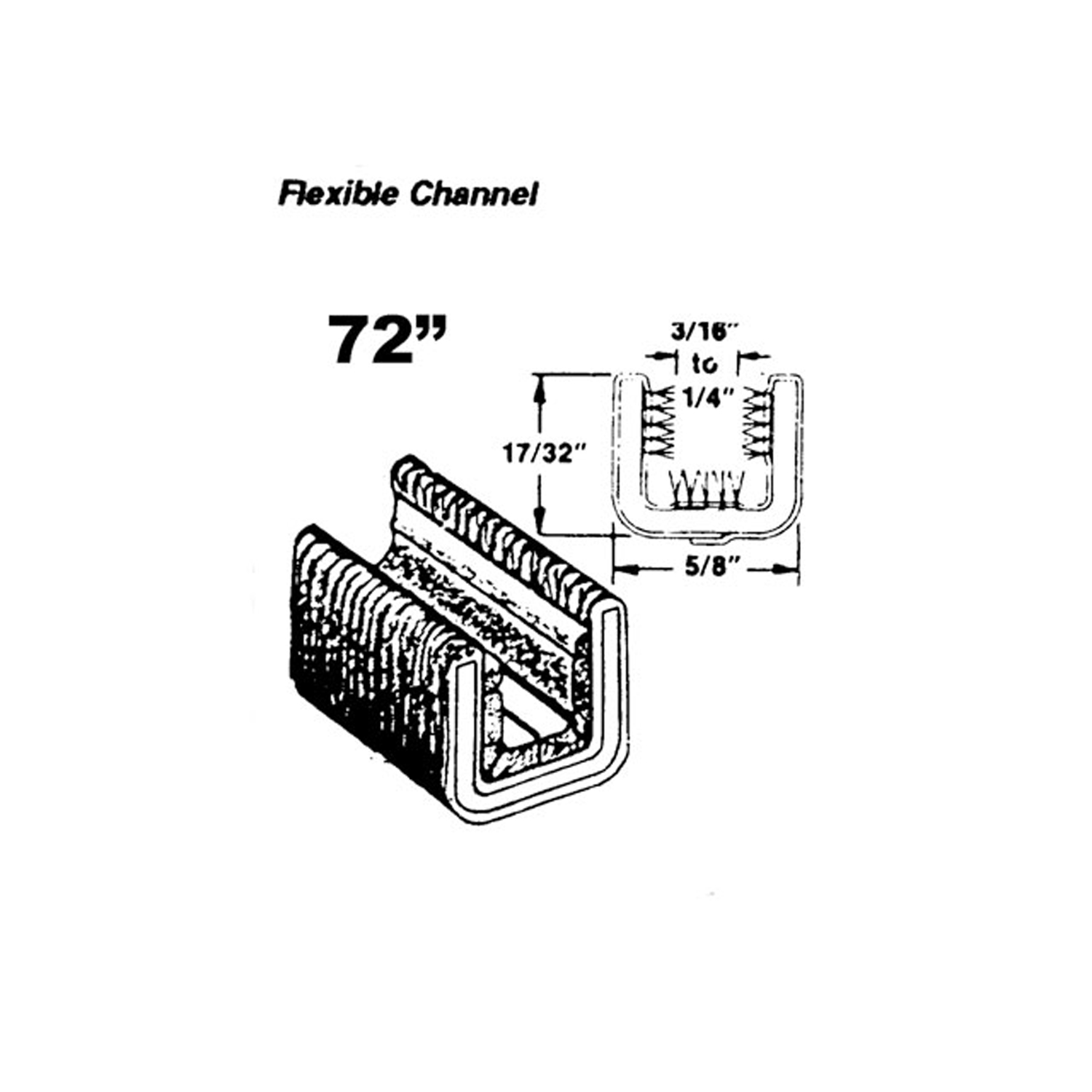 1951 GMC 101-22 Flexible glass-run channel-WC 26-72Flexible glass-run channel. For models without framed side glass. Unbeaded, pile-lined. 72 in. long. Each. NOTE: $20 special shipping charge applies for domestic orders. Call or email for overseas shipping costs. Part can be sectioned into two equal lengths to reduce overseas shipping costs.
 1951 GMC 101-22 Front Vent Window Seals w/ Vertical Division Bars-WR 2000Front Vent Window Seals w/ Vertical Division Bars. Does not fit Sedan Delivery. '55 First Series only. 26-1/4" long, 13-3/4" long. Set of 4
Why Choose Metro?
For over 100 years, Metro Moulded Parts has been the pinnacle of quality in classic car restoration parts. Our commitment to precision and authenticity in every component ensures a perfect fit and an OEM-level appearance.
- Expert Craftsmanship & Quality: Each part is a testament to our dedication to reliability and perfection, crafted from original designs and thoroughly tested.
- Advanced Technology: We use cutting-edge techniques to create flawless, long-lasting parts that surpass others in performance.
- SuperSoft Sponge – The Ultimate Door Seal: Not only are our door seals 30% softer than competitors', but they're also guaranteed to never leak. They effectively reduce wind and road noise, enhancing your classic car's comfort and driving experience.
- Proudly American: Our parts are a product of American craftsmanship, made in the USA with a spirit of excellence and heritage.
- Unrivaled Warranty: We back our products with a 30-year industry-leading warranty, a testament to our confidence in their quality.
Join us in preserving the legacy of classic cars with parts that are crafted for perfection, not just made.