

Image of 1952 Gmc 100-22, Note: These illustrations use artistic license and may differ from actual historical models.
Performance Metrics
Fundamental Metrics
Emotional Appeal
MMP Rating
| Engine Specifications | |
|---|---|
| Engine Options: | 228 cubic inch inline 6-cylinder |
| Displacement Range: | 228 cubic inches (3.7 liters) |
| Horsepower Range: | 93-100 hp |
| Torque: | 175 lb-ft |
| Compression Ratio: | 7.2:1 |
| Ignition System: | Distributor and coil |
| Cooling System: | Liquid-cooled |
| Performance Specifications | |
| 0-60 Time: | Information not available |
| 1/4 Mile Time: | Information not available |
| Top Speed: | 70-75 mph |
| Transmission and Drive | |
| Drive Type: | Rear-wheel drive |
| Transmission Type: | 3-speed manual |
| Fuel and Efficiency | |
| Fuel System Type: | Carburetor |
| MPG: | 10-12 mpg |
| Dimensions and Brakes | |
| Brakes: | Drum brakes |
| Wheelbase: | 116 inches |
| Weight: | 3,400 lbs |
Note: Specifications for classic cars are given to the best of our ability, considering the limited and variant data available.
1952 GMC 100-22: A Postwar Pickup With Real Workhorse Roots
The 1952 GMC 100-22 is a pickup with the presence of a farm truck and the thoughtful design of a new postwar generation. Built by General Motors Truck and Coach, GMC’s truck division, it belongs to the Advance-Design family introduced in 1947. The 100 designation identifies it as a light-duty, half-ton model, while the 22 suffix is part of GMC’s model-series code.
By 1952, the Advance-Design trucks had become familiar sights on farms, construction sites, and small-business routes across North America. They were designed for owners who needed a practical working vehicle, but their rounded fenders, broad hood, and roomy cab also gave them a distinctive look. One detail that makes the GMC especially interesting is under the hood: GMC used its own larger-displacement six-cylinder engines, rather than simply installing the Chevrolet engine found in many mechanically related Chevrolet pickups.
Exact specifications can vary with the truck’s build, body, and later modifications. For a particular example, its data plate, serial number, engine number, and original paperwork are the best guides to its factory configuration.
Advance-Design Styling and Cab Details
The 1952 GMC has the rounded, substantial proportions that define the Advance-Design era. Its tall hood flows into rounded front fenders, while the upright cab gives the truck a sturdy, purposeful stance. The front end features a bold grille and large headlamps, with GMC identification setting it apart from its Chevrolet cousins. These trucks look handsome without being delicate: the styling is streamlined for its time, but every panel still suggests a vehicle built to work.
The cab is one of the Advance-Design line’s most appealing features. It feels more generous than the tight, upright cabins of many earlier trucks, with a wide bench seat and a broad view through the windshield. Inside, the finish is practical rather than luxurious. Painted metal surfaces, a straightforward instrument panel, durable seat upholstery, and simple controls reflect the truck’s commercial purpose. A well-preserved original cab can feel surprisingly welcoming, though it is still a vintage work-truck environment, not a modern touring cabin.
Equipment depended on the original order. Many trucks were delivered with basic trim and few conveniences, while buyers could specify options such as a passenger-side sun visor, radio, heater, different mirrors, or additional glass and cab equipment. Five-window cab configurations, with small rear-corner windows, are a popular feature among enthusiasts because they improve visibility and give the cab a distinctive appearance.
Factory paint choices varied by year, market, and order, and fleet buyers often chose practical colors suited to their business. Green, red, blue, gray, and cream or off-white tones are commonly associated with restored examples. There was no single color that defined every 1952 GMC 100-22, and today many trucks wear colors chosen during later restorations.
Engines, Transmissions, and Period Technology
The characteristic engine for a 1952 GMC light-duty truck was a GMC inline six, commonly a 228-cubic-inch unit. Exact output figures differ among published references and can depend on engine specification, so the engine identification and factory literature for an individual truck should take precedence. The important distinction is that GMC’s six was larger than the Chevrolet 216-cubic-inch six used in many contemporary Chevrolet trucks.
A manual transmission was the normal choice, with the exact gearbox depending on configuration and original order. These trucks used straightforward, serviceable mechanical systems rather than electronic controls. The electrical system was typically six-volt, and features such as power steering, power brakes, and modern conveniences were not part of the ordinary light-duty pickup experience.
That simplicity was a technological advantage in its own way. There were no sensors or control modules to diagnose, and routine work could be performed with basic tools and a workshop manual. The trade-off was that the truck demanded more driver effort and regular mechanical attention than a modern pickup.
Why the GMC 100-22 Mattered
The Advance-Design generation helped establish the postwar pickup as more than a bare-bones utility vehicle. Its roomier cab, integrated styling, and improved everyday usability reflected the changing expectations of truck buyers. Farmers and tradespeople still needed hauling capacity and durability, but they also wanted a vehicle that was comfortable enough to spend long hours in.
GMC’s identity was also more than a badge. Its larger six-cylinder engines gave the division a point of difference from Chevrolet, and its trucks were marketed as robust, professional-grade machines. Although the GMC and Chevrolet pickups shared much of their basic architecture, the GMC’s engine, trim details, and branding helped it build a distinct following.
The 100-22 is not remembered for introducing a single breakthrough feature. Its significance lies in how well it represents the evolution of the working pickup: sturdy enough for commercial duties, more comfortable than earlier trucks, and styled with enough character to remain desirable decades later.
Road Performance and Driving Feel
A 1952 GMC 100-22 is best understood as a working truck, not a performance vehicle. Period factory performance figures are not consistently available for this exact configuration, and condition, gearing, tire size, payload, and engine health all affect its abilities. As a broad real-world estimate, a sound, lightly loaded truck may cruise around 45 to 55 mph comfortably. A top speed in the neighborhood of 55 to 65 mph may be possible, but sustained high-speed driving is not what the truck was designed for.
Acceleration is leisurely by modern standards. A rough estimate for 0 to 60 mph is approximately 25 to 35 seconds, and some examples may take longer or may struggle to reach 60 mph at all, especially when loaded or running original gearing. Treat that range as an estimate, not a factory-tested specification.
On a smooth road, the GMC has a steady, mechanical feel. The inline six produces a familiar low-speed rumble, and the manual gearbox makes the driver an active part of the experience. Steering is heavier than modern power-assisted systems, particularly at parking speeds. The ride can feel firm over sharp bumps, especially with an empty bed, while a load may help settle the truck. On winding roads, its height, period tires, and truck suspension encourage a measured pace rather than quick cornering.
Wind and road grooves can require regular steering corrections, and braking distances are much longer than those of a contemporary vehicle. For relaxed back-road drives, local shows, and occasional hauling, the truck’s unhurried character is part of the appeal. For extended high-speed highway use, modern brakes, tires, lighting, and drivetrain components should be considered carefully.
Ownership, Maintenance, and Common Uses
Today, most 1952 GMC 100-22s serve as weekend drivers, show vehicles, farm or property trucks, and restoration projects. Some remain in light-duty service, but preservation and hobby use are far more common than commercial work. Their classic proportions make them popular candidates for sympathetic restorations, while custom builds may receive updated engines, brakes, suspension, or electrical systems.
Mechanical repairs are generally approachable for an owner with basic experience. The engine, clutch, brakes, and chassis rely on familiar, conventional engineering, and many routine jobs can be handled without specialized electronic equipment. Parts support is good for common service items and many shared Advance-Design components, though GMC-specific trim and certain original details can take more searching. Before buying, inspect the frame, cab corners, floor, running boards, bed, and lower fenders for corrosion, and check whether the engine and transmission match the truck’s documented history.
Reliability depends heavily on maintenance and restoration quality. A carefully rebuilt truck can be dependable for local use, but an unrestored example may need work on the fuel system, cooling system, wiring, brakes, and steering before it is ready for regular driving. Original six-volt wiring and grounds deserve particular attention, since poor connections can cause starting and lighting problems.
GMC 100-22 Facts and Myths
The most useful bit of trivia is also a point of pride for GMC fans: the GMC six-cylinder engine was larger in displacement than the Chevrolet six commonly fitted to the related Chevrolet pickup. The trucks shared much of their basic design, but GMC was not simply a Chevrolet with different lettering.
The model code itself can create confusion. “100” points to the half-ton class, but suffixes and wheelbase details should be checked against GMC documentation and the truck’s identification plate rather than assumed from a seller’s description. Likewise, restorations often combine parts from different years, so an attractive truck is not automatically an entirely original one.
There is no widely recognized speed, endurance, or sales record specifically associated with the 1952 GMC 100-22. Its claim to fame is broader: it is part of one of the most recognizable postwar American truck families, and its design remains strongly associated with the hardworking pickup era. Common criticisms include modest acceleration, heavy steering, limited braking performance by modern standards, and a firm ride when the bed is empty.
Collector Value and Availability
GMC did not publish an easy-to-use production total for the specific 100-22 configuration, and model-level records can be difficult to separate from wider series totals. As a cautious estimate rather than an archival production figure, it is reasonable to think in terms of several thousand examples built in a given configuration, with surviving trucks spread across the United States and Canada. Condition, body style, originality, and documentation matter more to today’s buyer than a precise production estimate.
As a broad 2026 market guide, a rough project may sell for about $3,000 to $10,000. A usable driver or older restoration commonly falls around $10,000 to $25,000, while a well-restored, attractive truck may bring approximately $25,000 to $45,000. Exceptional restorations, rare configurations, or especially original examples can exceed that range, but asking prices are not the same as completed sale prices. Local market, rust, mechanical condition, and the quality of the restoration can shift values substantially.
Interest in classic pickups has supported values over the long term, especially for clean, well-documented examples. The market is not immune to broader collector-car trends, and heavily modified trucks do not always command the same premium as original or thoughtfully restored examples. Overall, a strong 1952 GMC 100-22 is more likely to hold or gradually gain value than to behave like a rapidly appreciating investment. Its best return, for many owners, is the pleasure of keeping a distinctive piece of working-truck history on the road.
A Classic Pickup Built to Keep Working
The 1952 GMC 100-22 combines postwar Advance-Design styling, a GMC-specific six-cylinder identity, and the straightforward engineering of a true working truck. It is not quick or luxurious, and its vintage driving manners call for patience. What it offers instead is mechanical character, a practical design that has aged beautifully, and a direct connection to the people and businesses that depended on trucks every day.
More than seven decades on, the GMC still looks ready to earn its keep. That blend of honest utility and unmistakable personality is what makes the 1952 100-22 a classic worth remembering.
1952 Gmc 100-22 Catalog of Parts
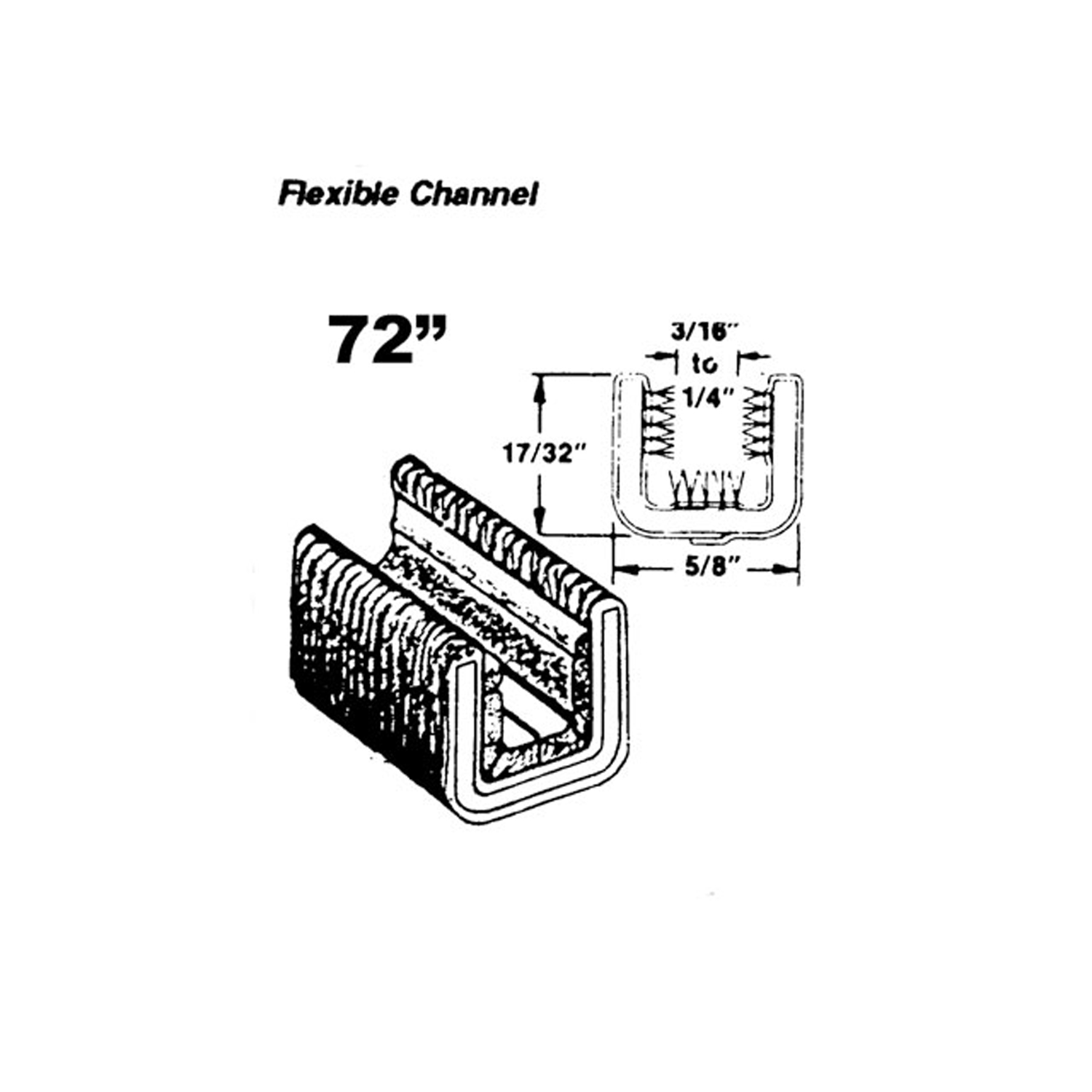 1952 GMC 100-22 Flexible glass-run channel-WC 26-72Flexible glass-run channel. For models without framed side glass. Unbeaded, pile-lined. 72 in. long. Each. NOTE: $20 special shipping charge applies for domestic orders. Call or email for overseas shipping costs. Part can be sectioned into two equal lengths to reduce overseas shipping costs.
Why Choose Metro?
For over 100 years, Metro Moulded Parts has been the pinnacle of quality in classic car restoration parts. Our commitment to precision and authenticity in every component ensures a perfect fit and an OEM-level appearance.
- Expert Craftsmanship & Quality: Each part is a testament to our dedication to reliability and perfection, crafted from original designs and thoroughly tested.
- Advanced Technology: We use cutting-edge techniques to create flawless, long-lasting parts that surpass others in performance.
- SuperSoft Sponge – The Ultimate Door Seal: Not only are our door seals 30% softer than competitors', but they're also guaranteed to never leak. They effectively reduce wind and road noise, enhancing your classic car's comfort and driving experience.
- Proudly American: Our parts are a product of American craftsmanship, made in the USA with a spirit of excellence and heritage.
- Unrivaled Warranty: We back our products with a 30-year industry-leading warranty, a testament to our confidence in their quality.
Join us in preserving the legacy of classic cars with parts that are crafted for perfection, not just made.