

Image of 1952 Gmc Pm152-22, Note: These illustrations use artistic license and may differ from actual historical models.
Performance Metrics
Fundamental Metrics
Emotional Appeal
MMP Rating
| Engine Specifications | |
|---|---|
| Engine: | Inline 6 |
| Displacement: | 235 cubic inches |
| Horsepower: | Estimated 105-125 hp |
| Torque: | 200 lb-ft |
| Compression Ratio: | Estimated 7.5:1 |
| Ignition System: | Distributor and coil |
| Cooling System: | Liquid-cooled |
| Performance Specifications | |
| 0-60 Time: | Not available due to the vehicle's age and type |
| 1/4 Mile Time: | Not available due to the vehicle's age and type |
| Top Speed: | 70 mph |
| Transmission and Drive | |
| Drive Type: | Rear-wheel drive |
| Transmission Type: | 4-speed manual |
| Fuel and Efficiency | |
| Fuel System Type: | Carburetor |
| MPG: | Estimated 10-15 mpg |
| Dimensions and Brakes | |
| Brakes: | Drum brakes |
| Wheelbase: | 125 inches |
| Weight: | Estimated 3,500 lbs |
Note: Specifications for classic cars are given to the best of our ability, considering the limited and variant data available.
1952 GMC PM152-22: A Classic Advance-Design Pickup
The 1952 GMC PM152-22 is a working truck with the presence of a postwar classic: upright, purposeful and unmistakably from an era when pickups were expected to earn their keep. Built by General Motors’ truck division, it belongs to GMC’s Advance-Design family, introduced after World War II and produced through the mid-1950s. Its rounded cab and broad front end softened the look of earlier work trucks without disguising its practical roots.
The PM152-22 designation identifies a particular GMC truck configuration, though surviving trucks may have been modified, and model-code details can depend on the original build record. Confirming a specific truck’s original wheelbase, equipment and body style is best done with its serial number and period GMC documentation.
One appealing point of difference from its Chevrolet relatives is what sits under the hood: GMC used its own larger-displacement inline-six rather than Chevrolet’s familiar six-cylinder engine. That distinction gives the truck a little extra character for enthusiasts who enjoy the mechanical details as much as the styling.
Advance-Design Styling and Cabin
The GMC’s cab has the handsome proportions that made Advance-Design trucks enduring favorites. A tall, rounded hood flows into broad, curved fenders, while the upright windshield and generous windows give the cab an open, airy look. GMC’s grille treatment helps distinguish it from the closely related Chevrolet trucks, and the prominent GMC lettering makes the front end easy to identify. The overall design is substantial without being ornate: this was a tool first, but one with real style.
Inside, the emphasis is on straightforward function. The steel dashboard is simple and easy to read, with large, practical controls and a clear view over the hood. A wide bench seat provides room for driver and passenger. Depending on original specification and later restoration work, upholstery may be cloth, vinyl or replacement material. Compared with a modern pickup, the cabin is bare-bones: sound insulation, storage and comfort features are limited, and a heater or radio was equipment rather than a given.
GMC trucks were offered in commercial paint colors, with exact choices varying by year, body and customer. Restored examples commonly appear in period-inspired blues, greens, reds, black and subdued work-truck shades. Blue and red are especially eye-catching choices at shows, while fleet colors and simple dark finishes suit the truck’s practical heritage. A truck’s present color is not necessarily its original one, so paint codes or traces beneath trim can help settle the question.
GMC’s light-duty range included pickup and chassis configurations, with different wheelbases and bed arrangements available across the lineup. The pickup is the version most people picture today: a cab paired with an open cargo bed. Chassis-cab and other commercial configurations served businesses that needed a platform for specialized bodies. Equipment and availability varied, so it is wise to identify an individual truck by its factory records rather than assume every PM152-22 left the line in the same form.
Why the 1952 GMC Still Matters
The PM152-22 was not a radical engineering experiment, and its importance lies partly in how well it refined a proven idea. Advance-Design trucks brought car-like visual polish to a traditionally utilitarian vehicle, with rounded sheet metal, improved visibility and a more welcoming cab. That balance helped establish the pickup as both a work vehicle and a personal one.
GMC also offered buyers a distinct alternative within the General Motors family. The shared design and production resources made the truck familiar and serviceable, while GMC’s own engine and identifying details gave it a separate identity. That combination of practicality and brand character remains a major reason collectors seek GMC versions rather than treating them as mere Chevrolet substitutes.
228 Six Performance and Road Manners
Many 1952 GMC light-duty trucks were powered by a 228-cubic-inch overhead-valve inline-six, rated at roughly 100 to 105 horsepower depending on specification and rating method. A manual transmission was typical, with gearing selected for useful pulling power rather than quick acceleration. Exact equipment can differ by truck, especially after decades of engine swaps and drivetrain changes.
There is no single dependable factory 0-to-60 mph figure for every PM152-22 configuration. As a broad real-world estimate, a healthy, lightly loaded example may need roughly 25 to 35 seconds to reach 60 mph. Top speed is also affected by axle ratio, tire size, engine condition and load; around 60 to 70 mph may be possible for some trucks, but sustained modern freeway speeds are not their natural habitat.
Behind the wheel, the GMC feels substantial and mechanical. The inline-six produces a steady, low-pitched working hum, and the driver is closely involved through the clutch, gear lever and unassisted controls. The suspension is designed for a working vehicle, so sharp bumps can travel into the cab, especially when the truck is empty. On a winding road, its size, vintage steering and period tires call for a measured pace. In crosswinds, the tall cab and broad body are more noticeable than they would be in a modern pickup.
A well-maintained example can be pleasant on local roads and at relaxed touring speeds. Braking distances, steering effort and crash protection are all products of the early 1950s, however, so a classic GMC should be driven with more space and attention than a contemporary truck. Mechanical condition and correct tires matter far more than chasing a speed figure.
Living with a PM152-22
These trucks were built for hauling, farm work, deliveries and small-business duty. Today, owners use them as weekend drivers, restored show trucks, shop or farm runabouts and eye-catching promotional vehicles. Some are kept largely stock; others receive updated brakes, electrical systems, engines or suspension components for easier modern use.
The simple mechanical layout is one of the model’s strengths. A capable home mechanic can handle many routine jobs, and common service items are generally less intimidating than the electronics-heavy systems found in newer vehicles. The main challenge is often finding correct parts for a particular GMC specification, rather than understanding the basic engineering. Reproduction and used parts are available through classic-truck suppliers and enthusiast networks, but rare trim and model-specific pieces may take patience.
Before buying, inspect the cab corners, floor, cowl, cab mounts, bed and frame for rust or poor repairs. Check the engine for oil pressure, smoke and cooling problems, and make sure the transmission, clutch, brakes and steering are sound. A shiny paint job can hide expensive structural work, so a careful inspection underneath is essential. Regular attention to fluids, ignition, cooling and the braking system helps keep an original truck dependable for the kind of driving it was designed to do.
GMC Truck Facts and Common Criticisms
The GMC 228 six is a useful conversation starter: it gives the truck a different engine identity from its Chevrolet counterpart while preserving the family resemblance of the two brands’ Advance-Design pickups. Another fun detail is how much a truck’s present-day personality can depend on its working past. A restored farm truck, a commercial chassis and a carefully preserved pickup may share the same family styling but tell very different stories.
There is no widely recognized speed, sales or endurance record specific to the PM152-22, and well-documented celebrity ownership is not a defining part of its history. Its historical setting is compelling enough without embellishment: it belongs to the early 1950s, when American businesses, farms and towns relied on light trucks as everyday equipment.
Common criticisms are familiar to anyone who has driven an old pickup: modest acceleration, heavy controls, limited comfort, basic safety equipment and a ride that can be choppy when unloaded. Those are genuine limitations, not defects to overlook. For enthusiasts, they are also part of the appeal of a straightforward machine that asks the driver to participate.
Collector Value and Availability
There is no dependable published production figure for the PM152-22 configuration alone, so any exact number should be treated cautiously. As a practical estimate, production of this specific model variant may have been in the several-thousand range, perhaps roughly 5,000 to 15,000 trucks. That is a reasoned estimate rather than a factory-confirmed total. Many examples were used hard, altered or scrapped, making original, well-documented trucks less common than the broader Advance-Design family might suggest.
In the U.S. market, a rough current value guide is about $3,000 to $8,000 for a project truck, $10,000 to $20,000 for a usable driver, and $25,000 to $45,000 for a well-restored example. Exceptional restorations, rare original equipment or unusually strong provenance can bring more, while rust, incomplete paperwork or non-original modifications can pull values down. These are broad estimates, not a formal appraisal; region, condition and the quality of the work make a major difference.
Values for sound, appealing classic pickups have generally held up well, with the best restorations and honest survivors tending to attract the strongest interest. The market is selective: buyers often pay a premium for quality and originality but may not recover the full cost of an ambitious restoration. A solid truck with good documentation and a sensible mechanical setup is often a more rewarding purchase than the most elaborate build.
A Working Classic with Lasting Appeal
The 1952 GMC PM152-22 combines Advance-Design style, a distinctive GMC identity and uncomplicated six-cylinder engineering. It is not fast or luxurious, but it offers a vivid connection to the era when a pickup was a daily business partner as much as a personal vehicle. For collectors and drivers who value honest character over modern polish, this GMC remains a memorable piece of American truck history.
1952 Gmc Pm152-22 Catalog of Parts
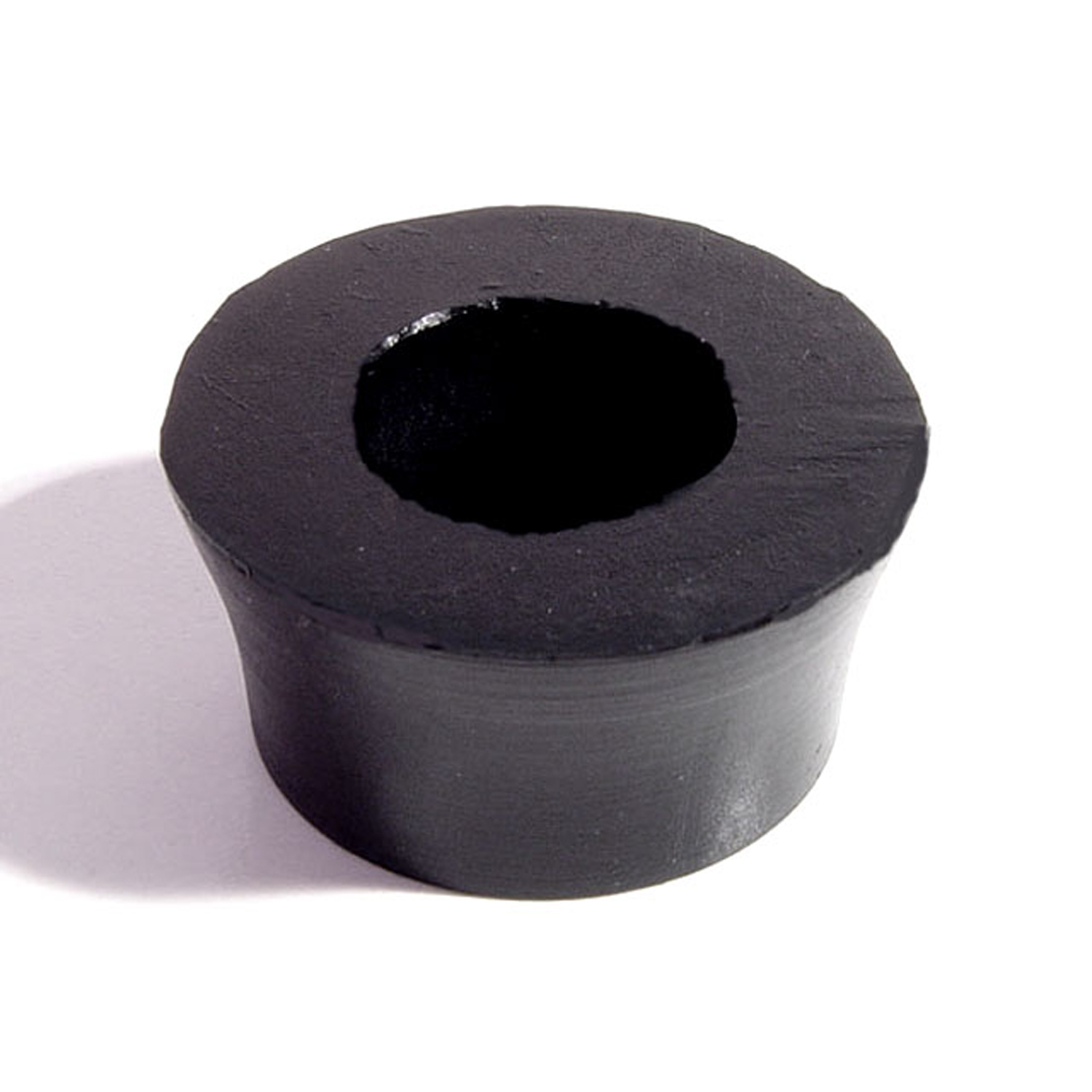 1952 GMC PM152-22 Shock Absorber Grommet. 1" bottom O.D., 5/8" high-BN 10Shock Absorber Grommet. 1" bottom O.D., 5/8" high., with 5/8" I.D. Each
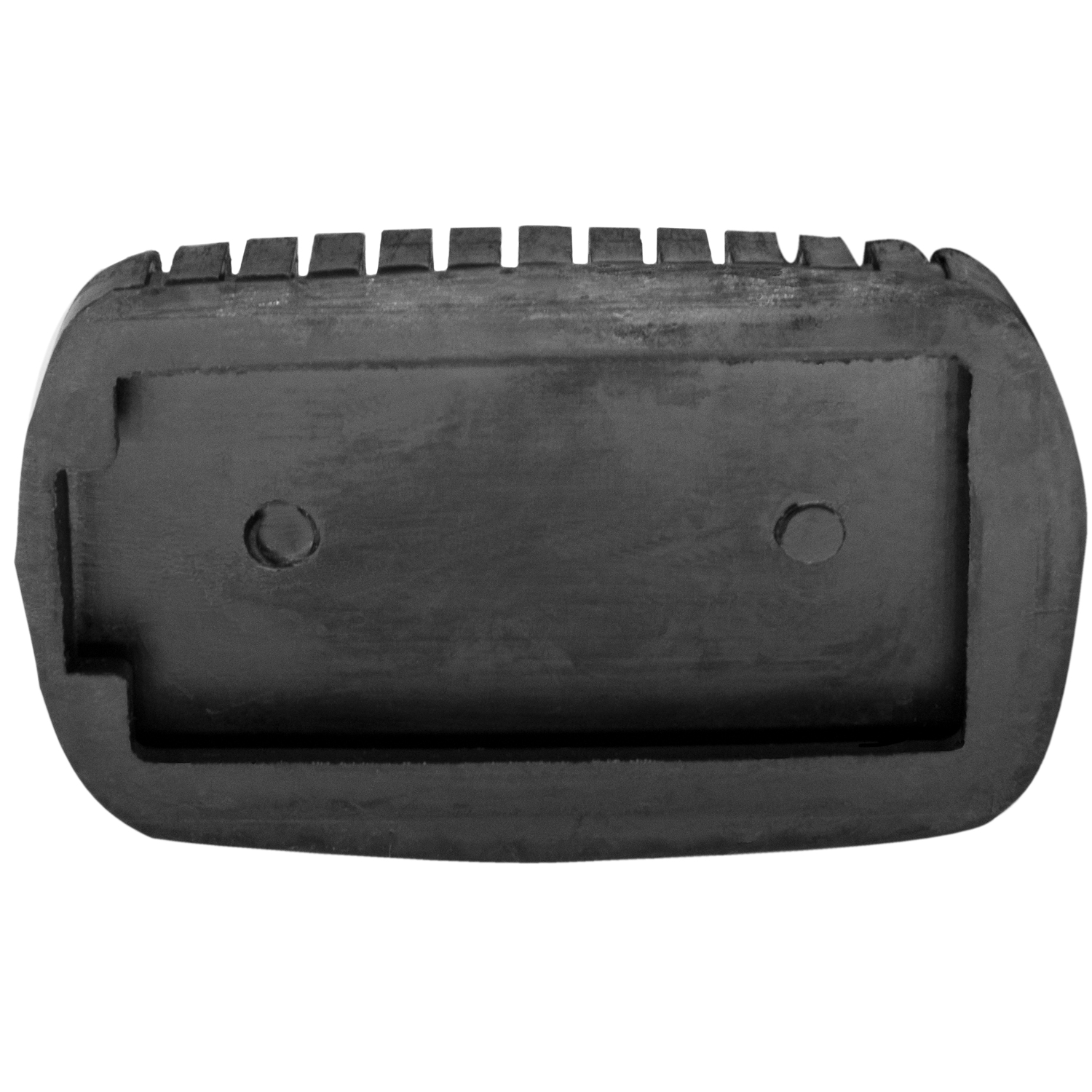 1952 GMC PM152-22 Clutch and Brake Pedal Pad. 2-1/2" wide X 3-7/8" long-CB 100-A/EAClutch and Brake Pedal Pad. 2-1/2" wide X 3-7/8" long. Each
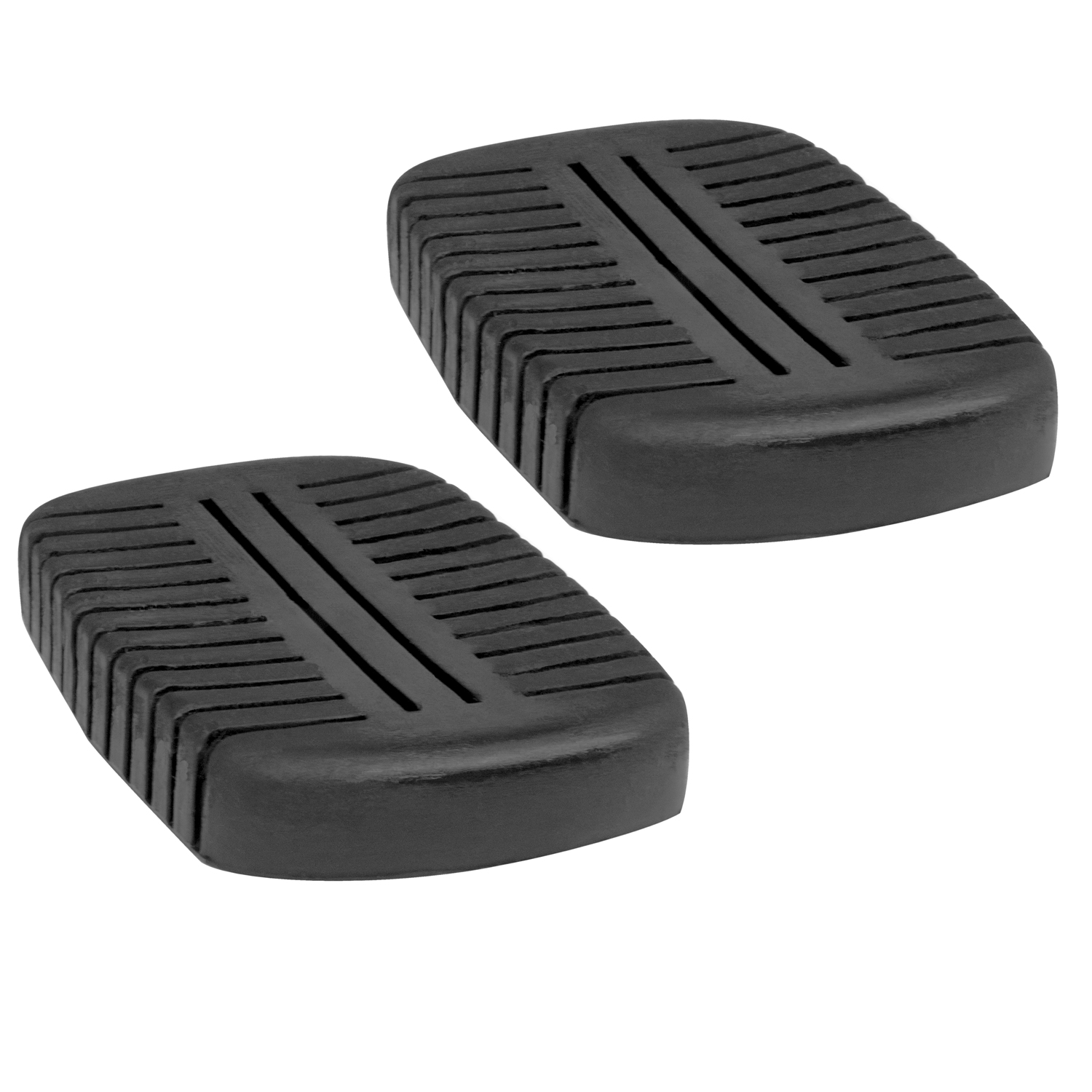 1952 GMC PM152-22 Clutch and Brake Pedal Pads. 2-1/2" wide X 3-7/8" long-CB 100-A/PRClutch and Brake Pedal Pads. 2-1/2" wide X 3-7/8" long. Pair
 1952 GMC PM152-22 Cowl Vent Seal. For models with flat-faced cowls-RP 100-KCowl Vent Seal. For models with flat-faced cowls. 4" wide X 16-1/2" long. Each
 1952 GMC PM152-22 Seat Adjustment Rod & Anti-Rattle Bumper. Each-SB 66Seat Adjustment Rod & Anti-Rattle Bumper. Each
 1952 GMC PM152-22 Cowl Vent Drain Hose. 5/8" I.D., 13/16" O.D., 8" long-VH 101Cowl Vent Drain Hose. 5/8" I.D., 13/16" O.D., 8" long. Replaces OEM #3683557. Each
 1952 GMC PM152-22 Flexible Window Scraper. Used on outside side window-WC 24-A 27Flexible Window Scraper. Used on outside side window. Made of all rubber. Two used per vehicle. 7/8" wide X 1/4" high X 27" long. Each
 1952 GMC PM152-22 Flexible window scraper. Used on outside side windows-WC 24-A/FTFlexible window scraper. Used on outside side windows. Dense rubber. Two used per vehicle. 7/8 in. wide X 1/4 in. high. Sold by the foot.
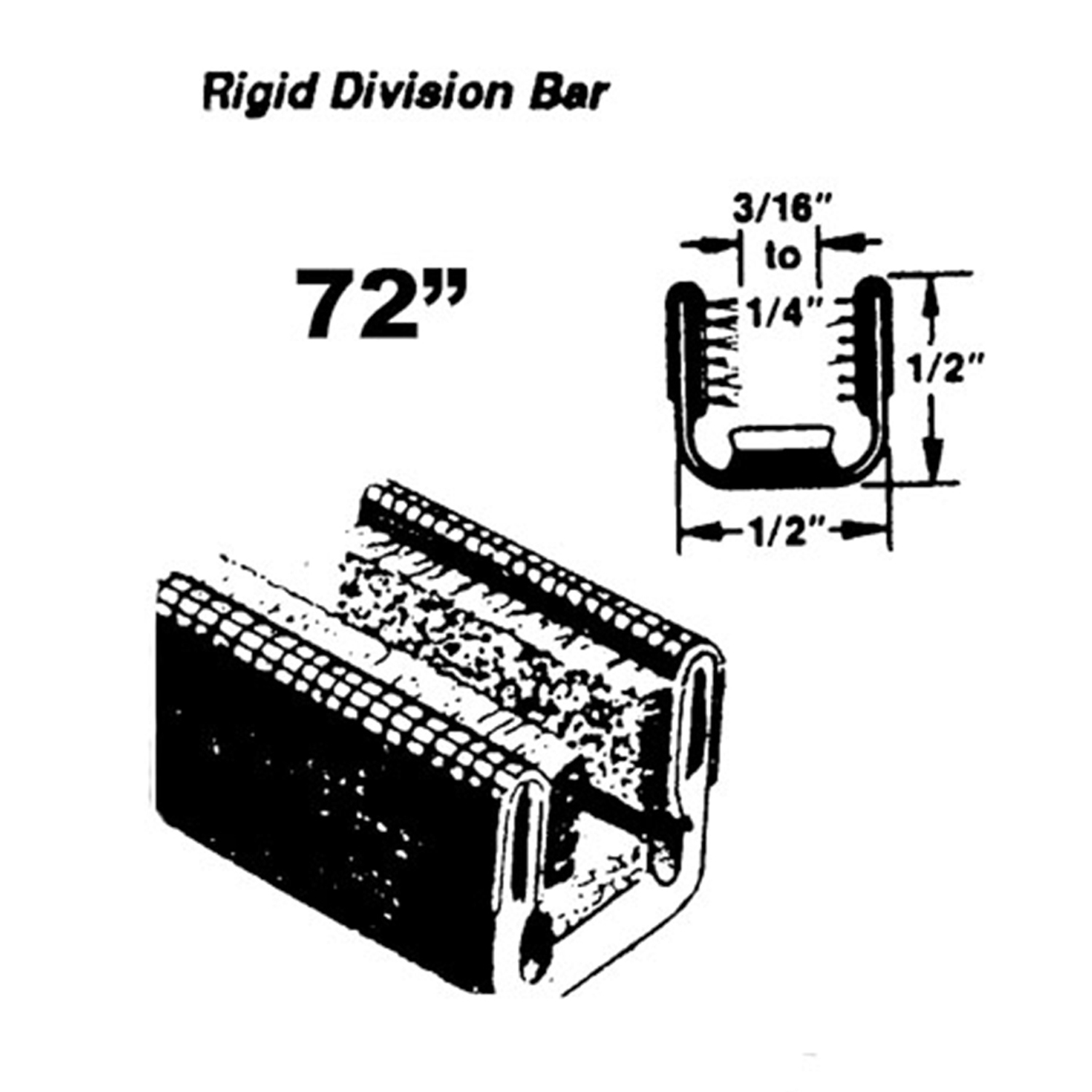 1952 GMC PM152-22 Upper and lower rigid division-bar channel-WC 25-72Upper and lower rigid division-bar channel. Unbeaded, pile-lined. 72 in. long. Each. NOTE: $20 special shipping charge applies for domestic orders. Call or email for overseas shipping costs. Part can be sectioned into two equal lengths to reduce overseas shipping costs.
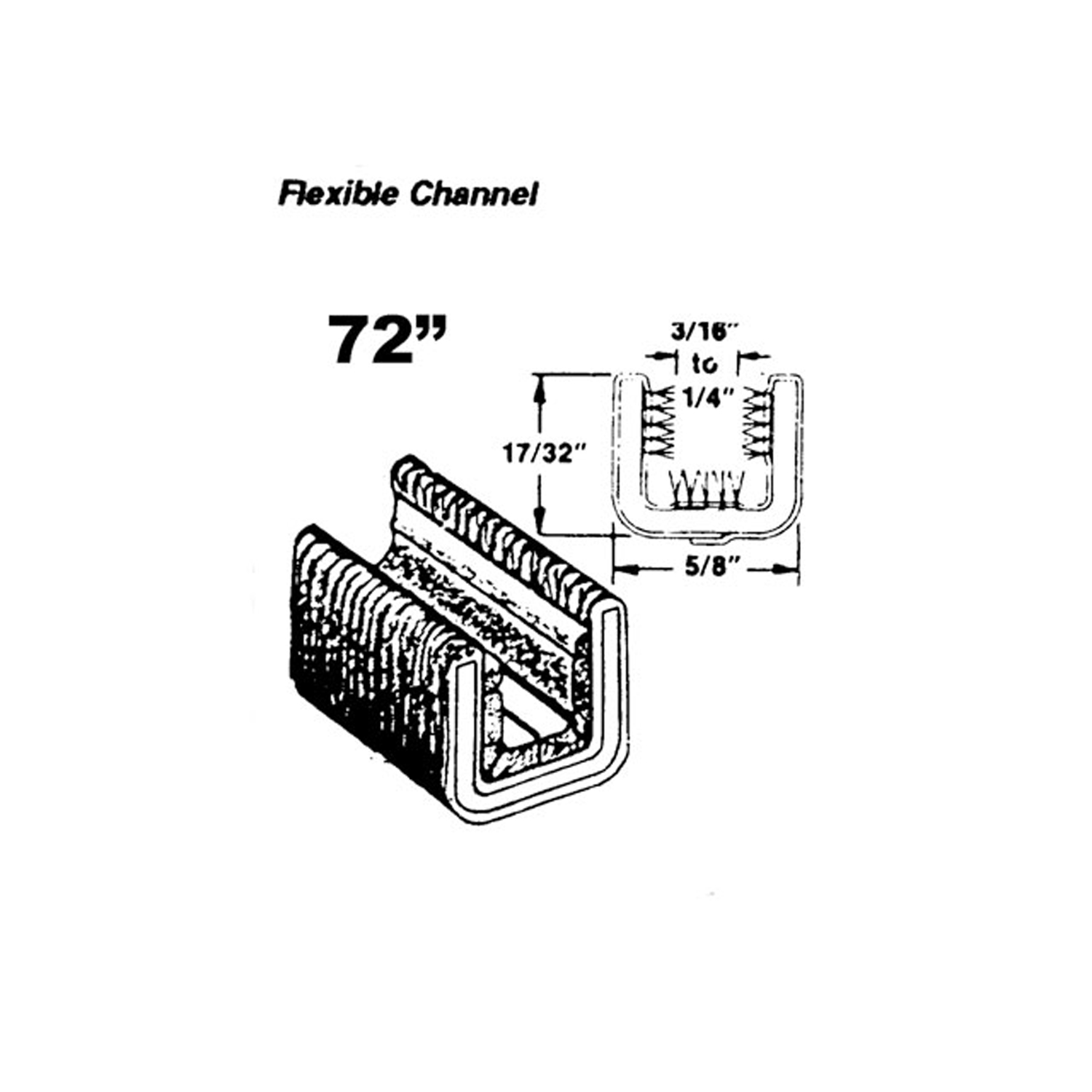 1952 GMC PM152-22 Flexible glass-run channel-WC 26-72Flexible glass-run channel. For models without framed side glass. Unbeaded, pile-lined. 72 in. long. Each. NOTE: $20 special shipping charge applies for domestic orders. Call or email for overseas shipping costs. Part can be sectioned into two equal lengths to reduce overseas shipping costs.
 1952 GMC PM152-22 Front Vent Window Seals w/ Vertical Division Bars-WR 2000Front Vent Window Seals w/ Vertical Division Bars. Does not fit Sedan Delivery. '55 First Series only. 26-1/4" long, 13-3/4" long. Set of 4
Why Choose Metro?
For over 100 years, Metro Moulded Parts has been the pinnacle of quality in classic car restoration parts. Our commitment to precision and authenticity in every component ensures a perfect fit and an OEM-level appearance.
- Expert Craftsmanship & Quality: Each part is a testament to our dedication to reliability and perfection, crafted from original designs and thoroughly tested.
- Advanced Technology: We use cutting-edge techniques to create flawless, long-lasting parts that surpass others in performance.
- SuperSoft Sponge – The Ultimate Door Seal: Not only are our door seals 30% softer than competitors', but they're also guaranteed to never leak. They effectively reduce wind and road noise, enhancing your classic car's comfort and driving experience.
- Proudly American: Our parts are a product of American craftsmanship, made in the USA with a spirit of excellence and heritage.
- Unrivaled Warranty: We back our products with a 30-year industry-leading warranty, a testament to our confidence in their quality.
Join us in preserving the legacy of classic cars with parts that are crafted for perfection, not just made.