

Image of 1953 Gmc 101-22, Note: These illustrations use artistic license and may differ from actual historical models.
Performance Metrics
Fundamental Metrics
Emotional Appeal
MMP Rating
| Engine Specifications | |
|---|---|
| Engine: | 228 cubic inch inline 6-cylinder |
| Displacement: | 228 cubic inches |
| Horsepower: | 100-105 hp |
| Torque: | 193 lb-ft |
| Compression Ratio: | 7.2:1 |
| Ignition System: | 6-volt electrical system |
| Cooling System: | Liquid-cooled |
| Performance Specifications | |
| 0-60 Time: | Not available due to the age and type of vehicle |
| 1/4 Mile Time: | Not available due to the age and type of vehicle |
| Top Speed: | 70-75 mph |
| Transmission and Drive | |
| Drive Type: | Rear-wheel drive |
| Transmission Type: | 3-speed manual |
| Fuel and Efficiency | |
| Fuel System Type: | Carburetor |
| MPG: | 10-12 mpg |
| Dimensions and Brakes | |
| Brakes: | Drum brakes |
| Wheelbase: | 116 inches |
| Weight: | 3,400 lbs |
Note: Specifications for classic cars are given to the best of our ability, considering the limited and variant data available.
1953 GMC 101-22: A Classic Advance Design Pickup
The 1953 GMC 101-22 is a working truck with the looks of a postwar American icon: rounded fenders, a tall grille, and a practical cab built for long days on the road. Made by General Motors’ GMC Truck division, it belongs to the Advance Design generation, a line of light- and medium-duty trucks introduced after World War II. The 101-22 is generally identified as a half-ton pickup with a 116-inch wheelbase, pairing everyday utility with the increasingly carlike comfort that helped make these trucks popular.
By 1953, the pickup had moved beyond being a bare-bones farm or job-site tool. Owners wanted useful cargo capacity, but they also valued better visibility, more comfortable cabins, and styling that looked at home in town. A notable point in GMC’s history is that the company offered Hydra-Matic automatic transmission on some 1953 trucks, an early example of an automatic gearbox being made available in a working pickup. Availability depended on model and configuration, so it is worth verifying the transmission in any particular truck.
Advance Design Styling and Cabin Details
The 101-22 wears the rounded, purposeful styling associated with GMC’s Advance Design trucks. Its broad hood, pronounced front fenders, and upright cab give it a solid stance, while the grille and GMC badging distinguish it from its Chevrolet cousins. The front end is more than decoration: the tall hood and separate fenders reflect a period when trucks were designed to be repaired and maintained with straightforward components.
Inside, the cabin is functional rather than luxurious. The painted metal dashboard, simple gauges, large steering wheel, and bench seat prioritize durability and ease of use. Materials were chosen for work, not pampering, but the broad seat and generous glass area make the truck feel more accommodating than many earlier commercial vehicles. Expect a basic level of sound insulation and few modern comforts. Originality varies, and seat upholstery, floor mats, and trim may have been replaced over the decades.
Factory paint selections varied by year, market, and equipment, with solid work-truck colors rather than elaborate two-tone schemes defining the look. Red, blue, green, and light neutral shades are commonly associated with restored examples, though a truck’s original color should be confirmed from its paint codes or surviving finish. The best-known body style for the 101-22 is the conventional pickup with an open cargo bed. GMC’s broader truck range included other commercial body configurations, but those should not be confused with the specific 101-22 pickup designation.
Engine, Transmission, and Period Technology
Power comes from GMC’s 228-cubic-inch inline-six, a sturdy, low-revving engine designed to deliver useful pulling power rather than high-speed performance. Published specifications vary by source and configuration, but output is generally listed at about 100 to 105 horsepower. The engine’s cast-iron construction and uncomplicated layout suit the truck’s working character, and its inline arrangement leaves key components relatively accessible for routine service.
A manual transmission was the conventional choice, while an optional Hydra-Matic automatic was available on some GMC trucks. The 101-22’s technology is simple by modern standards: mechanical controls, drum brakes, and no power steering or electronic driver aids. That simplicity is part of its appeal. It also means that an old truck’s present-day condition matters more than its original specification. Brake work, steering wear, aged wiring, and cooling-system health deserve close inspection.
Why the 1953 GMC Matters
The 101-22 was not a radical engineering breakthrough, but it represents an important step in the evolution of the American pickup. Advance Design trucks combined a work-ready chassis with a more integrated, comfortable cab and cleaner styling than many prewar designs. They helped establish the pickup as a vehicle that could serve a business during the week and a family or hobby owner on the weekend.
GMC also gave buyers an alternative to Chevrolet while drawing on General Motors’ shared engineering and manufacturing resources. GMC’s own truck identity, including its engine and badging, helped distinguish the brand. The result was a familiar, serviceable platform with its own character. That blend of practical engineering and approachable styling remains a major reason these pickups are sought after today.
How the 101-22 Drives
There are few dependable factory performance figures for an individual 1953 101-22, and a truck’s gearing, condition, tires, and load make a substantial difference. As a broad real-world estimate, a healthy example may reach roughly 60 to 65 mph, while acceleration from 0 to 60 mph could take around 25 to 30 seconds. These are estimates, not guaranteed test results. The truck is happiest at moderate speeds, where its six-cylinder engine can work without being pushed hard.
Behind the wheel, the engine produces a steady mechanical growl rather than a sharp performance-car bark. The manual gearbox and large steering wheel call for deliberate input, and the drum brakes require more planning and pedal effort than modern brakes. The suspension is built to carry a load, so an empty truck can feel firm over broken pavement. On a winding road, expect slower steering response and noticeable body movement. In crosswinds or at highway speed, its upright shape and period tires reward a relaxed pace and attentive driving.
Living With a 1953 GMC Pickup
Today, most 101-22s are used as weekend drivers, show vehicles, parade trucks, or practical classics for local errands. Some owners still put them to light work, but regular hauling and modern high-speed commuting can be hard on original components. A well-restored truck can be enjoyable on back roads, where its pace and character fit the surroundings.
Routine maintenance is relatively approachable for an owner comfortable with older vehicles. The engine bay is accessible, and many service procedures rely on familiar mechanical principles. Parts support is generally good for common Advance Design components, though finding correct GMC-specific details, trim, or unmodified original parts can take more effort. Before buying, check for rust in the cab corners, floor, cowl, rocker areas, and bed, as well as frame damage, worn steering components, tired brakes, and evidence of poor electrical repairs. Rust repair and cosmetic restoration can cost far more than basic engine work.
Trivia, Rarity, and Common Complaints
The Hydra-Matic option is a particularly interesting chapter in the 1953 GMC story, reflecting the growing effort to make trucks easier to operate as well as more capable. Another appealing detail is the visual kinship with Chevrolet Advance Design pickups: the two marques shared much of their broader design and engineering approach, yet GMC’s badging and powertrain details give the truck a distinct identity.
There is no widely recognized speed, sales, or endurance record associated specifically with the 101-22. Nor is it known for a famous celebrity connection or a defining appearance at a major historical event. Its significance is more everyday and arguably more representative: trucks like this served farms, trades, small businesses, and local communities across postwar America.
Common criticisms are part of the ownership picture. The 101-22 is slow by modern traffic standards, has limited crash protection, and lacks the easy steering, quiet cabin, and strong braking of a contemporary pickup. The cab can also feel cramped by current standards. Buyers who expect modern comfort may be disappointed, but enthusiasts often consider those limitations part of the truck’s honest, mechanical character.
Collector Values and Availability
Production figures for the exact 101-22 configuration are not readily available as a reliable, model-specific total. GMC built trucks in significant numbers, but survival rates, body styles, and recordkeeping make a precise count difficult. A reasonable broad estimate is that production was in the thousands, potentially reaching the low tens of thousands across comparable 101-22 pickup configurations. Treat that as an informed estimate, not an official production figure. The model is uncommon compared with Chevrolet pickups of the same era, but it is not so rare that examples never reach the market.
Collector prices depend heavily on rust, originality, mechanical condition, and restoration quality. As a rough U.S. market guide, a project or incomplete truck might sell for about $8,000 to $15,000. A usable driver could fall around $18,000 to $32,000, while a well-restored example may bring approximately $35,000 to $60,000 or more. Exceptional restorations, unusual original equipment, and strong documentation can push values higher; significant corrosion or a non-running drivetrain can pull them well below these ranges.
Values have generally benefited from continued interest in vintage pickups, especially well-presented, usable examples. That does not mean every truck is steadily appreciating. Restoration costs are high, and condition and buyer demand shape prices more than the badge alone. The best value is often a solid, honestly maintained truck rather than a heavily modified project or an over-restored showpiece.
A Work Truck With Lasting Character
The 1953 GMC 101-22 brings together the practical engineering, rounded Advance Design styling, and straightforward mechanical layout that define a classic American pickup. Its six-cylinder engine favors steady work over speed, its cabin keeps the driver close to the machinery, and its road manners reflect a time when trucks were built for a slower pace.
More than seven decades later, the 101-22 still makes its case through usability and personality. It is a reminder that a truck can be both a tool and a lasting piece of design, and that its greatest legacy may be the millions of ordinary jobs it was built to do.
1953 Gmc 101-22 Catalog of Parts
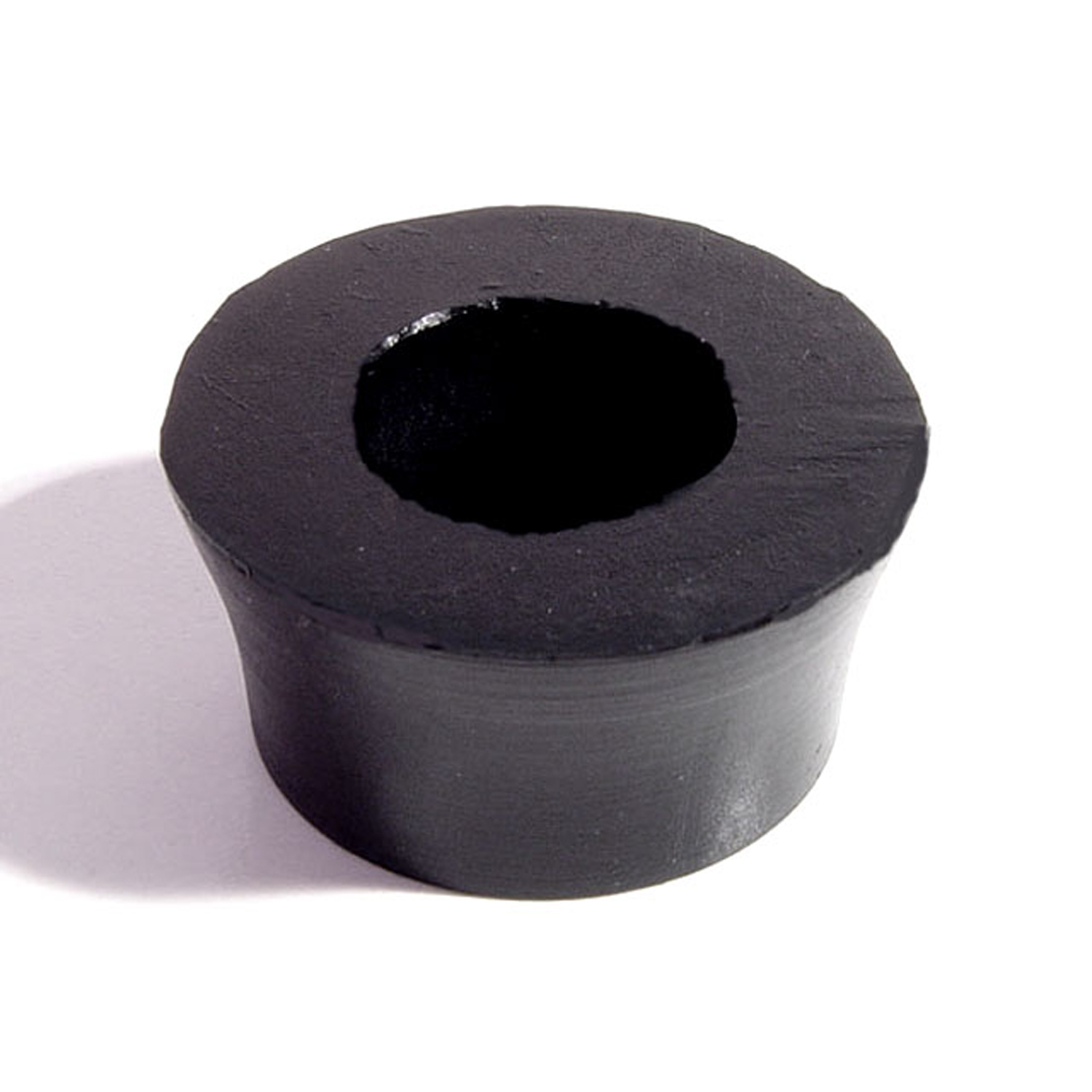 1953 GMC 101-22 Shock Absorber Grommet. 1" bottom O.D., 5/8" high-BN 10Shock Absorber Grommet. 1" bottom O.D., 5/8" high., with 5/8" I.D. Each
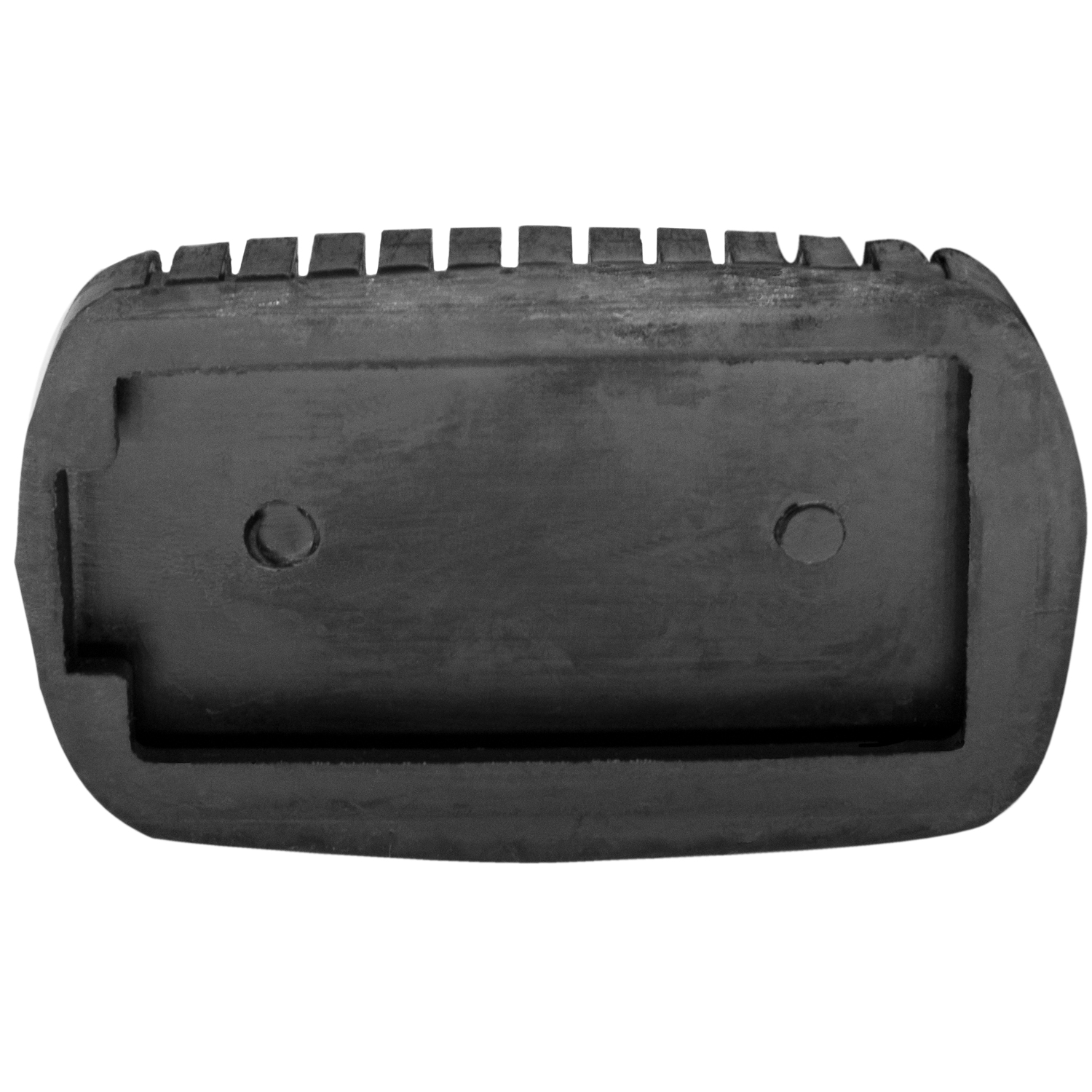 1953 GMC 101-22 Clutch and Brake Pedal Pad. 2-1/2" wide X 3-7/8" long-CB 100-A/EAClutch and Brake Pedal Pad. 2-1/2" wide X 3-7/8" long. Each
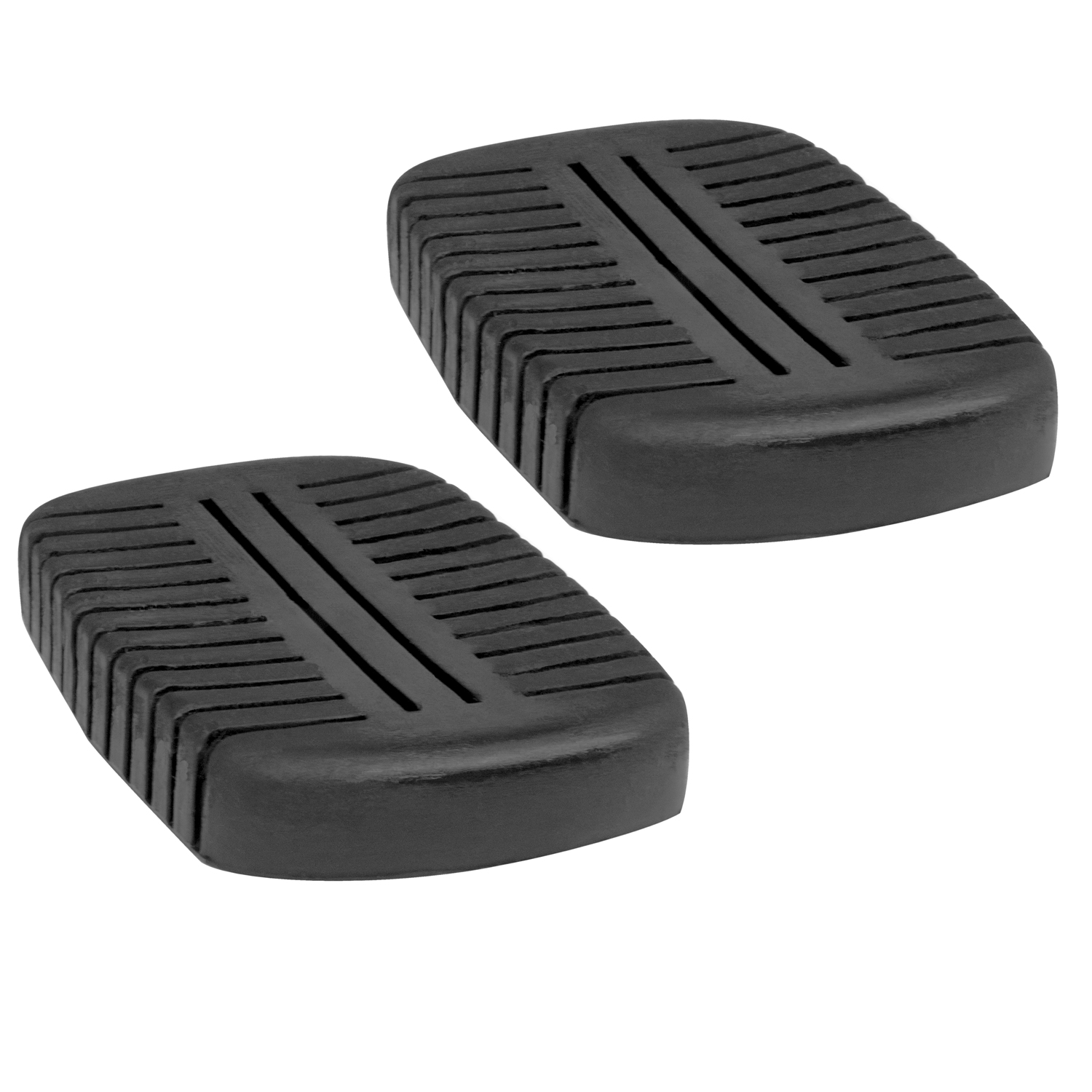 1953 GMC 101-22 Clutch and Brake Pedal Pads. 2-1/2" wide X 3-7/8" long-CB 100-A/PRClutch and Brake Pedal Pads. 2-1/2" wide X 3-7/8" long. Pair
 1953 GMC 101-22 Cowl Vent Seal. For models with flat-faced cowls-RP 100-KCowl Vent Seal. For models with flat-faced cowls. 4" wide X 16-1/2" long. Each
 1953 GMC 101-22 Seat Adjustment Rod & Anti-Rattle Bumper. Each-SB 66Seat Adjustment Rod & Anti-Rattle Bumper. Each
 1953 GMC 101-22 Cowl Vent Drain Hose. 5/8" I.D., 13/16" O.D., 8" long-VH 101Cowl Vent Drain Hose. 5/8" I.D., 13/16" O.D., 8" long. Replaces OEM #3683557. Each
 1953 GMC 101-22 Flexible Window Scraper. Used on outside side window-WC 24-A 27Flexible Window Scraper. Used on outside side window. Made of all rubber. Two used per vehicle. 7/8" wide X 1/4" high X 27" long. Each
 1953 GMC 101-22 Flexible window scraper. Used on outside side windows-WC 24-A/FTFlexible window scraper. Used on outside side windows. Dense rubber. Two used per vehicle. 7/8 in. wide X 1/4 in. high. Sold by the foot.
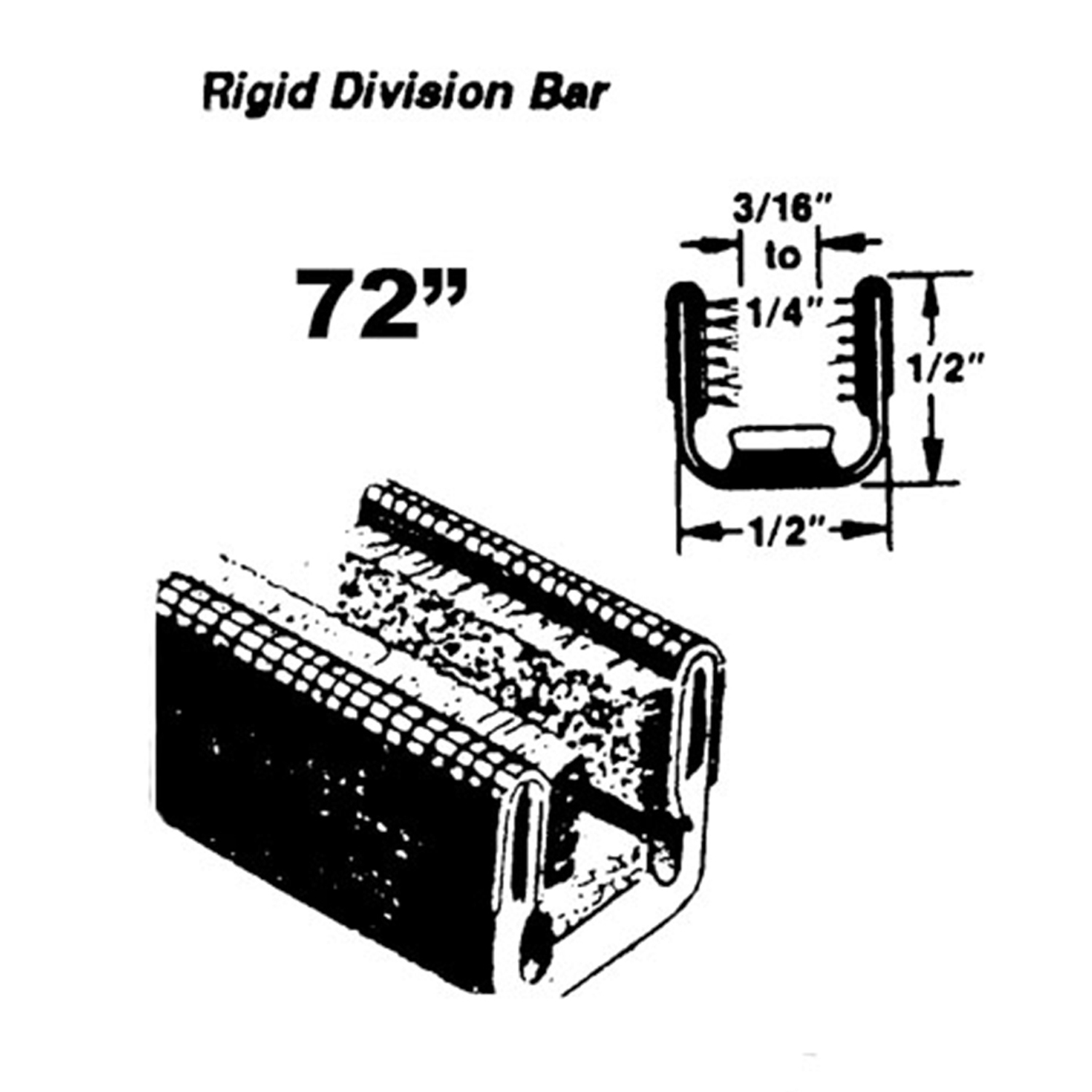 1953 GMC 101-22 Upper and lower rigid division-bar channel-WC 25-72Upper and lower rigid division-bar channel. Unbeaded, pile-lined. 72 in. long. Each. NOTE: $20 special shipping charge applies for domestic orders. Call or email for overseas shipping costs. Part can be sectioned into two equal lengths to reduce overseas shipping costs.
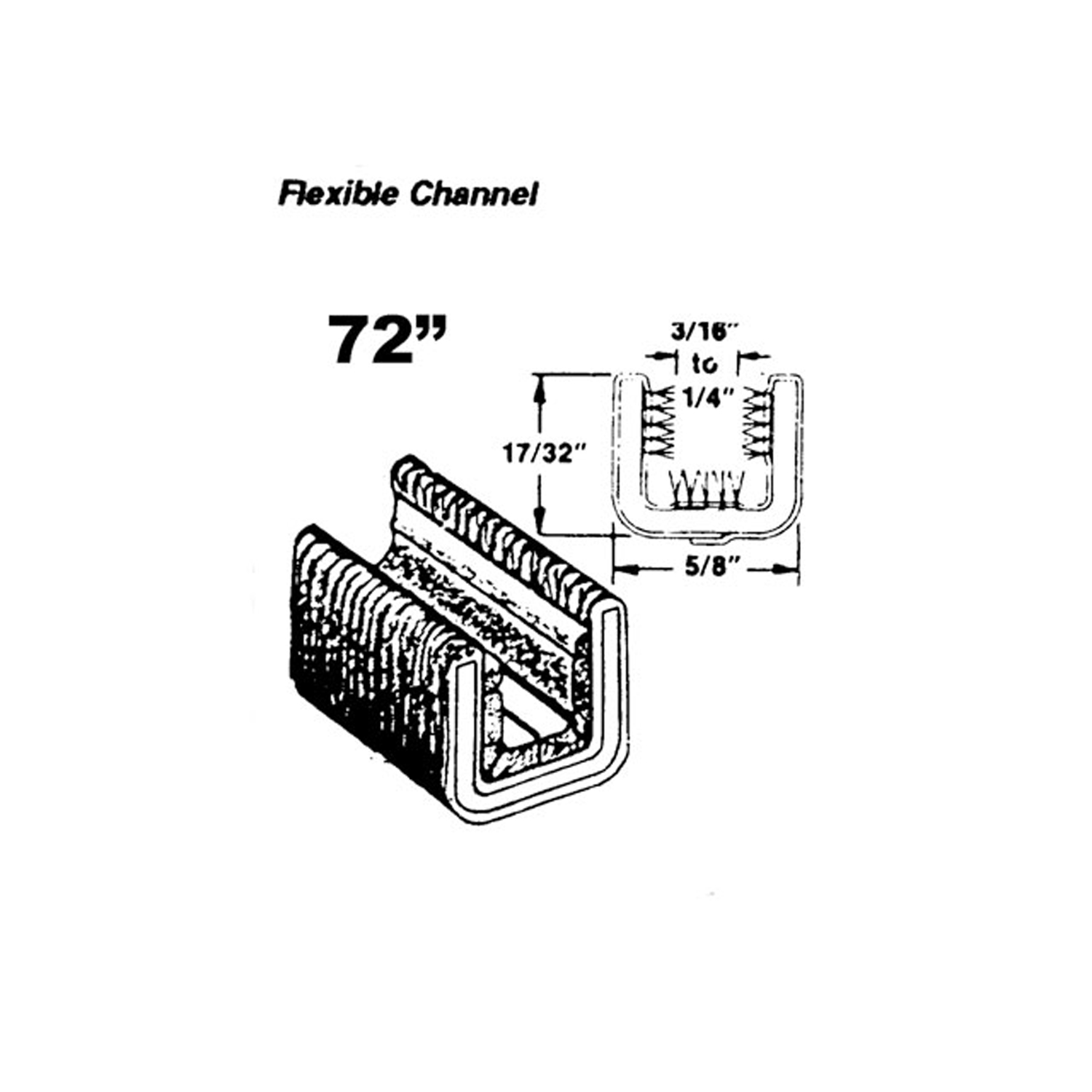 1953 GMC 101-22 Flexible glass-run channel-WC 26-72Flexible glass-run channel. For models without framed side glass. Unbeaded, pile-lined. 72 in. long. Each. NOTE: $20 special shipping charge applies for domestic orders. Call or email for overseas shipping costs. Part can be sectioned into two equal lengths to reduce overseas shipping costs.
 1953 GMC 101-22 Front Vent Window Seals w/ Vertical Division Bars-WR 2000Front Vent Window Seals w/ Vertical Division Bars. Does not fit Sedan Delivery. '55 First Series only. 26-1/4" long, 13-3/4" long. Set of 4
Why Choose Metro?
For over 100 years, Metro Moulded Parts has been the pinnacle of quality in classic car restoration parts. Our commitment to precision and authenticity in every component ensures a perfect fit and an OEM-level appearance.
- Expert Craftsmanship & Quality: Each part is a testament to our dedication to reliability and perfection, crafted from original designs and thoroughly tested.
- Advanced Technology: We use cutting-edge techniques to create flawless, long-lasting parts that surpass others in performance.
- SuperSoft Sponge – The Ultimate Door Seal: Not only are our door seals 30% softer than competitors', but they're also guaranteed to never leak. They effectively reduce wind and road noise, enhancing your classic car's comfort and driving experience.
- Proudly American: Our parts are a product of American craftsmanship, made in the USA with a spirit of excellence and heritage.
- Unrivaled Warranty: We back our products with a 30-year industry-leading warranty, a testament to our confidence in their quality.
Join us in preserving the legacy of classic cars with parts that are crafted for perfection, not just made.