

Image of 1953 Gmc 150, Note: These illustrations use artistic license and may differ from actual historical models.
Performance Metrics
Fundamental Metrics
Emotional Appeal
MMP Rating
| Engine Specifications | |
|---|---|
| Engine Options: | 228 CID I6, 248 CID I6, 270 CID I6 |
| Displacement Range: | 228-270 cubic inches |
| Horsepower Range: | 92-130 hp |
| Torque: | 200-224 lb-ft |
| Compression Ratio: | 7.2:1 |
| Ignition System: | Distributor and coil |
| Cooling System: | Liquid-cooled |
| Performance Specifications | |
| 0-60 Time: | Information not available |
| 1/4 Mile Time: | Information not available |
| Top Speed: | 70-75 mph |
| Transmission and Drive | |
| Drive Type: | Rear-wheel drive |
| Transmission Type: | 3-speed manual, 4-speed manual |
| Fuel and Efficiency | |
| Fuel System Type: | Carburetor |
| MPG: | 10-15 mpg |
| Dimensions and Brakes | |
| Brakes: | Drum brakes |
| Wheelbase: | 125.25 inches |
| Weight: | 3,400-3,800 lbs |
Note: Specifications for classic cars are given to the best of our ability, considering the limited and variant data available.
1953 GMC 150: The Last of the Advanced Design Pickups
The 1953 GMC 150 combines the rounded, unmistakable shape of a postwar work truck with the sturdier mechanical character that helped make GMC a favorite among commercial operators. Built by General Motors’ truck division, the 150 was GMC’s half-ton pickup in the final year of the company’s influential Advanced Design era. It was designed to haul a load during the week, but its handsome proportions have made it a sought-after classic for collectors today.
GMC’s roots reach back to the Rapid Motor Vehicle Company, which General Motors acquired in 1909. The GMC name became part of the company’s truck identity soon afterward. By 1953, GMC was competing in a busy market alongside Chevrolet, Ford, and Dodge, offering familiar GM engineering with its own grille details, powertrain choices, and commercial-truck reputation.
One point worth knowing: “150” identifies the truck’s half-ton series, not a specific engine size or a guarantee that it could carry exactly 1,500 pounds. Actual capacity depended on the truck’s equipment, tires, axle, and rating. The 150’s appeal lies in that balance of manageable size and genuine utility.
Advanced Design Styling and Cab Details
The 1953 GMC 150 has the soft-edged, substantial look that defines many early-1950s pickups. Its rounded hood flows into broad front fenders, with the headlights set into the fender shapes rather than perched separately above them. The tall cab, upright windshield, and long running boards give the truck a purposeful stance without making it look overly bulky.
GMC gave its version a distinct face. The broad grille and prominent GMC lettering set it apart from its Chevrolet sibling, even though the two trucks shared much of their basic cab and body engineering. A wide, practical hood and sturdy bumpers reinforce the truck’s working character. Look closely at surviving examples and you may find details that vary with production date, equipment, and previous repairs, so original trim and grille pieces are important when assessing authenticity.
Inside, the cab is straightforward and durable rather than luxurious. The driver faces a metal dashboard with clear, simple instruments, while a wide bench seat accommodates two or three people depending on their size. Materials were chosen for hard use: painted metal, practical upholstery, and a rubber floor covering suited to muddy boots. A heater, radio, and other comfort items could be ordered, but many trucks were delivered with a deliberately basic cabin.
Factory paint choices varied by year, body, and ordering combination. Solid work-truck colors were common, while contrasting paint and trim could give a more dressed-up truck extra visual pop. Today, restored examples are often seen in deep green, red, blue, cream, and period-inspired two-tone schemes. For collectors, the most convincing color is one supported by the truck’s original paint traces or documentation.
The most familiar body style is the conventional pickup with a standard cab and open cargo box. GMC also offered the 150 as a chassis for other uses, allowing buyers and commercial body builders to fit service, delivery, or specialty bodies. The pickup remains the best-known version, especially in restored form with its original-style bed and brightwork.
Why the 1953 GMC 150 Matters
The 150 belongs to GMC’s Advanced Design generation, a postwar truck family that helped move pickups beyond purely utilitarian machines. Its integrated fenders, smoother cab shape, and more considered interior made it feel more modern than many prewar designs. It was still a working vehicle first, but the styling showed that a truck could be useful and attractive at the same time.
In 1953, this design was nearing the end of its run. That gives the model a useful place in GMC history: it represents the mature, familiar form of the Advanced Design truck just before a new generation arrived. It also illustrates how GM used shared platforms and components to serve different buyers. GMC and Chevrolet pickups were close relatives, but GMC’s identity, equipment mix, and truck-focused image gave it a following of its own.
The 150 was not a technological showpiece or a racing model. Its significance is more practical. It helped establish the postwar pickup as a vehicle that could work hard during the day and still serve as family transportation after hours. That dual-purpose role remains central to the pickup market.
228 Power and Road Manners
Most 1953 GMC 150 pickups are associated with GMC’s 228-cubic-inch inline six-cylinder engine. This overhead-valve engine was designed for useful low-speed pulling rather than high-revving performance. Period specifications and ratings can vary with configuration, but the 228 is commonly listed at about 105 horsepower. A three-speed manual transmission was typical, with other transmission and equipment choices available depending on the truck’s original specification.
Expect work-truck performance, not modern traffic-light speed. A well-running, lightly loaded example may reach roughly 60 to 70 mph, although gearing, tire size, engine condition, and cab or bed configuration all affect its comfortable cruising speed. A 0-to-60-mph time in the neighborhood of 25 seconds is a reasonable real-world estimate, not a factory performance claim. Many owners will prefer to cruise below top speed to reduce engine strain and preserve the truck.
On the road, the six produces a steady, mechanical rumble that becomes more pronounced under load. The manual transmission asks the driver to work the gears, and the steering and brakes feel more substantial than those of a modern pickup. The ride is firm when the bed is empty, as expected from a truck with a work-oriented suspension. Add cargo and the chassis settles into its intended role.
On bumpy roads, the solid axles and leaf springs transmit more movement into the cab than a contemporary independent suspension would. On winding roads, the high driving position and relatively slow steering encourage a measured pace. Crosswinds and passing trucks can also be felt. A well-maintained 150 is enjoyable at sensible speeds, but its brakes, tires, steering, and lighting should be brought up to safe condition before regular road use.
Living With a 1953 GMC Pickup
Today, the 150 is most often a weekend cruiser, show truck, restoration project, or occasional-use runabout. Some owners keep them in work-truck trim, while others add modern conveniences such as upgraded brakes, improved lighting, or a later engine. Those changes can make a truck easier to use, but they may reduce its value to buyers seeking originality.
Routine maintenance is approachable for an owner with basic mechanical skills. The engine bay is relatively open, the mechanical systems are straightforward, and many service procedures do not require specialized electronic tools. Parts availability is generally good for common wear items and popular restoration components, though original trim, correct interior pieces, and model-specific details can take more searching.
Age is the bigger challenge than complexity. Inspect the frame, cab corners, floor, bed, and areas around the fenders for rust or old repairs. Check the engine for oil pressure, smoke, and cooling problems, and examine the brakes and steering carefully. A truck that has been sitting may need fuel-system, electrical, and rubber-component work even if its engine turns over easily.
1953 GMC 150 Facts and Myths
The GMC 150 is sometimes mistaken for a Chevrolet because the two share much of their underlying design. The grille, badging, and equipment details are useful clues, but decades of parts swapping mean that a careful inspection matters. A GMC emblem by itself is not proof that every component is original.
There is no widely accepted, model-specific production total for the 1953 GMC 150 that can be treated as definitive. GMC production records are often discussed by broader truck series or model groups rather than by every body and equipment combination. A reasonable estimate is that production was in the tens of thousands, perhaps around 20,000 to 40,000 half-ton trucks, but that is an informed estimate rather than a verified factory count.
The 150 is not known for a major speed record or a headline-making competition victory. Its claim to fame is its everyday service: countless GMC trucks of this type hauled tools, farm supplies, building materials, and deliveries across North America. A common criticism today is that the driving experience can feel slow and heavy compared with newer pickups. That is fair, but it is also part of the truck’s honest, hands-on character.
Collector Values and Availability
Values vary considerably with condition, originality, body style, location, and the quality of any restoration. As a broad current-market estimate, a project truck may sell for about $8,000 to $18,000. A usable driver or older restoration might bring roughly $20,000 to $40,000, while a well-restored, highly presentable example can reach $40,000 to $70,000 or more. Exceptional trucks, rare configurations, or award-quality restorations may exceed that range, but they are not the typical sale.
Survivors are available, though the best original or correctly restored examples are less common than modified trucks and incomplete projects. Buyers should compare similar sales and inspect the vehicle in person whenever possible. Correct GMC-specific trim, solid metal, a documented restoration, and a complete interior can make a noticeable difference in both desirability and price.
Well-presented classic pickups have generally attracted steady collector interest, and clean 1953 GMC 150s have benefited from that trend. Values are not guaranteed to rise, however. Rust, restoration costs, fuel prices, and changing tastes all influence the market. The strongest long-term prospects usually belong to sound, well-documented trucks rather than ambitious projects with uncertain histories.
A Classic GMC With Lasting Appeal
The 1953 GMC 150 is a handsome, practical example of the postwar pickup at a turning point. Its rounded Advanced Design body, straightforward 228 six, and durable cab make it both a useful restoration candidate and an enjoyable classic to own. It may not be fast or quiet, but it delivers the direct, mechanical experience that modern trucks have largely left behind.
For collectors, the 150’s appeal is more than nostalgia. It represents the moment when the pickup became a comfortable, versatile part of everyday life, while retaining the sturdy character of a working GMC. That blend of purpose and personality is why the 1953 GMC 150 still turns heads, whether it is parked at a show or rumbling down a country road.
1953 Gmc 150 Catalog of Parts
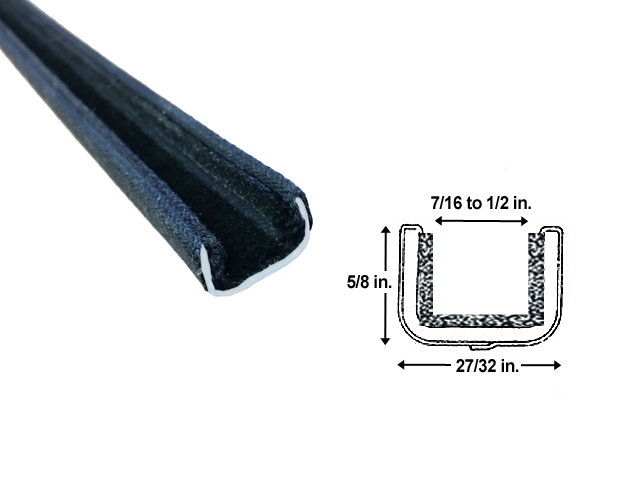 1953 GMC 150 Flexible window channel-WC 18-60Flexible window channel. Fits '50-'63 Chevrolet and GMC full-size pick-up trucks. 60 in. long. Each.
Why Choose Metro?
For over 100 years, Metro Moulded Parts has been the pinnacle of quality in classic car restoration parts. Our commitment to precision and authenticity in every component ensures a perfect fit and an OEM-level appearance.
- Expert Craftsmanship & Quality: Each part is a testament to our dedication to reliability and perfection, crafted from original designs and thoroughly tested.
- Advanced Technology: We use cutting-edge techniques to create flawless, long-lasting parts that surpass others in performance.
- SuperSoft Sponge – The Ultimate Door Seal: Not only are our door seals 30% softer than competitors', but they're also guaranteed to never leak. They effectively reduce wind and road noise, enhancing your classic car's comfort and driving experience.
- Proudly American: Our parts are a product of American craftsmanship, made in the USA with a spirit of excellence and heritage.
- Unrivaled Warranty: We back our products with a 30-year industry-leading warranty, a testament to our confidence in their quality.
Join us in preserving the legacy of classic cars with parts that are crafted for perfection, not just made.