

Image of 1953 Gmc 250-22, Note: These illustrations use artistic license and may differ from actual historical models.
Performance Metrics
Fundamental Metrics
Emotional Appeal
MMP Rating
| Engine Specifications | |
|---|---|
| Engine: | Inline 6 |
| Displacement: | 235 cubic inches |
| Horsepower: | Estimated 105-125 hp |
| Torque: | 200 lb-ft |
| Compression Ratio: | Estimated 7.5:1 |
| Ignition System: | Distributor and coil |
| Cooling System: | Liquid-cooled |
| Performance Specifications | |
| 0-60 Time: | Information not available |
| 1/4 Mile Time: | Information not available |
| Top Speed: | 70-75 mph |
| Transmission and Drive | |
| Drive Type: | Rear-wheel drive |
| Transmission Type: | 4-speed manual |
| Fuel and Efficiency | |
| Fuel System Type: | Carburetor |
| MPG: | Estimated 10-15 mpg |
| Dimensions and Brakes | |
| Brakes: | Drum brakes |
| Wheelbase: | 125.25 inches |
| Weight: | Estimated 3,500-4,000 lbs |
Note: Specifications for classic cars are given to the best of our ability, considering the limited and variant data available.
1953 GMC 250-22: A One-Ton Workhorse With Classic Style
The 1953 GMC 250-22 paired the rounded charm of a postwar pickup with the sturdier hardware of a one-ton truck, making it a practical choice for farms, businesses, and serious hauling. Built by General Motors Truck Company, it belongs to GMC’s Advance-Design generation, a family of trucks introduced after World War II and produced through 1955.
The 250-22 is best understood as a model and configuration designation, not a trim name. The “250” identifies GMC’s one-ton class, while the suffix relates to the truck’s particular chassis or body configuration. Exact specifications can vary with wheelbase, body, axle, and equipment, so a surviving truck’s serial plate and factory documentation are the best guides to its original build.
One appealing detail is its place at the end of an era. The 1953 model retained the familiar Advance-Design cab and rounded front-end styling, while the 1954 trucks brought a more noticeable facelift. That makes a ’53 an especially recognizable example of GMC’s postwar design.
Advance-Design Looks and Practical Details
The 1953 GMC has the substantial, softly rounded shape that defines many postwar American trucks. Its tall hood flows into bulbous front fenders, while the upright cab gives the driver a commanding view of the road. GMC’s bold grille and large block lettering distinguish it from its Chevrolet cousins, even though the two makes shared much of their basic engineering.
The cab was designed around utility rather than luxury. The bench seat, broad steering wheel, simple instrument panel, and large controls were made for straightforward use, often by drivers wearing work gloves. Materials were durable and easy to clean, with painted metal surfaces and practical upholstery rather than the plush finishes found in passenger cars. Options and trim could vary, but the overall cabin remained refreshingly uncomplicated.
Instrumentation was basic by modern standards, but it gave the driver the essential information needed to keep a working truck on the road. A manual transmission, conventional steering, and hydraulic brakes made the truck familiar to mechanics and owners. Depending on specification, buyers could choose different gearing, axle ratios, and transmission arrangements to suit hauling or local delivery work.
Factory paint choices varied by year, body, and order, and many trucks were finished in solid work-oriented colors. Red, green, blue, cream, and dark fleet colors are commonly seen on restored examples. There was no single universally preferred color, though bright red and deep green restorations tend to show off the truck’s rounded fenders and prominent grille particularly well.
GMC offered the Advance-Design platform in a wide range of working forms, including pickup, chassis-cab, stake, platform, and other commercial bodies. The 250-22’s one-ton underpinnings made it suitable for heavier bodies and loads than a half-ton pickup. The pickup-bed version is the most familiar to collectors today, while chassis-cab and stake-bed examples preserve the truck’s original commercial character.
Why the 1953 GMC 250-22 Matters
The Advance-Design trucks helped define the look of postwar American work vehicles. Their rounded fenders and integrated cab felt more modern and comfortable than the austere prewar trucks they replaced, while the separate body-on-frame construction kept them adaptable for many jobs. The same basic cab-and-chassis approach could serve a small business, a farm, a utility company, or a family that needed a dependable hauler.
GMC’s distinction was more than its grille badge. The company offered its own truck-engine range and a reputation for robust commercial equipment. The 250-22 occupied an important middle ground: more capacity than a light pickup, but still a conventional truck that a local shop could maintain without specialized tools.
Its lasting influence is visible in the way collectors value function as part of the design. The truck is not styled like a modern lifestyle pickup, yet its proportions, upright cab, and honest hardware have become an enduring part of classic American truck culture. The 1953 model also represents the final year of the earlier Advance-Design appearance before GMC’s 1954 update.
Engine, Speed, and Road Manners
GMC’s 1953 truck range used durable overhead-valve inline-six engines. Depending on the exact 250-series specification and options, a truck may have a larger-displacement GMC six, commonly including a 248-cubic-inch unit. Engine availability and ratings varied, so the engine number and original build information should be checked before assuming a particular truck left the factory with a given motor.
These engines were built for steady pulling power rather than high-revving performance. Their low-speed torque suited a loaded bed, a trailer, or stop-and-go delivery work. A three-speed manual was common, with other transmission and gearing choices available according to configuration. The 250-22’s one-ton chassis and working axle ratios favored load carrying over quick acceleration.
Factory acceleration figures are not consistently available for the 250-22, and a modern 0-to-60 test would depend heavily on engine, gearing, tire size, condition, and load. As a broad estimate, an unloaded, mechanically sound example might take roughly 30 to 40 seconds to reach 60 mph, if its gearing and road conditions allow it. Top speed is similarly configuration-dependent, but about 55 to 65 mph is a reasonable range for many original trucks. Sustained highway speed is less comfortable than those numbers suggest, especially with a heavy load or tall gearing.
On the road, the truck feels deliberate and mechanical. The steering is unassisted, the gear changes require a confident hand, and the engine’s low, steady six-cylinder note is part of the experience. Its solid-axle, leaf-spring construction can feel firm over sharp bumps, particularly when empty. A loaded bed may settle the ride, but it also increases stopping distances and makes careful driving essential.
On winding roads, the high cab and working-truck suspension reward smooth inputs rather than quick cornering. Crosswinds can move the truck around, especially with a tall stake or service body. The view over the hood is excellent, but the driver must allow extra room for braking, turning, and maneuvering compared with a modern vehicle.
Living With a 1953 GMC
In its own time, a 250-22 was a working tool, used for hauling supplies, farm duties, local deliveries, and commercial bodies. Today, owners tend to use these trucks as weekend drivers, restored show vehicles, parade participants, or carefully maintained utility vehicles. Some still work, but regular heavy hauling puts extra strain on an original drivetrain, brakes, and suspension.
Maintenance is generally approachable for an owner who is comfortable with older vehicles. The mechanical layout is straightforward, and many routine jobs can be handled with ordinary shop tools. The main challenges are finding correct parts for a specific GMC configuration, dealing with decades of previous repairs, and locating sound sheet metal. GMC-specific trim and some engine components may take more searching than common Chevrolet parts.
Reliability depends more on condition and restoration quality than on the truck’s age alone. Before driving one regularly, inspect the frame, brake hydraulics, steering components, wheel bearings, fuel system, and cooling system. Check carefully for rust around the cab corners, floor, fenders, and bed. A truck that has been safely rewired and properly maintained can be enjoyable, but original brakes and aging tires deserve particular attention before any road trip.
Useful Facts and Common Criticisms
The 1953 GMC 250-22 is not widely known for a celebrity connection or a production record. Its distinction is more down-to-earth: it represents a common kind of truck that helped keep small businesses and farms moving during the postwar boom. GMC and Chevrolet Advance-Design trucks shared much of their underlying architecture, but GMC’s grille, badging, and engine choices give its versions a separate identity among collectors.
There is no reliable, widely published production total for the exact 250-22 configuration. GMC production records are generally easier to find for broader model groups than for each body, wheelbase, and option combination. Any claim for an exact number should therefore be treated cautiously. As a rough, unverified estimate, several thousand examples of a particular 250-22 configuration may have been built, but the actual number could be substantially different depending on how the configuration is defined.
Common criticisms are familiar to anyone who drives a mid-century work truck: modest speed, heavy steering, limited braking performance by modern standards, and a busy ride when the bed is empty. The cab is also basic, with little insulation or comfort equipment compared with a modern pickup. Those compromises are part of its honest character, but they matter if the truck will be driven often or in fast traffic.
Collector Value and Availability
In the U.S. market, condition and completeness make a major difference to value. A project truck or incomplete chassis may sell for roughly $3,000 to $8,000. A usable driver or older restoration often falls around $10,000 to $25,000, while a high-quality, correctly restored example can bring approximately $30,000 to $50,000 or more. Exceptional trucks, rare commercial bodies, and unusually well-documented restorations may exceed that range, while rust, non-original parts, and poor repairs can reduce value sharply.
The exact 250-22 is less common on the market than the familiar half-ton pickup, but it is not necessarily rare in the collector-car sense. One-ton trucks often lived hard working lives, and many were modified with replacement bodies or engines. That makes an intact, well-preserved example more appealing than a simple production estimate might imply.
Classic truck values have generally benefited from growing interest in vintage pickups, though prices vary with condition and the broader collector market. Well-restored examples have tended to hold or gain value better than rough projects. Buyers should prioritize structural condition, correct identification, and workmanship over assuming every Advance-Design truck will appreciate automatically.
The Enduring Appeal of the 1953 GMC 250-22
The 1953 GMC 250-22 combines Advance-Design styling with the heavier-duty character of a one-ton work truck. Its rounded body, simple cab, practical engineering, and GMC identity make it a distinctive alternative to the more familiar light-duty pickups of the era.
It is not fast, quiet, or effortless to drive, and it was never meant to be. Its appeal comes from the way it connects design and purpose: a sturdy truck built to earn its keep, now admired for the very qualities that once made it useful. Restored or still wearing its work clothes, the 1953 GMC 250-22 remains a memorable piece of American trucking history.
1953 Gmc 250-22 Catalog of Parts
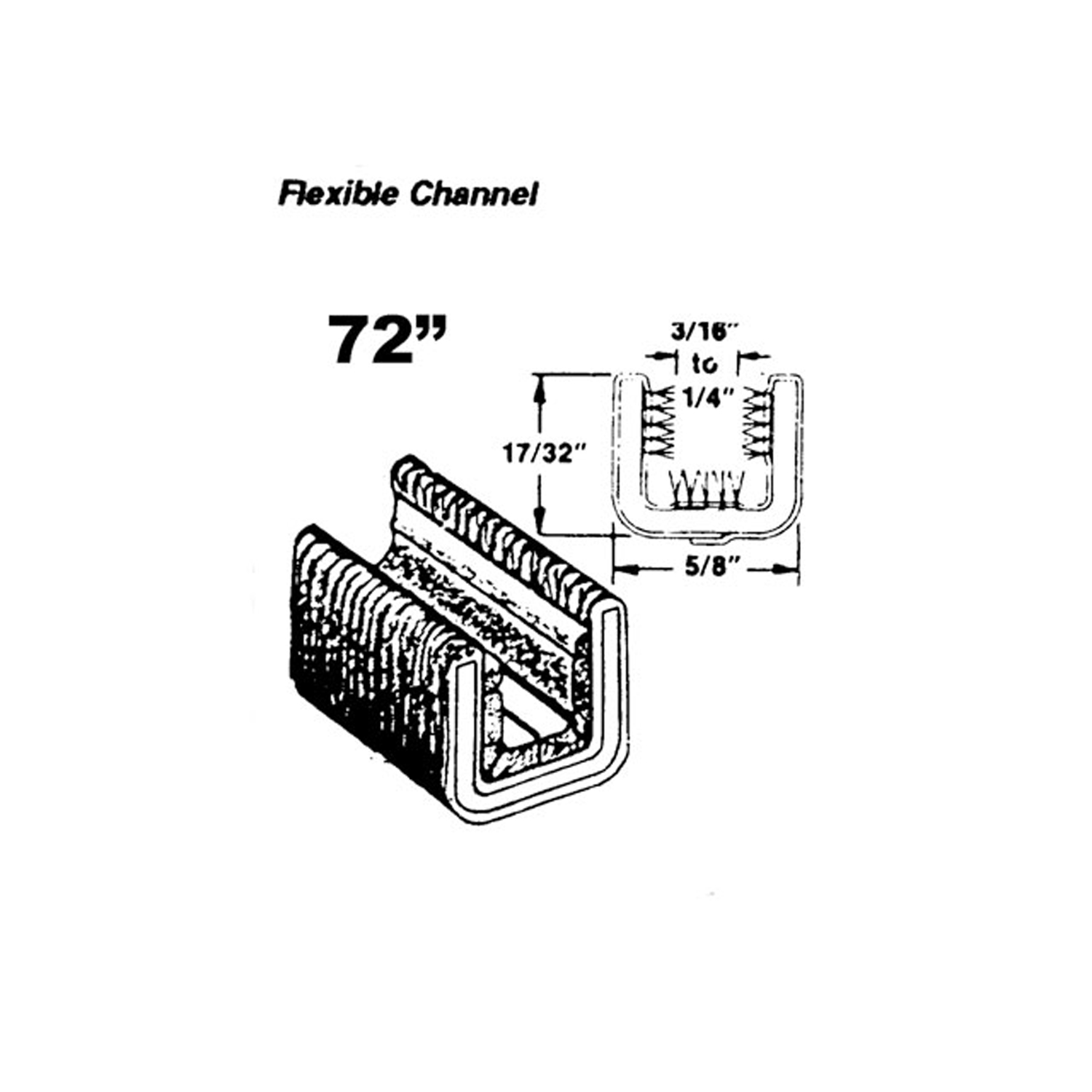 1953 GMC 250-22 Flexible glass-run channel-WC 26-72Flexible glass-run channel. For models without framed side glass. Unbeaded, pile-lined. 72 in. long. Each. NOTE: $20 special shipping charge applies for domestic orders. Call or email for overseas shipping costs. Part can be sectioned into two equal lengths to reduce overseas shipping costs.
Why Choose Metro?
For over 100 years, Metro Moulded Parts has been the pinnacle of quality in classic car restoration parts. Our commitment to precision and authenticity in every component ensures a perfect fit and an OEM-level appearance.
- Expert Craftsmanship & Quality: Each part is a testament to our dedication to reliability and perfection, crafted from original designs and thoroughly tested.
- Advanced Technology: We use cutting-edge techniques to create flawless, long-lasting parts that surpass others in performance.
- SuperSoft Sponge – The Ultimate Door Seal: Not only are our door seals 30% softer than competitors', but they're also guaranteed to never leak. They effectively reduce wind and road noise, enhancing your classic car's comfort and driving experience.
- Proudly American: Our parts are a product of American craftsmanship, made in the USA with a spirit of excellence and heritage.
- Unrivaled Warranty: We back our products with a 30-year industry-leading warranty, a testament to our confidence in their quality.
Join us in preserving the legacy of classic cars with parts that are crafted for perfection, not just made.