

Image of 1954 Gmc 101-24, Note: These illustrations use artistic license and may differ from actual historical models.
Performance Metrics
Fundamental Metrics
Emotional Appeal
MMP Rating
| Engine Specifications | |
|---|---|
| Engine: | Inline 6 |
| Displacement: | 235 cubic inches |
| Horsepower: | Estimated 112-115 hp |
| Torque: | 212 lb-ft |
| Compression Ratio: | Estimated 7.5:1 |
| Ignition System: | Distributor and coil |
| Cooling System: | Liquid-cooled |
| Performance Specifications | |
| 0-60 Time: | Information not available |
| 1/4 Mile Time: | Information not available |
| Top Speed: | Estimated 70-75 mph |
| Transmission and Drive | |
| Drive Type: | Rear-wheel drive |
| Transmission Type: | 3-speed manual |
| Fuel and Efficiency | |
| Fuel System Type: | Carburetor |
| MPG: | Estimated 10-12 mpg |
| Dimensions and Brakes | |
| Brakes: | Drum brakes |
| Wheelbase: | 116 inches |
| Weight: | Estimated 3,200-3,500 lbs |
Note: Specifications for classic cars are given to the best of our ability, considering the limited and variant data available.
1954 GMC 101-24: A Classic Advance-Design Pickup
The 1954 GMC 101-24 brings together the sturdy character of a working truck and the rounded, unmistakable style of postwar American pickups. Built by General Motors Truck and Coach Division, it belongs to GMC’s Advance-Design family, a generation of trucks that helped move the American pickup from a basic farm and job-site tool toward a more comfortable, versatile everyday vehicle.
The 101-24 is generally identified as a half-ton GMC with a 125-inch wheelbase. Its model code is useful when discussing the truck, but details such as its original body, engine, and equipment can depend on the specific build. As with any vintage vehicle, the factory identification plate and surviving records are the best way to confirm an individual truck’s configuration.
One notable detail is that 1954 was a major refresh year for the Advance-Design trucks. The GMC gained a one-piece windshield and updated front-end styling, giving the final versions a cleaner, more modern look while preserving the familiar shape that had made the series popular.
Advance-Design Styling and Cabin
The 101-24 has the confident proportions of a classic American pickup: a tall hood, rounded front fenders, upright cab, and a separate cargo bed. GMC gave its trucks their own visual identity, particularly at the front, where the grille and badging distinguish the truck from its Chevrolet relatives. The 1954 redesign brought a wider, more integrated-looking windshield and revised grille and hood details. The result feels less like a collection of separate panels and more like one carefully shaped design.
Inside, the cab is straightforward and work-focused. A broad bench seat accommodates two or three people, while a large steering wheel and simple instrument panel put the essentials within easy view. The materials were practical rather than luxurious: painted metal surfaces, durable upholstery, rubber floor covering, and robust controls suited to a truck expected to carry tools and spend time on rough roads. Compared with earlier work trucks, the updated cab offered a more finished and comfortable environment, though it remains unmistakably utilitarian by modern standards.
Equipment varied with the original order. Buyers could choose different transmission and axle combinations, while accessories and trim depended on the truck’s intended use. A manual gearbox was typical, and GMC’s Hydra-Matic automatic transmission was available on some models, an unusual convenience for a working pickup of the period. The truck retained traditional mechanical systems, including drum brakes and a 6-volt electrical system on many 1954 examples.
GMC paint choices depended on the factory order, fleet requirements, and market. Period trucks appeared in practical solid colors as well as more eye-catching shades, and two-tone treatments could add extra visual flair. Red, green, blue, and cream-toned finishes are popular choices on surviving trucks and restorations, but a particular truck’s original color should be checked against its paint and build information where available.
The 101-24 is a pickup configuration on the long-wheelbase half-ton chassis. GMC’s broader truck range also included other wheelbases and chassis intended for different bodies and commercial jobs. The long-bed pickup is especially appealing today because it combines useful cargo capacity with the classic proportions many enthusiasts want.
Why the 1954 GMC Matters
The 1954 GMC 101-24 is part of a design generation that helped establish the modern pickup’s basic role. Advance-Design trucks were built to be useful during the workday but comfortable enough for transportation beyond the job site. Their roomier cabs, improved visibility, and more polished styling reflected a growing expectation that a truck could serve a family, a business, and a farm all at once.
GMC also gave buyers an alternative to Chevrolet while drawing on the engineering resources of General Motors. The GMC’s own grille, badging, and truck identity helped it stand apart, while its shared corporate foundation made parts and servicing practical. That blend of distinct appearance and familiar mechanical engineering is one reason the trucks remain approachable for restorers.
The 1954 update is significant because it represents the final, most developed form of the Advance-Design styling before GMC moved to its next generation. The one-piece windshield was a particularly visible improvement, reducing the visual break across the glass and giving the cab a more contemporary appearance. The truck did not reinvent the pickup, but it refined a formula that had already proved successful.
228 Power and Road Manners
A 100-series 1954 GMC was commonly equipped with a 228-cubic-inch overhead-valve inline-six. Exact specifications can vary by configuration and engine replacement, but period ratings are generally around 125 horsepower. The six-cylinder’s appeal was not high-revving performance. It was steady low-speed pulling power, a simple layout, and the ability to keep working with routine maintenance.
There is no single trustworthy factory 0-to-60-mph figure for every 101-24, and today’s results depend heavily on gearing, tire size, engine condition, load, and transmission. As a realistic estimate, a healthy stock truck may take roughly 25 to 30 seconds to reach 60 mph. Top speed is commonly estimated in the neighborhood of 65 to 70 mph, but sustained high-speed driving is not what the truck was designed for. A comfortable cruising pace is lower, especially with original brakes and tires.
Behind the wheel, the GMC feels substantial and mechanical. The inline-six produces a steady, throaty note, while the manual transmission asks the driver to work deliberately through its gears. Steering is slower and heavier than in a modern pickup, particularly at parking speeds, and the truck’s size becomes more apparent on narrow roads.
On uneven pavement, the solid axles and leaf springs deliver the firm, bouncy ride typical of a mid-century work truck. An empty bed can make the rear end hop over sharp bumps, while a sensible load often settles it down. On winding roads, the tall cab and truck suspension encourage a measured pace. Crosswinds and road grooves can require more attention than they would in a modern vehicle, and well-maintained brakes, tires, steering, and suspension are essential for safe use.
Living With a 1954 GMC
Today, the 101-24 is most often a show truck, weekend driver, or rolling restoration. It can still handle light hauling, local errands, and vintage events, but many owners preserve it rather than expose an original example to heavy work. A carefully maintained truck can be enjoyable on back roads, although modern traffic may make its modest acceleration and braking feel limiting.
Routine mechanical work is within reach for an experienced home mechanic. The engine bay is relatively accessible, and the truck’s simple mechanical systems are easier to understand than the electronics in a modern vehicle. Parts support is generally good for common service items and restoration components, though sourcing correct trim, original gauges, and model-specific details may take patience.
Reliability depends more on condition and upkeep than on the badge. Before regular driving, inspect the cooling system, fuel lines, wiring, steering components, wheel bearings, and drum brakes. On a 6-volt truck, clean connections and sound grounds matter greatly. It is also wise to confirm whether the engine, transmission, brakes, and wiring remain original, since many surviving pickups have been repaired or modified over the decades.
GMC 101-24 Facts and Myths
The 101-24 is not a special performance edition. Its appeal comes from being a practical long-wheelbase half-ton pickup from the final year of the Advance-Design generation. There is no widely recognized 101-24 speed or endurance record, and claims of celebrity ownership should be treated as stories unless supported by reliable documentation.
One frequent point of confusion is the relationship between GMC and Chevrolet trucks. The two brands shared much of their engineering and basic construction, but GMC used its own identity and styling details. Another common criticism is that these trucks are slow, have heavy steering, and lack modern safety equipment. Those criticisms are fair by contemporary standards. They are also part of the reason owners drive them with care and appreciate them as historic machines rather than modern substitutes.
Collector Value and Availability
GMC did not publish an easily accessible production total for every body, wheelbase, and model-code combination, so a precise count for the 101-24 is difficult to establish. A reasonable estimate is that production ran into the thousands, but the number of surviving, correctly identified examples is much smaller. Long-bed half-ton pickups are not impossibly rare, yet finding one with solid sheet metal, complete trim, and trustworthy documentation can take time.
As a broad current-market estimate, a project truck may sell for about $5,000 to $12,000, depending on completeness and rust. A usable driver in sound condition might fall around $15,000 to $30,000. A high-quality restoration or especially attractive original example can reach roughly $35,000 to $55,000 or more. These are general ranges, not guaranteed appraisals; location, originality, restoration quality, and the condition of the cab, frame, and bed can shift the price substantially.
Values for well-presented classic pickups have generally strengthened over the long term, although the market moves in cycles. The best trucks tend to hold interest because they combine recognizable styling, practical size, and a strong supply of enthusiast support. Modified trucks can also sell well, but originality and documented workmanship often matter to collectors looking for a faithful example.
A Lasting GMC Classic
The 1954 GMC 101-24 is a capable snapshot of American truck design at an important turning point. Its refreshed Advance-Design body, useful half-ton chassis, straightforward six-cylinder power, and practical cab made it a credible working partner in its day. Today, the same qualities make it a rewarding classic to restore, display, and drive at a thoughtful pace.
It may not be fast or plush, but the 101-24 has something more enduring: the honest presence of a truck built to earn its keep. That combination of utility, character, and unmistakable GMC style is what keeps this 1954 pickup on the road and in collectors’ garages.
1954 Gmc 101-24 Catalog of Parts
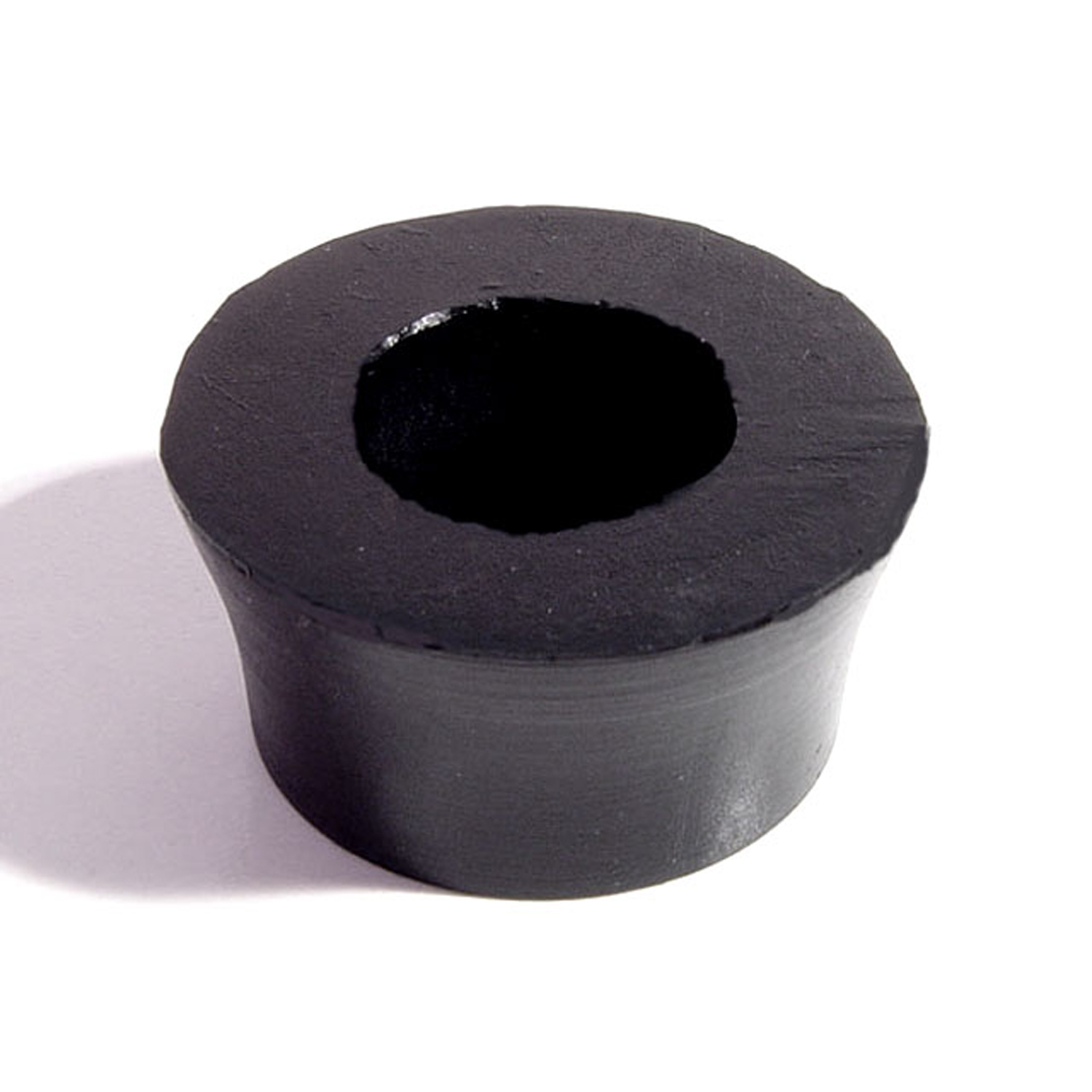 1954 GMC 101-24 Shock Absorber Grommet. 1" bottom O.D., 5/8" high-BN 10Shock Absorber Grommet. 1" bottom O.D., 5/8" high., with 5/8" I.D. Each
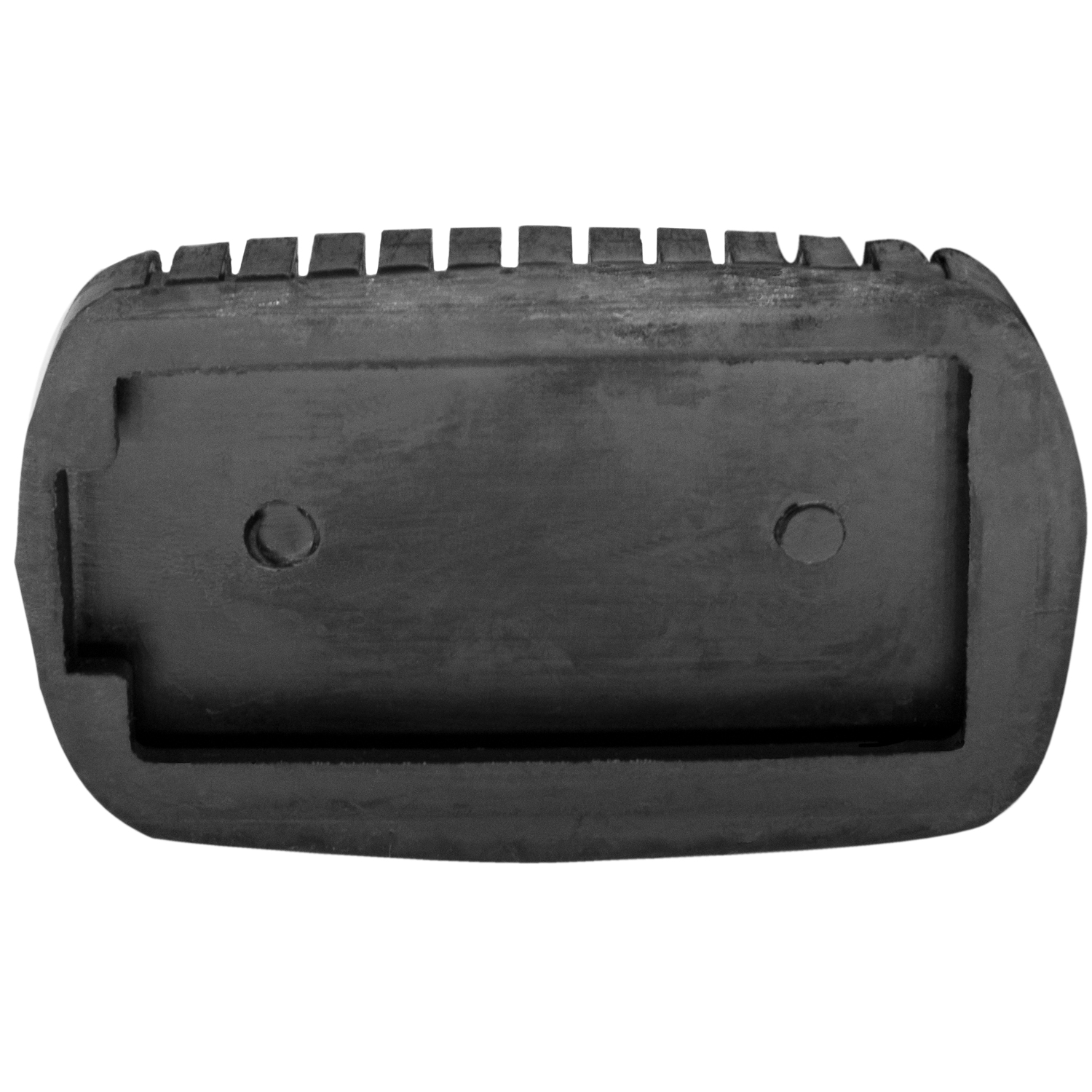 1954 GMC 101-24 Clutch and Brake Pedal Pad. 2-1/2" wide X 3-7/8" long-CB 100-A/EAClutch and Brake Pedal Pad. 2-1/2" wide X 3-7/8" long. Each
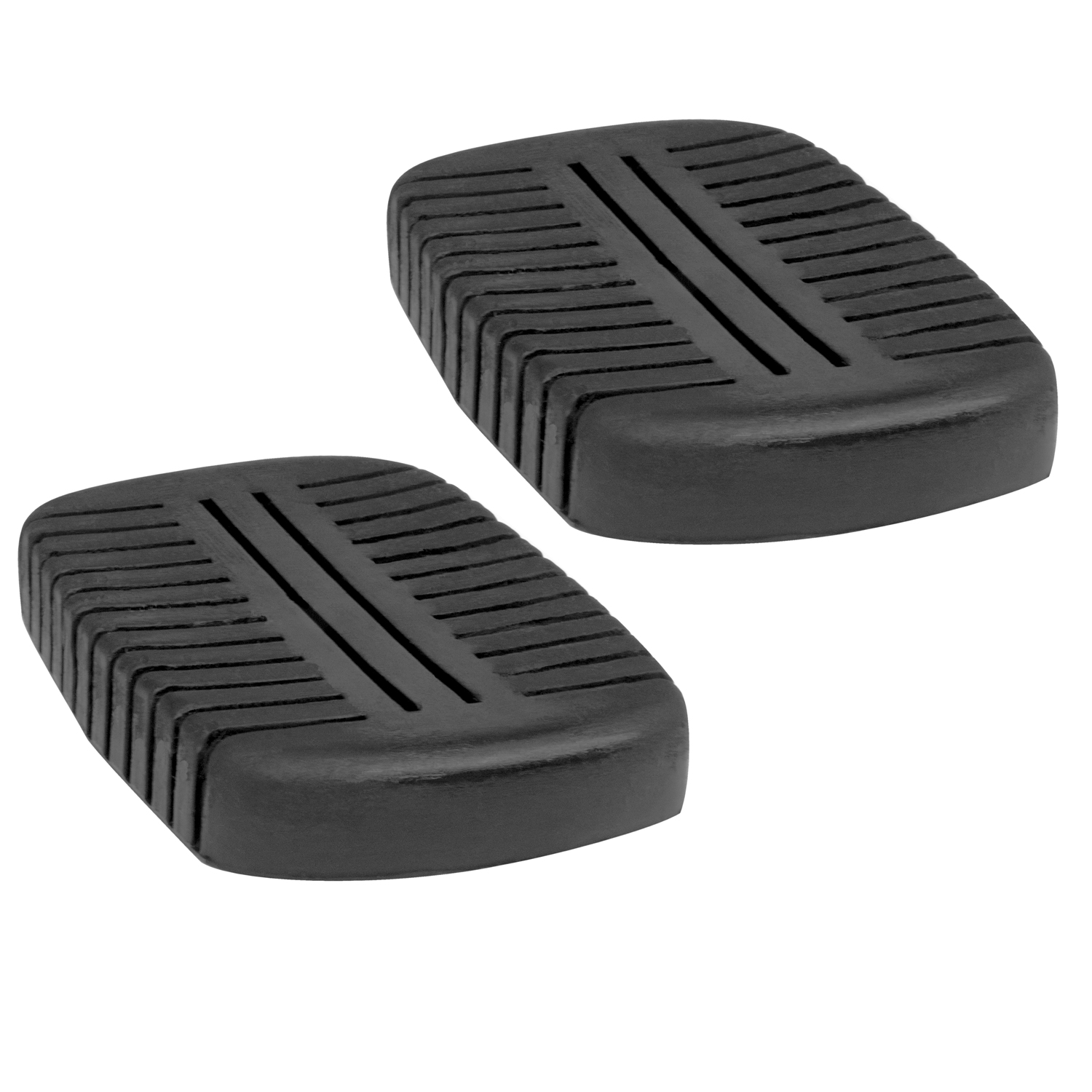 1954 GMC 101-24 Clutch and Brake Pedal Pads. 2-1/2" wide X 3-7/8" long-CB 100-A/PRClutch and Brake Pedal Pads. 2-1/2" wide X 3-7/8" long. Pair
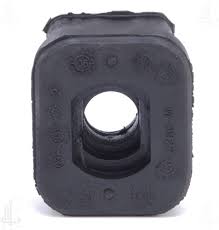 1954 GMC 101-24 Rear Lower Motor Mount. Two used per vehicle-MM 20-ARear Lower Motor Mount. Two used per vehicle. Replaces OEM #3789949. Each
 1954 GMC 101-24 Cowl Vent Seal. For models with flat-faced cowls-RP 100-KCowl Vent Seal. For models with flat-faced cowls. 4" wide X 16-1/2" long. Each
 1954 GMC 101-24 Cowl Vent Seal. NOT for models with flat-faced cowls-RP 100-NCowl Vent Seal. NOT for models with flat-faced cowls. 3-1/4" wide at side X 16-5/8" long. Each
 1954 GMC 101-24 Seat Adjustment Rod & Anti-Rattle Bumper. Each-SB 66Seat Adjustment Rod & Anti-Rattle Bumper. Each
 1954 GMC 101-24 Cowl Vent Drain Hose. 5/8" I.D., 13/16" O.D., 8" long-VH 101Cowl Vent Drain Hose. 5/8" I.D., 13/16" O.D., 8" long. Replaces OEM #3683557. Each
 1954 GMC 101-24 Flexible Window Scraper. Used on outside side window-WC 24-A 27Flexible Window Scraper. Used on outside side window. Made of all rubber. Two used per vehicle. 7/8" wide X 1/4" high X 27" long. Each
 1954 GMC 101-24 Flexible window scraper. Used on outside side windows-WC 24-A/FTFlexible window scraper. Used on outside side windows. Dense rubber. Two used per vehicle. 7/8 in. wide X 1/4 in. high. Sold by the foot.
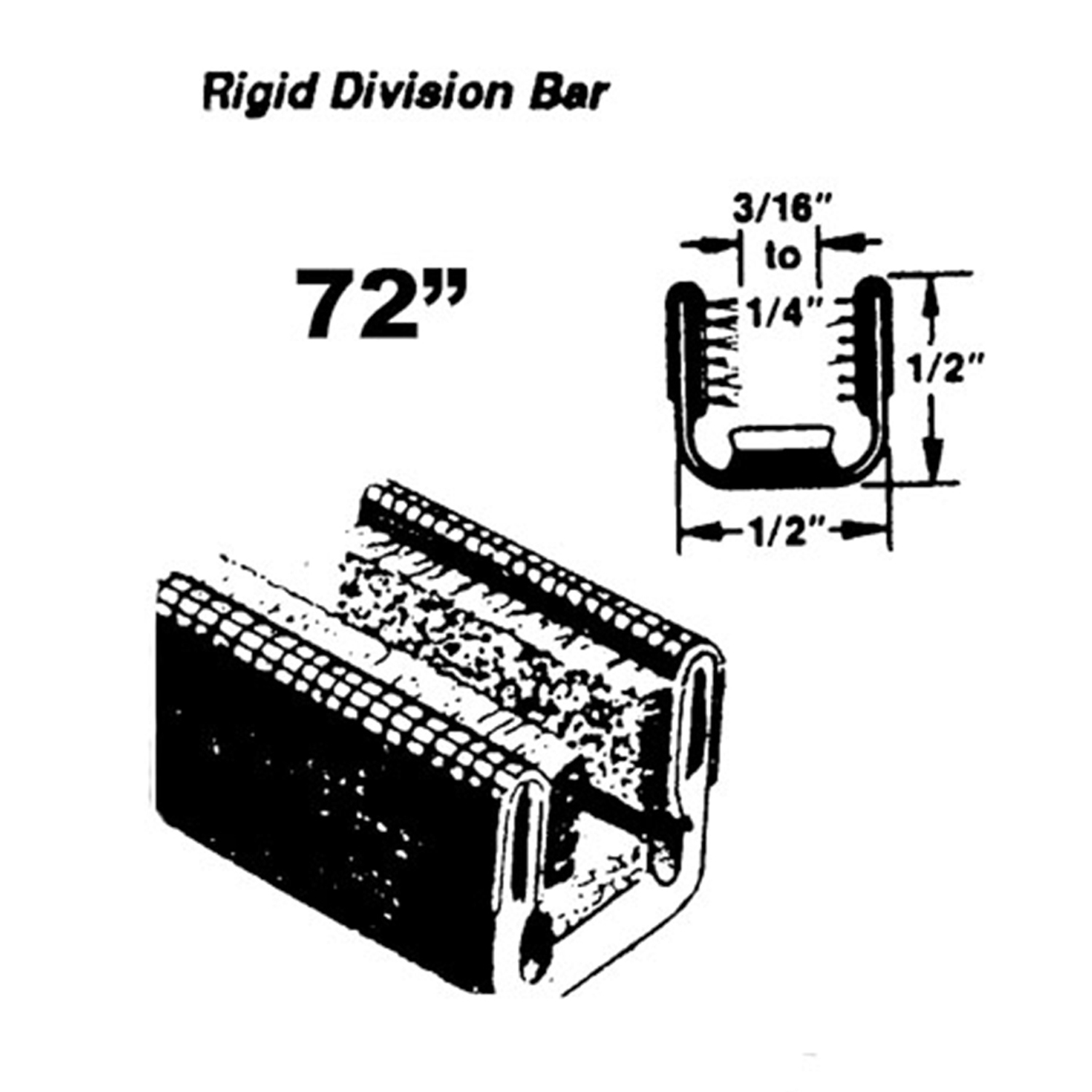 1954 GMC 101-24 Upper and lower rigid division-bar channel-WC 25-72Upper and lower rigid division-bar channel. Unbeaded, pile-lined. 72 in. long. Each. NOTE: $20 special shipping charge applies for domestic orders. Call or email for overseas shipping costs. Part can be sectioned into two equal lengths to reduce overseas shipping costs.
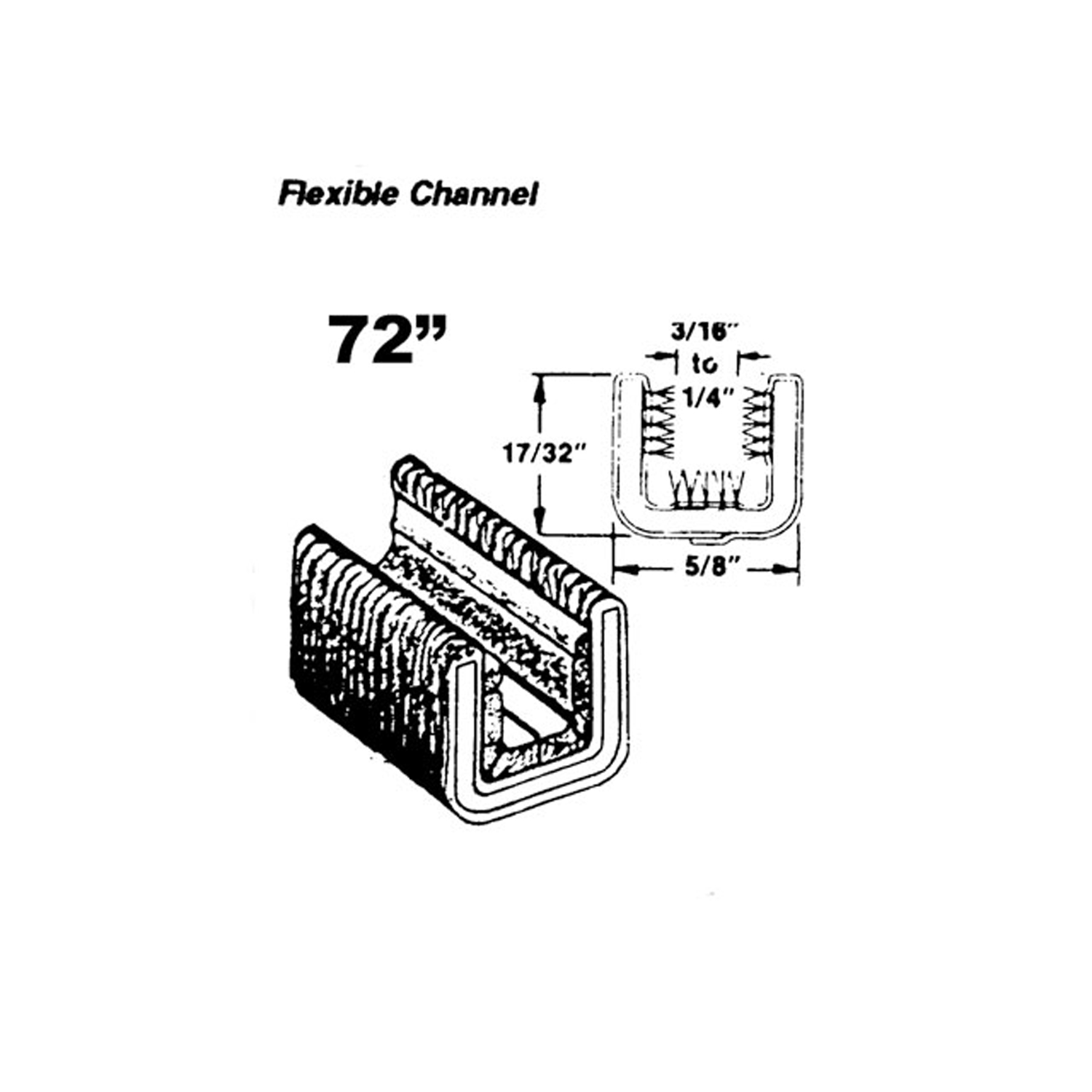 1954 GMC 101-24 Flexible glass-run channel-WC 26-72Flexible glass-run channel. For models without framed side glass. Unbeaded, pile-lined. 72 in. long. Each. NOTE: $20 special shipping charge applies for domestic orders. Call or email for overseas shipping costs. Part can be sectioned into two equal lengths to reduce overseas shipping costs.
 1954 GMC 101-24 Front Vent Window Seals w/ Vertical Division Bars-WR 2000Front Vent Window Seals w/ Vertical Division Bars. Does not fit Sedan Delivery. '55 First Series only. 26-1/4" long, 13-3/4" long. Set of 4
Why Choose Metro?
For over 100 years, Metro Moulded Parts has been the pinnacle of quality in classic car restoration parts. Our commitment to precision and authenticity in every component ensures a perfect fit and an OEM-level appearance.
- Expert Craftsmanship & Quality: Each part is a testament to our dedication to reliability and perfection, crafted from original designs and thoroughly tested.
- Advanced Technology: We use cutting-edge techniques to create flawless, long-lasting parts that surpass others in performance.
- SuperSoft Sponge – The Ultimate Door Seal: Not only are our door seals 30% softer than competitors', but they're also guaranteed to never leak. They effectively reduce wind and road noise, enhancing your classic car's comfort and driving experience.
- Proudly American: Our parts are a product of American craftsmanship, made in the USA with a spirit of excellence and heritage.
- Unrivaled Warranty: We back our products with a 30-year industry-leading warranty, a testament to our confidence in their quality.
Join us in preserving the legacy of classic cars with parts that are crafted for perfection, not just made.