

Image of 1954 Gmc 253-24, Note: These illustrations use artistic license and may differ from actual historical models.
Performance Metrics
Fundamental Metrics
Emotional Appeal
MMP Rating
| Engine Specifications | |
|---|---|
| Engine: | Inline 6 |
| Displacement: | 235 cubic inches |
| Horsepower: | Estimated 112-115 hp |
| Torque: | 212 lb-ft |
| Compression Ratio: | Estimated 7.5:1 |
| Ignition System: | Distributor and coil |
| Cooling System: | Liquid-cooled |
| Performance Specifications | |
| 0-60 Time: | Information not available |
| 1/4 Mile Time: | Information not available |
| Top Speed: | Estimated 70-75 mph |
| Transmission and Drive | |
| Drive Type: | Rear-wheel drive |
| Transmission Type: | 4-speed manual |
| Fuel and Efficiency | |
| Fuel System Type: | Carburetor |
| MPG: | Estimated 10-12 mpg |
| Dimensions and Brakes | |
| Brakes: | Drum brakes |
| Wheelbase: | 125 inches |
| Weight: | Estimated 3,500 lbs |
Note: Specifications for classic cars are given to the best of our ability, considering the limited and variant data available.
1954 GMC 253-24: A Working-Class Classic
The 1954 GMC 253-24 was built for work first and admiration later, yet its rounded cab, purposeful stance, and unmistakable GMC six-cylinder character have made it a sought-after vintage truck. It belongs to GMC’s light-duty truck range, produced by General Motors Truck and Coach, and is generally identified as a 3/4-ton pickup. The 253-24 designation is a model code rather than a special-edition name, so details such as body configuration and equipment should be confirmed against the individual truck’s serial plate.
In 1954, American truck makers were updating practical workhorses with more comfortable cabs and more modern styling. GMC’s revised trucks reflected that shift without abandoning their commercial roots. One notable change associated with the 1954 redesign was a broad, one-piece windshield, which gave the cab a cleaner appearance and improved forward visibility compared with older split-windshield designs.
1954 GMC Styling and Cab Design
The 253-24 wears the soft-edged, rounded styling typical of early-1950s pickups. Its broad hood flows into a substantial front grille, while the curved fenders and upright cab keep the truck looking sturdy rather than sleek. The grille and trim details distinguish GMC’s face from its Chevrolet relatives, even though the two brands shared many underlying components. A long bed, exposed running boards, and simple wheel openings reinforce its practical character.
Inside, the cab is straightforward and durable. Painted metal surfaces, a broad bench seat, simple door panels, and easy-to-read gauges were appropriate to a truck expected to haul materials and spend long days on the road. Comfort is relative by modern standards: sound insulation is limited, the seat offers little adjustment, and the driving position is upright. Still, the large glass area and uncluttered dashboard make the cab feel open and easy to understand.
Factory paint availability depended on configuration and production details. Period GMC trucks appeared in workmanlike solid colors, including shades of red, blue, green, cream, and dark tones. Red and two-tone treatments are especially popular with restorers today, though a correct restoration should follow the truck’s original paint code rather than a modern guess.
The 253-24 is most often encountered as a conventional pickup, but GMC’s broader truck range also included chassis-cab and other commercial configurations. Equipment could vary with the intended job, including bed and wheel options, transmission choices, and heavier-duty running gear. The pickup is the most instantly recognizable version, particularly when fitted with its original-style steel wheels and period-correct bed.
GMC Engineering and Historical Importance
The 1954 GMC matters less as a radical design breakthrough than as a well-developed example of the postwar American truck. Its updated cab and windshield brought a more modern feel to a vehicle still engineered around durability, service access, and useful payload. GMC also maintained a distinct identity through its own truck-engine tradition instead of simply copying every Chevrolet specification.
Many examples used GMC’s overhead-valve inline-six engines, commonly the 228-cubic-inch unit in lighter configurations. Depending on the exact truck and equipment, engine specification and output can differ, so the engine number and original documentation are worth checking. These GMC sixes earned a reputation for sturdy construction and useful low-speed pulling power. The model’s appeal today comes from that combination of honest utility and unmistakable period design.
GMC pickups of this era also helped normalize a more comfortable, enclosed cab for everyday commercial use. They were not luxury vehicles, but better visibility, a more contemporary dashboard, and available convenience equipment made them easier to live with than many earlier work trucks. The 1954 design became part of the bridge between prewar-inspired work vehicles and the more modern pickups that followed.
Performance, Speed, and Road Feel
A 1954 GMC 253-24 is a working truck, not a quick modern pickup. With a typical six-cylinder engine and period gearing, a healthy example might reach roughly 65 to 75 mph under favorable conditions. A 0-to-60-mph time is best treated as an estimate, commonly in the range of about 25 to 35 seconds depending on engine, axle ratio, load, and mechanical condition. These are practical approximations, not guaranteed factory test figures.
Acceleration is deliberate, especially with a load aboard. The engine’s appeal is its steady pull at modest speeds rather than high-revving power. The manual gearbox requires a measured hand, and the steering has the slower response and greater effort expected of a truck from the period. On a smooth road, the ride is firm but composed. Over potholes and broken pavement, the solid axles and leaf springs remind you that the truck was designed to carry cargo.
On winding roads, the GMC rewards a relaxed pace. Its height, narrow tires, and truck-style suspension make it less settled than a modern vehicle, while crosswinds can move it around, especially when empty. From the driver’s seat, the engine provides a familiar, low-pitched six-cylinder rumble, accompanied by tire noise and the mechanical sounds of an older drivetrain. The experience is direct and engaging, but it calls for anticipation rather than abrupt inputs.
Owning and Maintaining a 1954 GMC
These trucks were built for farm work, local deliveries, trades, and general hauling. Today, owners use them as weekend drivers, show vehicles, parade trucks, vintage business displays, and occasional light-duty haulers. A carefully maintained example can still be driven regularly, but modern traffic, highway speeds, and limited safety equipment make it sensible to choose routes and speeds thoughtfully.
Routine maintenance is approachable for an owner with basic mechanical skills. The engine bay is relatively accessible, and many service tasks involve familiar items such as ignition components, fluids, brakes, hoses, and carburetor adjustment. Parts availability is generally good for common wear items and restoration components, although trim, correct sheet metal, and pieces specific to a particular configuration can take more searching.
Age, rather than complexity, is the main reliability challenge. Inspect the frame, cab corners, floor, bed, and inner fenders for corrosion. Check the brakes, steering linkage, cooling system, fuel system, and electrical wiring before regular use. Many surviving trucks have been modified over decades, so verify whether the engine, transmission, rear axle, and 6-volt electrical system are original or have been converted. A well-sorted truck can be dependable for occasional use, but it should not be expected to behave like a contemporary daily driver.
Trivia and Common Criticisms
One appealing piece of GMC history is the brand’s early use of automatic transmissions in light trucks. Hydra-Matic availability in the early 1950s helped distinguish some GMC offerings from more basic work-truck rivals, though transmission equipment varied by model and year. Buyers considering a particular 253-24 should confirm what it originally had rather than assume every truck received the same setup.
There is no widely recognized land-speed or production record attached specifically to the 253-24. Its historical importance is more everyday than headline-grabbing: trucks like this kept farms, small businesses, and local services moving during the postwar boom. Nor is there a dependable published production total for every individual model-code and body combination, making precise rarity claims difficult.
Common criticisms are part of the ownership picture. The cab is noisy, the ride can be bouncy when the truck is empty, braking and handling are modest by modern standards, and highway cruising can feel busy. Some owners also find original parts or correct restoration details challenging to track down. Those drawbacks are balanced by the truck’s straightforward mechanical layout, strong visual presence, and unusually involving driving experience.
Collector Value and Availability
Values depend heavily on condition, originality, documentation, and the quality of any restoration. As a broad current-market estimate, a project truck may sell for around $8,000 to $15,000. A solid, running driver could fall roughly between $18,000 and $30,000, while a high-quality restoration may bring $35,000 to $55,000 or more. Exceptional examples, rare configurations, or trucks with unusually strong provenance can exceed those ranges; heavily modified or incomplete vehicles may fall below them.
The 253-24 is uncommon compared with popular half-ton pickups, but it is not necessarily a one-of-a-kind collector piece. Exact production figures for this model code are difficult to establish from commonly available records. A cautious estimate would put surviving original examples in the hundreds, with total production for the specific configuration plausibly numbering in the low thousands. That is an informed estimate, not a verified factory count.
Values for well-presented vintage pickups have generally benefited from growing interest in classic trucks, but condition and quality matter more than a broad market trend. A correct, rust-free example is likely to remain more desirable than a hastily restored truck, while ordinary drivers may see slower appreciation. Buyers should budget for mechanical sorting and hidden rust, since restoration costs can quickly exceed the price difference between a project and a sound example.
Why the 1954 GMC 253-24 Still Matters
The 1954 GMC 253-24 combines updated postwar styling with the practical engineering of a genuine working truck. Its rounded cab, broad windshield, durable six-cylinder character, and uncomplicated mechanical layout make it appealing to both hands-on owners and classic-truck enthusiasts. Performance is modest, comfort is basic, and preservation takes effort, but that is part of its honest appeal.
More than a collector’s ornament, the 253-24 is a reminder of the trucks that built businesses and carried everyday American life forward. Restored or left with a little work-worn character, it remains a sturdy piece of GMC history with a presence that no modern pickup can quite reproduce.
1954 Gmc 253-24 Catalog of Parts
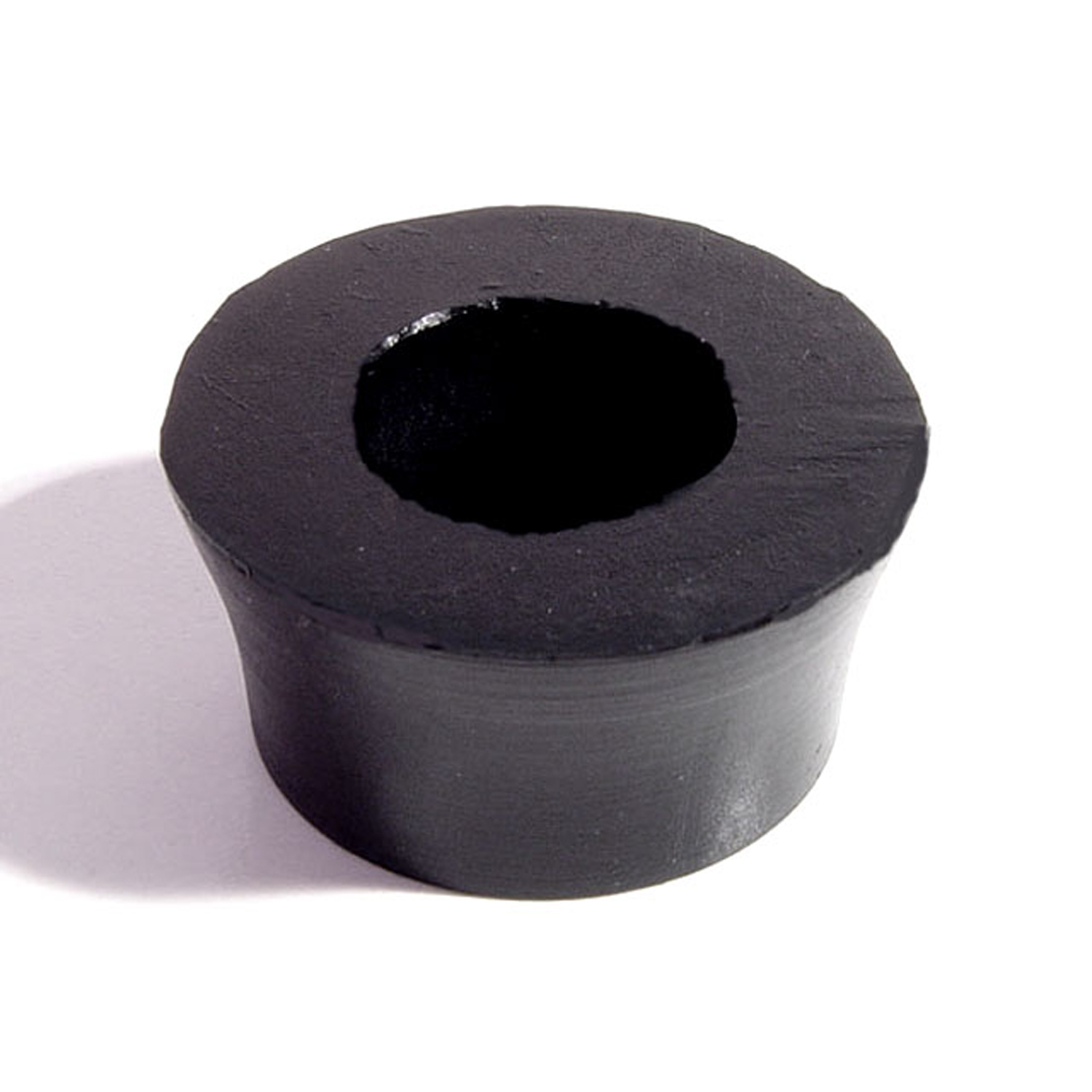 1954 GMC 253-24 Shock Absorber Grommet. 1" bottom O.D., 5/8" high-BN 10Shock Absorber Grommet. 1" bottom O.D., 5/8" high., with 5/8" I.D. Each
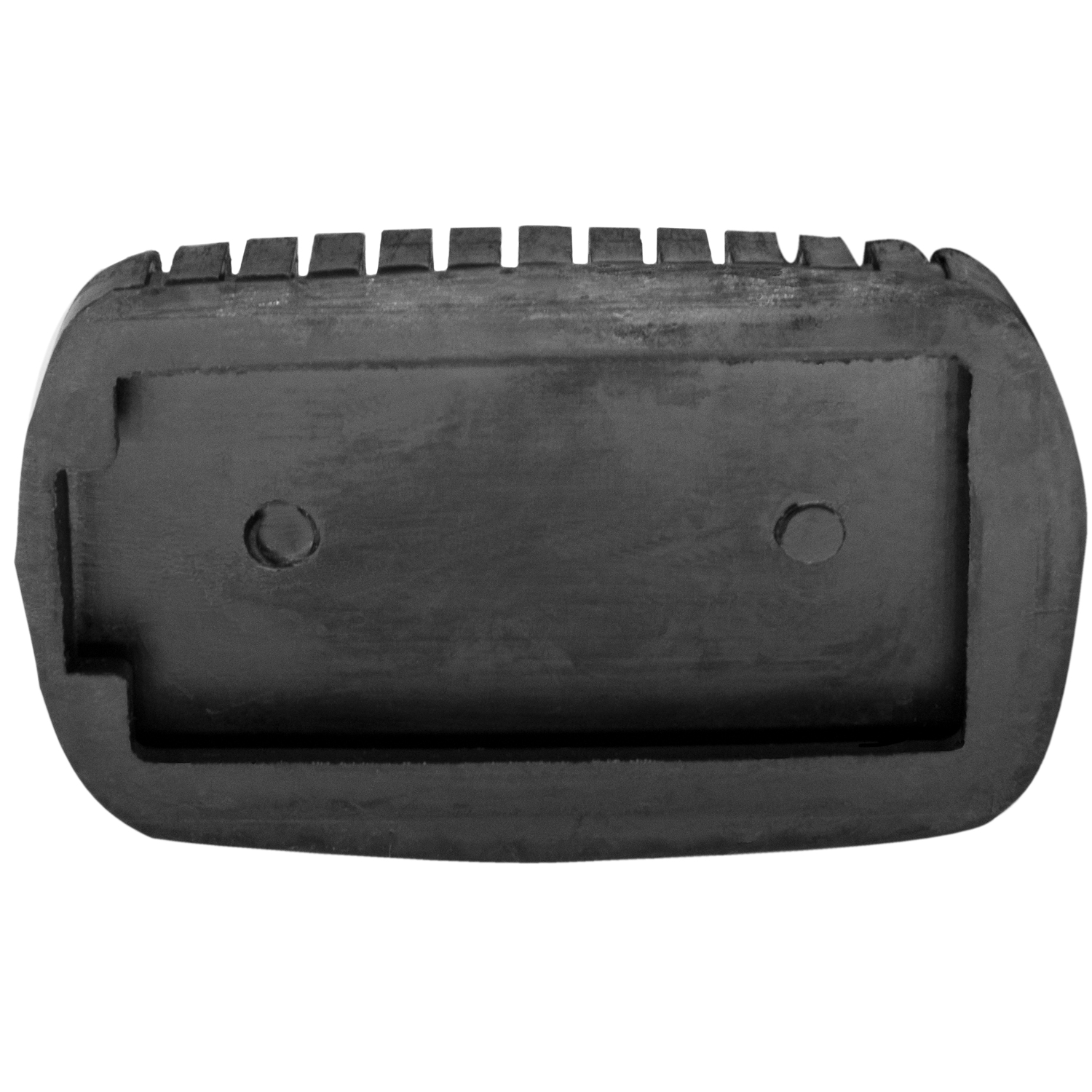 1954 GMC 253-24 Clutch and Brake Pedal Pad. 2-1/2" wide X 3-7/8" long-CB 100-A/EAClutch and Brake Pedal Pad. 2-1/2" wide X 3-7/8" long. Each
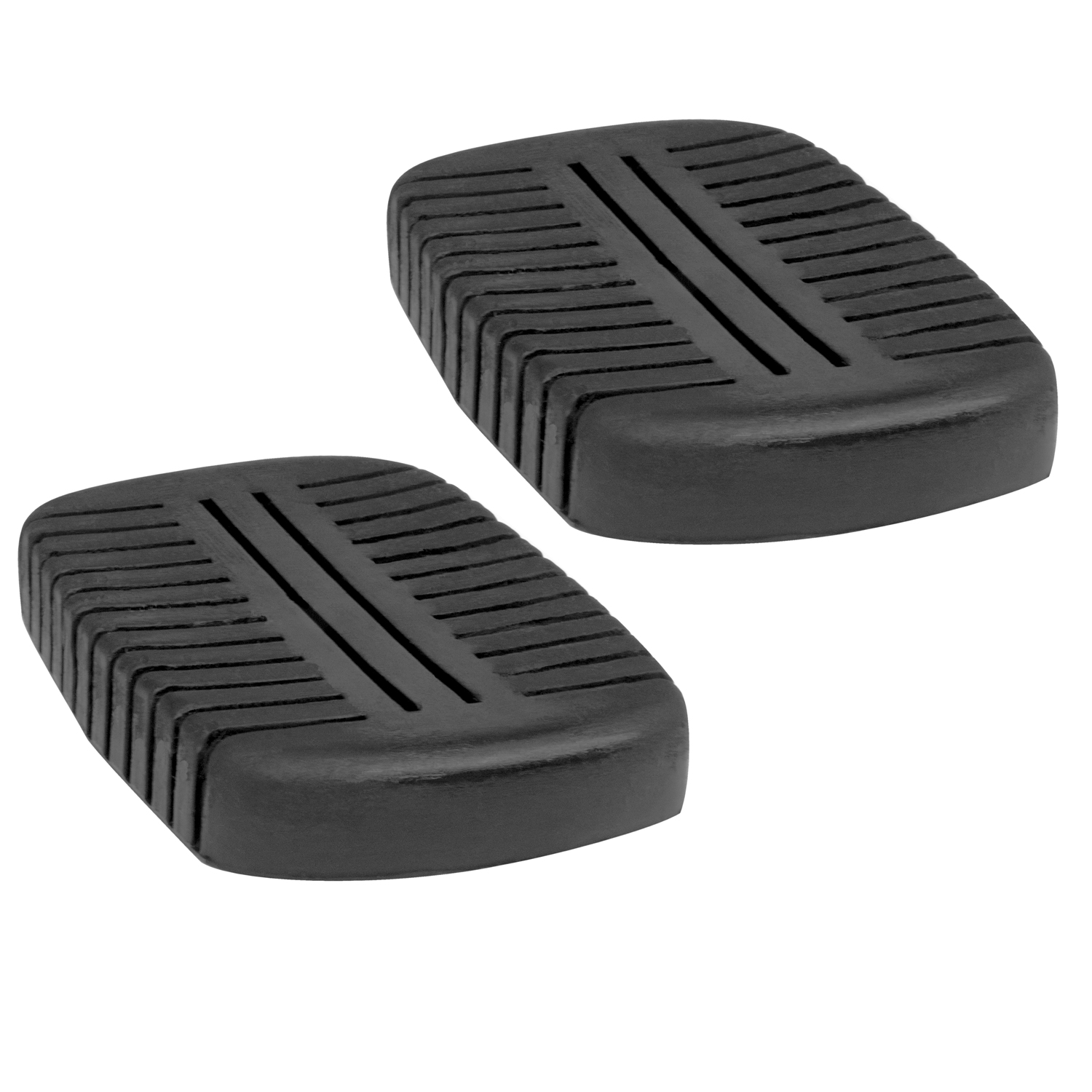 1954 GMC 253-24 Clutch and Brake Pedal Pads. 2-1/2" wide X 3-7/8" long-CB 100-A/PRClutch and Brake Pedal Pads. 2-1/2" wide X 3-7/8" long. Pair
 1954 GMC 253-24 Rear Lower Motor Mount. Two used per vehicle-MM 20-ARear Lower Motor Mount. Two used per vehicle. Replaces OEM #3789949. Each
 1954 GMC 253-24 Cowl Vent Seal. For models with flat-faced cowls-RP 100-KCowl Vent Seal. For models with flat-faced cowls. 4" wide X 16-1/2" long. Each
 1954 GMC 253-24 Cowl Vent Seal. NOT for models with flat-faced cowls-RP 100-NCowl Vent Seal. NOT for models with flat-faced cowls. 3-1/4" wide at side X 16-5/8" long. Each
 1954 GMC 253-24 Seat Adjustment Rod & Anti-Rattle Bumper. Each-SB 66Seat Adjustment Rod & Anti-Rattle Bumper. Each
 1954 GMC 253-24 Cowl Vent Drain Hose. 5/8" I.D., 13/16" O.D., 8" long-VH 101Cowl Vent Drain Hose. 5/8" I.D., 13/16" O.D., 8" long. Replaces OEM #3683557. Each
 1954 GMC 253-24 Flexible Window Scraper. Used on outside side window-WC 24-A 27Flexible Window Scraper. Used on outside side window. Made of all rubber. Two used per vehicle. 7/8" wide X 1/4" high X 27" long. Each
 1954 GMC 253-24 Flexible window scraper. Used on outside side windows-WC 24-A/FTFlexible window scraper. Used on outside side windows. Dense rubber. Two used per vehicle. 7/8 in. wide X 1/4 in. high. Sold by the foot.
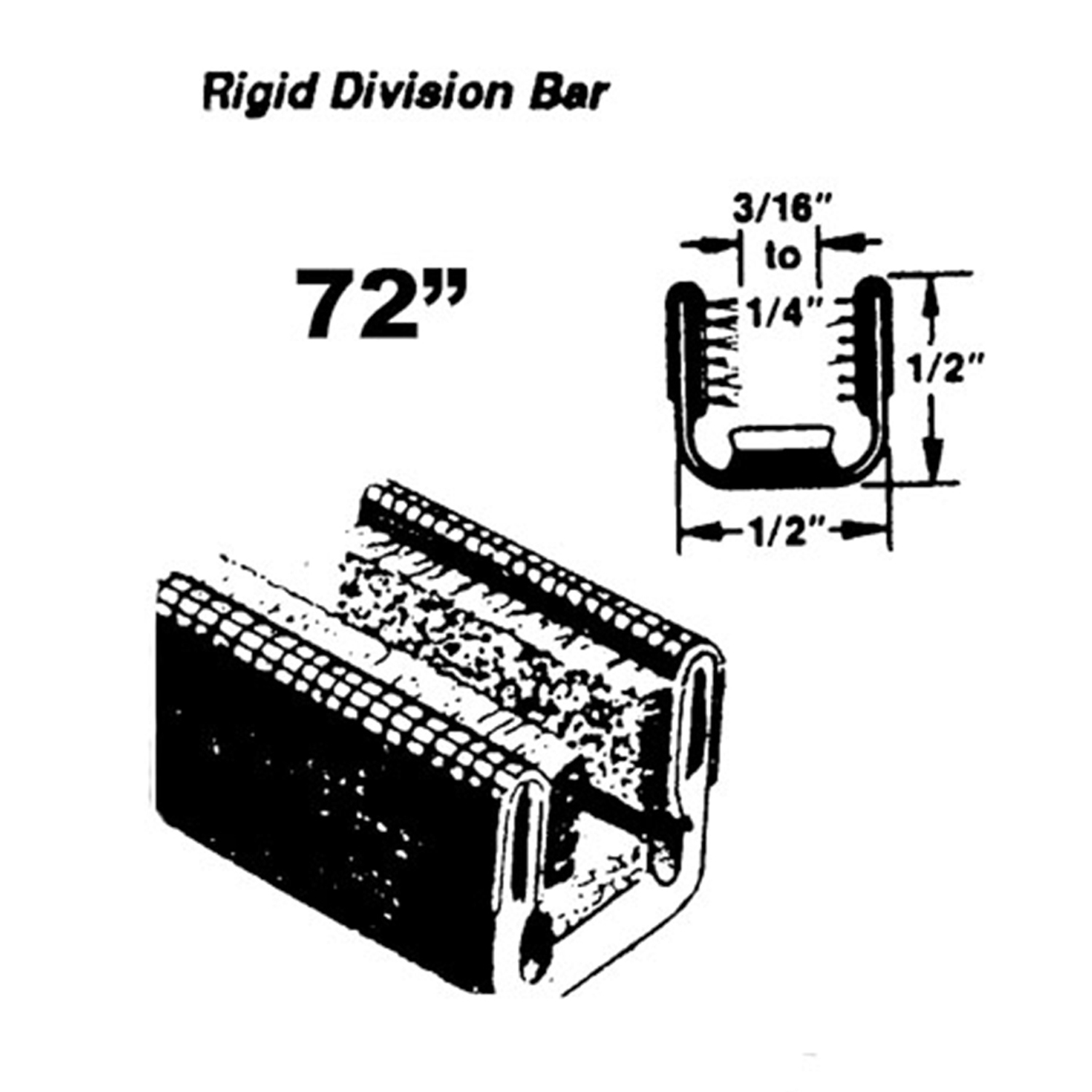 1954 GMC 253-24 Upper and lower rigid division-bar channel-WC 25-72Upper and lower rigid division-bar channel. Unbeaded, pile-lined. 72 in. long. Each. NOTE: $20 special shipping charge applies for domestic orders. Call or email for overseas shipping costs. Part can be sectioned into two equal lengths to reduce overseas shipping costs.
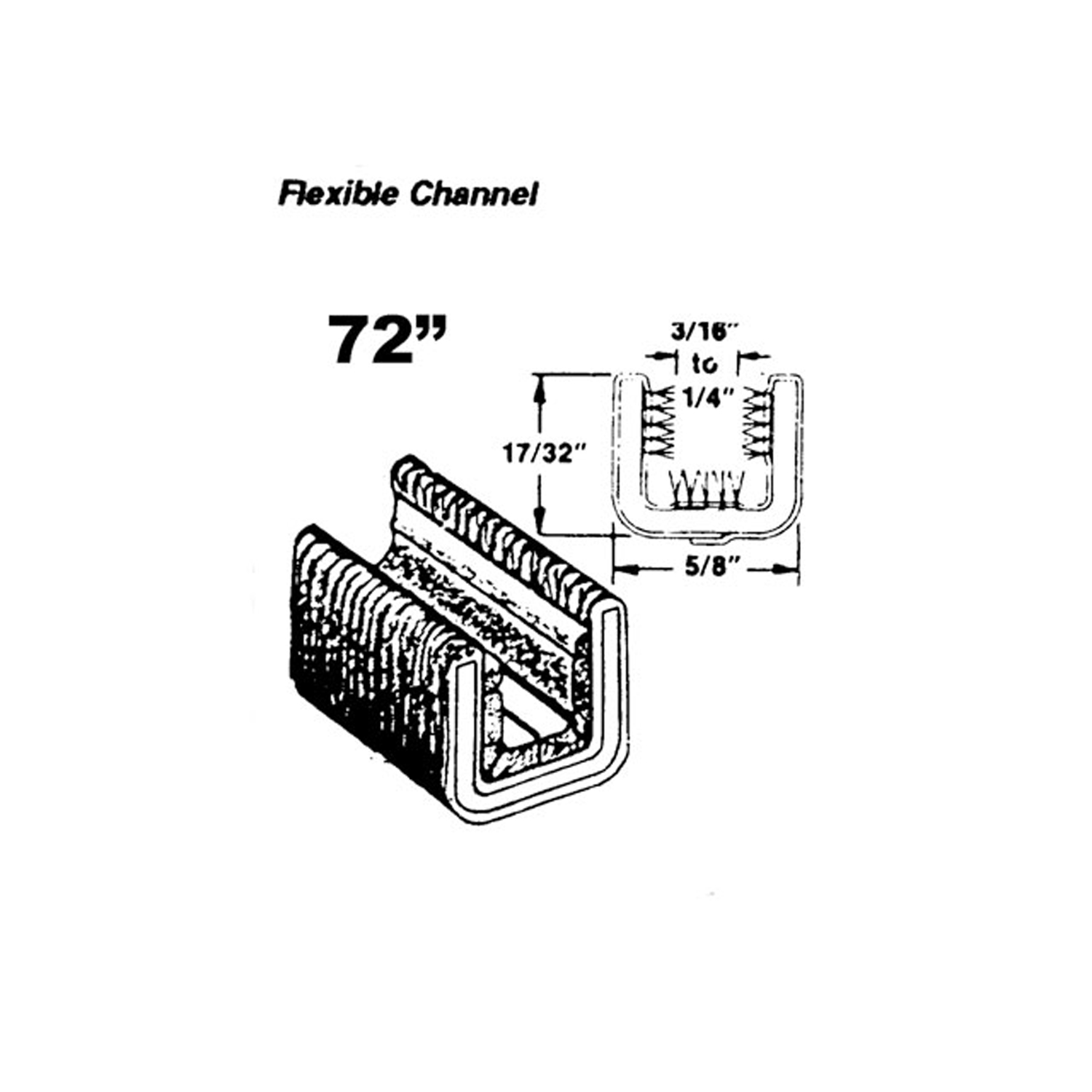 1954 GMC 253-24 Flexible glass-run channel-WC 26-72Flexible glass-run channel. For models without framed side glass. Unbeaded, pile-lined. 72 in. long. Each. NOTE: $20 special shipping charge applies for domestic orders. Call or email for overseas shipping costs. Part can be sectioned into two equal lengths to reduce overseas shipping costs.
 1954 GMC 253-24 Front Vent Window Seals w/ Vertical Division Bars-WR 2000Front Vent Window Seals w/ Vertical Division Bars. Does not fit Sedan Delivery. '55 First Series only. 26-1/4" long, 13-3/4" long. Set of 4
Why Choose Metro?
For over 100 years, Metro Moulded Parts has been the pinnacle of quality in classic car restoration parts. Our commitment to precision and authenticity in every component ensures a perfect fit and an OEM-level appearance.
- Expert Craftsmanship & Quality: Each part is a testament to our dedication to reliability and perfection, crafted from original designs and thoroughly tested.
- Advanced Technology: We use cutting-edge techniques to create flawless, long-lasting parts that surpass others in performance.
- SuperSoft Sponge – The Ultimate Door Seal: Not only are our door seals 30% softer than competitors', but they're also guaranteed to never leak. They effectively reduce wind and road noise, enhancing your classic car's comfort and driving experience.
- Proudly American: Our parts are a product of American craftsmanship, made in the USA with a spirit of excellence and heritage.
- Unrivaled Warranty: We back our products with a 30-year industry-leading warranty, a testament to our confidence in their quality.
Join us in preserving the legacy of classic cars with parts that are crafted for perfection, not just made.