

Image of 1955 Gmc 102-8, Note: These illustrations use artistic license and may differ from actual historical models.
Performance Metrics
Fundamental Metrics
Emotional Appeal
MMP Rating
| Engine Specifications | |
|---|---|
| Engine: | 248.5 cu in (4.1 L) I6, 270 cu in (4.4 L) I6 |
| Displacement: | 248.5 - 270 cu in |
| Horsepower: | 125 - 140 hp |
| Torque: | 210 - 240 lb-ft |
| Compression Ratio: | 7.4:1 |
| Ignition System: | Distributor and coil |
| Cooling System: | Liquid-cooled |
| Performance Specifications | |
| 0-60 Time: | Not available due to the age and type of the vehicle |
| 1/4 Mile Time: | Not available due to the age and type of the vehicle |
| Top Speed: | 70 - 75 mph |
| Transmission and Drive | |
| Drive Type: | Rear-wheel drive |
| Transmission Type: | 3-speed manual, 4-speed manual |
| Fuel and Efficiency | |
| Fuel System Type: | Carburetor |
| MPG: | 10 - 12 mpg |
| Dimensions and Brakes | |
| Brakes: | Drum brakes |
| Wheelbase: | 114 inches |
| Weight: | 3,400 - 3,600 lbs |
Note: Specifications for classic cars are given to the best of our ability, considering the limited and variant data available.
1955 GMC 102-8: A Blue Chip Pickup With a Big Personality
The 1955 GMC 102-8 brings together two sides of classic truck history: the honest, hardworking character of a mid-century pickup and the fresh styling that helped usher in a new era of American trucks. GMC built it as part of its light-duty truck range, and its distinctive front end, sturdy construction, and six-cylinder power have made it a favorite with restorers and vintage-truck fans.
There is one important wrinkle in the name. “102-8” is a model designation rather than a universally used description, and surviving paperwork, market, and body configuration can affect how it is interpreted. It should not be confused with an engine specification. For exact identification, the truck’s serial number, data plate, and period GMC literature are the best references.
1955 was a landmark year for American pickups. GMC, a General Motors truck division, introduced a dramatically revised second-series lineup, often grouped with Chevrolet’s Task Force-era trucks. The new trucks looked lower, wider, and more modern than their predecessors. A particularly intriguing part of the story is that 1955 was a transition year: early first-series trucks and later second-series trucks both carry a 1955 model-year identity, yet their styling and details are markedly different.
Task Force-Era Styling and Cabin Details
The second-series GMC wears a broad, upright grille, rounded front fenders, a sculpted hood, and a substantial chrome bumper. Its cab has a more integrated look than earlier GMCs, with a curved windshield and a wider, more comfortable appearance. Depending on trim and condition, brightwork around the grille and side trim gives the truck a little extra polish without disguising its work-truck roots.
Inside, the design is straightforward and functional. The driver faces a large steering wheel and a simple instrument panel with easy-to-read gauges. The bench seat is broad, and the cab uses painted metal in places where a modern vehicle would have padded trim. Materials were selected for durability rather than luxury: vinyl or cloth upholstery, rubber floor covering, and hard-wearing metal surfaces were typical. A well-restored interior feels period-correct, not plush.
GMC offered practical equipment for the era, including a heater, radio, and other options depending on configuration. The truck’s most notable innovations were less about electronics and more about usability: improved visibility, a more modern cab, and a chassis and powertrain intended for everyday hauling. Buyers could choose different axle ratios, transmissions, and equipment to suit farm, trade, delivery, or personal use.
Factory colors varied by series and year, and restorers should verify paint choices against the truck’s original codes or reliable factory references. Solid colors were common, while two-tone combinations could add a distinctive period look. Red, blue, green, cream, and white shades are popular choices on surviving examples, though a historically correct restoration should follow the specific truck’s documentation rather than assume one color was standard for every 102-8.
The pickup is the most recognizable body style, but GMC’s light-duty range also included chassis-cab and other commercial configurations. Buyers could equip trucks for utility bodies, stake beds, and specialized work. The conventional pickup with its steel cargo box is the iconic version today, especially in short-bed form, but the right body style depends on the vehicle’s original specification.
Why the 1955 GMC Matters
The 1955 redesign helped move the pickup from purely utilitarian equipment toward a vehicle that could also serve as family transportation. The cleaner cab, more integrated bodywork, and more carlike proportions reflected changing expectations among American buyers. GMC retained the rugged mechanical character expected of a working truck while giving its light-duty line a more contemporary presence.
GMC and Chevrolet trucks shared much of their basic engineering under General Motors, but GMC maintained its own grille, badging, and brand identity. That combination of shared mechanicals and distinct styling is part of the model’s appeal: parts and technical knowledge are relatively accessible, while the GMC face gives it a different personality from a Chevrolet of the same era.
The truck did not introduce a single technology that transformed the industry. Its importance lies in the broader shift it represents. The second-series design helped establish the modern-looking pickup as both a work tool and a personal vehicle, a dual role that remains central to the truck market.
Engine, Speed, and Road Manners
Engine and drivetrain details depend on the exact series and build. GMC’s familiar inline-six engines were central to its light-duty truck range, with displacement and output varying by configuration and year. A 270-cubic-inch GMC six is often associated with mid-1950s trucks, but an individual 102-8 should be checked by engine number and factory records before its original powerplant is identified. Some trucks have also been fitted with later GMC engines, Chevrolet small-blocks, or modern drivetrains during their lives.
Period factory specifications and test conditions are not always easy to match to an individual truck, so performance figures are best treated as estimates. A stock, six-cylinder pickup might reach roughly 70 to 80 mph in favorable conditions, while 0 to 60 mph could take around 20 to 30 seconds depending on engine, gearing, transmission, tire size, load, and condition. These are working-truck estimates, not guaranteed figures for every 102-8.
On the road, the GMC rewards a relaxed driving style. Its engine makes useful low-speed torque, but it is not designed for brisk modern traffic or repeated high-speed cruising. The steering is heavier and less precise than a modern pickup’s, and the truck’s solid-axle suspension communicates bumps clearly. A rough road can bring a noticeable bounce, particularly when the bed is empty.
On winding roads, the tall stance and period tires call for smooth inputs. The truck is at its best on back roads, in town, or at an unhurried pace. Behind the wheel, the engine’s mechanical six-cylinder note, the large steering wheel, and the simple controls create a direct, involving experience. There is little isolation between driver and machine, which is part of the charm and part of the learning curve.
Owning and Maintaining a 1955 GMC
Owners use these trucks as weekend drivers, show vehicles, farm and ranch runabouts, and restoration projects. A carefully maintained example can handle local errands and occasional trips, but using one as a modern daily driver takes planning. Braking, lighting, steering, tires, and cooling systems deserve particular attention before regular road use.
Mechanical simplicity is a major ownership advantage. The engine bay is accessible, many systems are straightforward, and a mechanically minded owner can perform routine work with ordinary tools. GMC-specific trim and some body details may take more searching than common service items. Parts availability is generally helped by the truck’s shared GM engineering, but not every Chevrolet component is a direct fit, so confirm compatibility before ordering.
Reliability depends more on condition and maintenance than on age alone. Look for rust in the cab corners, floor, fenders, running boards, and bed. Inspect the frame, steering components, brakes, wiring, and cooling system, and check for signs of poor-quality previous repairs. A tidy truck with sound structure is usually a better buy than a shiny restoration hiding corrosion beneath fresh paint.
Little-Known Details and Common Complaints
The split 1955 model year is the biggest piece of trivia for buyers. A first-series 1955 GMC can look substantially different from a second-series truck, even though both are commonly described as 1955s. That distinction matters when shopping for trim, glass, body panels, and restoration references.
There is no widely recognized speed, sales, or endurance record specifically associated with the 102-8. Its appeal is less about a headline-grabbing achievement than its place in GMC’s postwar truck evolution. Nor is there a dependable, model-specific production total commonly cited for the 102-8. GMC production figures are often reported by broader series or truck categories, making an exact count for this particular designation difficult to establish.
Common criticisms are familiar to anyone who drives a 1950s pickup: slow acceleration, heavy controls, modest braking by modern standards, and a bouncy ride when unloaded. Cab space, noise insulation, and weather sealing also fall short of contemporary expectations. Those shortcomings are part of the period experience, but they should be weighed seriously if the truck will see frequent highway use.
Collector Values and Availability
Values vary sharply with originality, body style, rust, mechanical condition, and restoration quality. As a broad U.S. market estimate, a project or rough driver may sell for about $8,000 to $18,000. A solid, usable example often falls around $20,000 to $35,000, while a high-quality restoration can reach roughly $40,000 to $60,000 or more. Exceptional trucks with documented history, desirable equipment, or especially strong presentation can exceed that range, while major rust or incomplete parts can pull values down.
These figures are market estimates, not a formal appraisal, and local demand can shift them considerably. A custom build may attract a different buyer than an original truck, and restoration costs can exceed the value of the finished vehicle. Recent interest in vintage pickups has generally supported good examples, but values are not guaranteed to rise every year. Condition, provenance, and quality tend to matter more than broad market trends.
The 102-8 is uncommon compared with mass-produced modern pickups, but it is not possible to give a reliable production total for this specific designation. A cautious estimate would place surviving examples in the hundreds or low thousands rather than suggest a precisely documented run. Trucks with original drivetrains, correct trim, and clear histories are harder to find than modified or partially restored examples.
A Distinctive GMC With Working-Truck Roots
The 1955 GMC 102-8 combines mid-century utility with the more confident styling of GMC’s second-series redesign. Its appeal comes from a strong visual identity, accessible mechanicals, and a driving experience that makes no attempt to hide its age. Verify the exact series and equipment before buying, inspect the structure carefully, and budget for thoughtful safety and mechanical upgrades if you plan to drive it regularly.
For collectors, it is more than a handsome old pickup. It is a snapshot of the moment the American truck began to become both a worker and a personal statement, with GMC’s own character stamped into every curve of the grille.
1955 Gmc 102-8 Catalog of Parts
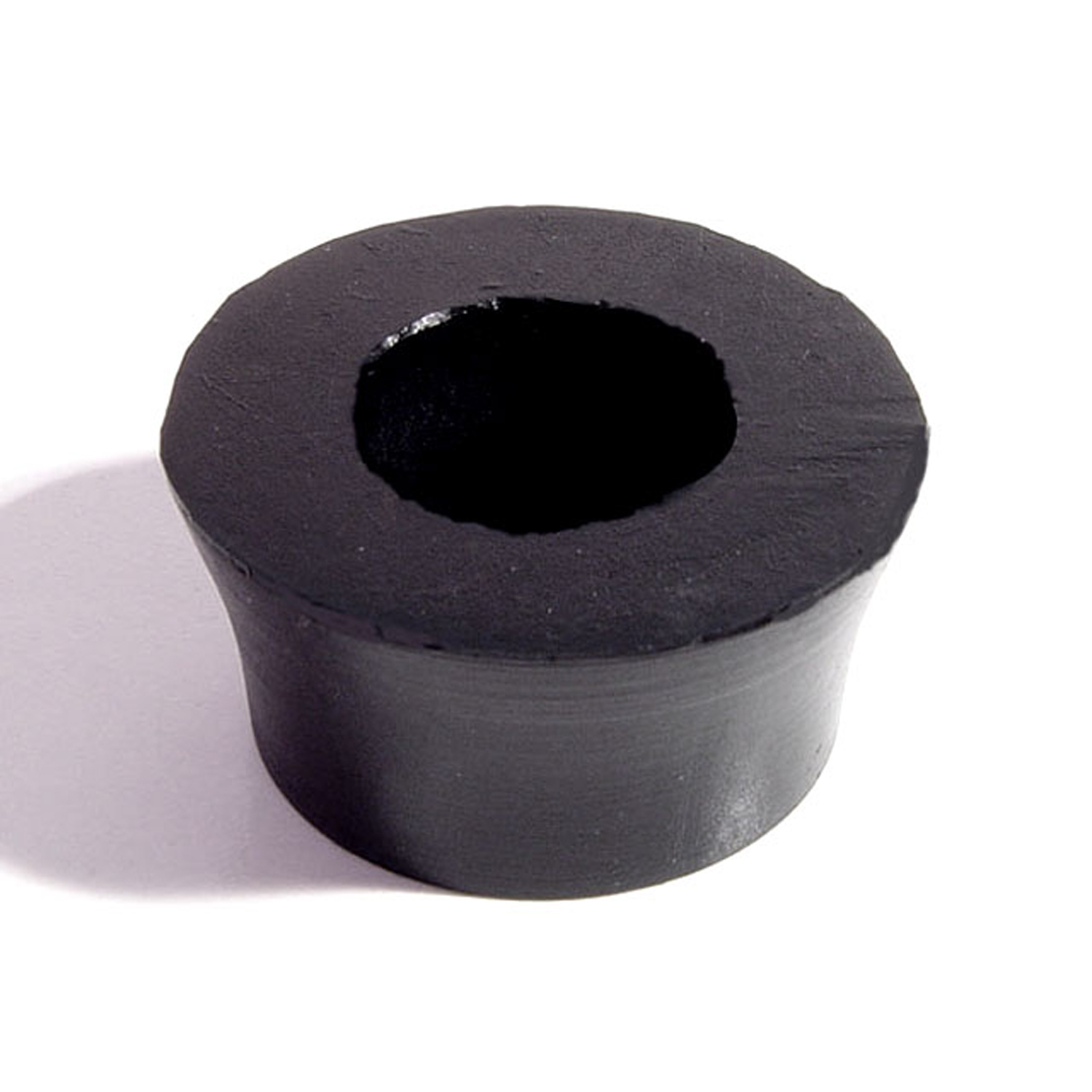 1955 GMC 102-8 Shock Absorber Grommet. 1" bottom O.D., 5/8" high-BN 10Shock Absorber Grommet. 1" bottom O.D., 5/8" high., with 5/8" I.D. Each
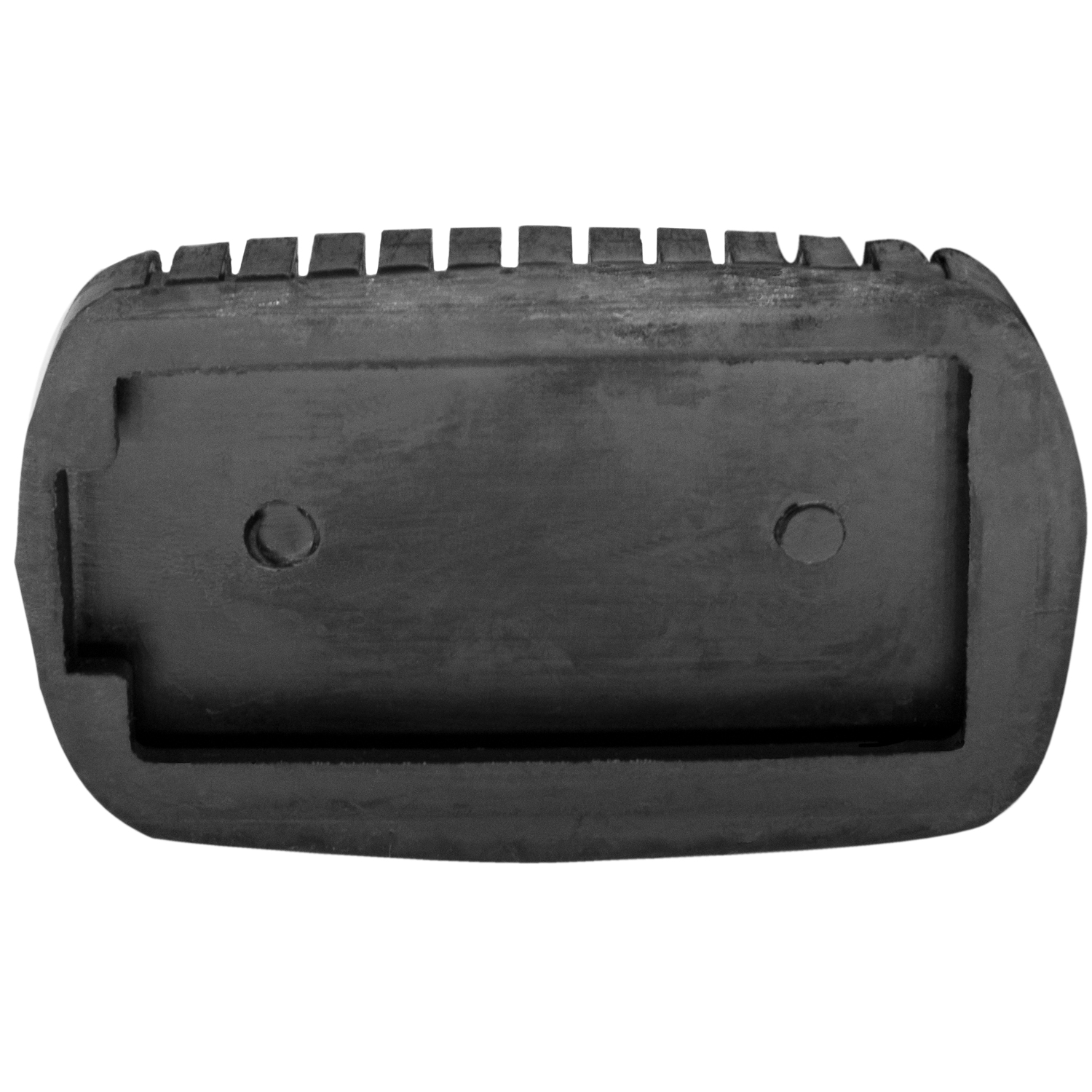 1955 GMC 102-8 Clutch and Brake Pedal Pad. 2-1/2" wide X 3-7/8" long-CB 100-A/EAClutch and Brake Pedal Pad. 2-1/2" wide X 3-7/8" long. Each
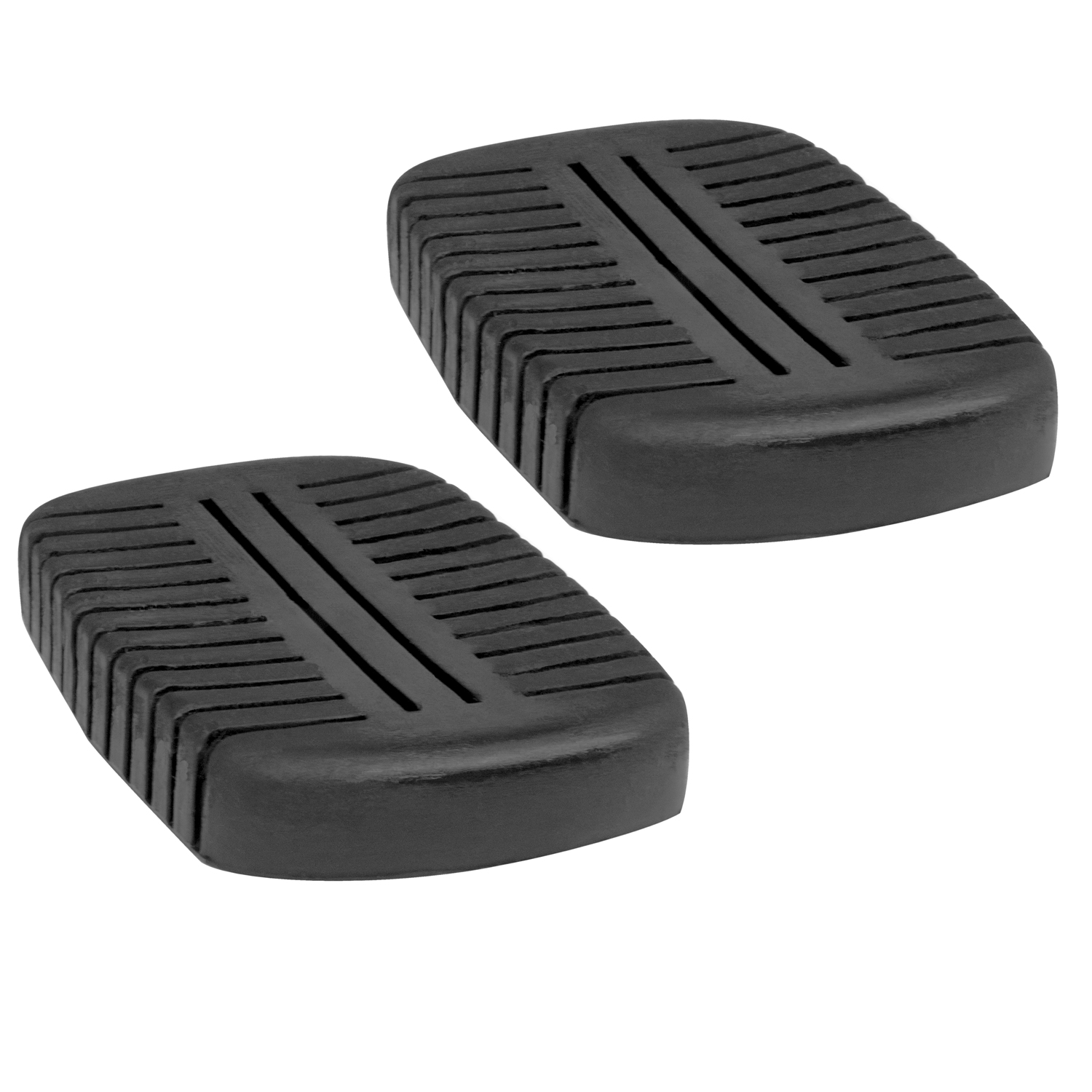 1955 GMC 102-8 Clutch and Brake Pedal Pads. 2-1/2" wide X 3-7/8" long-CB 100-A/PRClutch and Brake Pedal Pads. 2-1/2" wide X 3-7/8" long. Pair
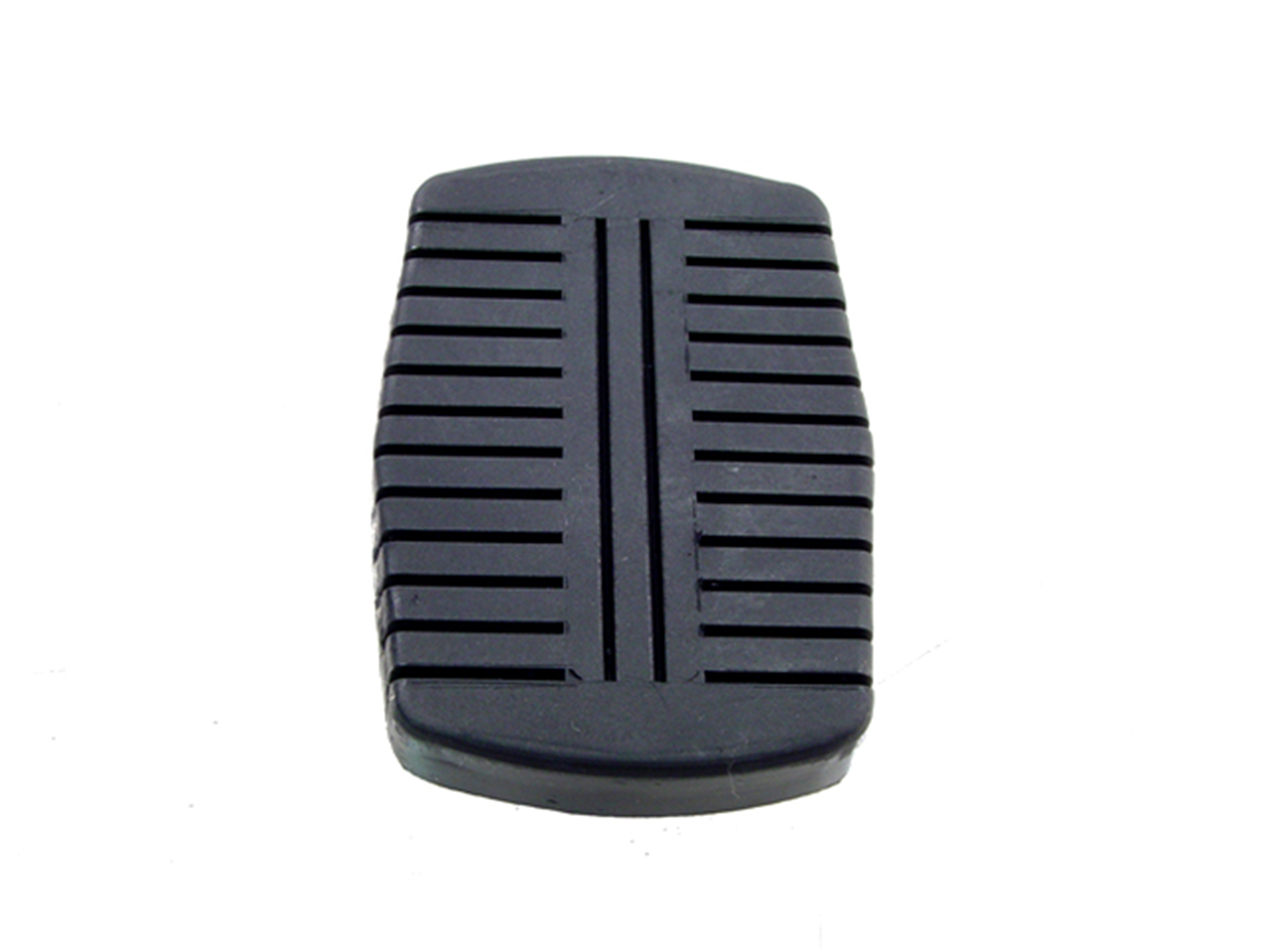 1955 GMC 102-8 Clutch and Brake Pedal Pad. Perfect-CB 100-EACHClutch and Brake Pedal Pad. Perfect. 2-5/8" wide X 3-3/4" long. Each
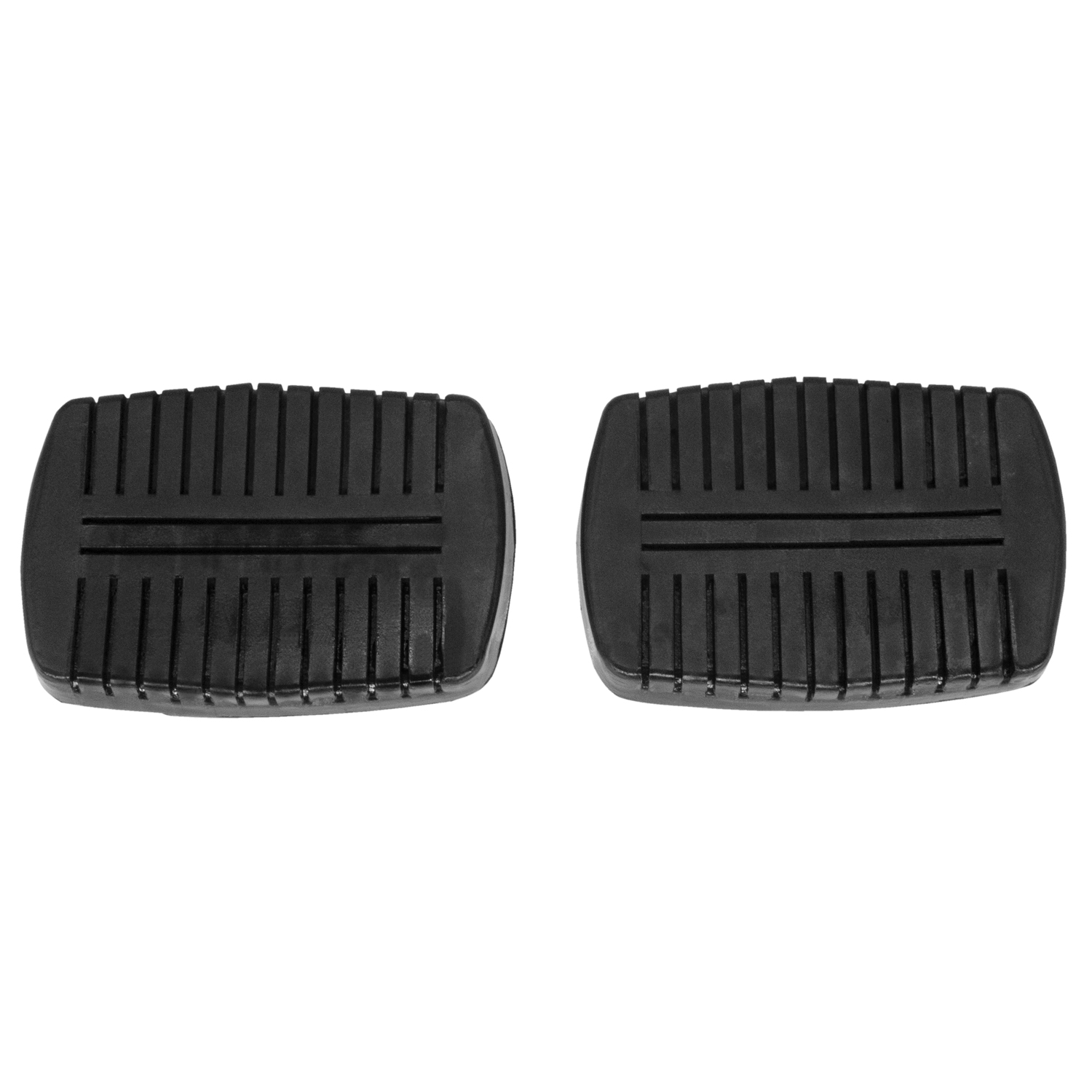 1955 GMC 102-8 Clutch and Brake Pedal Pads. Perfect-CB 100-PAIRClutch and Brake Pedal Pads. Perfect. 2-5/8" wide X 3-3/4" long. Pair
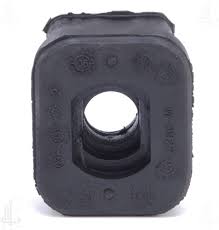 1955 GMC 102-8 Rear Lower Motor Mount. Two used per vehicle-MM 20-ARear Lower Motor Mount. Two used per vehicle. Replaces OEM #3789949. Each
 1955 GMC 102-8 Cowl Vent Seal. For models with flat-faced cowls-RP 100-KCowl Vent Seal. For models with flat-faced cowls. 4" wide X 16-1/2" long. Each
 1955 GMC 102-8 Cowl Vent Seal. NOT for models with flat-faced cowls-RP 100-NCowl Vent Seal. NOT for models with flat-faced cowls. 3-1/4" wide at side X 16-5/8" long. Each
 1955 GMC 102-8 Seat Adjustment Rod & Anti-Rattle Bumper. Each-SB 66Seat Adjustment Rod & Anti-Rattle Bumper. Each
 1955 GMC 102-8 Cowl Vent Drain Hose. 5/8" I.D., 13/16" O.D., 8" long-VH 101Cowl Vent Drain Hose. 5/8" I.D., 13/16" O.D., 8" long. Replaces OEM #3683557. Each
 1955 GMC 102-8 Flexible Window Scraper. Used on outside side window-WC 24-A 27Flexible Window Scraper. Used on outside side window. Made of all rubber. Two used per vehicle. 7/8" wide X 1/4" high X 27" long. Each
 1955 GMC 102-8 Flexible window scraper. Used on outside side windows-WC 24-A/FTFlexible window scraper. Used on outside side windows. Dense rubber. Two used per vehicle. 7/8 in. wide X 1/4 in. high. Sold by the foot.
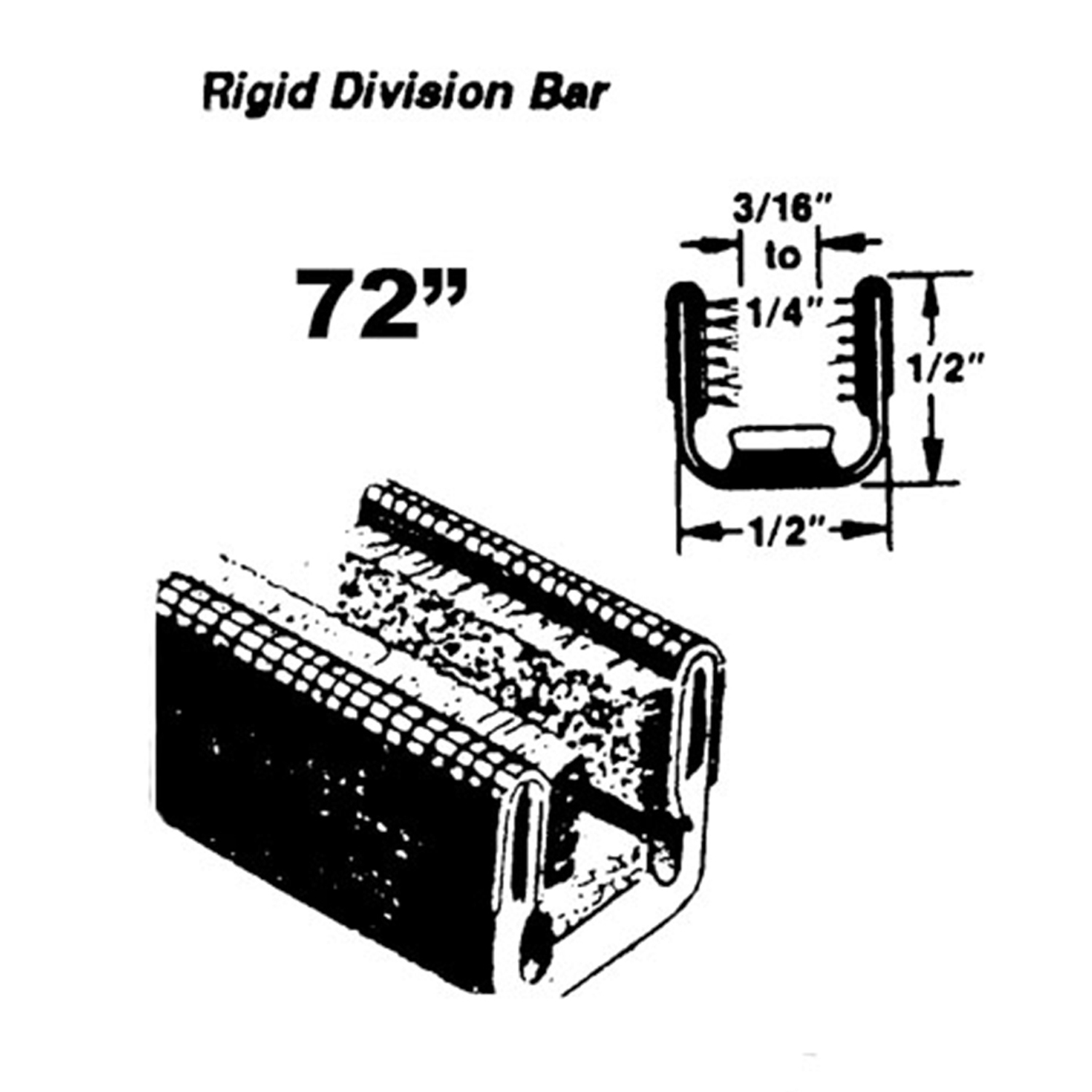 1955 GMC 102-8 Upper and lower rigid division-bar channel-WC 25-72Upper and lower rigid division-bar channel. Unbeaded, pile-lined. 72 in. long. Each. NOTE: $20 special shipping charge applies for domestic orders. Call or email for overseas shipping costs. Part can be sectioned into two equal lengths to reduce overseas shipping costs.
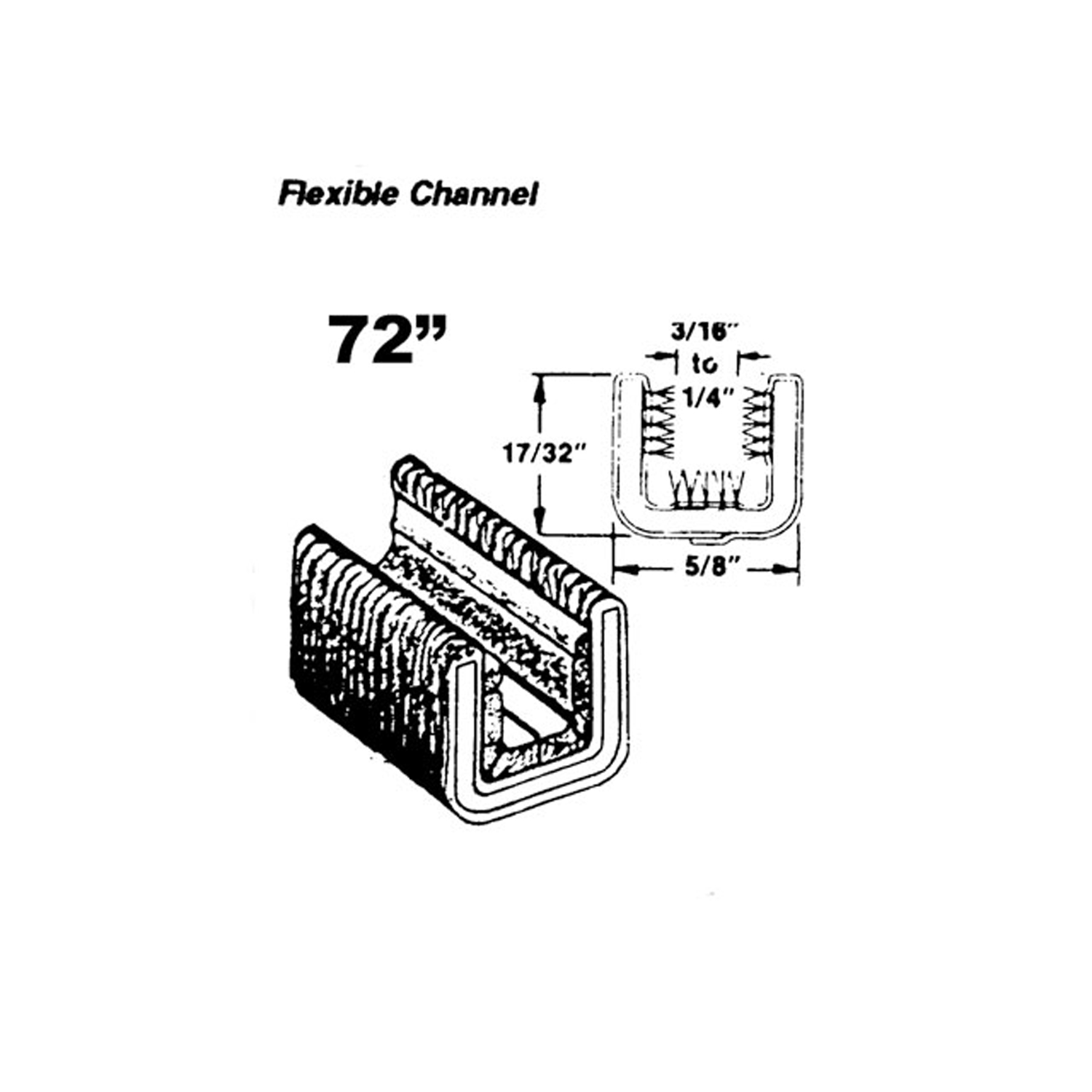 1955 GMC 102-8 Flexible glass-run channel-WC 26-72Flexible glass-run channel. For models without framed side glass. Unbeaded, pile-lined. 72 in. long. Each. NOTE: $20 special shipping charge applies for domestic orders. Call or email for overseas shipping costs. Part can be sectioned into two equal lengths to reduce overseas shipping costs.
 1955 GMC 102-8 Front Vent Window Seals w/ Vertical Division Bars-WR 2000Front Vent Window Seals w/ Vertical Division Bars. Does not fit Sedan Delivery. '55 First Series only. 26-1/4" long, 13-3/4" long. Set of 4
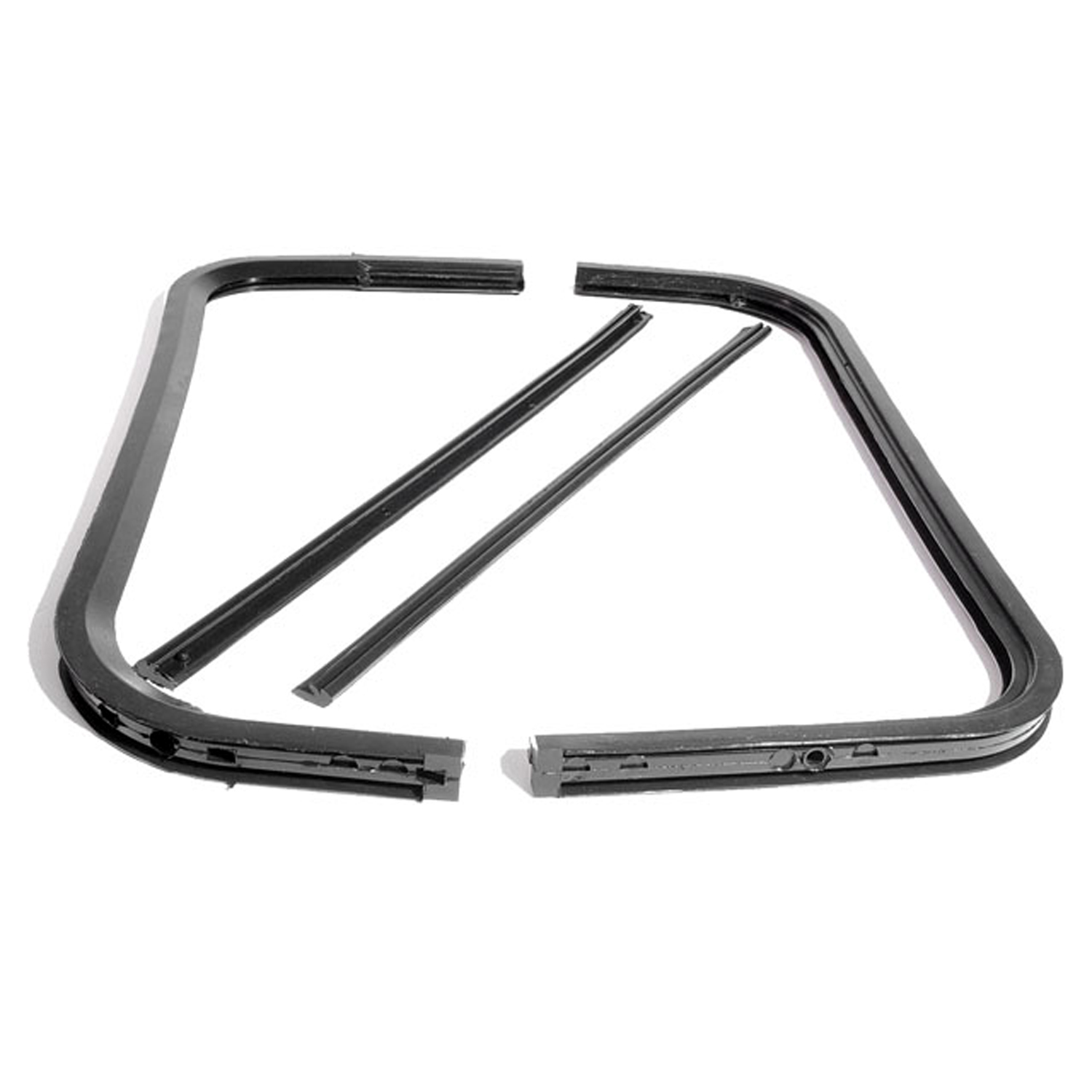 1955 GMC 102-8 Front Vent Window Seals w/ Vertical Division Bar-WR 2007Front Vent Window Seals w/ Vertical Division Bar. 27", 15-3/4". For 2nd series. Pair R&L
Why Choose Metro?
For over 100 years, Metro Moulded Parts has been the pinnacle of quality in classic car restoration parts. Our commitment to precision and authenticity in every component ensures a perfect fit and an OEM-level appearance.
- Expert Craftsmanship & Quality: Each part is a testament to our dedication to reliability and perfection, crafted from original designs and thoroughly tested.
- Advanced Technology: We use cutting-edge techniques to create flawless, long-lasting parts that surpass others in performance.
- SuperSoft Sponge – The Ultimate Door Seal: Not only are our door seals 30% softer than competitors', but they're also guaranteed to never leak. They effectively reduce wind and road noise, enhancing your classic car's comfort and driving experience.
- Proudly American: Our parts are a product of American craftsmanship, made in the USA with a spirit of excellence and heritage.
- Unrivaled Warranty: We back our products with a 30-year industry-leading warranty, a testament to our confidence in their quality.
Join us in preserving the legacy of classic cars with parts that are crafted for perfection, not just made.