

Image of 1956 Gmc 101, Note: These illustrations use artistic license and may differ from actual historical models.
Performance Metrics
Fundamental Metrics
Emotional Appeal
MMP Rating
| Engine Specifications | |
|---|---|
| Engine: | 248 CID I6, 270 CID I6 |
| Displacement: | 248-270 cubic inches |
| Horsepower: | 125-140 hp |
| Torque: | Estimated 210-220 lb-ft |
| Compression Ratio: | 7.4:1 |
| Ignition System: | Distributor and coil |
| Cooling System: | Liquid-cooled |
| Performance Specifications | |
| 0-60 Time: | Information not available |
| 1/4 Mile Time: | Information not available |
| Top Speed: | Estimated 70-75 mph |
| Transmission and Drive | |
| Drive Type: | Rear-wheel drive |
| Transmission Type: | 3-speed manual, 4-speed manual |
| Fuel and Efficiency | |
| Fuel System Type: | Carburetor |
| MPG: | Estimated 10-12 mpg |
| Dimensions and Brakes | |
| Brakes: | Drum brakes |
| Wheelbase: | 114 inches |
| Weight: | 3,400-3,600 lbs |
Note: Specifications for classic cars are given to the best of our ability, considering the limited and variant data available.
1956 GMC 101: A Blue Chip Pickup With Serious Character
The 1956 GMC 101 is a handsome reminder that a pickup could be a hardworking tool and a stylish piece of machinery at the same time. Built by GMC, General Motors’ truck-focused division, it belongs to the second-generation “Blue Chip” trucks, a family introduced in the mid-1950s with more modern styling, improved comfort, and a growing choice of engines and equipment.
One detail worth clearing up for buyers and researchers: “GMC 101” can be used as shorthand in listings, while original GMC model identification often includes additional numbers that specify the truck’s configuration. The exact interpretation can depend on the data plate and the vehicle’s paperwork. Check those details before ordering parts or judging a truck’s originality.
In 1956, pickups were becoming more than bare-bones farm and work vehicles. The GMC offered a more inviting cab and a bolder appearance, while still being built for hauling, job-site duty, and daily use. A particularly intriguing feature of the year was the optional 316-cubic-inch V8, giving buyers a substantial alternative to GMC’s familiar inline-six.
Blue Chip Styling and Cab Details
The 1956 GMC wears the confident, upright look of a mid-century American truck. Its broad hood, rounded front fenders, prominent grille, and substantial bumper give it a sturdy stance. The large, wraparound windshield helps open up the cab visually, while the clean body sides and defined wheel openings keep the design from feeling overly ornate. It looks purposeful, but there is enough chrome and bright trim to make it stand out at a show.
Inside, the GMC is straightforward and work-oriented. The dashboard places the main gauges and controls within easy reach, and the broad bench seat gives the cab a practical, welcoming feel. Materials were chosen for durability rather than luxury: painted metal, sturdy upholstery, and hard-wearing trim. Compared with a modern pickup, the cabin is simple and exposed, but that simplicity is part of its appeal. A well-preserved example feels honest rather than fussy.
Equipment varied with the truck’s original specification and options. Buyers could choose items such as a heater, radio, upgraded trim, and different transmission arrangements. These were not modern convenience packages, but they could make a real difference in cold-weather use or on long drives. Original equipment and precise option availability should be confirmed against the truck’s build information, since surviving trucks have often been modified.
Factory paint choices and two-tone treatments gave GMC buyers room to personalize their trucks. Color availability depended on the year, body, and ordering details, so a specific truck’s original color is best verified through its paint codes or documentation. Today, period-style two-tone combinations are especially popular, while strong single colors can look just as striking against the GMC’s chrome grille and brightwork.
The 100-series trucks were available in pickup configurations, with bed and wheelbase choices depending on the exact model. GMC also offered commercial configurations across its broader truck range, including chassis-cab setups for specialized bodies. For most collectors, the classic pickup is the image that comes to mind: a regular cab with a conventional bed, especially in a well-preserved short-wheelbase configuration.
Why the 1956 GMC Matters
The 1956 GMC did not invent the modern pickup, but it reflects an important shift in what buyers expected from one. Styling became a bigger part of the truck’s identity, and comfort and engine choice mattered alongside payload and durability. The Blue Chip generation helped establish the pickup as a vehicle that could serve at work during the week and still look at home in a family driveway or on a weekend trip.
GMC also gave buyers a distinct alternative to Chevrolet, even though the two brands shared many General Motors components and aspects of their basic truck architecture. GMC’s engine offerings and brand positioning helped it maintain a separate identity. The available 316 V8, in particular, gave the 1956 lineup a notable performance option for drivers who wanted more than the standard six-cylinder’s dependable, steady pace.
Its lasting influence is less about one revolutionary feature than a combination of qualities: recognizable styling, a usable cab, and a range of configurations that could suit both private owners and businesses. That mix is why the truck remains appealing to restorers, hot-rodders, and collectors.
Engines, Speed, and Road Manners
The standard engine was GMC’s 270-cubic-inch inline-six, known for straightforward construction and useful low-speed pulling power. A 316-cubic-inch V8 was also available for 1956, depending on configuration. Period specifications and output figures can vary by source and exact engine setup, so an engine’s identification numbers and original truck records are the best guide when evaluating a particular example.
GMC’s 1950s pickups were offered with manual transmissions, and transmission availability could vary by model and options. Some trucks were also equipped with an automatic transmission. As with the engines, verify what a specific truck was built with rather than assuming every 1956 GMC had the same drivetrain.
Factory acceleration and top-speed figures for an individual 101 configuration are not consistently documented. As a practical estimate, a sound six-cylinder truck is likely to take roughly 20 to 25 seconds to reach 60 mph, while a V8-equipped example may be quicker. Depending on gearing, tire size, engine condition, and load, a truck might manage around 70 to 80 mph. These are broad estimates, not guaranteed factory figures, and sustained high-speed driving is not what the original chassis was designed for.
Behind the wheel, the GMC feels unmistakably vintage. The inline-six produces a steady mechanical hum, while the V8 adds a deeper, more assertive note. Steering is comparatively heavy and less precise than modern rack-and-pinion systems, and the ride can be bouncy over broken pavement, particularly when the truck is unloaded. On winding roads, it rewards a measured pace rather than quick inputs. The driver sits upright, works a large steering wheel, and feels closely connected to the truck’s mechanical rhythm.
On a smooth road, a properly maintained example can be enjoyable at sensible speeds. On rough surfaces, its sturdy suspension and truck-style tires make their presence known. Braking performance, handling, and ride quality depend greatly on the condition of the suspension, tires, steering components, and brakes, all of which deserve careful inspection on a truck this old.
Living With a 1956 GMC
Owners use these trucks as weekend drivers, show vehicles, farm and ranch runabouts, and restoration projects. Some are modified with updated brakes, steering, or engines for more regular use. A stock truck is best appreciated as a classic rather than as a modern daily driver: it lacks contemporary crash protection, refinement, and high-speed stability.
The mechanical layout is generally accessible, making routine work manageable for an owner with basic tools and repair experience. The inline-six is especially appealing to those who value simple maintenance and a less complicated engine bay. Age is the larger challenge. Fuel systems, wiring, cooling components, brake hydraulics, rubber parts, and decades-old repairs can all demand attention. Rust in the cab, floor, cab corners, bed, and frame areas can also turn a modest project into a major restoration.
Parts support is reasonable for common service items and restoration components, though original trim, correct GMC-specific details, and scarce body pieces may take more searching. Before buying, look beyond fresh paint. Inspect the frame, cab mounts, floor, doors, glass, drivetrain, and title history, and check whether the truck’s major components match its claimed year and specification.
Facts, Myths, and Buyer Cautions
The “Blue Chip” name was GMC’s own marketing language, intended to suggest quality and dependable value. The 1956 pickup’s appeal today comes from its combination of practical roots and period style, rather than from a single famous racing victory or speed record. It was built as a useful truck, not as a record-breaking performance vehicle.
There is no dependable, widely cited production total specifically for trucks described as “1956 GMC 101.” GMC production records are generally discussed across broader model or series groupings, and the 101 wording may not identify one uniform body and drivetrain combination. It is safer to describe the truck as uncommon compared with mass-produced modern pickups than to assign it a precise production number without a model-specific source.
Common criticisms are familiar to anyone who drives a 1950s truck: slow acceleration, heavy steering, modest braking by modern standards, and a firm or unsettled ride when the bed is empty. Original trucks may also need substantial work before they are dependable on the road. Those drawbacks are part of the period experience, but they are also reasons to avoid treating a worn example as a trouble-free daily driver.
Collector Values and Market Outlook
Values vary widely according to rust, originality, engine, body style, restoration quality, and documentation. As a broad 2026 U.S. market estimate, a project truck might sell for about $8,000 to $15,000. A usable driver in decent condition could fall around $18,000 to $32,000, while a well-restored, highly presentable example may bring roughly $35,000 to $60,000 or more. Exceptional restorations and especially desirable, well-documented trucks can exceed that range, but condition and buyer demand matter more than an optimistic asking price.
These are estimates, not a formal appraisal. Regional markets, shipping costs, originality, and the quality of restoration can shift the result considerably. A correctly documented truck with sound metal and a well-executed restoration is generally easier to sell than one with extensive cosmetic work hiding structural problems.
Like many classic pickups, the 1956 GMC has benefited from continuing interest in vintage trucks. Prices have generally strengthened for clean examples, though the market is selective: rough projects can remain affordable while top-quality restorations command a premium. The 101’s availability is limited compared with common later pickups, but it is not so rare that every example should be treated as an investment-grade collectible. Buy the best truck you can afford, and budget realistically for upkeep.
A Classic GMC With Workday Roots
The 1956 GMC 101 combines Blue Chip-era styling, a practical cab, and the choice of a dependable inline-six or a period V8. It is not fast by modern standards, and it asks its driver to accept old-fashioned steering, braking, and ride qualities. In return, it offers mechanical character, approachable design, and the satisfaction of driving a truck built for real work.
For collectors, restorers, and anyone drawn to the honest charm of mid-century pickups, the 1956 GMC remains a memorable choice: a working truck whose style has only grown more distinctive with time.
1956 Gmc 101 Catalog of Parts
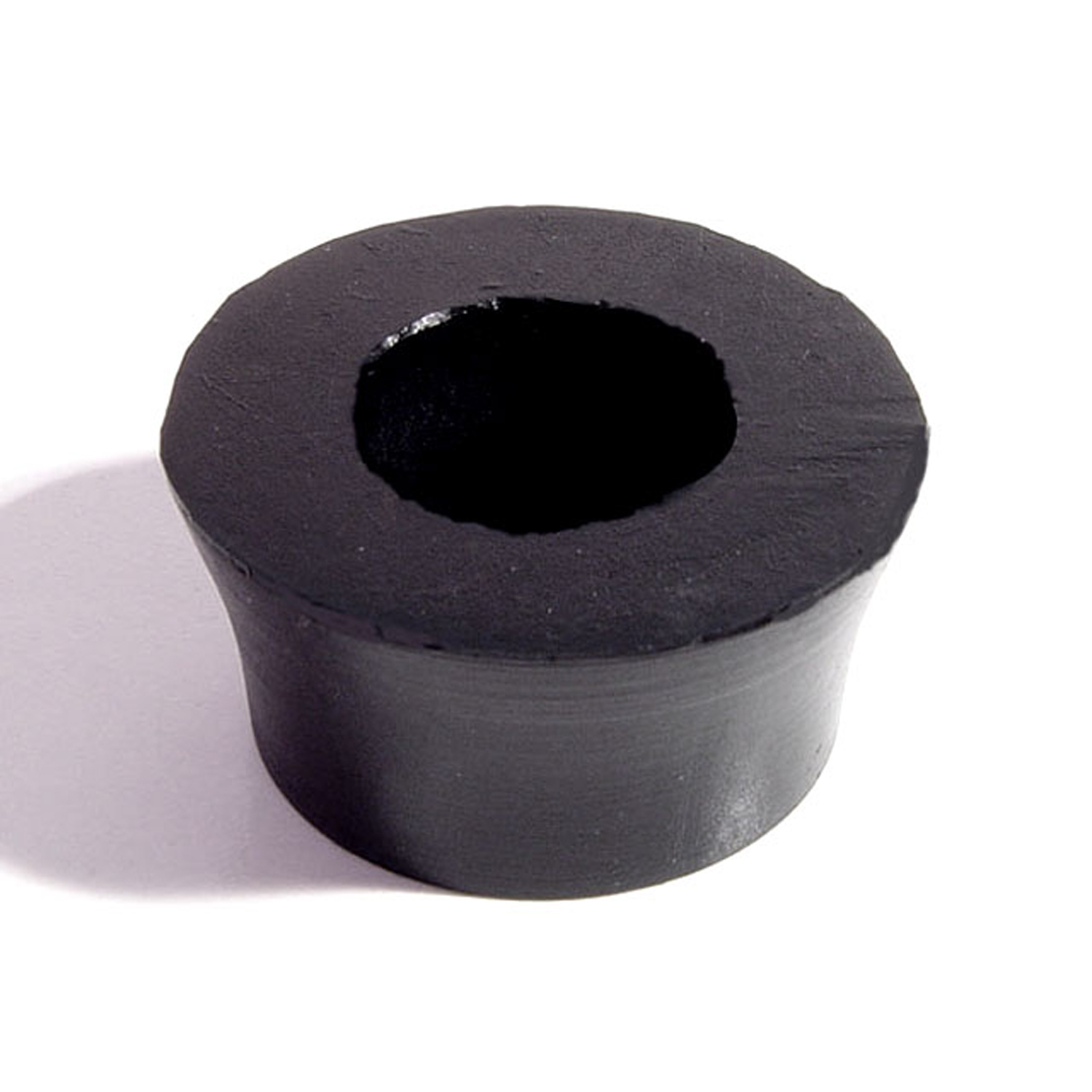 1956 GMC 101 Shock Absorber Grommet. 1" bottom O.D., 5/8" high-BN 10Shock Absorber Grommet. 1" bottom O.D., 5/8" high., with 5/8" I.D. Each
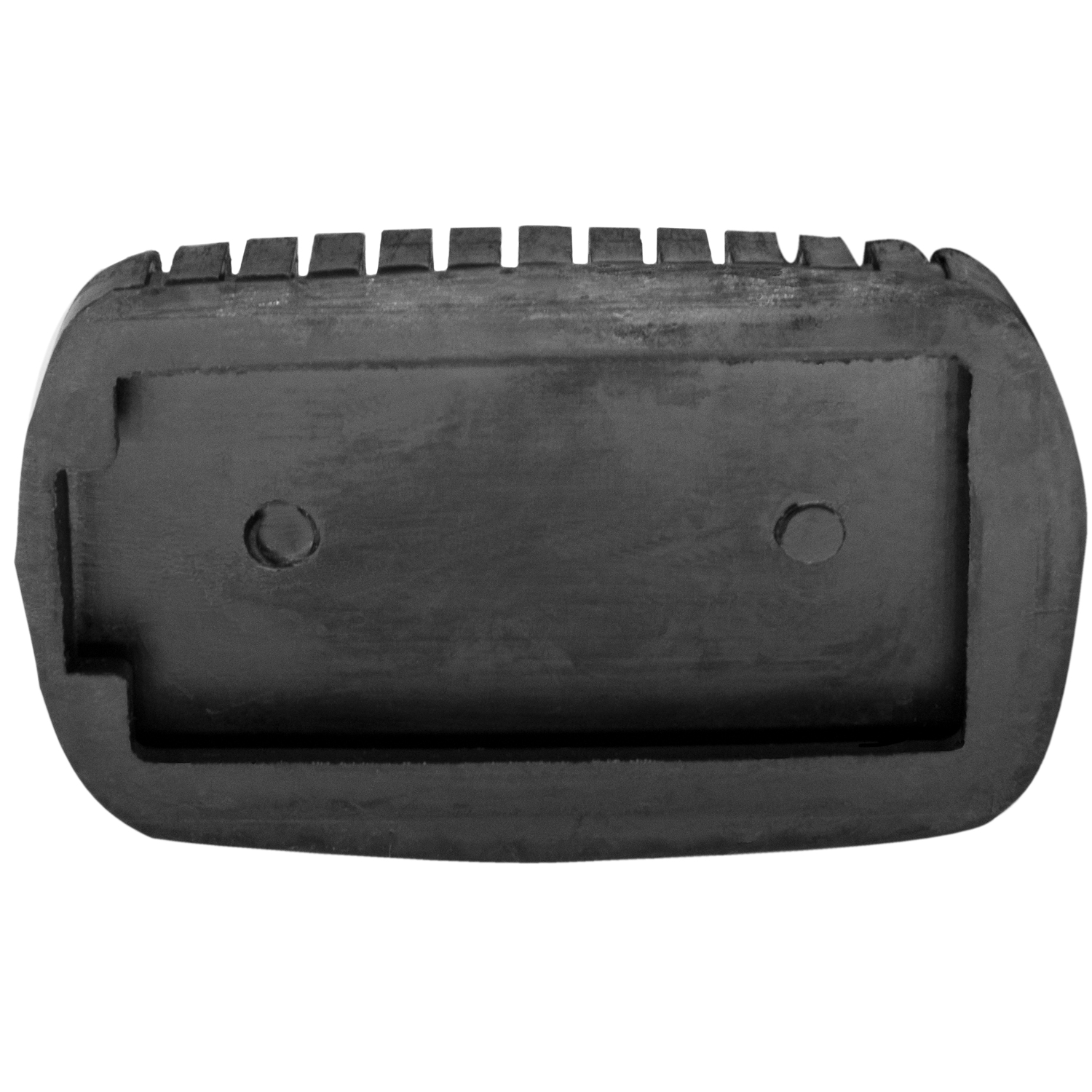 1956 GMC 101 Clutch and Brake Pedal Pad. 2-1/2" wide X 3-7/8" long-CB 100-A/EAClutch and Brake Pedal Pad. 2-1/2" wide X 3-7/8" long. Each
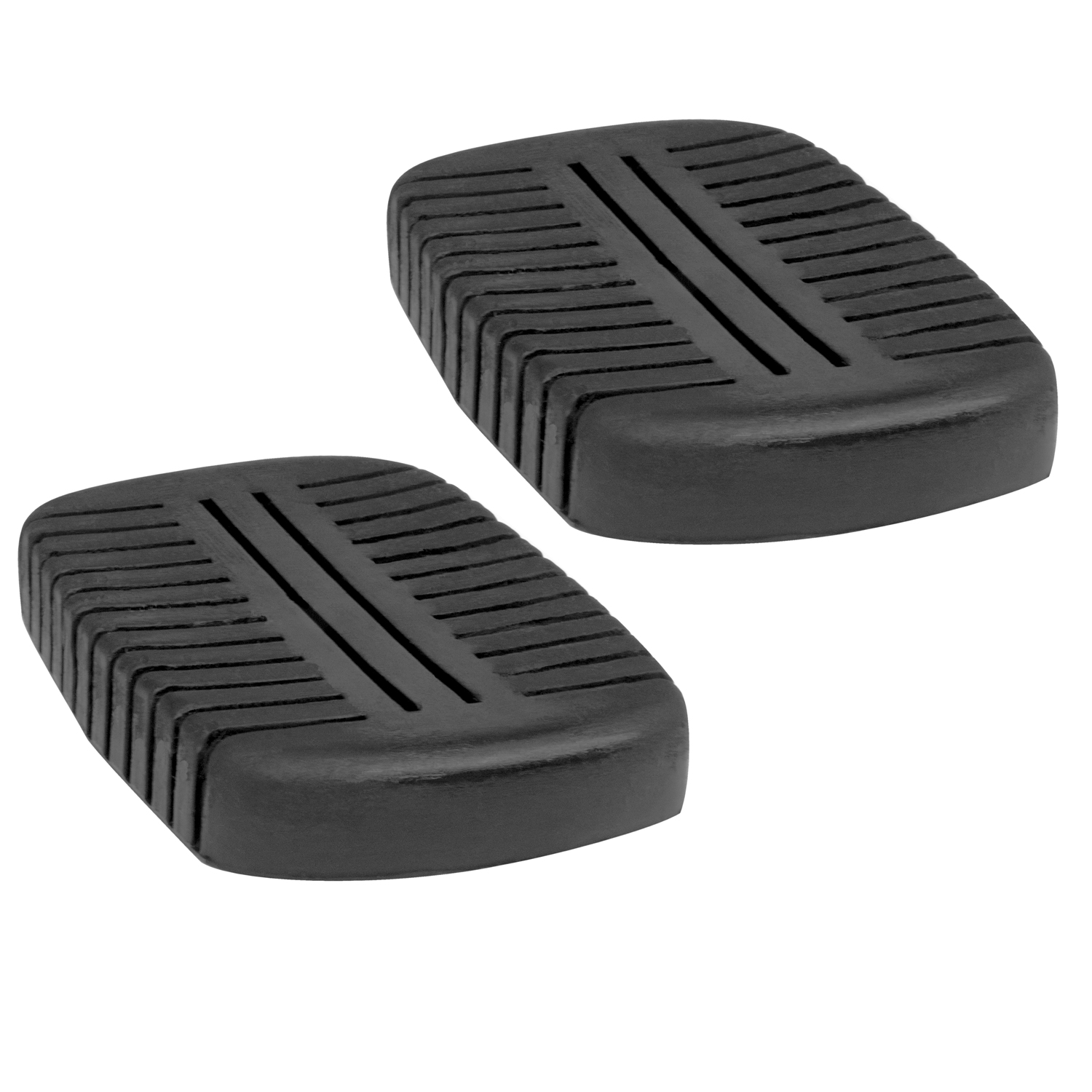 1956 GMC 101 Clutch and Brake Pedal Pads. 2-1/2" wide X 3-7/8" long-CB 100-A/PRClutch and Brake Pedal Pads. 2-1/2" wide X 3-7/8" long. Pair
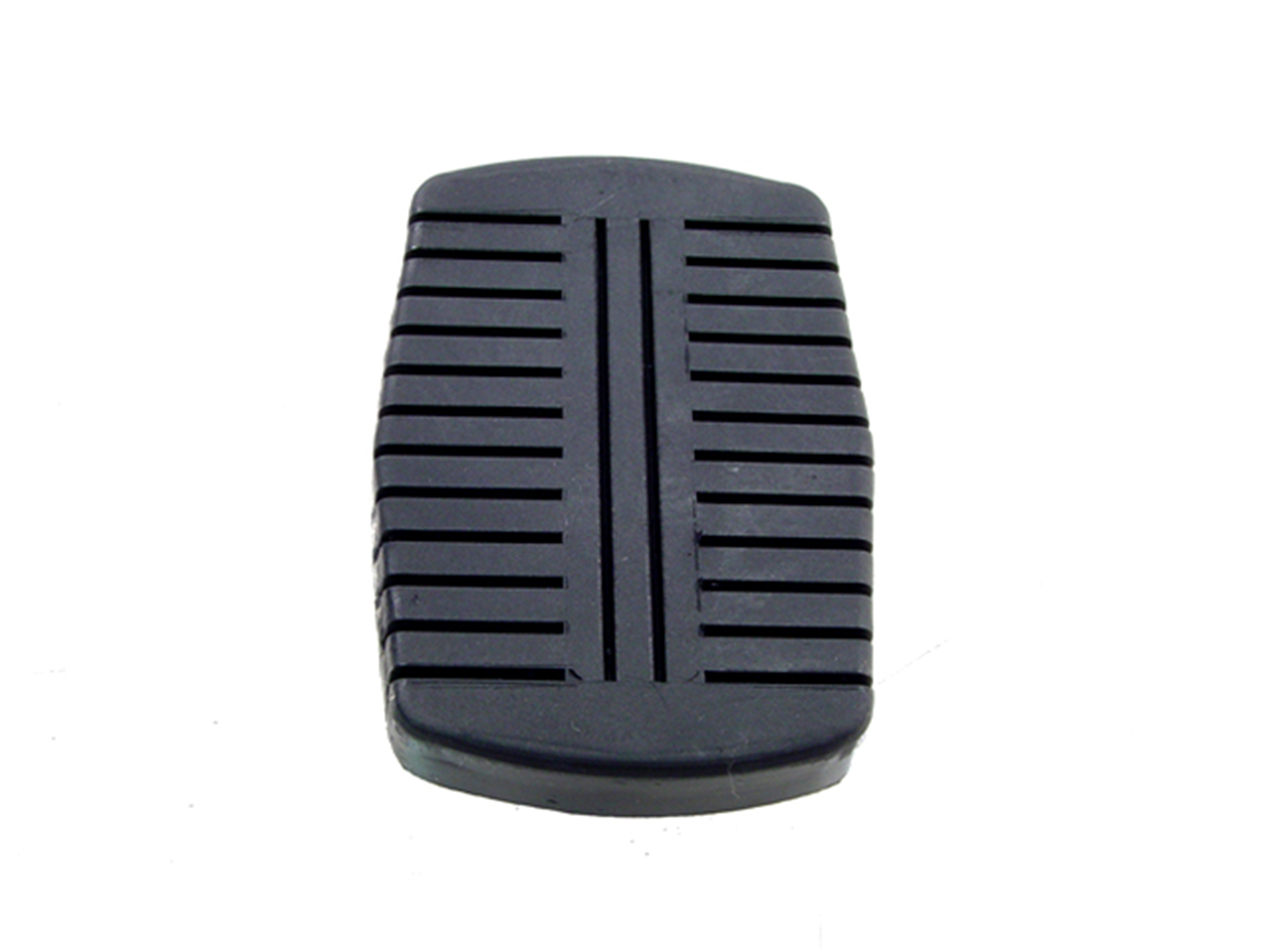 1956 GMC 101 Clutch and Brake Pedal Pad. Perfect-CB 100-EACHClutch and Brake Pedal Pad. Perfect. 2-5/8" wide X 3-3/4" long. Each
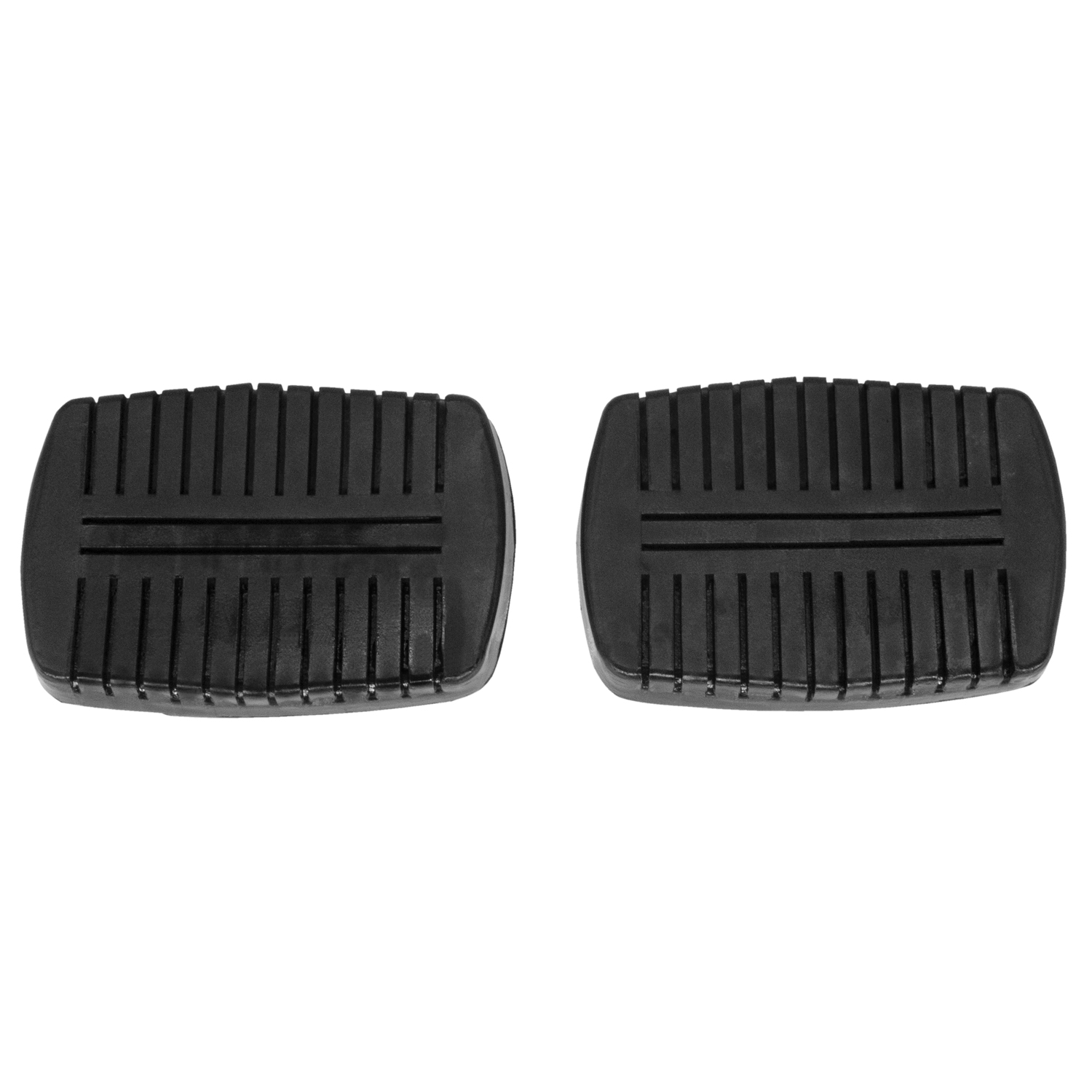 1956 GMC 101 Clutch and Brake Pedal Pads. Perfect-CB 100-PAIRClutch and Brake Pedal Pads. Perfect. 2-5/8" wide X 3-3/4" long. Pair
 1956 GMC 101 Rear Lower Motor Mount. Two used per vehicle-MM 20-ARear Lower Motor Mount. Two used per vehicle. Replaces OEM #3789949. Each
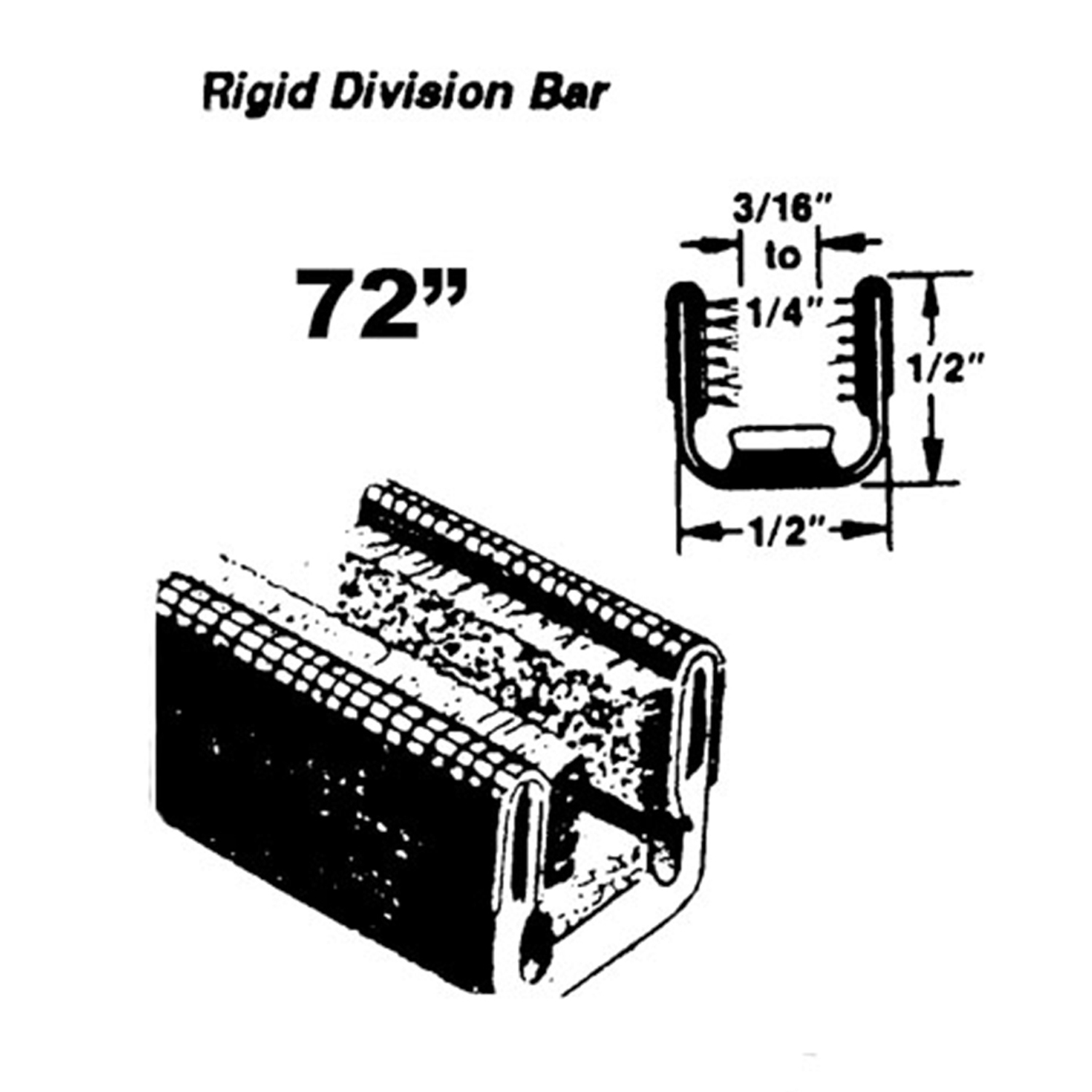 1956 GMC 101 Upper and lower rigid division-bar channel-WC 25-72Upper and lower rigid division-bar channel. Unbeaded, pile-lined. 72 in. long. Each. NOTE: $20 special shipping charge applies for domestic orders. Call or email for overseas shipping costs. Part can be sectioned into two equal lengths to reduce overseas shipping costs.
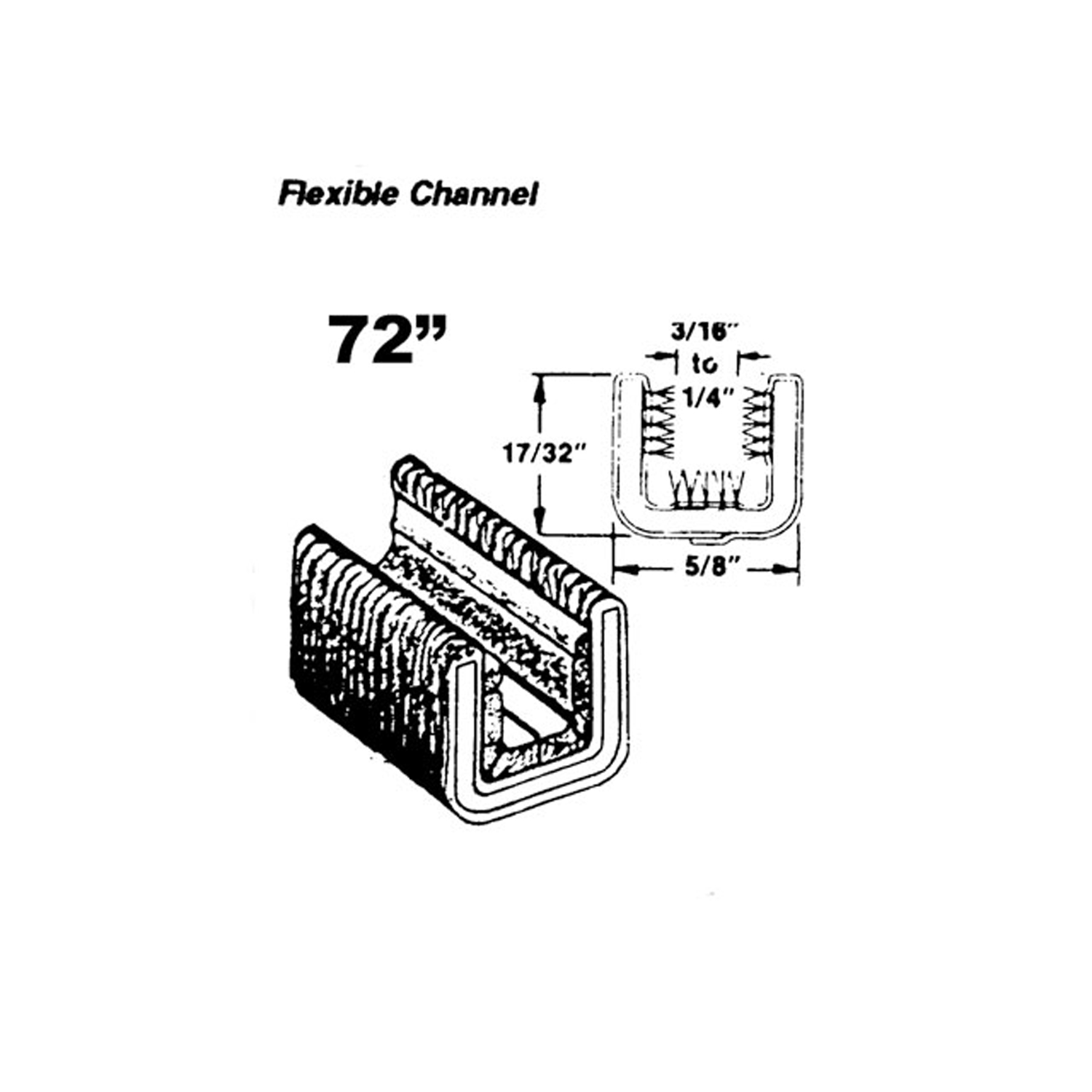 1956 GMC 101 Flexible glass-run channel-WC 26-72Flexible glass-run channel. For models without framed side glass. Unbeaded, pile-lined. 72 in. long. Each. NOTE: $20 special shipping charge applies for domestic orders. Call or email for overseas shipping costs. Part can be sectioned into two equal lengths to reduce overseas shipping costs.
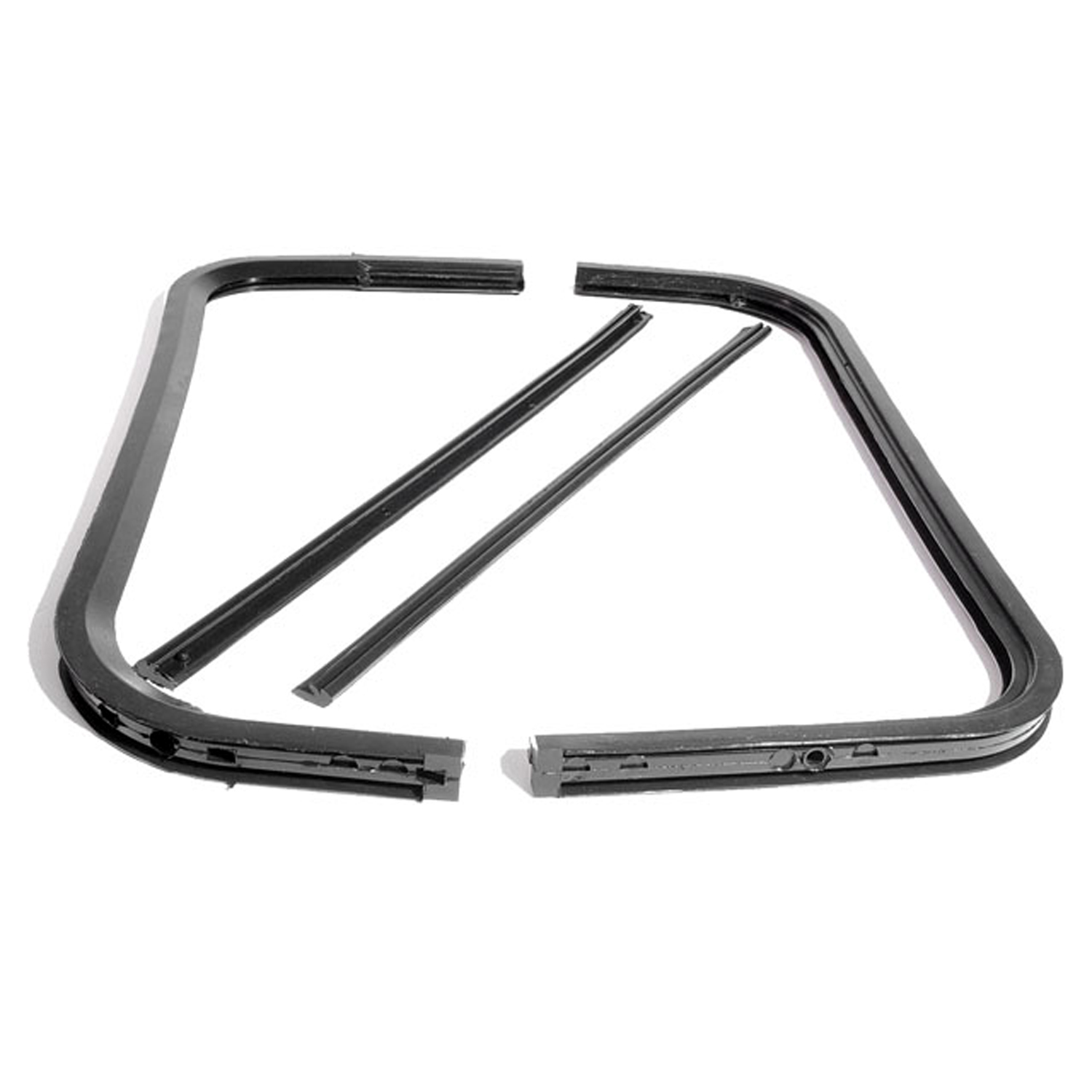 1956 GMC 101 Front Vent Window Seals w/ Vertical Division Bar-WR 2007Front Vent Window Seals w/ Vertical Division Bar. 27", 15-3/4". For 2nd series. Pair R&L
Why Choose Metro?
For over 100 years, Metro Moulded Parts has been the pinnacle of quality in classic car restoration parts. Our commitment to precision and authenticity in every component ensures a perfect fit and an OEM-level appearance.
- Expert Craftsmanship & Quality: Each part is a testament to our dedication to reliability and perfection, crafted from original designs and thoroughly tested.
- Advanced Technology: We use cutting-edge techniques to create flawless, long-lasting parts that surpass others in performance.
- SuperSoft Sponge – The Ultimate Door Seal: Not only are our door seals 30% softer than competitors', but they're also guaranteed to never leak. They effectively reduce wind and road noise, enhancing your classic car's comfort and driving experience.
- Proudly American: Our parts are a product of American craftsmanship, made in the USA with a spirit of excellence and heritage.
- Unrivaled Warranty: We back our products with a 30-year industry-leading warranty, a testament to our confidence in their quality.
Join us in preserving the legacy of classic cars with parts that are crafted for perfection, not just made.