

Image of 1956 Gmc 250, Note: These illustrations use artistic license and may differ from actual historical models.
Performance Metrics
Fundamental Metrics
Emotional Appeal
MMP Rating
| Engine Specifications | |
|---|---|
| Engine Options: | 248.5 cu in (4.1 L) I6, 270 cu in (4.4 L) I6 |
| Displacement Range: | 248.5 - 270 cu in |
| Horsepower Range: | 125 - 140 hp |
| Torque: | 210 - 225 lb-ft |
| Compression Ratio: | 7.4:1 |
| Ignition System: | Distributor and coil |
| Cooling System: | Liquid-cooled |
| Performance Specifications | |
| 0-60 Time: | Information not available |
| 1/4 Mile Time: | Information not available |
| Top Speed: | 70 - 75 mph |
| Transmission and Drive | |
| Drive Type: | Rear-wheel drive |
| Transmission Type: | 3-speed manual, 4-speed manual |
| Fuel and Efficiency | |
| Fuel System Type: | Carburetor |
| MPG: | 10 - 15 mpg |
| Dimensions and Brakes | |
| Brakes: | Drum brakes |
| Wheelbase: | 125.25 in |
| Weight: | 3,400 - 3,600 lbs |
Note: Specifications for classic cars are given to the best of our ability, considering the limited and variant data available.
1956 GMC 250: The Workhorse with Modern Style
The 1956 GMC 250 paired genuine work-truck toughness with the clean, confident styling of GMC’s postwar “new design” trucks. Built by General Motors’ GMC Truck division, the 250 was a three-quarter-ton model in GMC’s light-duty lineup. It was aimed at farmers, tradespeople, small businesses, and private owners who needed more carrying capacity than a half-ton pickup could offer.
One detail worth knowing from the start: “250” is the truck’s series designation, not its engine size. A typical 1956 GMC 250 used GMC’s 270-cubic-inch inline-six, an engine valued for its sturdy construction and steady pulling power. The truck belongs to a pivotal generation introduced in 1955, when GMC gave its pickups a more modern cab and a distinctly fresh look.
Bold 1950s GMC Styling
The 1956 GMC 250 has a broad, upright face, with a substantial grille, prominent hood, and headlights set into sculpted front fenders. Its rounded forms are unmistakably mid-century, but the overall design is cleaner and more integrated than the prewar-influenced trucks it replaced. The wraparound windshield gives the cab a lighter, more open appearance, while the high hood and strong fender lines keep the truck looking purposeful.
Inside, the emphasis is on durability rather than luxury. The dashboard is simple and easy to read, with painted metal surfaces, clear gauges, and straightforward controls. A wide bench seat typically used durable upholstery, while a rubber floor mat could take the daily punishment of muddy boots and work gear. Depending on equipment and trim, buyers could add comfort and convenience items such as a heater, radio, or upgraded interior details.
GMC offered the truck in a range of factory colors, with practical solid shades as well as brighter choices typical of the decade. Color availability could vary by year, trim, and production configuration. Today, restored examples in period-correct red, green, blue, cream, or two-tone combinations tend to attract attention, though original paint and documented color combinations are especially appealing to collectors.
Cab, Chassis, and Body Choices
The 250 is best known as a pickup, and the conventional cab-and-bed configuration is the version most enthusiasts picture. GMC’s broader truck range could also be ordered as a cab-and-chassis for commercial bodies, with equipment such as stake, platform, or service bodies fitted to suit the job. Exact body and wheelbase availability depended on the specific configuration, so not every body style was offered with every 250-series setup.
For many buyers, the pickup was the sweet spot: useful cargo space, familiar controls, and a three-quarter-ton chassis designed for heavier work than a half-ton. Its straightforward layout also made it easier to adapt for ranch use, shop work, or period-style restoration.
Practical Innovation for Its Era
The 1955 second-series trucks, including the 1956 GMC 250, represented a major styling and packaging change for GMC. The newer cab brought a wider-feeling windshield and a more contemporary driving environment, while the body’s integrated fenders and grille gave the truck a more unified appearance. It still looked like a tool, but it no longer looked like one carried over from an earlier era.
Under the skin, the 250 remained conventional in the best sense: a robust frame, a solid front axle, and mechanical components designed to withstand regular use. A manual transmission was common, and an automatic transmission was available on some configurations. This blend of familiar engineering and updated cab design helped make the truck useful to long-time commercial customers while appealing to a growing market of private pickup owners.
Compared with many contemporaries, the GMC’s identity came from its combination of a handsome cab, heavy-duty model choices, and GMC-specific powertrain and trim details. Its Chevrolet relatives shared much of the body architecture, but GMC gave buyers a distinct grille, badging, and mechanical character.
270 Six-Cylinder Performance
The 270-cubic-inch GMC inline-six was built for torque and durability rather than high-revving speed. Output varied with engine specification and rating method, but period versions generally produced power in the neighborhood of 120 to 130 horsepower. The engine’s low-speed pulling character suited a loaded pickup far better than a dramatic sprint away from a stoplight.
There is no single dependable factory 0-to-60 mph figure for every 1956 GMC 250 configuration. As a practical estimate, a healthy, lightly loaded truck might take roughly 25 to 35 seconds to reach 60 mph. A top speed in the approximate 60-to-70 mph range is plausible for many examples, though axle gearing, transmission, tire size, payload, and mechanical condition can move those figures considerably. These are estimates, not guaranteed factory test results.
On the road, the 250 feels substantial and deliberate. The steering is heavier and less precise than a modern pickup’s, especially at low speed, and the suspension is designed to carry weight rather than isolate the driver from every bump. An empty truck can hop and jostle over rough pavement; with a useful load aboard, its ride often settles down. On winding roads, expect a tall, upright truck with a slower response and more body movement than a modern vehicle.
The inline-six provides a familiar mechanical soundtrack: a steady rumble at idle, a measured growl under throttle, and plenty of engine noise in the cab. Driving it means working with the truck rather than expecting it to do everything for you. The large steering wheel, manual controls, and direct mechanical feel are part of the appeal.
Living with a 1956 GMC 250
Owners today use these trucks as weekend cruisers, farm and property vehicles, show entries, parade trucks, and eye-catching shop or business displays. A carefully maintained example can also handle local errands, but modern traffic speeds, braking distances, and safety equipment should be considered before using one as a daily driver.
Routine maintenance is relatively approachable for an owner with basic mechanical experience. The engine bay is accessible, the mechanical systems are largely conventional, and many service tasks can be completed with ordinary tools. Parts support is generally good for common service items and shared components, though GMC-specific trim, original details, and some less-common parts may take more searching. As with any 70-year-old vehicle, condition matters more than the badge: inspect the frame, cab corners, floors, bed, brakes, wiring, cooling system, and drivetrain before buying.
Common ownership complaints include a firm ride when unloaded, modest acceleration, heavy steering, and the difficulty of keeping up with modern highway traffic. Rust and previous low-quality repairs can also turn an attractive project into an expensive one. On the plus side, the 270 six is known for sturdy, workmanlike construction, and the truck’s relatively simple engineering makes diagnosis less intimidating than on a modern vehicle.
GMC 250 Facts and Myths
The 1956 GMC 250 is not famous for a single record-setting race, celebrity ownership, or one defining historical event. Its significance is more everyday and arguably more representative: trucks like it helped small businesses, farms, and local industries move people, tools, and goods during the postwar boom.
Production figures for an individual model series and body configuration are not consistently published in the commonly available summaries of GMC’s annual output. A cautious working estimate would put 1956 250-series pickups in the several-thousand range, perhaps roughly 5,000 to 15,000, but that is an informed estimate rather than a verified factory total. Counts can also be confused by different body styles and by surviving trucks later modified from their original configuration.
A useful bit of trivia is that the model number is often misunderstood. The GMC 250 is a three-quarter-ton series, not a truck equipped with a 250-cubic-inch engine. The 270 inline-six is the engine most closely associated with the model. Another frequent misconception is that every 250-series truck left the factory as a pickup; commercial chassis and body requirements could produce very different working trucks.
1956 GMC 250 Collector Values
Values depend heavily on rust, originality, drivetrain condition, restoration quality, and body configuration. As a broad current-market guide, a project truck may sell for roughly $5,000 to $15,000. A solid, usable driver often falls around $15,000 to $35,000, while a well-restored example can reach approximately $35,000 to $60,000 or more. Exceptional restorations, rare configurations, and highly desirable original details can push beyond that range, while poorly executed modifications may reduce collector appeal.
The 250 is less common than a half-ton pickup, but it is not a guaranteed rarity. The market has generally rewarded attractive vintage pickups, and good examples have appreciated over the long term, though prices vary with condition, restoration costs, and changing collector tastes. The best buys are often sound trucks with documented history and honest, high-quality repairs rather than shiny restorations hiding structural problems.
Why the 1956 GMC 250 Still Matters
The 1956 GMC 250 combines the stance and durability of a working three-quarter-ton truck with one of GMC’s most recognizable postwar cab designs. Its 270 six delivers steady, usable power, its mechanical layout remains approachable, and its road manners remind drivers that this was built to work before it was built to impress.
More than a handsome old pickup, the GMC 250 is a snapshot of a changing era in American trucking: practical enough for the job, modern enough for the new decade, and distinctive enough to turn heads long after its working years. For collectors and drivers alike, that balance is what keeps this classic GMC compelling.
1956 Gmc 250 Catalog of Parts
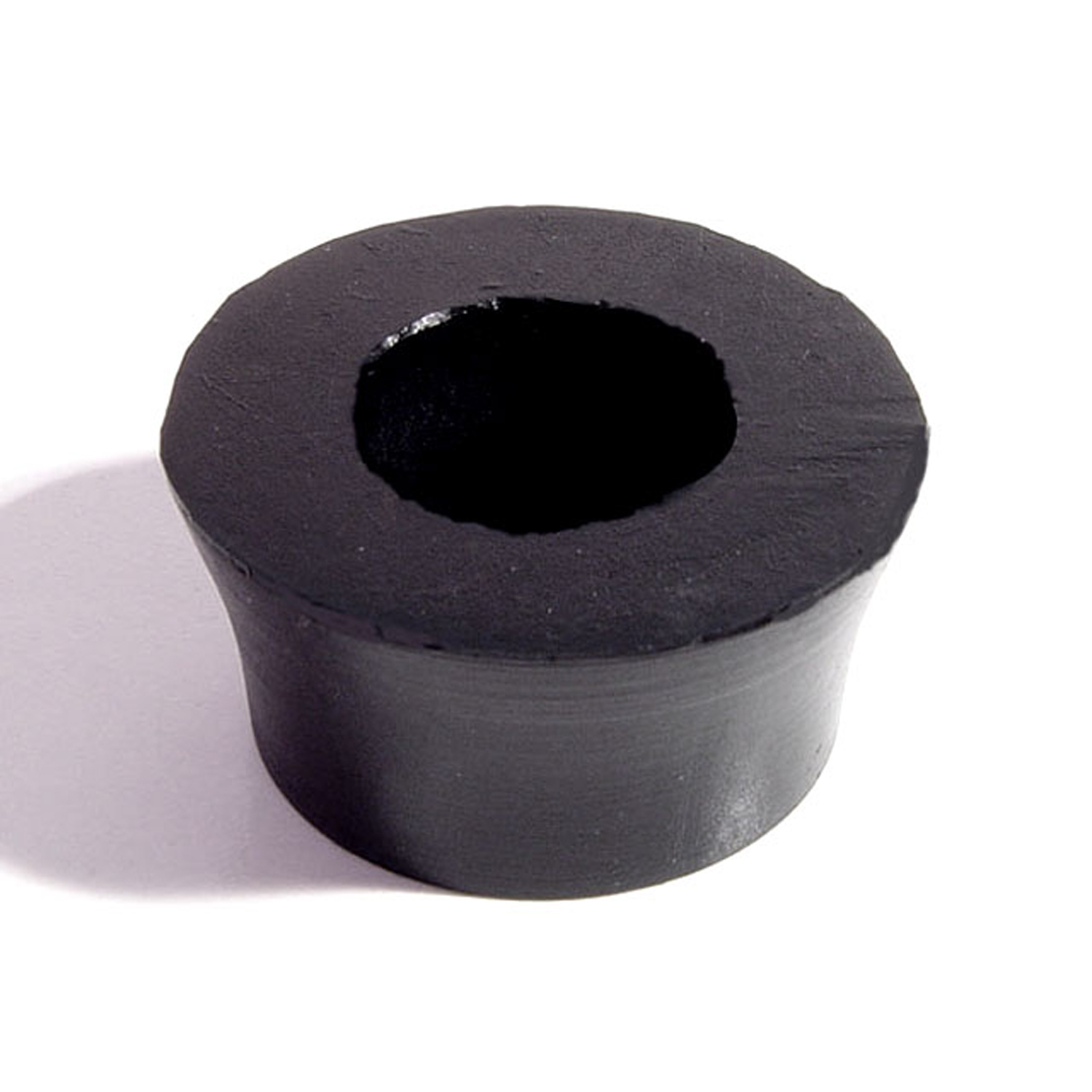 1956 GMC 250 Shock Absorber Grommet. 1" bottom O.D., 5/8" high-BN 10Shock Absorber Grommet. 1" bottom O.D., 5/8" high., with 5/8" I.D. Each
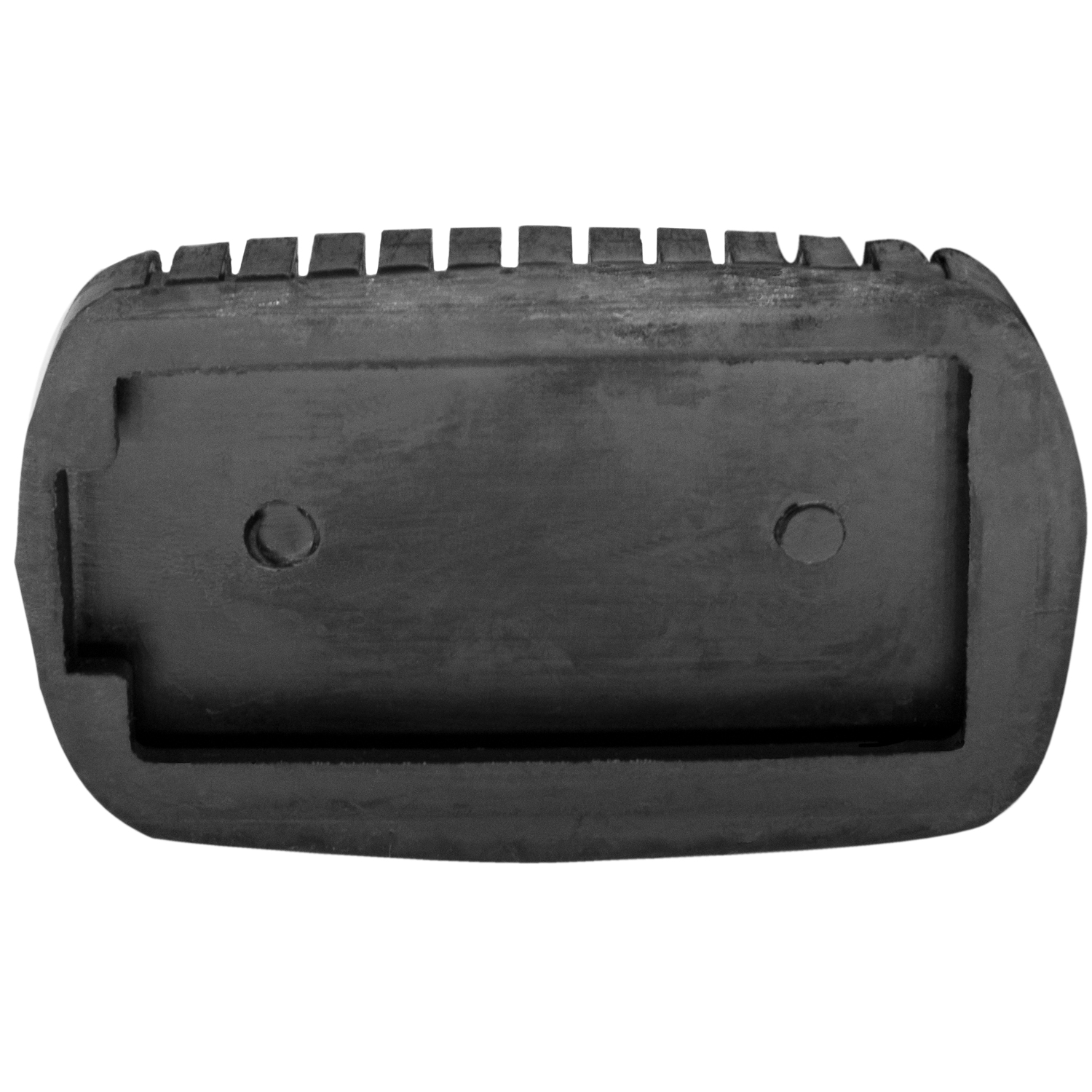 1956 GMC 250 Clutch and Brake Pedal Pad. 2-1/2" wide X 3-7/8" long-CB 100-A/EAClutch and Brake Pedal Pad. 2-1/2" wide X 3-7/8" long. Each
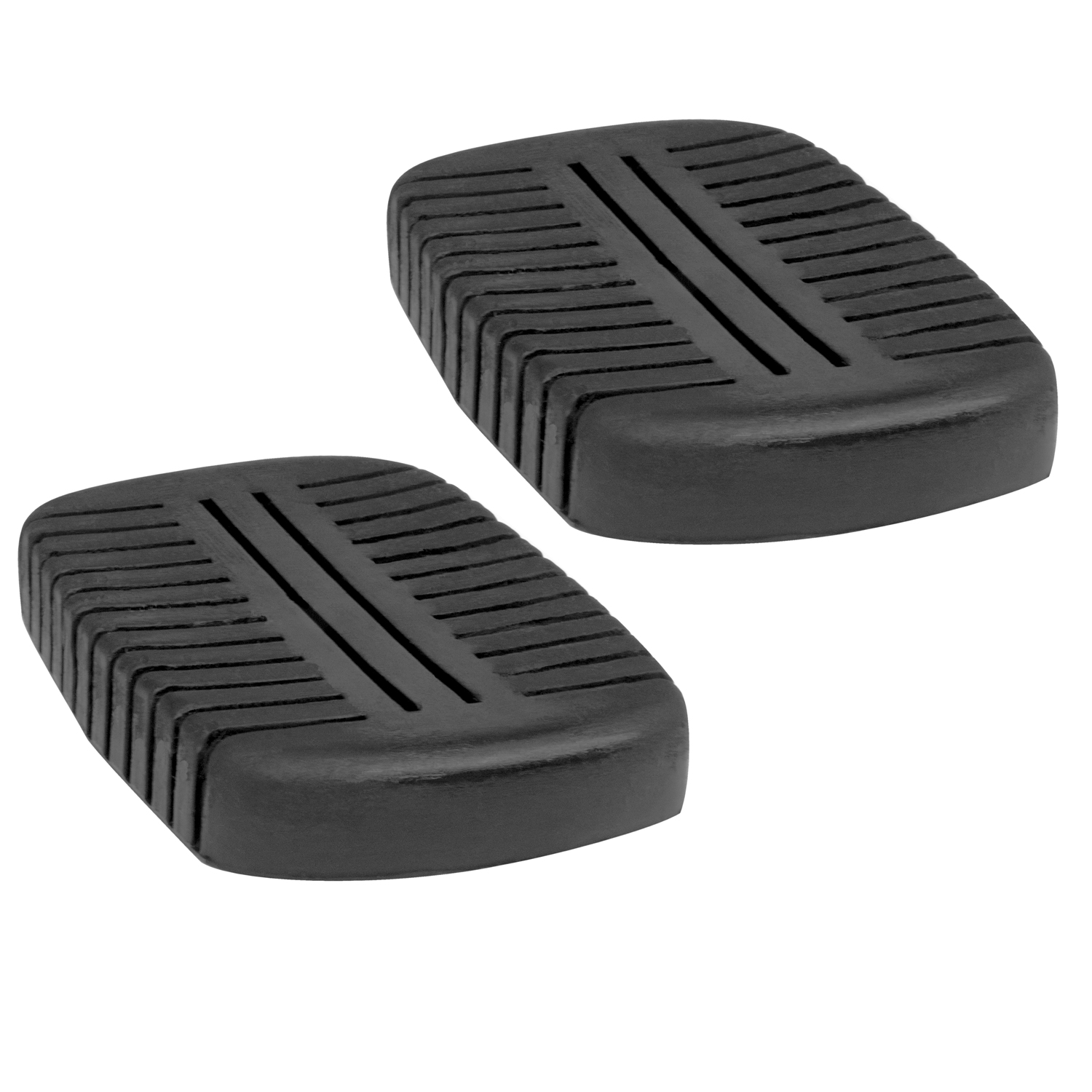 1956 GMC 250 Clutch and Brake Pedal Pads. 2-1/2" wide X 3-7/8" long-CB 100-A/PRClutch and Brake Pedal Pads. 2-1/2" wide X 3-7/8" long. Pair
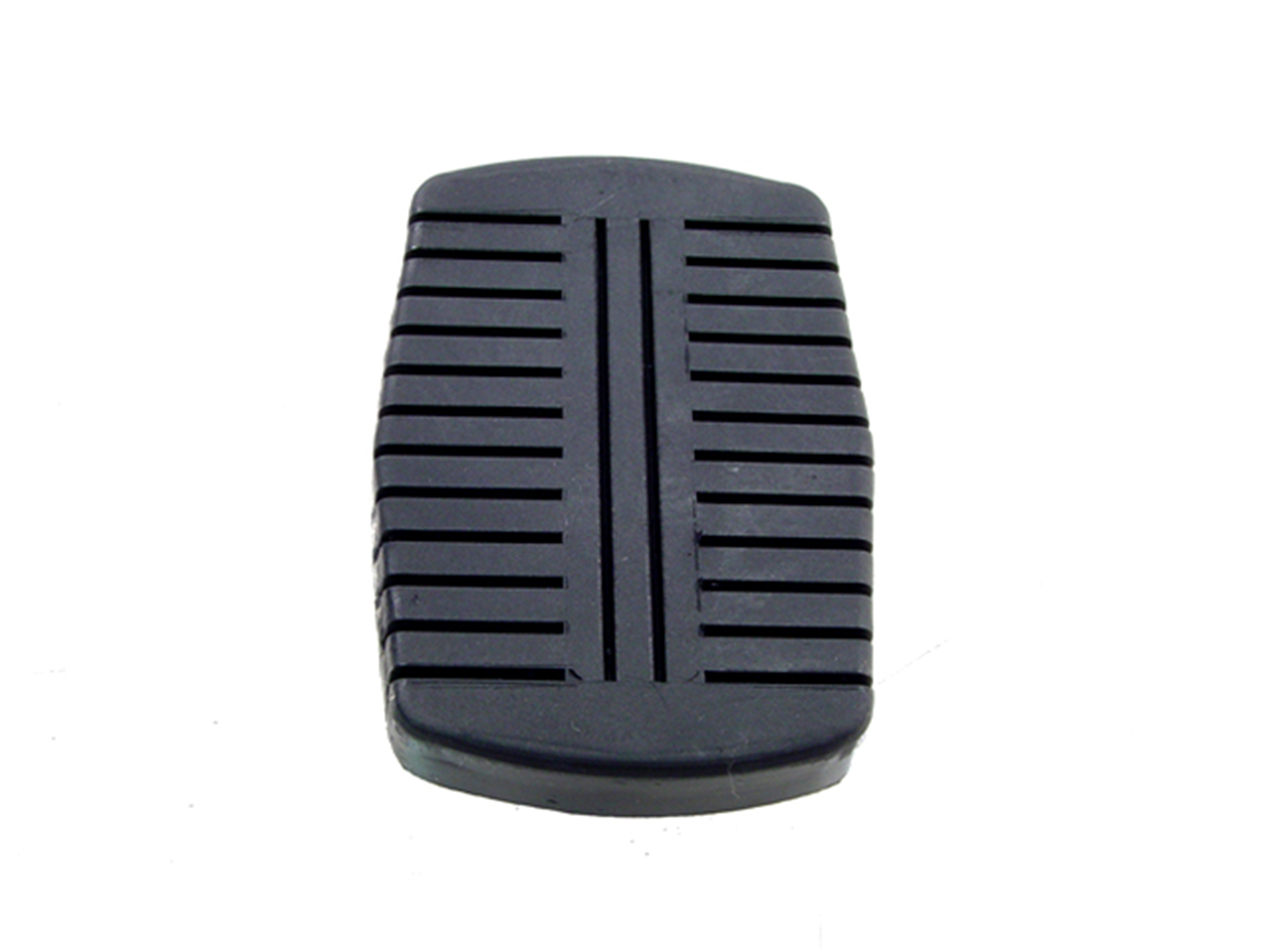 1956 GMC 250 Clutch and Brake Pedal Pad. Perfect-CB 100-EACHClutch and Brake Pedal Pad. Perfect. 2-5/8" wide X 3-3/4" long. Each
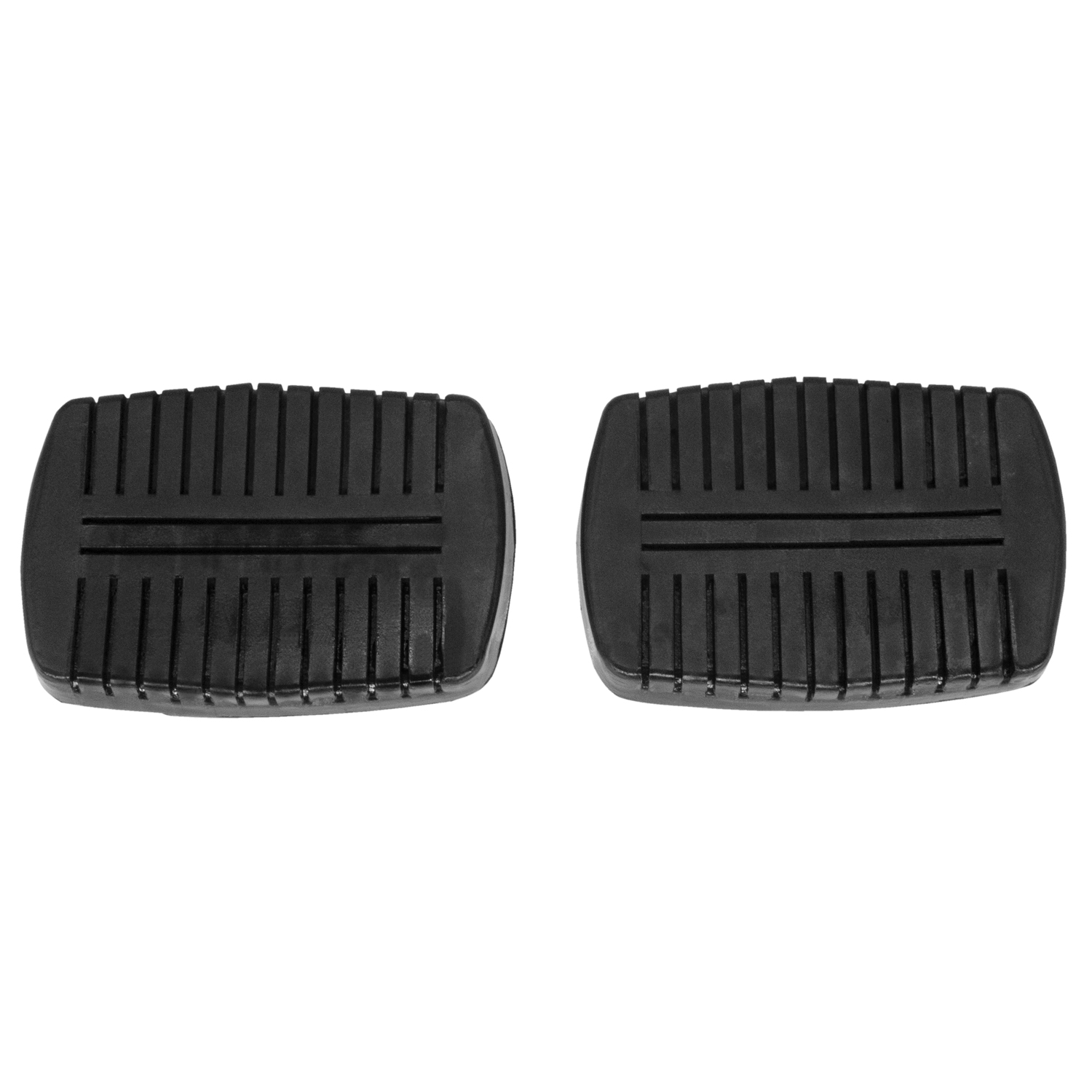 1956 GMC 250 Clutch and Brake Pedal Pads. Perfect-CB 100-PAIRClutch and Brake Pedal Pads. Perfect. 2-5/8" wide X 3-3/4" long. Pair
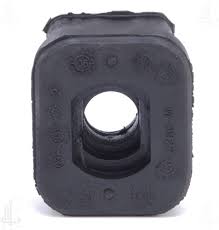 1956 GMC 250 Rear Lower Motor Mount. Two used per vehicle-MM 20-ARear Lower Motor Mount. Two used per vehicle. Replaces OEM #3789949. Each
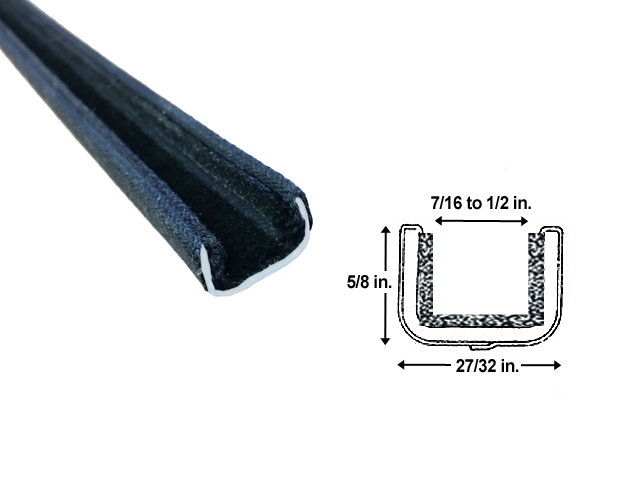 1956 GMC 250 Flexible window channel-WC 18-60Flexible window channel. Fits '50-'63 Chevrolet and GMC full-size pick-up trucks. 60 in. long. Each.
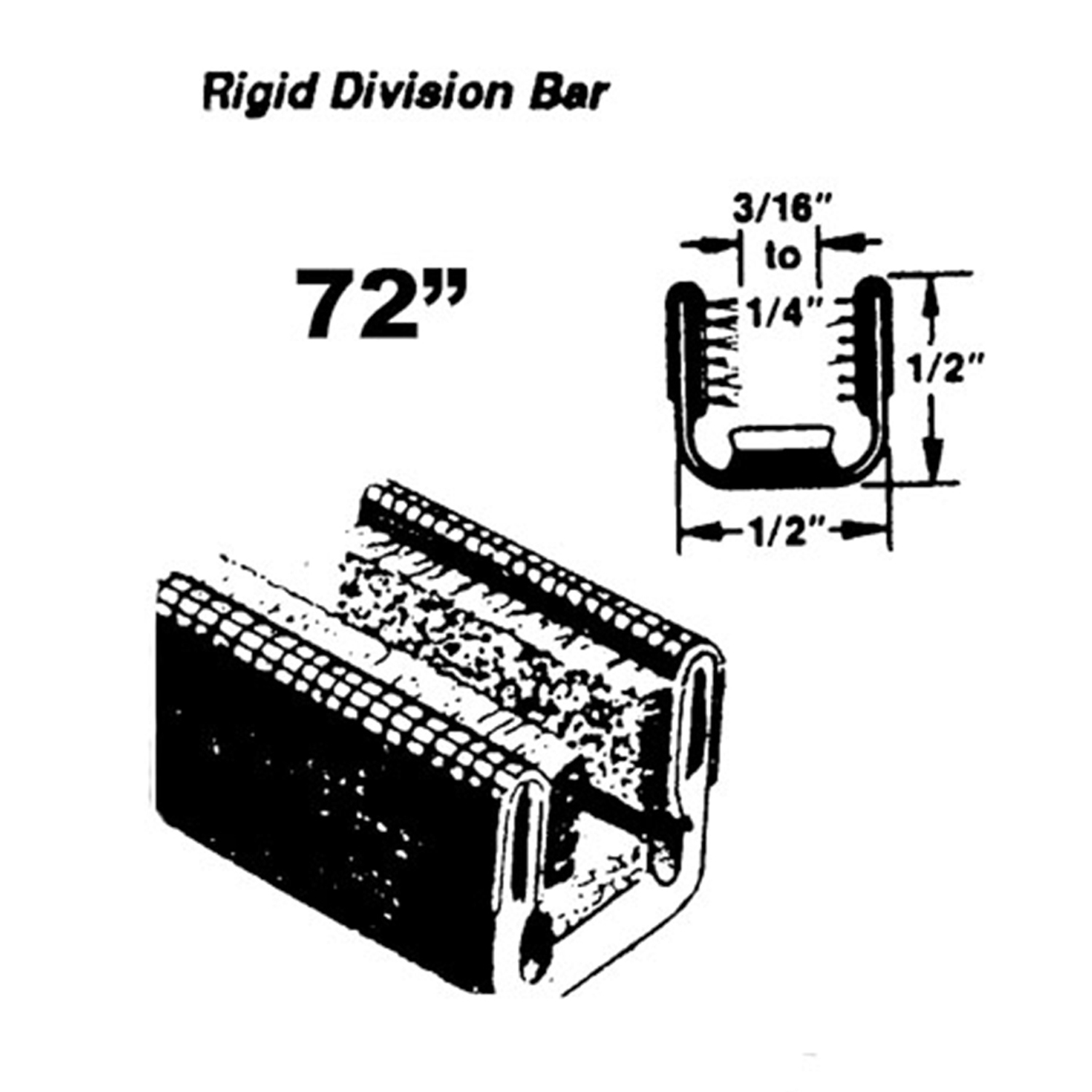 1956 GMC 250 Upper and lower rigid division-bar channel-WC 25-72Upper and lower rigid division-bar channel. Unbeaded, pile-lined. 72 in. long. Each. NOTE: $20 special shipping charge applies for domestic orders. Call or email for overseas shipping costs. Part can be sectioned into two equal lengths to reduce overseas shipping costs.
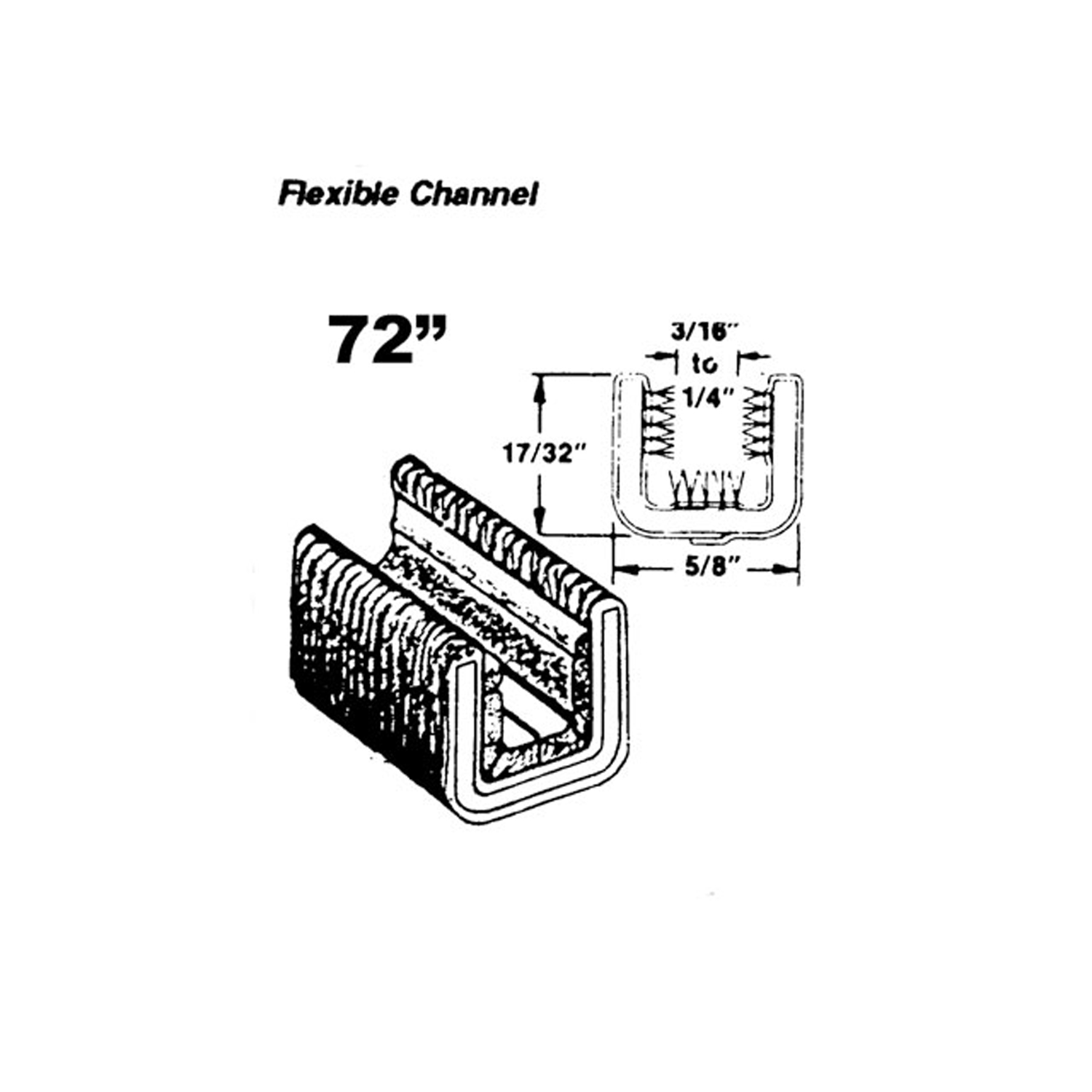 1956 GMC 250 Flexible glass-run channel-WC 26-72Flexible glass-run channel. For models without framed side glass. Unbeaded, pile-lined. 72 in. long. Each. NOTE: $20 special shipping charge applies for domestic orders. Call or email for overseas shipping costs. Part can be sectioned into two equal lengths to reduce overseas shipping costs.
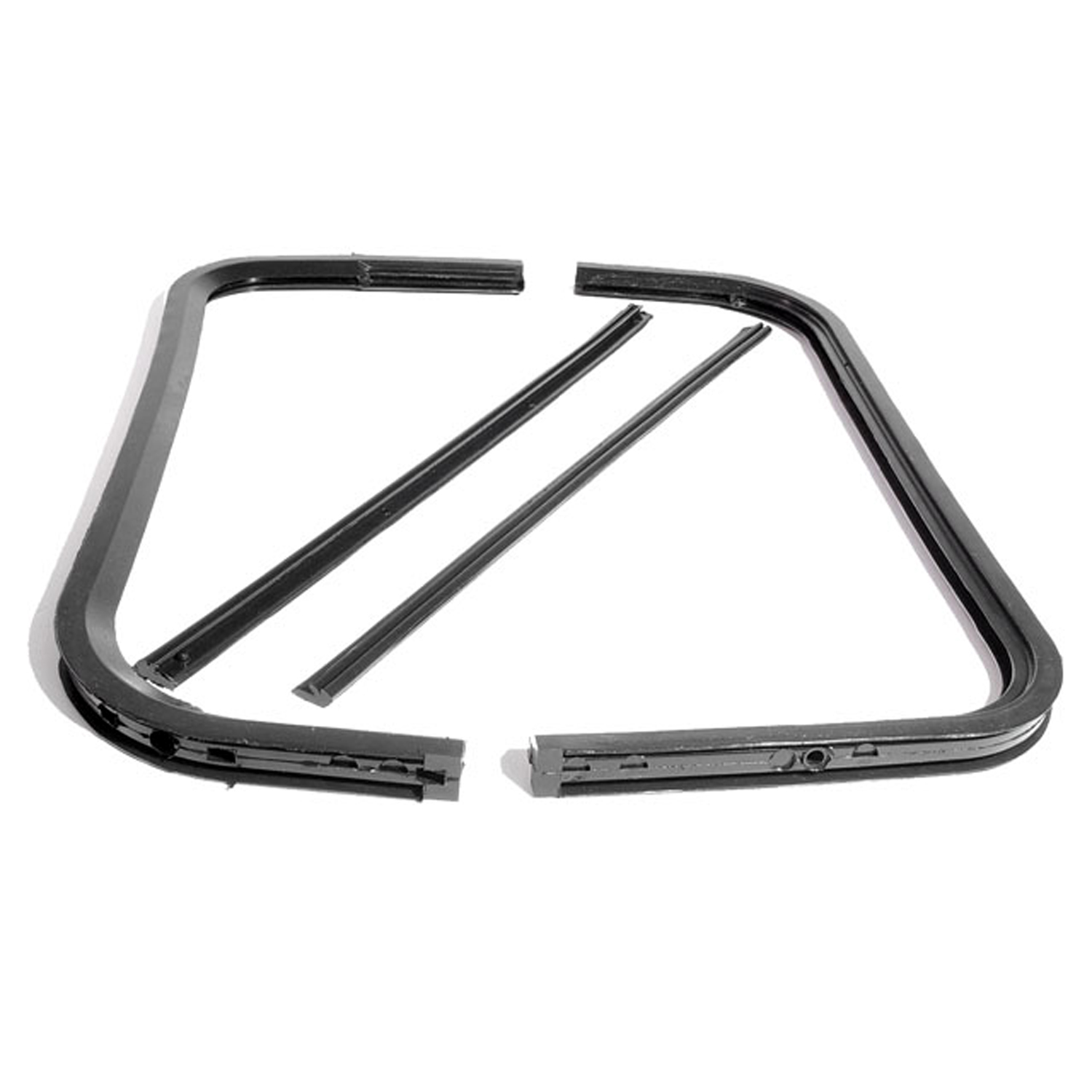 1956 GMC 250 Front Vent Window Seals w/ Vertical Division Bar-WR 2007Front Vent Window Seals w/ Vertical Division Bar. 27", 15-3/4". For 2nd series. Pair R&L
Why Choose Metro?
For over 100 years, Metro Moulded Parts has been the pinnacle of quality in classic car restoration parts. Our commitment to precision and authenticity in every component ensures a perfect fit and an OEM-level appearance.
- Expert Craftsmanship & Quality: Each part is a testament to our dedication to reliability and perfection, crafted from original designs and thoroughly tested.
- Advanced Technology: We use cutting-edge techniques to create flawless, long-lasting parts that surpass others in performance.
- SuperSoft Sponge – The Ultimate Door Seal: Not only are our door seals 30% softer than competitors', but they're also guaranteed to never leak. They effectively reduce wind and road noise, enhancing your classic car's comfort and driving experience.
- Proudly American: Our parts are a product of American craftsmanship, made in the USA with a spirit of excellence and heritage.
- Unrivaled Warranty: We back our products with a 30-year industry-leading warranty, a testament to our confidence in their quality.
Join us in preserving the legacy of classic cars with parts that are crafted for perfection, not just made.