

Image of 1957 Gmc 101, Note: These illustrations use artistic license and may differ from actual historical models.
Performance Metrics
Fundamental Metrics
Emotional Appeal
MMP Rating
| Engine Specifications | |
|---|---|
| Engine: | 347 cu in (5.7 L) Pontiac V8 |
| Displacement: | 5.7L |
| Horsepower: | 180-270 hp |
| Torque: | 270-345 lb-ft |
| Compression Ratio: | 8.5:1 |
| Ignition System: | Conventional points ignition system |
| Cooling System: | Liquid-cooled |
| Performance Specifications | |
| 0-60 Time: | Estimated 10-12 seconds |
| 1/4 Mile Time: | Estimated 17-19 seconds |
| Top Speed: | 90-100 mph |
| Transmission and Drive | |
| Drive Type: | Rear-wheel drive |
| Transmission Type: | 3-speed manual, 4-speed manual, 2-speed automatic |
| Fuel and Efficiency | |
| Fuel System Type: | Carburetor |
| MPG: | Estimated 10-12 mpg |
| Dimensions and Brakes | |
| Brakes: | Drum brakes |
| Wheelbase: | 114 inches |
| Weight: | 3,500-4,000 lbs |
Note: Specifications for classic cars are given to the best of our ability, considering the limited and variant data available.
1957 GMC 101 Pickup: A Guide to GMC’s Half-Ton Classic
The 1957 GMC 101 looks ready for work even when it is parked at a weekend car show. With its broad hood, bold grille and unmistakable four-headlight face, this half-ton pickup belongs to the celebrated generation of GMC trucks that brought postwar utility together with increasingly modern styling.
Built by General Motors’ GMC truck division, the 101 was part of GMC’s light-duty 100 series. The “101” designation generally identifies a half-ton model with a 114-inch wheelbase, though body and equipment details could vary. GMC shared much of its basic cab structure with Chevrolet, but gave its trucks distinctive styling and its own powertrain character. One detail that sets the 1957 GMC apart from its Chevrolet counterpart is its quad-headlight front end, a distinctive styling cue for the model year.
These trucks arrived as American buyers were embracing suburbs, highways and recreational travel, while farms and businesses still depended on practical pickups. The GMC 101 served both worlds: it was a working truck by design, but its stylish cab and bright trim made it equally at home in a family driveway. Today, it is a classic example of the late-1950s American pickup, with a personality that feels different from the more common Chevrolet version.
Quad Headlights and Task-Ready Style
The 1957 GMC’s front end is its calling card. Four headlights sit across a wide, assertive face, framing a substantial grille and a hood with crisp, sculpted contours. The fenders flow into the cab rather than looking like separate work-truck pieces, giving the truck a unified, almost automotive profile. A wraparound windshield and generous glass area help create the airy look associated with mid-1950s trucks.
Chrome and brightwork varied with trim level and options. Even in a relatively plain specification, the grille, bumpers and hubcaps give the 101 enough visual sparkle to stand out. The overall effect is less ornate than a luxury car of the period, but more polished than a bare-bones commercial vehicle.
Inside, the cab is straightforward and durable. The broad bench seat was typically upholstered in practical materials such as vinyl or cloth-and-vinyl combinations, with trim and colors depending on the order. The metal dashboard places the essential controls and instruments within easy reach, and the large steering wheel reflects the truck’s manual steering and work-oriented roots. Comfort is simple by modern standards, but the cabin has a pleasing, honest quality: painted metal, sturdy hardware and materials chosen to tolerate daily use.
Buyers could choose different cab and bed configurations, with the conventional pickup bed being the best-known 101 body style. GMC also offered other light-truck configurations across its broader 100-series range, including chassis suitable for commercial bodies. Equipment could include a heater, radio, upgraded trim and other convenience options. Original paint choices depended on the order and market; solid factory colors were common, while two-tone treatments and contrasting details add visual appeal on surviving trucks. Exact color availability should be checked against period GMC literature or a truck’s factory documentation.
Mechanical Features for 1957
The standard engine in many GMC half-ton pickups was the company’s 270-cubic-inch inline-six. GMC engines had a strong reputation for useful low-speed pulling power, an important trait in a truck expected to haul tools, supplies or a loaded bed. A V8 was also available in the period, depending on configuration and order. Because surviving trucks have often been modified, the engine currently under the hood may not be the one installed at the factory.
Manual transmissions were typical, with three-speed and other gearing choices depending on specification. Automatic transmission availability and equipment varied, so buyers looking at a particular truck should verify its drivetrain rather than assume every 1957 101 was configured the same way. The 101’s most notable technology was not a single futuristic gadget. Its appeal came from sound engineering, a useful range of configurations and styling that made a working vehicle feel more modern.
A Different Kind of 1950s Pickup
The 1957 GMC 101 was part of an era when American truck makers were rethinking the pickup as more than a basic farm implement. Better cab visibility, more comfortable interiors and increasingly expressive exterior design helped make pickups useful for work and personal transportation alike. GMC’s quad-headlight styling gave its trucks a clear identity at a time when many light-duty pickups shared similar proportions and engineering with their corporate relatives.
What set GMC apart was its combination of truck-focused mechanical character and distinctive presentation. The 101 was not a sports truck, and it did not introduce a revolutionary new chassis concept. Its significance is more grounded: it represents the steady evolution of the American pickup into a vehicle that could be practical during the week and attractive enough to take downtown on the weekend.
Its lasting influence can be seen in the way collectors value individual truck brands and model-year details. A GMC grille, engine or emblem is not simply a substitute for Chevrolet parts. Those differences give the 101 its own identity, and they are a major reason enthusiasts seek out original GMC examples.
How the GMC 101 Drives
Performance depends heavily on engine, axle ratio, transmission, tire size and restoration condition. Period pickups were built to carry loads, not win traffic-light contests. A healthy six-cylinder truck is best enjoyed at a relaxed pace, with useful torque at lower engine speeds and steady, rather than brisk, acceleration. As a broad modern estimate, a six-cylinder 101 might reach 0 to 60 mph in roughly 20 to 25 seconds and have a top speed in the neighborhood of 70 to 80 mph. These are estimates, not guaranteed factory figures; gearing, vehicle condition and engine choice can change them substantially.
On the road, the 101 feels like a vintage truck. Its beam axles and leaf springs are built for durability and load carrying, so an unloaded pickup can bounce over sharp bumps and feel firm on rough pavement. The long wheelbase helps it settle into a straight line, but narrow tires, manual steering and a high-profile cab demand attention on windy roads. Braking and steering performance also depend on maintenance and whether the truck retains its original equipment.
The driving experience is part of the charm. The inline-six produces a purposeful mechanical rumble, while the large steering wheel and direct controls make the driver feel involved in every maneuver. There is no modern sound insulation to hide the engine, road and wind. A well-sorted truck can feel dependable and composed at sensible speeds, but it asks the driver to plan ahead, especially in traffic or on steep descents.
Living With a 1957 GMC Pickup
Today, most GMC 101s are used as weekend drivers, show vehicles, parade trucks or carefully preserved workhorses. Some owners still put them to light hauling duty, but an original, valuable example is usually better suited to occasional use than to year-round commercial work. Their open beds and approachable size also make them popular for local events and rural errands.
Routine mechanical repairs are generally manageable for an experienced home mechanic. The truck’s conventional construction is easier to understand than modern computer-controlled vehicles, and many service parts are available through specialist suppliers. However, GMC-specific trim, sheet metal and correct engine components can take more effort to locate than common Chevrolet parts. A pre-purchase inspection should pay close attention to frame condition, cab corners, floors, bed wood, brakes, steering components and signs of poor-quality previous repairs.
Reliability depends more on condition and maintenance than on age alone. Cooling-system health, ignition, fuel delivery, charging, wiring and lubrication all deserve attention before regular driving. A truck that has been stored for years may need a thorough recommissioning even if the engine starts. Replacement parts and upgrades can improve usability, but changes to the drivetrain, brakes or suspension may affect originality and collector value.
GMC 101 Facts and Myths
The quad headlights are among the easiest ways to identify a 1957 GMC from the front. They give the truck a more elaborate appearance than the single-headlight arrangement associated with some competing pickups of the period. The model is also a reminder that GMC and Chevrolet trucks, despite sharing General Motors resources, were not identical in every detail.
There is no widely recognized speed or endurance record associated with the stock 1957 GMC 101, and no single celebrity-owned example defines the model’s history. Its reputation comes from everyday service rather than headline-grabbing competition. These trucks worked on farms, at construction sites and in small businesses across the country, which is exactly why so many have been modified, heavily used or lost over time.
Common criticisms are familiar to anyone who drives a vintage pickup: modest acceleration, a firm unloaded ride, manual controls and limited modern safety equipment. The truck’s age also means that rust and previous repairs can be more troublesome than the basic mechanical design. For enthusiasts, those compromises are part of the period experience, but they should be considered before buying one as regular transportation.
1957 GMC 101 Values and Availability
Exact production figures for the 101 model alone are difficult to establish from commonly available summaries, so any total should be treated as an estimate rather than a factory-confirmed count. As a rough guide, production may have been in the range of several thousand to the low tens of thousands, with the true number depending on how model configurations are counted. Many trucks have since been scrapped, altered or converted, making a correct, well-preserved example less common than the broad production estimate suggests.
As a general 2026 market guide, a project truck may sell for roughly $5,000 to $12,000, depending on completeness and rust. A usable driver in sound condition might fall around $15,000 to $30,000. A high-quality restoration or particularly attractive, well-documented example can bring approximately $30,000 to $50,000 or more. Exceptional restorations, rare configurations and highly original trucks can exceed that range, while local market conditions and the quality of workmanship matter enormously.
Classic pickup values have benefited from strong interest in vintage American trucks, but prices do not rise uniformly. Originality, rust-free bodywork, correct GMC components and a documented restoration tend to support value. Modified trucks can be enjoyable and desirable, though a non-original engine or heavily altered chassis may narrow the pool of collectors. Overall, the 101 is best viewed as a steadily collectible classic rather than a guaranteed investment.
Why the 1957 GMC 101 Endures
The 1957 GMC 101 combines practical half-ton capability with one of the most memorable front ends of the decade. Its quad headlights, sturdy inline-six character, simple cab and useful pickup-bed layout make it both a working artifact and an engaging classic to drive. It stands apart from its Chevrolet relatives without losing the shared ingenuity of General Motors’ truck engineering.
For collectors, the 101 offers something more distinctive than a familiar badge: a well-made GMC with a clear place in the story of the American pickup. It may not be fast or luxurious, but it has the kind of honest presence that turns a simple old truck into a lasting favorite.
1957 Gmc 101 Catalog of Parts
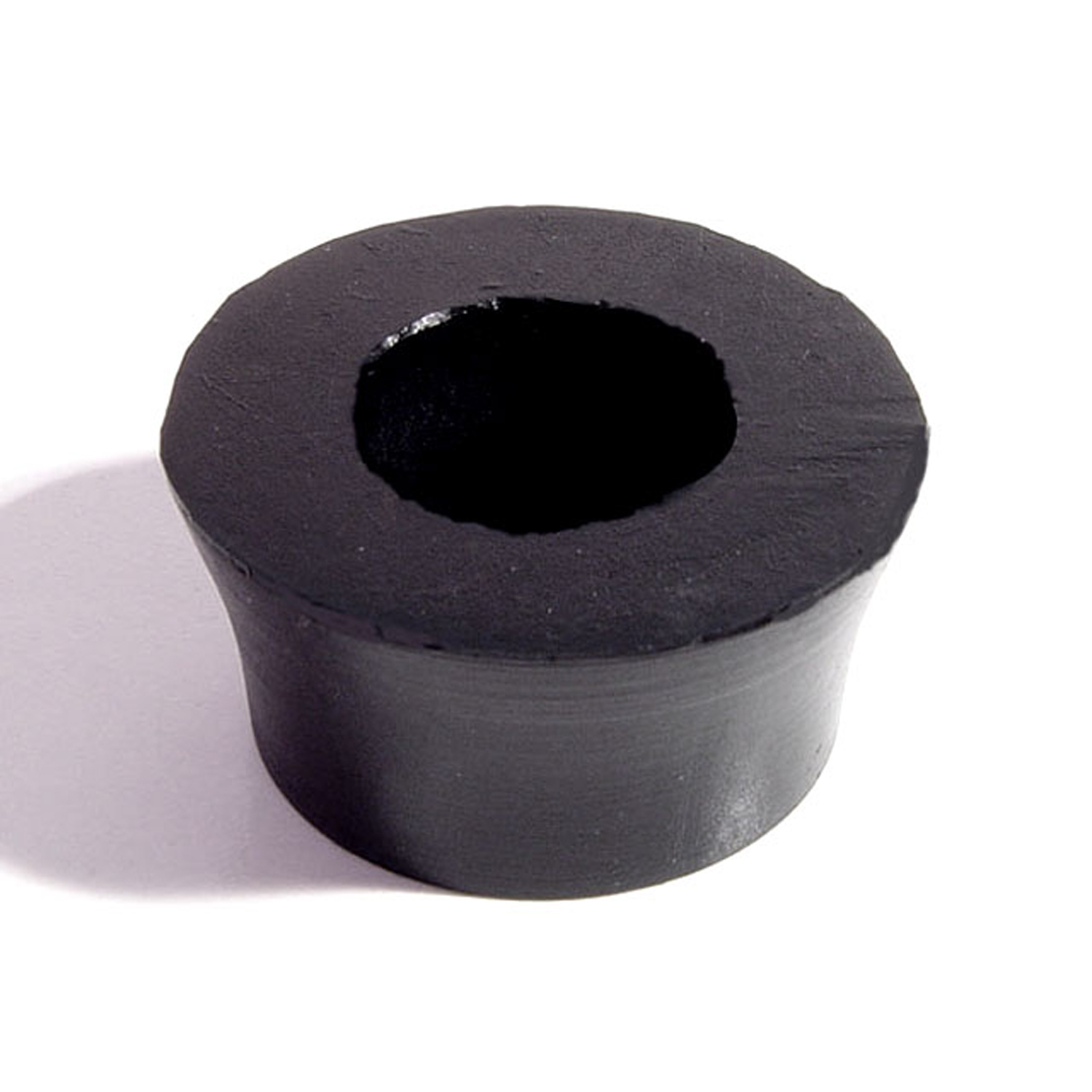 1957 GMC 101 Shock Absorber Grommet. 1" bottom O.D., 5/8" high-BN 10Shock Absorber Grommet. 1" bottom O.D., 5/8" high., with 5/8" I.D. Each
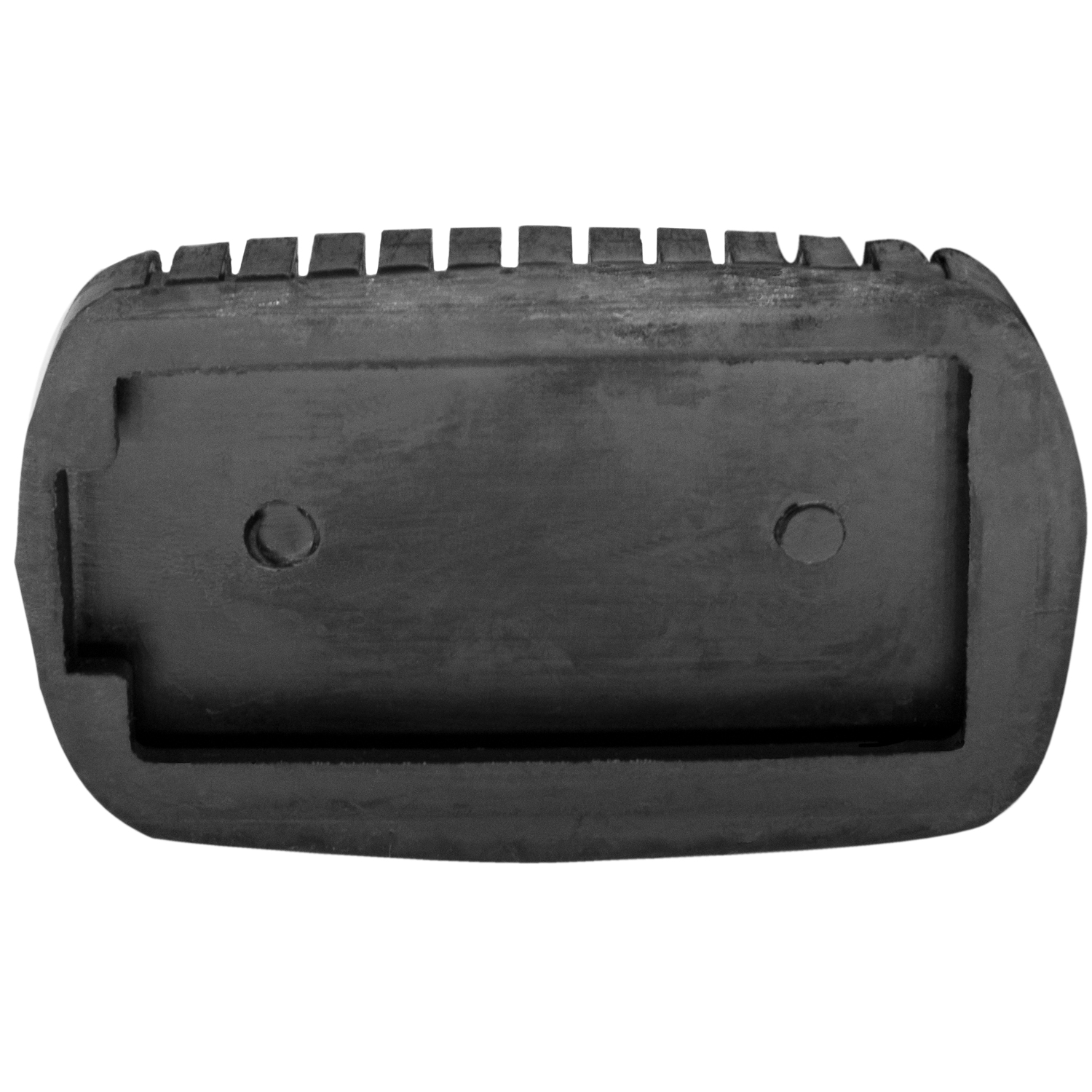 1957 GMC 101 Clutch and Brake Pedal Pad. 2-1/2" wide X 3-7/8" long-CB 100-A/EAClutch and Brake Pedal Pad. 2-1/2" wide X 3-7/8" long. Each
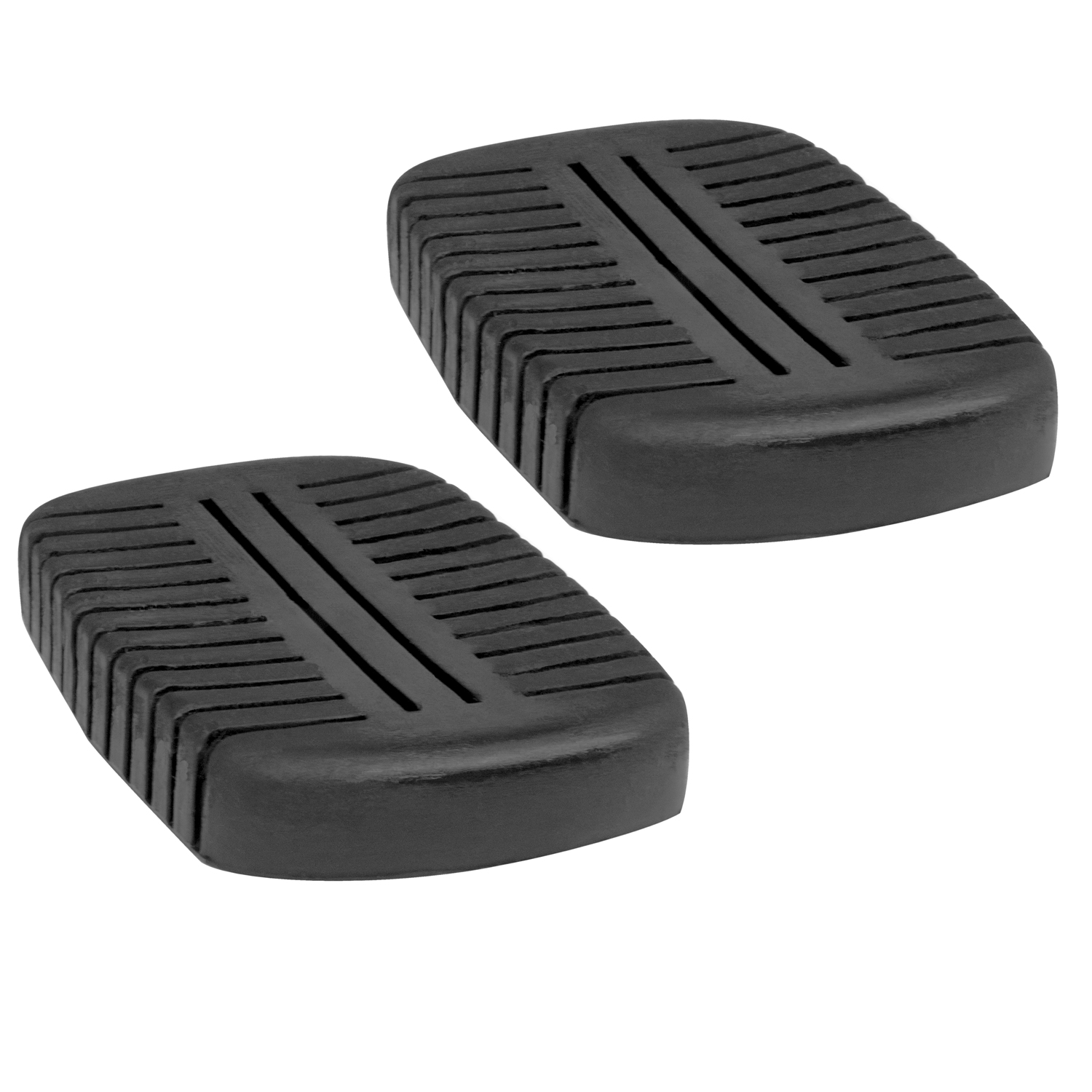 1957 GMC 101 Clutch and Brake Pedal Pads. 2-1/2" wide X 3-7/8" long-CB 100-A/PRClutch and Brake Pedal Pads. 2-1/2" wide X 3-7/8" long. Pair
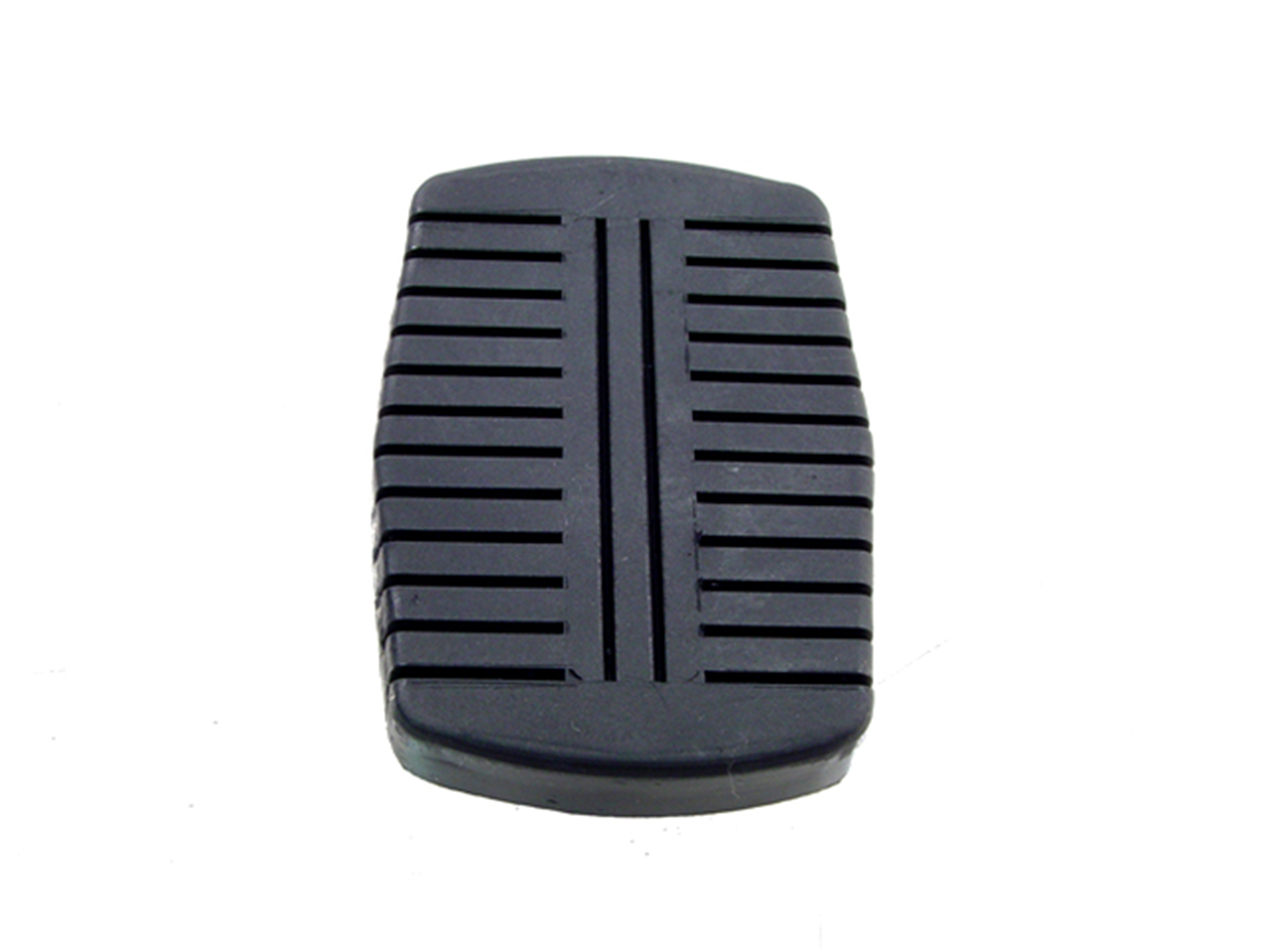 1957 GMC 101 Clutch and Brake Pedal Pad. Perfect-CB 100-EACHClutch and Brake Pedal Pad. Perfect. 2-5/8" wide X 3-3/4" long. Each
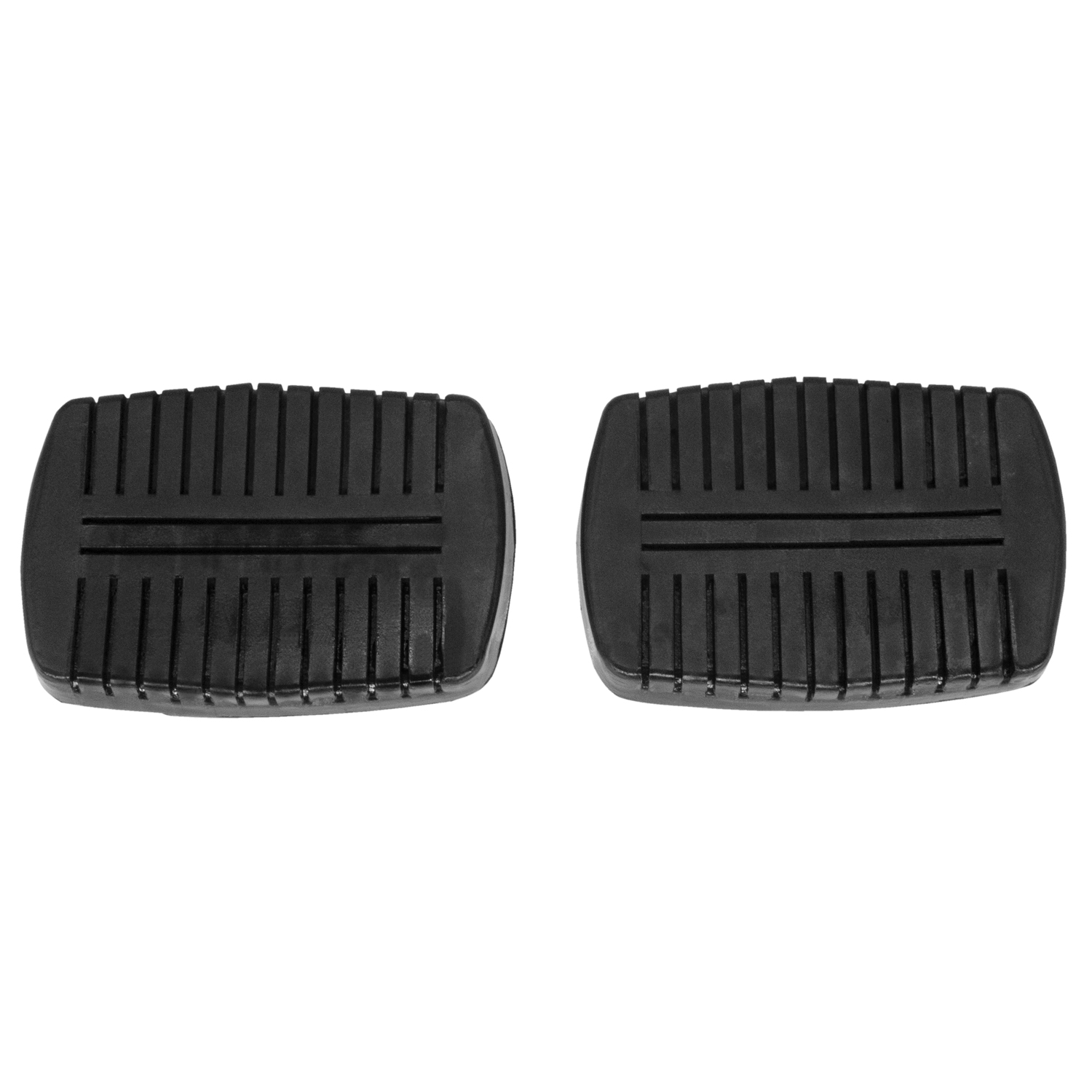 1957 GMC 101 Clutch and Brake Pedal Pads. Perfect-CB 100-PAIRClutch and Brake Pedal Pads. Perfect. 2-5/8" wide X 3-3/4" long. Pair
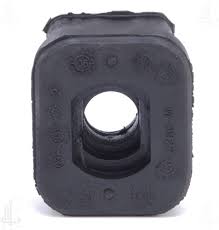 1957 GMC 101 Rear Lower Motor Mount. Two used per vehicle-MM 20-ARear Lower Motor Mount. Two used per vehicle. Replaces OEM #3789949. Each
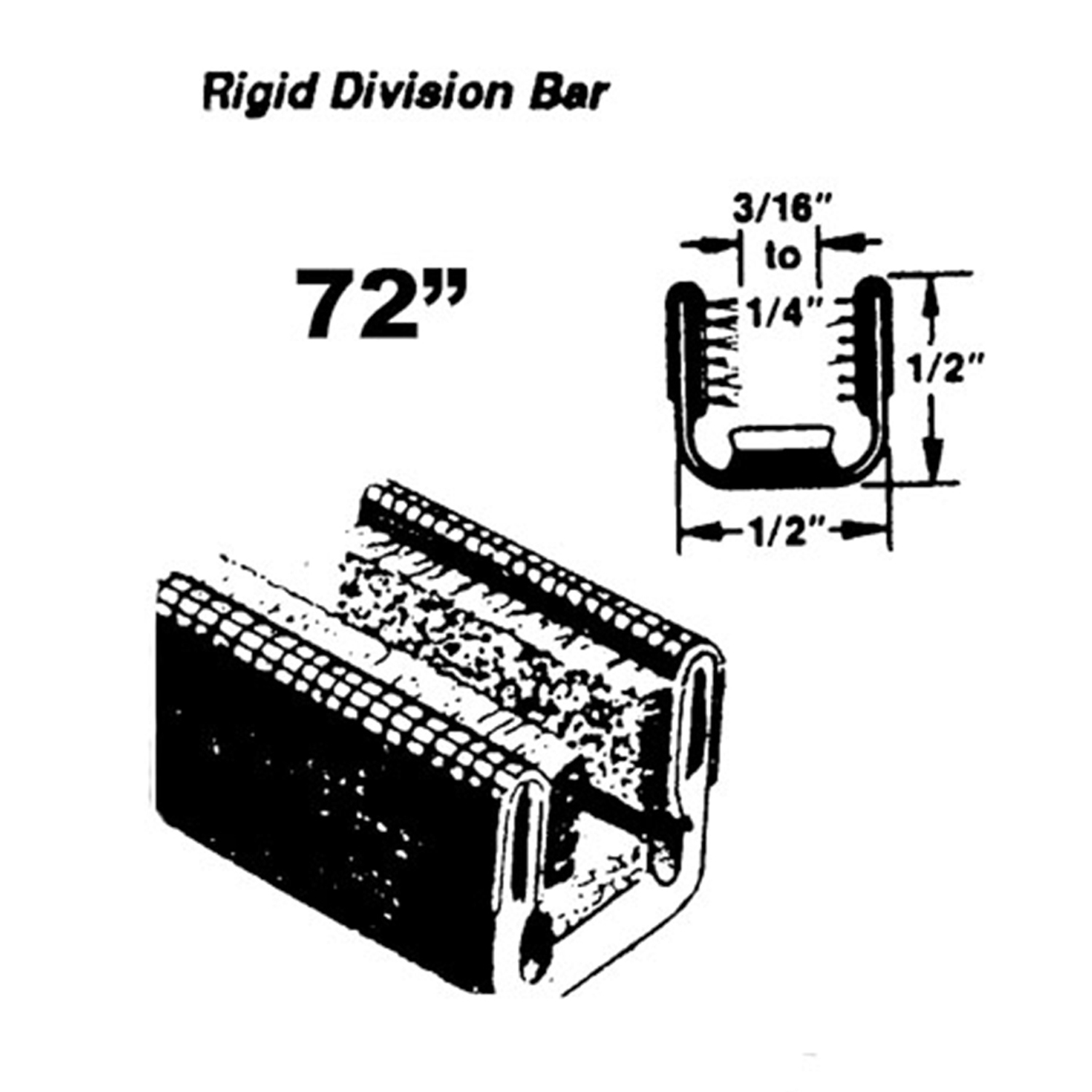 1957 GMC 101 Upper and lower rigid division-bar channel-WC 25-72Upper and lower rigid division-bar channel. Unbeaded, pile-lined. 72 in. long. Each. NOTE: $20 special shipping charge applies for domestic orders. Call or email for overseas shipping costs. Part can be sectioned into two equal lengths to reduce overseas shipping costs.
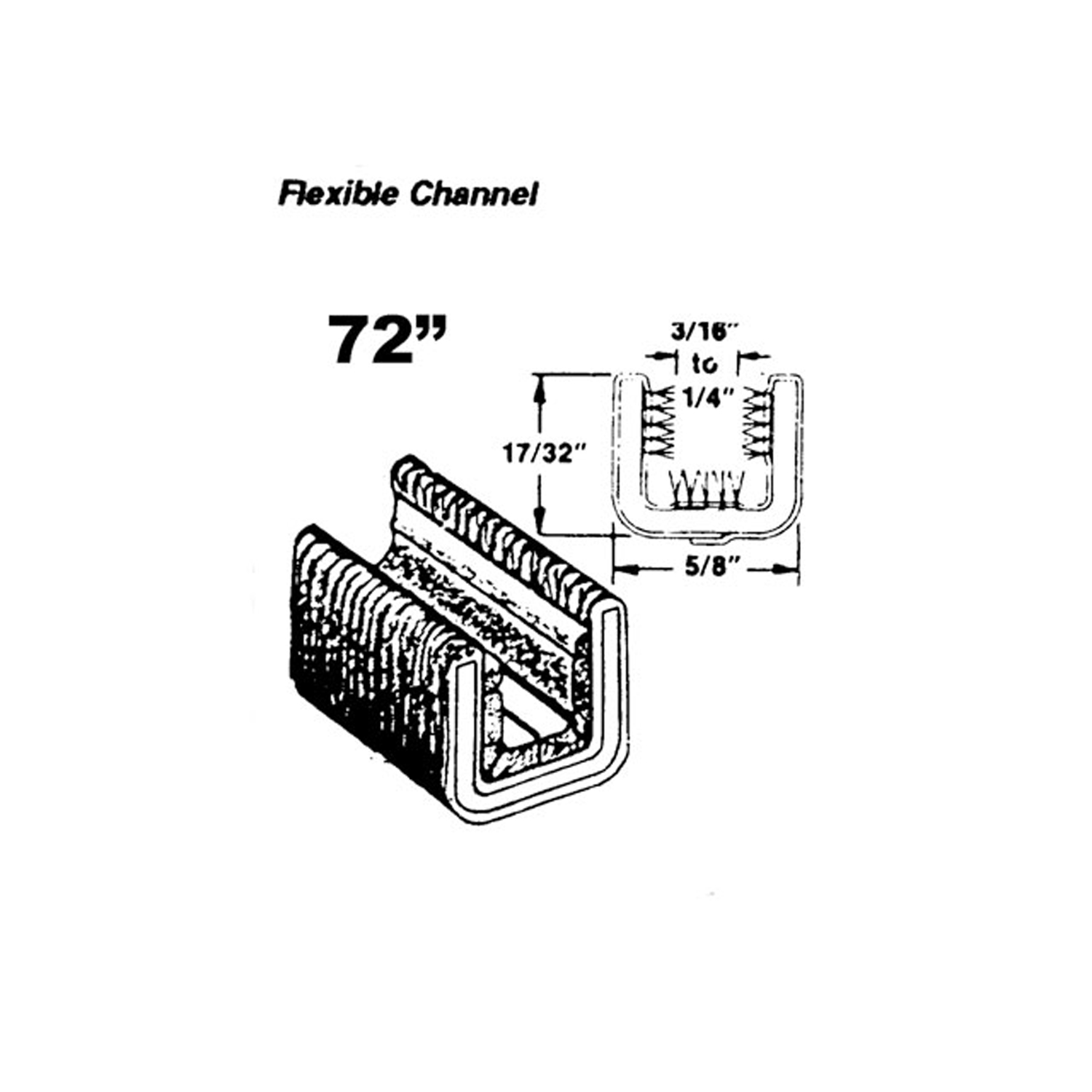 1957 GMC 101 Flexible glass-run channel-WC 26-72Flexible glass-run channel. For models without framed side glass. Unbeaded, pile-lined. 72 in. long. Each. NOTE: $20 special shipping charge applies for domestic orders. Call or email for overseas shipping costs. Part can be sectioned into two equal lengths to reduce overseas shipping costs.
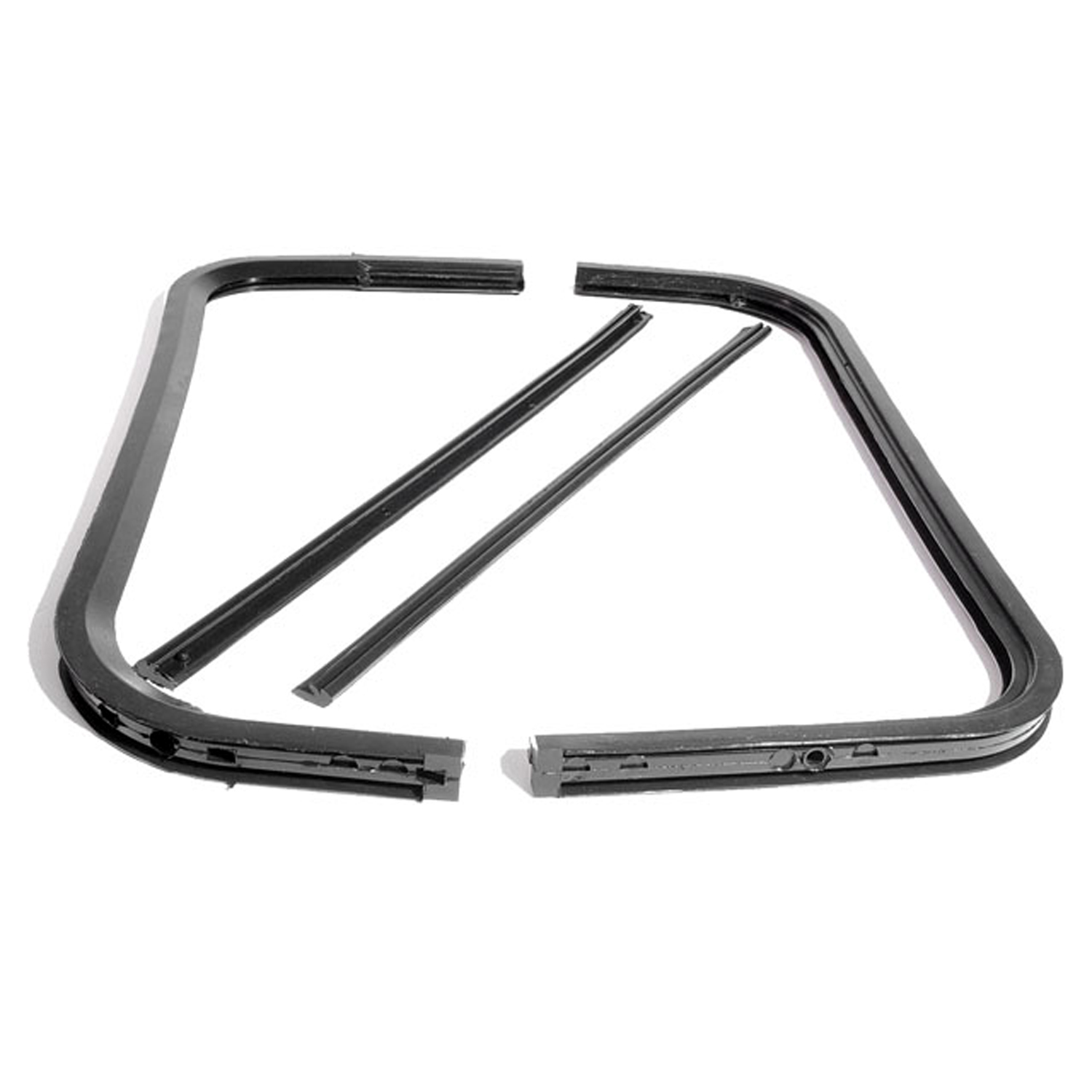 1957 GMC 101 Front Vent Window Seals w/ Vertical Division Bar-WR 2007Front Vent Window Seals w/ Vertical Division Bar. 27", 15-3/4". For 2nd series. Pair R&L
Why Choose Metro?
For over 100 years, Metro Moulded Parts has been the pinnacle of quality in classic car restoration parts. Our commitment to precision and authenticity in every component ensures a perfect fit and an OEM-level appearance.
- Expert Craftsmanship & Quality: Each part is a testament to our dedication to reliability and perfection, crafted from original designs and thoroughly tested.
- Advanced Technology: We use cutting-edge techniques to create flawless, long-lasting parts that surpass others in performance.
- SuperSoft Sponge – The Ultimate Door Seal: Not only are our door seals 30% softer than competitors', but they're also guaranteed to never leak. They effectively reduce wind and road noise, enhancing your classic car's comfort and driving experience.
- Proudly American: Our parts are a product of American craftsmanship, made in the USA with a spirit of excellence and heritage.
- Unrivaled Warranty: We back our products with a 30-year industry-leading warranty, a testament to our confidence in their quality.
Join us in preserving the legacy of classic cars with parts that are crafted for perfection, not just made.