

Image of 1958 Gmc 100, Note: These illustrations use artistic license and may differ from actual historical models.
Performance Metrics
Fundamental Metrics
Emotional Appeal
MMP Rating
| Engine Specifications | |
|---|---|
| Engine: | 336 V8 |
| Displacement: | 336 cu in (5.5 L) |
| Horsepower: | 180-200 hp |
| Torque: | 280-300 lb-ft |
| Compression Ratio: | 8.5:1 |
| Ignition System: | Conventional points ignition system |
| Cooling System: | Liquid-cooled |
| Performance Specifications | |
| 0-60 Time: | Estimated 12-15 seconds |
| 1/4 Mile Time: | Estimated 18-20 seconds |
| Top Speed: | 85-90 mph |
| Transmission and Drive | |
| Drive Type: | Rear-wheel drive |
| Transmission Type: | 3-speed manual, 4-speed manual, or 2-speed automatic |
| Fuel and Efficiency | |
| Fuel System Type: | Carburetor |
| MPG: | Estimated 10-12 mpg |
| Dimensions and Brakes | |
| Brakes: | Drum brakes |
| Wheelbase: | 114 inches |
| Weight: | 3,500-4,000 lbs |
Note: Specifications for classic cars are given to the best of our ability, considering the limited and variant data available.
1958 GMC 100: A Guide to GMC’s Handsome Half-Ton
The 1958 GMC 100 looks ready for work even when it is parked in a collector’s garage. Its broad hood, upright cab, and unmistakable four-headlamp face capture a moment when American pickups were becoming more comfortable and stylish without giving up their practical roots. Built by General Motors Truck & Coach Division, the GMC 100 was a half-ton pickup in GMC’s light-duty truck range, aimed at farmers, tradespeople, small businesses, and private owners who wanted a useful truck with a little extra polish.
It belonged to the second-generation GMC “Blue Chip” trucks, a series introduced in 1955 and updated several times during its run. The 1958 model year brought a particularly memorable front-end treatment: four headlights, a revised grille, and updated trim. That distinctive face gives the 1958 a look that is easy to tell apart from earlier trucks in the series. GMC shared much of its basic engineering with Chevrolet pickups, but its own grille, badging, and available GMC powertrains gave it a separate identity.
Blue Chip Styling and Cab Details
The 1958 GMC 100 has the confident proportions of a classic American pickup: a long hood, rounded front fenders, a tall windshield, and a cab set high enough to give the driver a commanding view. Four headlights sit at the front corners, framing a bright, wide grille. The design is more decorated than a strictly utilitarian work truck, but it still feels sturdy rather than delicate. Chrome details and GMC lettering add visual character without overwhelming the body.
Buyers could choose a traditional Stepside pickup, with its separate rear fenders and running boards, or a wider-sided bed style where offered. Bed lengths and equipment varied with configuration and market. The Stepside is the classic image many enthusiasts associate with the period, while the wider bed gives the truck a more modern, broad-shouldered stance. Cab and trim packages could add comfort and brightwork, making a well-optioned truck noticeably dressier than a basic work specification.
Inside, the cabin is straightforward and durable. The dashboard is broad and easy to read, with large, period-style instruments and simple controls. The materials are mainly painted metal, rubber, and practical upholstery rather than the soft-touch finishes expected in a modern vehicle. A bench seat keeps the layout simple and accommodates a passenger comfortably, though the cabin is narrow by current standards. On better-equipped examples, additional trim and upholstery details make the interior feel more inviting.
Exterior paint choices depended on the GMC color catalog and the truck’s equipment and market. Solid colors were common, while contrasting paint and two-tone treatments could give a pickup a more personalized appearance. Reds, greens, blues, creams, and other period shades are often seen on restored examples. Because many trucks have been repainted, today’s color may not match the original build; checking the body and trim codes is the best way to establish a particular truck’s factory specification.
Engines, Chassis, and Period Technology
GMC’s 270-cubic-inch inline-six was a key engine choice for light-duty trucks of this era, and the 1958 GMC 100 could also be ordered with a GMC V8, commonly identified in period applications as a 336-cubic-inch engine. Exact equipment depended on the truck’s configuration and production details, so a buyer should verify an individual vehicle’s engine rather than rely on its badge or seller description. Three-speed and four-speed manual transmissions were available, and an automatic transmission could be specified on some configurations.
For its time, the 100 combined conventional truck toughness with features that made it easier to live with. Its front suspension used independent design rather than a solid front axle, helping the truck ride and steer more comfortably on paved roads. Power steering and power brakes were available on some examples, but many surviving trucks have manual steering and brakes. Those options matter: a restored, optioned-up 100 can feel quite different from a basic farm truck.
Why the 1958 GMC 100 Matters
The GMC 100 arrived during a major transition in the American pickup market. Trucks were no longer purchased only as bare-bones commercial tools. Increasingly, owners used them for work during the week and family or recreational duties after hours. The Blue Chip series reflected that shift with more attention to styling, cabin comfort, and road manners while retaining a rugged chassis and useful bed.
What set the GMC apart from many competitors was its blend of practical hardware and a more distinctive identity. Its styling was related to Chevrolet’s, but GMC’s own grille, nameplates, and engine offerings helped it stand on its own. The 1958 four-headlight front end is a particularly recognizable expression of that identity. The truck did not introduce a single revolutionary technology that transformed the industry, but it helped establish the formula that remains familiar today: a work-capable pickup that can also serve as personal transportation.
Its lasting influence is visible in the way modern pickups balance utility with comfort and appearance. The 1958 GMC 100 was still a relatively simple vehicle, but it belonged to the period when buyers began expecting more than a load-carrying platform and a basic seat.
How It Drives: Honest, Heavy, and Mechanical
Factory performance figures for an individual 1958 GMC 100 are difficult to pin down because engine, transmission, axle ratio, tire size, and vehicle condition all affect the result. As a broad real-world estimate, a six-cylinder truck in good mechanical order may reach roughly 70 to 80 mph, with a 0-to-60-mph time in the neighborhood of 20 to 30 seconds. A V8-equipped example can feel stronger and may be quicker, but it is still a 1950s work truck, not a modern performance vehicle. These are estimates, not guaranteed factory test figures.
The inline-six delivers its power in a steady, workmanlike way. It is happiest building speed gradually, and it rewards a driver who shifts deliberately rather than rushing it. A V8 adds a deeper exhaust note and more immediate response, especially when pulling away with a load. Either engine gives the truck a mechanical soundtrack of induction, exhaust, and drivetrain noise that modern vehicles largely filter out.
On a smooth road, the 100 feels substantial and direct. Its steering takes more effort than a modern pickup’s, particularly at low speeds without power assistance, and the brakes demand more planning. The suspension can soften ordinary bumps, but an empty bed may still hop or chatter over rough pavement. On winding roads, the truck’s upright body and period tires call for measured cornering. Crosswinds can be noticeable, and it feels most comfortable at moderate cruising speeds rather than in fast traffic.
Living With a 1958 GMC Pickup
Today, the GMC 100 is commonly used as a weekend driver, a show vehicle, a farm or property truck, or a centerpiece in a classic-car collection. Some owners use their pickups regularly, but many avoid heavy hauling to protect old frames, beds, and driveline parts. A restored truck can handle local roads and occasional longer trips, provided its cooling system, brakes, tires, and electrical system are in sound condition.
Maintenance is generally approachable for an owner with basic mechanical skills. The engine bay is roomy, the systems are mostly mechanical, and common service work does not require modern diagnostic equipment. Parts support is helped by the shared GM heritage, although GMC-specific trim, badges, grille parts, and certain engine components can take more searching. Before buying, inspect the frame, cab corners, floors, lower fenders, bed, and suspension mounting areas for rust or old repairs. Also check that the brakes stop evenly and that the cooling system can cope with warm-weather traffic.
Reliability depends more on condition and workmanship than on the truck’s reputation. A carefully maintained original or properly restored 100 can be dependable for recreational use. A neglected example may need extensive attention to wiring, fuel delivery, brakes, steering, and seals before it is safe for regular road use.
1958 GMC 100 Facts and Common Myths
The four-headlight front end is one of the easiest ways to spot a 1958 GMC from earlier Blue Chip trucks. It is also a reminder that the model-year update was more than a new badge. GMC gave the truck a noticeably different face, making it especially appealing to collectors who want a classic pickup with a clear year-specific identity.
The GMC 100 was not known for setting speed or endurance records, and it does not have a single widely recognized celebrity ownership story attached to it. Its significance is more everyday than glamorous: thousands of trucks like it served on farms, job sites, and local roads across North America. A common criticism today is that the cab is cramped, the steering and braking feel heavy, and highway speeds can be tiring. Those traits are part of its vintage character, but they are also important considerations for anyone planning to drive one often.
Exact production totals for the 1958 GMC 100 are not consistently available in public sources, and figures are not always separated cleanly by model, body style, and engine. A reasonable estimate is that production was in the tens of thousands, perhaps roughly 20,000 to 40,000 examples, but that should be treated as an informed estimate rather than an official factory count. Survivors are available, though original, unmodified trucks and well-documented restorations are less common than heavily altered examples.
Collector Values and Market Outlook
As a broad U.S. market guide for 2026, a rough project truck may sell for around $5,000 to $12,000, depending on completeness, rust, and whether it runs. A usable driver or older restoration often falls in the $15,000 to $30,000 range. A high-quality restoration can reach approximately $35,000 to $60,000, while exceptional examples with strong documentation, desirable equipment, and excellent workmanship may bring more. These are general estimates, not appraisals; location, originality, body style, and current auction demand can shift the price substantially.
Classic pickups have benefited from broad collector interest, and clean 1950s GMCs remain attractive because they combine recognizable styling with genuine usability. Values have generally strengthened over the long term for well-presented trucks, though the market can cool and projects do not always appreciate enough to cover restoration costs. Condition and authenticity are the strongest value drivers. A solid, correctly restored truck is usually a better buy than a flashy example hiding rust or poorly executed modifications.
The Appeal of the 1958 GMC 100
The 1958 GMC 100 is a capable old pickup with a distinctive face, a practical cabin, and the straightforward mechanical character that makes classic trucks enjoyable to own. Its quad-headlight styling marks a memorable point in GMC’s Blue Chip story, while its independent front suspension and available V8 show how pickup design was moving toward greater comfort without abandoning work duties.
It is not fast, quiet, or effortless by modern standards. Its appeal lies in the opposite qualities: the solid feel of the controls, the sound of an old GMC engine, and the satisfaction of driving a truck built for a different kind of road life. More than six decades on, the GMC 100 remains a hardworking piece of American automotive history with plenty of personality left in it.
1958 Gmc 100 Catalog of Parts
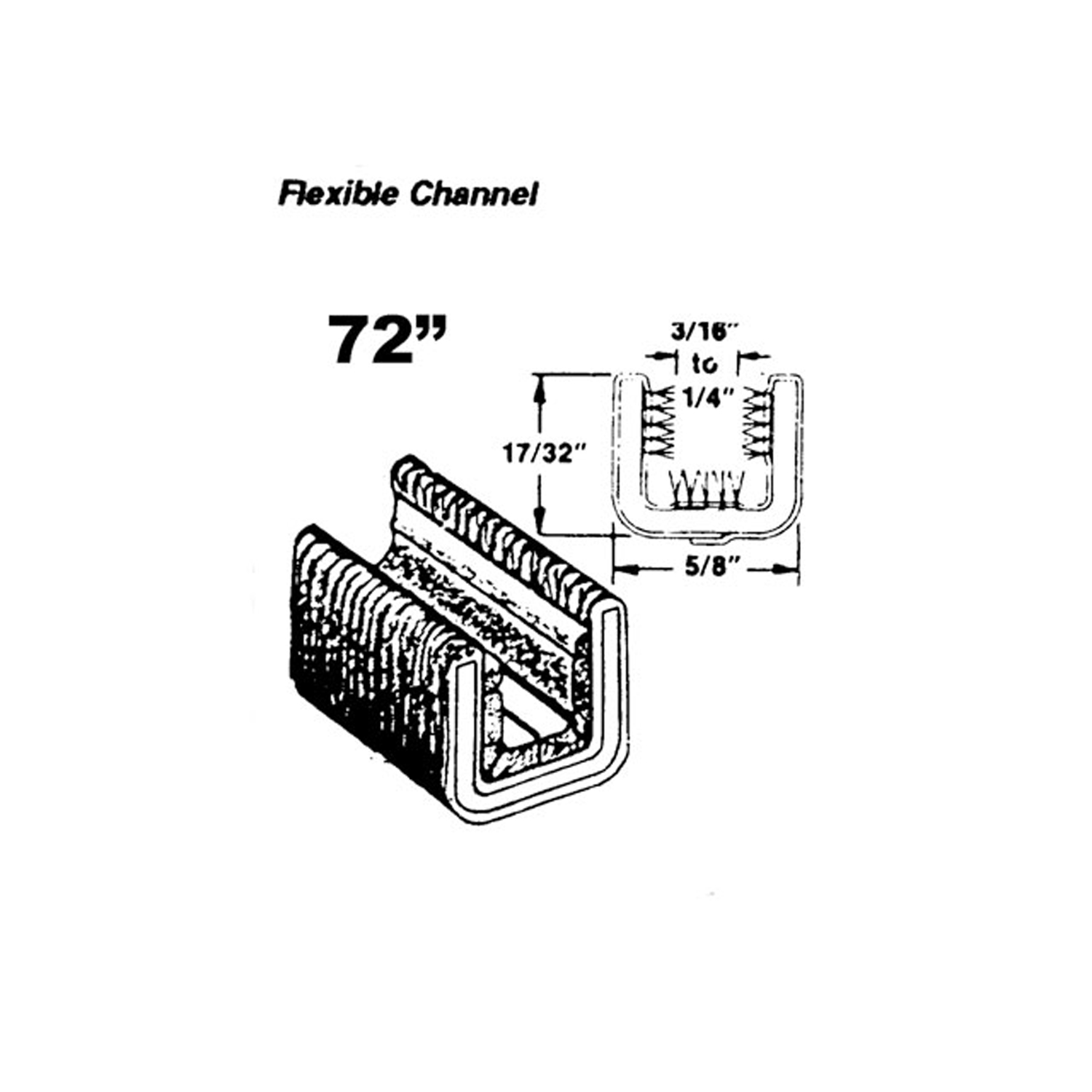 1958 GMC 100 Flexible glass-run channel-WC 26-72Flexible glass-run channel. For models without framed side glass. Unbeaded, pile-lined. 72 in. long. Each. NOTE: $20 special shipping charge applies for domestic orders. Call or email for overseas shipping costs. Part can be sectioned into two equal lengths to reduce overseas shipping costs.
Why Choose Metro?
For over 100 years, Metro Moulded Parts has been the pinnacle of quality in classic car restoration parts. Our commitment to precision and authenticity in every component ensures a perfect fit and an OEM-level appearance.
- Expert Craftsmanship & Quality: Each part is a testament to our dedication to reliability and perfection, crafted from original designs and thoroughly tested.
- Advanced Technology: We use cutting-edge techniques to create flawless, long-lasting parts that surpass others in performance.
- SuperSoft Sponge – The Ultimate Door Seal: Not only are our door seals 30% softer than competitors', but they're also guaranteed to never leak. They effectively reduce wind and road noise, enhancing your classic car's comfort and driving experience.
- Proudly American: Our parts are a product of American craftsmanship, made in the USA with a spirit of excellence and heritage.
- Unrivaled Warranty: We back our products with a 30-year industry-leading warranty, a testament to our confidence in their quality.
Join us in preserving the legacy of classic cars with parts that are crafted for perfection, not just made.