

Image of 1958 Gmc 101, Note: These illustrations use artistic license and may differ from actual historical models.
Performance Metrics
Fundamental Metrics
Emotional Appeal
MMP Rating
| Engine Specifications | |
|---|---|
| Engine: | 336 V8 |
| Displacement: | 336 cubic inches |
| Horsepower: | Estimated 180-200 HP |
| Torque: | 280-300 lb-ft |
| Compression Ratio: | Estimated 8.5:1 |
| Ignition System: | Conventional points ignition system |
| Cooling System: | Liquid-cooled |
| Performance Specifications | |
| 0-60 Time: | Information not available |
| 1/4 Mile Time: | Information not available |
| Top Speed: | Estimated 85-95 mph |
| Transmission and Drive | |
| Drive Type: | Rear-wheel drive |
| Transmission Type: | 3-speed manual, 4-speed manual, or Hydra-Matic automatic |
| Fuel and Efficiency | |
| Fuel System Type: | Carburetor |
| MPG: | Estimated 10-12 mpg |
| Dimensions and Brakes | |
| Brakes: | Drum brakes |
| Wheelbase: | 114 inches |
| Weight: | Estimated 3,500-4,000 lbs |
Note: Specifications for classic cars are given to the best of our ability, considering the limited and variant data available.
1958 GMC 101: A Blue Chip Pickup with Four Headlights
The 1958 GMC 101 arrived with a broad grille, four bright headlights, and the kind of purposeful stance that made a pickup look ready for work before the engine even turned over. It belongs to GMC’s 100-series, half-ton trucks in the second-generation Task Force era, a family of pickups produced by the General Motors Truck and Coach Division. The exact meaning of “101” can vary across modern listings and registration records, so buyers should confirm a specific truck’s model and equipment using its serial number and factory documentation.
GMC marketed its trucks as “Blue Chip” vehicles, emphasizing durability, capability, and a more polished look than a bare-bones work truck. The 1958 model year also brought a distinctive front-end update: quad headlights replaced the earlier single-headlamp arrangement. That detail makes a ’58 easy to distinguish from many neighboring Task Force years.
The year was an interesting one for the American truck market. The United States was in a recession, but pickup trucks were evolving beyond strictly commercial tools. Farmers, tradespeople, and businesses still needed dependable hauling capacity, while more private buyers were beginning to value comfort and styling. The 1958 GMC sits squarely in that transition.
Task Force Styling and Cab Details
The ’58 GMC has a long hood, upright windshield, rounded front fenders, and a prominent grille framed by four headlights. Its front end looks more formal than the rounded, almost prewar shapes of earlier pickups, yet it retains the substantial curves that give late-1950s trucks their character. Bright trim, GMC lettering, and optional chrome details add presence without disguising the truck’s practical roots.
Inside, the cab is straightforward and durable. The bench seat, painted metal dashboard, large steering wheel, and clearly marked gauges put function first. Materials were chosen for hard use rather than luxury: painted steel, vinyl or fabric upholstery depending on trim and equipment, and robust controls that are easy to operate with work gloves. Compared with a modern pickup, the cabin is narrow and spare. Compared with a contemporary work truck, it can feel surprisingly welcoming.
Available equipment varied with configuration and order. Buyers could choose different transmissions and rear-axle ratios, along with convenience and trim options. A three-speed manual was common, while other manual gearing and an automatic transmission were available on some configurations. Power steering and power brakes were not standard on every truck, so equipment should be checked rather than assumed.
Paint, Beds, and Body Choices
GMC offered period colors that ranged from restrained work-truck shades to brighter blues, reds, greens, and cream tones, with availability depending on the paint program and specification. Two-tone finishes could emphasize the cab and body lines, and they are especially popular with collectors today. Original paint codes are the best guide when restoring a particular truck; modern restorations often use appealing period-inspired combinations that may not match the original order sheet.
The most familiar version is the conventional pickup with a separate bed and rear fenders, often called a Stepside or Fenderside in modern descriptions. Bed length and chassis configuration depended on the order. GMC also offered other commercial bodies and chassis arrangements across its truck range, including panel and utility applications. A pickup-style wide-bed option was available in this period, though the exact terminology and availability can differ by market and model configuration. For collectors, the regular pickup is the best-known and most commonly encountered form.
Engines and Period Technology
Engine availability depended on the truck’s configuration and market. The 270-cubic-inch GMC inline-six was a characteristic choice, valued for steady low-speed pulling and straightforward service. A GMC V8 was also available in the range, including the 336-cubic-inch V8 offered during this period. These were truck engines designed to move a load reliably, not high-revving performance units.
For 1958, the quad-headlight front end was the most conspicuous design change, but the broader Task Force formula also reflected a growing interest in comfort and usability. The cab gave the driver a more carlike environment than many earlier commercial trucks, while the broad windshield and large windows helped visibility. Depending on equipment, an automatic transmission could make stop-and-go work less tiring, a notable convenience in a truck still expected to haul and tow.
Why the 1958 GMC Matters
The 1958 GMC did not reinvent the pickup, but it represents an important stage in the truck’s evolution from commercial appliance to personal vehicle. Its styling was bold enough to appeal to private buyers, while its body-on-frame construction, solid axles, and work-oriented powertrain kept it useful on farms and job sites. The combination of toughness and visible design identity helped establish the pickup as something owners could take pride in, not merely a tool to park behind the shop.
GMC’s approach also set the brand apart from its Chevrolet sibling. The companies shared much of their underlying engineering, but GMC emphasized its own grille, badging, trim, and marketing. The result was a truck that could be mechanically familiar to a Chevrolet owner while still looking distinctly like a GMC. That blend of shared parts and unique presentation remains part of the model’s appeal to restorers.
Performance and Driving Feel
These trucks were built for carrying and pulling, and factory performance figures are not as consistently documented as they are for passenger cars. As a practical estimate, a six-cylinder 1958 GMC 100-series pickup might reach 0–60 mph in roughly 20 to 30 seconds, depending on engine condition, axle ratio, transmission, tires, and load. A V8 truck could be quicker. A lightly loaded example may manage a top speed in the neighborhood of 70 to 85 mph, but sustained high-speed driving is not what the gearing, brakes, or suspension were designed for.
On a smooth road, the truck feels substantial and deliberate. The steering is slower and heavier than modern power-assisted systems, and the driver sits high behind a large wheel. The inline-six delivers a steady, mechanical rumble, while the V8 adds a deeper exhaust note. Acceleration is measured rather than brisk, especially when the bed is loaded.
Over bumps, the solid-axle suspension and leaf springs make the truck feel firm when empty. A load can settle the rear suspension and improve its composure, but it also increases demands on the brakes and drivetrain. On winding roads, expect more body movement and a wider turning feel than in a modern pickup. Crosswinds and uneven pavement require attention, particularly with worn steering components or old tires. A well-maintained truck can be enjoyable on back roads, but it rewards a smooth, anticipatory driving style.
Living with a 1958 GMC
Today, owners use the 1958 GMC in several ways. Some keep them as weekend drivers or parade vehicles; others restore them as show trucks, use them for light hauling, or build custom hot rods. A stock, well-sorted example can handle local trips and occasional longer drives, though modern traffic speeds and braking expectations call for caution.
Mechanical repairs are generally approachable for an experienced home mechanic. The engines and chassis use conventional components, and many service parts are available through classic-truck suppliers. The main challenges are often body-related: rust repair, locating sound cab and bed panels, finding correct trim, and verifying that replacement parts match the truck’s year and configuration. Electrical systems are simple by modern standards, but old wiring, grounds, and charging components should be inspected carefully.
Reliability depends heavily on restoration quality and maintenance. A truck that starts easily and looks polished may still have worn brakes, aged fuel lines, or loose steering. Before regular road use, inspect the frame, suspension, wheel bearings, cooling system, fuel system, and brake hydraulics. Upgrades such as seat belts, modern tires, or improved braking components can make a classic truck more practical, but should be installed thoughtfully to preserve safe handling.
Useful Facts and Common Complaints
The four-headlight face is the quick visual clue that places the 1958 GMC among the most distinctive Task Force front ends. It also gives the truck a wider, more modern appearance than earlier single-headlight versions. Another point of interest is its close mechanical relationship to contemporary Chevrolet trucks, paired with GMC-specific styling and identification.
There is no widely recognized production record or major speed achievement associated with the 1958 GMC 101. GMC did not publish a dependable, commonly cited production total for every individual cab, bed, engine, and trim combination. As a result, a precise figure for the 101 designation is difficult to support. A reasonable estimate is that production reached the tens of thousands, perhaps around 30,000 to 50,000 examples for a broadly defined 100-series pickup category, but that is an informed estimate rather than a verified factory count.
Common criticisms are familiar to anyone who has driven a vintage truck: modest braking by modern standards, heavy steering, limited cabin storage, road noise, and a firm ride when the bed is empty. Rust is another serious concern, particularly around cab corners, floor sections, lower fenders, and the bed. These drawbacks are part of the ownership equation, not reasons to dismiss the truck. They simply make condition and maintenance more important than shiny paint alone.
Collector Values and Availability
Values vary considerably with body condition, originality, engine, documentation, and restoration quality. As a broad U.S. market estimate for 2026, a project truck may sell for about $5,000 to $12,000. A usable driver in fair-to-good condition could fall around $15,000 to $30,000. A well-restored example commonly lands in the $35,000 to $60,000 range, while an exceptional, highly original, or professionally restored truck can exceed $70,000. Custom builds may sell for more or less depending on workmanship and buyer taste.
The 1958 GMC is not a mass-market collectible with a deep supply of pristine examples. Good trucks appear regularly enough that buyers can shop around, but original parts, rust-free bodies, and documented restorations are harder to find. Prices for attractive, usable vintage pickups have generally strengthened over the long term, though the market moves with condition and broader collector interest. Project trucks can be less predictable because restoration costs often exceed expectations.
For a serious purchase, inspect the truck in person, verify the identification numbers, and look beneath fresh paint. Check the frame, cab mounts, bed structure, and signs of poorly repaired collision damage. A truck with honest wear and sound metal is often a better buy than a glossy example hiding structural problems.
A Lasting Blue Chip Classic
The 1958 GMC 101 combines the sturdy engineering of a working pickup with a memorable late-1950s design. Its quad headlights, broad grille, practical cab, and available six- or eight-cylinder power give it a character that is both useful and unmistakably vintage. It is not fast or quiet by modern standards, but it offers something many newer trucks cannot: a direct, mechanical connection between driver, machine, and road.
Whether restored for shows or kept as a weekend hauler, the ’58 GMC remains a standout from the Task Force era. It is a hardworking classic with enough style to make even an ordinary trip feel like an occasion.
1958 Gmc 101 Catalog of Parts
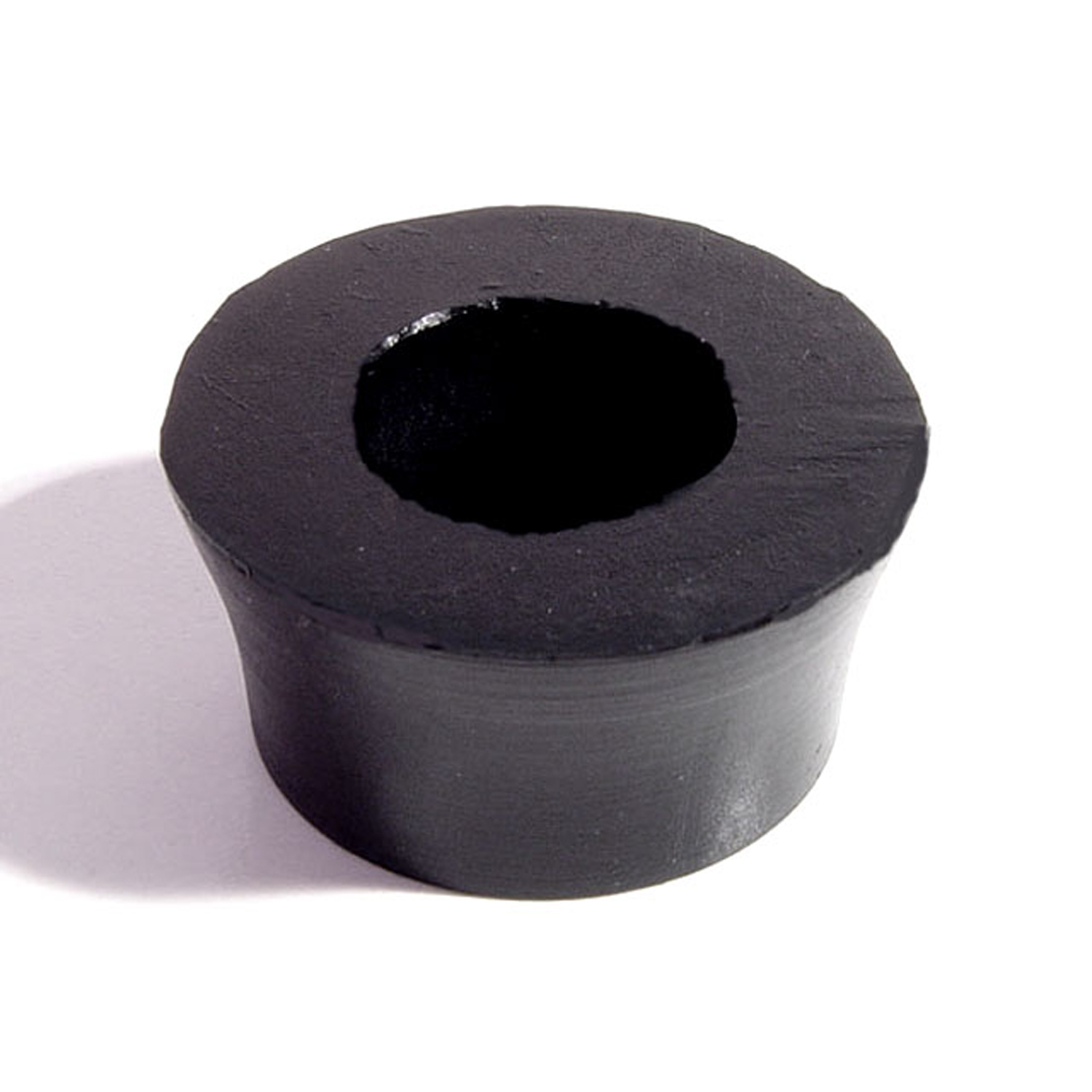 1958 GMC 101 Shock Absorber Grommet. 1" bottom O.D., 5/8" high-BN 10Shock Absorber Grommet. 1" bottom O.D., 5/8" high., with 5/8" I.D. Each
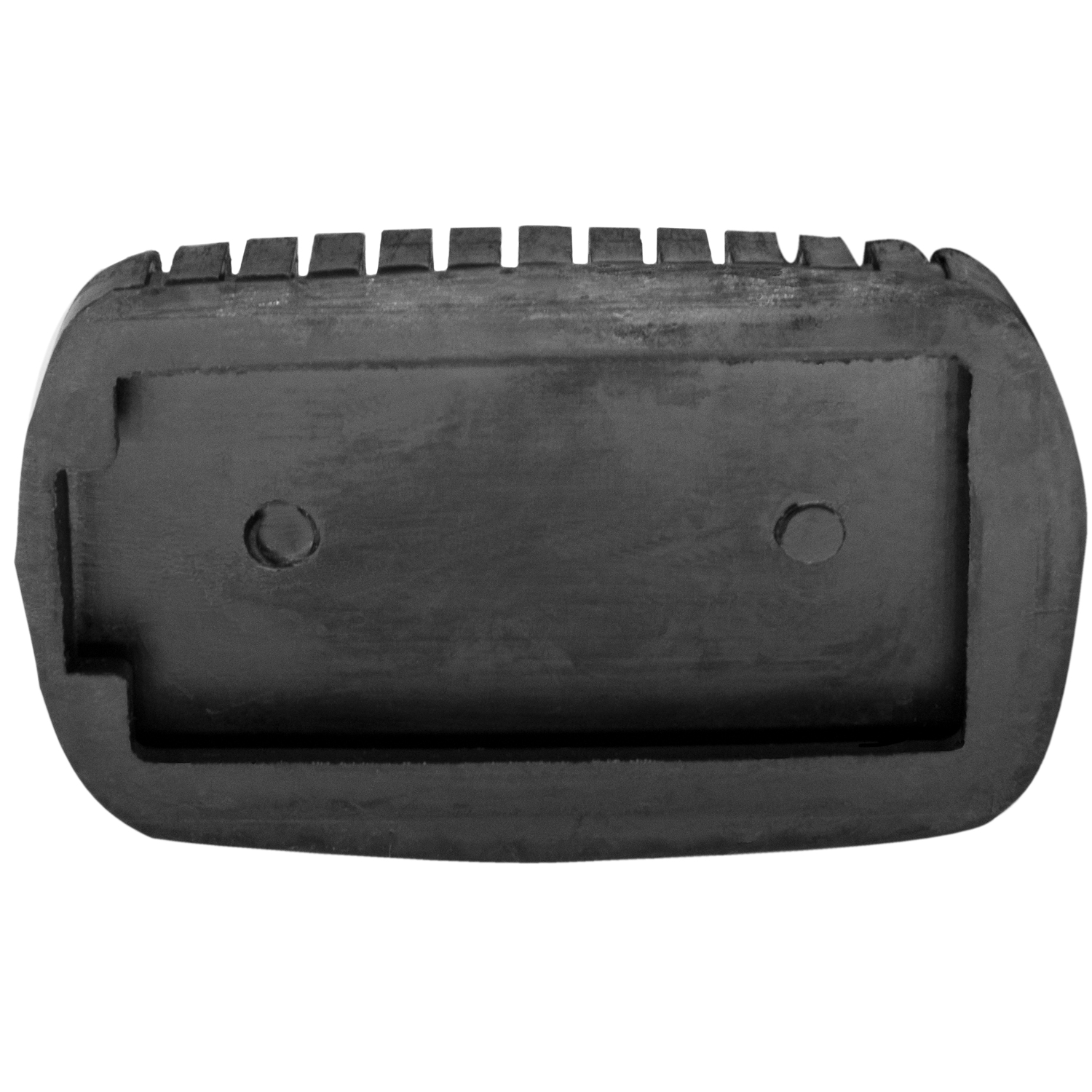 1958 GMC 101 Clutch and Brake Pedal Pad. 2-1/2" wide X 3-7/8" long-CB 100-A/EAClutch and Brake Pedal Pad. 2-1/2" wide X 3-7/8" long. Each
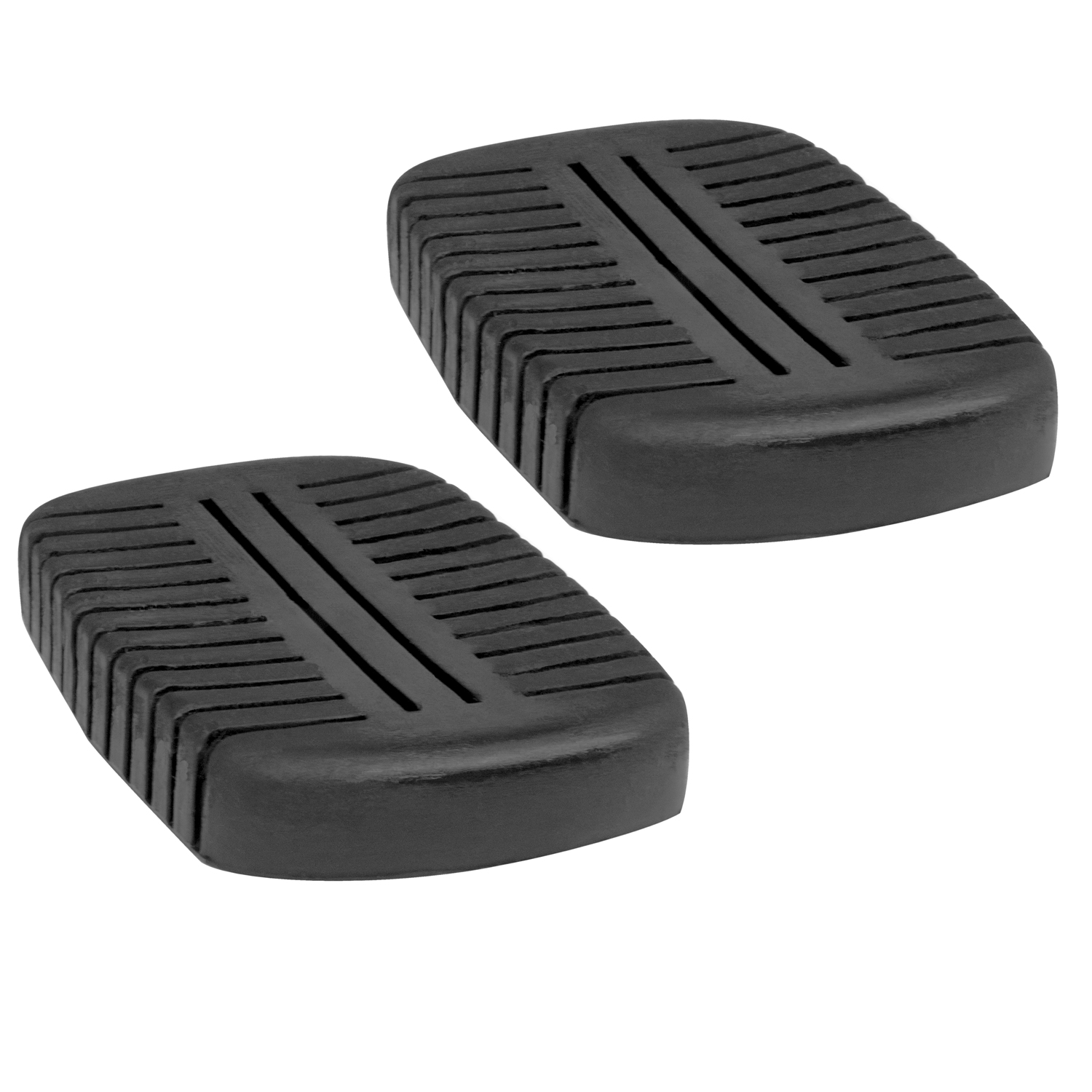 1958 GMC 101 Clutch and Brake Pedal Pads. 2-1/2" wide X 3-7/8" long-CB 100-A/PRClutch and Brake Pedal Pads. 2-1/2" wide X 3-7/8" long. Pair
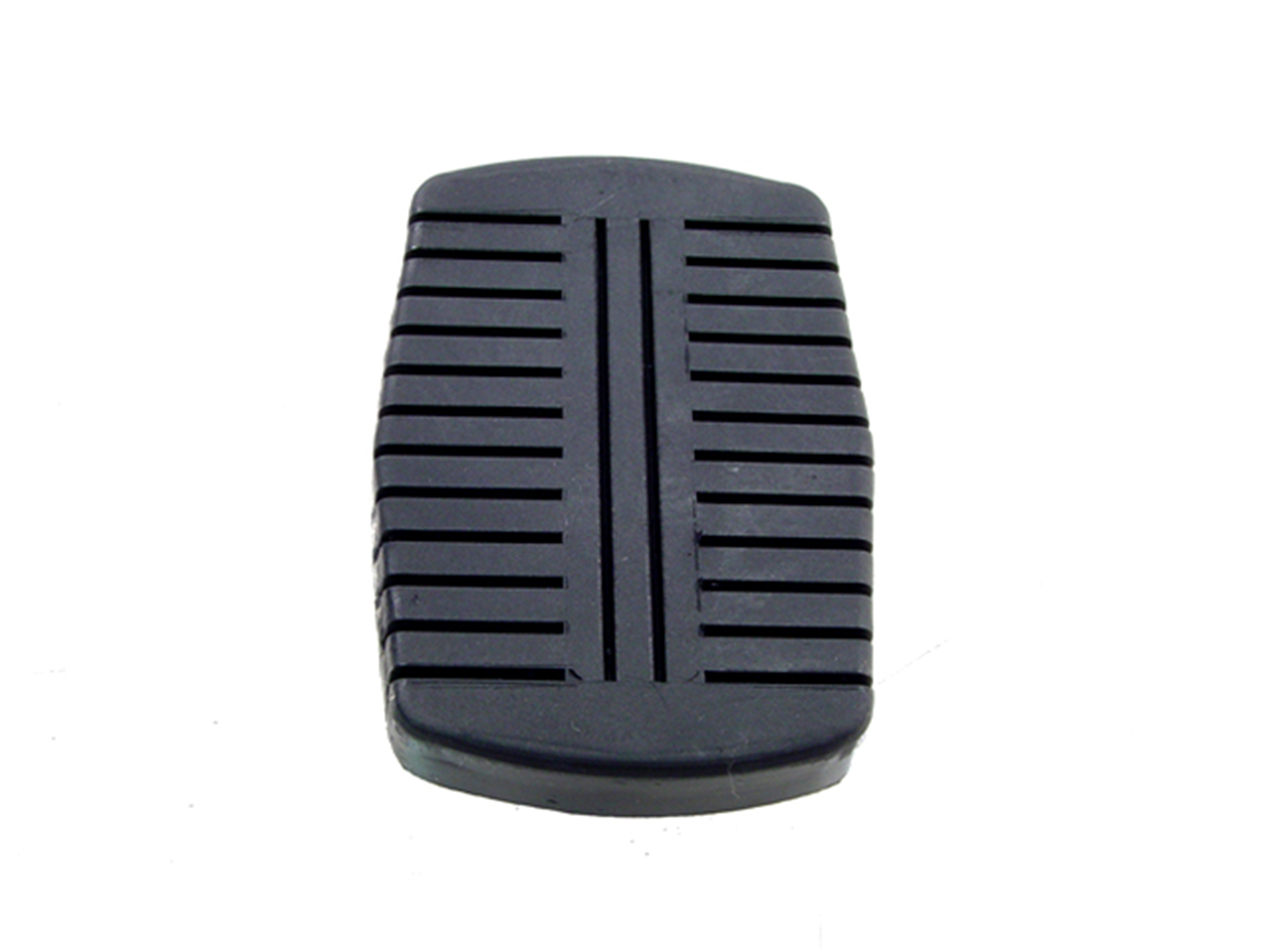 1958 GMC 101 Clutch and Brake Pedal Pad. Perfect-CB 100-EACHClutch and Brake Pedal Pad. Perfect. 2-5/8" wide X 3-3/4" long. Each
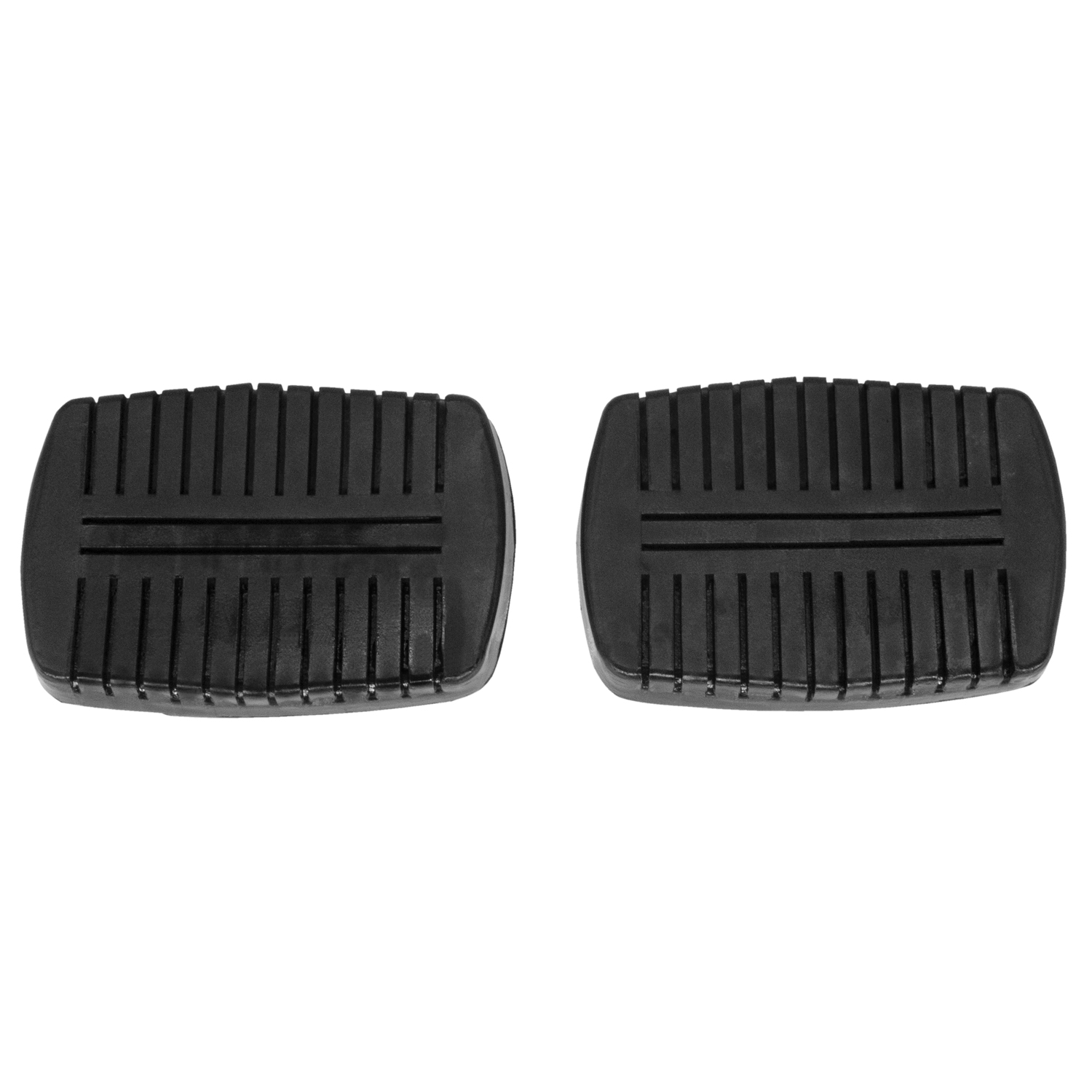 1958 GMC 101 Clutch and Brake Pedal Pads. Perfect-CB 100-PAIRClutch and Brake Pedal Pads. Perfect. 2-5/8" wide X 3-3/4" long. Pair
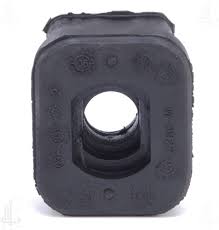 1958 GMC 101 Rear Lower Motor Mount. Two used per vehicle-MM 20-ARear Lower Motor Mount. Two used per vehicle. Replaces OEM #3789949. Each
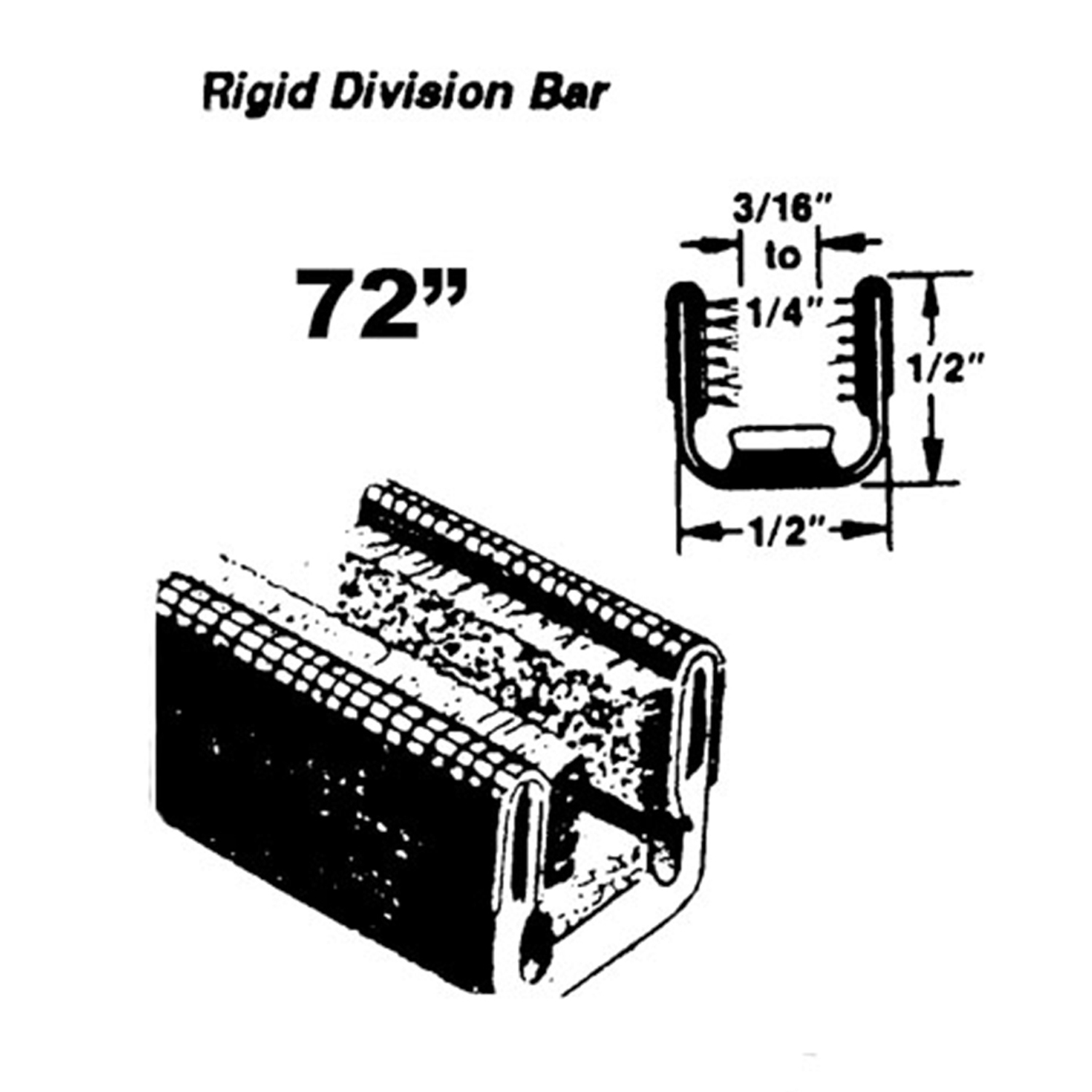 1958 GMC 101 Upper and lower rigid division-bar channel-WC 25-72Upper and lower rigid division-bar channel. Unbeaded, pile-lined. 72 in. long. Each. NOTE: $20 special shipping charge applies for domestic orders. Call or email for overseas shipping costs. Part can be sectioned into two equal lengths to reduce overseas shipping costs.
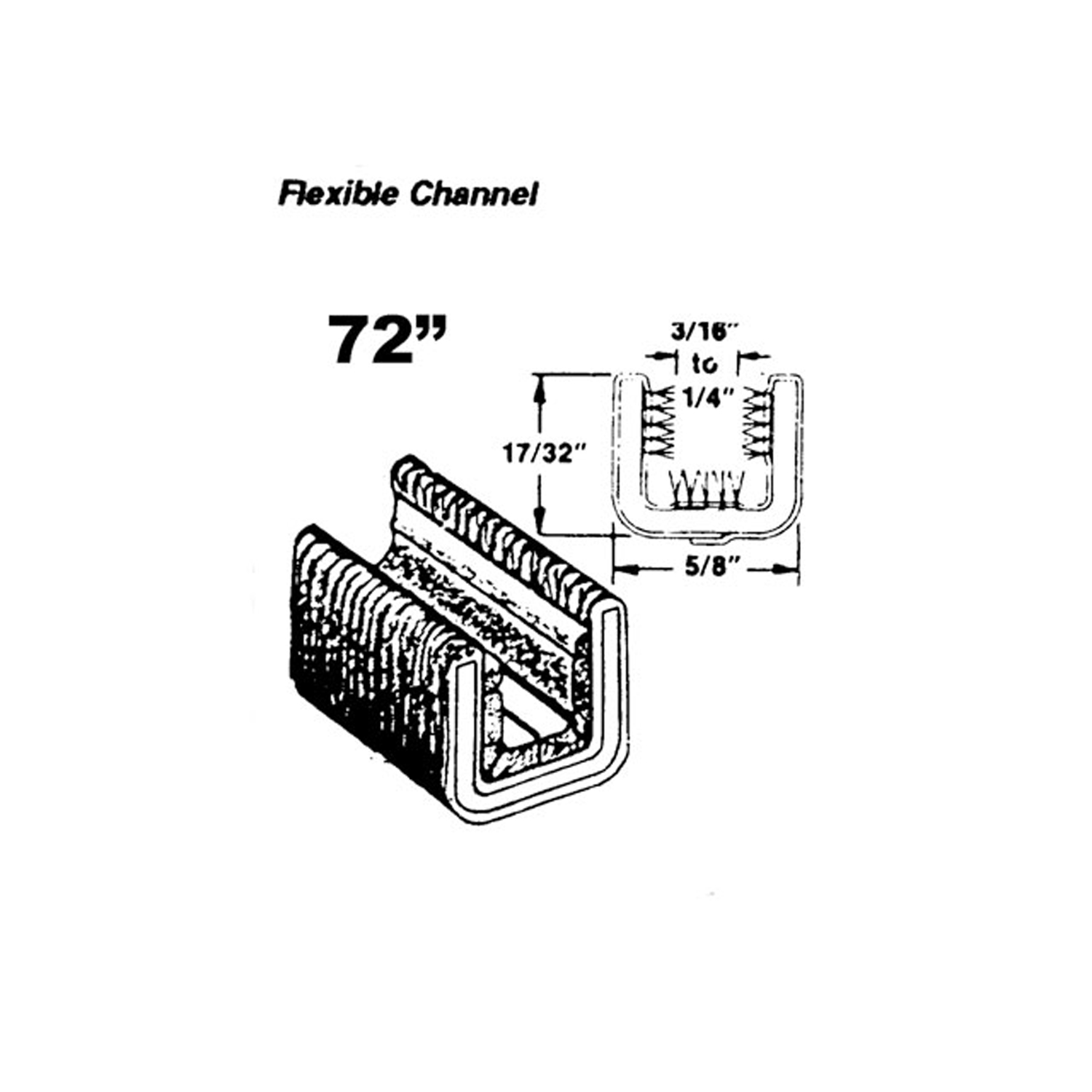 1958 GMC 101 Flexible glass-run channel-WC 26-72Flexible glass-run channel. For models without framed side glass. Unbeaded, pile-lined. 72 in. long. Each. NOTE: $20 special shipping charge applies for domestic orders. Call or email for overseas shipping costs. Part can be sectioned into two equal lengths to reduce overseas shipping costs.
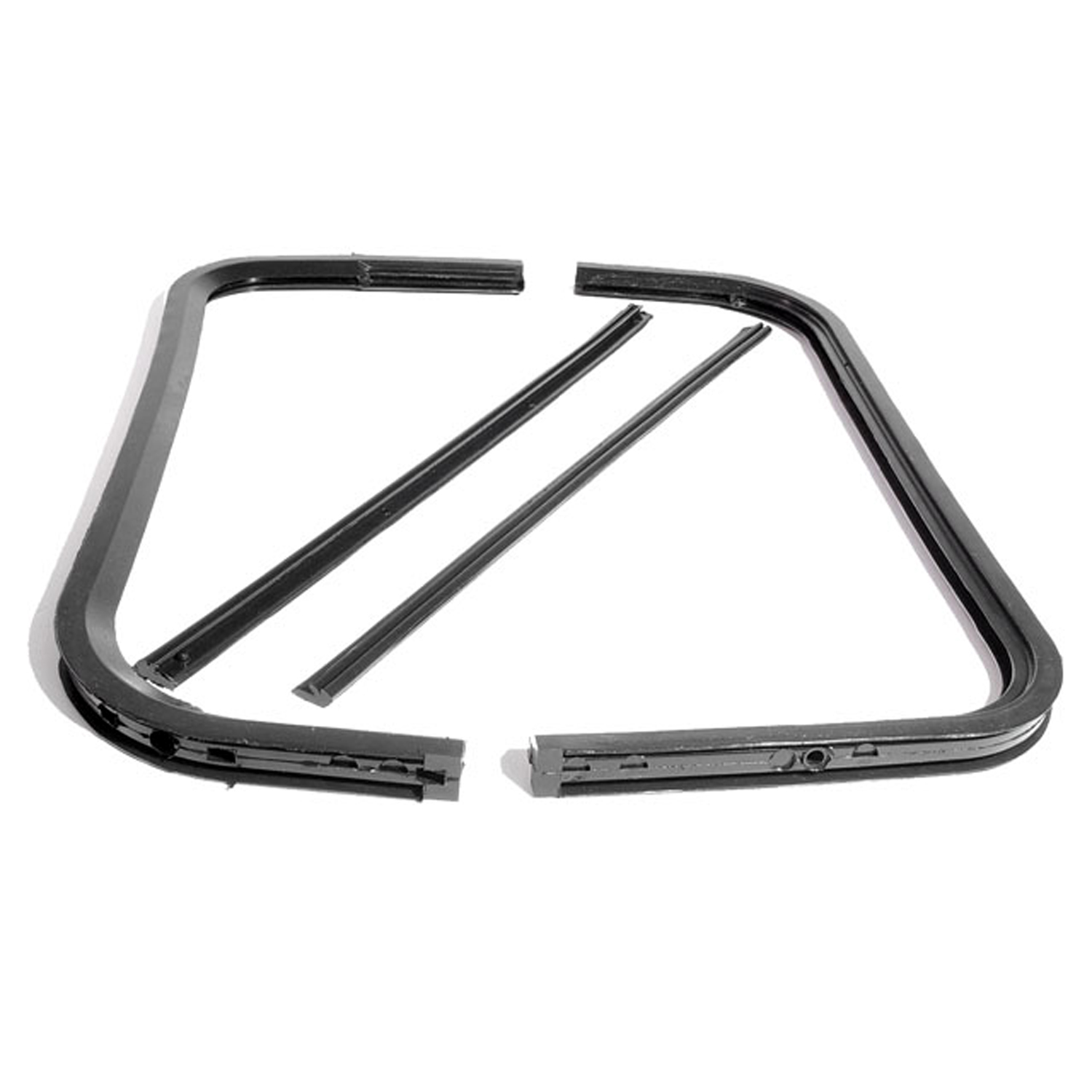 1958 GMC 101 Front Vent Window Seals w/ Vertical Division Bar-WR 2007Front Vent Window Seals w/ Vertical Division Bar. 27", 15-3/4". For 2nd series. Pair R&L
Why Choose Metro?
For over 100 years, Metro Moulded Parts has been the pinnacle of quality in classic car restoration parts. Our commitment to precision and authenticity in every component ensures a perfect fit and an OEM-level appearance.
- Expert Craftsmanship & Quality: Each part is a testament to our dedication to reliability and perfection, crafted from original designs and thoroughly tested.
- Advanced Technology: We use cutting-edge techniques to create flawless, long-lasting parts that surpass others in performance.
- SuperSoft Sponge – The Ultimate Door Seal: Not only are our door seals 30% softer than competitors', but they're also guaranteed to never leak. They effectively reduce wind and road noise, enhancing your classic car's comfort and driving experience.
- Proudly American: Our parts are a product of American craftsmanship, made in the USA with a spirit of excellence and heritage.
- Unrivaled Warranty: We back our products with a 30-year industry-leading warranty, a testament to our confidence in their quality.
Join us in preserving the legacy of classic cars with parts that are crafted for perfection, not just made.