

Image of 1958 Gmc 150, Note: These illustrations use artistic license and may differ from actual historical models.
Performance Metrics
Fundamental Metrics
Emotional Appeal
MMP Rating
| Engine Specifications | |
|---|---|
| Engine: | 5.3L V8 |
| Displacement: | 5.3L |
| Horsepower: | 160-180 HP |
| Torque: | Estimated 260-280 lb-ft |
| Compression Ratio: | 8.0:1 |
| Ignition System: | Conventional breaker-point ignition system |
| Cooling System: | Liquid-cooled |
| Performance Specifications | |
| 0-60 Time: | Estimated 12-15 seconds |
| 1/4 Mile Time: | Estimated 18-20 seconds |
| Top Speed: | 85-90 mph |
| Transmission and Drive | |
| Drive Type: | Rear-wheel drive |
| Transmission Type: | 3-speed manual |
| Fuel and Efficiency | |
| Fuel System Type: | Carburetor |
| MPG: | Estimated 10-12 mpg |
| Dimensions and Brakes | |
| Brakes: | Drum brakes |
| Wheelbase: | 114 inches |
| Weight: | Estimated 3,500-3,800 lbs |
Note: Specifications for classic cars are given to the best of our ability, considering the limited and variant data available.
1958 GMC 150: A Blue Chip Workhorse
The 1958 GMC 150 brought a fresh face to a truck built for real work. With its broad grille, four headlights, sturdy chassis, and straightforward mechanicals, it represented GMC’s take on the late-1950s pickup: more polished than a bare-bones farm truck, but still designed to earn its keep. The 150 was part of GMC’s Blue Chip line, produced by General Motors’ truck division alongside closely related Chevrolet models.
In GMC’s model numbering, the 150 generally identified a three-quarter-ton truck, positioned between lighter-duty models and heavier commercial rigs. That made it a useful middle ground for owners who needed more carrying capacity than a half-ton pickup could offer without moving up to a much larger truck. A detail that makes the 1958 especially recognizable is its quad-headlight front end, a bold styling change that gave the truck a distinctly modern look for its time.
Quad Headlights and Blue Chip Style
The 1958 GMC 150 wears the confident, squared-off proportions associated with the Task Force-era trucks. Its wide hood and tall, upright cab give it a purposeful stance, while the grille and front fenders create a broad, almost architectural face. Four headlights sit at the front, two on each side, a feature that made the truck look more contemporary and gave it a strong nighttime presence. Chrome and bright trim varied by model and equipment, but even a relatively plain example has plenty of visual character.
The cab is practical rather than luxurious. Painted metal surfaces, a large steering wheel, straightforward gauges, and a broad bench seat define the cabin. Depending on trim and upholstery, the seat could be finished in vinyl or a cloth-and-vinyl combination. A rubber floor covering was well suited to muddy boots and job-site debris. The result is durable and easy to clean, though it offers little of the insulation or convenience expected in a modern pickup.
GMC offered the 150 in working configurations such as a conventional pickup and chassis-cab arrangements, with bed and wheelbase choices depending on the order. The traditional stepside pickup is the most familiar and visually iconic version today. Paint choices varied with year, trim, and region. Solid colors and two-tone combinations were available, with brighter reds, blues, greens, and cream shades particularly evocative of the period. Exact combinations should be checked against factory paint records when restoring a truck.
For its era, the GMC’s technology was functional rather than flashy. A 12-volt electrical system, hydraulic drum brakes, and a manual transmission were typical features. Many trucks used a three-speed manual gearbox, while other transmission and equipment choices depended on the configuration. Power steering and power brakes were not universal, so a particular truck’s original equipment can make a noticeable difference in how it drives today.
Why the 1958 GMC 150 Matters
The GMC 150 was not a radical engineering breakthrough, but it reflects an important shift in what buyers expected from a pickup. Trucks were still tools, yet styling was becoming a selling point. The 1958’s four-headlight front end, brightwork, and more finished cab helped blur the line between a commercial vehicle and a personal-use vehicle. Owners could use one for hauling during the week and still take it into town without feeling they were driving a purely utilitarian machine.
GMC also gave buyers a distinct alternative to its Chevrolet sibling. The two makes shared much of their underlying architecture, but GMC used its own grille, badges, and identity, with a reputation for rugged commercial equipment. That shared engineering helped make repairs and parts sourcing practical, while the GMC-specific appearance gives surviving examples a character of their own. The 150’s lasting appeal lies in that combination of honest utility and unmistakable late-1950s styling.
Engines, Speed, and Road Manners
Engine availability depended on the truck’s specification and market. A 270-cubic-inch GMC inline-six was a common work-oriented choice, valued for its straightforward design and useful low-speed torque. Some configurations could be ordered with GMC’s 336-cubic-inch V8, which delivered stronger acceleration and a deeper exhaust note. The six-cylinder suits the truck’s practical personality; the V8 adds welcome urgency, especially when carrying a load.
Period factory performance figures for an individual GMC 150 are difficult to pin down, and gearing, engine condition, tire size, and load all make a major difference. As a general estimate, a six-cylinder truck might take roughly 20 to 25 seconds to reach 60 mph, while a healthy V8 example could manage the same run in about 15 to 19 seconds. A lightly loaded truck may reach approximately 70 to 80 mph, but top speed is less important than comfortable cruising speed. These are estimates, not guaranteed factory test results.
Behind the wheel, the GMC feels substantial and mechanical. The engine is audible in the cab, the steering is slower and heavier than modern power-assisted systems, and the clutch and gearshift ask for deliberate input. The inline-six produces a steady, unhurried rumble, while the V8 brings a deeper growl under acceleration. The manual controls make the driver feel directly involved, which is part of the truck’s charm but takes adjustment for anyone used to a modern pickup.
The chassis is built to carry weight, so an unloaded 150 can feel firm over sharp bumps. Its truck suspension and period tires also mean that broken pavement is felt more clearly than it would be in a contemporary vehicle. On winding roads, it rewards smooth steering and sensible speeds rather than aggressive cornering. Crosswinds, a high-sided load, worn suspension parts, and old tires can all affect stability. A properly maintained example is capable on ordinary roads, but it is best driven with the pace and stopping distances of a 1950s work truck in mind.
Living With a GMC 150
Today, a 1958 GMC 150 is most often used as a show truck, weekend cruiser, restoration project, or occasional hauler. Some owners keep them close to their original working specification, while others add radial tires, improved lighting, upgraded brakes, or a later engine for more frequent use. Such modifications can make a truck easier to live with, though they may affect originality and collector value.
Routine maintenance is approachable for an owner comfortable with basic mechanical work. The engine bay is relatively accessible, and the truck uses conventional systems that many classic-truck specialists understand well. Regular attention to ignition timing, carburetor adjustment, cooling, lubrication, and brake condition is essential. Age-related concerns include rust in the cab corners, floor, rocker panels, bed, and lower fenders, along with worn suspension parts and leaks from old seals. Replacement parts are generally obtainable, but GMC-specific trim and correct restoration details can take more searching than common Chevrolet components.
Reliability depends heavily on condition. A sorted truck can be dependable for local trips, but a neglected example may need substantial work before regular driving. Before buying, inspect the frame, cab mounts, brakes, wiring, cooling system, and engine carefully. A shiny repaint can hide corrosion, and an engine that starts easily while cold may still overheat or lose oil pressure after a longer drive.
Little-Known 1958 GMC 150 Facts
The 150 badge refers to the truck’s place in GMC’s weight class system, not a 150-horsepower rating or a modern 1500-series model. It generally denotes a three-quarter-ton truck, although exact payload capacity varied with equipment, body style, and axle configuration.
There is no widely recognized 1958 GMC 150 land-speed record or major competition title. These trucks were built primarily for commercial and personal work, not organized racing. Nor is there a widely documented celebrity-owned example that defines the model’s history. Its appeal is more everyday than glamorous: surviving trucks tell the story of local businesses, farms, contractors, and families who relied on them.
One common criticism is that the truck’s ride and steering can feel demanding by modern standards. The drum brakes also require more planning and maintenance than contemporary disc systems. On the other hand, its relatively simple construction is a major advantage for restorers, and the 1958 front end gives it a distinctive look among classic pickups.
Collector Values and Rarity
Exact production totals for the 1958 GMC 150 are not consistently published in model-specific sources, so a precise count should be treated with caution. As a rough working estimate, perhaps 5,000 to 15,000 examples were built in the relevant 150-series pickup configurations. That is an informed estimate, not a verified factory figure, and it does not account for every chassis-cab or commercial-body variation. The number of surviving, well-documented trucks is considerably smaller.
Condition, originality, body style, engine, and restoration quality drive value. As a broad current-market guide, a project truck may sell for around $5,000 to $12,000, a usable driver for approximately $15,000 to $30,000, and a high-quality restoration for roughly $35,000 to $60,000 or more. Exceptional restorations and especially desirable configurations can exceed that range, while severe rust or incomplete documentation can pull a price down. These are approximate U.S. market figures, not formal appraisals.
Values for classic pickups have generally strengthened over the long term, although prices move with condition and collector demand. The GMC 150 tends to be less familiar to casual buyers than its Chevrolet counterpart, which can make it a relative value. Interest in unusual GMC models and well-preserved original trucks has grown, but buyers still pay the most for sound metal, correct details, and quality workmanship rather than for a badge alone.
A Classic Built to Keep Working
The 1958 GMC 150 combines a distinctive quad-headlight design, useful three-quarter-ton capability, and mechanical simplicity in one memorable package. It was not built to set a speed record or pamper its driver. It was built to haul, tow, and serve, while looking sharp enough to make a strong impression on the road.
That blend of toughness and style is why the GMC 150 remains appealing decades later. Restored or preserved, it stands as a reminder of an era when a pickup could be both a hardworking tool and a source of pride.
1958 Gmc 150 Catalog of Parts
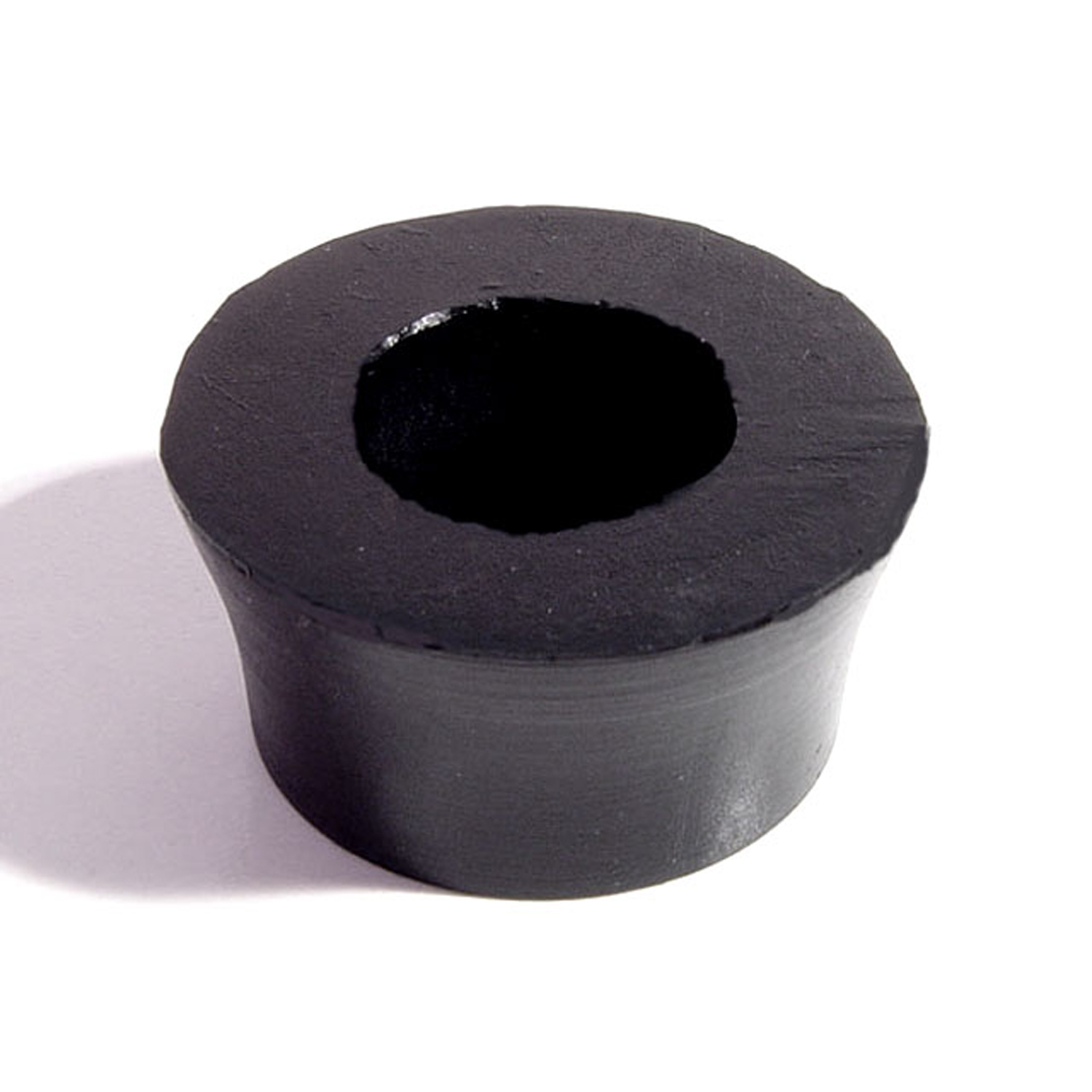 1958 GMC 150 Shock Absorber Grommet. 1" bottom O.D., 5/8" high-BN 10Shock Absorber Grommet. 1" bottom O.D., 5/8" high., with 5/8" I.D. Each
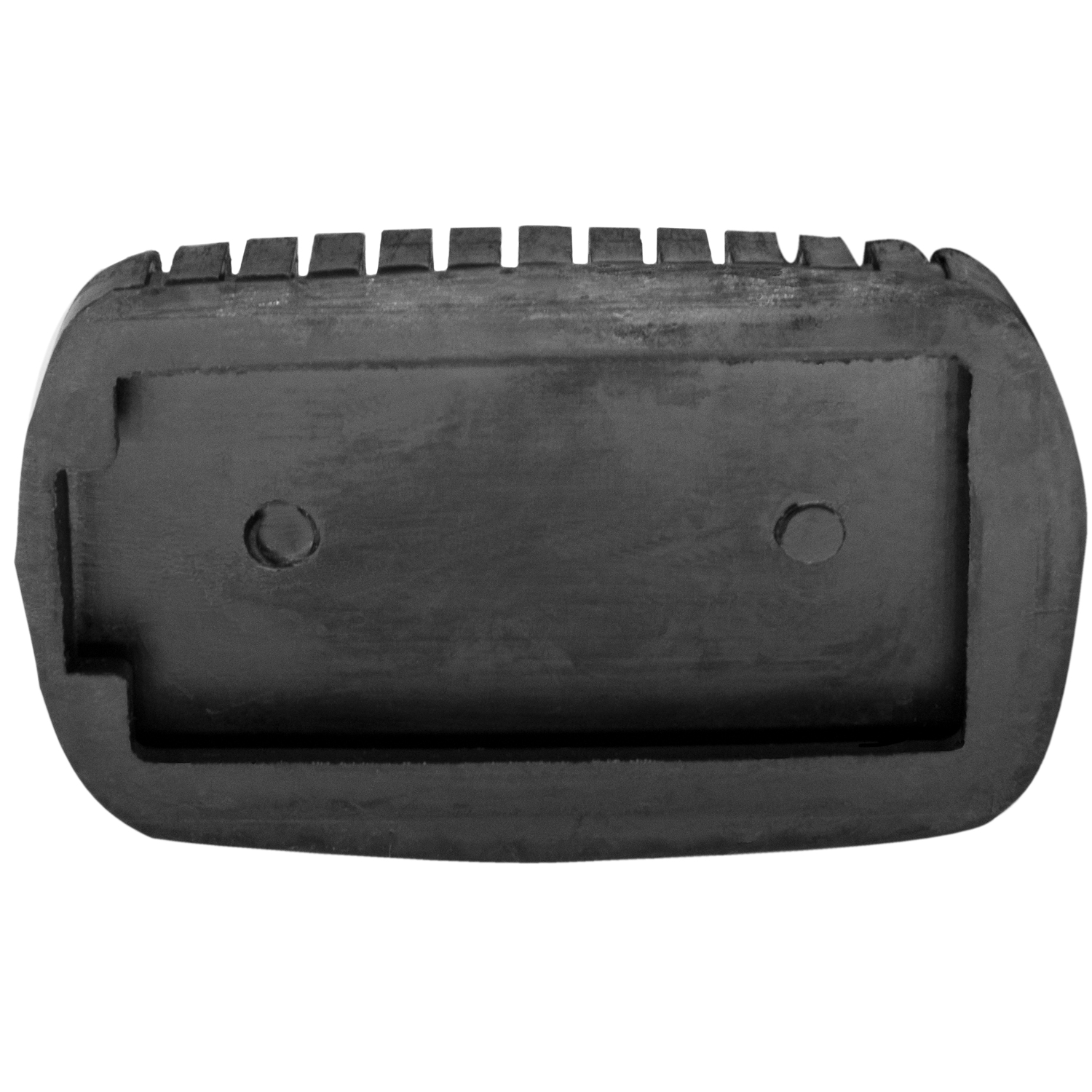 1958 GMC 150 Clutch and Brake Pedal Pad. 2-1/2" wide X 3-7/8" long-CB 100-A/EAClutch and Brake Pedal Pad. 2-1/2" wide X 3-7/8" long. Each
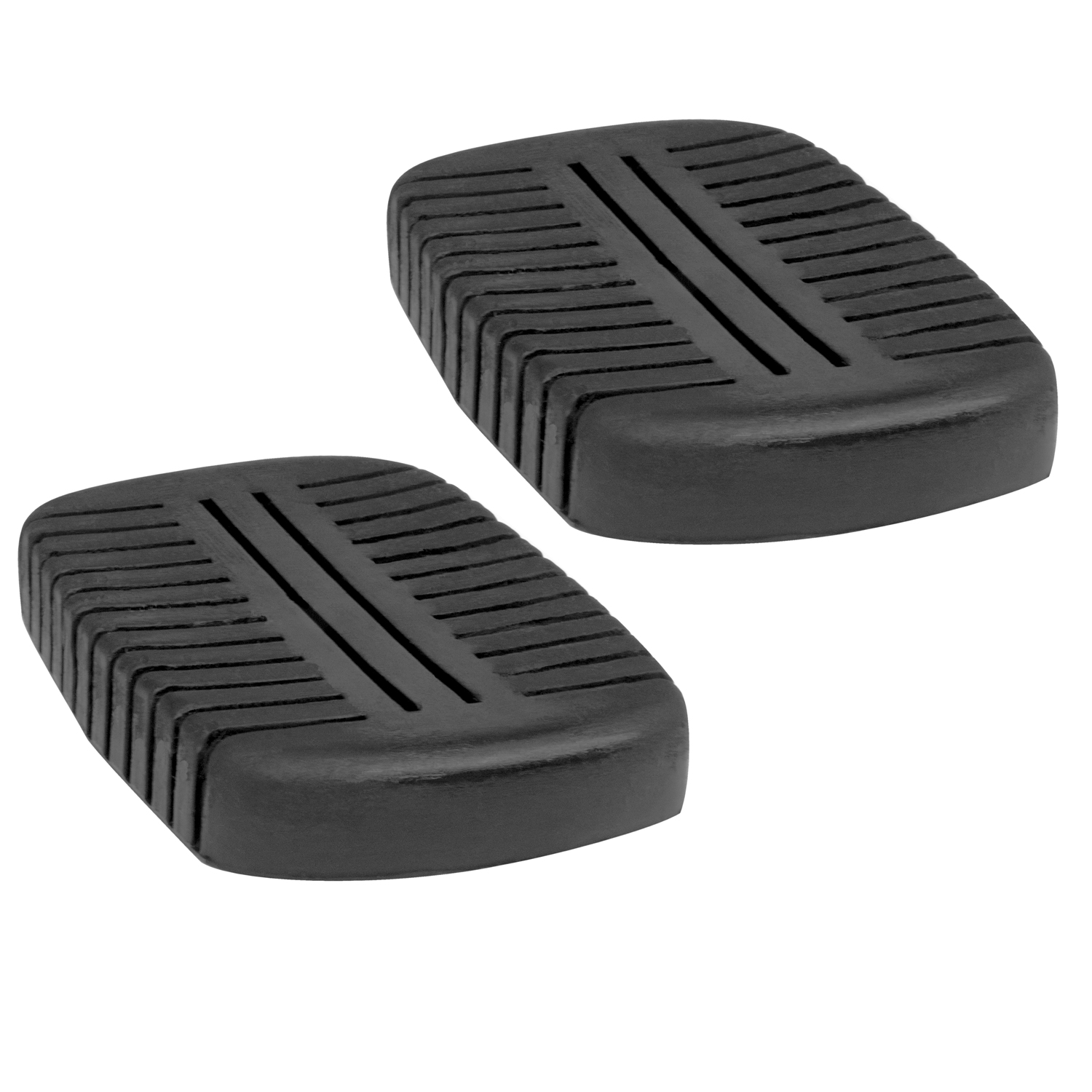 1958 GMC 150 Clutch and Brake Pedal Pads. 2-1/2" wide X 3-7/8" long-CB 100-A/PRClutch and Brake Pedal Pads. 2-1/2" wide X 3-7/8" long. Pair
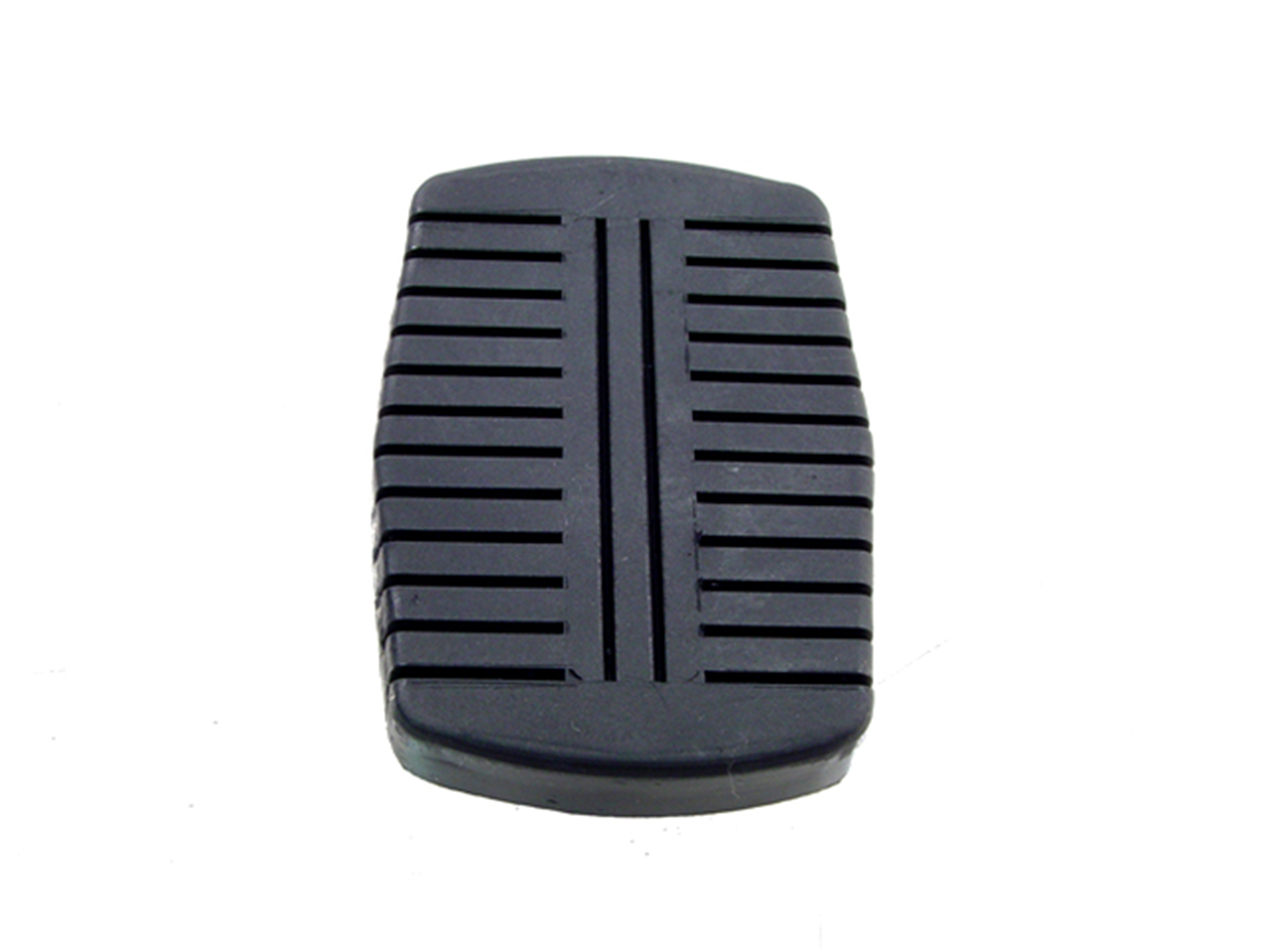 1958 GMC 150 Clutch and Brake Pedal Pad. Perfect-CB 100-EACHClutch and Brake Pedal Pad. Perfect. 2-5/8" wide X 3-3/4" long. Each
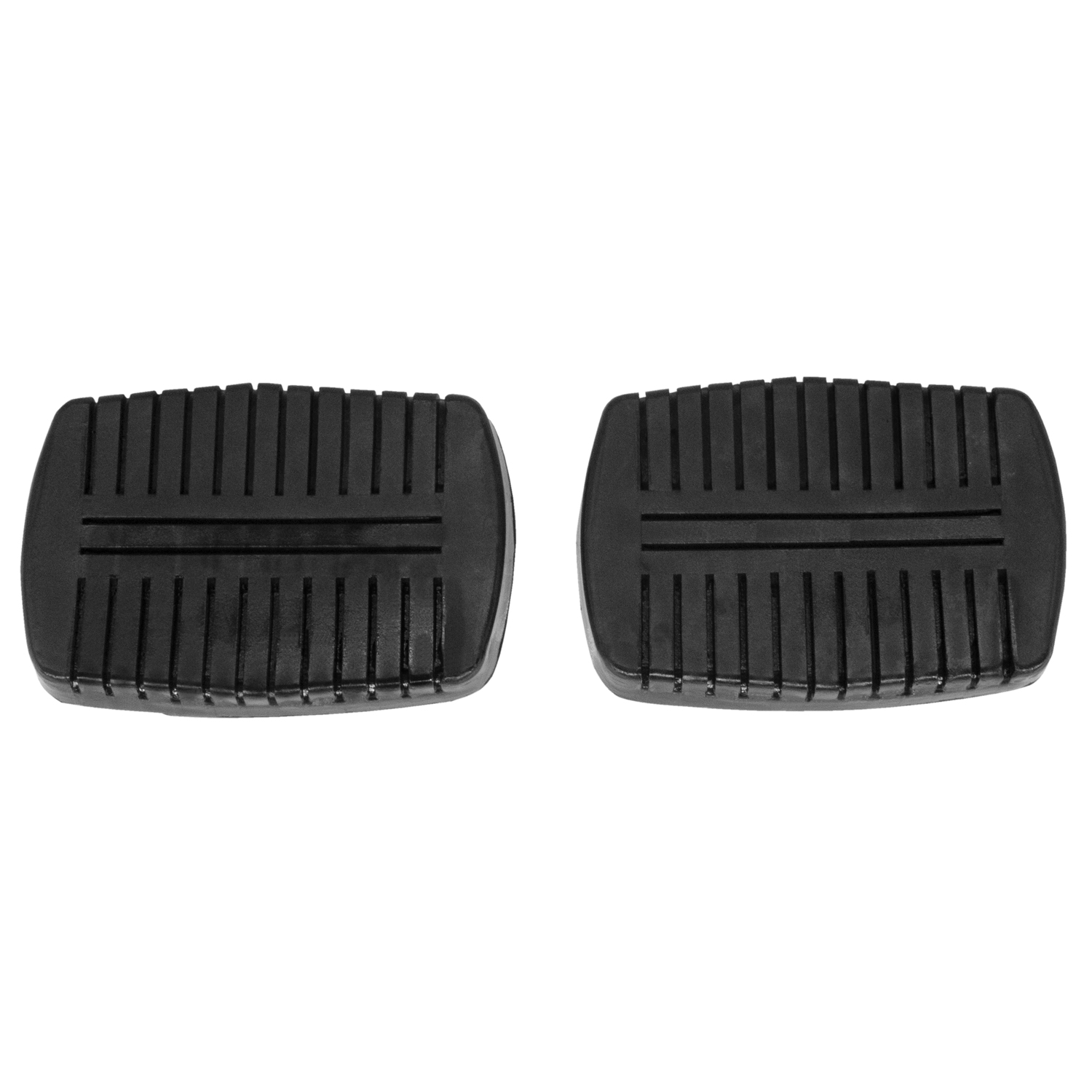 1958 GMC 150 Clutch and Brake Pedal Pads. Perfect-CB 100-PAIRClutch and Brake Pedal Pads. Perfect. 2-5/8" wide X 3-3/4" long. Pair
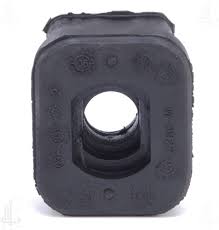 1958 GMC 150 Rear Lower Motor Mount. Two used per vehicle-MM 20-ARear Lower Motor Mount. Two used per vehicle. Replaces OEM #3789949. Each
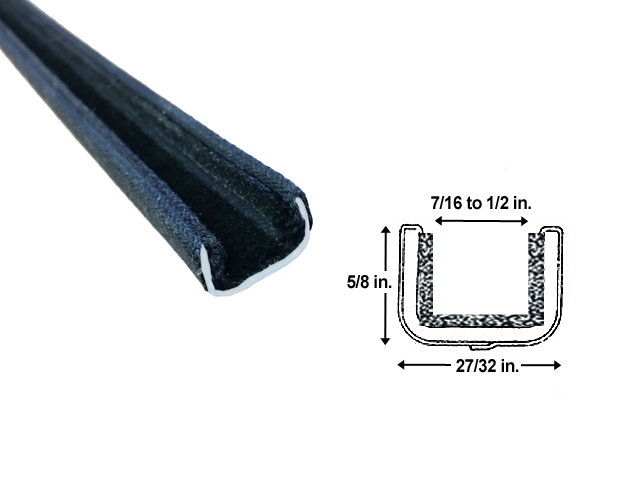 1958 GMC 150 Flexible window channel-WC 18-60Flexible window channel. Fits '50-'63 Chevrolet and GMC full-size pick-up trucks. 60 in. long. Each.
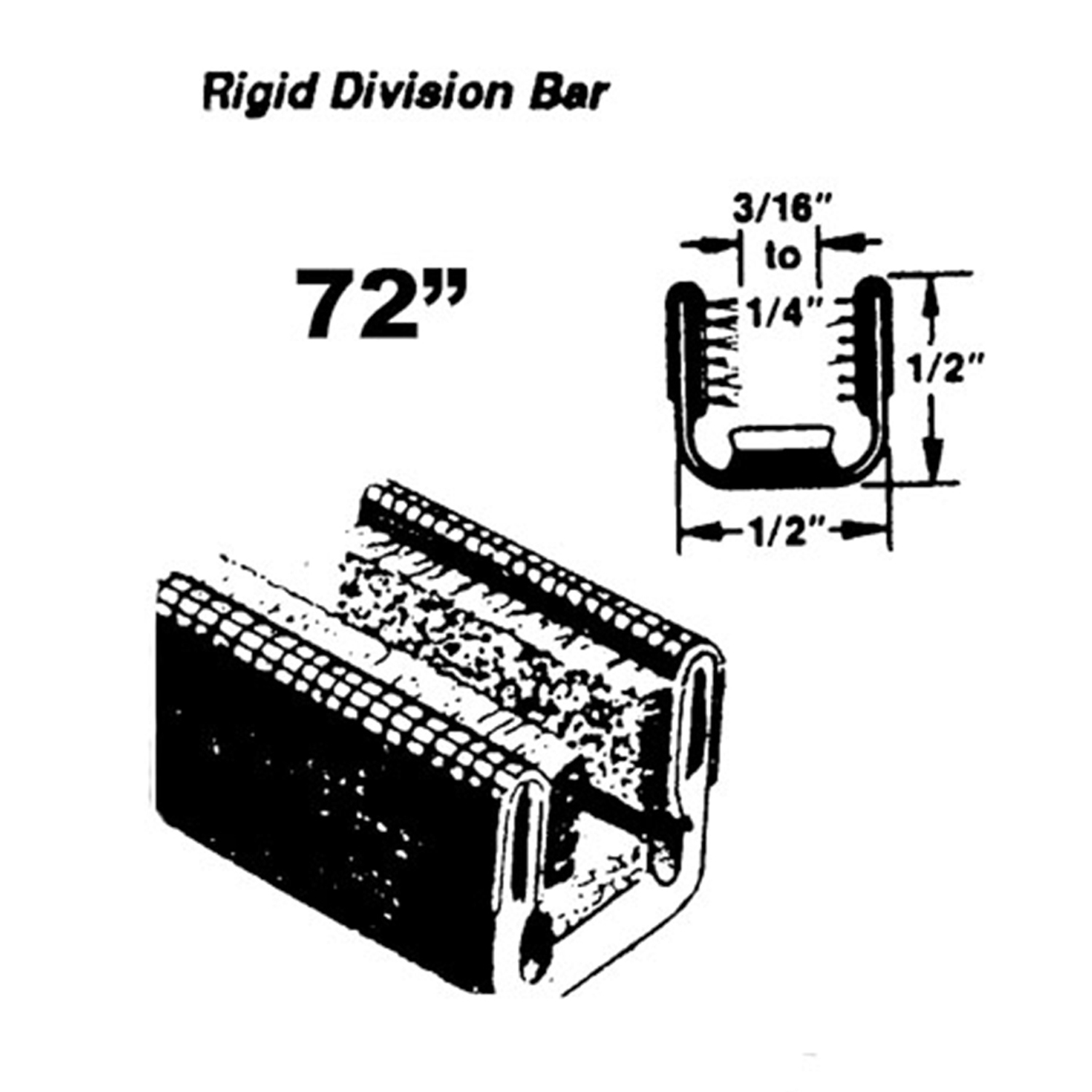 1958 GMC 150 Upper and lower rigid division-bar channel-WC 25-72Upper and lower rigid division-bar channel. Unbeaded, pile-lined. 72 in. long. Each. NOTE: $20 special shipping charge applies for domestic orders. Call or email for overseas shipping costs. Part can be sectioned into two equal lengths to reduce overseas shipping costs.
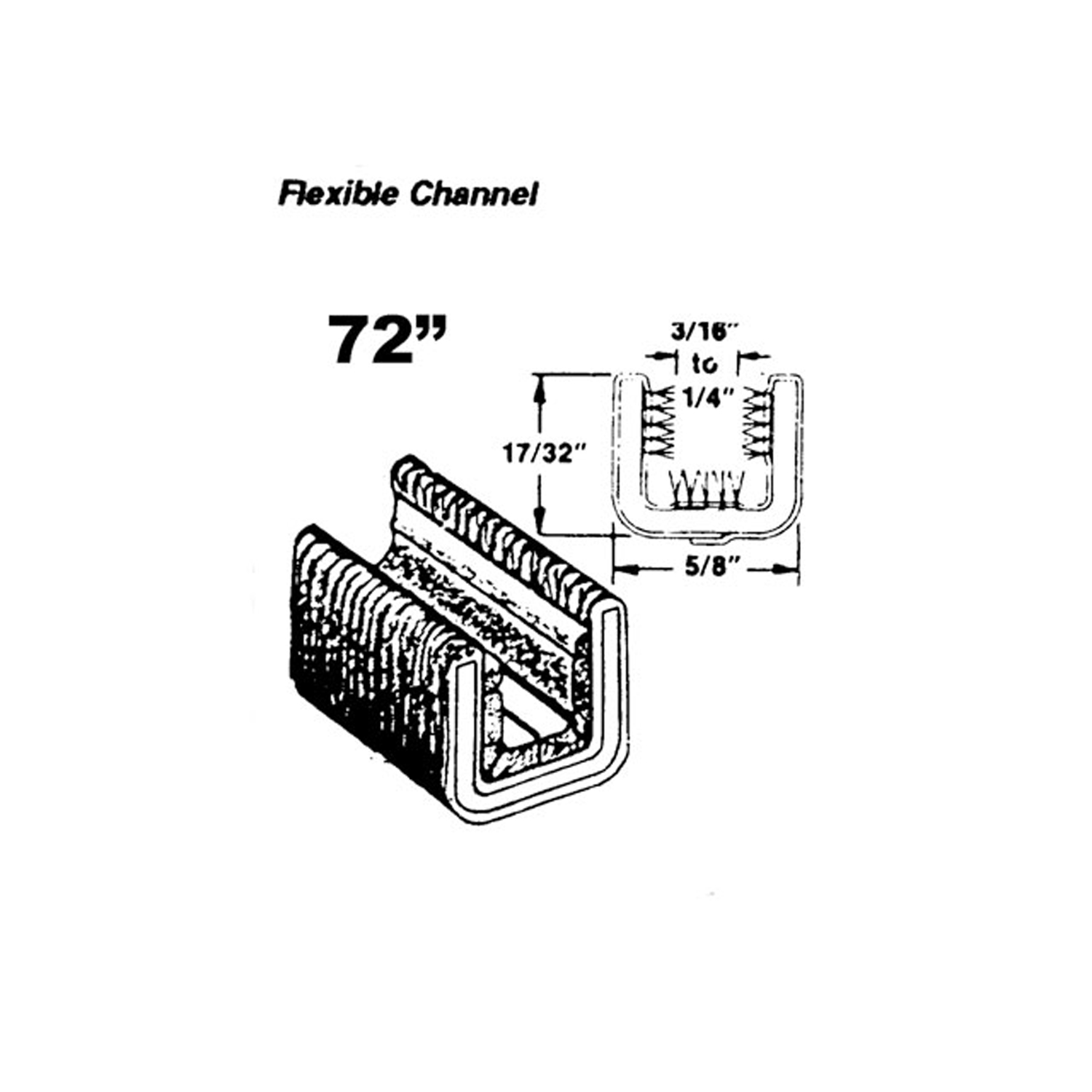 1958 GMC 150 Flexible glass-run channel-WC 26-72Flexible glass-run channel. For models without framed side glass. Unbeaded, pile-lined. 72 in. long. Each. NOTE: $20 special shipping charge applies for domestic orders. Call or email for overseas shipping costs. Part can be sectioned into two equal lengths to reduce overseas shipping costs.
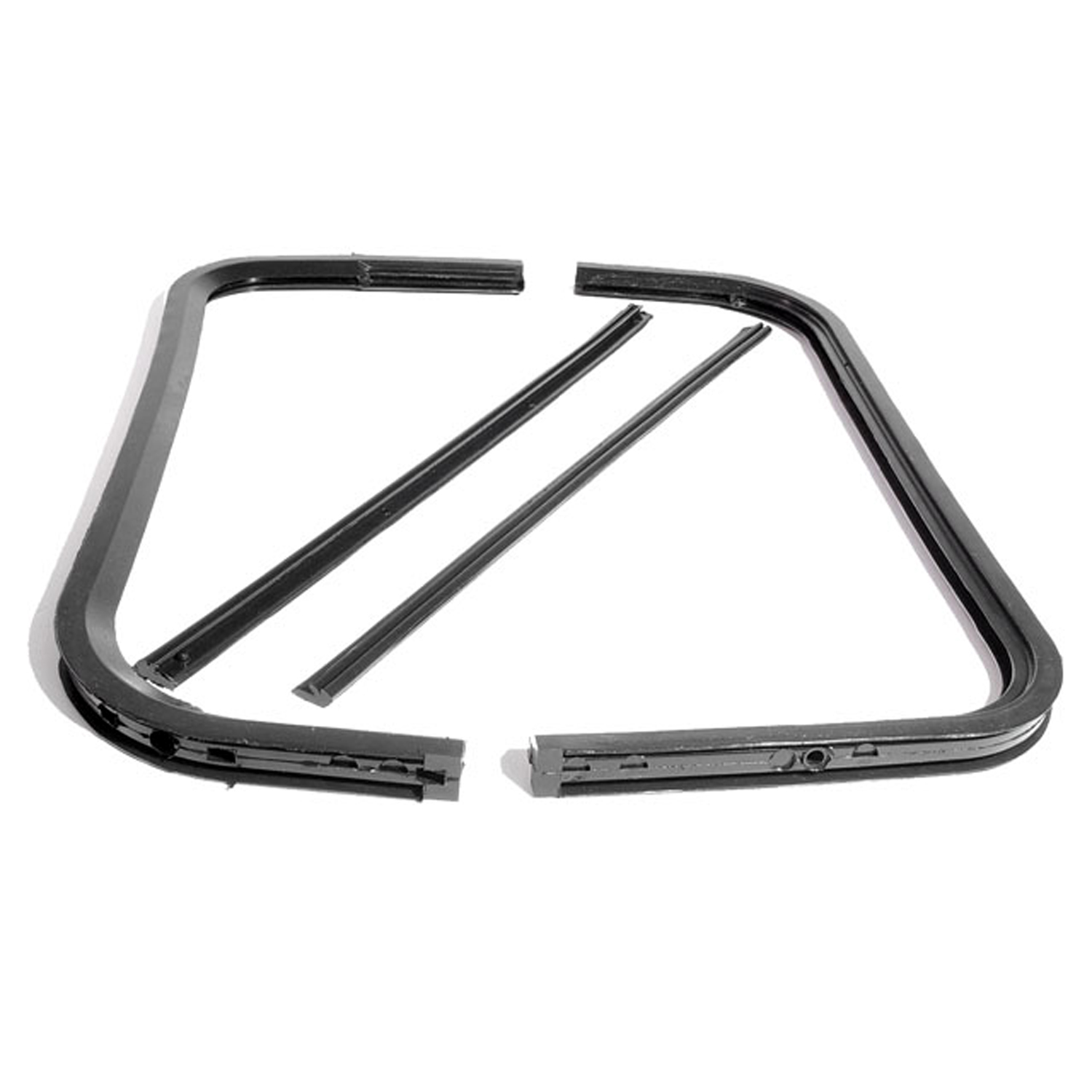 1958 GMC 150 Front Vent Window Seals w/ Vertical Division Bar-WR 2007Front Vent Window Seals w/ Vertical Division Bar. 27", 15-3/4". For 2nd series. Pair R&L
Why Choose Metro?
For over 100 years, Metro Moulded Parts has been the pinnacle of quality in classic car restoration parts. Our commitment to precision and authenticity in every component ensures a perfect fit and an OEM-level appearance.
- Expert Craftsmanship & Quality: Each part is a testament to our dedication to reliability and perfection, crafted from original designs and thoroughly tested.
- Advanced Technology: We use cutting-edge techniques to create flawless, long-lasting parts that surpass others in performance.
- SuperSoft Sponge – The Ultimate Door Seal: Not only are our door seals 30% softer than competitors', but they're also guaranteed to never leak. They effectively reduce wind and road noise, enhancing your classic car's comfort and driving experience.
- Proudly American: Our parts are a product of American craftsmanship, made in the USA with a spirit of excellence and heritage.
- Unrivaled Warranty: We back our products with a 30-year industry-leading warranty, a testament to our confidence in their quality.
Join us in preserving the legacy of classic cars with parts that are crafted for perfection, not just made.