
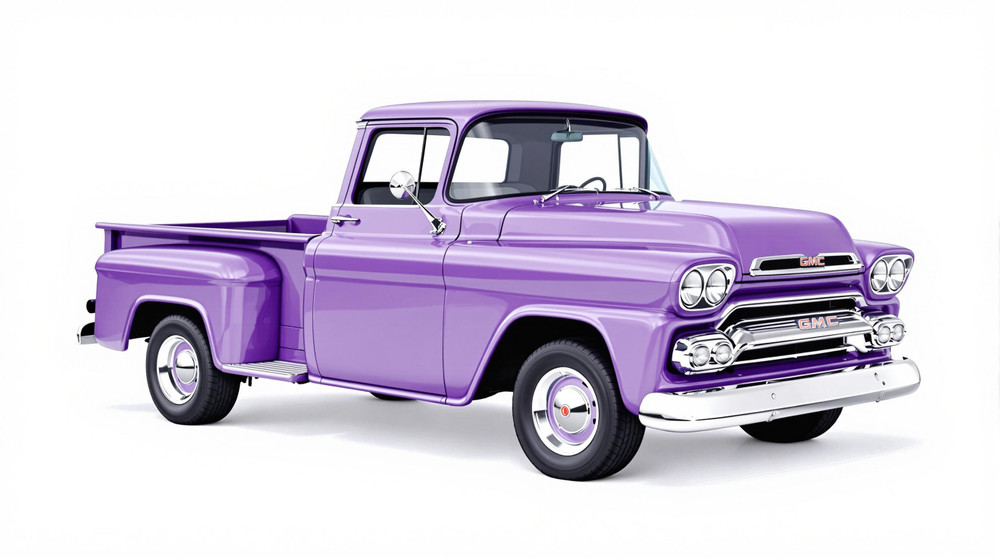
Image of 1959 Gmc 250, Note: These illustrations use artistic license and may differ from actual historical models.
Performance Metrics
Fundamental Metrics
Emotional Appeal
MMP Rating
| Engine Specifications | |
|---|---|
| Engine: | Inline 6, V8 |
| Displacement: | 235.5 cu in (3.9 L) for Inline 6, 283 cu in (4.6 L) for V8 |
| Horsepower: | 145-185 hp |
| Torque: | 210-275 lb-ft |
| Compression Ratio: | 8.0:1 |
| Ignition System: | Conventional breaker-point ignition system |
| Cooling System: | Liquid-cooled |
| Performance Specifications | |
| 0-60 Time: | Estimated 15-20 seconds |
| 1/4 Mile Time: | Estimated 20-25 seconds |
| Top Speed: | 75-85 mph |
| Transmission and Drive | |
| Drive Type: | Rear-wheel drive |
| Transmission Type: | 3-speed manual, 4-speed manual, 2-speed automatic |
| Fuel and Efficiency | |
| Fuel System Type: | Carburetor |
| MPG: | Estimated 10-15 mpg |
| Dimensions and Brakes | |
| Brakes: | Drum brakes |
| Wheelbase: | 123.25 inches |
| Weight: | 3,500-4,000 lbs |
Note: Specifications for classic cars are given to the best of our ability, considering the limited and variant data available.
1959 GMC 250: A Blue Chip Workhorse
The 1959 GMC 250 was built for people who needed a truck to earn its keep, but it wore enough chrome and confident styling to make a day’s work look good. Part of GMC’s “Blue Chip” truck lineup, the 250 was a three-quarter-ton pickup from General Motors’ truck division, designed to bridge the gap between everyday half-ton pickups and heavier commercial models.
GMC’s roots stretched back to the early years of the automobile industry, and by the late 1950s its trucks had earned a reputation for sturdy construction and practical engineering. The 1959 model arrived near the end of the second-generation GMC pickup era, which began in 1955. One notable detail is that GMC’s model numbers indicated truck classes, not engine size: “250” referred to the series, not a 250-cubic-inch engine.
1959 GMC 250 Styling and Cab Features
The 1959 GMC 250 has the unmistakable shape of a late-1950s American pickup: a broad hood, rounded front fenders, a tall cab, and a substantial grille. Quad headlights give the front end a wider, more modern appearance than the single-headlamp trucks of earlier years. Bright trim and GMC badging add a dressier touch, while the tall stance and sturdy bumpers make clear that this was still a working vehicle first.
Inside, the design is straightforward and durable. The dashboard puts the main gauges and controls within easy reach, and the large steering wheel suits the truck’s manual steering. Depending on cab and trim, buyers could get upgraded upholstery and additional brightwork, but the cabin was fundamentally functional. Expect painted metal surfaces and hard-wearing materials rather than the soft-touch finishes or sound insulation found in modern pickups.
Factory paint choices varied by market and equipment, and two-tone combinations could give a truck extra visual flair. Period colors included practical solid shades as well as brighter options. Today, red and white, blue and white, and other high-contrast two-tone combinations are especially popular at shows, though an original work-truck color can be just as appealing to collectors.
The 250 was offered as a conventional pickup with different bed and cab configurations depending on the order and market. Buyers could specify equipment suited to their work, such as a manual transmission, heavier-duty chassis components, and different rear-axle ratios. The regular-cab pickup is the best-known and most recognizable configuration. Special bodies and conversions were also possible through dealers and outside body builders, but they were not all factory pickup variants.
What Made the GMC 250 Significant
The 1959 GMC 250 was not a radical leap in truck engineering. Its significance lies in how it balanced durability, usefulness, and increasingly polished styling. In the postwar years, trucks were becoming more than bare-bones commercial tools. GMC’s Blue Chip approach presented a truck that could work hard during the week and still feel comfortable enough for personal use.
Compared with many contemporaries, the GMC stood out through its strong visual identity and its position within GM’s broad truck range. It shared much of its basic architecture with Chevrolet trucks, but GMC used its own styling details, badges, and powertrain offerings. That combination of shared engineering and distinct character helped GMC maintain a loyal following. The 250 also represents an important moment before later pickups moved further toward car-like comfort and convenience.
Engine, Speed, and Road Manners
A common engine in the 1959 GMC 250 was GMC’s 270-cubic-inch inline-six. Output figures varied with engine specification and rating method, but period figures are generally in the neighborhood of 130 gross horsepower. Transmission and axle combinations also differed, so there is no single performance figure that applies to every truck.
For a sound, lightly loaded example with typical gearing, a reasonable period-style estimate is a top speed in the low 70-mph range and a 0-to-60-mph time somewhere around 20 to 25 seconds. These are estimates, not factory test figures for every 250. A heavily loaded truck, a different rear axle, worn engine, or larger tires can change performance considerably. The GMC was built to carry weight and work steadily, not to win drag races.
On the road, the 250 feels like a classic truck should. The inline-six produces a steady mechanical rumble, and the manual gearbox rewards deliberate shifts. The steering is slower and heavier than a modern pickup’s, especially at parking speeds, while the suspension can feel firm when the bed is empty. Add cargo and the ride typically settles down. On rough pavement, the solid rear axle lets bumps make themselves known; on winding roads, the tall stance and period tires call for smooth, unhurried driving.
Living With a 1959 GMC 250
Owners use these trucks as weekend drivers, restoration projects, show vehicles, and occasional work trucks. A well-maintained example can handle local errands and short trips, but modern highway traffic is a different environment from the one it was designed for. Braking distances, steering effort, lighting, and crash protection all reflect 1950s standards.
Routine maintenance is relatively approachable for a mechanically inclined owner. The engine bay is accessible, and many basic service tasks require familiar tools rather than specialized diagnostic equipment. Parts availability is generally good for common service items and shared GM components, though GMC-specific trim, sheet metal details, and correct original pieces can take more searching. As with any old pickup, inspect the frame, cab corners, floor, bed, and suspension carefully. Rust and decades of improvised repairs can turn an affordable truck into an expensive restoration.
1959 GMC 250 Facts and Myths
The 250’s series number is easy to misread. It identifies the truck’s class, not its engine displacement. The familiar 270 inline-six is a separate figure. Another useful point for buyers is that GMC and Chevrolet pickups of the period shared important underpinnings, but a GMC is not simply a Chevrolet with different badges. GMC-specific styling and components matter when identifying or restoring one.
There is no widely recognized speed, endurance, or sales record associated specifically with the 1959 GMC 250, and claims of a famous original owner should be supported by documentation. Its real distinction is its everyday history: trucks like this hauled supplies, served farms and businesses, and helped build the practical backbone of postwar America.
Common criticisms are part of the ownership picture. The cabin is noisy by modern standards, the ride can be choppy without a load, and the truck’s acceleration is modest. Some owners also find that locating rare original trim takes patience. Those drawbacks are balanced by a simple mechanical layout, strong vintage character, and a driving experience that feels direct and engaging.
Collector Value and Availability
Values depend heavily on condition, originality, configuration, and the quality of any restoration. As a broad 2026-market estimate, a rough project truck might sell for about $8,000 to $18,000. A usable driver could fall around $18,000 to $35,000, while a high-quality restored example may reach roughly $35,000 to $60,000 or more. Exceptional restorations, unusual original equipment, or documented history can push prices higher; rust, incomplete parts, and poor repairs pull them down.
The GMC 250 is less common in the collector spotlight than some Chevrolet counterparts, but it is not so scarce that buyers should assume every example is a rare museum piece. Exact production totals for the 250 series are not readily available in dependable public records. As a very rough estimate rather than a verified factory count, several thousand to perhaps the low tens of thousands may have been built for the 1959 model year. Surviving trucks are harder to count, and many have been modified, worked hard, or lost to rust.
Well-presented vintage pickups have generally attracted stronger interest over the long term, though individual prices rise and fall with condition, restoration costs, and collector demand. The 1959 GMC 250’s appeal is broad: it offers classic styling and real utility without requiring the buyer to chase an especially exotic model.
A Classic GMC Built to Work
The 1959 GMC 250 combines late-1950s styling with the practical engineering of a three-quarter-ton truck. Its quad-headlamp face, work-ready chassis, and familiar inline-six character make it both a useful classic and a distinctive piece of GMC history. It may not be fast or quiet, but it delivers something modern trucks often cannot: the feeling that every mile is part of the story.
1959 Gmc 250 Catalog of Parts
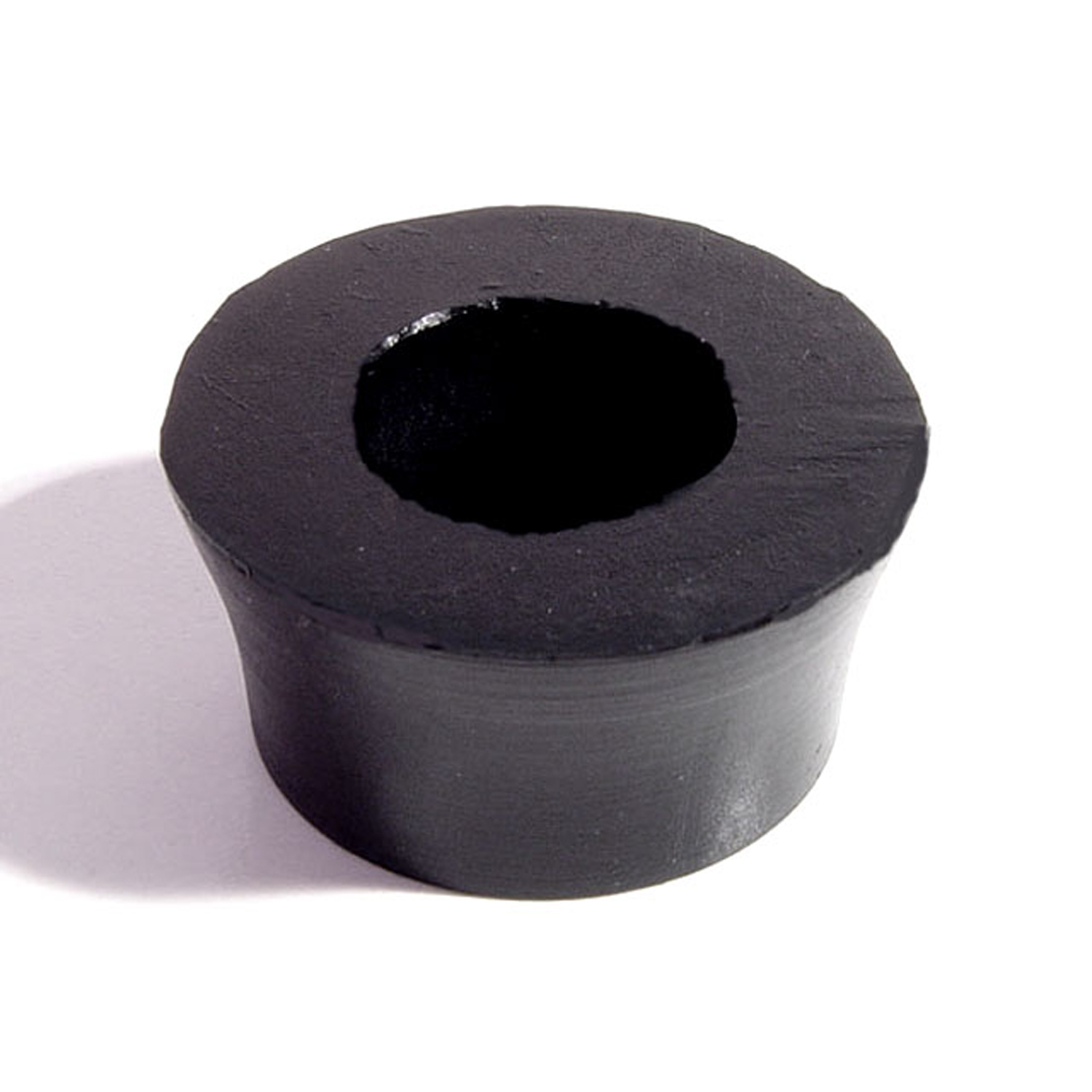 1959 GMC 250 Shock Absorber Grommet. 1" bottom O.D., 5/8" high-BN 10Shock Absorber Grommet. 1" bottom O.D., 5/8" high., with 5/8" I.D. Each
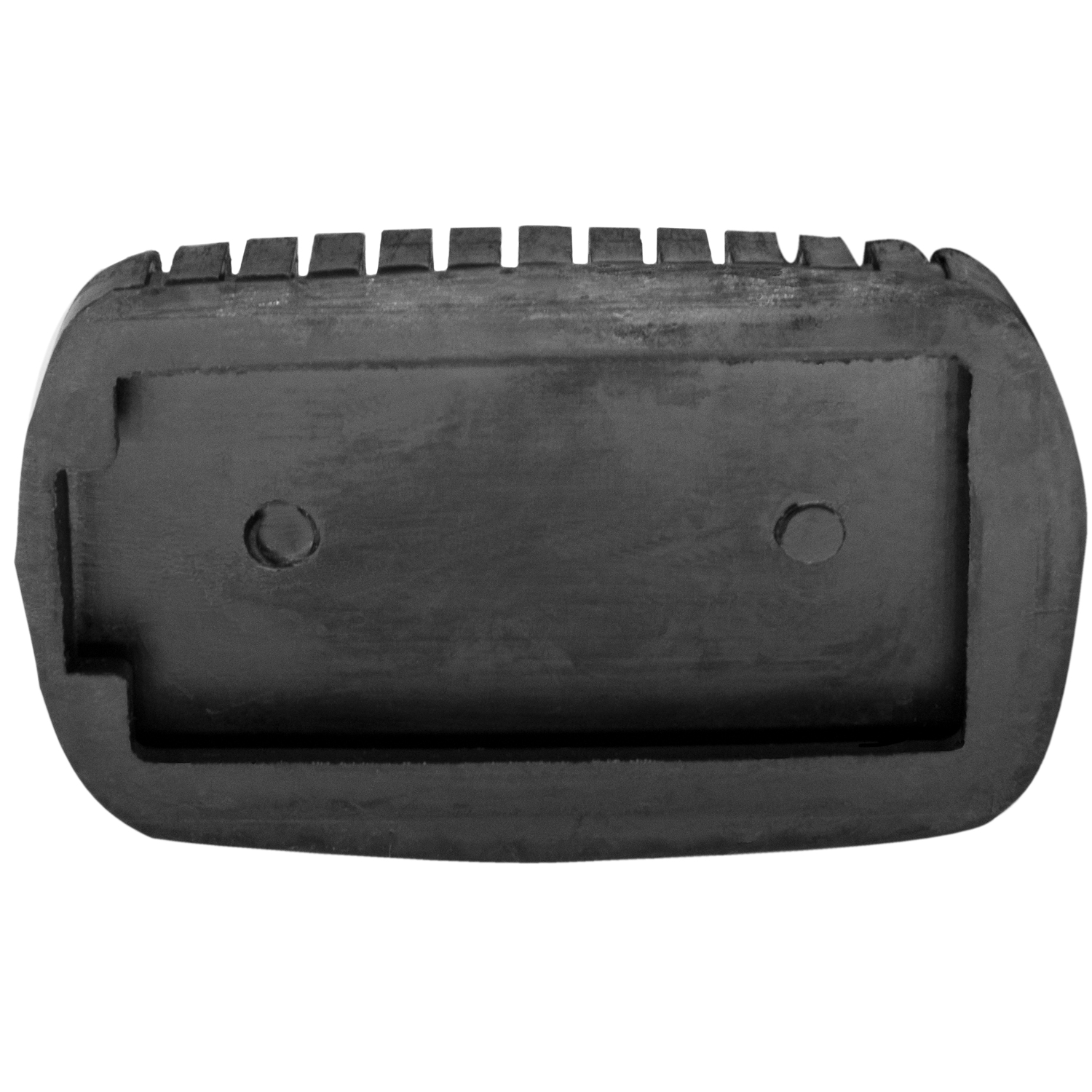 1959 GMC 250 Clutch and Brake Pedal Pad. 2-1/2" wide X 3-7/8" long-CB 100-A/EAClutch and Brake Pedal Pad. 2-1/2" wide X 3-7/8" long. Each
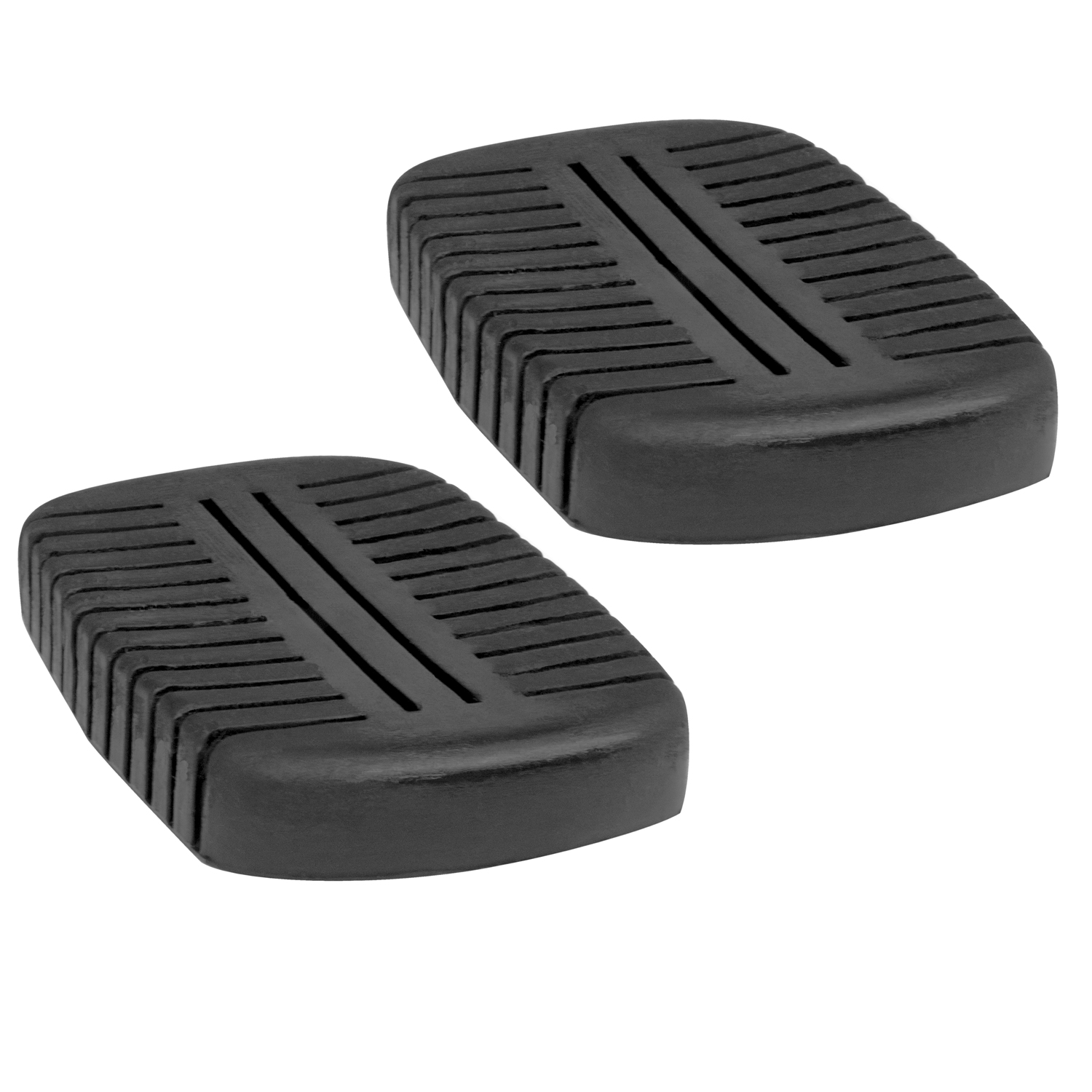 1959 GMC 250 Clutch and Brake Pedal Pads. 2-1/2" wide X 3-7/8" long-CB 100-A/PRClutch and Brake Pedal Pads. 2-1/2" wide X 3-7/8" long. Pair
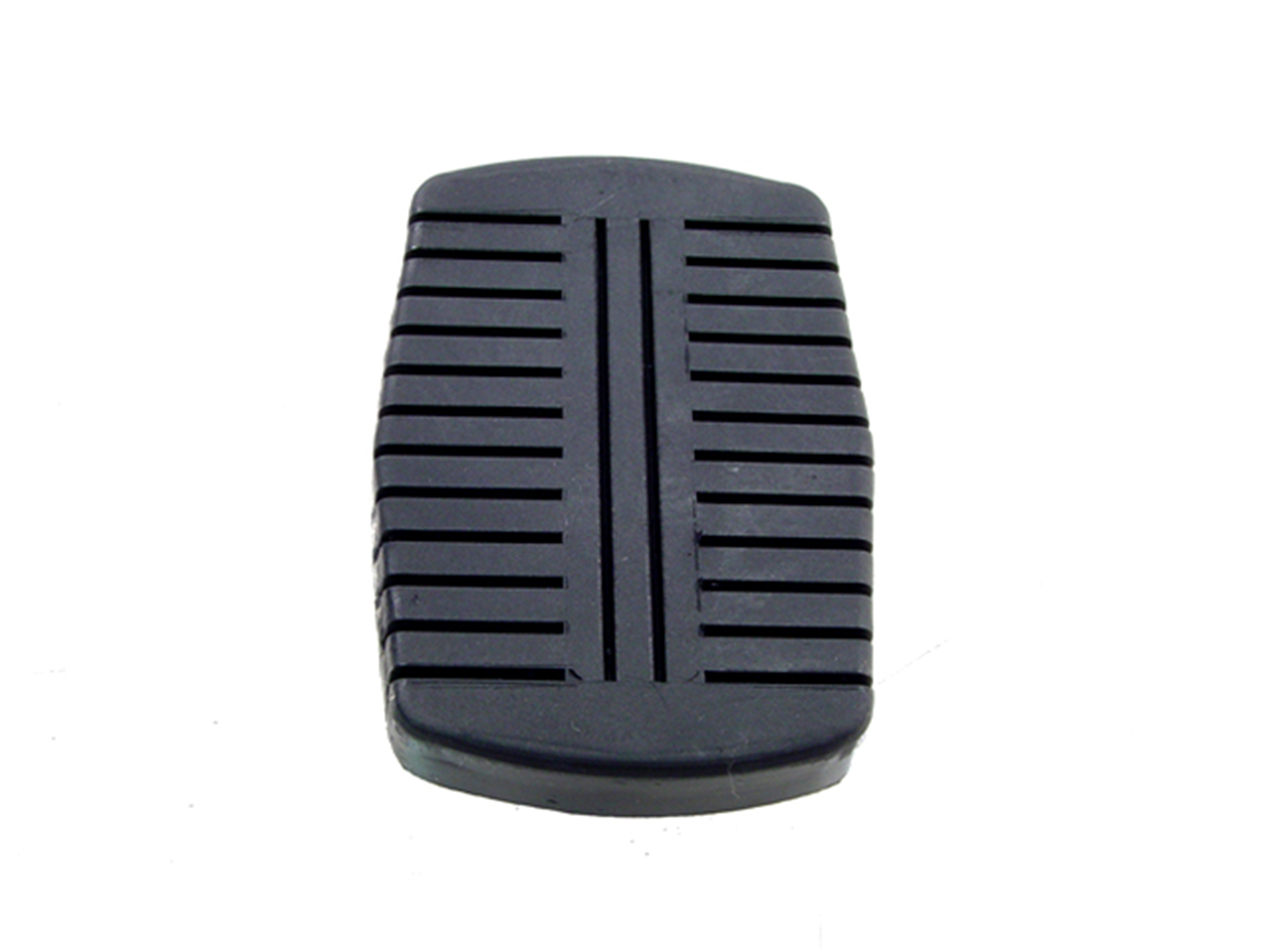 1959 GMC 250 Clutch and Brake Pedal Pad. Perfect-CB 100-EACHClutch and Brake Pedal Pad. Perfect. 2-5/8" wide X 3-3/4" long. Each
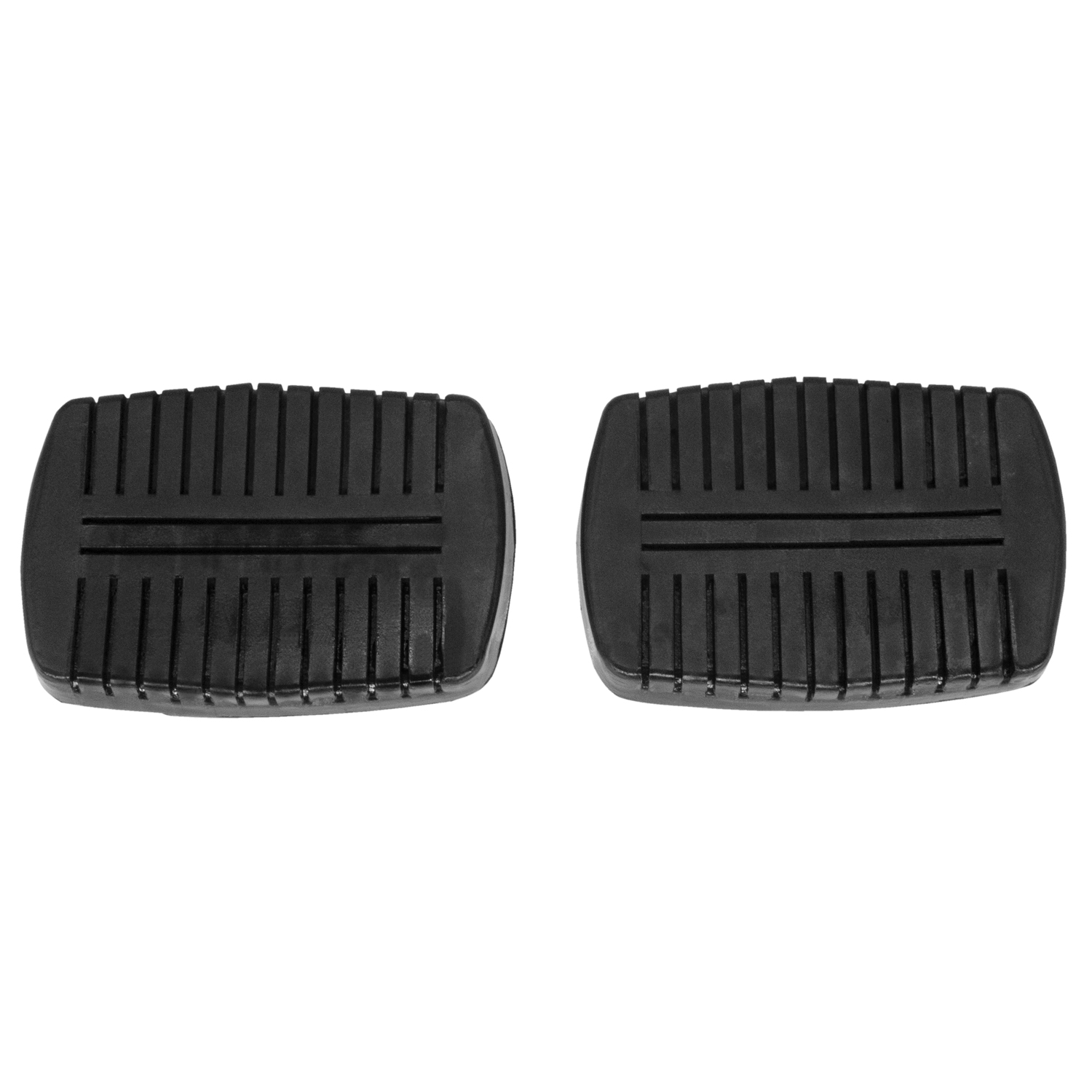 1959 GMC 250 Clutch and Brake Pedal Pads. Perfect-CB 100-PAIRClutch and Brake Pedal Pads. Perfect. 2-5/8" wide X 3-3/4" long. Pair
 1959 GMC 250 Rear Lower Motor Mount. Two used per vehicle-MM 20-ARear Lower Motor Mount. Two used per vehicle. Replaces OEM #3789949. Each
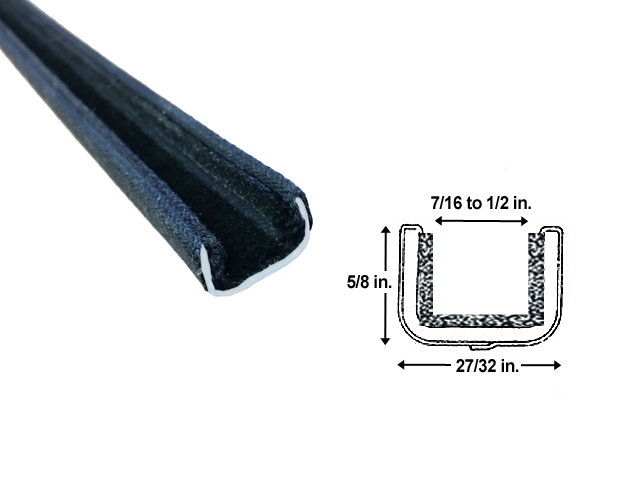 1959 GMC 250 Flexible window channel-WC 18-60Flexible window channel. Fits '50-'63 Chevrolet and GMC full-size pick-up trucks. 60 in. long. Each.
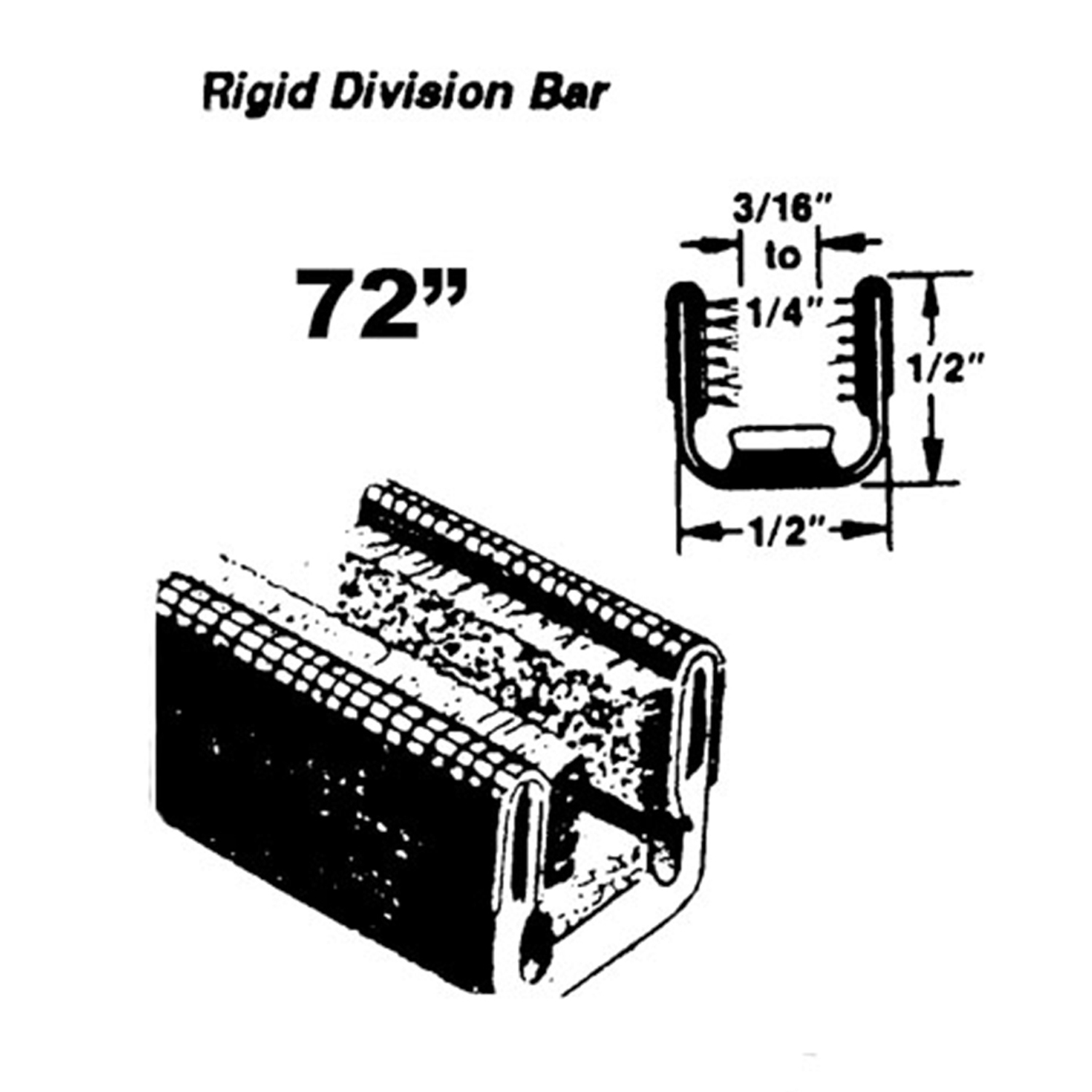 1959 GMC 250 Upper and lower rigid division-bar channel-WC 25-72Upper and lower rigid division-bar channel. Unbeaded, pile-lined. 72 in. long. Each. NOTE: $20 special shipping charge applies for domestic orders. Call or email for overseas shipping costs. Part can be sectioned into two equal lengths to reduce overseas shipping costs.
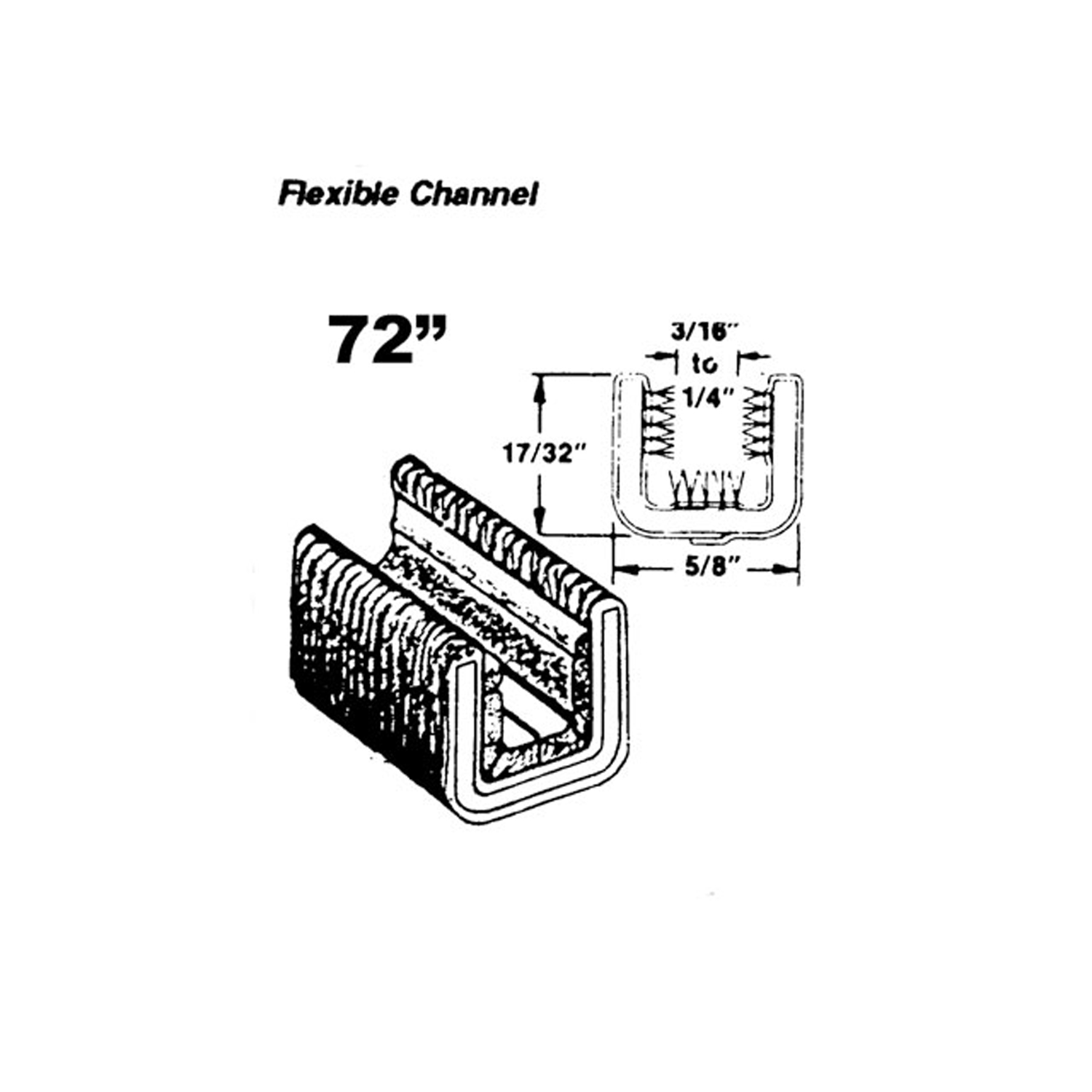 1959 GMC 250 Flexible glass-run channel-WC 26-72Flexible glass-run channel. For models without framed side glass. Unbeaded, pile-lined. 72 in. long. Each. NOTE: $20 special shipping charge applies for domestic orders. Call or email for overseas shipping costs. Part can be sectioned into two equal lengths to reduce overseas shipping costs.
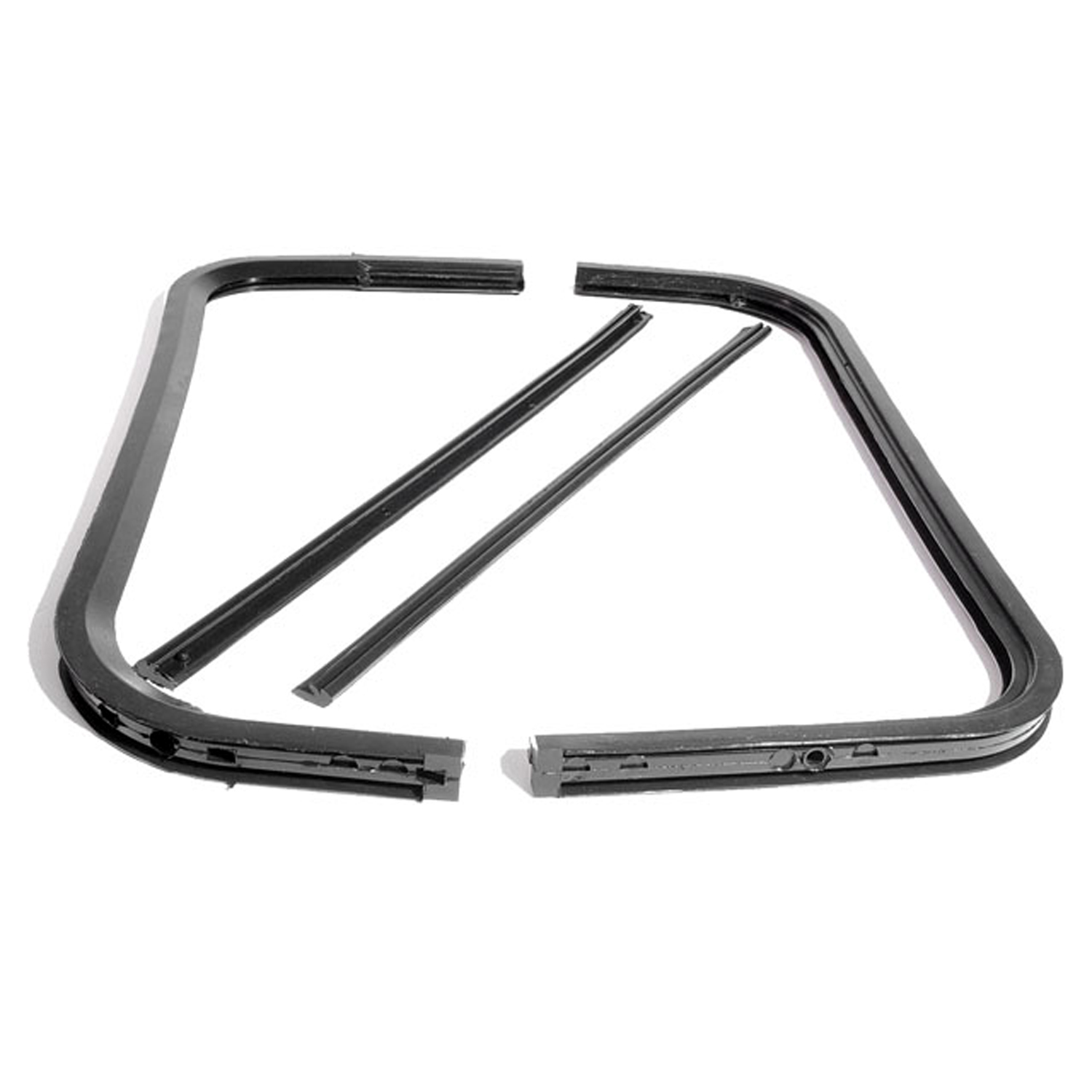 1959 GMC 250 Front Vent Window Seals w/ Vertical Division Bar-WR 2007Front Vent Window Seals w/ Vertical Division Bar. 27", 15-3/4". For 2nd series. Pair R&L
Why Choose Metro?
For over 100 years, Metro Moulded Parts has been the pinnacle of quality in classic car restoration parts. Our commitment to precision and authenticity in every component ensures a perfect fit and an OEM-level appearance.
- Expert Craftsmanship & Quality: Each part is a testament to our dedication to reliability and perfection, crafted from original designs and thoroughly tested.
- Advanced Technology: We use cutting-edge techniques to create flawless, long-lasting parts that surpass others in performance.
- SuperSoft Sponge – The Ultimate Door Seal: Not only are our door seals 30% softer than competitors', but they're also guaranteed to never leak. They effectively reduce wind and road noise, enhancing your classic car's comfort and driving experience.
- Proudly American: Our parts are a product of American craftsmanship, made in the USA with a spirit of excellence and heritage.
- Unrivaled Warranty: We back our products with a 30-year industry-leading warranty, a testament to our confidence in their quality.
Join us in preserving the legacy of classic cars with parts that are crafted for perfection, not just made.