

Image of 1968 Gmc G15/G1500 Van, Note: These illustrations use artistic license and may differ from actual historical models.
Performance Metrics
Fundamental Metrics
Emotional Appeal
MMP Rating
| Engine Specifications | |
|---|---|
| Engine: | 250 CID I6, 307 CID V8 |
| Displacement: | 250-307 cubic inches |
| Horsepower: | 155-200 HP |
| Torque: | 235-300 lb-ft |
| Compression Ratio: | 8.25:1 for the I6, 8.75:1 for the V8 |
| Ignition System: | Conventional breaker-point ignition system |
| Cooling System: | Liquid-cooled |
| Performance Specifications | |
| 0-60 Time: | Estimated 12-15 seconds |
| 1/4 Mile Time: | Estimated 18-20 seconds |
| Top Speed: | 90-100 mph |
| Transmission and Drive | |
| Drive Type: | Rear-wheel drive |
| Transmission Type: | 3-speed manual, 4-speed manual, 2-speed Powerglide automatic |
| Fuel and Efficiency | |
| Fuel System Type: | Carburetor |
| MPG: | Estimated 10-12 mpg |
| Dimensions and Brakes | |
| Brakes: | Drum brakes front and rear |
| Wheelbase: | 90 inches |
| Weight: | 3,500-4,000 lbs |
Note: Specifications for classic cars are given to the best of our ability, considering the limited and variant data available.
1968 GMC G15/G1500 Van: A Classic American Workhorse
With its broad windshield, short hood and boxy body, the 1968 GMC G15/G1500 looks ready to get straight to work. It belongs to the early generation of American vans that turned a simple commercial vehicle into a flexible platform for tradespeople, families and customizers. Built by General Motors’ GMC division, it was the close relative of Chevrolet’s G-series van, sharing much of its basic engineering while wearing GMC badges and trim.
The model name can be confusing today. Period references commonly use names such as G15 for a half-ton GMC van, while G1500 is a later or more fully expressed version of the same basic designation. Badging and paperwork may differ, so a vehicle’s VIN, data plate and original sales documents are the best guides to its exact specification.
One detail that makes the early GMC van distinctive is its forward-control layout. The engine sat beneath a removable cover between the front seats, rather than far ahead of the occupants under a long hood. That arrangement helped keep the van compact for its carrying capacity, but it also meant the driver sat close to the engine and felt its heat and sound at close range.
Second-Generation Shape and Practical Design
By 1968, the GMC van had moved beyond the earliest, ultra-compact form of the Handi-Van. Its more substantial body gave it a roomier feel and a stronger road presence, while retaining the near-vertical sides and flat panels that made it useful for hauling bulky cargo. The front end was short and blunt, with a broad grille, round headlamps and a windshield that gave the driver a commanding view of the road.
Its styling was honest rather than decorative. Large, flat side panels were easy to letter for a business, repair after minor damage or adapt for a camper conversion. The upright body also made the interior easier to arrange than a conventional station wagon. Today, those simple surfaces are part of the van’s appeal: they provide a clean canvas for period-correct restoration, bold custom paint or vintage business graphics.
Inside, the G15 was built for service. Expect a straightforward dashboard, basic gauges, durable trim and practical seating, with vinyl and other hard-wearing materials common in work-oriented examples. Equipment varied by build and intended use. A cargo van could be sparse, while a passenger version might have additional seats, windows and interior trim. This was not a luxury vehicle, but its uncomplicated cabin was easy to clean and well suited to everyday work.
Factory paint choices varied by year, equipment and fleet order. White was a natural favorite for commercial buyers, while red, blue, green and other solid colors gave privately owned vans more personality. Many surviving vans now wear custom paint or two-tone schemes, so it is worth checking for original color traces under trim or inside door openings when assessing authenticity.
G15 Cargo Van or Handi-Bus?
The G-series body could serve several roles. The basic cargo van offered a largely enclosed load area, while windowed passenger versions and GMC Handi-Bus configurations were suited to moving people. Conversion companies and local shops also transformed vans into campers, recreational vehicles and mobile workspaces.
The most iconic look today is often the personalized camper or custom van, but the plain cargo model is just as representative of the G15’s original purpose. Its boxy body, rear cargo space and relatively compact footprint made it useful to tradespeople, delivery businesses and small fleets. Window layout, seating and interior equipment depended on the body style and buyer’s order, so no single specification describes every 1968 example.
What Made the GMC Van Significant?
The G15 arrived during a period when American buyers were discovering the usefulness of the van as more than a delivery vehicle. Its cab-over layout made efficient use of space, and its enclosed body offered protection from weather and security that an open pickup bed could not. In that sense, it helped establish a distinctly American formula: a compact, truck-based van that could be adapted to work, travel or recreation.
It also stood apart from a conventional pickup by offering a large, enclosed cargo area without requiring a separate camper shell or body. Compared with a passenger car, it sacrificed refinement and handling polish for space, durability and flexibility. Those priorities influenced the development of later full-size vans and helped create the conversion-van culture that became especially visible in the 1970s and 1980s.
The GMC was closely related to Chevrolet’s contemporary van, so its distinction was less about radically different engineering and more about brand identity, trim and dealer network. The shared parts and basic design are good news for owners today: many mechanical components are related to other GM vehicles of the period, although van-specific body panels and trim can be harder to source.
Engines, Speed and Road Manners
Engine availability depended on the exact model, equipment and market. Period G-series vans were offered with inline-six power, and V8 availability expanded the choices for buyers who needed more pulling power or wanted a stronger performance feel. A 1968 van should be checked by its engine code and original documentation rather than assumed to have a particular engine based only on its badges. Manual transmissions were common in work vehicles, while automatic availability depended on configuration.
There is no single reliable factory performance figure for every G15, since engine, gearing, transmission, load and condition all make a major difference. As a broad real-world estimate, a healthy six-cylinder example may take roughly 20 to 25 seconds to reach 60 mph, while a V8-equipped van could be closer to 15 to 20 seconds. Top speed is best thought of as approximately 75 to 90 mph in a sound, appropriately geared example, though these vans are far more comfortable cruising below their maximum.
On the road, the G15 feels like a truck-based van, not a modern minivan. Its tall body and forward driving position give the driver a clear view, but the upright sides catch crosswinds and require attention on exposed roads. Rough pavement can make an unloaded van feel busy, while extra cargo weight may settle the ride but also affect braking and acceleration. On winding roads, its height and period steering call for measured inputs rather than quick, sporty movements.
The engine’s sound is part of the experience. With the powerplant close beneath the cab, mechanical noise and heat are more noticeable than in a modern vehicle. The steering is less precise, the brakes demand more planning, and the driver sits in a distinctly upright position. Properly maintained, however, a G15 has a direct, unfussy feel that suits its purpose: it feels like a working machine, and it invites the driver to pay attention.
Living With a 1968 GMC G15
These vans are most often enjoyed as weekend cruisers, show vehicles, period business displays, campers or practical haulers. A well-sorted example can also be used regularly, but its age means that reliability depends heavily on maintenance and the quality of past repairs. It is wise to treat a classic van as a vintage vehicle rather than expect modern-car convenience, safety equipment or fuel economy.
Many routine mechanical jobs are manageable for an experienced home mechanic. GM engine and drivetrain parts are generally more obtainable than model-specific body pieces, and the relatively simple systems make diagnosis approachable. The forward-control layout has one important drawback: engine access involves removing the interior doghouse cover, and some jobs can be cramped or uncomfortable. Cooling-system condition, wiring, brakes, steering components and fuel lines deserve careful inspection before regular use.
Rust is a major buying concern. Check the floor, rocker areas, lower body panels, wheel openings, door bottoms and structural mounting points. Also inspect the doghouse and the surrounding cab area for heat damage, poor repairs or evidence of leaks. A van with solid metal and complete trim is often a better starting point than a cheaper project with extensive corrosion.
Useful Facts and Common Misconceptions
The G15’s forward-control layout is sometimes mistaken for a rear-engine design. It is not: the engine sits beneath the front cabin cover. That position helps explain both the compact exterior and the characteristic engine noise and heat inside the cab.
Another common mix-up is with the GMC Vandura used in the television series The A-Team. That famous van was a much later model, not a 1968 G15. The two belong to the broader GMC van story, but they should not be confused when identifying a vehicle or researching parts.
No widely recognized speed or endurance record is associated with the 1968 G15. Its achievement was practical rather than sporting: it served as a versatile platform for businesses and private owners. Nor is there a well-established production figure commonly cited for the 1968 GMC G15 alone. General Motors built vans in multiple configurations and across related Chevrolet and GMC lines, making a precise model-by-model total difficult to confirm from commonly available records.
As with many classic vans, popular criticisms include modest performance, heavy steering by modern standards, wind sensitivity and limited comfort on long trips. Those drawbacks are real, but they come with the territory. Buyers seeking modern refinement may be disappointed; enthusiasts who appreciate character, utility and customization potential often see those traits as part of the charm.
Collector Value and Availability
1968 GMC G15 vans are uncommon enough to attract attention at classic-car shows, but they are not so scarce that every example is a museum piece. Exact production totals are not readily available for this model and year alone. A reasonable estimate is that production was likely in the thousands, rather than the hundreds of thousands, but that should be treated as a broad estimate, not a verified factory count. Surviving vans are harder to find in original, rust-free condition than their basic design might suggest.
Values depend on rust, completeness, drivetrain, restoration quality and whether the van is stock or customized. As a general North American market guide, a rough project may sell for about $5,000 to $10,000. A usable driver or honest older restoration may fall around $12,000 to $25,000, while a high-quality restoration or appealing period-style custom can reach roughly $25,000 to $50,000 or more. Exceptional builds can exceed that range, but asking prices do not always equal completed sale prices.
Classic van interest has grown as buyers rediscover vintage campers and custom vans, which supports values for attractive, well-built examples. Appreciation is not guaranteed, however. A highly personalized conversion may be worth less to a buyer who wants an original work van, while a rare or carefully documented configuration can appeal to collectors. The strongest long-term candidates usually combine sound metal, complete parts, tasteful workmanship and clear records.
Why the 1968 GMC G15 Still Matters
The 1968 GMC G15/G1500 brought together a compact footprint, enclosed cargo capacity and a practical forward-control design at a time when the American van was finding its place. It could deliver tools, carry passengers, support a small business or become the foundation for a custom camper. Its simple construction and shared GM mechanical roots also make it approachable for today’s restorers.
It may not be fast or polished, but the G15 has something many modern vehicles lack: a clear sense of purpose. From its blunt nose and upright cabin to the engine cover between the seats, every part of the experience reflects a vehicle designed to work and adapt. That combination of utility and character is why this early GMC van remains a memorable piece of American automotive history.
1968 Gmc G15/G1500 Van Catalog of Parts
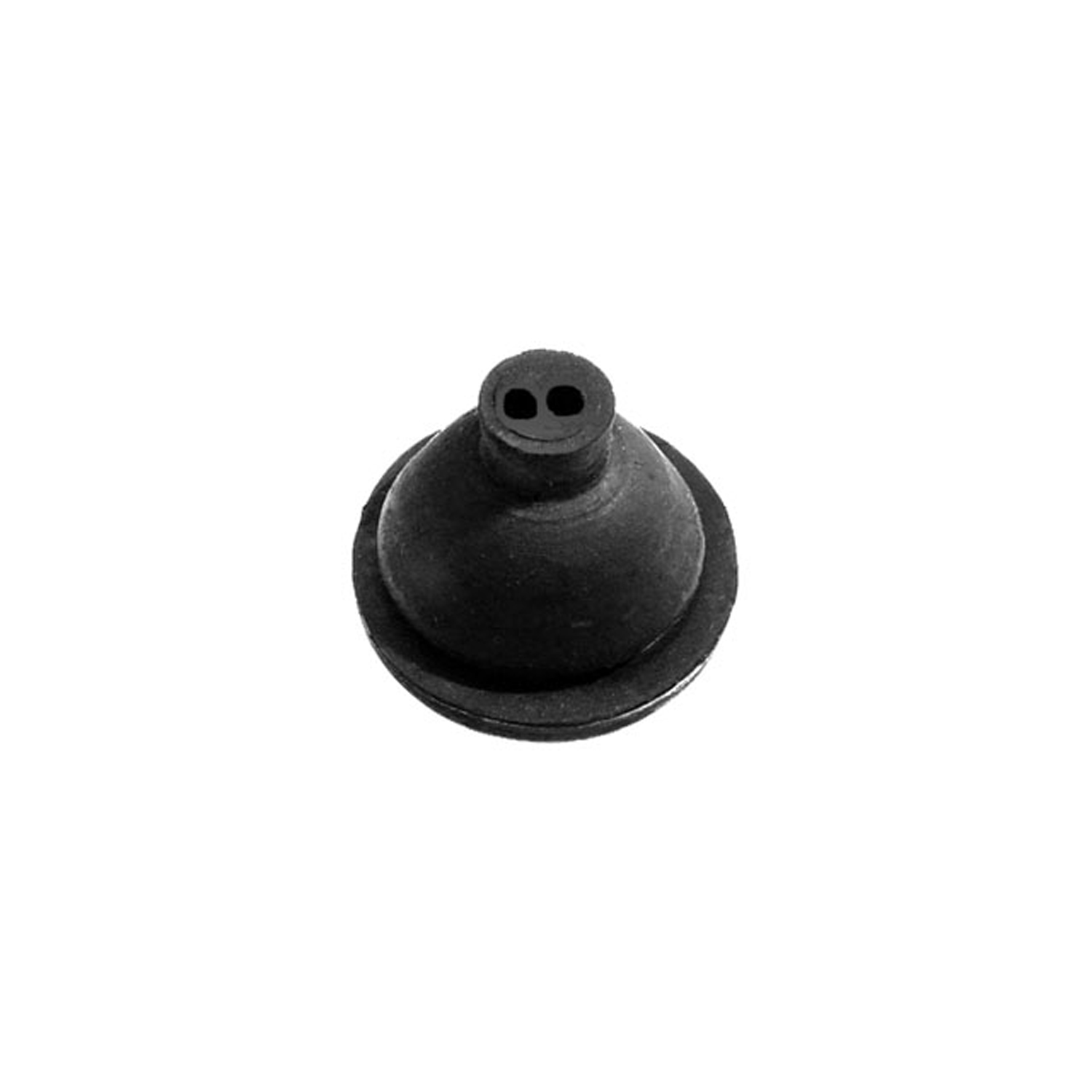 1968 GMC G15/G1500 Van Dash & Firewall Grommet. Double-hole type for two wires-RP 1-GDash & Firewall Grommet. Double-hole type for two wires. For heater motor & accessory wires. 15/16" O.D., fits 5/8" sheet metal hole. Each
Why Choose Metro?
For over 100 years, Metro Moulded Parts has been the pinnacle of quality in classic car restoration parts. Our commitment to precision and authenticity in every component ensures a perfect fit and an OEM-level appearance.
- Expert Craftsmanship & Quality: Each part is a testament to our dedication to reliability and perfection, crafted from original designs and thoroughly tested.
- Advanced Technology: We use cutting-edge techniques to create flawless, long-lasting parts that surpass others in performance.
- SuperSoft Sponge – The Ultimate Door Seal: Not only are our door seals 30% softer than competitors', but they're also guaranteed to never leak. They effectively reduce wind and road noise, enhancing your classic car's comfort and driving experience.
- Proudly American: Our parts are a product of American craftsmanship, made in the USA with a spirit of excellence and heritage.
- Unrivaled Warranty: We back our products with a 30-year industry-leading warranty, a testament to our confidence in their quality.
Join us in preserving the legacy of classic cars with parts that are crafted for perfection, not just made.