

Image of 1969 Gmc C15/C1500 Pickup, Note: These illustrations use artistic license and may differ from actual historical models.
Performance Metrics
Fundamental Metrics
Emotional Appeal
MMP Rating
| Engine Specifications | |
|---|---|
| Engine: | 250 I6, 307 V8, 350 V8 |
| Displacement: | 250-350 cu in (4.1-5.7 L) |
| Horsepower: | 155-255 hp (approximate) |
| Torque: | 235-350 lb-ft (approximate) |
| Compression Ratio: | 8.5:1 (approximate) |
| Ignition System: | Conventional breaker-point ignition system |
| Cooling System: | Liquid-cooled |
| Performance Specifications | |
| 0-60 Time: | 10-12 seconds (estimated) |
| 1/4 Mile Time: | 17-19 seconds (estimated) |
| Top Speed: | 100-110 mph (estimated) |
| Transmission and Drive | |
| Drive Type: | Rear-wheel drive |
| Transmission Type: | 3-speed manual, 4-speed manual, 3-speed automatic |
| Fuel and Efficiency | |
| Fuel System Type: | Carburetor |
| MPG: | 10-12 mpg (estimated) |
| Dimensions and Brakes | |
| Brakes: | Front disc and rear drum brakes |
| Wheelbase: | 115 inches (approximate) |
| Weight: | 3,500-4,000 lbs (approximate) |
Note: Specifications for classic cars are given to the best of our ability, considering the limited and variant data available.
1969 GMC C15/C1500 Pickup: A Classic Action Line Truck
The 1969 GMC C15/C1500 is a pickup with the right mix of honest utility and unmistakable late-sixties style. Built by General Motors’ GMC division, it belongs to the 1967–72 generation often nicknamed the “Action Line” trucks. In the United States, GMC half-ton two-wheel-drive models are commonly identified as C1500s, while C15 was a familiar designation in Canada and some other markets. The exact badge and model wording can vary by market and surviving paperwork.
By 1969, GMC’s pickup was part of a fast-changing truck market. Buyers increasingly wanted a vehicle that could earn its keep during the week and still be comfortable enough for family or personal use. The Action Line generation answered with updated styling, a more refined cab, and a range of work-focused and convenience options. A useful detail for enthusiasts is that GMC and Chevrolet pickups shared much of their underlying engineering, but GMC gave its version a distinct grille, badging, and trim identity.
Action Line Styling and Cab Details
The 1969 truck has a squared-off, purposeful profile, with a broad hood, upright cab, and tall glass area that gives the driver a commanding view. Its front end is defined by a wide grille and GMC lettering, while the simple body sides keep the truck looking practical rather than ornamental. The design is unmistakably from the late 1960s, but its clean proportions have aged well. Chrome trim and brightwork varied with trim level and options, so some examples look decidedly work-ready while others have a more polished appearance.
Buyers could choose between a Fleetside bed, with smooth, integrated-looking sides, and a Stepside bed, whose rear fenders sit outside the narrower box. The Fleetside is often considered the classic all-rounder, while the Stepside has a more traditional, distinctly vintage look. Bed lengths and equipment varied by configuration and market. The C15/C1500 was a conventional pickup, not a four-wheel-drive K-series model.
Inside, the cab was straightforward and durable. Painted metal, vinyl, rubber flooring, and hard-wearing seat upholstery suited a truck expected to carry tools, supplies, and passengers. Depending on the build, buyers could find bench-seat upholstery in vinyl or combinations of vinyl and cloth, along with upgrades such as better trim, carpeting, or a more finished instrument panel. It was not a luxury-car interior, but it was functional, easy to clean, and refreshingly simple to repair.
Factory paint choices varied with model year, region, and ordering options. Period palettes included practical whites and neutral tones as well as brighter reds, blues, greens, and yellows. White and red are especially familiar sights on surviving trucks, though condition and originality matter more to collectors than any single color. Two-tone treatments and dealer or owner-added paint can also be found, so a vehicle’s trim tag and documentation are the best guides to its original finish.
Engineering That Made It Useful
The C15/C1500’s appeal rested on proven, serviceable hardware rather than exotic technology. Two-wheel-drive trucks used independent front suspension, with a solid rear axle and leaf springs designed for load carrying. Power steering and power-assisted braking were available on some builds, and brake equipment depended on the truck’s specification. Engine choices included inline-six and V8 options, with availability and output varying by market and configuration. Commonly associated engines include the 250- and 292-cubic-inch sixes and 307- and 350-cubic-inch V8s.
Transmission choices included manual gearboxes and automatic options, again depending on engine and order specification. The straightforward layout made the truck approachable for owners and mechanics. It was a useful balance: more modern and comfortable than many earlier work trucks, but still based on familiar components that could be diagnosed and repaired without specialized electronics.
Why the 1969 GMC Still Matters
The 1967–72 Action Line trucks helped establish the modern American pickup as both a work vehicle and a personal vehicle. Their more accommodating cabs and expanded comfort options reflected changing customer expectations, while their body-on-frame construction and practical chassis retained the strength truck buyers needed. The 1969 model sits near the middle of that successful generation, offering the established Action Line shape with its own year-specific details.
What set the GMC apart from its Chevrolet sibling was not a completely different chassis, but its brand character. GMC’s grille, emblems, trim choices, and marketing gave the truck a slightly more upscale identity while preserving shared mechanical parts. That family resemblance is also part of its lasting appeal: many repairs and restoration tasks benefit from the broader GM parts ecosystem, though buyers still need to confirm that components match the exact year and configuration.
Performance, Speed, and Road Manners
Performance depends heavily on engine, transmission, axle ratio, tire size, and condition. A six-cylinder truck was generally suited to steady work rather than quick acceleration. A V8-powered example feels more relaxed when merging or carrying a load, although it remains a vintage pickup, not a modern performance vehicle. As a broad estimate, a healthy V8 C15/C1500 might reach 0–60 mph in roughly 11–15 seconds, while a six-cylinder version could take around 15–20 seconds or more.
Top speed figures are similarly configuration-dependent and were not the point of the truck. A reasonable modern estimate is about 80–100 mph for many roadworthy examples, with gearing, tires, and mechanical condition making a substantial difference. These are estimates, not guaranteed factory test figures. Driving at sustained high speed is best avoided unless the truck’s brakes, tires, steering, and suspension are in excellent condition.
On the road, the C15/C1500 feels solid and direct by classic-truck standards. The front suspension handles ordinary pavement reasonably well, while the rear leaf springs can feel firm when the bed is empty and settle more comfortably under a load. Rough surfaces remind the driver that this is a body-on-frame pickup with a working chassis. On winding roads, its size, steering response, and period tires call for a measured pace. A gusty crosswind or a heavy load can also affect stability, so it rewards attentive driving.
The experience is part of the charm: a carbureted six has a steady mechanical hum, while a V8 adds a deeper exhaust note and a more emphatic response to the throttle. The driver sits upright, looks out over the hood, and works with controls that feel mechanical rather than filtered. It is engaging in a way modern trucks often are not, but it does ask the driver to plan braking, shifting, and cornering well ahead.
Owning and Maintaining a C15/C1500
These GMC pickups have served as farm trucks, tradesman’s vehicles, weekend haulers, daily drivers, and show-quality restorations. Today, many owners use them for local cruising, light-duty hauling, or weekend events. A clean, original truck can be an appealing preservation project, while a modified example may have updated brakes, steering, cooling, or a newer drivetrain for regular use.
Routine maintenance is generally manageable for an experienced home mechanic. The engines and chassis are comparatively simple, and many service parts are available through classic-truck specialists and general parts suppliers. The biggest challenges are often age-related rather than complicated: rust, worn suspension components, tired wiring, leaking seals, and previous repairs of uncertain quality. Inspect the cab corners, rocker panels, floors, bed, wheel openings, and frame carefully. A solid, properly maintained truck is usually a better buy than a cheap example with extensive corrosion or poorly executed modifications.
For a regular driver, pay particular attention to the braking system, steering joints, tires, cooling system, and fuel lines. Original drum brakes and older steering components do not provide the feel or stopping performance of a modern pickup. Upgrades can improve usability, but modifications should be documented and professionally installed where safety is concerned.
Notable Details and Common Misconceptions
The C15/C1500 was not a special high-performance edition, and there is no widely recognized 1969 factory speed record associated with it. Its significance is more grounded: it represents the versatile half-ton pickup at a time when trucks were becoming more comfortable without losing their working identity. GMC shared much of its mechanical foundation with Chevrolet, which is why many components cross over, but interchangeability should never be assumed without checking part numbers and fitment.
There is no dependable, widely published production total for every 1969 GMC half-ton combination by cab, bed, engine, and market. As an informed rough estimate rather than a verified factory count, production of C15/C1500 pickups may have reached several tens of thousands across the model year. That broad estimate should not be treated as a precise figure. A particular engine, bed, color, or option combination can be much harder to find than the overall model suggests.
A common criticism is that these trucks are not especially quick, quiet, or economical by present-day standards. They can also ride firmly when empty, and decades of hard use mean that condition varies enormously. Their counterargument is equally clear: they are mechanically approachable, visually distinctive, and rewarding to drive at a relaxed pace.
Collector Values and Market Outlook
Collector values depend more on condition, originality, rust, engine, bed style, and documentation than on the C15/C1500 badge alone. As a broad 2026 market estimate in the United States, a project truck might sell for about $5,000–$12,000, while a usable driver could fall around $12,000–$25,000. A well-restored or especially well-preserved example may bring roughly $30,000–$55,000, with exceptional restorations or highly desirable builds sometimes asking more. These are general ranges, not appraisals, and local markets can differ considerably.
The model is available often enough that buyers can usually find examples, but genuinely rust-free trucks with documented history are less common. Prices for desirable classic pickups have generally strengthened over the long term, particularly for clean, original examples, though the market moves in cycles. Modified trucks can attract strong interest when the workmanship is excellent, but originality and quality restoration tend to matter most to traditional collectors.
The Lasting Appeal of the 1969 GMC Pickup
The 1969 GMC C15/C1500 combines the practical engineering of a working half-ton with the clean, confident styling of the Action Line generation. Its straightforward cabin, familiar mechanicals, and choice of work-oriented configurations made it useful in its day and relatively approachable to maintain today. It may not be fast or refined by modern standards, but it offers something increasingly rare: a direct, mechanical connection between driver, engine, and road.
That is why the 1969 GMC remains more than an old pickup. It is a durable piece of American truck history, equally at home at a weekend show, in a careful restoration, or rolling down a country road with its V8 rumbling beneath the hood.
1969 Gmc C15/C1500 Pickup Catalog of Parts
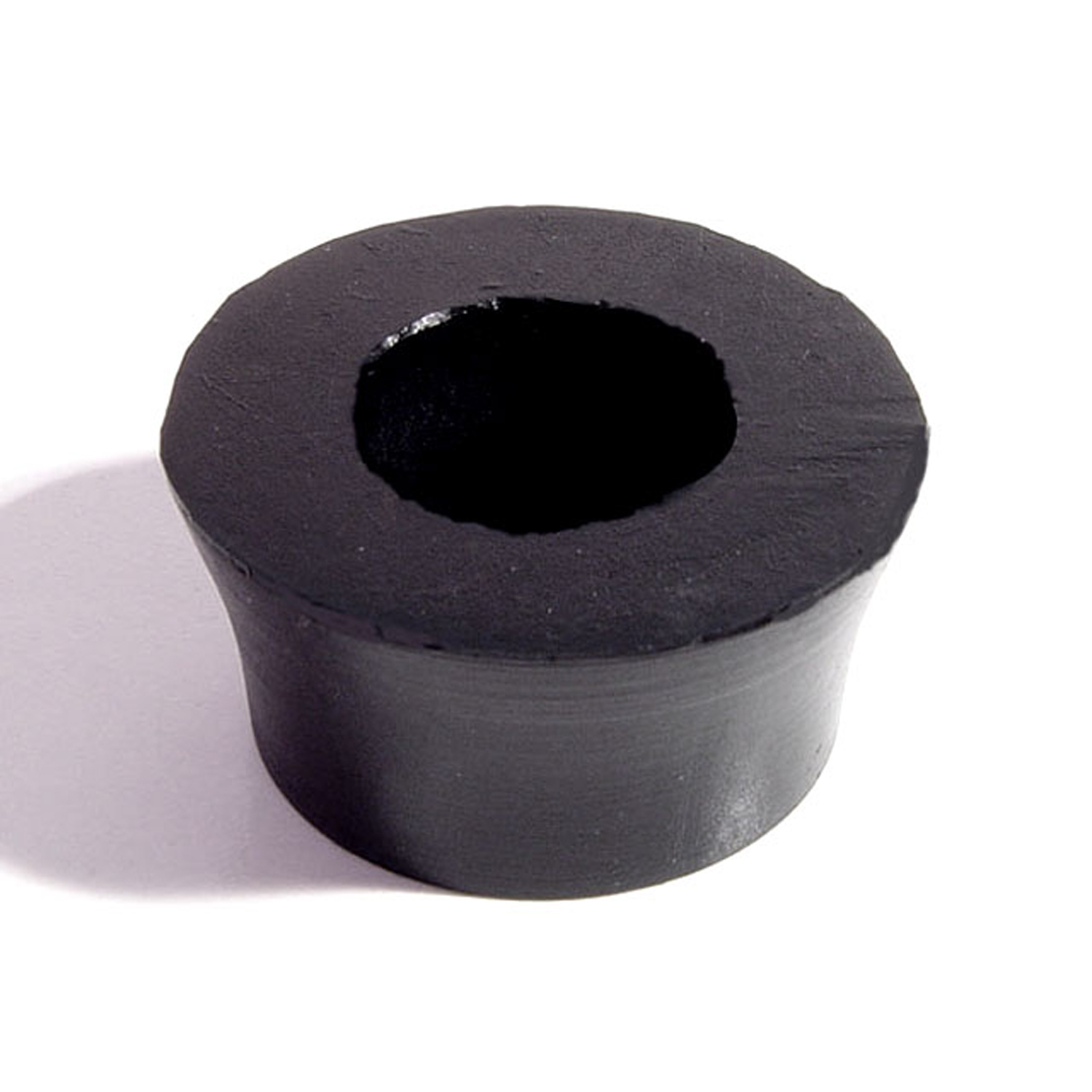 1969 GMC C15/C1500 Pickup Shock Absorber Grommet. 1" bottom O.D., 5/8" high-BN 10Shock Absorber Grommet. 1" bottom O.D., 5/8" high., with 5/8" I.D. Each
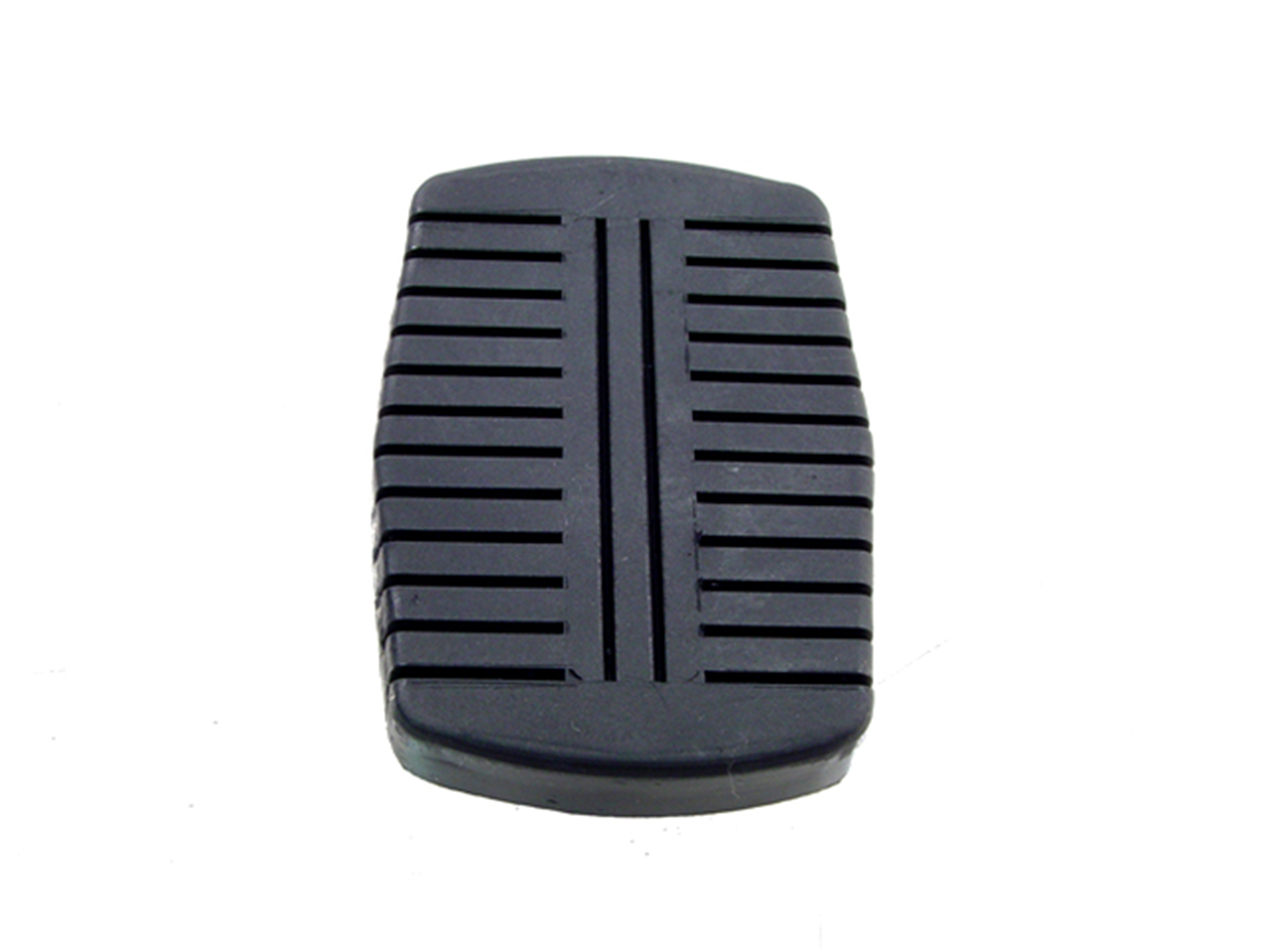 1969 GMC C15/C1500 Pickup Clutch and Brake Pedal Pad. Perfect-CB 100-EACHClutch and Brake Pedal Pad. Perfect. 2-5/8" wide X 3-3/4" long. Each
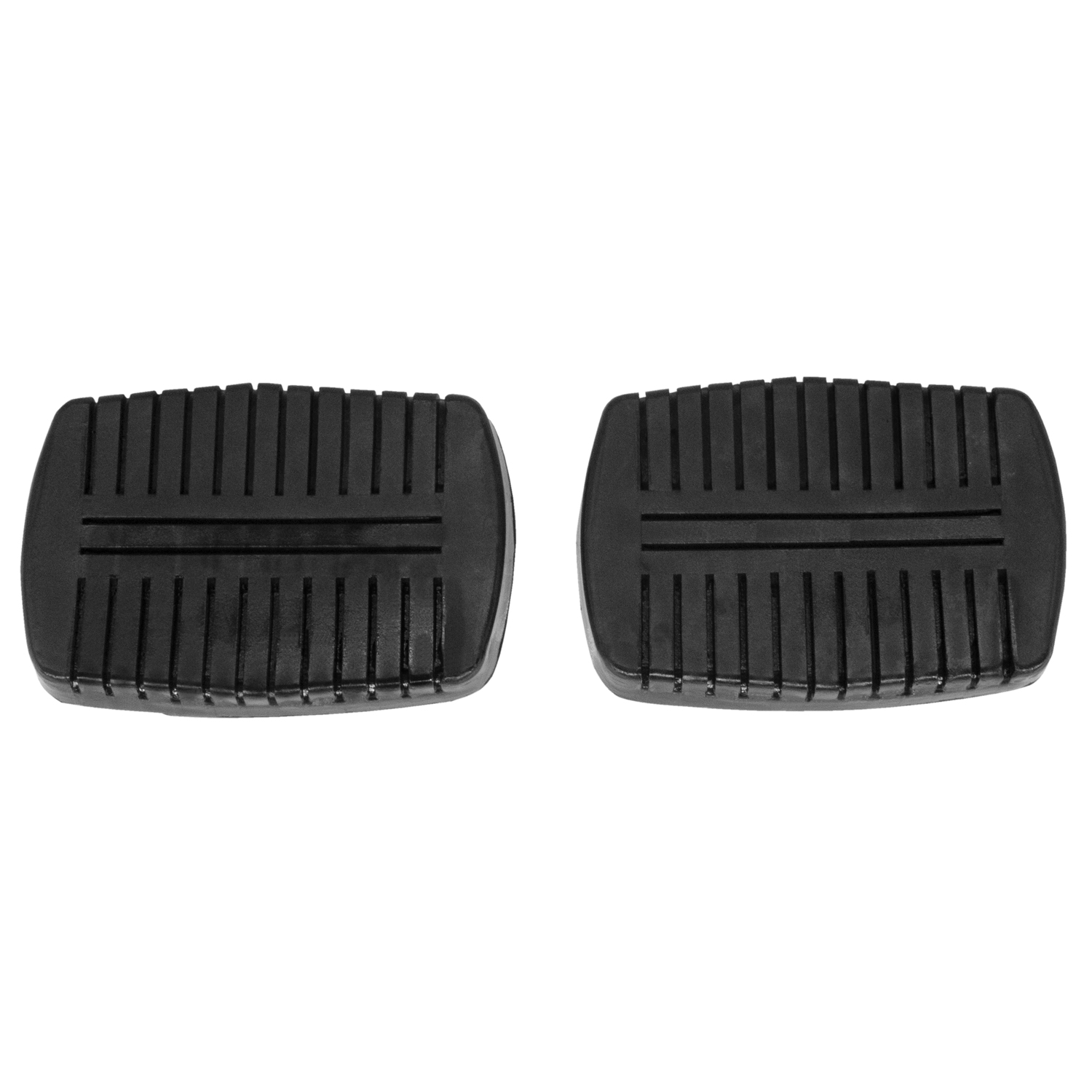 1969 GMC C15/C1500 Pickup Clutch and Brake Pedal Pads. Perfect-CB 100-PAIRClutch and Brake Pedal Pads. Perfect. 2-5/8" wide X 3-3/4" long. Pair
 1969 GMC C15/C1500 Pickup Hood to Cowl Seal, 67-72 GM Full Size Trucks and SUV's, Each-CS 60-AThis seal mounts to the firewall and seals against the hood. Our product is made from the original specs and from high quality ozone resistant materials for a great fit and long life.
 1969 GMC C15/C1500 Pickup Hood to Fender Bumper. Top opening 5/8" wide. Each-HF 32-AHood to Fender Bumper. Top opening 5/8" wide. Each
 1969 GMC C15/C1500 Pickup Molded Door Seals with Mitered Corners. 166-1/2" long each-LM 13-HMolded Door Seals with Mitered Corners. 166-1/2" long each. Pair R&L
 1969 GMC C15/C1500 Pickup Door Panel Insulation Kit-LPK 44-TDoor Panel Insulation Kit
 1969 GMC C15/C1500 Pickup Back-up (Cargo) Light Gasket. 2-3/4" X 5-7/8" I.D-MB 2002Back-up (Cargo) Light Gasket. 2-3/4" X 5-7/8" I.D., 3-3/8" X 7" O.D.Each
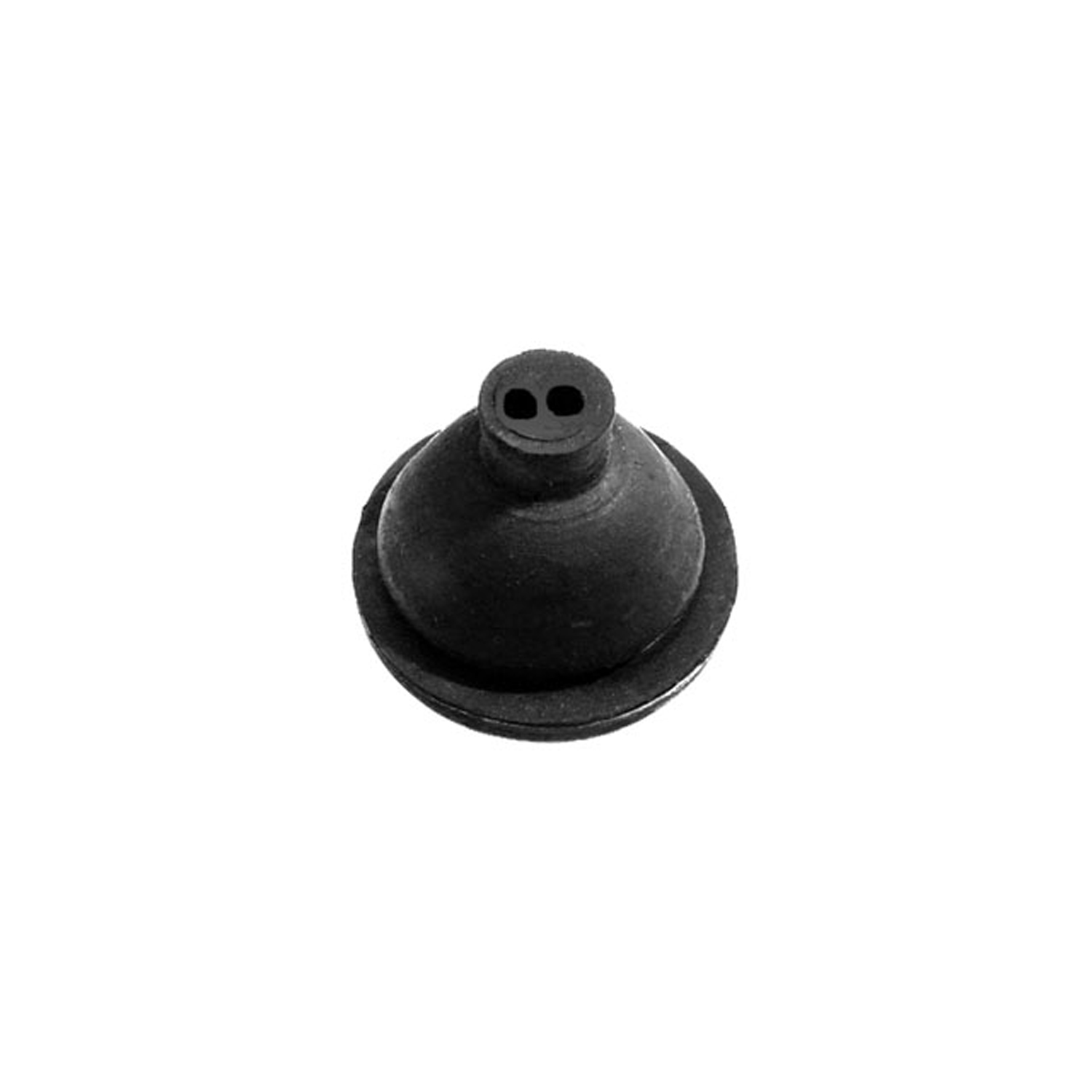 1969 GMC C15/C1500 Pickup Dash & Firewall Grommet. Double-hole type for two wires-RP 1-GDash & Firewall Grommet. Double-hole type for two wires. For heater motor & accessory wires. 15/16" O.D., fits 5/8" sheet metal hole. Each
 1969 GMC C15/C1500 Pickup Heater Box to firewall Gasket. 6-3/4" O.D., 4-3/4" I.D-RP 300-THeater Box to firewall Gasket. 6-3/4" O.D., 4-3/4" I.D. Each
 1969 GMC C15/C1500 Pickup Windshield seal, '67-'72 Chevrolet & GMC C/K series, with trim groove-VWS 7313Windshield seal, '67-'72 Chevrolet & GMC C/K series truck/Suburban, '69-'70 Chevy Blazer, '70 GMC Jimmy, with groove to accept trim, each.
 1969 GMC C15/C1500 Pickup Windshield seal, '67-'72 Chevrolet & GMC C/K series, no trim groove-VWS 7313-AWindshield seal, '67-'72 Chevrolet & GMC C/K series truck/Suburban, '69-'72 Chevy Blazer, '70-'72 GMC Jimmy, without trim groove, each. Replaces OEM part # 3968174.
 1969 GMC C15/C1500 Pickup Rear window seal, '67-'72 Chevrolet & GMC C/K, large window, no trim groove-VWS 7313-SRear window seal, '67-'72 Chevrolet & GMC C/K series truck with large rear window without trim groove, each. Replaces OEM part # 3940758.
 1969 GMC C15/C1500 Pickup Rear window seal, '67-'72 Chevrolet & GMC C/K, large window, trim groove-VWS 7313-TRear window seal, '67-'72 Chevrolet & GMC C/K series truck with large rear window with trim groove, each.
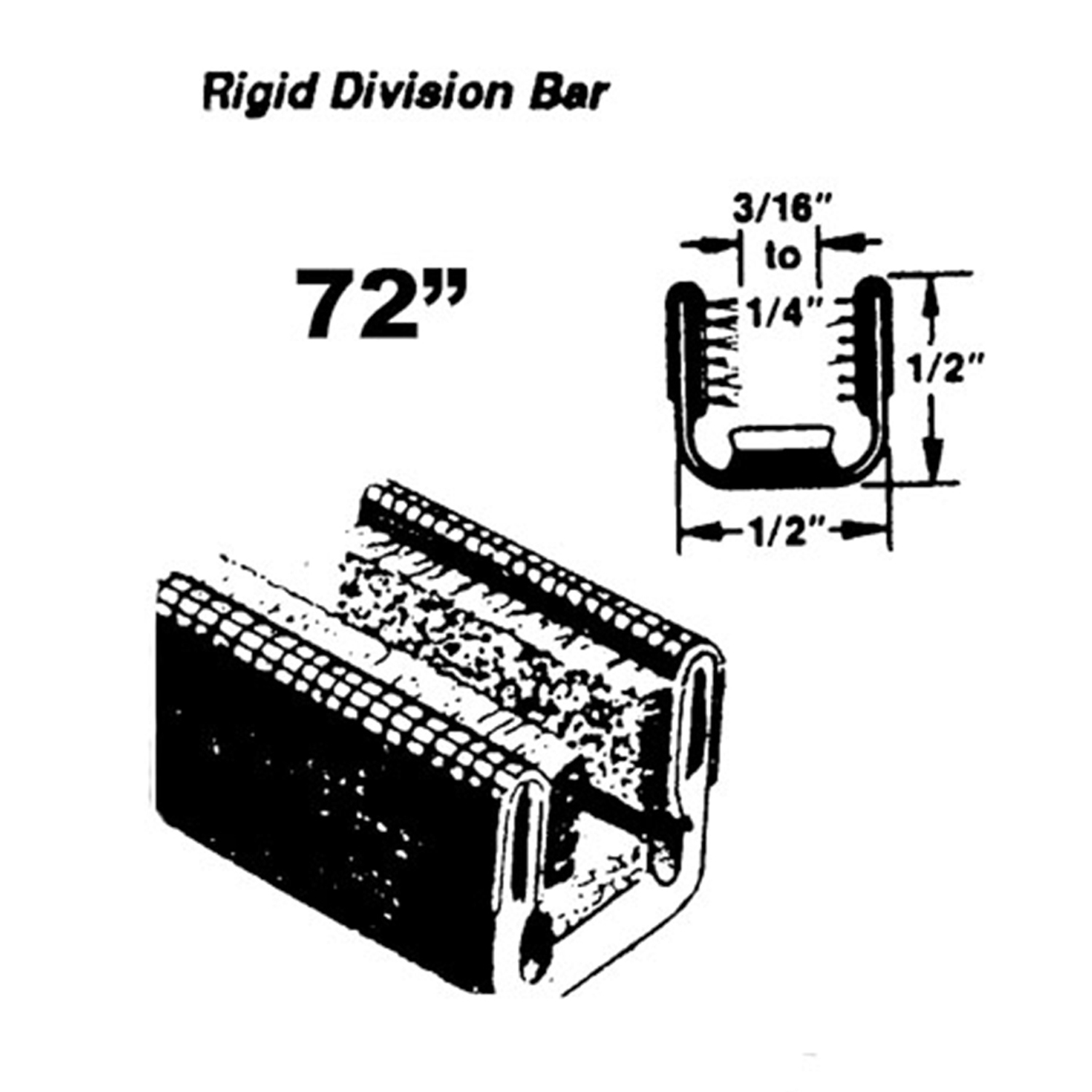 1969 GMC C15/C1500 Pickup Upper and lower rigid division-bar channel-WC 25-72Upper and lower rigid division-bar channel. Unbeaded, pile-lined. 72 in. long. Each. NOTE: $20 special shipping charge applies for domestic orders. Call or email for overseas shipping costs. Part can be sectioned into two equal lengths to reduce overseas shipping costs.
 1969 GMC C15/C1500 Pickup Window Channel Run-Upper, 67-72 GM Full Size Truck and SUV, Each-WC 33-60Window Channel Run-Upper, 67-72 GM Full Size Truck and SUV, Each. Fits Either Left or Right Side. Replaces OEM # 3893719.
 1969 GMC C15/C1500 Pickup Vent Window Seals. Replaces OEM part numbers 3925965/3925966-WR 2005-AVent Window Seals. Replaces OEM part numbers 3925965/3925966. Pair
Why Choose Metro?
For over 100 years, Metro Moulded Parts has been the pinnacle of quality in classic car restoration parts. Our commitment to precision and authenticity in every component ensures a perfect fit and an OEM-level appearance.
- Expert Craftsmanship & Quality: Each part is a testament to our dedication to reliability and perfection, crafted from original designs and thoroughly tested.
- Advanced Technology: We use cutting-edge techniques to create flawless, long-lasting parts that surpass others in performance.
- SuperSoft Sponge – The Ultimate Door Seal: Not only are our door seals 30% softer than competitors', but they're also guaranteed to never leak. They effectively reduce wind and road noise, enhancing your classic car's comfort and driving experience.
- Proudly American: Our parts are a product of American craftsmanship, made in the USA with a spirit of excellence and heritage.
- Unrivaled Warranty: We back our products with a 30-year industry-leading warranty, a testament to our confidence in their quality.
Join us in preserving the legacy of classic cars with parts that are crafted for perfection, not just made.