

Image of 1969 Gmc C35/C3500 Pickup, Note: These illustrations use artistic license and may differ from actual historical models.
Performance Metrics
Fundamental Metrics
Emotional Appeal
MMP Rating
| Engine Specifications | |
|---|---|
| Engine Options: | 250 I6, 307 V8, 350 V8, 396 V8 |
| Displacement Range: | 250-396 cu in |
| Horsepower Range: | 155-310 hp |
| Torque: | 235-410 lb-ft |
| Compression Ratio: | 8.25:1 - 10.25:1 |
| Ignition System: | Conventional breaker-point ignition system |
| Cooling System: | Liquid-cooled |
| Performance Specifications | |
| 0-60 Time: | Estimated 8-12 seconds |
| 1/4 Mile Time: | Estimated 16-20 seconds |
| Top Speed: | 90-100 mph |
| Transmission and Drive | |
| Drive Type: | Rear-wheel drive |
| Transmission Type: | 3-speed manual, 4-speed manual, 3-speed automatic |
| Fuel and Efficiency | |
| Fuel System Type: | Carburetor |
| MPG: | Estimated 10-15 mpg |
| Dimensions and Brakes | |
| Brakes: | Front disc and rear drum brakes |
| Wheelbase: | 133-165 inches |
| Weight: | 4,000-5,000 lbs |
Note: Specifications for classic cars are given to the best of our ability, considering the limited and variant data available.
1969 GMC C35/C3500: The One-Ton Workhorse With Classic Truck Style
The 1969 GMC C35 was built to haul serious loads, yet it wears the clean, confident lines that made late-1960s pickups icons. Part of GMC’s 1967–72 “Action Line” generation, this one-ton, rear-wheel-drive truck combined a rugged ladder frame and heavy-duty running gear with a more carlike cab than earlier work trucks. Today, it appeals to collectors who want a vintage pickup with real utility, not just show-stand shine.
GMC, the truck division of General Motors, shared much of its engineering with Chevrolet but gave its pickups distinct grille and badging details. The C35 name identifies a two-wheel-drive, one-ton model in GMC’s contemporary series terminology; C3500 is a familiar later-style way of describing the same general class. Buyers could order a pickup bed or a chassis cab ready for commercial equipment, making the C35 as much a working platform as a personal truck.
Action Line Styling and Cab Details
The 1969 C35 has the broad, upright stance typical of the Action Line trucks. Its squared-off hood, flat-sided fenders, large glass area, and straightforward grille give it a purposeful look without unnecessary ornament. GMC’s grille and lettering help distinguish it from its Chevrolet sibling, while the high-set cab and substantial front end make the truck look ready for a load even when parked empty. A factory pickup could be ordered with a Fleetside bed for a broad, smooth-sided profile or a Stepside bed with separate rear fenders and exposed running boards.
Inside, function came first. The cab typically featured a wide bench seat, simple instrument panel, durable vinyl upholstery, and painted metal surfaces. Depending on trim and options, buyers could add dressier upholstery, carpeting, additional gauges, a radio, or other comfort equipment. Many work-spec trucks kept a rubber floor covering, which was easier to clean after a day on a job site. Materials were sturdy rather than luxurious, and the upright seating position gave the driver a clear view over the hood.
Technology was practical for the era. The C35 used conventional mechanical controls and a straightforward instrument layout, so owners and mechanics could diagnose many problems without specialized electronics. Depending on configuration, available equipment could include power steering, power brakes, air conditioning, and automatic transmission. Exact equipment varied by order, market, and body style.
Factory paint choices changed with trim and availability. Period colors included a range of whites, reds, blues, greens, and other solid shades, with two-tone treatments possible on some configurations. White and red are especially familiar on surviving work trucks, while turquoise and other brighter period colors make restored examples stand out at shows. Original paint codes and trim tags are the best way to confirm how a particular truck left the factory.
Engines, Chassis, and One-Ton Options
The C35’s engine depended on the original order. GMC offered inline-six and V8 choices across its truck range, with availability varying by model and application. Common possibilities included the 250- and 292-cubic-inch inline-sixes and small-block V8s such as the 307 and 350. Some heavier-duty or specially ordered trucks could have different powertrain combinations. Because engine availability could differ by region and production details, a truck’s original documentation and identification numbers matter more than a seller’s assumption based on the badge.
Transmission choices could include manual gearboxes and, depending on the powertrain, an automatic. The one-ton chassis was built for work, with heavier-duty suspension, axles, wheels, and brakes than a light-duty pickup. Some trucks were ordered as dual-rear-wheel models, while chassis-cab versions could be fitted with service bodies, flatbeds, stake beds, or other commercial equipment. Those combinations are a major reason no single specification describes every C35.
Why the 1969 GMC C35 Matters
The Action Line generation helped move the American pickup beyond its purely utilitarian roots. Its cab was roomier and more refined than many earlier work-truck interiors, and the styling was clean enough to suit both a farm and a suburban driveway. The C35 applied that approach to the heavy-duty end of the market: a truck that could be ordered for demanding commercial work while still offering familiar comfort and straightforward controls.
It was not a revolutionary technology showcase, and that is part of its appeal. GMC relied on proven mechanical components, a robust frame, and serviceable systems rather than complicated electronics. The C35 also illustrates the flexibility of the pickup platform. One basic cab and chassis could become a family hauler, a contractor’s truck, a camper platform, or a fleet vehicle. That adaptable formula remains central to the pickup market today.
Performance and Driving Feel
There is no dependable single 0–60 mph time or top-speed figure for every 1969 C35. Engine, axle ratio, transmission, tire size, body configuration, and cargo load all make a substantial difference, and period testing is not consistently available for each one-ton setup. As a broad modern estimate, a V8-powered truck in light condition might take roughly 12 to 16 seconds to reach 60 mph. A heavily loaded truck or one with a lower-powered engine could be slower. Depending on gearing and condition, an unloaded example might reach somewhere around 80 to 95 mph, but this is not a truck designed for sustained high-speed travel.
On the road, the C35 feels substantial. The steering is slower than that of a modern pickup, and the long hood and heavy-duty chassis reward deliberate inputs. An unloaded one-ton can ride firmly, especially over sharp bumps, because its suspension is designed to support cargo. Add weight in the bed and the ride often settles down, though stopping distances and handling still require respect. On windy roads, the tall body and broad sides can catch crosswinds, while its size makes tight turns and parking more of a task than in a modern half-ton.
The engine’s character depends on what is under the hood. An inline-six delivers a steady, work-focused note, while a V8 adds a deeper rumble and stronger passing response. The manual versions keep the driver closely involved through a heavy clutch and deliberate gear changes; an automatic makes stop-and-go work easier. Expect more mechanical sound and vibration than in a contemporary truck, along with a direct, unfiltered connection to the road.
Ownership, Maintenance, and Reliability
Today, C35s serve as weekend drivers, work trucks, restoration projects, show vehicles, and platforms for period-inspired builds. Their one-ton capacity and sturdy construction also make them appealing for hauling, though age and current vehicle regulations should be considered before using one for regular heavy towing or commercial work.
Routine service is generally approachable for an experienced home mechanic. The engine bay is relatively accessible, the mechanical systems are familiar to classic-truck specialists, and many wear items are supported by the restoration-parts market. That does not mean every repair is simple: rust repair, brake-system restoration, steering wear, and rebuilding a heavy-duty transmission or axle can become expensive. Before buying, inspect the frame, cab mounts, rocker panels, floor, bed, and suspension mounting points. Also check that the brakes, tires, and steering components are appropriate for a one-ton truck, not merely functional enough for a short test drive.
Notable Details and Common Criticisms
One of the C35’s most interesting traits is how easily its working identity could change. A pickup-bed example might look like a classic personal truck, while a chassis-cab version could leave the factory destined for a utility body, flatbed, or other specialized equipment. The same basic Action Line appearance therefore represents a wide range of real-world jobs.
There is no widely recognized C35-specific speed or endurance record, and production figures are not commonly broken out in a dependable public total for every 1969 GMC one-ton body and drivetrain combination. It is safer to treat claims about exact rarity with caution. The model’s honest criticisms are familiar to classic-truck owners: firm unloaded ride, modest acceleration by modern standards, substantial fuel consumption, limited safety equipment compared with newer vehicles, and the possibility of rust or decades of hard commercial use.
Collector Values and Availability
Values vary sharply with condition, originality, body style, drivetrain, and documentation. As a broad U.S. market guide for 2026, a rough project or heavily worn truck might bring about $5,000 to $12,000. A usable driver in sound condition could fall around $12,000 to $25,000, while a well-restored example might reach roughly $25,000 to $45,000 or more. Exceptional, highly original, rare-bodied, or professionally built trucks can exceed that range. Chassis-cab projects and unusual commercial configurations do not always command the same prices as attractive pickup-bed trucks.
There is no reliable published production count specific to every 1969 C35 configuration. A cautious estimate is that total C35 production was likely in the thousands, potentially reaching the low tens of thousands when all body and equipment versions are considered, but that is an informed approximation rather than a verified factory figure. Trucks still appear in the market, though condition varies widely. Clean, documented examples are much less common than rough work trucks, and finding a particular original engine, bed, or commercial body can take patience.
Well-restored Action Line pickups have generally become more desirable as interest in classic trucks has grown, but the market is selective. Originality, quality of workmanship, and rust-free structure matter more than flashy modifications alone. A properly documented C35 with its correct heavy-duty components is especially appealing to buyers who value the truck’s working heritage.
The C35’s Lasting Appeal
The 1969 GMC C35 brings together the best parts of a classic work truck: unmistakable Action Line styling, straightforward mechanicals, and a chassis built for serious duties. It is not quick, quiet, or delicate, but it offers something modern pickups often filter out: a tangible sense of machinery doing its job. Whether restored as a showpiece or kept as a hardworking driver, the C35 remains a sturdy reminder that a truck can be both a tool and an enduring piece of automotive history.
1969 Gmc C35/C3500 Pickup Catalog of Parts
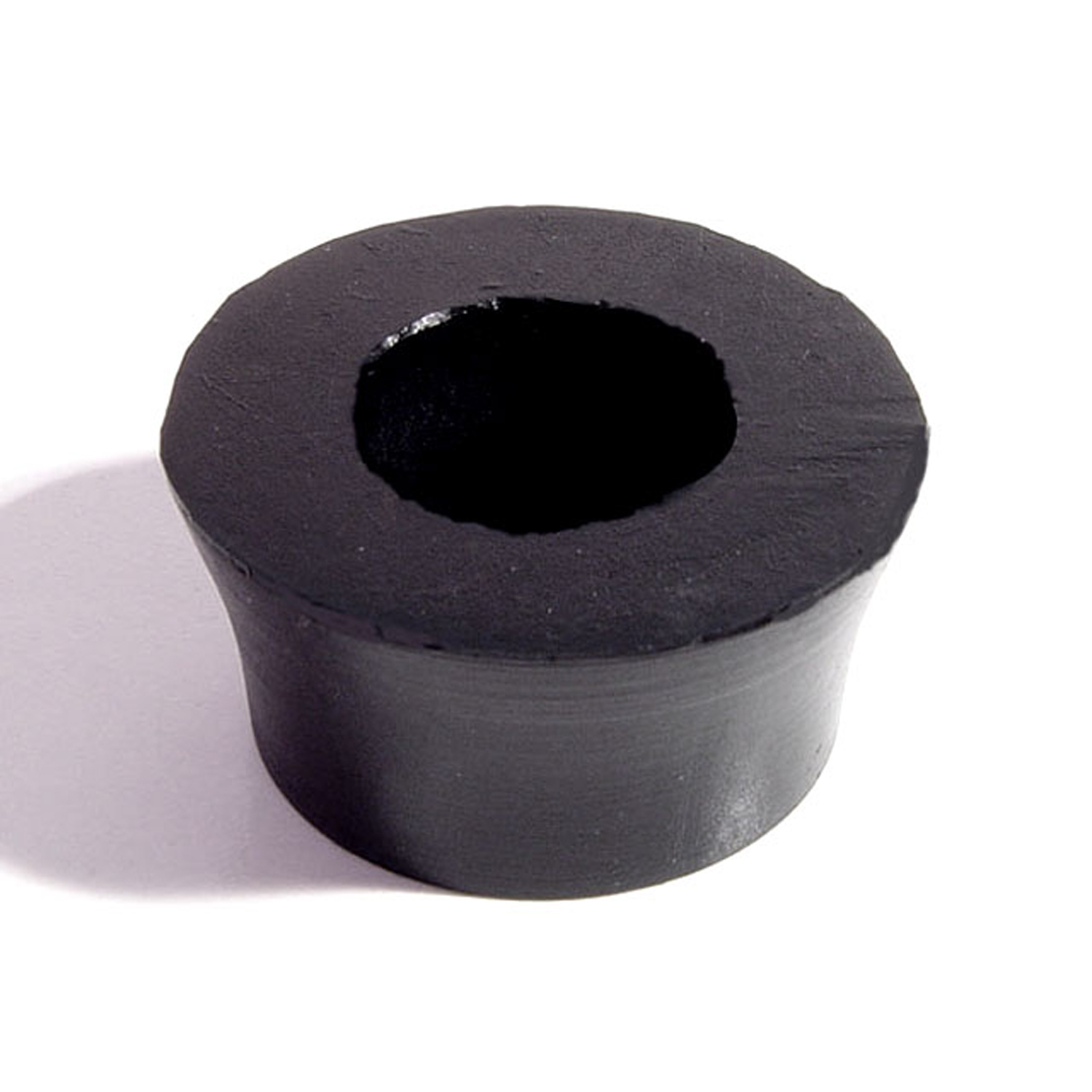 1969 GMC C35/C3500 Pickup Shock Absorber Grommet. 1" bottom O.D., 5/8" high-BN 10Shock Absorber Grommet. 1" bottom O.D., 5/8" high., with 5/8" I.D. Each
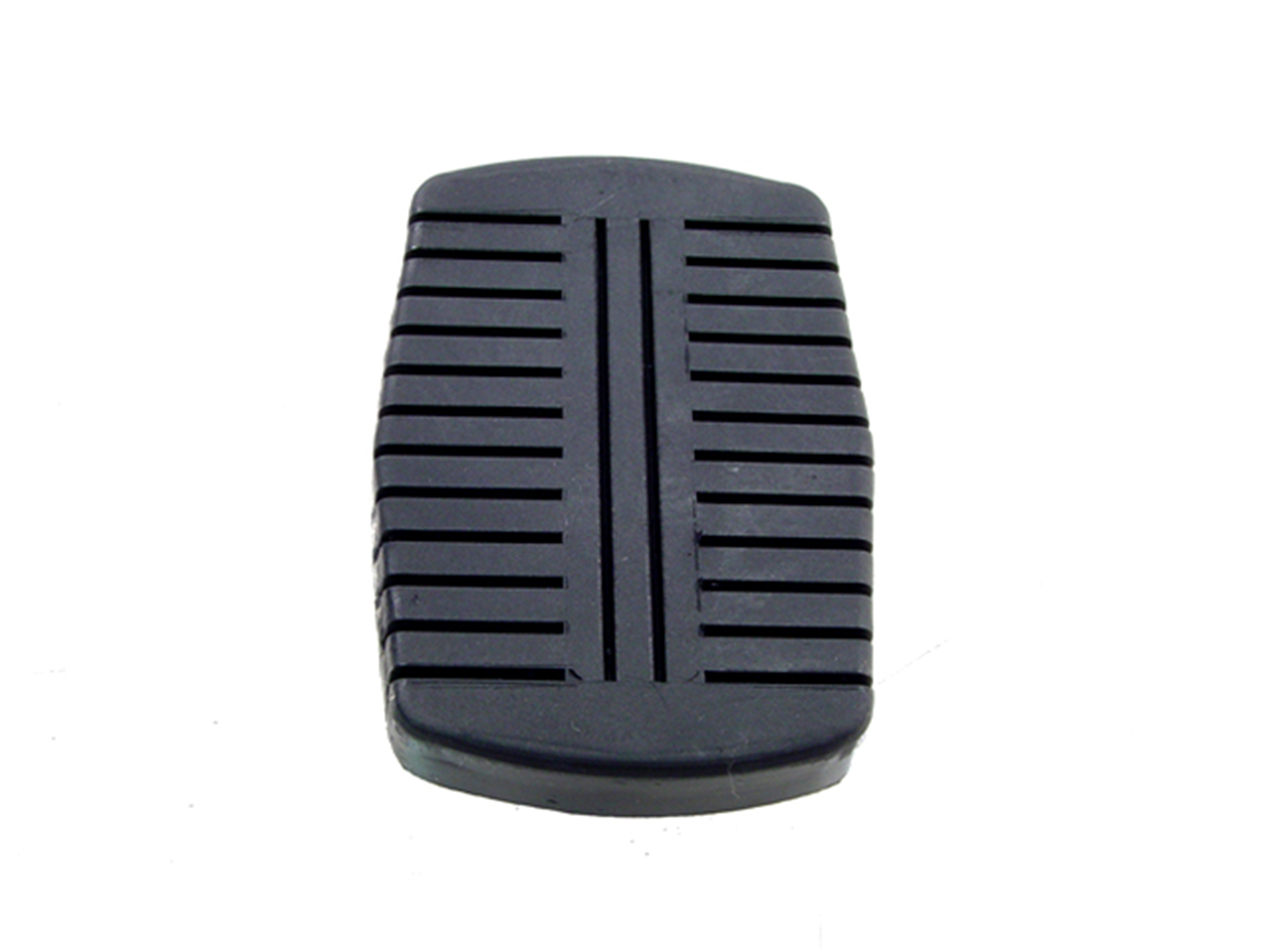 1969 GMC C35/C3500 Pickup Clutch and Brake Pedal Pad. Perfect-CB 100-EACHClutch and Brake Pedal Pad. Perfect. 2-5/8" wide X 3-3/4" long. Each
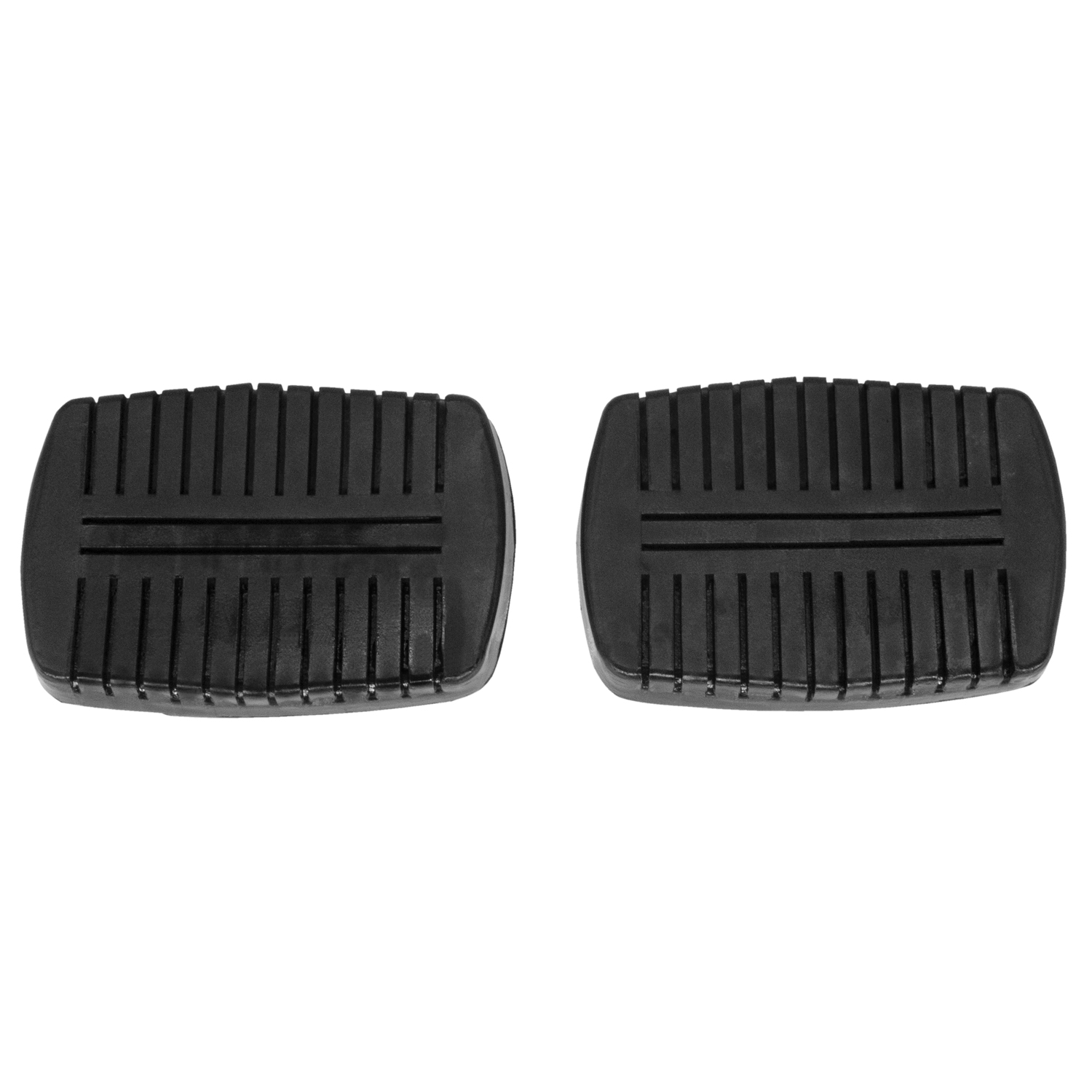 1969 GMC C35/C3500 Pickup Clutch and Brake Pedal Pads. Perfect-CB 100-PAIRClutch and Brake Pedal Pads. Perfect. 2-5/8" wide X 3-3/4" long. Pair
 1969 GMC C35/C3500 Pickup Hood to Cowl Seal, 67-72 GM Full Size Trucks and SUV's, Each-CS 60-AThis seal mounts to the firewall and seals against the hood. Our product is made from the original specs and from high quality ozone resistant materials for a great fit and long life.
 1969 GMC C35/C3500 Pickup Hood to Fender Bumper. Top opening 5/8" wide. Each-HF 32-AHood to Fender Bumper. Top opening 5/8" wide. Each
 1969 GMC C35/C3500 Pickup Molded Door Seals with Mitered Corners. 166-1/2" long each-LM 13-HMolded Door Seals with Mitered Corners. 166-1/2" long each. Pair R&L
 1969 GMC C35/C3500 Pickup Door Panel Insulation Kit-LPK 44-TDoor Panel Insulation Kit
 1969 GMC C35/C3500 Pickup Back-up (Cargo) Light Gasket. 2-3/4" X 5-7/8" I.D-MB 2002Back-up (Cargo) Light Gasket. 2-3/4" X 5-7/8" I.D., 3-3/8" X 7" O.D.Each
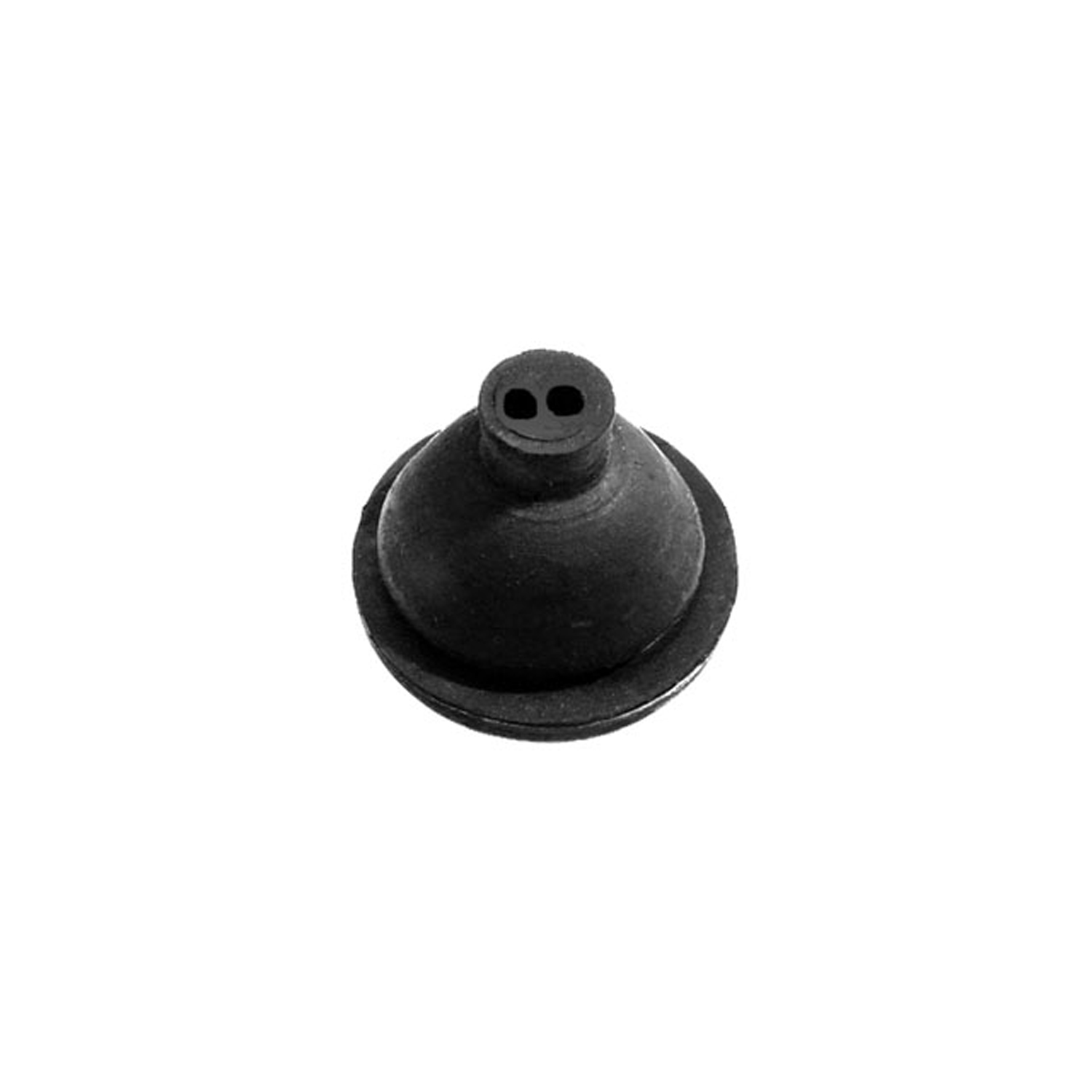 1969 GMC C35/C3500 Pickup Dash & Firewall Grommet. Double-hole type for two wires-RP 1-GDash & Firewall Grommet. Double-hole type for two wires. For heater motor & accessory wires. 15/16" O.D., fits 5/8" sheet metal hole. Each
 1969 GMC C35/C3500 Pickup Heater Box to firewall Gasket. 6-3/4" O.D., 4-3/4" I.D-RP 300-THeater Box to firewall Gasket. 6-3/4" O.D., 4-3/4" I.D. Each
 1969 GMC C35/C3500 Pickup Windshield seal, '67-'72 Chevrolet & GMC C/K series, with trim groove-VWS 7313Windshield seal, '67-'72 Chevrolet & GMC C/K series truck/Suburban, '69-'70 Chevy Blazer, '70 GMC Jimmy, with groove to accept trim, each.
 1969 GMC C35/C3500 Pickup Windshield seal, '67-'72 Chevrolet & GMC C/K series, no trim groove-VWS 7313-AWindshield seal, '67-'72 Chevrolet & GMC C/K series truck/Suburban, '69-'72 Chevy Blazer, '70-'72 GMC Jimmy, without trim groove, each. Replaces OEM part # 3968174.
 1969 GMC C35/C3500 Pickup Rear window seal, '67-'72 Chevrolet & GMC C/K, large window, no trim groove-VWS 7313-SRear window seal, '67-'72 Chevrolet & GMC C/K series truck with large rear window without trim groove, each. Replaces OEM part # 3940758.
 1969 GMC C35/C3500 Pickup Rear window seal, '67-'72 Chevrolet & GMC C/K, large window, trim groove-VWS 7313-TRear window seal, '67-'72 Chevrolet & GMC C/K series truck with large rear window with trim groove, each.
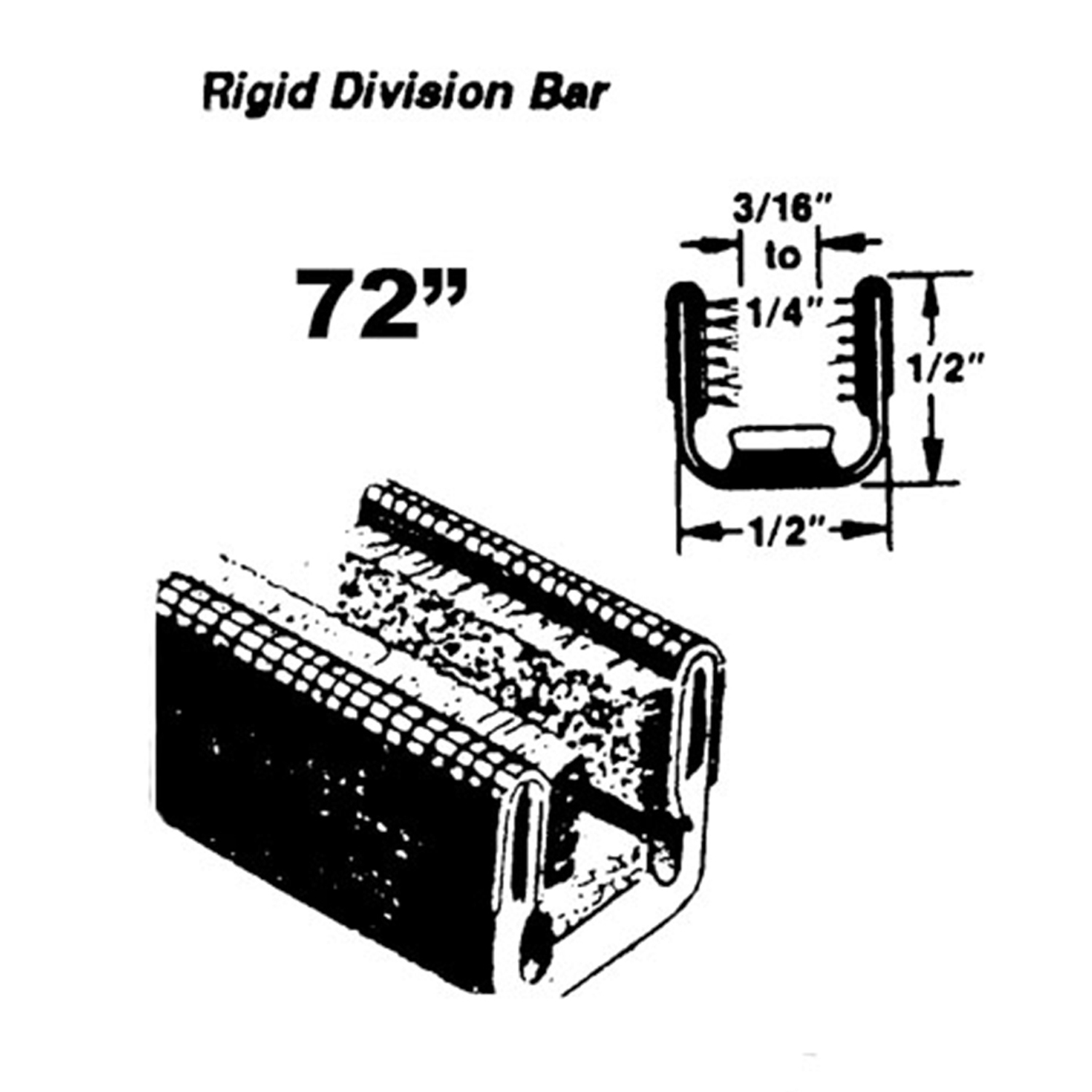 1969 GMC C35/C3500 Pickup Upper and lower rigid division-bar channel-WC 25-72Upper and lower rigid division-bar channel. Unbeaded, pile-lined. 72 in. long. Each. NOTE: $20 special shipping charge applies for domestic orders. Call or email for overseas shipping costs. Part can be sectioned into two equal lengths to reduce overseas shipping costs.
 1969 GMC C35/C3500 Pickup Window Channel Run-Upper, 67-72 GM Full Size Truck and SUV, Each-WC 33-60Window Channel Run-Upper, 67-72 GM Full Size Truck and SUV, Each. Fits Either Left or Right Side. Replaces OEM # 3893719.
 1969 GMC C35/C3500 Pickup Vent Window Seals. Replaces OEM part numbers 3925965/3925966-WR 2005-AVent Window Seals. Replaces OEM part numbers 3925965/3925966. Pair
Why Choose Metro?
For over 100 years, Metro Moulded Parts has been the pinnacle of quality in classic car restoration parts. Our commitment to precision and authenticity in every component ensures a perfect fit and an OEM-level appearance.
- Expert Craftsmanship & Quality: Each part is a testament to our dedication to reliability and perfection, crafted from original designs and thoroughly tested.
- Advanced Technology: We use cutting-edge techniques to create flawless, long-lasting parts that surpass others in performance.
- SuperSoft Sponge – The Ultimate Door Seal: Not only are our door seals 30% softer than competitors', but they're also guaranteed to never leak. They effectively reduce wind and road noise, enhancing your classic car's comfort and driving experience.
- Proudly American: Our parts are a product of American craftsmanship, made in the USA with a spirit of excellence and heritage.
- Unrivaled Warranty: We back our products with a 30-year industry-leading warranty, a testament to our confidence in their quality.
Join us in preserving the legacy of classic cars with parts that are crafted for perfection, not just made.