
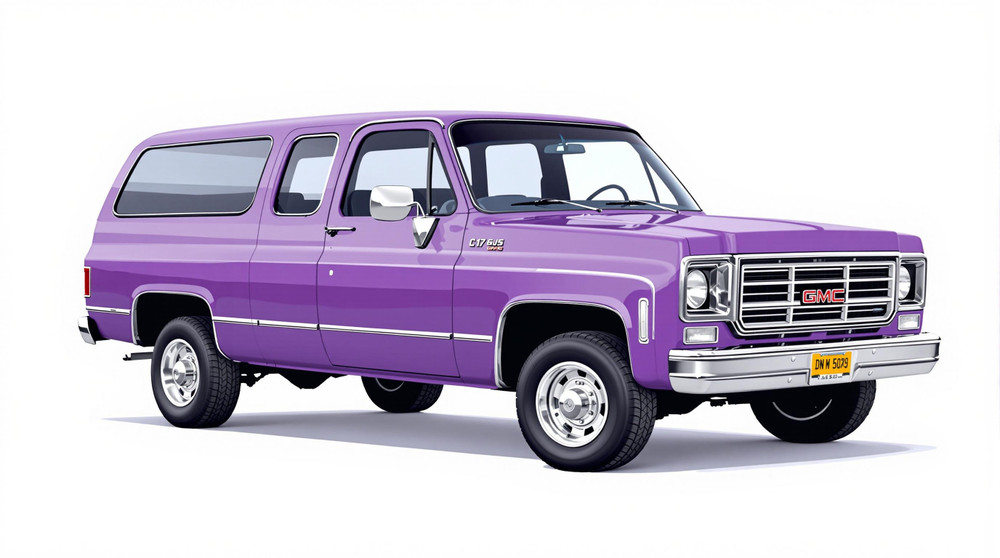
Image of 1977 Gmc C15 Suburban, Note: These illustrations use artistic license and may differ from actual historical models.
Performance Metrics
Fundamental Metrics
Emotional Appeal
MMP Rating
| Engine Specifications | |
|---|---|
| Engine Options: | 4.1L 250Cu. In. l6 GAS Naturally Aspirated, 5.7L 350Cu. In. V8 GAS Naturally Aspirated, 6.6L 400Cu. In. V8 GAS Naturally Aspirated |
| Displacement Range: | 250-400 Cu. In. |
| Horsepower Range: | 100-180 HP |
| Torque: | 175-290 lb-ft |
| Compression Ratio: | 8.0:1 - 8.5:1 |
| Ignition System: | Conventional Breaker Point Ignition System |
| Cooling System: | Liquid-cooled |
| Performance Specifications | |
| 0-60 Time: | Estimated 12-15 seconds |
| 1/4 Mile Time: | Estimated 18-20 seconds |
| Top Speed: | 100 mph |
| Transmission and Drive | |
| Drive Type: | Rear-Wheel Drive |
| Transmission Type: | 3-Speed Automatic, 4-Speed Manual |
| Fuel and Efficiency | |
| Fuel System Type: | Carburetor |
| MPG: | 10-12 MPG |
| Dimensions and Brakes | |
| Brakes: | Front Disc / Rear Drum |
| Wheelbase: | 129.5 inches |
| Weight: | 4,500 lbs |
Note: Specifications for classic cars are given to the best of our ability, considering the limited and variant data available.
1977 GMC C15 Suburban: The Squarebody Family Hauler
The 1977 GMC C15 Suburban could carry a family, a work crew, camping gear, and a serious load of groceries without changing its basic recipe: a tough pickup-truck chassis, a big V8 option, and room for up to nine people. Built by General Motors under its GMC brand, it belongs to the squarebody generation of Suburbans introduced for 1973, a design that helped make the full-size SUV a practical alternative to both the station wagon and the passenger van.
One naming detail is worth knowing: “C” identifies a two-wheel-drive truck, while “15” denotes the half-ton series in GMC’s Canadian-style model nomenclature. In U.S. paperwork, similar trucks are commonly identified as C15 or C1500, and the exact badge and specification can vary by market. Original build records, the VIN, and the truck’s data plate are the best way to confirm an individual example.
The Suburban name itself reaches back to the 1930s, but the 1977 model belongs to a particularly influential chapter. Its straight-edged body, durable mechanicals, and genuinely useful passenger space made it a fixture of family life and fleet service. A notable feature of the squarebody generation was its four-door layout, which made access to the rear seating far more convenient than in the older three-door Suburbans.
Squarebody Styling and Cabin Design
The 1977 Suburban wears the squarebody look with confidence. Its upright windshield, broad hood, flat body sides, and squared-off roof create a long, purposeful silhouette. A wide grille and rectangular headlamp arrangement give the GMC a distinct face, while bright trim and GMC badging set it apart from its Chevrolet counterpart. The overall shape is simple rather than flashy, but that simplicity is part of its appeal: the panels are easy to read, the glass area is generous, and the truck looks ready for work even when freshly polished.
Inside, the Suburban is straightforward and spacious. The dashboard is broad and functional, with large, easy-to-read gauges and controls designed to be operated while wearing work gloves. Depending on trim and options, buyers could get cloth or vinyl seat coverings, carpeting, upgraded interior trim, and comfort features such as air conditioning and power accessories. Hard-wearing plastics and vinyl were practical choices for a vehicle expected to carry people and cargo, though they do not have the soft-touch feel of a modern SUV.
Options varied by market and equipment package. Power steering and power brakes were common choices, while automatic transmission, air conditioning, and upgraded audio equipment added comfort for long drives. AM or AM/FM radios were typical period entertainment technology. Compared with today’s vehicles, the equipment is basic, but the mechanical controls and relatively uncomplicated electrical systems are part of the truck’s enduring appeal.
Factory paint choices changed by year and market, so an exact color list should be checked against the truck’s build information. Period-appropriate finishes included a mix of whites, creams, tans, blues, greens, reds, and metallic shades, with two-tone combinations available on some configurations. White, dark blue, red, and earth-tone trucks are especially familiar sights today. Original paint and trim codes can add real interest for restorers and collectors.
The C15 Suburban was a full-size, four-door wagon-style SUV, not a pickup with a detachable camper shell. Its long enclosed body offered passenger seating and a large rear cargo area, with seating arrangements and trim depending on configuration. GMC also sold related C/K pickups in multiple cab and bed combinations, but the Suburban’s combination of enclosed space and truck underpinnings is what made it iconic.
Why the 1977 Suburban Mattered
The squarebody Suburban helped establish a template that remains recognizable in modern SUVs: a truck-based platform, a roomy enclosed body, multiple passenger seats, and the ability to tow or carry substantial cargo. Its design did not chase sports-car handling or luxury-car refinement. Instead, it made a large utility vehicle more usable for everyday transportation, from school runs to long-distance family trips.
What set the GMC apart from many contemporaries was its breadth of capability. It could function as a family wagon during the week, a towing vehicle on the weekend, or a dependable fleet truck. Its body-on-frame construction and available V8 power gave it a toughness that unibody passenger cars generally could not match. The squarebody’s influence is easy to spot in later SUVs, which continued to blend passenger comfort with pickup-derived durability.
GMC and Chevrolet versions shared much of their underlying engineering and body structure. The differences were chiefly in brand identity, trim, and equipment, rather than a completely separate design. That shared architecture made parts support broad, while the GMC grille and badges give the C15 its own character.
V8 Power and Road Manners
Engine availability depended on market, drivetrain, and ordering choices. Six-cylinder and V8 engines appeared in the broader truck lineup, while V8 power was a natural fit for a Suburban expected to carry passengers or tow. A 350-cubic-inch small-block V8 is a representative choice for the era, with larger engines available in some configurations. Exact output varied with engine, carburetion, emissions equipment, and transmission, so a particular truck’s engine code is more useful than a general model-year estimate.
For a typical V8-equipped example, a reasonable period-style estimate is a 0-to-60-mph time in the neighborhood of 13 to 16 seconds. A six-cylinder truck, a heavily loaded Suburban, or one geared for towing would generally be slower. Depending on engine, axle ratio, condition, and tires, a V8 truck might reach roughly 90 to 100 mph, but that is a theoretical top-speed range rather than a sensible cruising target. These figures are estimates, not a single factory specification for every C15.
On the road, the Suburban feels substantial. The body-on-frame chassis and truck suspension are built to carry weight, so sharp bumps can produce a firm, sometimes busy ride, especially when the vehicle is lightly loaded. Add passengers or cargo and the suspension often feels more settled. Steering is slower and less precise than in a modern SUV, and the long body takes planning on narrow roads and in parking lots.
Windy roads reveal the truck’s size and tall profile. It can lean through corners and respond more gradually than a car, so smooth inputs are rewarded. In return, the driver gets a commanding view, a broad hood, and a reassuring sense of mass. A healthy V8 supplies a low, familiar rumble, while the automatic transmission, where fitted, makes ordinary driving easy. The experience is less about speed than about relaxed, deliberate progress.
Living with a C15 Suburban
Owners use 1977 Suburbans as weekend cruisers, family haulers, tow vehicles, camping rigs, work trucks, and show vehicles. A well-sorted example can still handle local driving and highway trips, but its fuel consumption, braking distances, and safety equipment reflect its age. It lacks modern conveniences such as stability control, airbags, and contemporary crash protection, so it should be driven with appropriate care.
Routine maintenance is familiar to anyone who has worked on older GM trucks. The carburetor, ignition system, cooling system, brakes, steering components, and automatic transmission all benefit from regular inspection. Replacement parts for common mechanical components are generally available, and the simple layout makes many jobs approachable for a competent home mechanic. Rust repair, worn suspension, neglected wiring, and poorly executed engine swaps can turn an inexpensive purchase into a major project.
Before buying, inspect the frame, floor pans, rocker panels, wheel openings, body mounts, and rear cargo area for corrosion. Check that the engine starts cleanly, holds temperature, and does not show signs of excessive smoke or oil pressure problems. Also examine the transmission shifts, steering play, brake condition, and the operation of every door and window. A tidy interior and complete trim can be harder to source than basic mechanical parts.
Squarebody Trivia and Common Complaints
The 1977 Suburban was part of a long-running nameplate rather than a short-lived special edition. The GMC and Chevrolet versions shared their basic structure, making the GMC a close relative of the better-known Chevrolet Suburban. That relationship is useful for parts hunting, though GMC-specific grille pieces, emblems, and some trim details may require extra searching.
There is no widely recognized 1977 C15 Suburban record for speed, endurance, or production, and celebrity ownership is not a defining part of its story. Its notable achievement is more practical: generations of these trucks served families, businesses, government fleets, and outdoor enthusiasts. The Suburban’s long production history also helped make the name one of the most enduring in American utility vehicles.
Common criticisms are easy to understand. The truck is thirsty, large, and less nimble than a car. Its brakes and handling demand more attention than those of a modern SUV, and rust can be costly to repair. The upright cabin can also be noisy at highway speed. For fans, however, the same simplicity, visibility, and mechanical character are major attractions.
Collector Values and Availability
There is no reliable, widely published production total for the exact 1977 GMC C15 Suburban configuration. GMC sales are often grouped with broader truck or Suburban totals, and records do not always separate half-ton, two-wheel-drive versions cleanly. As a cautious estimate rather than a factory figure, production may have been in the several-thousand to low-tens-of-thousands range. A ballpark guess of about 8,000 to 15,000 examples is plausible, but it should not be treated as an official count.
Values depend heavily on rust, originality, mechanical condition, documentation, and the quality of any restoration. As a broad current-market guide, a project truck may sell for roughly $3,000 to $8,000. A usable driver might fall around $8,000 to $18,000, while a clean, well-maintained example can reach approximately $20,000 to $35,000. Exceptional restorations or especially desirable, well-documented trucks may exceed $40,000, with top examples potentially reaching $60,000 or more. These are approximate ranges, and local markets can differ significantly.
Squarebody trucks have gained attention over the past decade, and the best rust-free, original, or thoughtfully restored examples have generally appreciated. The market is not uniform: a rough project may remain difficult to sell because restoration costs are high, while a clean driver has a much wider audience. GMC examples can sometimes be less expensive than comparable Chevrolet models, partly because the Chevrolet badge is more widely recognized, but that can make a good GMC an appealing find.
The Lasting Appeal of the 1977 GMC
The 1977 GMC C15 Suburban combines the squarebody’s unmistakable design with the practicality of a full-size, truck-based family vehicle. Its strengths are honest ones: space, sturdy construction, simple mechanicals, and the ability to shift easily between passenger duty and utility work. It is not quick, economical, or modern in its manners, but it offers a distinctly hands-on driving experience and a direct link to the era when SUVs were built like trucks because they were trucks.
For collectors, the best examples balance originality with careful maintenance. For everyone else, a sound C15 remains a wonderfully usable piece of American automotive history: big enough for the whole crew, tough enough for the job, and unmistakably squarebody from every angle.
1977 Gmc C15 Suburban Catalog of Parts
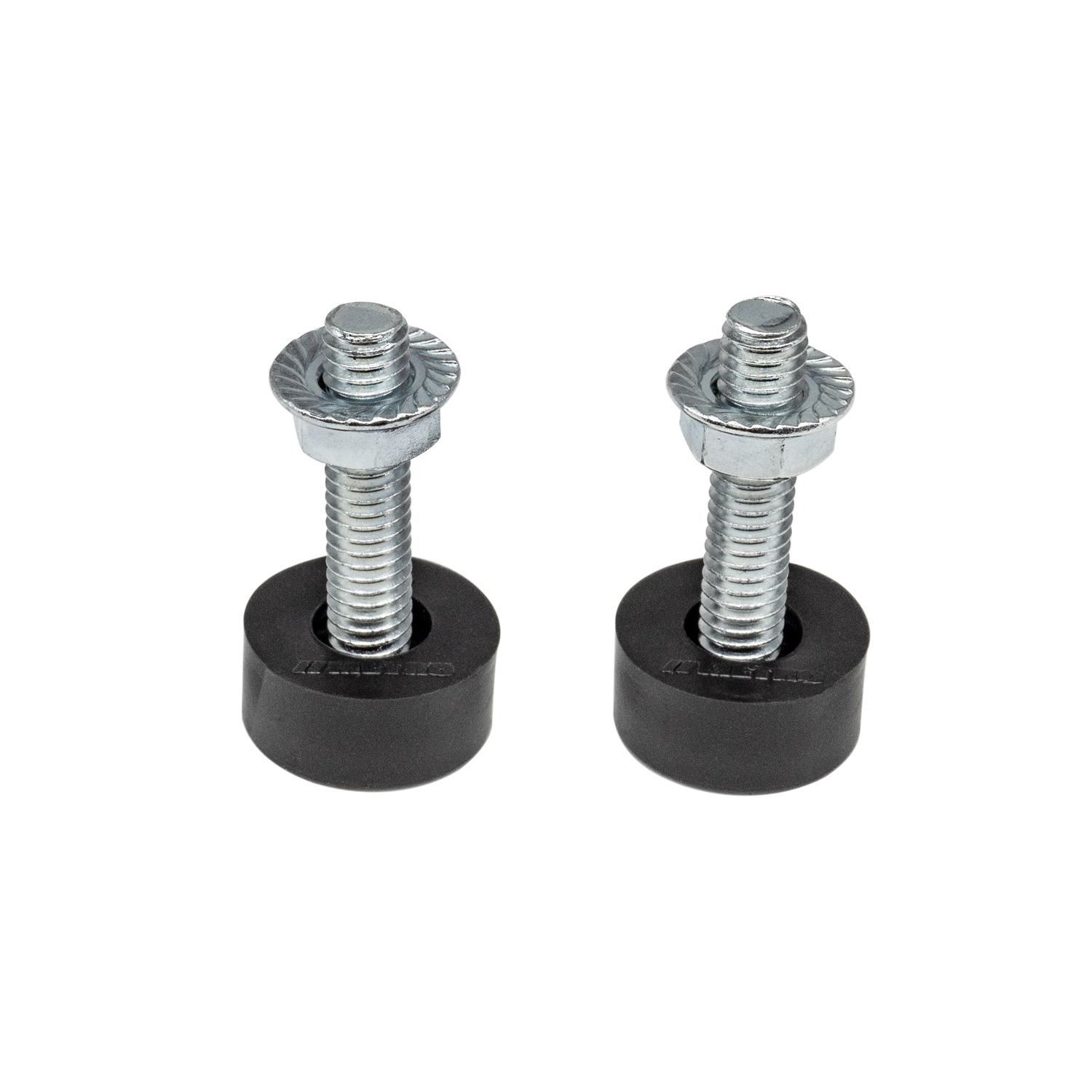 1977 GMC C15 Suburban Hood Adjustment Bolt,Nut and Bumper Pair-HA 5-BHood Adjustment Bolt, Nut and Bumper 5/16-18 x 1 1/2 Bolt, 5/16-18 Nut and Bumper 7/8 x 7/16.
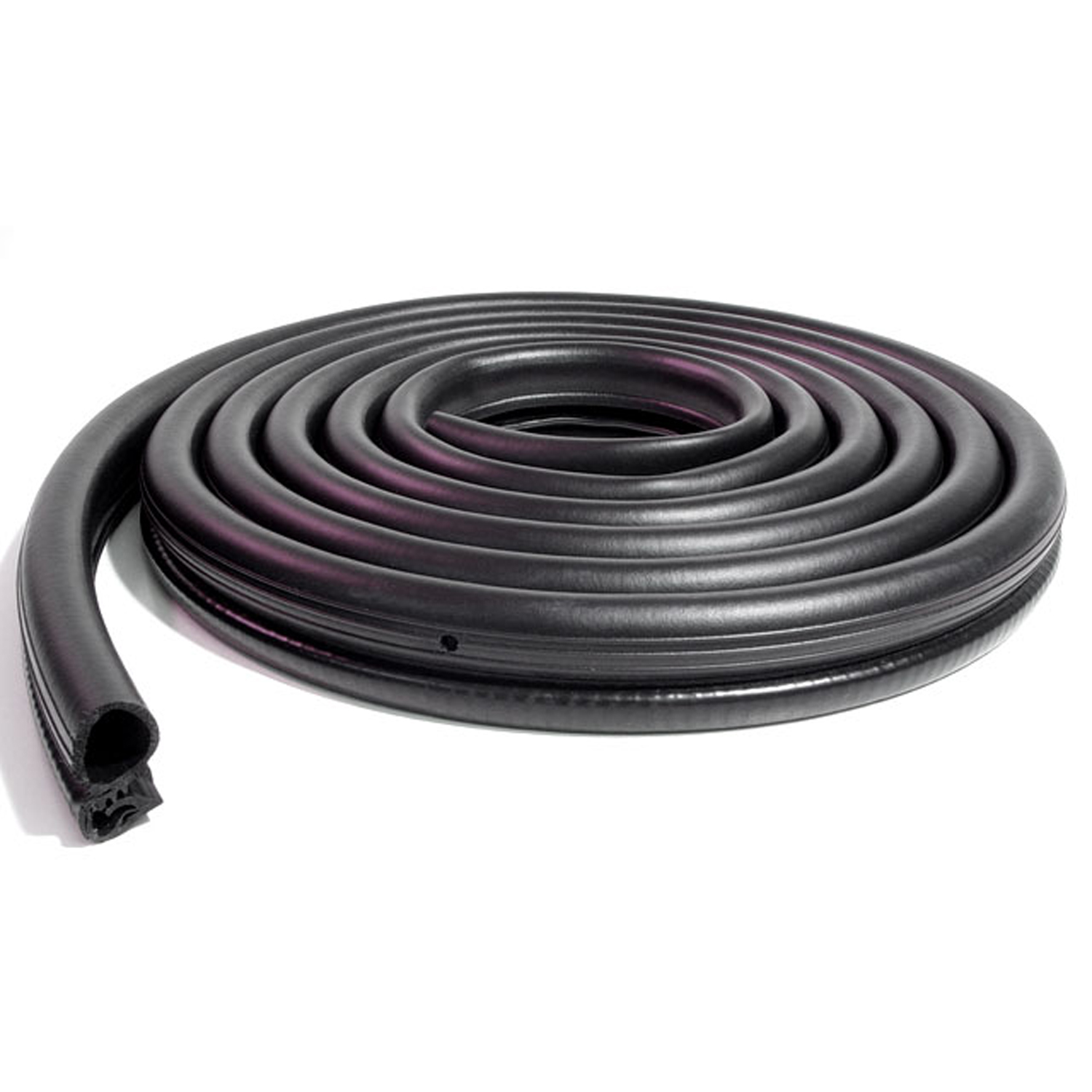 1977 GMC C15 Suburban Front Door Seal (Imported). Fits either side. 148" Long-IS-LM 121Front Door Seal (Imported). Fits either side. 148" Long. Each
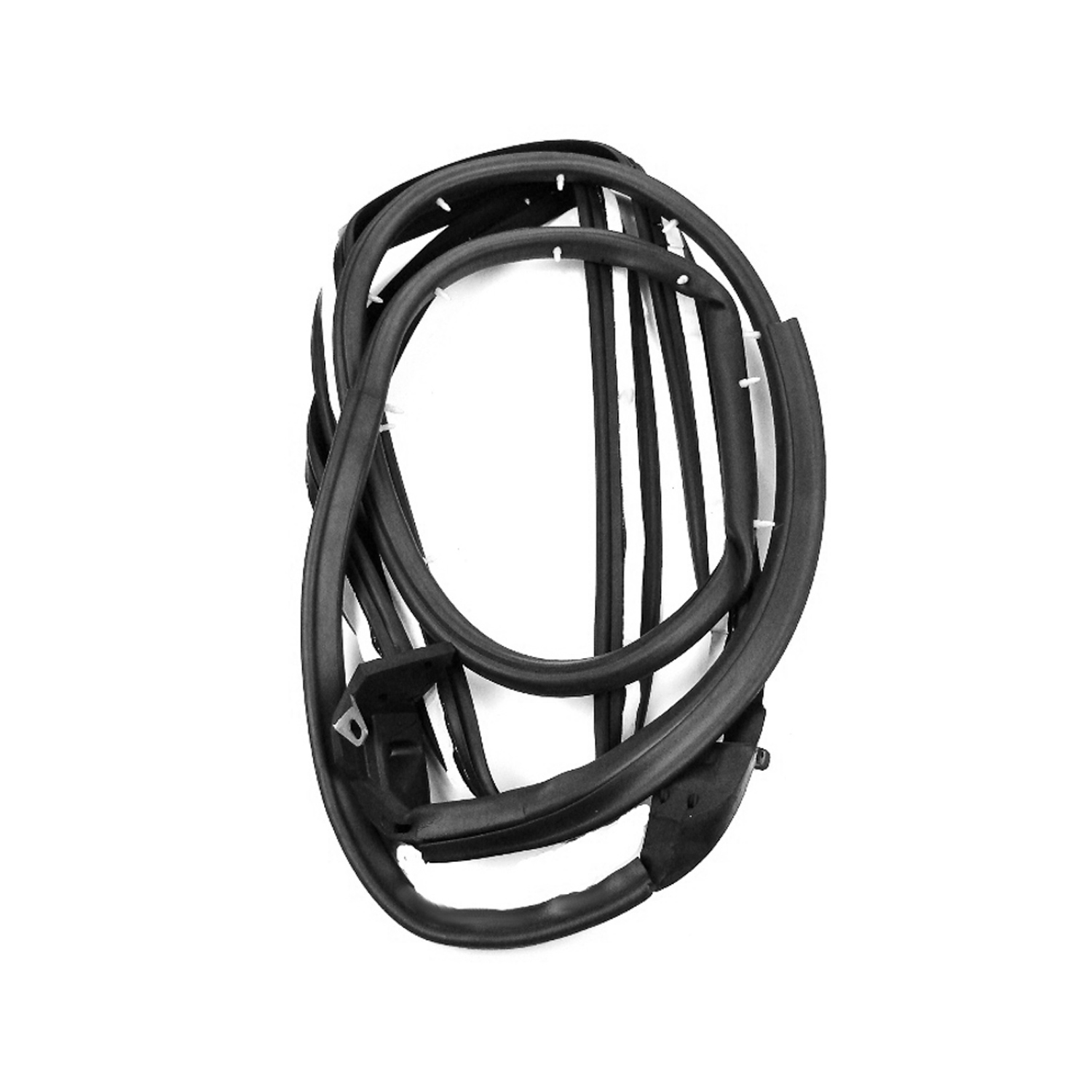 1977 GMC C15 Suburban Liftgate Seal, 75-91 GM Suburbans with Liftgate, Each-LM 121-PLiftgate Seal, 75-91 GM Suburbans with Liftgate, Each. Replaces OEM #15594665. This part was designed using the original factory design that consists of the lower clip on seal and upper glass run that are connected as one piece with molded sections.
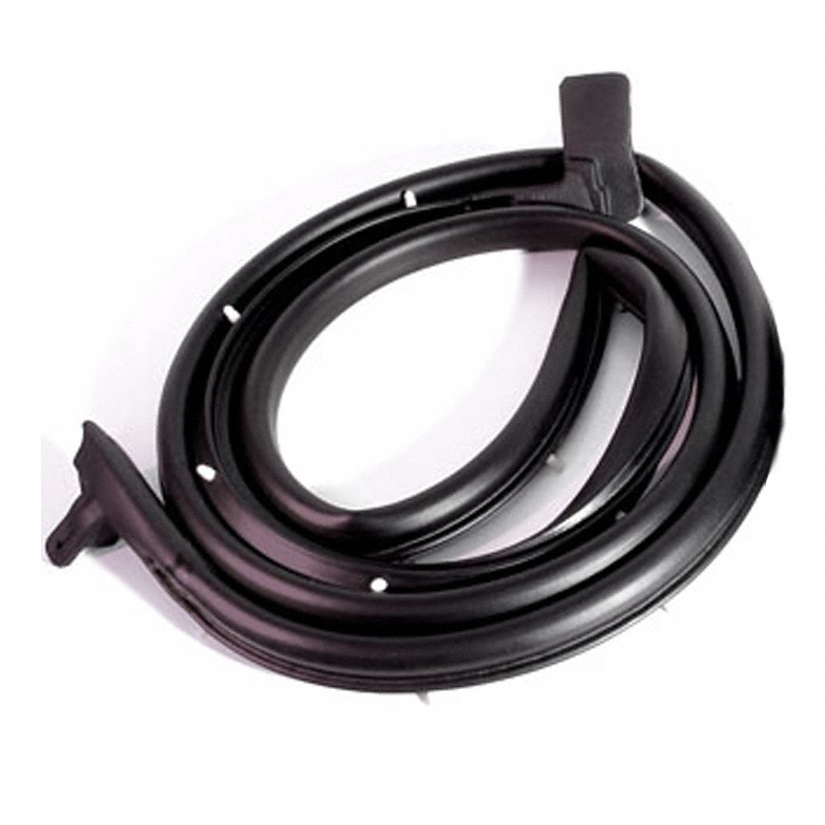 1977 GMC C15 Suburban Rear Cargo Door Seal. RH (passenger's side)-LM 13-VR/PSRear Cargo Door Seal. RH (passenger's side). For full-size vans (1996 early design). Each.Rear Cargo Door Seal. RH (passenger's side). For full-size vans (1996 early design). Each.
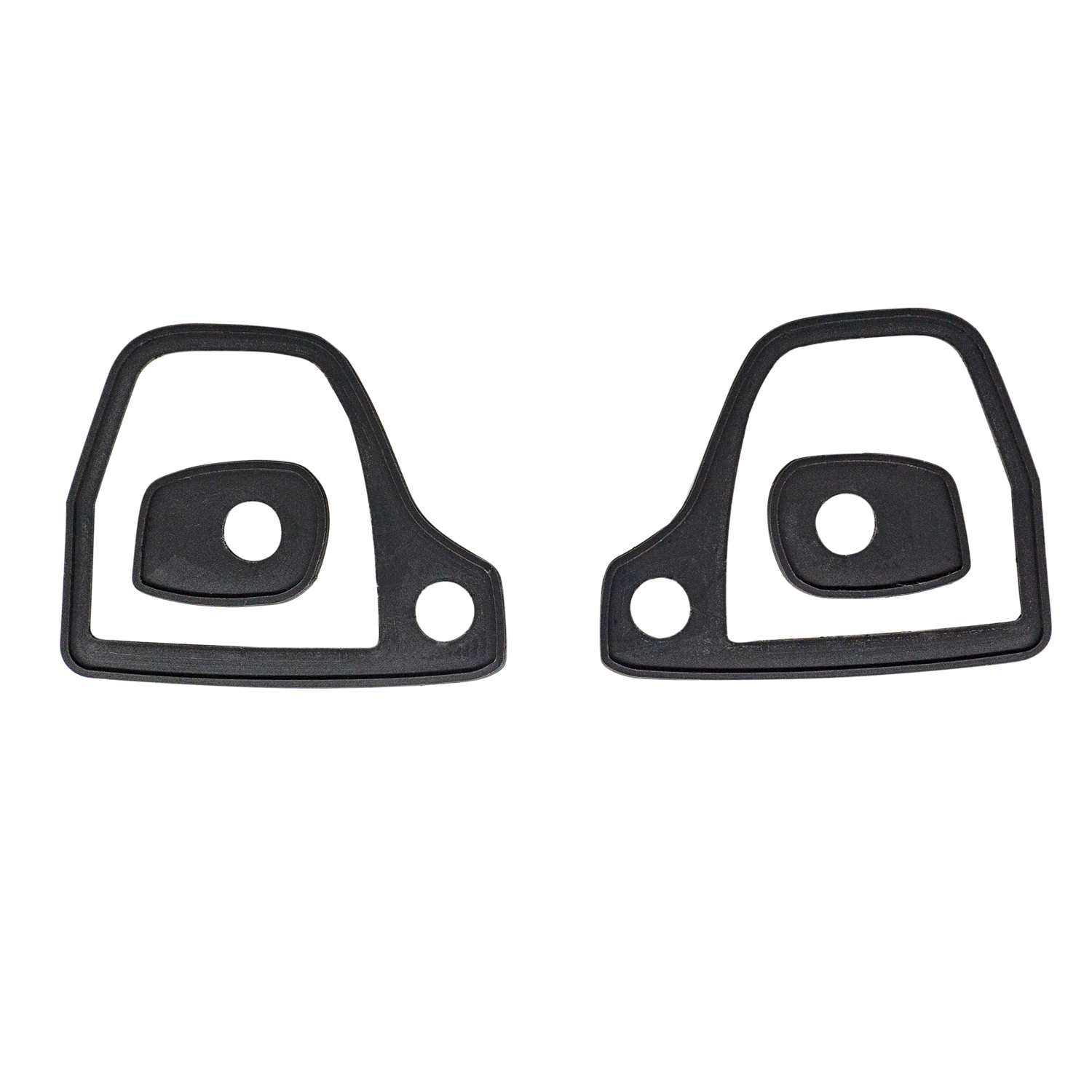 1977 GMC C15 Suburban Door Handle Gasket Set Fits 73-87 Chevy and GMC Trucks OEM-Style Molded Lip-MP 806Each component is built by factory measurements and specifications for a direct-fit replacement and simple installation, focusing on restored authenticity. The top-tier USA Made construction and materials ensure durability and longevity for a long-lived replacement that will far outlast your factory stock models.
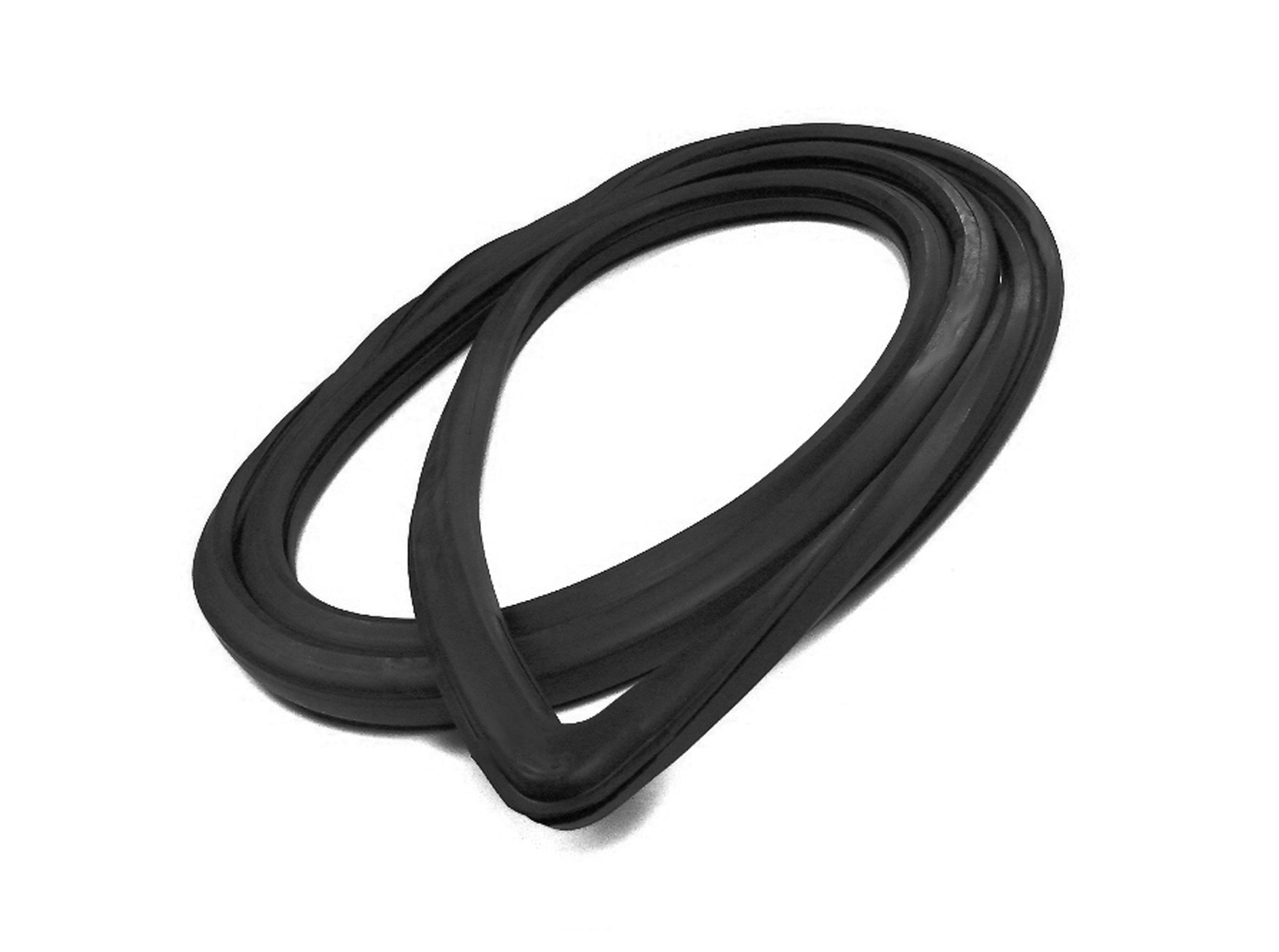 1977 GMC C15 Suburban Quarter Window Seal, 75-91 GM Suburban, Fits Left or Right, With Trim Groove-VQT 1975Quarter Window Seal, 75-91 GM Suburban, Fits Left or Right, With Trim Groove, Each. Seal goes first on the body then the glass is placed in the opening. Made from original specs and with high quality ozone resistant EPDM rubber for a great fit and long life. This item is designed to be installed during glass replacement.
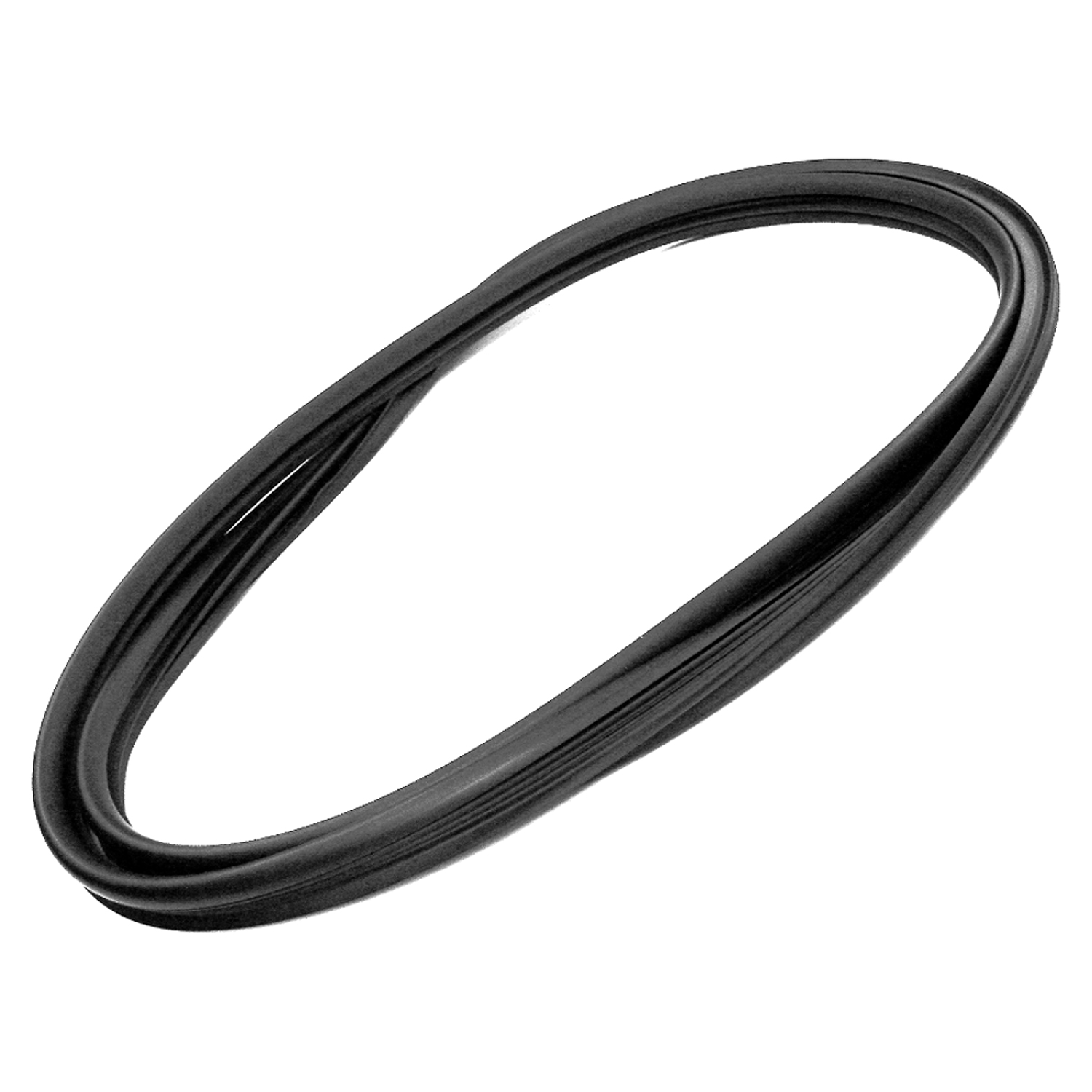 1977 GMC C15 Suburban Windshield Seal, 73-87 GM Full Size Truck, 73-91 GM SUV, Without Trim Groove-VWS 7313-DThis windshield seal goes on the body first then the glass is placed in the opening. Tucking in the self locking strip secures the glass in place. It is a standard black gasket without trim groove. This product is made from the original specs and with high quality ozone resistant materials for a great fit and long life. This item is designed to be installed during glass replacement.
 1977 GMC C15 Suburban Window Channel and Sweeper Kit, for Front Doors-WC 5900-15Window Channel and Sweeper Kit, for Front Doors. 6-Piece Kit
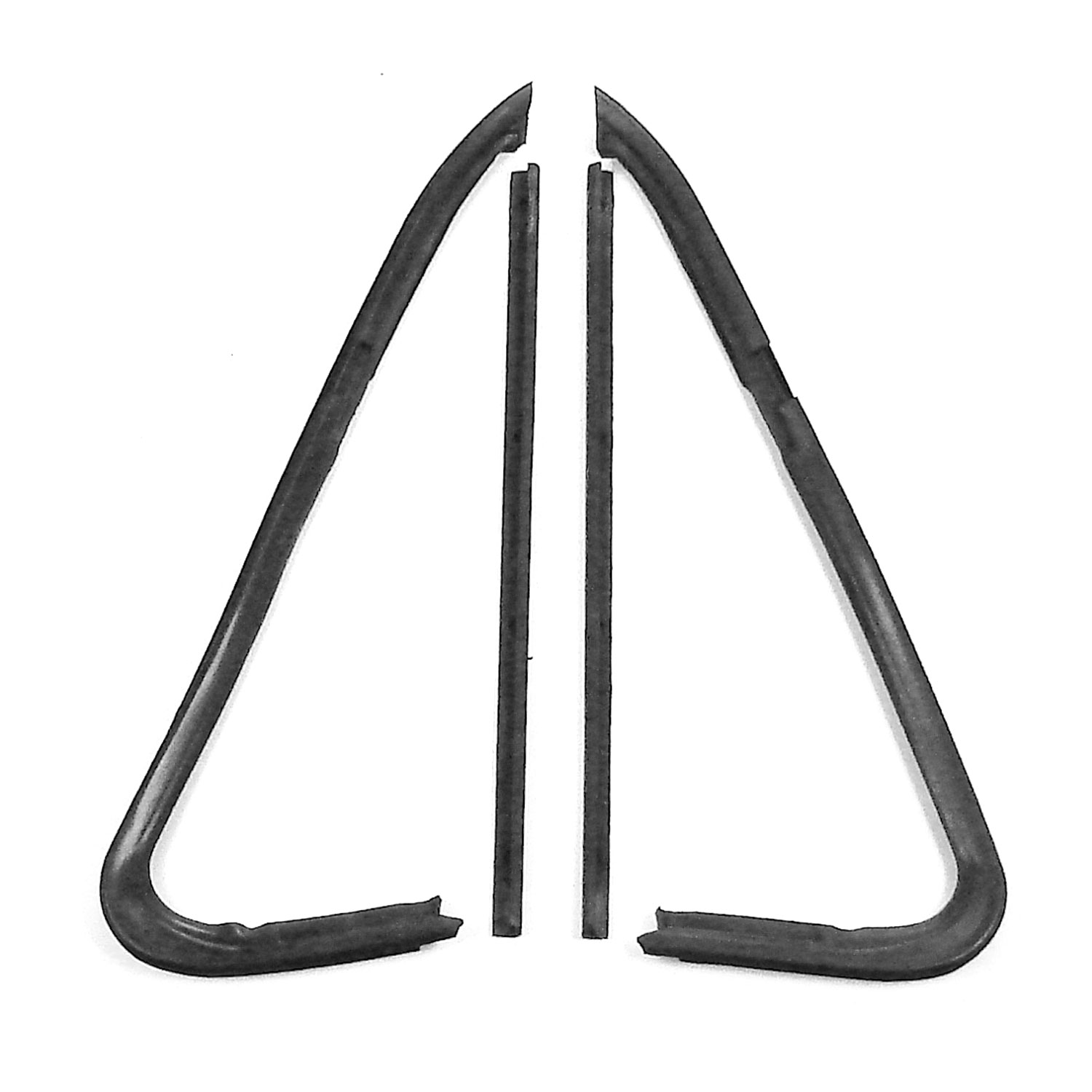 1977 GMC C15 Suburban Vent Window Seal,73-80 GM Truck and SUV, Set of Four-WR 2005-BThis 4 piece set replaces both the main driver and passenger door vent window seals and the rear division channel seals as well. Made from high quality ozone resistant EPDM rubber from the original specs for a great fit and long life.
Why Choose Metro?
For over 100 years, Metro Moulded Parts has been the pinnacle of quality in classic car restoration parts. Our commitment to precision and authenticity in every component ensures a perfect fit and an OEM-level appearance.
- Expert Craftsmanship & Quality: Each part is a testament to our dedication to reliability and perfection, crafted from original designs and thoroughly tested.
- Advanced Technology: We use cutting-edge techniques to create flawless, long-lasting parts that surpass others in performance.
- SuperSoft Sponge – The Ultimate Door Seal: Not only are our door seals 30% softer than competitors', but they're also guaranteed to never leak. They effectively reduce wind and road noise, enhancing your classic car's comfort and driving experience.
- Proudly American: Our parts are a product of American craftsmanship, made in the USA with a spirit of excellence and heritage.
- Unrivaled Warranty: We back our products with a 30-year industry-leading warranty, a testament to our confidence in their quality.
Join us in preserving the legacy of classic cars with parts that are crafted for perfection, not just made.