

Image of 1977 Gmc C35, Note: These illustrations use artistic license and may differ from actual historical models.
Performance Metrics
Fundamental Metrics
Emotional Appeal
MMP Rating
| Engine Specifications | |
|---|---|
| Engine: | 350 V8, 454 V8 |
| Displacement: | 5.7L - 7.4L |
| Horsepower: | 145-230 hp |
| Torque: | 255-385 lb-ft |
| Compression Ratio: | 8.5:1 |
| Ignition System: | Electronic Ignition |
| Cooling System: | Liquid cooled |
| Performance Specifications | |
| 0-60 Time: | Estimated 10-12 seconds |
| 1/4 Mile Time: | Estimated 17-19 seconds |
| Top Speed: | 100 mph |
| Transmission and Drive | |
| Drive Type: | Rear Wheel Drive |
| Transmission Type: | 3-speed automatic, 4-speed manual |
| Fuel and Efficiency | |
| Fuel System Type: | Carburetor |
| MPG: | Estimated 10-12 mpg |
| Dimensions and Brakes | |
| Brakes: | Front disc, rear drum |
| Wheelbase: | 131.5 inches |
| Weight: | 4,500 lbs |
Note: Specifications for classic cars are given to the best of our ability, considering the limited and variant data available.
1977 GMC C35: A One-Ton Squarebody Built to Work
The 1977 GMC C35 was not built to win a beauty contest or set a quarter-mile record. It was built to haul, tow, and keep working when the job got heavy. Part of GMC’s third-generation C/K truck line, it combined the now-iconic Squarebody shape with one-ton running gear and a broad range of work-ready configurations.
GMC, the truck and commercial-vehicle division of General Motors, shared much of its hardware with Chevrolet but gave its trucks distinct grille styling, trim, and badging. The C35 designation identifies a two-wheel-drive, one-ton model: “C” denoted conventional two-wheel drive, while “35” marked the one-ton class. Depending on its body and equipment, a C35 could serve as a pickup, a dually, or the basis for a commercial truck.
The 1977 truck belongs to the 1973–1987 generation commonly called the Squarebody. The nickname is a little playful: the body has crisp, squared-off proportions, but its corners and rooflines are softened rather than strictly angular. A notable point in its history is its long production run. The basic design stayed in service for 15 model years, becoming familiar on farms, construction sites, delivery routes, and family driveways across North America.
Squarebody Styling and Work-Truck Options
The C35’s exterior is all practical presence. A broad hood leads to a tall, upright grille, with GMC lettering giving the front end its own identity. The cab has a wide windshield and large side glass, while the straight body sides and substantial wheel openings make room for heavy-duty tires. On a dually, the rear fenders add an unmistakable wide-shouldered stance. Its design looks purposeful because it is: the shape prioritizes visibility, durability, and usable space over aerodynamic finesse.
Buyers could choose different bed and chassis arrangements. Pickup versions were available with a conventional bed, including long-bed configurations, while some trucks were fitted with dual rear wheels for greater load stability. C35 chassis-cab models left the factory ready for an upfitter to install equipment such as a flatbed, utility body, service box, or stake body. Body availability could vary by configuration and market, so a specific truck’s original build sheet is the best way to confirm how it left the factory.
Cabins were straightforward and durable. Vinyl was a common work-truck choice because it was easy to clean, while cloth or upgraded trim could make a more comfort-focused truck feel less utilitarian. The broad bench seat, large controls, and uncomplicated dashboard suited drivers who wore gloves or spent long hours behind the wheel. Higher-spec trucks could add carpeting, upgraded seat trim, woodgrain-look accents, air conditioning, and an AM/FM radio. Even well-equipped examples remained much more tool-like than a modern luxury pickup.
Paint choices varied with the order and trim level. Period colors included solid work-truck shades as well as brighter and more decorative finishes, and two-tone paint could add contrast to the cab and body. White, red, blue, and earthy colors all suit the truck’s period character. Today, original work-truck colors and well-preserved two-tone combinations are especially appealing to enthusiasts.
One-Ton Engineering in Its Era
The C35’s appeal was its combination of familiar pickup manners and heavier-duty capacity. Its frame, axles, springs, wheels, and tires were specified for one-ton work, with exact ratings depending on the truck’s configuration and equipment. That made it a useful middle ground between a lighter pickup and a larger commercial truck. It could be ordered as a working vehicle without requiring the owner to step up to a much bigger cab-forward or medium-duty platform.
For its time, the truck’s equipment could be surprisingly varied. Available features included power steering, power brakes, air conditioning, automatic transmission, and radio upgrades. Four-wheel-drive trucks belonged to the K-series rather than the C35, but the C35’s two-wheel-drive layout suited many highway, farm, and commercial applications. Front disc brakes were part of the period’s move toward more capable braking on full-size trucks, though equipment details should be checked against the individual truck.
The C35 was not a radical technological breakthrough. Its significance lies in how effectively GMC combined a durable chassis with a flexible body and familiar mechanical parts. That formula helped make the Squarebody generation a lasting design: it could be a plain fleet truck one day and a carefully restored show pickup decades later.
Engines, Speed, and Road Manners
Engine availability depended on the truck’s configuration and the original order. Common choices in the era included a 250-cubic-inch inline-six and small-block V8s such as the 350. Larger V8s, including big-block options, were available in some heavy-duty configurations. A C35’s transmission could be a manual or an automatic, with exact combinations varying by engine and equipment. Because engines are often swapped in these trucks, checking the block and documentation matters more than relying on a badge or seller’s description.
There is no single dependable factory 0–60 mph or top-speed figure for every 1977 C35. Engine, axle ratio, transmission, tire size, body, load, and condition all make a substantial difference. As a broad real-world estimate, a healthy V8 pickup might take roughly 12 to 18 seconds to reach 60 mph, while a six-cylinder or heavily loaded example could be slower. A light, well-running truck may reach roughly 80 to 95 mph, but it was not designed for sustained high-speed driving. These are estimates, not standardized factory test results.
On the road, a C35 feels more like a work truck than a modern half-ton pickup. The steering is deliberate, the hood is prominent, and the driver sits high with a clear view of the road. An unloaded truck can feel firm and bouncy over potholes because its springs are built to handle weight. Add a proper load and the ride often settles down. On winding roads, the long wheelbase and heavy-duty tires reward smooth inputs rather than quick lane changes. Crosswinds can be noticeable, particularly with a tall service body or trailer.
A V8 C35 has the familiar low, steady rumble of a carbureted American truck, accompanied by mechanical intake and exhaust sounds that are much more present than in a modern vehicle. The manual versions offer a direct, involved feel; an automatic makes stop-and-go work easier. Either way, the C35 asks the driver to be part of the experience. You feel the road, hear the engine, and understand that the truck is built around a job.
Living With a 1977 GMC C35
Owners use C35s as working pickups, tow vehicles, farm trucks, service rigs, restoration projects, and weekend show trucks. Some remain in commercial service, while others have been converted into campers, haulers, or custom builds. A clean original truck can draw attention at a car show precisely because it is less common than a restored half-ton.
Mechanical repairs are generally approachable for an experienced home mechanic. The engines and transmissions are from a familiar period, the layout is relatively straightforward, and reproduction and used parts are widely available. That does not mean every repair is simple: one-ton axles, dual rear wheels, brake components, and commercial body equipment can be heavier, more expensive, or harder to source than half-ton parts.
Rust is the major buying concern. Inspect the cab corners, rocker panels, cab mounts, floor, windshield surround, bed, and areas around the wheel openings. Check the frame for corrosion, cracks, poor repairs, and modifications, especially on a truck that has spent years carrying heavy loads. Also examine the steering, brakes, tires, cooling system, and transmission. A truck that starts easily is not necessarily a safe or roadworthy truck.
Squarebody Facts and Common Complaints
The C35’s most distinctive feature is its flexibility. A single basic model designation could lead to a pickup, a dually, or a chassis-cab work vehicle, depending on how it was ordered and outfitted. That versatility is part of why Squarebody GMCs still appear in such varied roles, from original farm trucks to polished show builds.
There is no widely recognized production record or famous celebrity ownership story that defines the 1977 C35. It was a working truck rather than a limited-edition performance model, and surviving examples often owe their history to ordinary service rather than publicity. It also does not have a reliable, commonly cited model-specific production total. GMC production figures are not consistently broken down in public sources by every C35 cab, bed, and chassis configuration.
Common criticisms are rooted in its age and purpose. The unloaded ride can be stiff, fuel economy is poor by modern standards, and the cabin is noisy by contemporary expectations. The brakes, steering, and acceleration also feel dated beside a new truck. On the other hand, those traits come with mechanical simplicity, a strong visual identity, and a driving experience that modern pickups often filter out.
Collector Values and Availability
The 1977 GMC C35 is less common than a half-ton Squarebody, but rarity varies sharply by body style and condition. A plain single-rear-wheel work truck may be easier to find than a clean dually or an original chassis-cab configuration with its period equipment intact. Rust-free, unmodified examples are increasingly desirable, especially when they retain their original engine, trim, and documentation.
There is no dependable published production count for the 1977 C35 alone. As a rough estimate rather than a factory figure, production may have been in the range of several thousand to perhaps the low tens of thousands across the model year, depending on which C35 configurations are counted. The number of surviving trucks in good original condition is much smaller.
As a broad U.S. market guide, a rusty or incomplete project might sell for about $2,000 to $7,000. A usable driver could fall around $7,000 to $15,000, while a clean, solid example may bring roughly $15,000 to $30,000. High-quality restorations, rare configurations, and exceptional dually pickups can reach $30,000 to $50,000 or more. These are estimates, not appraisals; local demand, originality, mechanical condition, and the quality of any restoration can move a price substantially.
Values for classic Squarebody trucks have generally strengthened over the long term, particularly for well-preserved and correctly restored examples. The market is not uniform: ordinary work trucks still trade at practical prices, while standout builds can command a premium. Buyers should judge the truck itself rather than assume that every Squarebody is an investment.
Why the 1977 GMC C35 Still Matters
The 1977 GMC C35 represents a particularly appealing kind of classic truck: tough, adaptable, and refreshingly direct. Its one-ton hardware made it a serious tool, while the Squarebody design gave it a look that has aged remarkably well. It was never about speed or luxury. It was about carrying the load, finishing the job, and coming back for the next one.
For collectors and working-truck fans alike, the C35’s appeal is easy to understand. Find a solid example, verify its equipment, and you get a piece of GMC history with room to work, restore, or simply enjoy. More than four decades later, that dependable, no-nonsense character remains its strongest feature.
1977 Gmc C35 Catalog of Parts
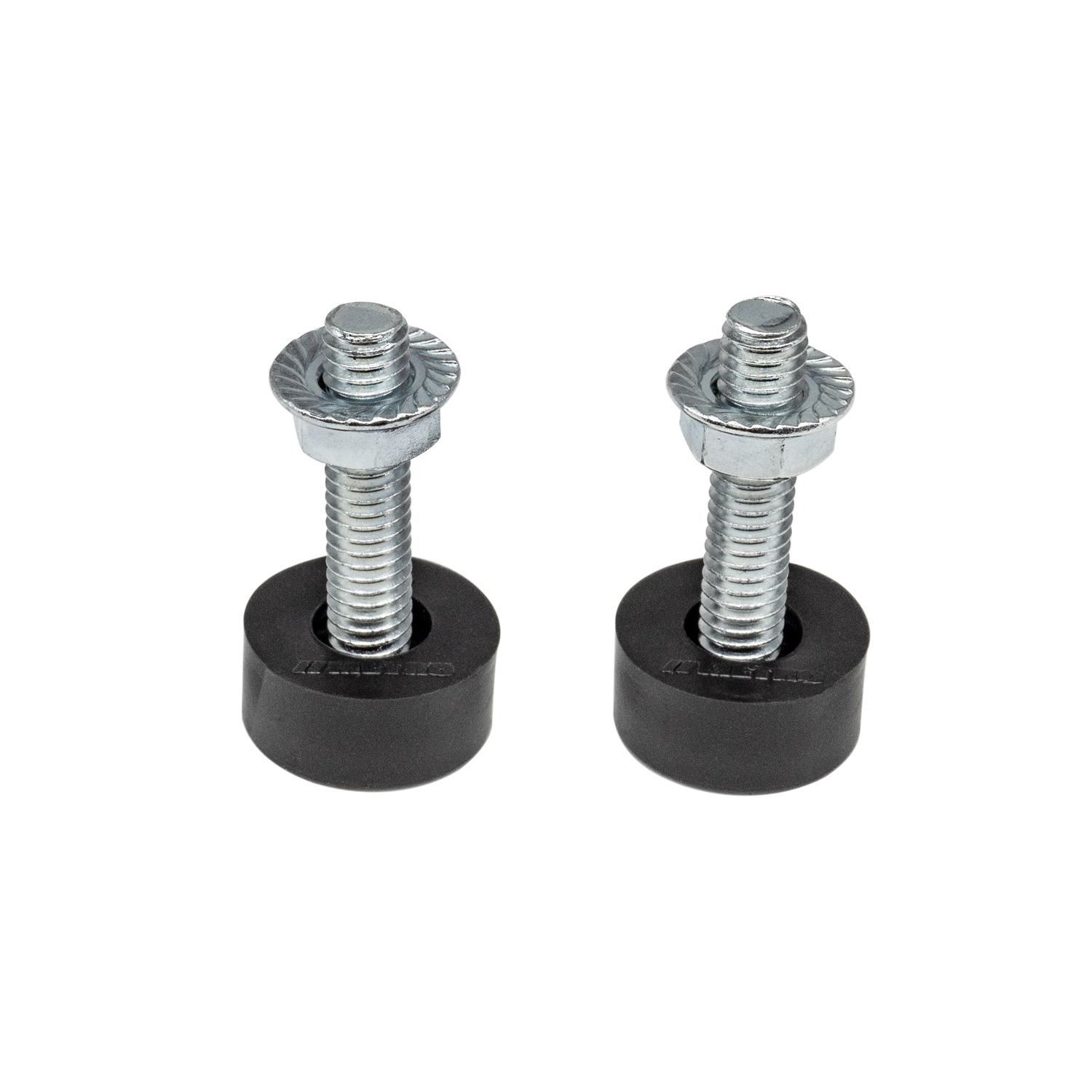 1977 GMC C35 Hood Adjustment Bolt,Nut and Bumper Pair-HA 5-BHood Adjustment Bolt, Nut and Bumper 5/16-18 x 1 1/2 Bolt, 5/16-18 Nut and Bumper 7/8 x 7/16.
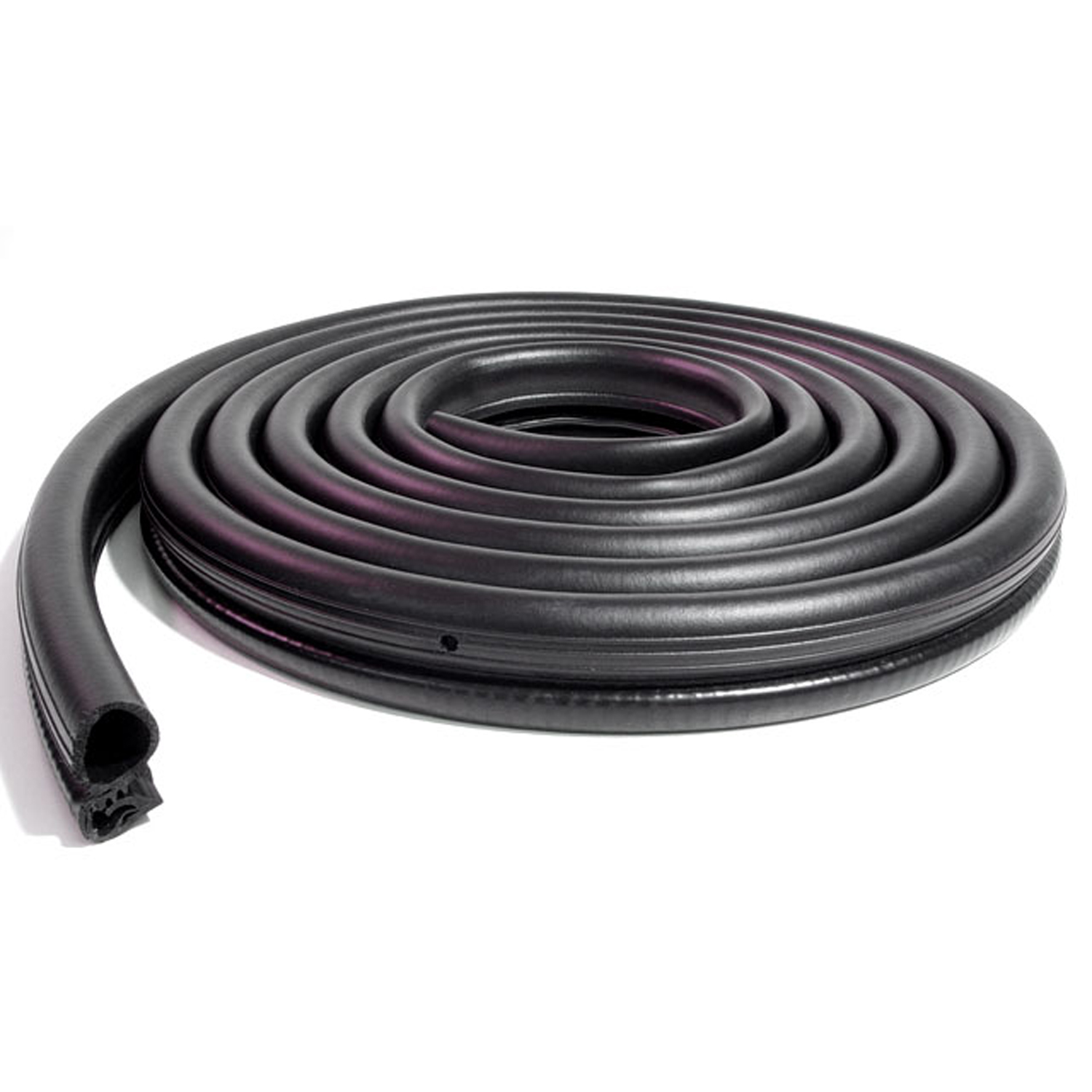 1977 GMC C35 Front Door Seal (Imported). Fits either side. 148" Long-IS-LM 121Front Door Seal (Imported). Fits either side. 148" Long. Each
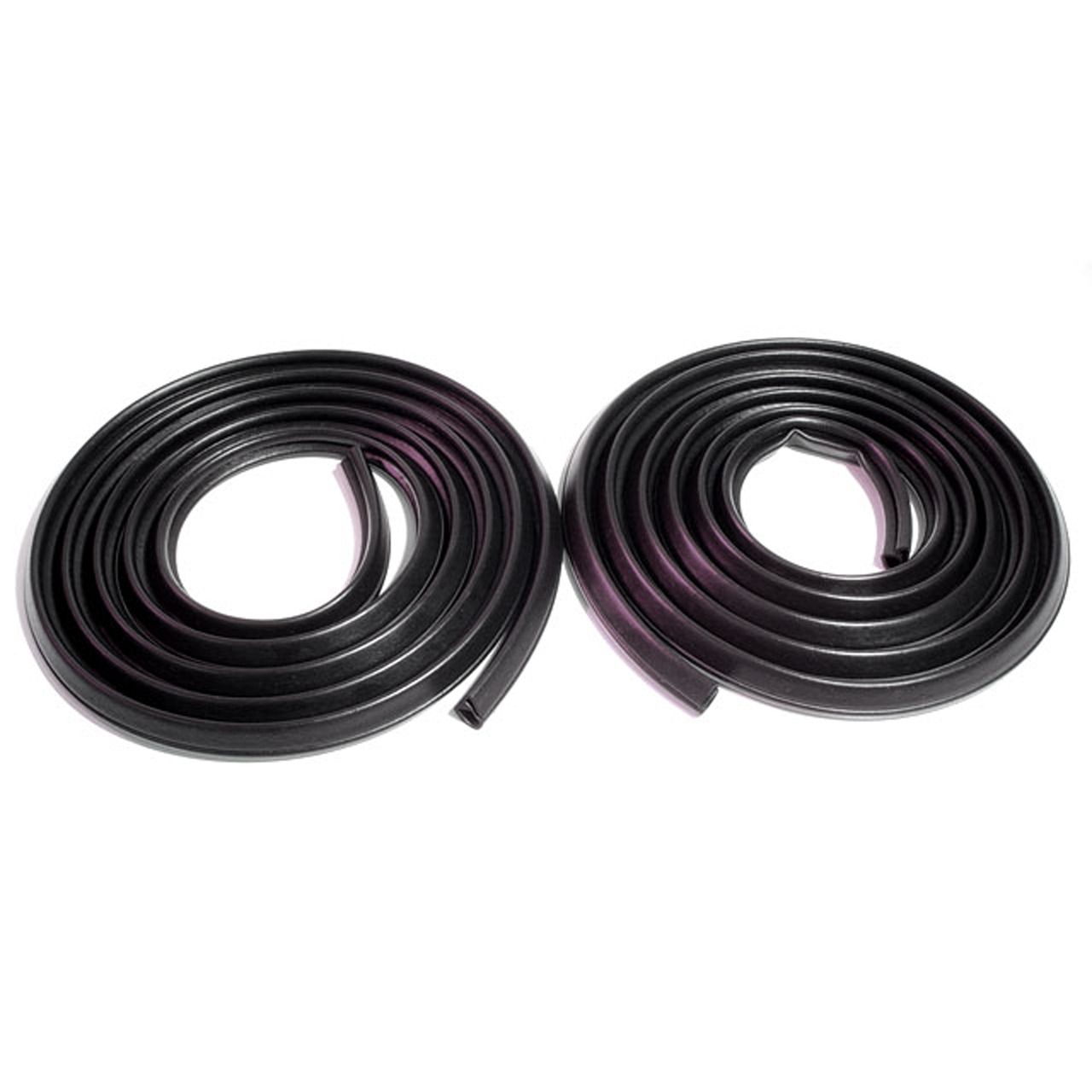 1977 GMC C35 Upper Door Seals, 73-77 GM Full Size Truck and SUV, Pair-LM 121-HUpper Door Seals, 73-77 GM Full Size Truck and SUV, Pair, R&L. Replaces OEM # 14013791.
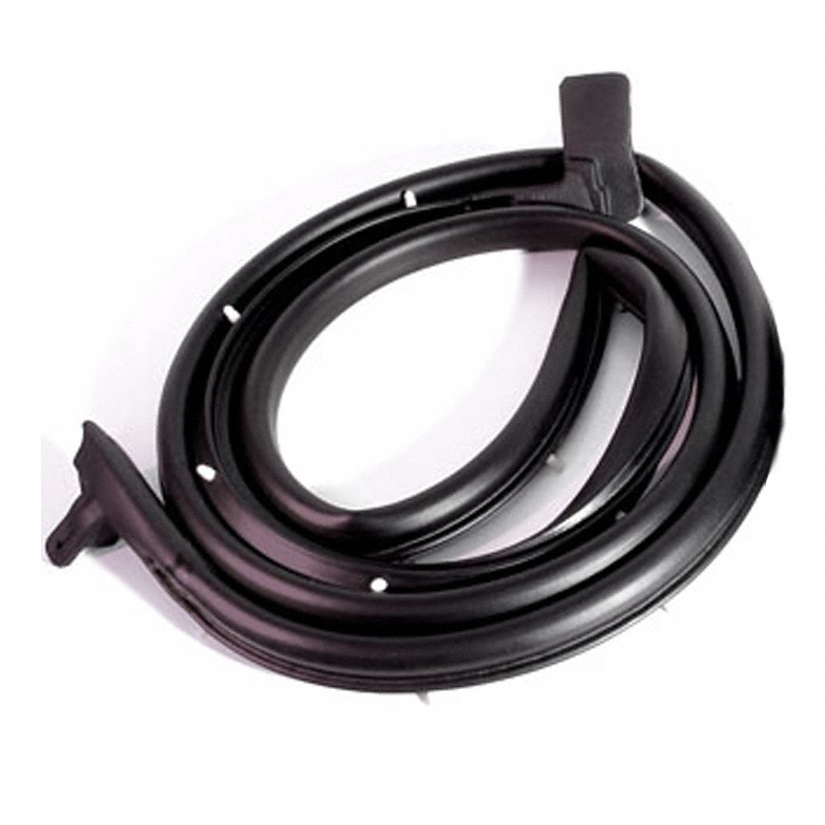 1977 GMC C35 Rear Cargo Door Seal. RH (passenger's side)-LM 13-VR/PSRear Cargo Door Seal. RH (passenger's side). For full-size vans (1996 early design). Each.Rear Cargo Door Seal. RH (passenger's side). For full-size vans (1996 early design). Each.
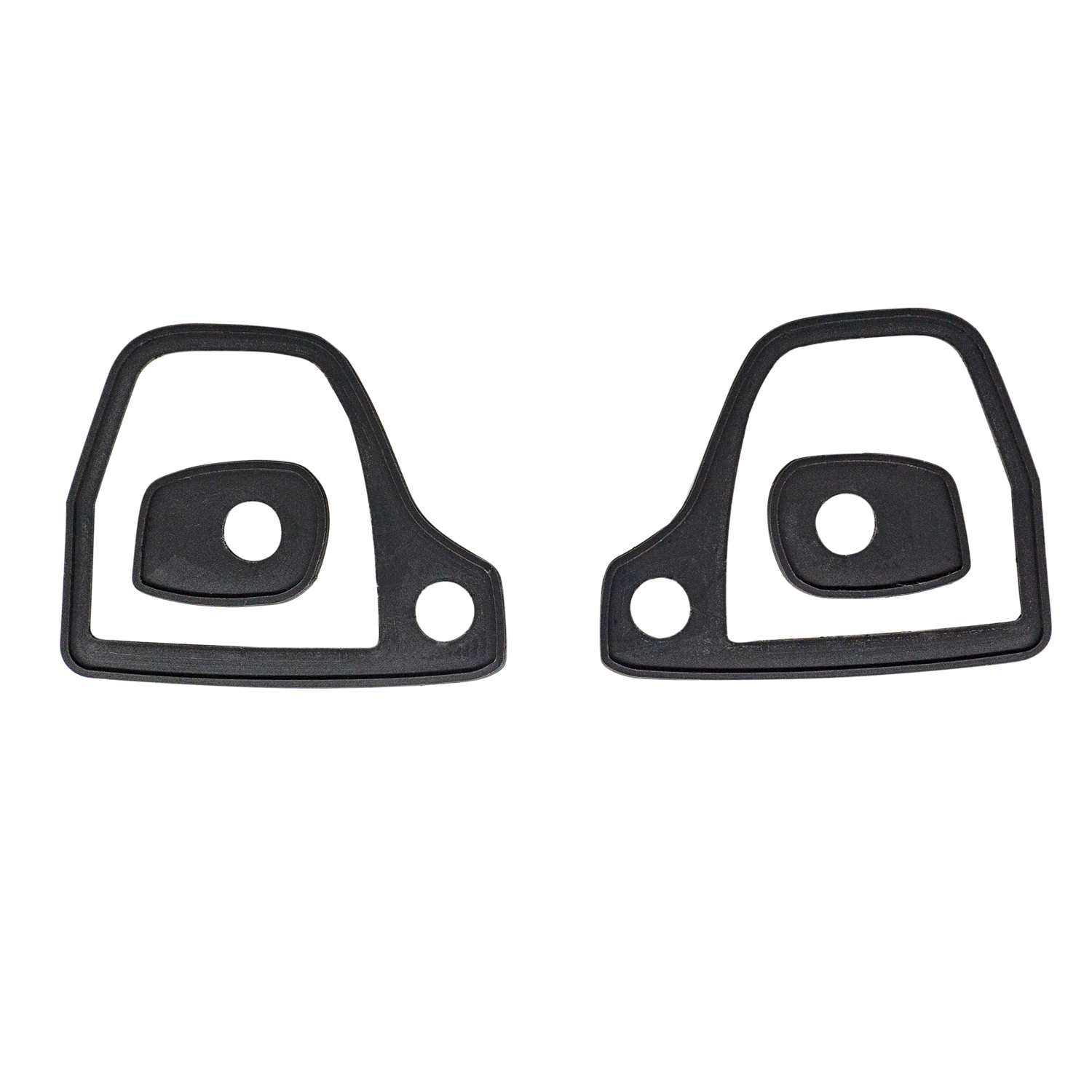 1977 GMC C35 Door Handle Gasket Set Fits 73-87 Chevy and GMC Trucks OEM-Style Molded Lip-MP 806Each component is built by factory measurements and specifications for a direct-fit replacement and simple installation, focusing on restored authenticity. The top-tier USA Made construction and materials ensure durability and longevity for a long-lived replacement that will far outlast your factory stock models.
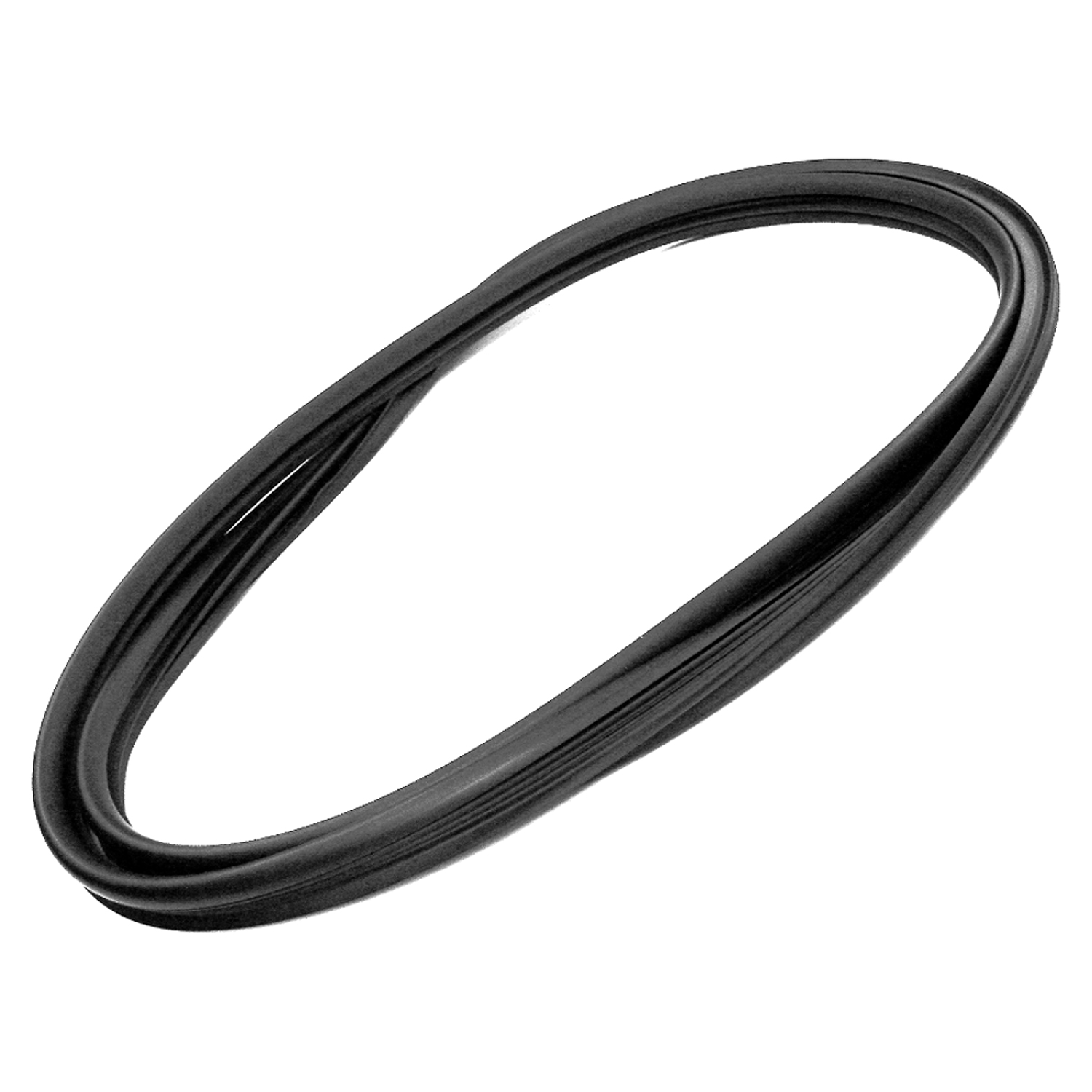 1977 GMC C35 Windshield Seal, 73-87 GM Full Size Truck, 73-91 GM SUV, Without Trim Groove-VWS 7313-DThis windshield seal goes on the body first then the glass is placed in the opening. Tucking in the self locking strip secures the glass in place. It is a standard black gasket without trim groove. This product is made from the original specs and with high quality ozone resistant materials for a great fit and long life. This item is designed to be installed during glass replacement.
 1977 GMC C35 Rear Window Seal, 73-87 GM Full Size Truck, With Trim Groove-VWS 7313-YThis rear window seal goes first on the body then the glass is placed in the opening. Tucking in the self locking strip secures the glass in place. This product is made from the original specs and with high quality ozone resistant materials for a great fit and long life. This item is designed to be installed during glass replacement. Note. This weatherstrip does not work with original sliders.
 1977 GMC C35 Window Channel and Sweeper Kit, for Front Doors-WC 5900-15Window Channel and Sweeper Kit, for Front Doors. 6-Piece Kit
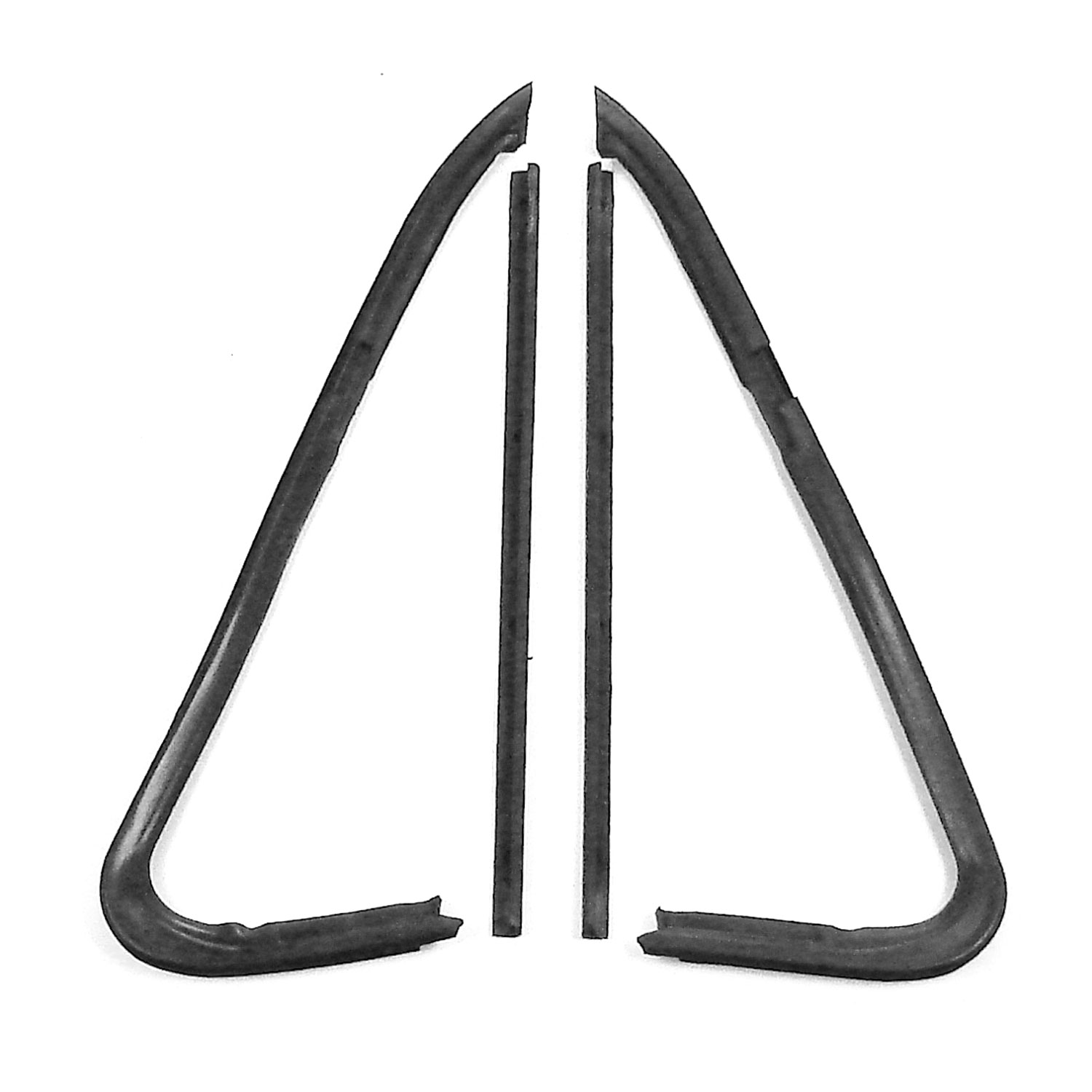 1977 GMC C35 Vent Window Seal,73-80 GM Truck and SUV, Set of Four-WR 2005-BThis 4 piece set replaces both the main driver and passenger door vent window seals and the rear division channel seals as well. Made from high quality ozone resistant EPDM rubber from the original specs for a great fit and long life.
Why Choose Metro?
For over 100 years, Metro Moulded Parts has been the pinnacle of quality in classic car restoration parts. Our commitment to precision and authenticity in every component ensures a perfect fit and an OEM-level appearance.
- Expert Craftsmanship & Quality: Each part is a testament to our dedication to reliability and perfection, crafted from original designs and thoroughly tested.
- Advanced Technology: We use cutting-edge techniques to create flawless, long-lasting parts that surpass others in performance.
- SuperSoft Sponge – The Ultimate Door Seal: Not only are our door seals 30% softer than competitors', but they're also guaranteed to never leak. They effectively reduce wind and road noise, enhancing your classic car's comfort and driving experience.
- Proudly American: Our parts are a product of American craftsmanship, made in the USA with a spirit of excellence and heritage.
- Unrivaled Warranty: We back our products with a 30-year industry-leading warranty, a testament to our confidence in their quality.
Join us in preserving the legacy of classic cars with parts that are crafted for perfection, not just made.