

Image of 1977 Gmc G15, Note: These illustrations use artistic license and may differ from actual historical models.
Performance Metrics
Fundamental Metrics
Emotional Appeal
MMP Rating
| Engine Specifications | |
|---|---|
| Engine Options: | 4.1L 250 cu in I6, 5.0L 305 cu in V8, 5.7L 350 cu in V8 |
| Displacement Range: | 250-350 cu in |
| Horsepower Range: | 100-165 hp |
| Torque: | 185-275 lb-ft |
| Compression Ratio: | 8.0:1 - 8.5:1 |
| Ignition System: | Conventional breaker-point ignition system |
| Cooling System: | Liquid-cooled |
| Performance Specifications | |
| 0-60 Time: | Estimated 12-15 seconds |
| 1/4 Mile Time: | Estimated 18-20 seconds |
| Top Speed: | 85-95 mph |
| Transmission and Drive | |
| Drive Type: | Rear-wheel drive |
| Transmission Type: | 3-speed automatic, 4-speed manual |
| Fuel and Efficiency | |
| Fuel System Type: | Carburetor |
| MPG: | 10-14 mpg |
| Dimensions and Brakes | |
| Brakes: | Front disc, rear drum |
| Wheelbase: | 125 inches |
| Weight: | 4,000-4,500 lbs |
Note: Specifications for classic cars are given to the best of our ability, considering the limited and variant data available.
1977 GMC G15: The Full-Size Van With a Workhorse Heart
The 1977 GMC G15 could haul tools on Monday, carry the family on Friday, and head out on a long-distance road trip by Saturday. It was a half-ton full-size van from GMC, General Motors’ truck division, and part of the second-generation Chevrolet and GMC van family introduced for 1971. GMC called its full-size van the Vandura, while the G15 designation identified its light-duty, half-ton class.
By 1977, vans were evolving beyond basic commercial boxes. Tradespeople still valued their enclosed cargo space, but families, campers, and conversion-van companies were turning them into comfortable people movers and rolling lounges. The G15 sat right at the center of that shift: simple enough to serve as a dependable work vehicle, yet flexible enough to become a highly personalized passenger or recreation van.
One point of pop-culture history is worth clearing up: the famous black-and-red A-Team van was a 1983 GMC Vandura, not a 1977 model. It belonged to the same broad generation, however, and helped make the squared-off GMC van shape an enduring icon.
Vandura Styling and Cabin Design
The G15 wore the purposeful, upright look that defined American vans of the era. Its broad windshield, flat sides, short front end, and tall roof prioritized space over aerodynamic flourish. The front grille and rectangular headlamp arrangement gave the van a straightforward, truck-like face. Depending on its configuration, it could look like a no-nonsense delivery vehicle or the foundation for a highly customized cruising van.
Inside, a work-oriented G15 was generally practical rather than luxurious. The driver faced a simple instrument panel with clear, easy-to-read gauges and durable controls. Vinyl upholstery, rubber floor coverings, and hard-wearing trim were common choices, especially in commercial versions. Passenger models and conversion vans could add more inviting seats, carpeting, upgraded trim, extra lighting, and other comfort features. The quality and layout of a finished van therefore varied considerably from one example to another.
Color choices varied by year, equipment, and whether the van was ordered for commercial or passenger use. Period-correct examples could be found in straightforward whites, blues, reds, greens, browns, and other subdued tones. White was a familiar fleet choice, while buyers seeking a more personal look often chose brighter factory colors or had a conversion company add contrasting paint, stripes, and graphics. Today, custom two-tone paint and elaborate period conversions are among the most eye-catching looks.
The G15 was a weight class, not a single body style. Buyers could find cargo vans, window vans, and passenger-oriented versions, while conversion specialists transformed suitable vans into campers and touring vehicles. A popular setup was the passenger or conversion van with multiple seating rows, side windows, and upgraded interior appointments. The cargo version remained the practical favorite for businesses that needed enclosed, weather-protected space.
Engineering for Space and Utility
Unlike the forward-control vans that put the driver almost over the front wheels, the second-generation G-series layout placed the engine ahead of the cabin, beneath a service cover inside the van. That arrangement gave the G15 a more conventional driving position while preserving a useful amount of interior room. It also meant routine engine work often began by removing or opening the interior engine cover, a characteristic feature of many vans from this period.
Powertrain choices depended on configuration and equipment. A 250-cubic-inch inline-six was a common economical choice, while V8 options, including small-block engines, gave buyers more pulling power. Three-speed manual transmissions and automatic transmissions were available, with equipment varying by order. The G15’s main technological advantage was not a single headline-grabbing gadget. It was the practical combination of a front-mounted engine, a roomy enclosed body, conventional truck-derived components, and a chassis that could be adapted to many jobs.
By modern standards, the cabin technology was basic. Buyers could equip vans with period conveniences such as an AM radio, power steering, or power brakes, depending on the build. The underlying design favored understandable mechanical systems over electronics, which is one reason many surviving examples remain approachable for mechanically minded owners.
Why the 1977 G15 Mattered
The G15 helped establish the full-size van as a flexible vehicle rather than simply a delivery tool. Its large, uninterrupted interior made it useful to trades, shuttle operators, families, and conversion companies. The design could be stripped down for cargo duty or dressed up with seating, upholstery, windows, and entertainment equipment. That adaptability became a defining feature of the American van market.
Compared with a station wagon, the G15 offered a taller, more configurable cabin and easier access to bulky cargo. Compared with a pickup, it kept passengers and equipment protected from weather and out of open view. Its boxy styling was a practical consequence of the mission, but it also gave owners a large canvas for custom paint and graphics. The conversion-van boom of the 1970s and 1980s grew from exactly this kind of versatile platform.
The G-series vans continued through the 1990s, with later generations and revisions carrying the concept forward. The 1977 model is part of the formative era that made the full-size American van a familiar sight on job sites, family trips, and custom-van show floors.
Performance, Ride, and Road Manners
There is no single performance figure that applies to every 1977 G15. Engine choice, transmission, axle ratio, passenger or cargo equipment, vehicle condition, and load all make a difference. As a broad period-style estimate, a six-cylinder example might take roughly 18 to 22 seconds to reach 60 mph, while a V8 version could manage the run in approximately 13 to 17 seconds. A healthy, lightly loaded van with a suitable V8 and gearing might reach around 85 to 95 mph, though that should be treated as an estimate rather than a guaranteed factory specification. These vans were built for useful torque and carrying capacity, not quick acceleration or sustained high-speed travel.
On the road, the G15 feels substantial and upright. The driver sits high, looks out over a broad windshield, and gets a commanding view of traffic. The engine’s location beneath the cabin gives the van a distinctive mechanical presence: acceleration brings a noticeable engine growl and heat through the doghouse cover, especially under load. A V8 adds a deeper sound, while the six-cylinder tends to feel more relaxed and economical when driven gently.
The ride depends on suspension condition, tire choice, and how the van is loaded. An empty cargo van can feel firm and bouncy over patched pavement, while a properly loaded or passenger-equipped example may settle down. On winding roads, the G15 rewards smooth steering inputs. Its tall body leans more than a passenger car, and crosswinds can push against its broad sides. It is best driven with space, anticipation, and a steady hand rather than hustled through corners.
Living With a G15
Owners use 1977 G15s as weekend cruisers, vintage campers, show vehicles, work vans, and project vehicles. A well-restored example can make an appealing classic road-trip machine, but it will not offer the fuel economy, braking performance, or crash protection of a modern van. Original commercial vans are also popular candidates for careful custom builds because the basic shell offers so much room to work with.
Mechanical upkeep is generally straightforward for an owner familiar with older American vehicles. The engines and transmissions are from a period when carburetors, conventional ignition systems, and mechanical accessories were familiar repair territory. Parts for common GM powertrain components are often easier to source than unique body and trim pieces. Some engine service can be awkward because of the interior doghouse, and a conversion van may have additional wiring, plumbing, or accessories to diagnose.
Rust is a major inspection priority. Check the floor, rocker panels, wheel openings, door bottoms, windshield area, and the structure around the suspension and body mounts. Also inspect the doghouse, cooling system, brakes, steering, and any non-factory electrical work. A clean, original van is often a better starting point than a dramatic custom with hidden corrosion or poorly executed modifications.
G15 Trivia and Common Criticisms
The GMC G15 shares its basic family tree with Chevrolet’s G-series vans, but GMC examples are generally identified by their own badging and trim. The G15 name refers to the van’s half-ton class, not to a special performance package. GMC also sold passenger-oriented versions and commercial configurations, while independent converters supplied many of the comfort and styling details that later became associated with classic custom vans.
There is no widely recognized G15-specific speed, endurance, or production record, and no single rare factory edition defines the 1977 model. Its cultural significance comes instead from the broader van movement: custom interiors, colorful paint, road-trip conversions, and the transformation of a commercial vehicle into personal space. The A-Team connection often comes up, but that show’s famous van was a later 1983 Vandura.
Common complaints are familiar to anyone who has driven an older full-size van: modest fuel economy, slow acceleration in six-cylinder form, wind sensitivity, limited modern safety equipment, and a ride that can be choppy when empty. The tall body also makes parking and judging the van’s corners more demanding than in a car. Those drawbacks are part of the package, and most enthusiasts accept them in exchange for the room, character, and mechanical simplicity.
Collector Value and Availability
GMC did not publish an easily accessible, model-by-model production total that isolates 1977 G15 vans by body style and equipment. A reasonable estimate is that production reached the thousands to low tens of thousands for the G15 in a given model year, but the exact figure is difficult to establish. Surviving examples are less common than the broad production numbers might suggest, particularly in original, rust-free condition. Cargo vans that spent decades working often suffered hard use, while conversions were frequently modified or rebuilt.
Values vary sharply with rust, mechanical condition, originality, and the quality of any conversion. As a general U.S. market guide, a rough project or heavily worn driver might sell for about $2,000 to $6,000. A usable, reasonably solid example may fall around $6,000 to $15,000. A clean restoration or well-executed period-style conversion can reach roughly $15,000 to $30,000, with exceptional builds occasionally asking more. These are broad estimates, not a formal appraisal, and local markets can differ.
Interest in classic vans has grown as buyers rediscover 1970s styling and conversion culture. The best examples have appreciated, but the market is selective: a sound body and coherent build matter more than expensive accessories alone. Values are likely to remain strongest for vans with documented restoration work, appealing period details, and no major rust or unfinished projects.
Why the 1977 GMC G15 Still Turns Heads
The 1977 GMC G15 combined useful half-ton capability with an unusually adaptable interior. Its straightforward engineering made it practical to repair, while its boxy body invited owners to make it their own. It was not fast, especially by modern standards, and it was never meant to be. Its appeal lies in the space, the unmistakable V8-or-six-cylinder soundtrack, and the freedom to be a work van, family hauler, camper, or custom cruiser.
More than a relic of the delivery fleet, the G15 represents the moment the American van became a vehicle for both work and personal expression. Find a solid one, preserve its character, and this practical GMC can still make an ordinary drive feel like a proper road trip.
1977 Gmc G15 Catalog of Parts
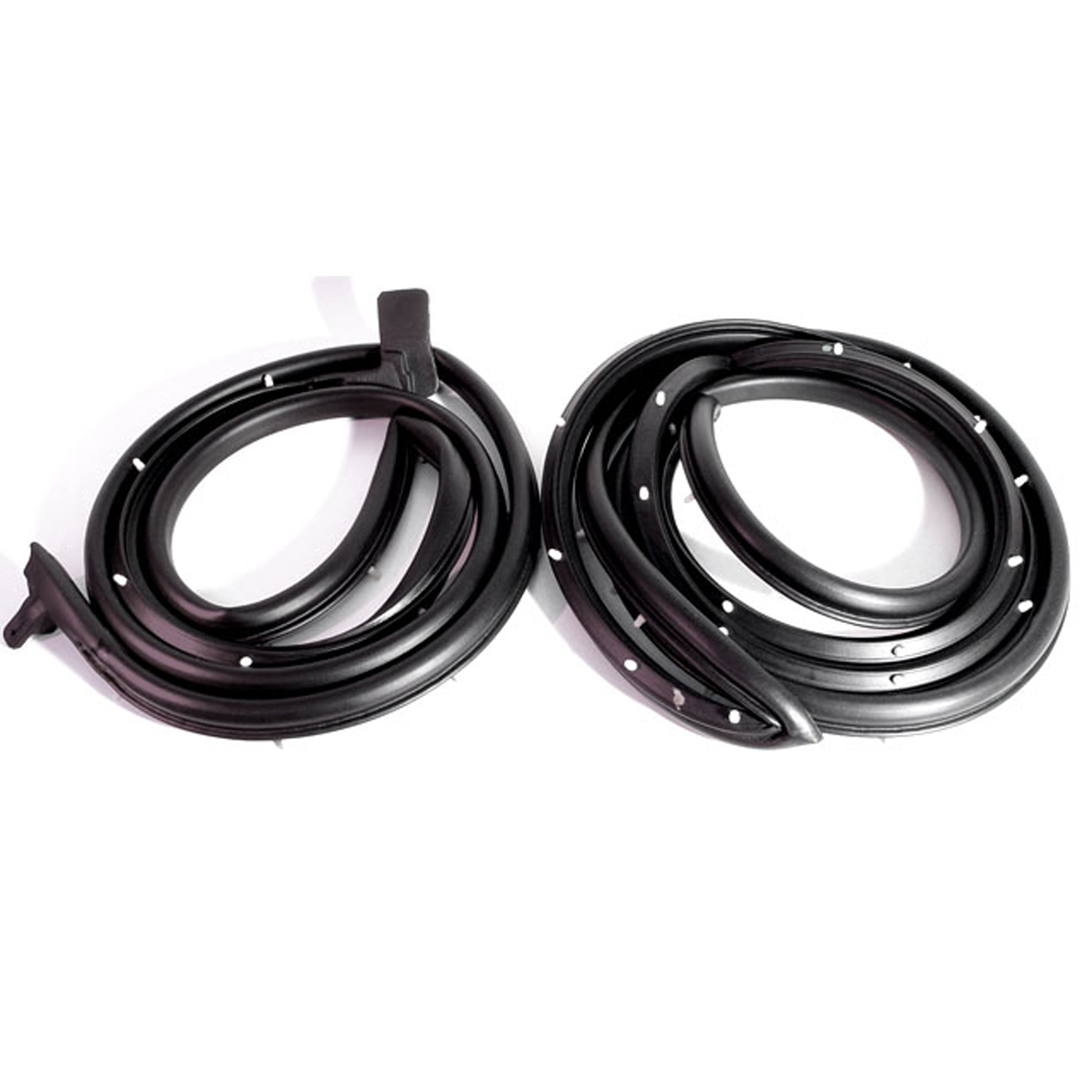 1977 GMC G15 Rear Cargo Door Seals-LM 13-VRRear Cargo Door Seals. For full size models (1996 early design). Includes left and right seals. Pair
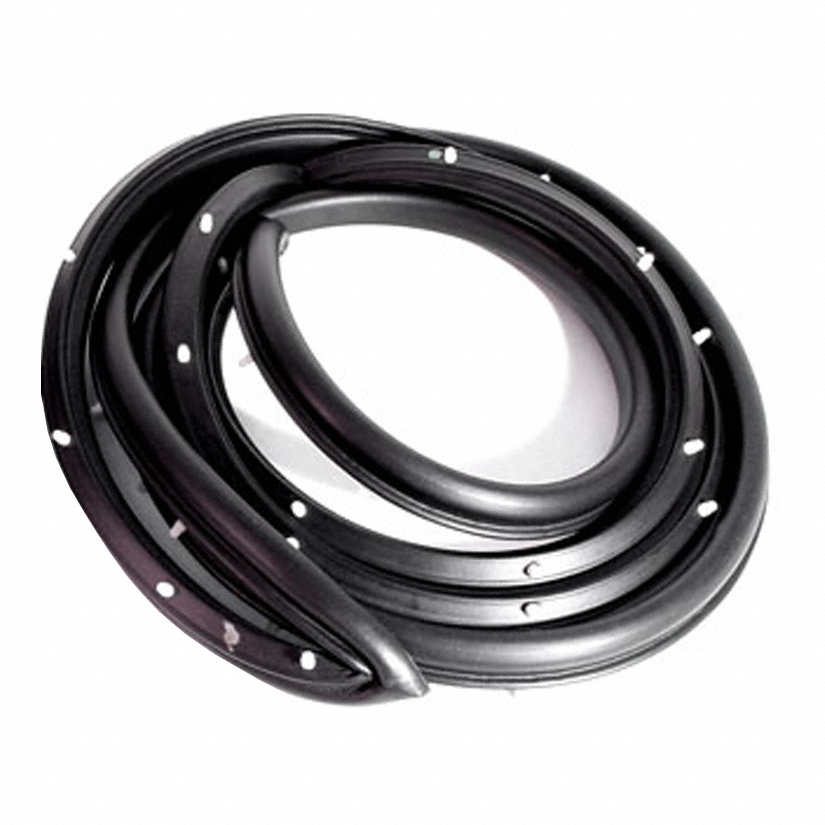 1977 GMC G15 Rear Cargo Door Seal. LH portion (driver's side)-LM 13-VR/DSRear Cargo Door Seal. LH portion (driver's side). For full-size vans (1996 early design). Each.
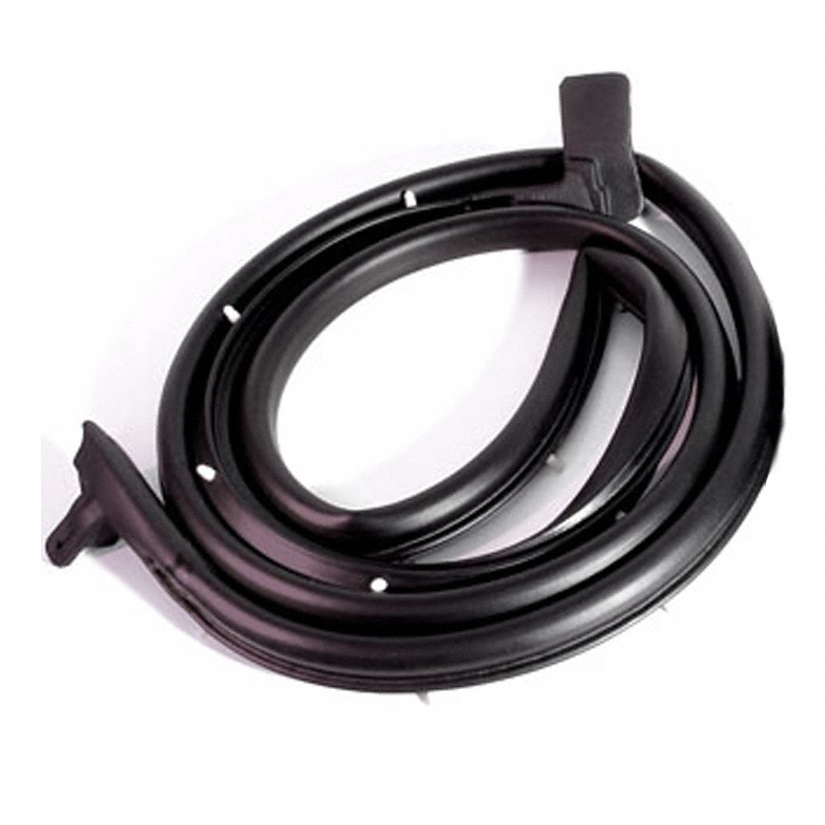 1977 GMC G15 Rear Cargo Door Seal. RH (passenger's side)-LM 13-VR/PSRear Cargo Door Seal. RH (passenger's side). For full-size vans (1996 early design). Each.Rear Cargo Door Seal. RH (passenger's side). For full-size vans (1996 early design). Each.
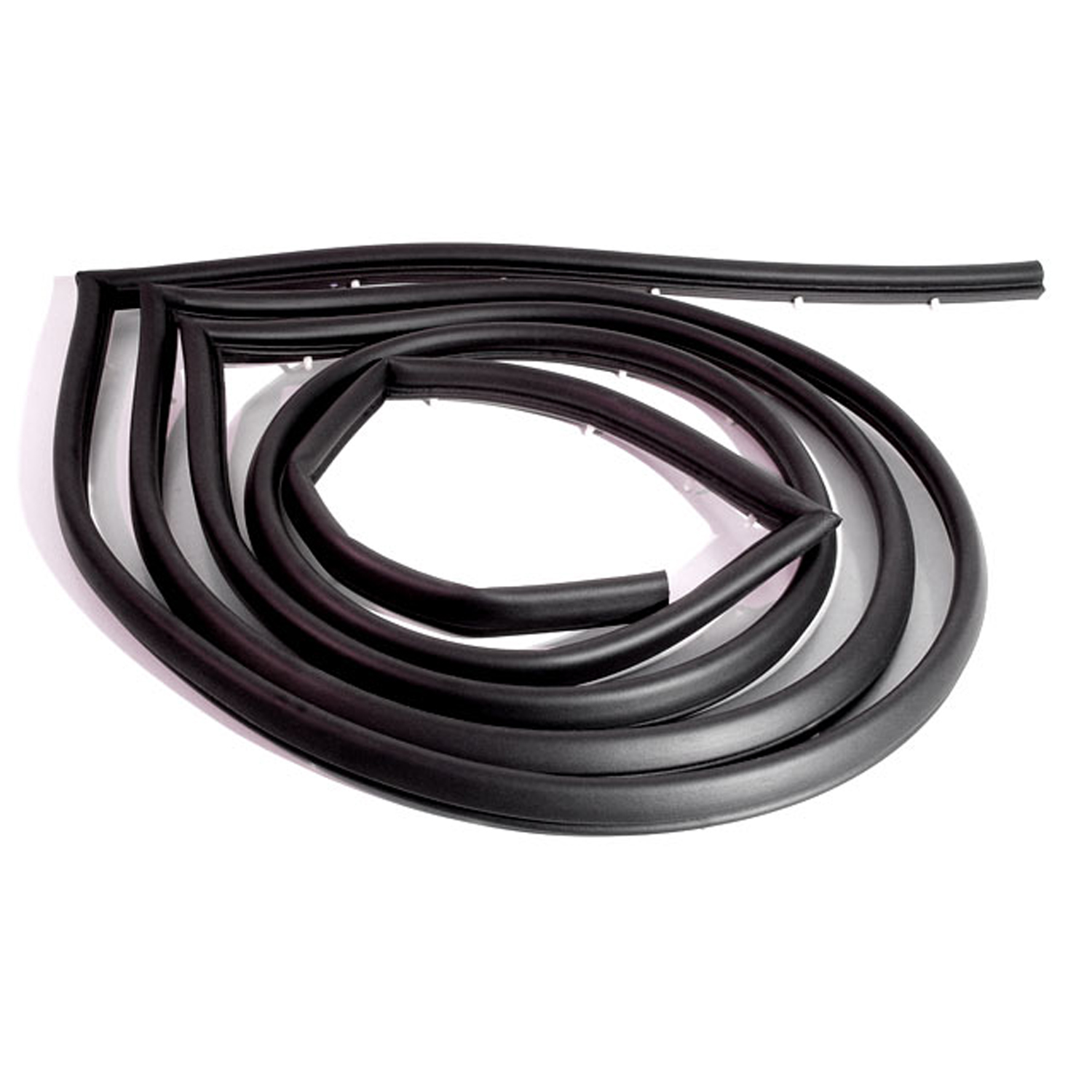 1977 GMC G15 Side Sliding Door Seal-LM 13-VSSide Sliding Door Seal. For full size models (1996 early design). 213-1/4" Long. Each
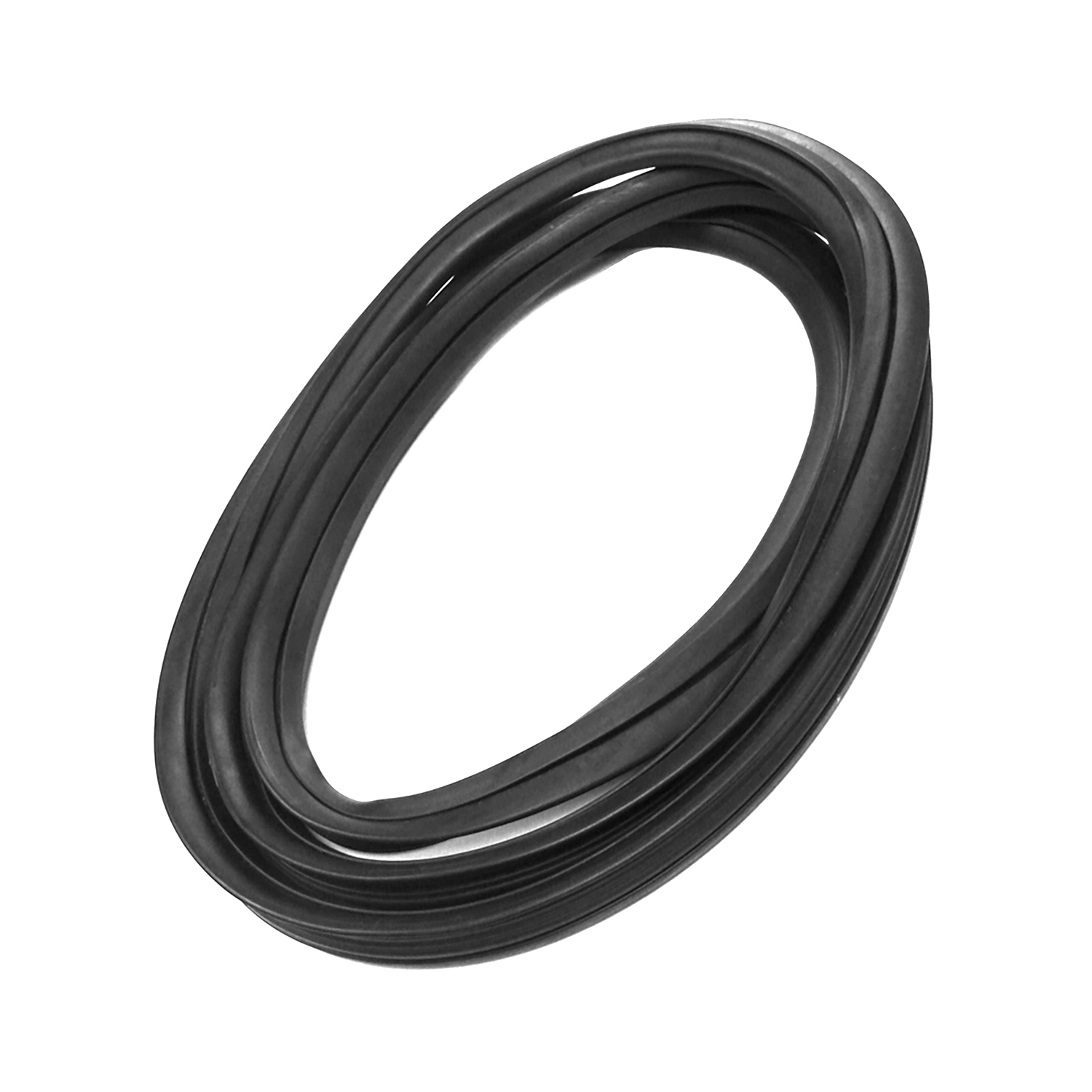 1977 GMC G15 Windshield Seal, 71-80 GM Full Size Van With Trim Groove, Each-VWS 7324-AWindshield Seal, 71-80 GM Full Size Van With Trim Groove, Each. Replaces OEM # 3991513. This seal allows you to re-use your chrome trim which presses into body clips. This product is made from the original specs and with high quality ozone resistant materials for a great fit and long life. This item is designed to be installed during glass replacement.
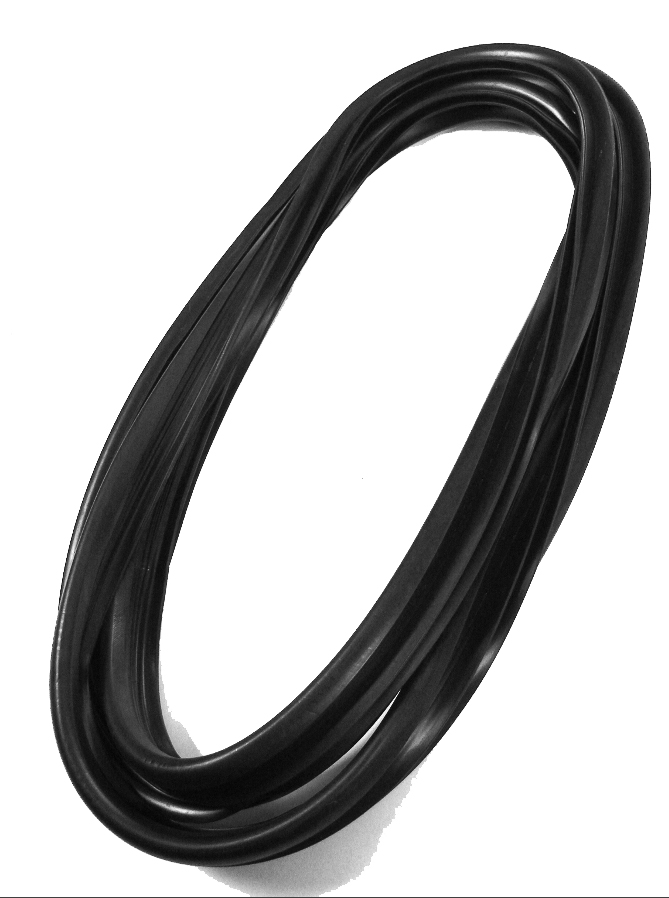 1977 GMC G15 Windshield Seal, 71-80 GM Full Size Van, Without Trim Groove, Each-VWS 7324-BWindshield Seal, 71-80 GM Full Size Van, Without Trim Groove. Replaces OEM # 3062392. This seal goes first on the body then the glass is placed in the opening. Tucking in the self locking strip secures the glass in place. It is a standard black gasket without the trim groove. This product is made from the original specs and with high quality ozone resistant materials for a great fit and long life. This item is designed to be installed during glass replacement.
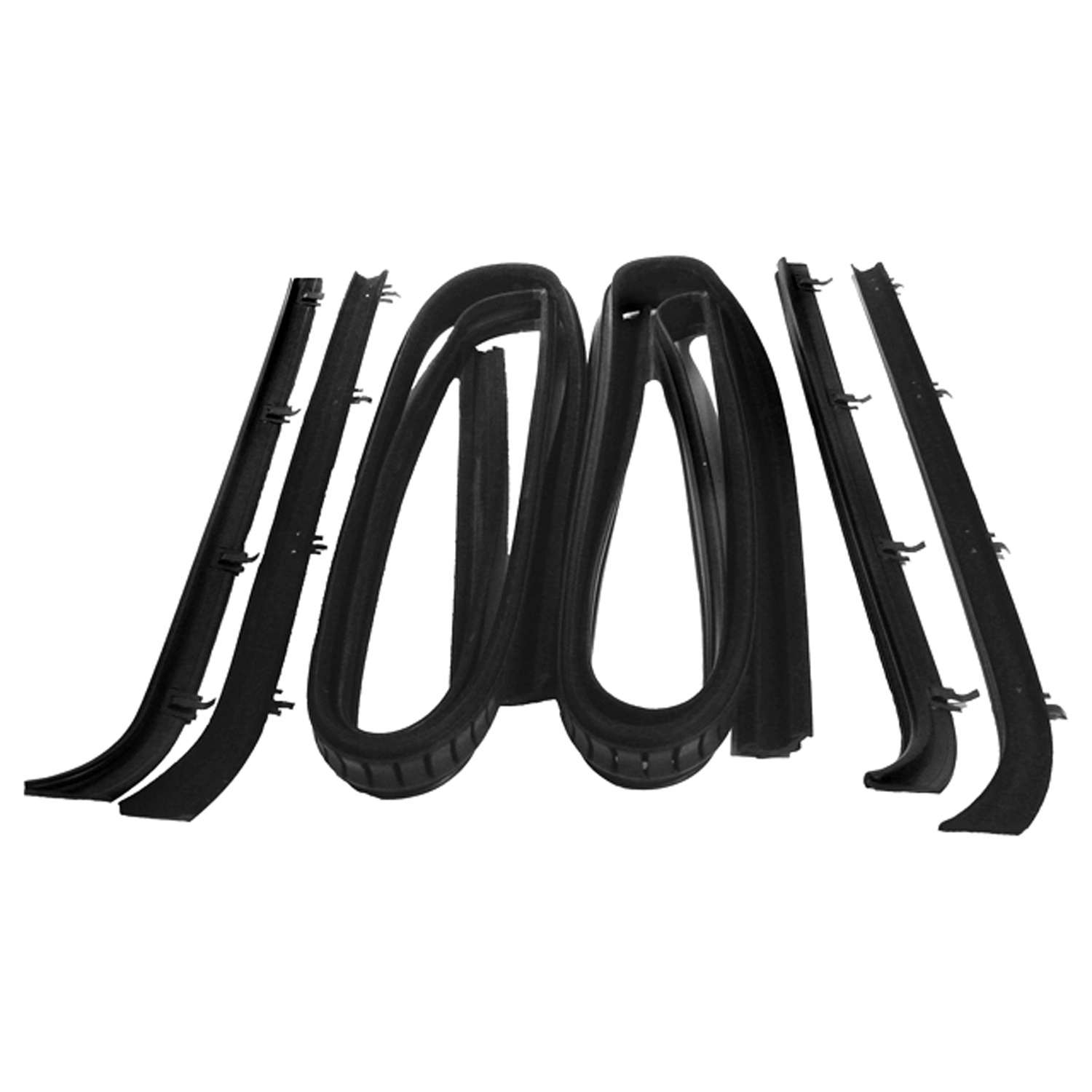 1977 GMC G15 Window Channel and Sweeper Kit. 6-Piece Kit-WC 5900-20Window Channel and Sweeper Kit. 6-Piece Kit
Why Choose Metro?
For over 100 years, Metro Moulded Parts has been the pinnacle of quality in classic car restoration parts. Our commitment to precision and authenticity in every component ensures a perfect fit and an OEM-level appearance.
- Expert Craftsmanship & Quality: Each part is a testament to our dedication to reliability and perfection, crafted from original designs and thoroughly tested.
- Advanced Technology: We use cutting-edge techniques to create flawless, long-lasting parts that surpass others in performance.
- SuperSoft Sponge – The Ultimate Door Seal: Not only are our door seals 30% softer than competitors', but they're also guaranteed to never leak. They effectively reduce wind and road noise, enhancing your classic car's comfort and driving experience.
- Proudly American: Our parts are a product of American craftsmanship, made in the USA with a spirit of excellence and heritage.
- Unrivaled Warranty: We back our products with a 30-year industry-leading warranty, a testament to our confidence in their quality.
Join us in preserving the legacy of classic cars with parts that are crafted for perfection, not just made.