
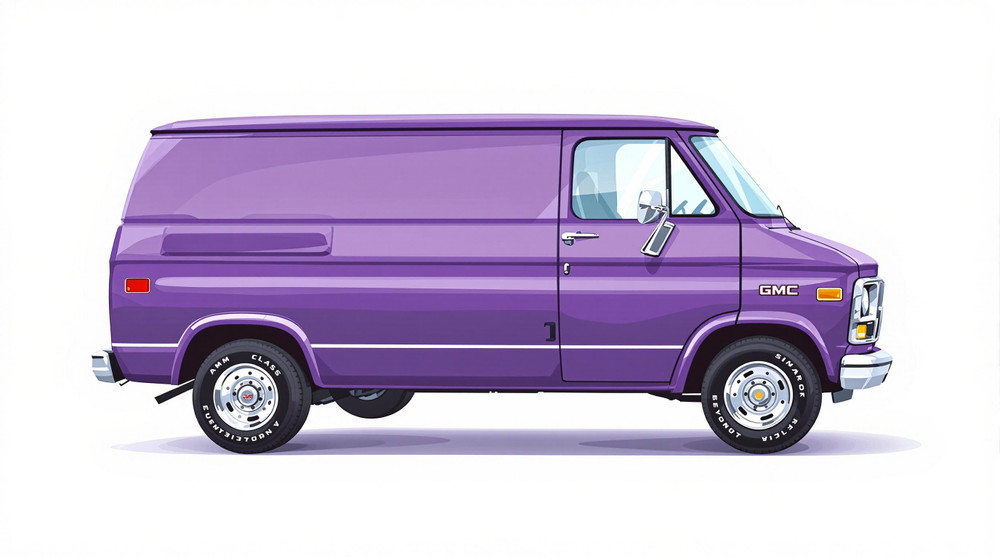
Image of 1977 Gmc G35, Note: These illustrations use artistic license and may differ from actual historical models.
Performance Metrics
Fundamental Metrics
Emotional Appeal
MMP Rating
| Engine Specifications | |
|---|---|
| Engine: | 350 V8, 400 V8 |
| Displacement: | 5.7L - 6.6L |
| Horsepower: | 155-180 HP |
| Torque: | 275-300 lb-ft |
| Compression Ratio: | 8.5:1 |
| Ignition System: | Electronic Ignition System |
| Cooling System: | Liquid Cooled |
| Performance Specifications | |
| 0-60 Time: | Estimated 12-15 seconds |
| 1/4 Mile Time: | Estimated 18-20 seconds |
| Top Speed: | 85-95 mph |
| Transmission and Drive | |
| Drive Type: | Rear Wheel Drive |
| Transmission Type: | 3-Speed Automatic, 4-Speed Manual |
| Fuel and Efficiency | |
| Fuel System Type: | Carburetor |
| MPG: | Estimated 10-12 MPG |
| Dimensions and Brakes | |
| Brakes: | Front Disc / Rear Drum |
| Wheelbase: | 125 inches |
| Weight: | 4500-5000 lbs |
Note: Specifications for classic cars are given to the best of our ability, considering the limited and variant data available.
1977 GMC G35: The One-Ton Van With Room to Work
The 1977 GMC G35 was built for people who needed a van that could carry more than a weekend’s luggage. Part of GMC’s G-Series, it was the one-ton member of a family of rear-wheel-drive vans used for everything from commercial deliveries to passenger transport and custom conversions. GMC, a division of General Motors, shared much of the G35’s basic engineering with Chevrolet’s G-Series vans, while giving its own version GMC badging and trim.
By the late 1970s, full-size vans were becoming more than plain delivery vehicles. Families, tradespeople, campers, and conversion companies all saw potential in their spacious, box-shaped interiors. The G35’s one-ton rating made it especially appealing when payload capacity mattered. One detail that helps explain its character is the engine location: the powertrain sat beneath a removable interior doghouse between the front seats, rather than entirely ahead of the cabin. That layout saved space, but it also meant the engine’s heat and noise were close at hand.
G35 Model and Body Styles
The “G35” name identifies the heavier-duty, one-ton version of GMC’s G-Series van. It was offered in configurations intended for cargo or passenger use, with equipment and seating depending on how the van was ordered or converted. The familiar full-size van shape had a short nose, a broad upright windshield, slab sides, and a tall roofline that made the most of its interior volume.
Cargo versions were the practical choice for businesses and trades. Passenger versions could carry multiple rows of seats, while conversion vans added upgraded interiors for road trips and family travel. The conversion van became the most memorable lifestyle version of the G-series format, though the exact choices in a 1977 G35 depended on its original equipment and any work done after it left the factory. High roofs, raised roofs, custom seating, cabinetry, and recreational equipment were often added by conversion companies rather than offered as standard GMC body styles.
Exterior Design and Interior Details
The G35’s styling is classic late-1970s van: blunt, functional, and easy to recognize. Its nearly vertical front end, large rectangular glass, simple grille, and broad body panels prioritized visibility, access, and usable space over sleekness. The proportions also made it an inviting blank canvas for period graphics, custom paint, camper fittings, or business lettering.
Original paint choices varied with GMC’s model-year color offerings and the van’s trim and fleet order. Buyers could find restrained whites, tans, and other practical solid colors, as well as more expressive hues. White was a common fleet and work-van choice, while custom and conversion vans often gained distinctive two-tone paint or decorative graphics later in life. Because many surviving examples have been repainted, today’s color does not always tell the whole story of a van’s original specification.
Inside, a work-oriented G35 was straightforward. Expect practical trim, durable vinyl or cloth seating depending on specification, hard-wearing floor coverings, and simple controls. It was not a luxury cabin by modern standards, but its broad, open interior was a major advantage. Conversion interiors could be much more elaborate, with plush seats, carpet, wood-look trim, curtains, and entertainment equipment. Those upgrades were typically the work of specialist converters, so quality varies widely from one van to another.
1977 Technology and Engineering
The G35 used conventional, serviceable technology for its era: a body-on-frame-style heavy-duty platform, rear-wheel drive, a solid rear axle, and a front suspension designed to handle a working vehicle’s load. Engine and transmission availability depended on the order and configuration. Period G-Series vans were offered with gasoline six-cylinder and V8 power in various specifications, but the exact engine in an individual G35 should be confirmed from its identification information, original paperwork, or a physical inspection.
Compared with a modern van, its equipment was basic. Power steering, power brakes, air conditioning, and other convenience features could be fitted depending on the original build, but they should not be assumed on every example. The most significant engineering benefit was less glamorous: familiar GM components and a relatively uncomplicated layout made the van practical to operate and repair.
Why the G35 Mattered
The 1977 G35 was not a radical design breakthrough, and that was part of its appeal. It belonged to a mature generation of full-size vans that had become versatile platforms for work and recreation. Its substantial payload capacity, roomy interior, and adaptable body made it useful in roles that a passenger car or smaller van could not easily fill.
That adaptability helped shape the American van’s place in popular culture. A basic cargo van could remain a tool of the trade, become a family hauler, or be transformed into a camper or custom cruiser. GMC’s G-Series shared this broader influence with its Chevrolet counterpart and with other full-size vans of the period. The long-lived formula, a simple front cabin, a large enclosed body, and rear-wheel-drive hardware, continued to serve owners well for years.
It is worth separating the G35 from the later television-famous GMC Vandura associated with The A-Team. That pop-culture van was a later model, not a 1977 G35. Still, the familiar boxy GMC van silhouette helped make the whole G-Series family an enduring part of American automotive imagery.
Performance and Driving Feel
Performance depends heavily on the engine, transmission, axle gearing, body configuration, and load. A six-cylinder work van and a V8-equipped G35 will not feel alike, and a heavily converted camper will be slower than a lightly equipped cargo van. Reliable factory acceleration figures are not commonly available for every 1977 G35 combination, so any single number should be treated as an estimate rather than a universal specification.
As a broad guide, a V8-powered example in sound condition might take roughly 15 to 20 seconds to reach 60 mph. A heavier conversion or a less powerful engine could take longer. Depending on gearing and condition, a realistic estimated top speed is around 85 to 95 mph, but this is not a van designed for sustained high-speed driving. Braking distances, tire condition, and steering play matter far more than chasing its maximum speed.
On the road, the G35 feels substantial and truck-like. Its elevated seating position gives the driver a commanding view, while the long body and solid rear axle make bumps and uneven pavement noticeable, especially when the van is lightly loaded. Add passengers or cargo and the ride can feel more settled, though the suspension still has a work-vehicle character. Crosswinds and gusts require attention because of the tall, broad sides. On winding roads, the van rewards smooth steering and measured cornering rather than quick inputs.
From the driver’s seat, the engine is close enough to be part of the experience. The doghouse transmits mechanical sound and warmth into the cabin, giving the G35 a more immediate, old-school feel than a modern front-engine van. Depending on the engine and exhaust, a V8 can provide a familiar low rumble, while the steering, brakes, and throttle all feel heavier and less isolated than their modern equivalents.
Ownership, Maintenance, and Reliability
G35s have served as work vans, daily transportation, campers, show vehicles, and custom projects. A sound, unmodified example can still be useful for local errands or occasional hauling, but its age makes condition more important than the badge. Many surviving vans have lived hard working lives, undergone conversions, or been modified multiple times.
Routine mechanical work is generally approachable for an owner with basic tools and experience. The engine bay’s doghouse provides access to the engine, although some jobs can be awkward because space is limited. Common inspection points include cooling-system condition, brake lines and components, steering and suspension wear, transmission behavior, electrical repairs, and leaks. Rust deserves special attention around the body seams, floor, wheel openings, and structural areas. A tidy interior can hide corrosion beneath the carpet or conversion cabinetry.
Parts availability is helped by the van’s shared GM ancestry, but not every trim, body, or conversion-specific item is easy to find. Mechanical components are often more manageable than original interior pieces, exterior trim, or custom conversion parts. Before buying, check the VIN and available documentation, verify the engine and axle configuration, and have the frame and body inspected carefully.
G35 Trivia and Common Criticisms
The G35’s most distinctive practical feature is also one of its quirks: the engine sits under the cabin doghouse. It makes the van compact for its interior volume, but brings extra heat and noise into the front compartment. The upright body is another defining trait. It creates generous interior space, yet makes the van vulnerable to crosswinds and less aerodynamic than a car.
There is no widely recognized speed, endurance, or production record specific to the 1977 GMC G35. Nor is there a dependable public figure for how many were built in that exact model year and configuration. GMC production totals were not generally broken down in a way that makes a precise G35 count easy to verify, and surviving vans are further complicated by conversions and changes over time. As a result, claims of a specific production number should be treated cautiously.
Common criticisms include modest acceleration, substantial fuel consumption, a truck-like ride, and limited modern safety and convenience features. Buyers should also be wary of poorly executed conversions, aging wiring, and rust concealed by interior finishes. On the positive side, the van’s straightforward construction and wide range of potential uses are central to its lasting appeal.
1977 GMC G35 Values and Collectibility
The G35 is collectible, but it is not generally valued like a rare muscle car. Prices depend on rust, mechanical condition, originality, engine and equipment, and the quality of any conversion. As a broad present-day guide, a rough project might bring about $2,000 to $5,000, while a usable driver could fall around $5,000 to $12,000. A clean, well-maintained example may reach roughly $12,000 to $20,000, with a professionally restored or especially desirable custom conversion sometimes asking more.
These are estimates, not fixed market prices. A finished custom van can command a premium when its workmanship and equipment are appealing, but an expensive conversion does not automatically mean a higher resale value. Buyers often pay most for solid structure, dependable mechanicals, and a coherent, well-documented build.
Exact 1977 G35 production figures are difficult to establish, so a precise rarity claim would be misleading. The model itself was part of a widely used commercial van family, but clean, original, well-preserved examples are much less common than tired work vans or heavily modified survivors. Values have generally been supported by renewed interest in vintage vans and period customs, though condition and style remain the biggest drivers. The best examples are more likely to hold or gain value than incomplete projects.
Is the 1977 GMC G35 Worth Remembering?
The 1977 GMC G35 combined heavy-duty capability with the open-ended usefulness of a full-size van. Its straightforward engineering, roomy body, and adaptable layout made it a dependable choice for work, travel, and conversion projects. It was not fast or refined, but it was practical in ways that helped define the American van.
Today, a G35 is at its best when its condition and purpose match. A solid work van, a carefully built camper, or a period-correct custom can each tell a different story. Beneath the square panels and utilitarian cabin is a vehicle that made room for an entire range of American life, and that versatility is the reason the 1977 GMC G35 still has character.
1977 Gmc G35 Catalog of Parts
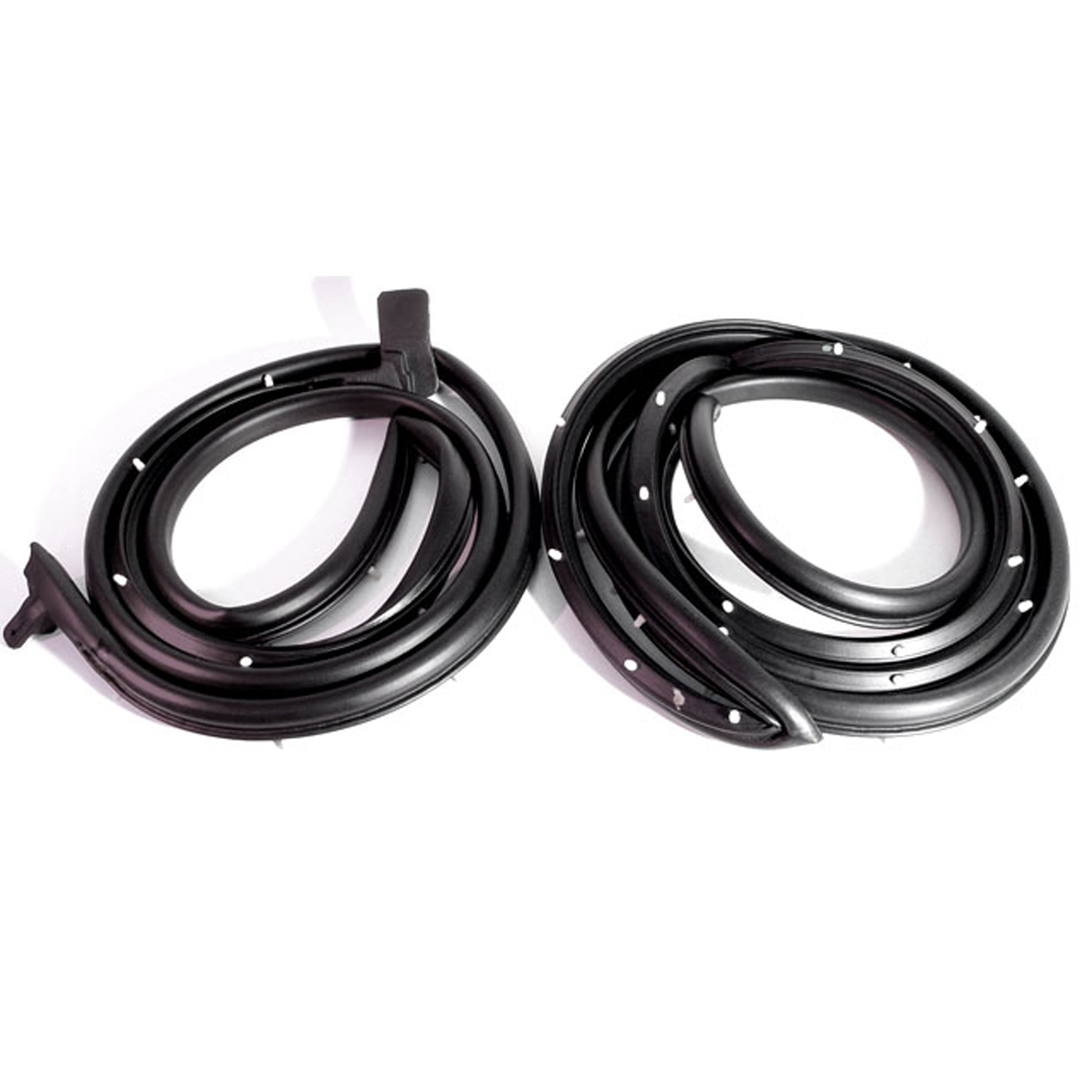 1977 GMC G35 Rear Cargo Door Seals-LM 13-VRRear Cargo Door Seals. For full size models (1996 early design). Includes left and right seals. Pair
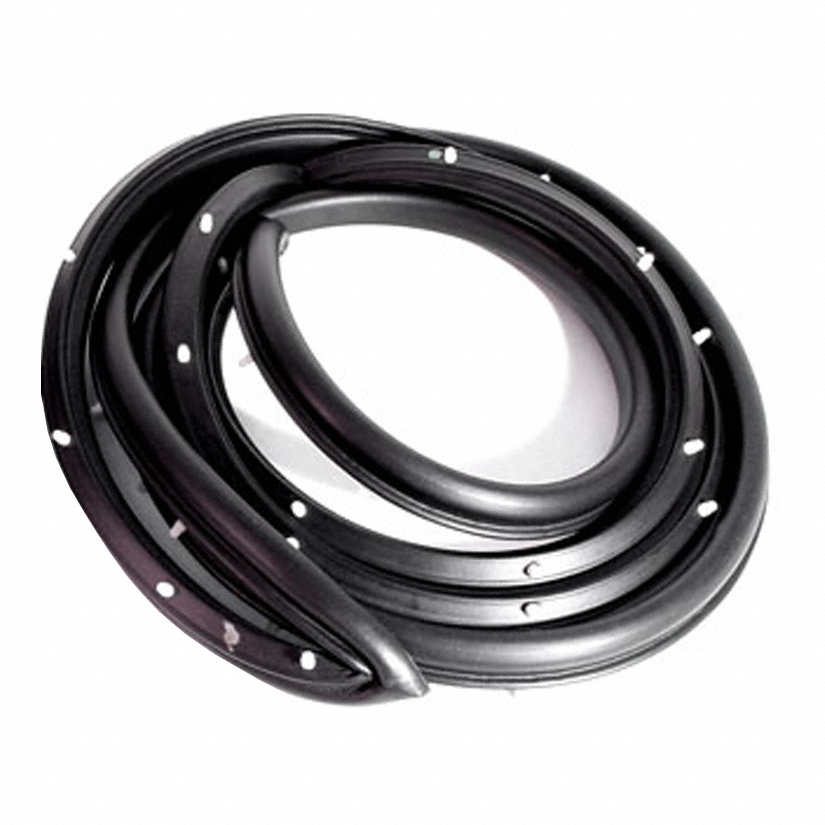 1977 GMC G35 Rear Cargo Door Seal. LH portion (driver's side)-LM 13-VR/DSRear Cargo Door Seal. LH portion (driver's side). For full-size vans (1996 early design). Each.
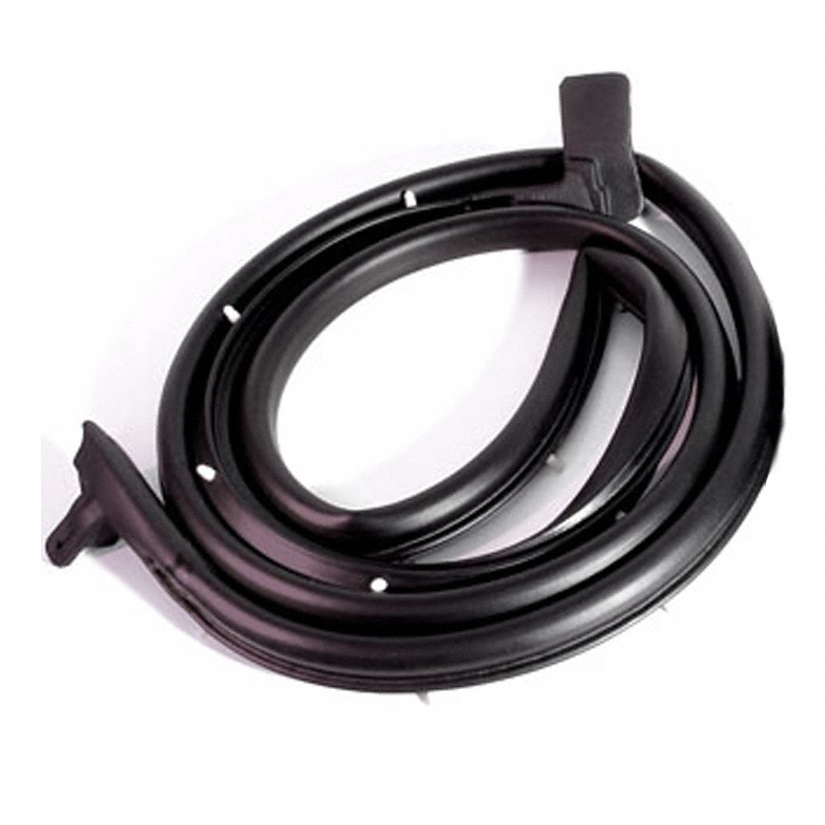 1977 GMC G35 Rear Cargo Door Seal. RH (passenger's side)-LM 13-VR/PSRear Cargo Door Seal. RH (passenger's side). For full-size vans (1996 early design). Each.Rear Cargo Door Seal. RH (passenger's side). For full-size vans (1996 early design). Each.
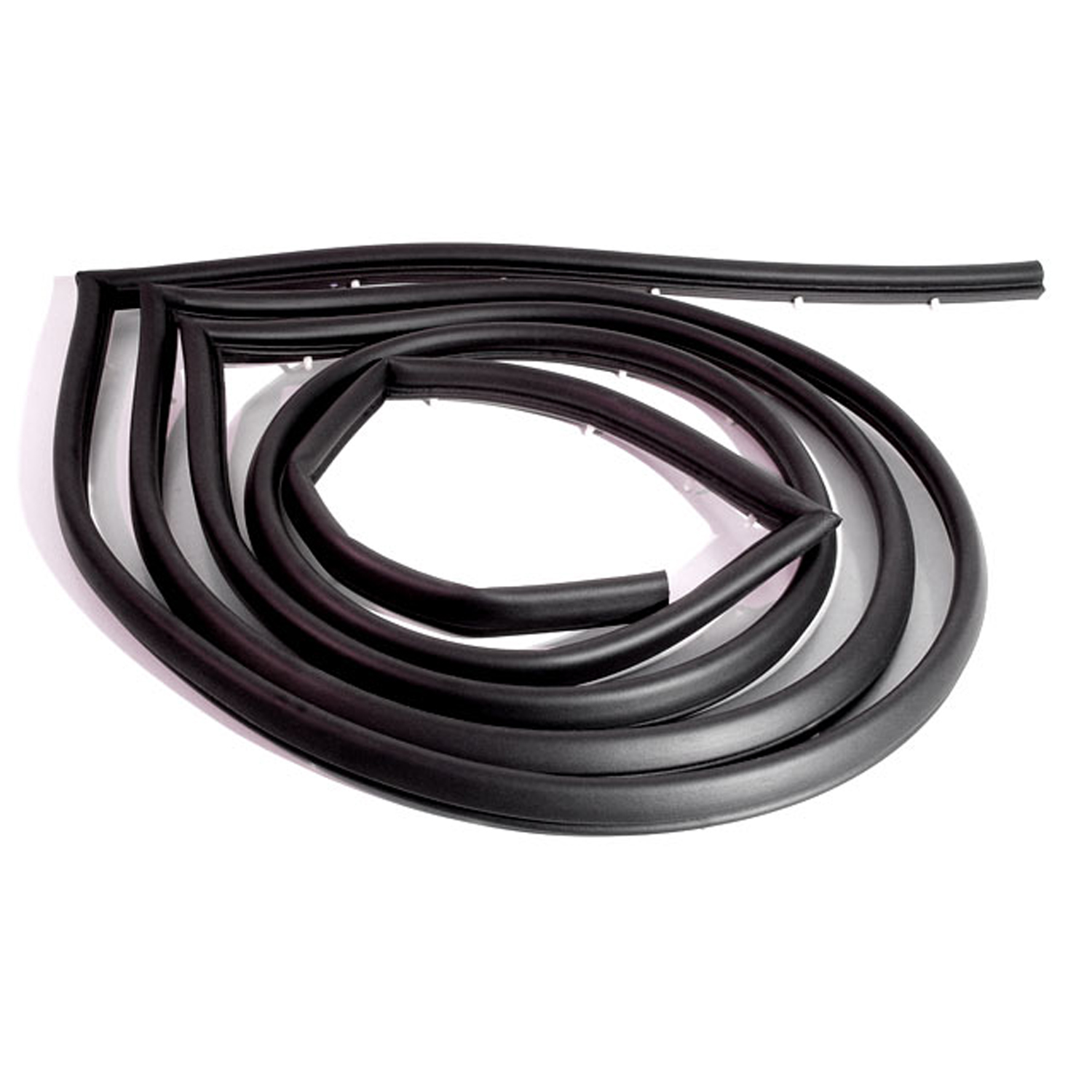 1977 GMC G35 Side Sliding Door Seal-LM 13-VSSide Sliding Door Seal. For full size models (1996 early design). 213-1/4" Long. Each
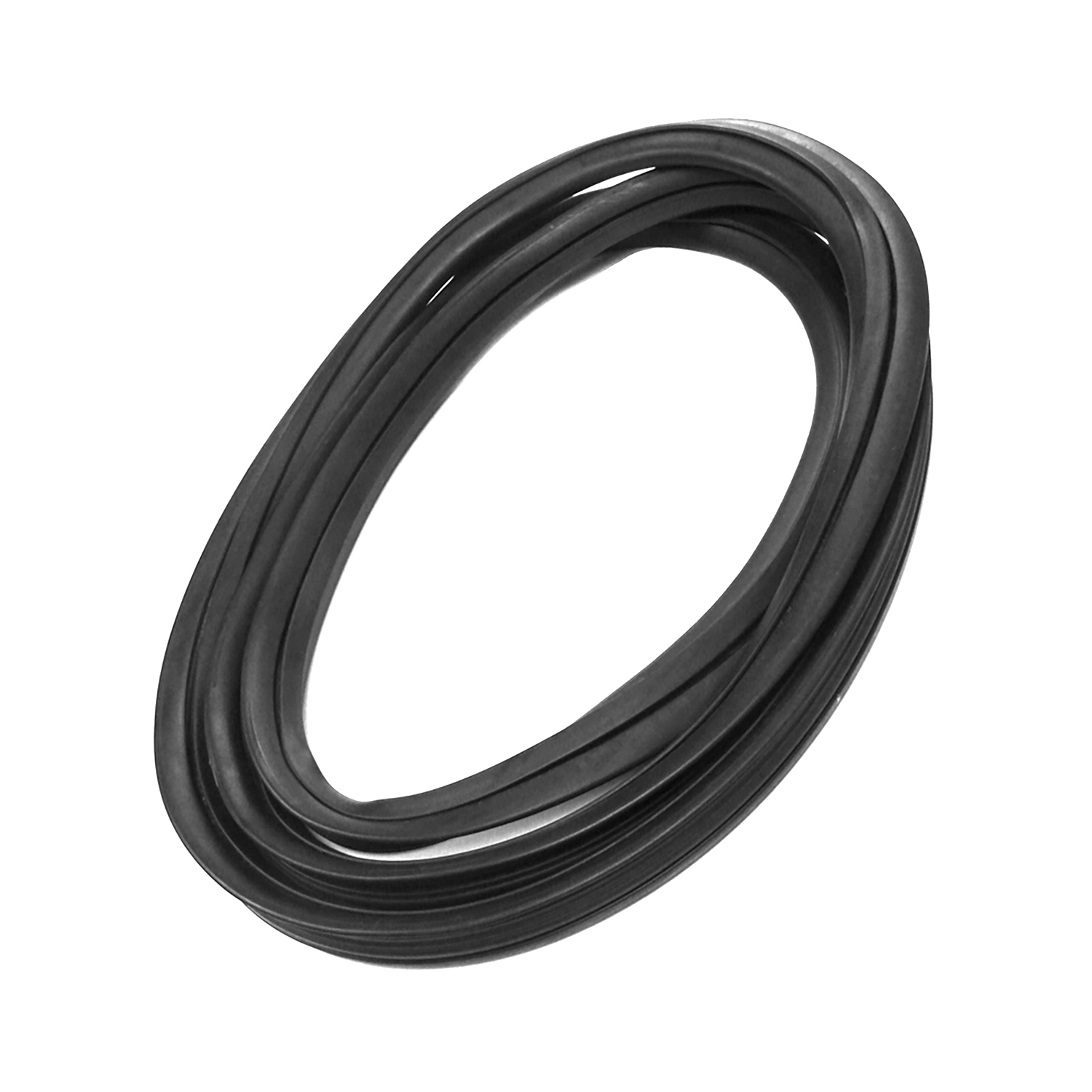 1977 GMC G35 Windshield Seal, 71-80 GM Full Size Van With Trim Groove, Each-VWS 7324-AWindshield Seal, 71-80 GM Full Size Van With Trim Groove, Each. Replaces OEM # 3991513. This seal allows you to re-use your chrome trim which presses into body clips. This product is made from the original specs and with high quality ozone resistant materials for a great fit and long life. This item is designed to be installed during glass replacement.
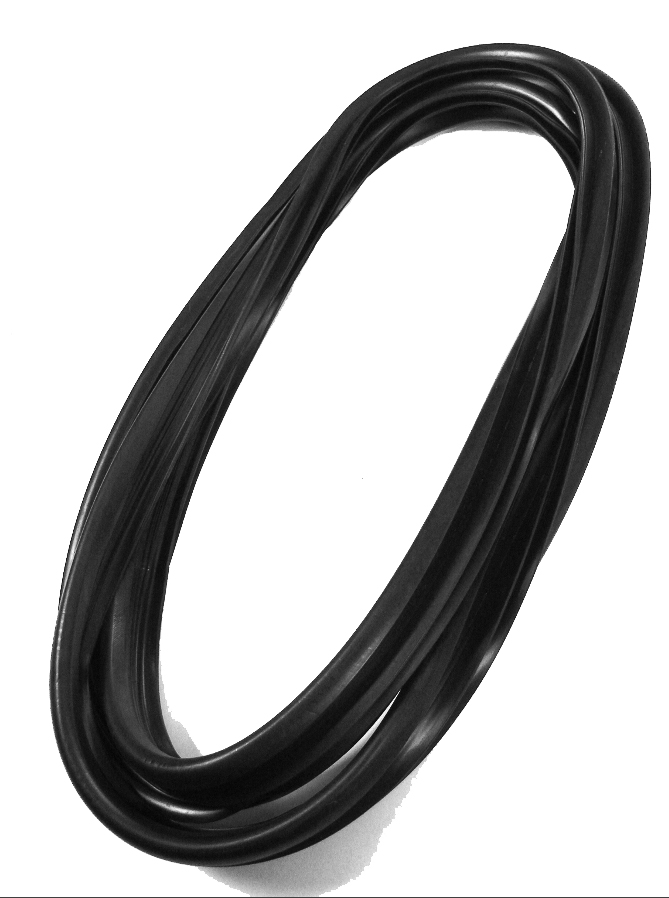 1977 GMC G35 Windshield Seal, 71-80 GM Full Size Van, Without Trim Groove, Each-VWS 7324-BWindshield Seal, 71-80 GM Full Size Van, Without Trim Groove. Replaces OEM # 3062392. This seal goes first on the body then the glass is placed in the opening. Tucking in the self locking strip secures the glass in place. It is a standard black gasket without the trim groove. This product is made from the original specs and with high quality ozone resistant materials for a great fit and long life. This item is designed to be installed during glass replacement.
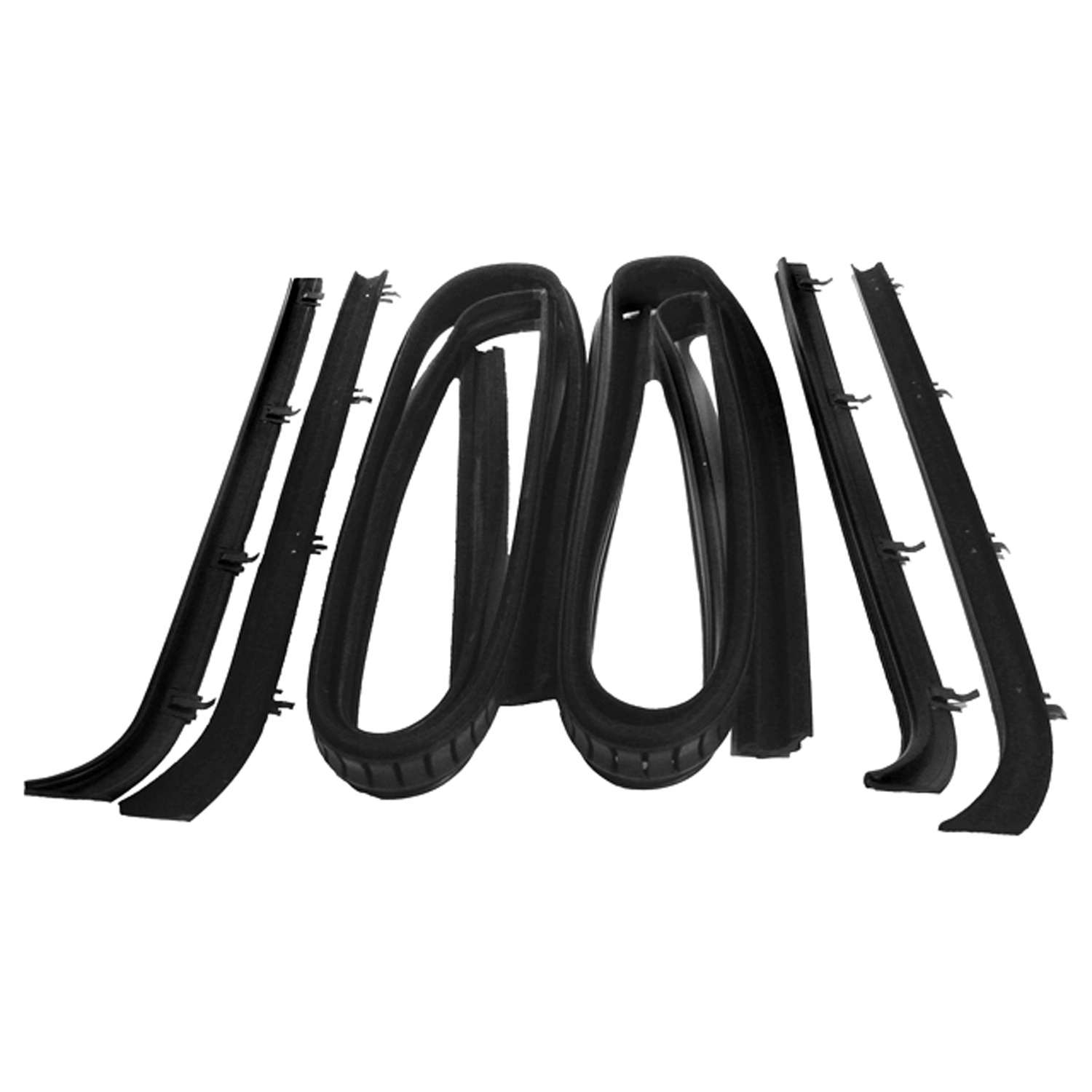 1977 GMC G35 Window Channel and Sweeper Kit. 6-Piece Kit-WC 5900-20Window Channel and Sweeper Kit. 6-Piece Kit
Why Choose Metro?
For over 100 years, Metro Moulded Parts has been the pinnacle of quality in classic car restoration parts. Our commitment to precision and authenticity in every component ensures a perfect fit and an OEM-level appearance.
- Expert Craftsmanship & Quality: Each part is a testament to our dedication to reliability and perfection, crafted from original designs and thoroughly tested.
- Advanced Technology: We use cutting-edge techniques to create flawless, long-lasting parts that surpass others in performance.
- SuperSoft Sponge – The Ultimate Door Seal: Not only are our door seals 30% softer than competitors', but they're also guaranteed to never leak. They effectively reduce wind and road noise, enhancing your classic car's comfort and driving experience.
- Proudly American: Our parts are a product of American craftsmanship, made in the USA with a spirit of excellence and heritage.
- Unrivaled Warranty: We back our products with a 30-year industry-leading warranty, a testament to our confidence in their quality.
Join us in preserving the legacy of classic cars with parts that are crafted for perfection, not just made.