

Image of 1978 Gmc G15, Note: These illustrations use artistic license and may differ from actual historical models.
Performance Metrics
Fundamental Metrics
Emotional Appeal
MMP Rating
| Engine Specifications | |
|---|---|
| Engine: | 4.1L 250 cu in I6, 5.0L 305 cu in V8, 5.7L 350 cu in V8 |
| Displacement: | 250-350 cu in |
| Horsepower: | 95-170 hp |
| Torque: | 185-275 lb-ft |
| Compression Ratio: | 8.0:1 - 8.5:1 |
| Ignition System: | Conventional distributor ignition system |
| Cooling System: | Liquid-cooled |
| Performance Specifications | |
| 0-60 Time: | Estimated 12-15 seconds |
| 1/4 Mile Time: | Estimated 18-20 seconds |
| Top Speed: | 85-95 mph |
| Transmission and Drive | |
| Drive Type: | Rear-wheel drive |
| Transmission Type: | 3-speed automatic, 4-speed manual |
| Fuel and Efficiency | |
| Fuel System Type: | Carburetor |
| MPG: | Estimated 10-15 mpg |
| Dimensions and Brakes | |
| Brakes: | Front disc, rear drum |
| Wheelbase: | 125 inches |
| Weight: | 4,000-4,500 lbs |
Note: Specifications for classic cars are given to the best of our ability, considering the limited and variant data available.
1978 GMC G15: A Classic Van with Big Personality
The 1978 GMC G15 turned a simple box on wheels into a blank canvas for work, family travel, and the custom-van scene. Built by General Motors under its GMC brand, the G15 was the half-ton member of the company’s full-size G-Series van lineup. Its practical roots were unmistakable, but its roomy cabin and customizable body helped it become one of the defining vans of the 1970s.
By 1978, the G-Series had matured from a basic commercial vehicle into a versatile platform offered as a cargo van, passenger van, or personalized conversion van. One especially memorable part of the wider Vandura story came a few years later: the GMC van driven by the A-Team helped make the Vandura name familiar to television audiences. That famous van was a later model, but its popularity drew on the same squared-off G-Series character that the 1978 G15 already had.
G15 Styling: A Purposeful Shape
The G15 wears the classic full-size van silhouette: a broad, upright body, a nearly flat front, and a tall roof that prioritizes usable space over sleekness. The engine sits forward under a removable doghouse cover inside the cab, giving the van its distinctive short-nose appearance. Large windows on passenger models open up the profile, while cargo versions present broad, relatively unbroken side panels that were ideal for business lettering or custom paint.
GMC’s grille and front-end details gave the van a face of its own, while trim and equipment varied by model and order. Depending on the van’s configuration, buyers could get simple steel wheels and practical bumpers or dressier exterior trim. The body’s generous flat panels also made it a natural candidate for the bold graphics, murals, and contrasting paint schemes that became hallmarks of custom vans.
Factory paint choices varied by year, trim, and fleet order. Period colors included understated whites and earth tones as well as brighter shades, with the exact palette depending on the original specification. White was a common practical choice for fleet and commercial vans. Custom owners often went much further, adding metallic paint, two-tone finishes, or elaborate hand-painted designs.
Cabin, Trims, and Van Configurations
Inside, a work-oriented G15 was straightforward rather than luxurious. The driver faced a wide, functional dashboard with clear instruments and sturdy controls. Vinyl upholstery and durable, easy-to-clean surfaces were common in basic specifications, while passenger and higher-trim versions could offer more comfortable seating and cloth or upgraded trim, depending on equipment.
There was no single interior layout. Cargo vans could be ordered with a largely empty rear compartment ready for shelving, tools, or a camper conversion. Passenger versions added rows of seats and side windows. Conversion specialists transformed vans with swiveling captain’s chairs, carpet, wood-look trim, elaborate lighting, and sometimes beds or entertainment equipment. Those plush interiors were usually the work of aftermarket converters, not standard GMC factory equipment.
The G15 was part of a broader family that included cargo and passenger models, with body and wheelbase choices depending on the version and order. Shorter and longer configurations served different needs, from easier city maneuvering to additional passenger or cargo room. The best-known image today is often the customized passenger van, though practical cargo versions were central to the G-Series’ working life.
1978 Technology: Practical, Not Pretentious
For its time, the G15’s technology was conventional and serviceable. Its gasoline engines used carburetors, and buyers could choose features such as power steering, power brakes, and air conditioning depending on the specification. Automatic transmissions were popular, while manual-transmission availability depended on the engine and configuration.
Do not expect modern conveniences such as electronic fuel injection, antilock brakes, or advanced driver aids. The G15’s appeal was its straightforward mechanical layout and ability to be configured for many jobs. Its front-engine design also made routine service more familiar to many mechanics than the unusual layouts found in some earlier vans.
Why the G15 Mattered
The G15’s significance lies less in a single groundbreaking invention than in how well it served as a flexible platform. Full-size vans were becoming essential to tradespeople, delivery fleets, families, and recreational travelers. GMC’s G-Series offered a common basic vehicle that could be ordered as a plain work van or adapted into a passenger carrier or highly personalized custom.
That adaptability helped fuel the 1970s custom-van movement. Owners used the broad body as a mobile expression of personality, adding dramatic paint, custom interiors, and comfort features. The G15 was not the only van in the scene, but it shared the sturdy, spacious architecture that made the era’s van conversions possible. Its influence is still visible in the way modern vans are marketed as platforms for work, travel, and personal customization.
Compared with a passenger car, the G15 offered exceptional interior volume and easy access to its rear compartment. Compared with a pickup, it protected cargo and passengers from the weather. Its compromises were equally clear: it was large, heavy, and not especially aerodynamic. That practical balance, rather than sporty performance, was the point.
Performance and Road Manners
Engine availability varied with model year, configuration, and market. Common gasoline choices for this period included a 250-cubic-inch inline-six and V8 options such as 305- and 350-cubic-inch engines. The exact engine, transmission, axle ratio, and vehicle load make a substantial difference, so there is no single performance figure that accurately describes every 1978 G15.
As a general estimate, a V8-equipped G15 in good condition might reach 0 to 60 mph in roughly 12 to 16 seconds, with a top speed in the neighborhood of 85 to 100 mph. A six-cylinder van, or one carrying a heavy load, would be slower. These are broad estimates rather than guaranteed factory figures, and a 1970s van is best driven at a sensible cruising pace rather than pushed toward its maximum speed.
Behind the wheel, the G15 feels substantial. The driver sits high, with a commanding view of traffic, but the flat front and large body require care when judging the van’s corners and overall length. Steering is generally relaxed rather than precise, and the suspension is tuned for carrying people or cargo. It can feel firm when empty and more composed when loaded properly.
On broken pavement, the van’s weight and long body help it settle over broad bumps, though sharp impacts can still make themselves known. In crosswinds, its tall sides catch the breeze, so the driver may need to make steady corrections. On winding roads, it rewards smooth inputs and moderate speeds. A V8 adds a familiar, low-pitched rumble under acceleration, while the cabin’s broad, upright shape makes wind and road noise part of the experience.
Living with a 1978 GMC G15
Today, G15s serve as weekend cruisers, vintage campers, work vehicles, show vans, and restoration projects. Some owners preserve an original cargo or passenger layout, while others build modern camper interiors or recreate the exuberant custom-van style of the 1970s. It is not a realistic choice for everyone as a daily driver: fuel consumption, parking needs, and age-related repairs are part of the deal.
Mechanical repairs are generally approachable for an owner with basic skills. The carbureted engines and conventional rear-wheel-drive layout are familiar to many classic-truck specialists, and service parts for common components are often available. The van’s size can make some jobs awkward, and the doghouse limits working room around the engine, but routine maintenance is not unusually exotic.
Condition matters more than the badge. Inspect the frame and underbody for rust, along with the floors, lower body panels, wheel openings, and windshield area. Check the doghouse and engine compartment for heat damage or neglected repairs. On customized vans, examine electrical work carefully: decades-old additions to lighting, appliances, or audio systems can create hard-to-trace problems. Also verify that any camper or conversion equipment is securely installed and that the van’s brakes, tires, and suspension are appropriate for its actual weight.
Trivia, Reputation, and Common Complaints
The G15’s most enduring pop-culture association is the custom GMC Vandura used in The A-Team, though that was a later van rather than a 1978 model. The television vehicle helped cement the image of the GMC van as a platform with a strong personality. There is no widely recognized speed or endurance record specifically associated with the 1978 G15, and celebrity ownership claims should be treated cautiously unless supported by documentation.
One of the G15’s charms is that no two surviving examples need look alike. A plain fleet van can be as historically interesting as a flamboyant conversion, because both show how owners used the same basic platform in very different ways. The common criticism is equally straightforward: it is thirsty, bulky, and slow by modern standards. Rust, worn interiors, and improvised conversion wiring can also turn an inexpensive purchase into a costly project.
Collector Value and Availability
There is no reliable, commonly cited production total for 1978 GMC G15s separated from the wider G-Series lineup by body style, trim, and equipment. A reasonable rough estimate is that production was in the tens of thousands, perhaps around 20,000 to 40,000 G15s for the model year, but that is an informed estimate rather than a verified factory figure. Surviving examples are easier to find than many rare classic vehicles, though clean, unmodified vans are becoming less common.
As a broad 2026 U.S. market guide, a project van needing significant work might sell for about $3,000 to $7,000. A usable, presentable driver often falls around $8,000 to $18,000. A well-restored example or a carefully executed period-style custom could bring roughly $20,000 to $35,000, with exceptional builds sometimes asking more. Rust, mechanical condition, documentation, conversion quality, and originality all have a major effect on value.
Values have generally improved for clean classic vans as interest in vintage campers and 1970s custom culture has grown, but the market is selective. A high-quality, well-documented van can attract strong attention, while a rough project with extensive rust or questionable modifications may remain difficult to sell. The G15 is best viewed as an enthusiast vehicle with steady niche appeal, not a guaranteed investment.
A Classic Built to Be Adapted
The 1978 GMC G15 combined a practical half-ton platform with the space and flexibility that made full-size vans so popular. It was useful as a work vehicle, comfortable enough to carry passengers, and adaptable enough to become a rolling custom project. Its performance is modest, but its character is anything but generic.
For collectors and drivers who value utility, period style, and room to make a vehicle their own, the G15 remains a compelling slice of American van history. It began as a versatile GMC, but what it became was always up to its owner.
1978 Gmc G15 Catalog of Parts
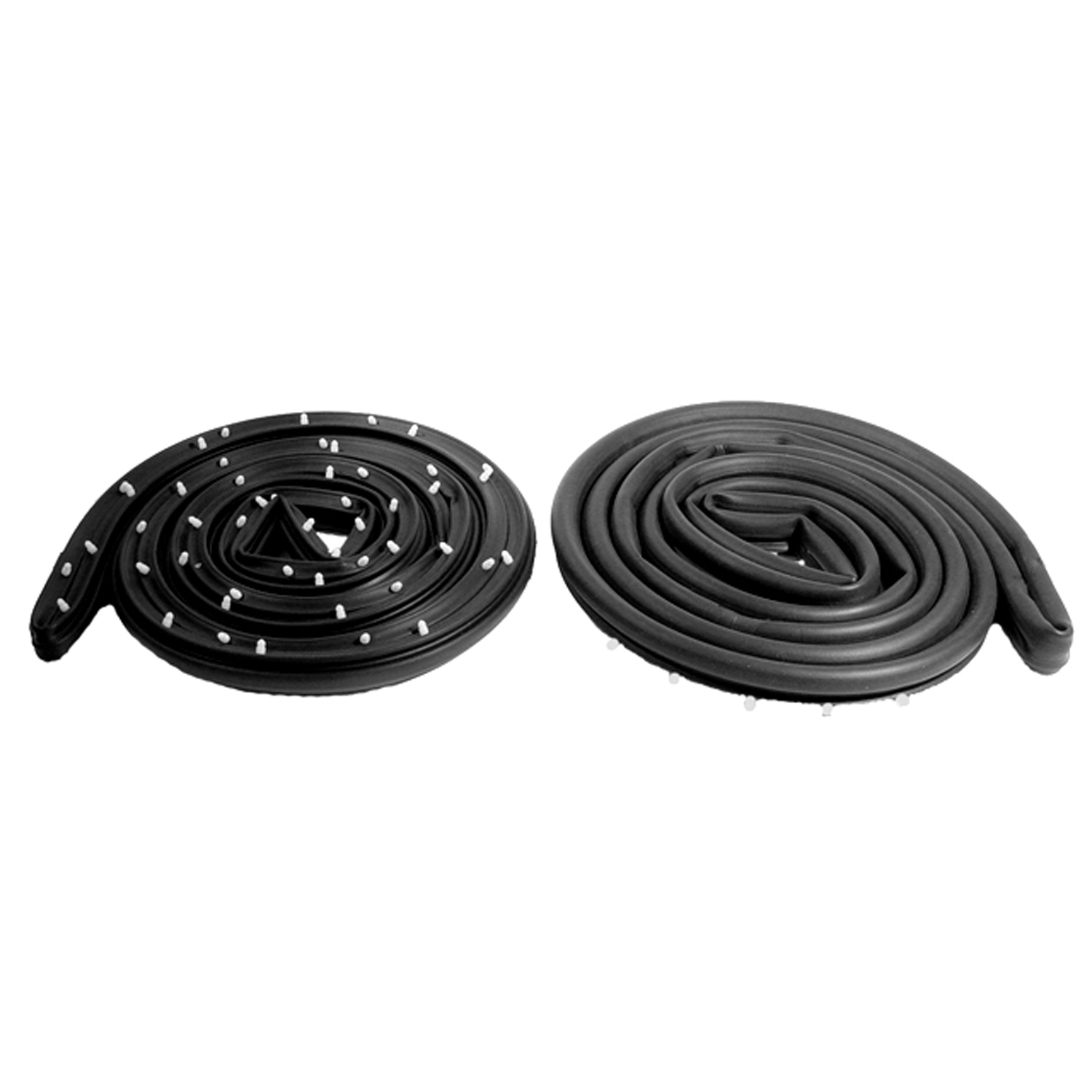 1978 GMC G15 Front Molded Door Seals-LM 13-VFront Molded Door Seals. For full size models (1996 early design). 162" Long. Pair R&L
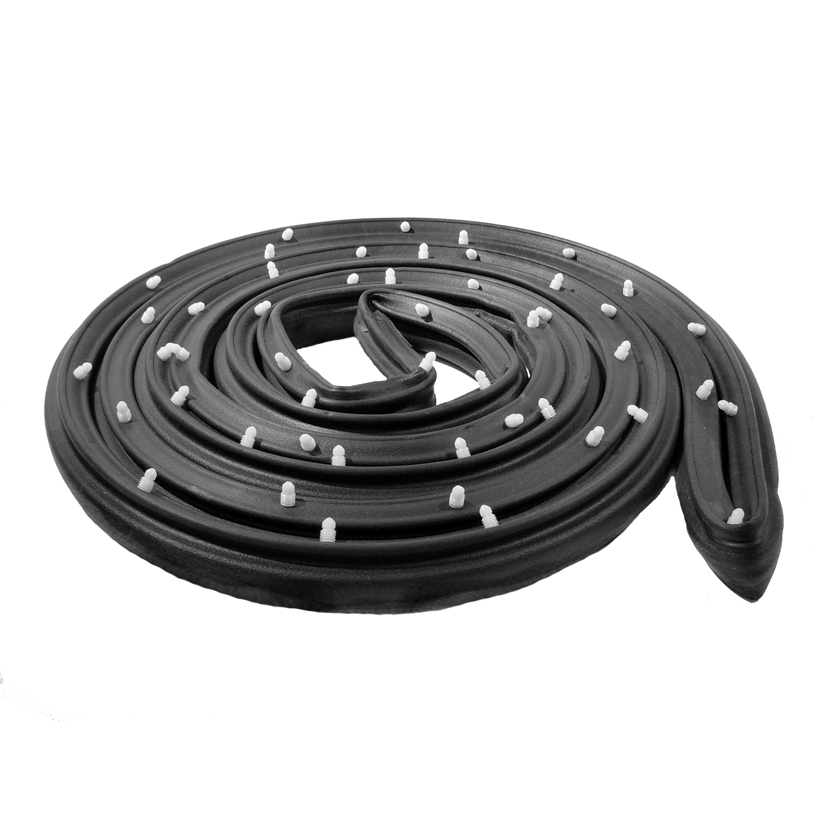 1978 GMC G15 Front LH (driver's side) Molded Door Seal-LM 13-V/DSFront LH (driver's side) Molded Door Seal. For full-size vans (1996 early design). Each.
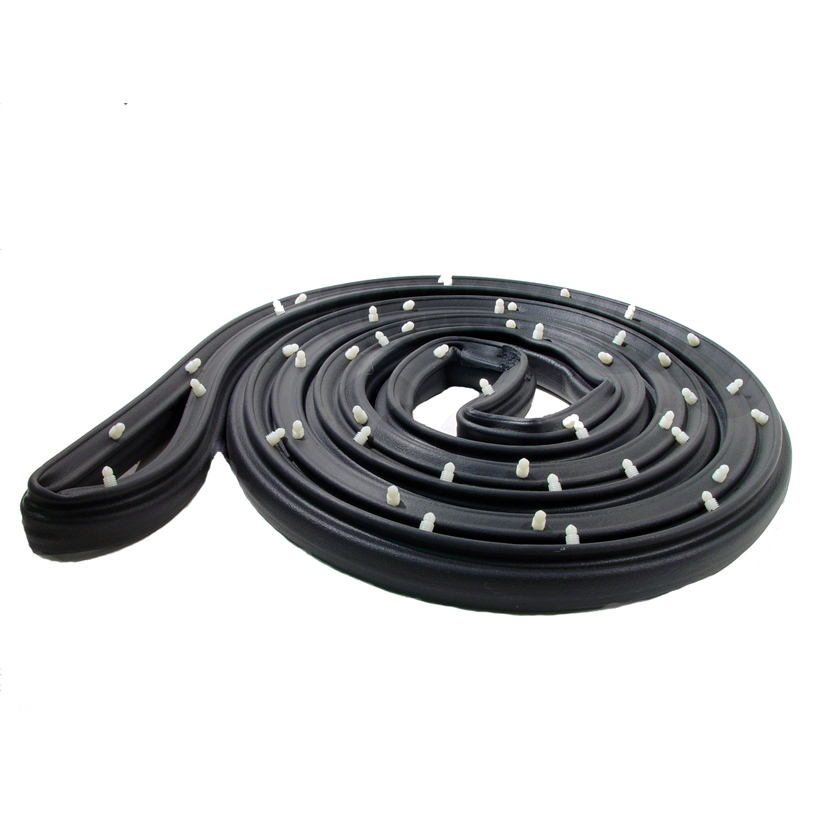 1978 GMC G15 Front LH (passenger's side) Molded Door Seal-LM 13-V/PSFront LH (passenger's side) Molded Door Seal. For full-size vans (1996 early design). Each.
 1978 GMC G15 Side Cargo Door Seals-LM 13-VCSide Cargo Door Seals. For full size models (1996 early design). Includes front and rear seals. Pair
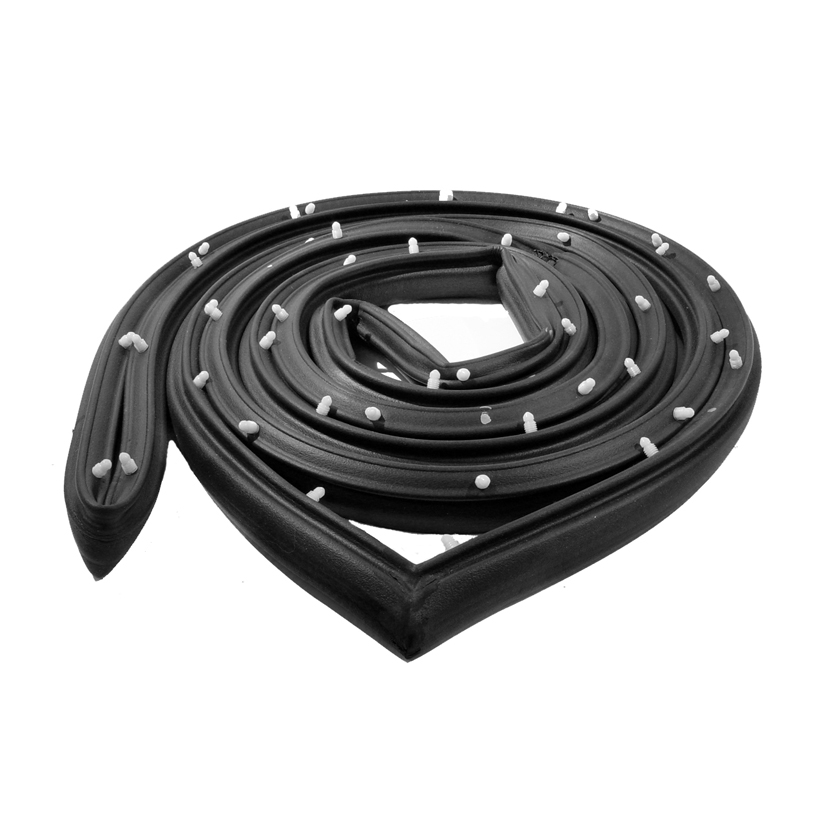 1978 GMC G15 Side Cargo Door Seal. Front portion-LM 13-VCFSide Cargo Door Seal. Front portion. For full-size vans (1996 early design). Each.
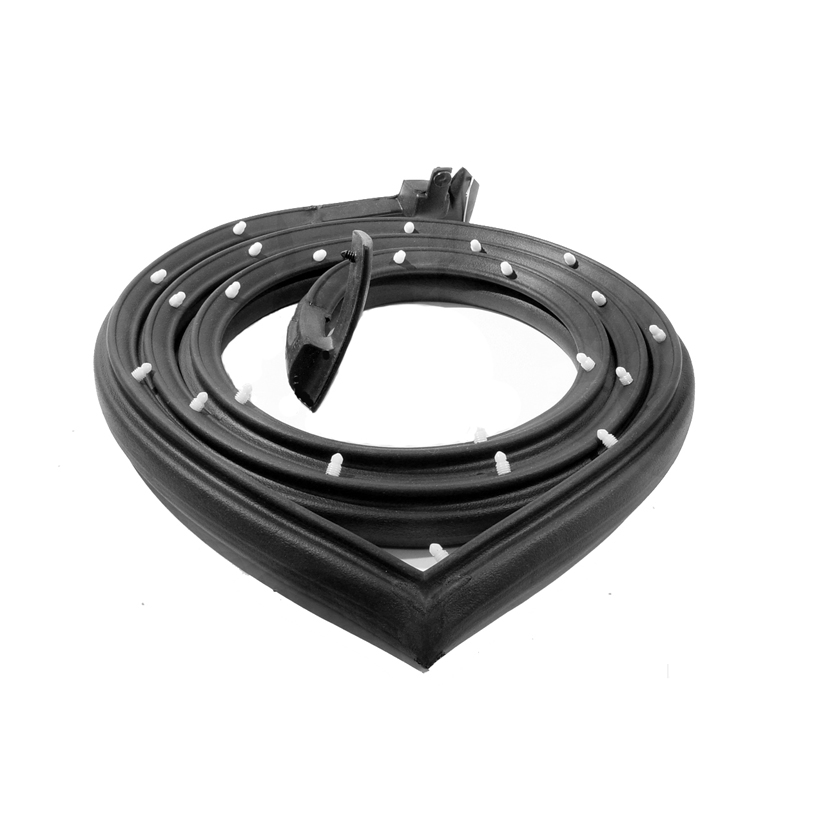 1978 GMC G15 Side Cargo Door Seal. Rear portion-LM 13-VCRSide Cargo Door Seal. Rear portion. For full-size vans (1996 early design). Each.
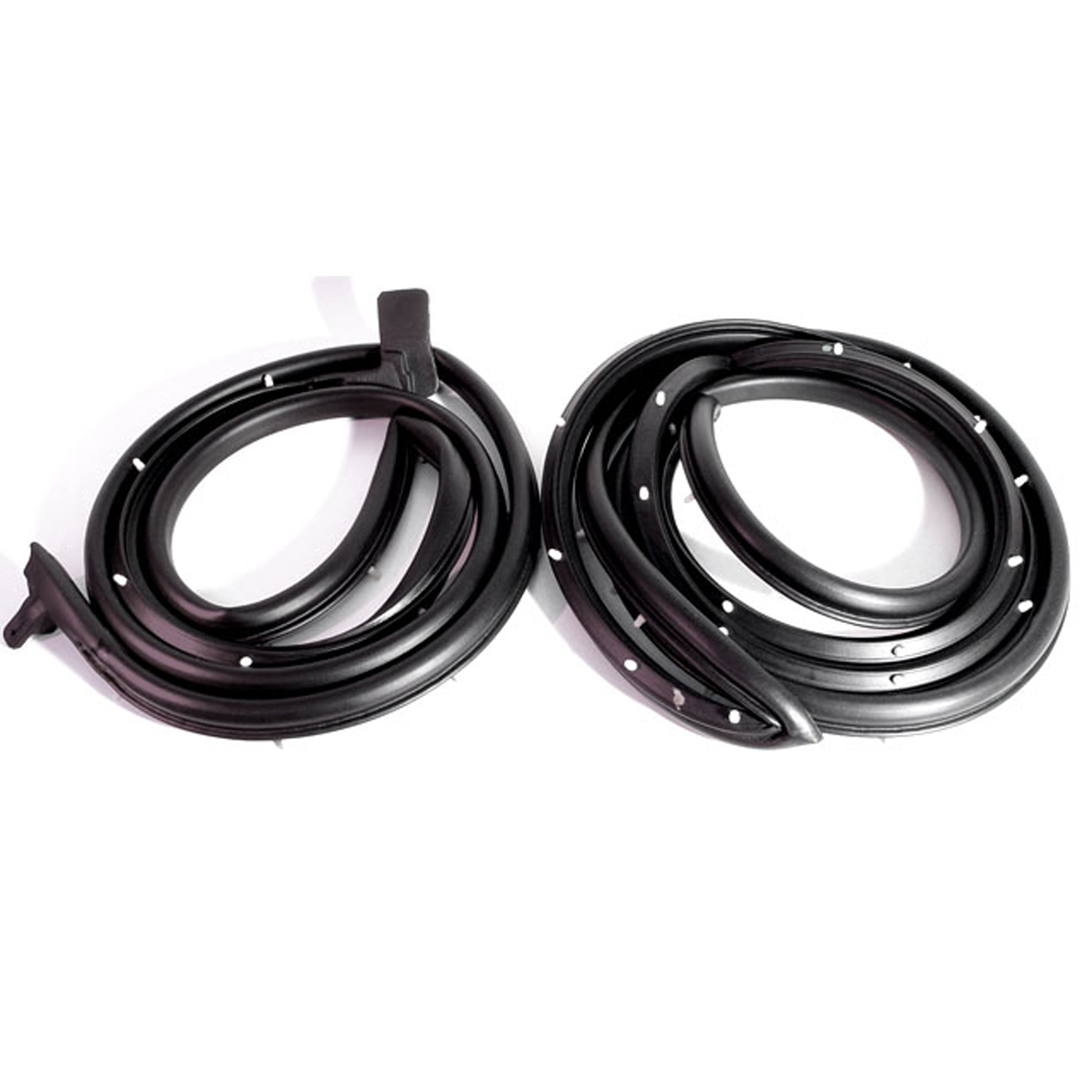 1978 GMC G15 Rear Cargo Door Seals-LM 13-VRRear Cargo Door Seals. For full size models (1996 early design). Includes left and right seals. Pair
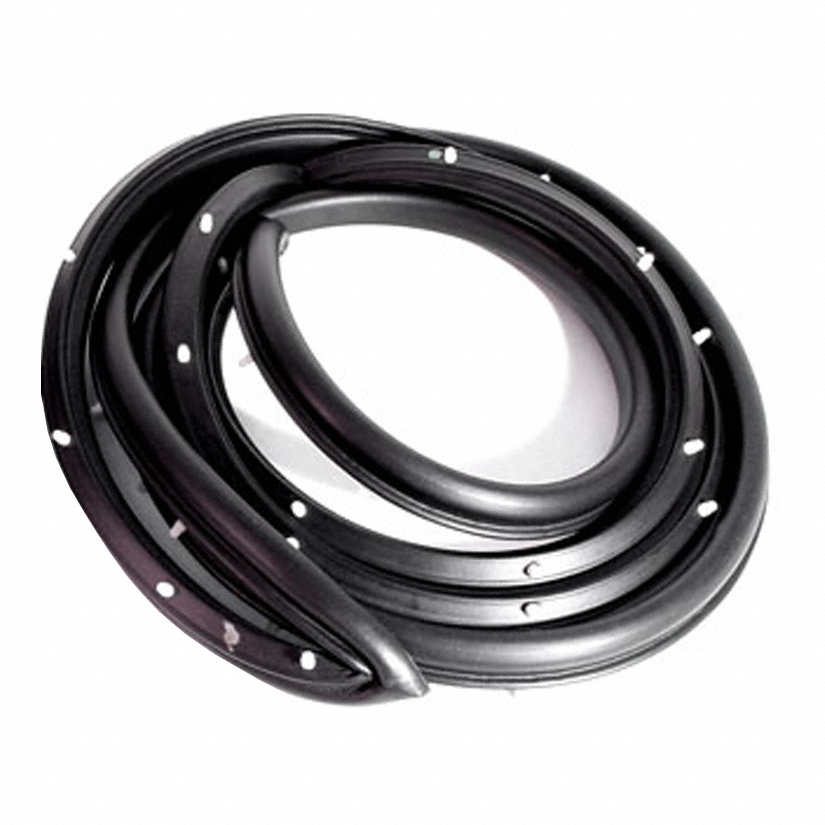 1978 GMC G15 Rear Cargo Door Seal. LH portion (driver's side)-LM 13-VR/DSRear Cargo Door Seal. LH portion (driver's side). For full-size vans (1996 early design). Each.
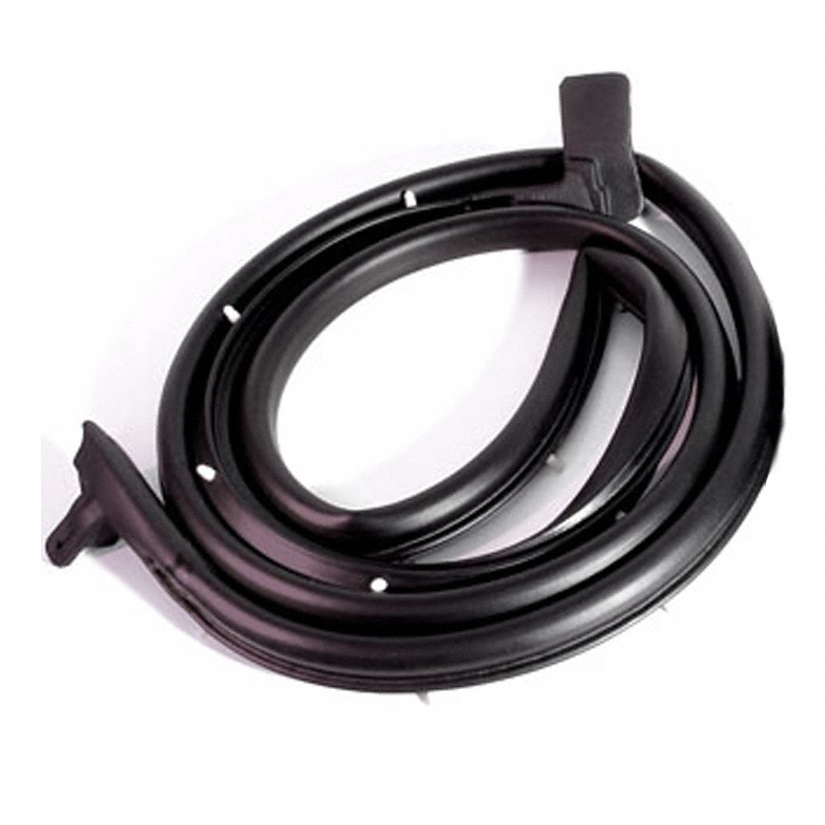 1978 GMC G15 Rear Cargo Door Seal. RH (passenger's side)-LM 13-VR/PSRear Cargo Door Seal. RH (passenger's side). For full-size vans (1996 early design). Each.Rear Cargo Door Seal. RH (passenger's side). For full-size vans (1996 early design). Each.
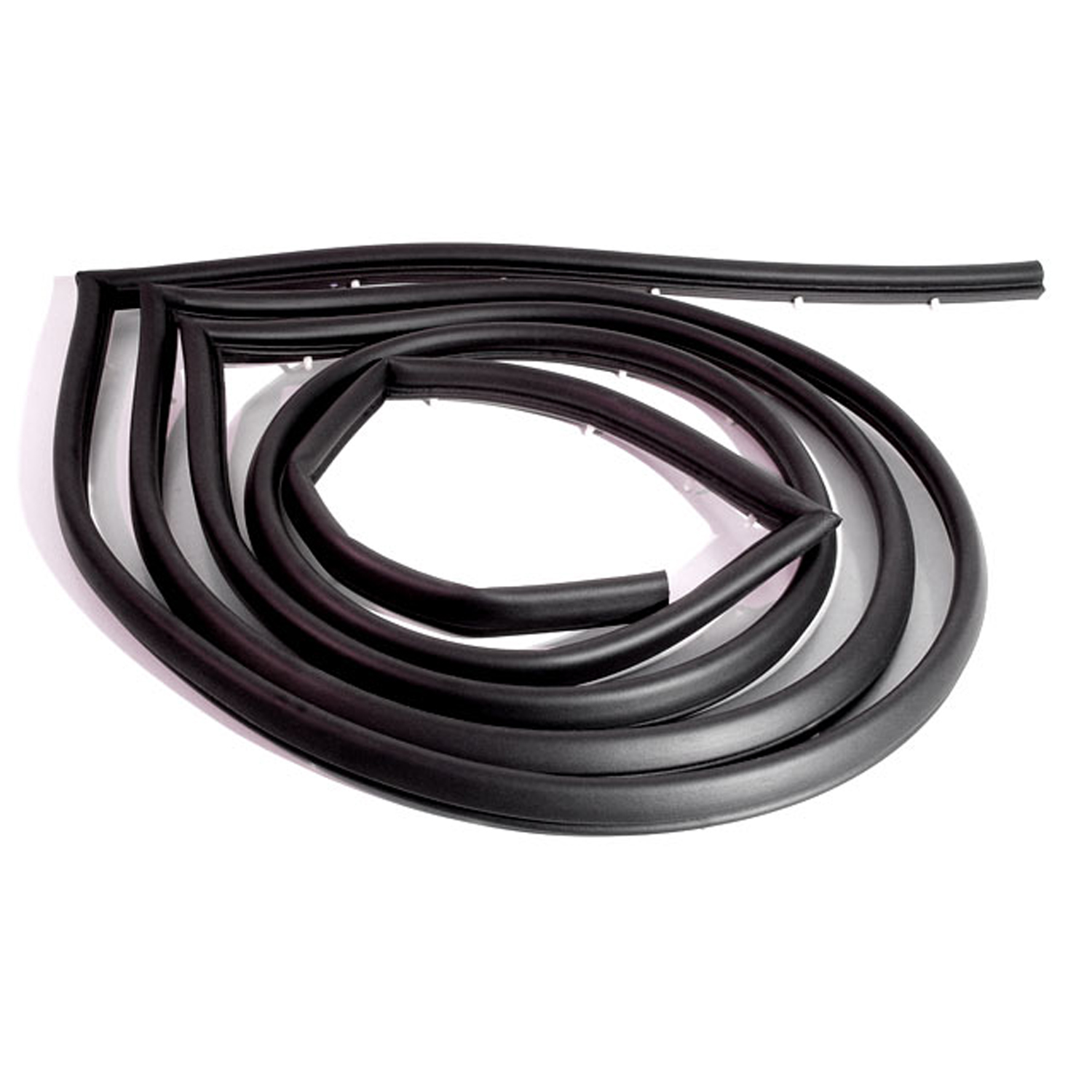 1978 GMC G15 Side Sliding Door Seal-LM 13-VSSide Sliding Door Seal. For full size models (1996 early design). 213-1/4" Long. Each
 1978 GMC G15 Basic Kit, for Models with Sliding Side Doors-RKB 1300-100Basic Kit, for Models with Sliding Side Doors. Front Door (LM 13-V) Rear Door (LM 13-VR) Side Slider (LM 13-VS), Seals.
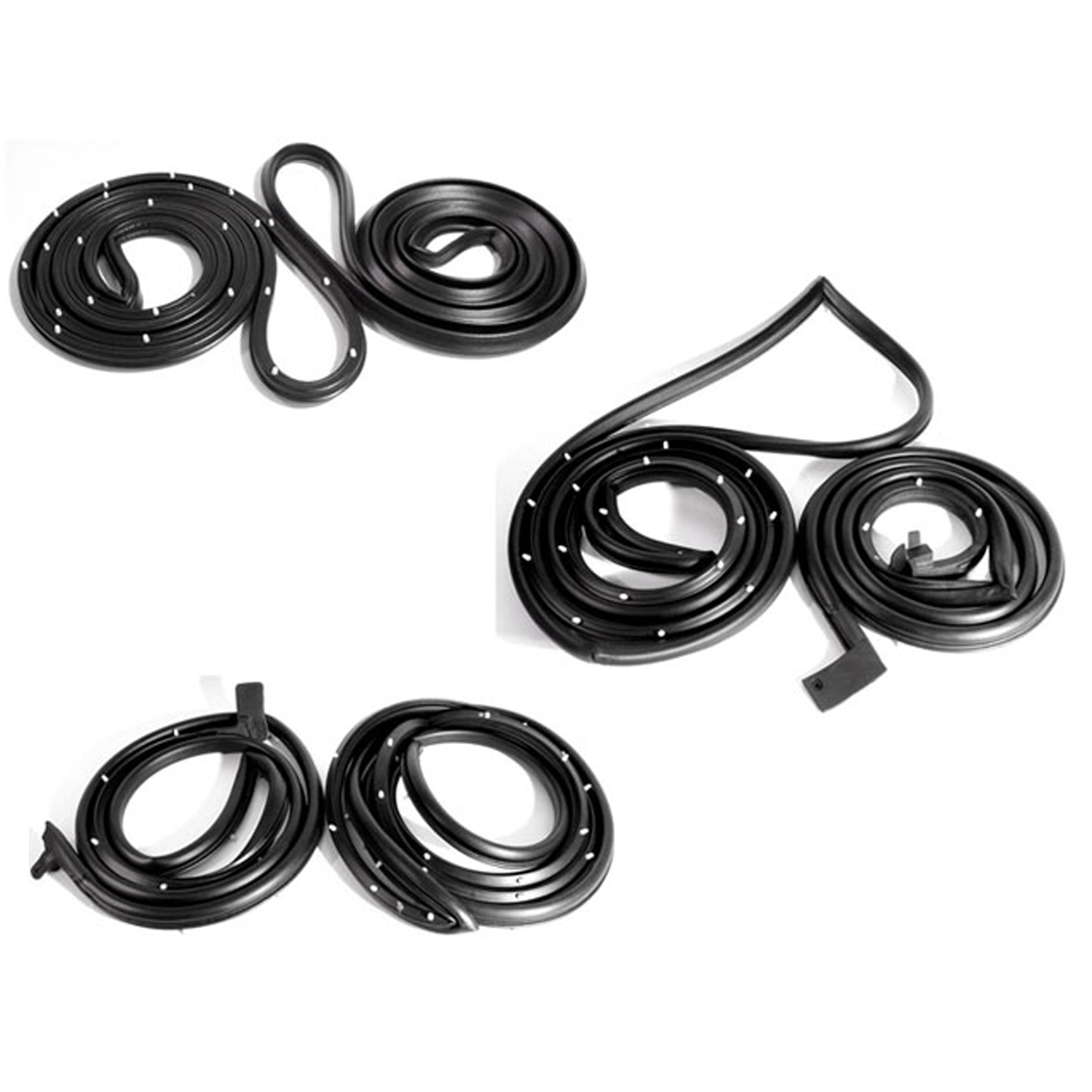 1978 GMC G15 Basic Kit, for Models with Side Cargo Doors-RKB 1300-101Basic Kit, for Models with Side Cargo Doors. Front Door (LM 13-V) Rear Door (LM 13-VR) Side Cargo (LM 13-VC), Seals.
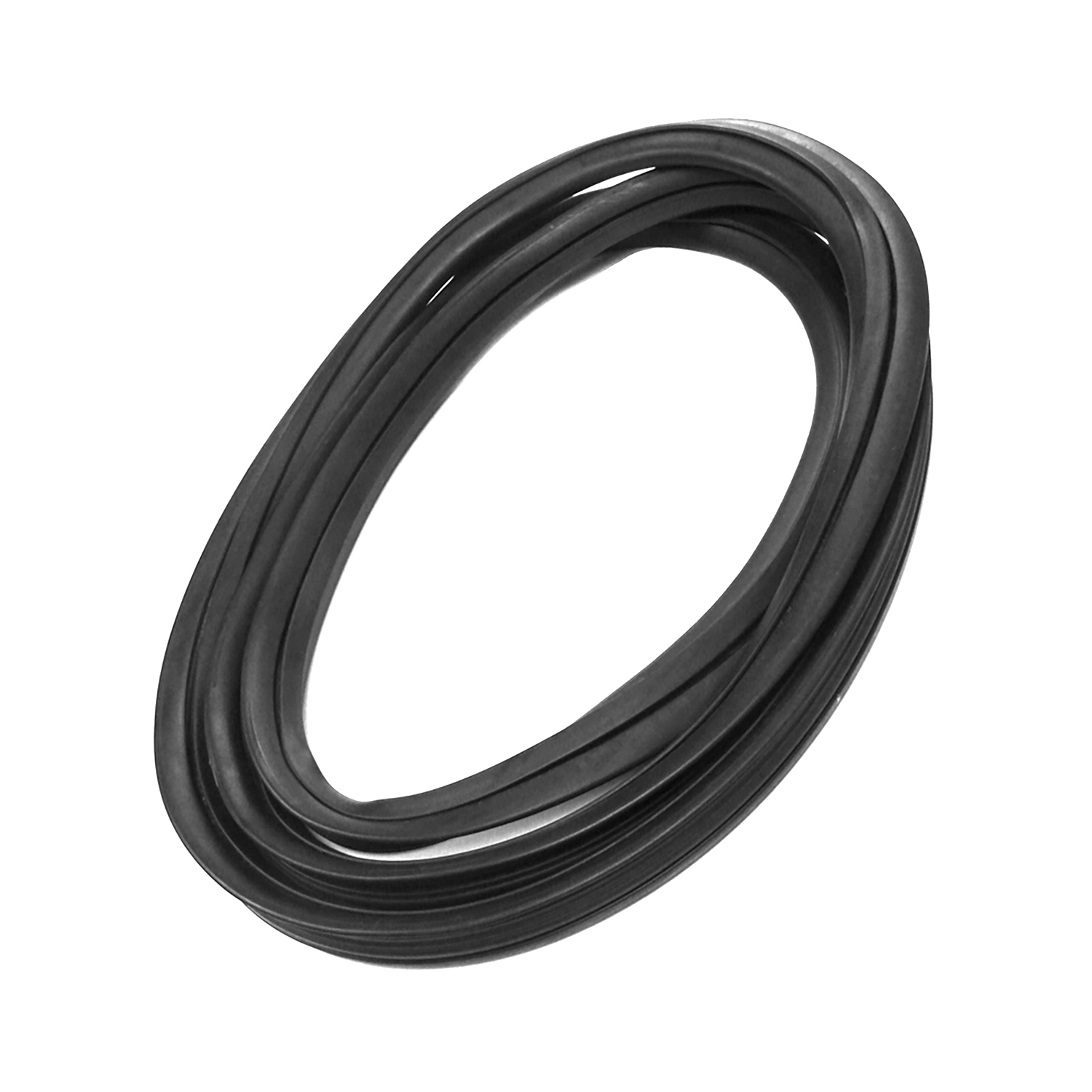 1978 GMC G15 Windshield Seal, 71-80 GM Full Size Van With Trim Groove, Each-VWS 7324-AWindshield Seal, 71-80 GM Full Size Van With Trim Groove, Each. Replaces OEM # 3991513. This seal allows you to re-use your chrome trim which presses into body clips. This product is made from the original specs and with high quality ozone resistant materials for a great fit and long life. This item is designed to be installed during glass replacement.
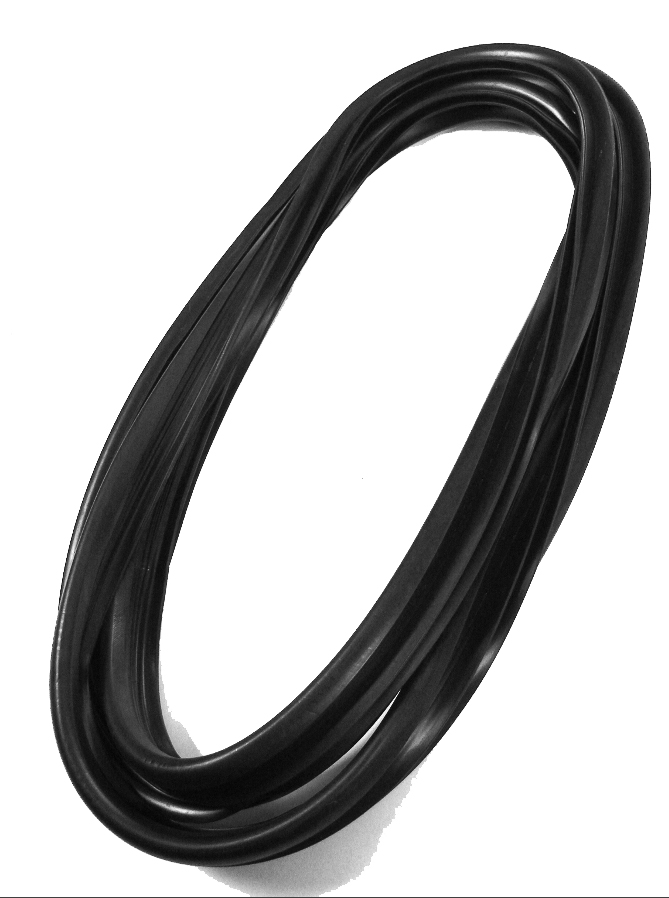 1978 GMC G15 Windshield Seal, 71-80 GM Full Size Van, Without Trim Groove, Each-VWS 7324-BWindshield Seal, 71-80 GM Full Size Van, Without Trim Groove. Replaces OEM # 3062392. This seal goes first on the body then the glass is placed in the opening. Tucking in the self locking strip secures the glass in place. It is a standard black gasket without the trim groove. This product is made from the original specs and with high quality ozone resistant materials for a great fit and long life. This item is designed to be installed during glass replacement.
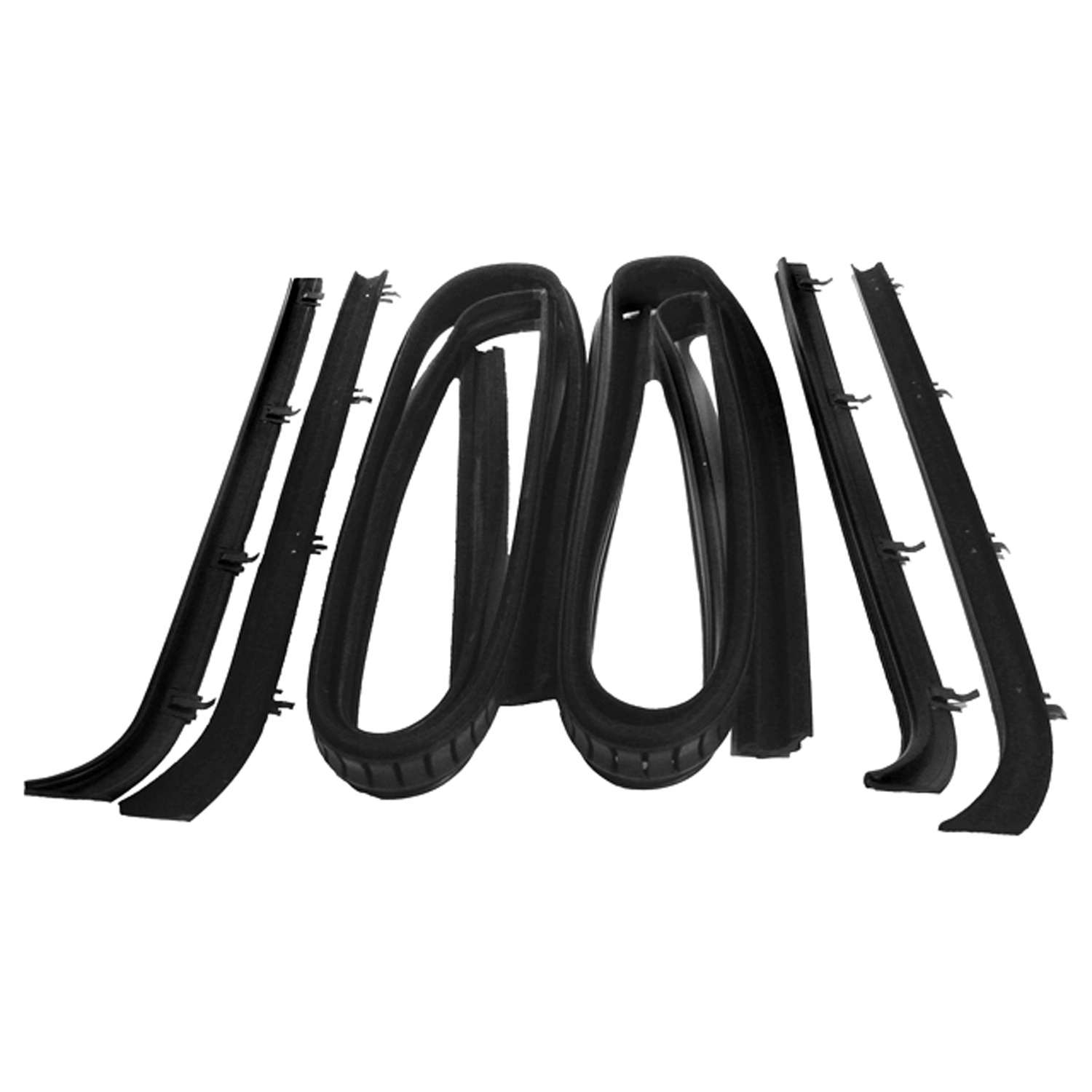 1978 GMC G15 Window Channel and Sweeper Kit. 6-Piece Kit-WC 5900-20Window Channel and Sweeper Kit. 6-Piece Kit
Why Choose Metro?
For over 100 years, Metro Moulded Parts has been the pinnacle of quality in classic car restoration parts. Our commitment to precision and authenticity in every component ensures a perfect fit and an OEM-level appearance.
- Expert Craftsmanship & Quality: Each part is a testament to our dedication to reliability and perfection, crafted from original designs and thoroughly tested.
- Advanced Technology: We use cutting-edge techniques to create flawless, long-lasting parts that surpass others in performance.
- SuperSoft Sponge – The Ultimate Door Seal: Not only are our door seals 30% softer than competitors', but they're also guaranteed to never leak. They effectively reduce wind and road noise, enhancing your classic car's comfort and driving experience.
- Proudly American: Our parts are a product of American craftsmanship, made in the USA with a spirit of excellence and heritage.
- Unrivaled Warranty: We back our products with a 30-year industry-leading warranty, a testament to our confidence in their quality.
Join us in preserving the legacy of classic cars with parts that are crafted for perfection, not just made.