
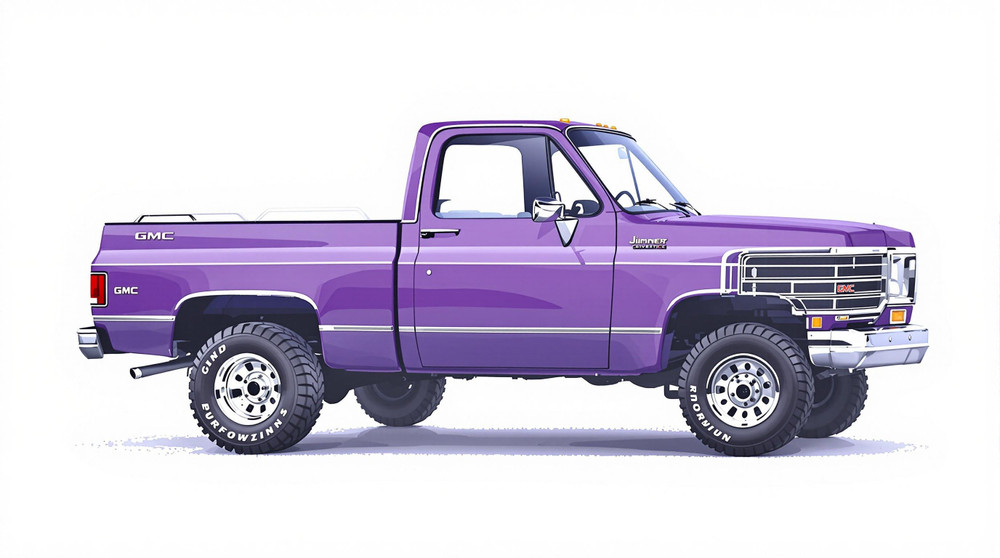
Image of 1978 Gmc Jimmy, Note: These illustrations use artistic license and may differ from actual historical models.
Performance Metrics
Fundamental Metrics
Emotional Appeal
MMP Rating
| Engine Specifications | |
|---|---|
| Engine: | 5.7L V8, 6.6L V8 |
| Displacement: | 350 - 400 cu in |
| Horsepower: | 145 - 180 hp |
| Torque: | 245 - 290 lb-ft |
| Compression Ratio: | 8.5:1 (approximately) |
| Ignition System: | Electronic Ignition |
| Cooling System: | Liquid cooled |
| Performance Specifications | |
| 0-60 Time: | 12 - 14 seconds |
| 1/4 Mile Time: | 18 - 20 seconds |
| Top Speed: | 100 mph |
| Transmission and Drive | |
| Drive Type: | Rear Wheel Drive (RWD), Four Wheel Drive (4WD) |
| Transmission Type: | 3-speed automatic, 4-speed manual |
| Fuel and Efficiency | |
| Fuel System Type: | Carburetor |
| MPG: | 10 - 12 mpg |
| Dimensions and Brakes | |
| Brakes: | Front Disc / Rear Drum |
| Wheelbase: | 104.7 inches |
| Weight: | 4,500 lbs |
Note: Specifications for classic cars are given to the best of our ability, considering the limited and variant data available.
1978 GMC Jimmy: The Square-Body 4x4 With an Open-Air Side
The 1978 GMC Jimmy could turn a family errand into a backroad adventure simply by taking off its rear roof. Built by General Motors’ GMC division, this full-size, two-door 4x4 combined truck-based toughness with the freedom of a removable fiberglass top, making it one of the most distinctive American sport-utility vehicles of its era.
The Jimmy shared its basic platform and much of its engineering with the Chevrolet K5 Blazer. The name had been introduced in 1969, and the second-generation design arrived for 1973 with a larger, more substantial body. By 1978, the Jimmy was part of the increasingly popular square-body generation of GM trucks. Its timing mattered: buyers wanted vehicles that could tow, travel rough roads, and carry the family, while the SUV market was still far smaller and more utilitarian than it is today.
One of the Jimmy’s defining features was its removable rear hardtop. With the top installed, it worked as an enclosed SUV. Remove it, and the vehicle became an open-air 4x4, while the roof over the front seats remained in place. That unusual arrangement gave the Jimmy a character few modern SUVs can match.
Square-Body Style and Practical Cabin
The 1978 Jimmy wore the clean, upright lines that made GM’s square-body trucks instantly recognizable. A broad hood led to a tall grille and round headlights, with squared-off fenders and a near-vertical windshield emphasizing its sturdy proportions. Compared with a passenger car, the Jimmy looked unapologetically rugged. Compared with many contemporary off-roaders, it offered a roomier body and a more comfortable road presence.
Its removable fiberglass top was more than a styling flourish. The rear section could be taken off for open-air driving, and its side windows helped the Jimmy feel like a conventional enclosed vehicle when the top was fitted. The body was a two-door SUV, rather than a pickup, although its truck chassis and rugged mechanicals gave it plenty of working-vehicle credibility. Depending on equipment and trim, buyers could choose a relatively plain model or a better-appointed Sierra or Sierra Grande version.
Inside, the Jimmy favored durability over luxury. Vinyl upholstery was a practical choice for muddy boots and outdoor use, while cloth seating and upgraded trim offered a more comfortable feel on better-equipped examples. The dashboard was broad and straightforward, with clear, easy-to-reach controls rather than elaborate instrumentation. The materials were workmanlike, and that was part of the appeal: this was a vehicle meant to be used.
Available equipment could include power steering, power brakes, air conditioning, upgraded audio, and convenience features such as cruise control, depending on the truck’s configuration. By modern standards, the technology was basic. There were no electronic driving aids or sophisticated off-road settings. The driver worked the steering wheel, pedals, transmission, and four-wheel-drive controls directly.
Paint choices varied by year and equipment, but period colors included familiar truck shades such as white, red, blue, green, tan, and silver, with two-tone treatments available on some configurations. Bright colors and contrasting lower-body accents suit the Jimmy particularly well today, though neutral-colored examples are common too. Exact colors and trim combinations should be checked against the vehicle’s original build information.
Why the Jimmy Mattered
The Jimmy helped establish the full-size SUV as a practical alternative to both the station wagon and the pickup. Its truck-derived construction delivered the strength and towing ability buyers expected from a 4x4, while the enclosed passenger compartment made it useful for family travel. The removable top added a recreational angle that ordinary wagons could not provide.
Its competition included vehicles such as the Ford Bronco and International Scout. The Jimmy stood out for its substantial size, familiar GM truck components, and broad range of equipment. It could serve as a work vehicle during the week and a camping or beach vehicle on the weekend. That blend of utility and recreation became a defining formula for later SUVs.
The 1978 model also captures a particular moment in American automotive history. It came from the era of rising fuel costs and tightening emissions rules, when manufacturers were adapting powerful truck engines to new regulations. The Jimmy was not designed to be economical by modern standards, but it offered something many smaller vehicles could not: genuine 4x4 capability, a roomy cabin, and the option to take the roof off.
V8 Character and Four-Wheel-Drive Capability
Engine availability depended on configuration and market, but the 1978 Jimmy could be ordered with a range of gasoline engines, including inline-six and V8 choices. The 350-cubic-inch V8 is a particularly familiar setup, while some trucks were equipped with other small- or big-block V8 options. Exact output varied with engine, emissions equipment, and drivetrain, so the original engine code is important when assessing an individual vehicle.
With a V8, the Jimmy delivered the kind of low-speed torque that suited a heavy 4x4. It was built for pulling away confidently, towing, and working across rough ground, not for sports-car acceleration. A healthy V8 example may reach 60 mph in roughly 12 to 15 seconds, depending on gearing, transmission, tire size, engine condition, and vehicle weight. That is an estimate rather than a guaranteed factory figure. Top speed is also configuration-dependent, but roughly 90 to 100 mph is a reasonable estimate for a stock truck in sound mechanical condition. Sustained high-speed driving is not where this tall, heavy 4x4 feels most at home.
On pavement, the Jimmy feels like a truck: substantial, upright, and less precise than a modern SUV. Its solid-axle, body-on-frame construction is durable, but it can transmit bumps and road imperfections into the cabin. On winding roads, the tall body and soft suspension encourage a measured pace. Strong crosswinds and quick steering inputs can make the vehicle feel unsettled, especially on worn suspension or oversized tires.
Off pavement, those same truck-based qualities become advantages. With suitable tires and a properly functioning transfer case, the Jimmy can handle dirt roads, snow, and moderate trails with confidence. It is still wise to inspect the four-wheel-drive system carefully before tackling difficult terrain, especially on a decades-old example.
Behind the wheel, the experience is mechanical and direct. The V8 produces a deep, familiar truck rumble, while wind and road noise become more noticeable with the rear top removed. The steering is not as quick or precise as modern rack-and-pinion systems, and the brakes and controls feel more substantial than refined. That is part of the charm: the Jimmy asks the driver to participate rather than hiding its truck character behind layers of electronics.
Living With a Classic Jimmy
Today, a 1978 Jimmy can be a weekend cruiser, a trail vehicle, a camping rig, or a show-quality restoration. Some owners use them regularly, but a clean, original example is increasingly likely to be preserved or driven seasonally. Its removable top makes it especially appealing for warm-weather use, although removing and storing the large fiberglass section takes planning and care.
Many mechanical parts are shared with other GM trucks of the period, which helps with repairs and replacement parts. A capable home mechanic can handle routine service and many common jobs, and the basic engine and chassis layout is comparatively straightforward. However, age changes the equation. Rust repair, electrical faults, worn suspension components, and neglected four-wheel-drive hardware can demand more time and money than a simple mechanical tune-up.
Before buying, check the frame, body mounts, floor pans, rocker areas, wheel openings, and the structure around the windshield. Inspect the fiberglass top for cracks, poor repairs, and leaks. Test the transfer case and axles, and look for evidence of mismatched tires or improvised modifications. A vehicle that appears clean on the outside can still hide corrosion underneath.
Jimmy Trivia and Common Complaints
The GMC Jimmy was the corporate cousin of the Chevrolet K5 Blazer, but it was sold under GMC’s truck-focused identity and could have its own trim and equipment combinations. The removable rear top remains its most memorable feature and gives it an open-air personality that distinguishes it from many later SUVs.
There is no widely accepted, easily verifiable production total for the 1978 GMC Jimmy alone. GM production records are often grouped in ways that do not provide a dependable model-year count for this exact model and configuration. A cautious estimate would place 1978 Jimmy production in the several-thousand to low-tens-of-thousands range, but that should be treated as an informed estimate, not an audited figure.
The Jimmy did not set a major speed or endurance record, and its significance is better measured by its influence on the SUV market. It helped make the idea of a comfortable, full-size 4x4 with recreational appeal increasingly familiar to American buyers. Specific celebrity ownership stories should be treated skeptically unless supported by documentation; the model’s broader pop-culture presence comes from its place in the classic American truck landscape.
Common criticisms are familiar to anyone who has driven an old full-size 4x4: fuel consumption is high, handling is truck-like, and the ride can be firm or bouncy. The removable top can also leak if seals are worn or the fiberglass has been damaged. These drawbacks are real, but they are balanced by simple mechanicals, a distinctive look, and genuine utility.
1978 GMC Jimmy Values and Collectibility
Values depend heavily on rust, originality, engine and drivetrain condition, trim, and the quality of any restoration. As a broad U.S. market guide, a project Jimmy may sell for around $5,000 to $12,000. A usable driver in fair-to-good condition may fall near $15,000 to $30,000, while a very clean or well-restored example can bring approximately $35,000 to $60,000 or more. Exceptional restorations, highly desirable configurations, and documented originality can push prices higher, while severe rust or incomplete repairs can reduce them sharply.
The Jimmy is less common on the market than many mass-produced modern SUVs, but it is not so rare that buyers should expect a one-of-a-kind collector premium for every example. Rust-free trucks and original removable tops are increasingly desirable. Values have generally benefited from the growing popularity of vintage 4x4s, though individual prices still depend far more on condition than on model year alone.
For collectors, an unmodified, well-documented truck is often the safest bet. Modified examples can be excellent drivers, but major changes to the engine, suspension, or body may not appeal to buyers seeking originality. Before paying a premium, verify the VIN, engine, trim, and drivetrain details as carefully as possible.
A Classic 4x4 With Its Own Kind of Freedom
The 1978 GMC Jimmy brought together truck strength, everyday usefulness, and a removable-top design that made it feel ready for more than ordinary commuting. It was not fast, quiet, or especially fuel-efficient, but it offered a distinctive mix of V8 character, practical four-wheel drive, and open-air fun.
More than a vintage SUV, the Jimmy is a snapshot of the moment when the American 4x4 began to move from worksite and trailhead into family life. Take off the rear top, hear the V8 settle into its rumble, and the reason these square-body trucks still draw a crowd becomes clear.
1978 Gmc Jimmy Catalog of Parts
 1978 GMC Jimmy Clutch and Brake Pedal Pads. 2-3/8" wide X 3" long. Pair-CB 63Clutch and Brake Pedal Pads. 2-3/8" wide X 3" long. Pair
 1978 GMC Jimmy Outer Header Seal, 76-91 Chevy Blazer and GMC Jimmy, Each-HD 600-COuter Header Seal, 76-91 Chevy Blazer and GMC Jimmy, Each. Replaces OEM # 15590455. Mounts on the front of the removable cab shell with weatherstrip adhesive (not included) and presses against the cab weatherstrip. This seal is for the double wall models only. Made from high quality ozone resistant EPDM rubber from the original specs for a great fit and long life.
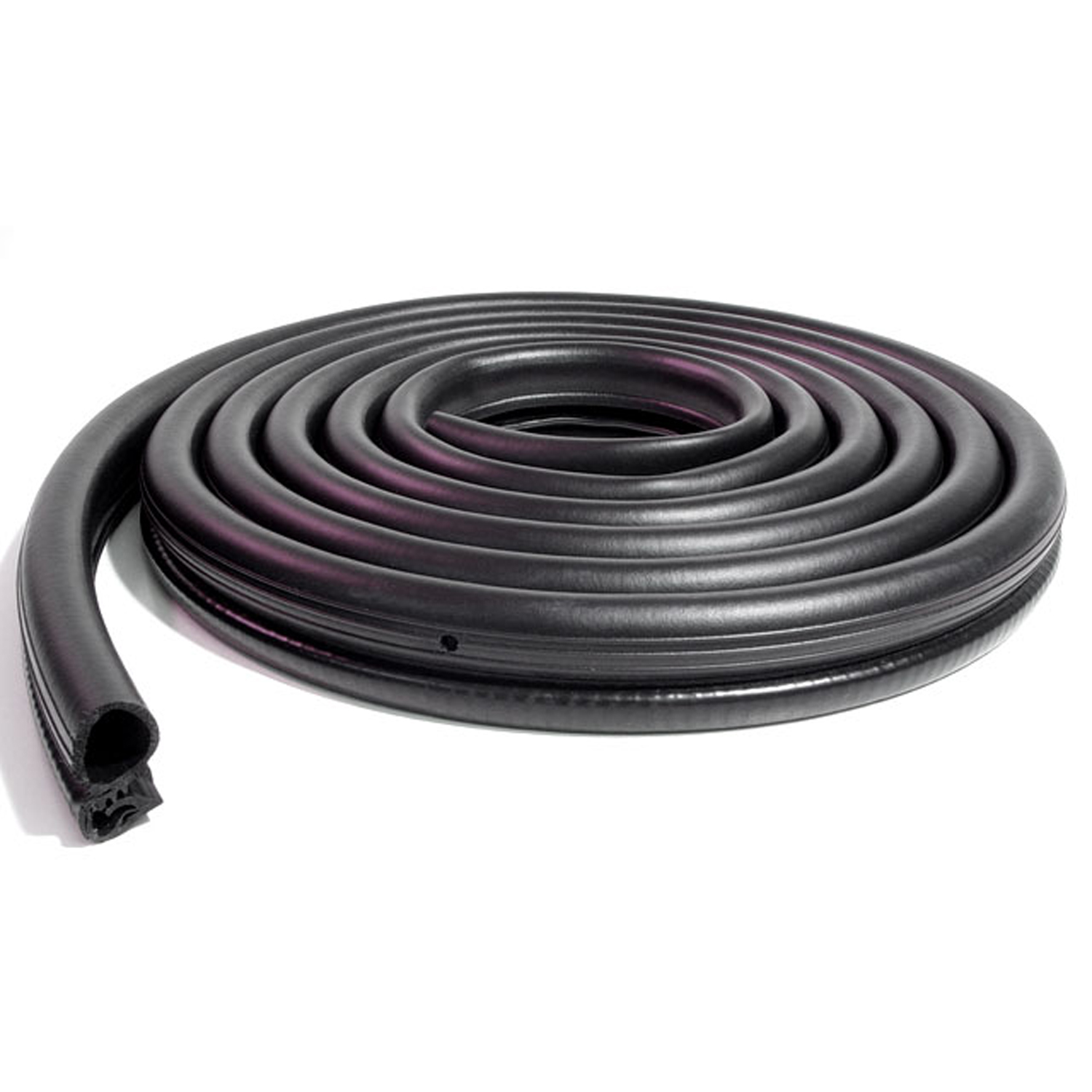 1978 GMC Jimmy Front Door Seal (Imported). Fits either side. 148" Long-IS-LM 121Front Door Seal (Imported). Fits either side. 148" Long. Each
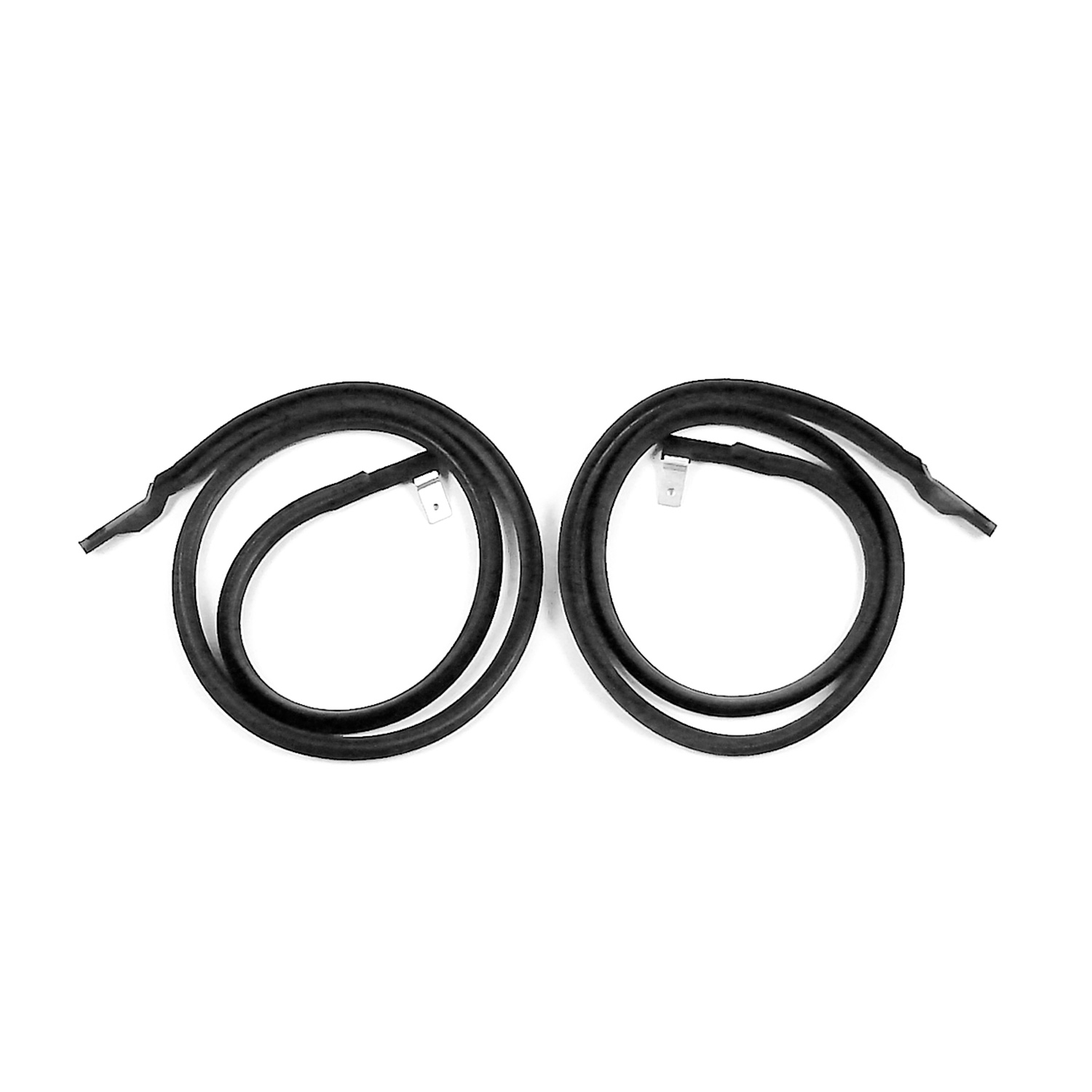 1978 GMC Jimmy Upper Door Seal, 78-82 GM Full Size Truck and SUV, Fits Right Side Only, Each-LM 121-JUpper Door Seal, 78-82 GM Full Size Truck and SUV, Fits Right Side Only, Each. Replaces OEM # 14016512. This seal mounts on the upper part of the passenger (right) door with weatherstrip adhesive glue (not included). This product is made from the original specs and with high quality ozone resistant EPDM rubber for a great fit and long life.
 1978 GMC Jimmy Upper Door Seal, 78-82 GM Full Size Truck and SUV, Fits Left Side Only, Each-LM 121-KUpper Door Seal, 78-82 GM Full Size Truck and SUV, Fits Left Side Only, Each. Replaces OEM # 14016511. This seal mounts on the upper part of the driver (left) door with weatherstrip adhesive glue (not included). This product is made from the original specs and with high quality ozone resistant EPDM rubber for a great fit and long life.
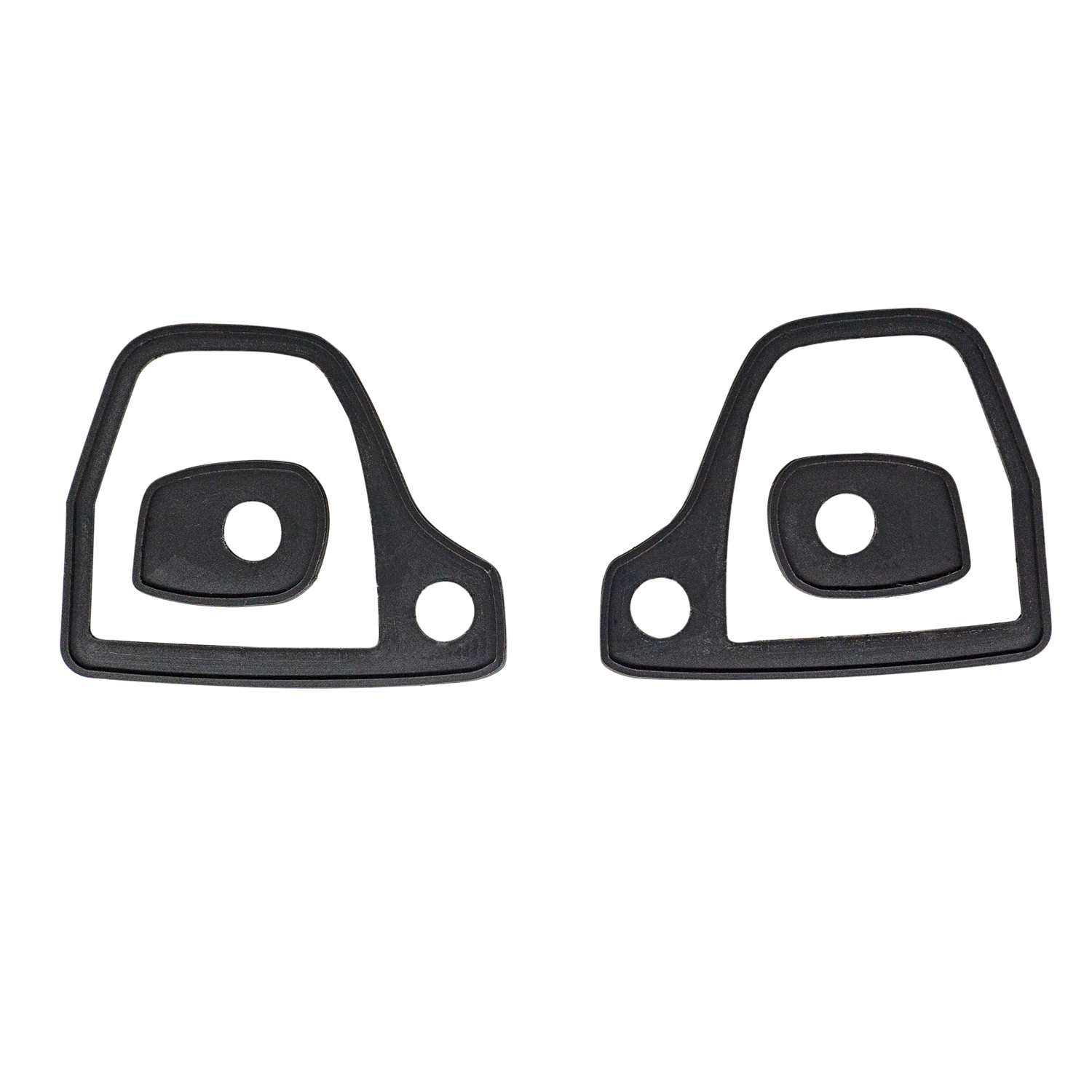 1978 GMC Jimmy Door Handle Gasket Set Fits 73-87 Chevy and GMC Trucks OEM-Style Molded Lip-MP 806Each component is built by factory measurements and specifications for a direct-fit replacement and simple installation, focusing on restored authenticity. The top-tier USA Made construction and materials ensure durability and longevity for a long-lived replacement that will far outlast your factory stock models.
 1978 GMC Jimmy Rear gate seal. Fits '73-'91 Chevy Blazer, GMC Jimmy-TG 10-ARear gate seal. Fits '73-'91 Chevy Blazer, GMC Jimmy. Replaces OEM# 326934. Each.
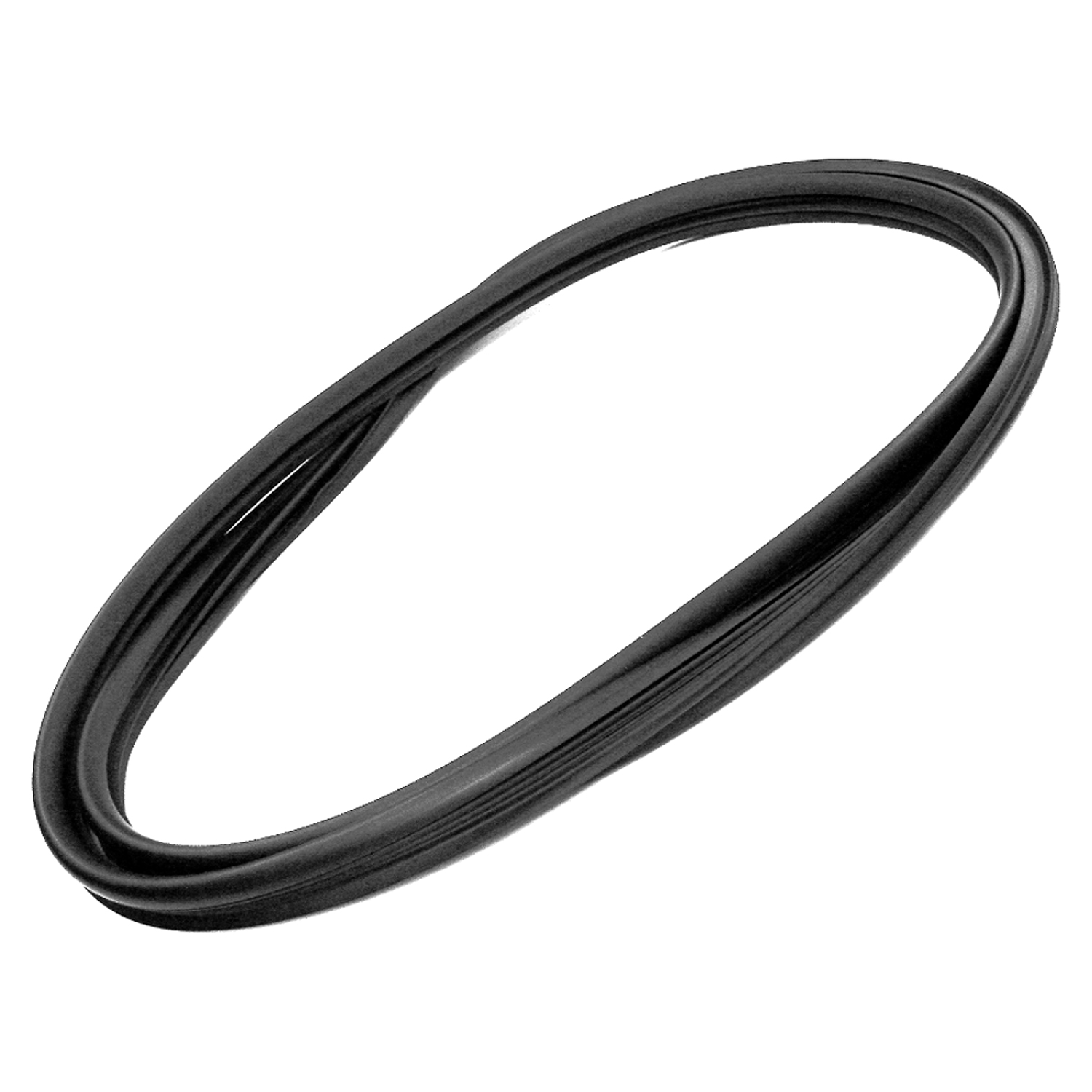 1978 GMC Jimmy Windshield Seal, 73-87 GM Full Size Truck, 73-91 GM SUV, Without Trim Groove-VWS 7313-DThis windshield seal goes on the body first then the glass is placed in the opening. Tucking in the self locking strip secures the glass in place. It is a standard black gasket without trim groove. This product is made from the original specs and with high quality ozone resistant materials for a great fit and long life. This item is designed to be installed during glass replacement.
 1978 GMC Jimmy Window Channel and Sweeper Kit, for Front Doors-WC 5900-15Window Channel and Sweeper Kit, for Front Doors. 6-Piece Kit
 1978 GMC Jimmy Glass Run Channel, 69-72 Chevy Blazer, 70-72 GMC Jimmy, Pair-WC 5900-22This seal simply presses into the inside rear of the door near the lock. Fits either driver or passenger side. This product is made from the original specs and with high quality materials for a great fit and long life.
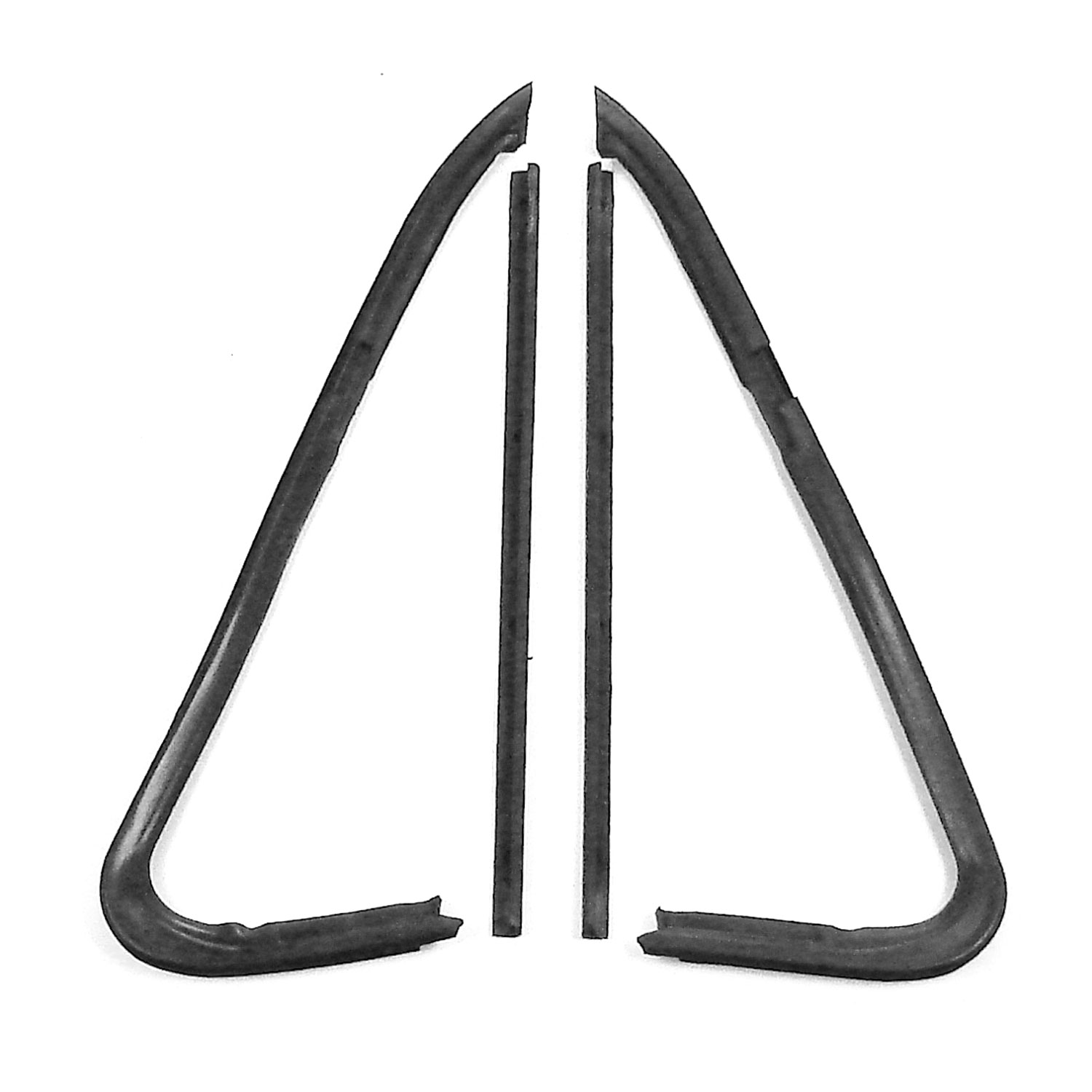 1978 GMC Jimmy Vent Window Seal,73-80 GM Truck and SUV, Set of Four-WR 2005-BThis 4 piece set replaces both the main driver and passenger door vent window seals and the rear division channel seals as well. Made from high quality ozone resistant EPDM rubber from the original specs for a great fit and long life.
Why Choose Metro?
For over 100 years, Metro Moulded Parts has been the pinnacle of quality in classic car restoration parts. Our commitment to precision and authenticity in every component ensures a perfect fit and an OEM-level appearance.
- Expert Craftsmanship & Quality: Each part is a testament to our dedication to reliability and perfection, crafted from original designs and thoroughly tested.
- Advanced Technology: We use cutting-edge techniques to create flawless, long-lasting parts that surpass others in performance.
- SuperSoft Sponge – The Ultimate Door Seal: Not only are our door seals 30% softer than competitors', but they're also guaranteed to never leak. They effectively reduce wind and road noise, enhancing your classic car's comfort and driving experience.
- Proudly American: Our parts are a product of American craftsmanship, made in the USA with a spirit of excellence and heritage.
- Unrivaled Warranty: We back our products with a 30-year industry-leading warranty, a testament to our confidence in their quality.
Join us in preserving the legacy of classic cars with parts that are crafted for perfection, not just made.