
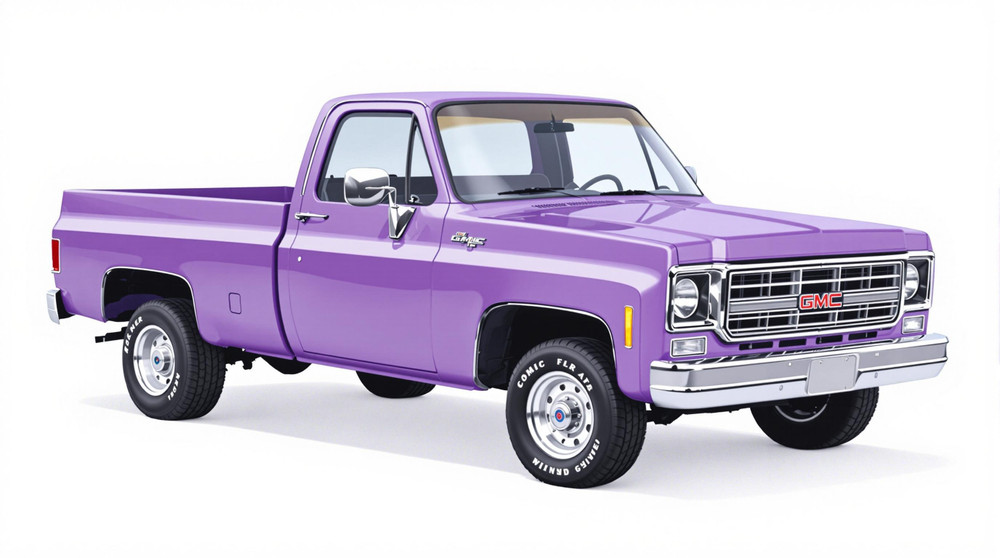
Image of 1978 Gmc K15, Note: These illustrations use artistic license and may differ from actual historical models.
Performance Metrics
Fundamental Metrics
Emotional Appeal
MMP Rating
| Engine Specifications | |
|---|---|
| Engine: | 4.1 L 250 cu in I6, 4.8 L 292 cu in I6, 5.0 L 305 cu in V8, 5.7 L 350 cu in V8, 6.6 L 400 cu in V8, 7.4 L 454 cu in V8 |
| Displacement: | 250-454 cu in |
| Horsepower: | 95-230 hp |
| Torque: | 170-360 lb-ft |
| Compression Ratio: | 8.0:1 - 8.5:1 |
| Ignition System: | Conventional breaker point ignition system |
| Cooling System: | Liquid cooled |
| Performance Specifications | |
| 0-60 Time: | Estimated 10-15 seconds |
| 1/4 Mile Time: | Estimated 16-20 seconds |
| Top Speed: | 85-100 mph |
| Transmission and Drive | |
| Drive Type: | Rear wheel drive (RWD) or Four wheel drive (4WD) |
| Transmission Type: | 3-speed automatic, 4-speed manual |
| Fuel and Efficiency | |
| Fuel System Type: | Carburetor |
| MPG: | 10-15 mpg |
| Dimensions and Brakes | |
| Brakes: | Front disc, rear drum |
| Wheelbase: | 117.5 inches |
| Weight: | 4,500-5,000 lbs |
Note: Specifications for classic cars are given to the best of our ability, considering the limited and variant data available.
1978 GMC K15: The Squarebody 4x4 That Earned Its Keep
The 1978 GMC K15 is a pickup with one foot in the worksite and the other on the trail: a sturdy, four-wheel-drive half-ton from the era of straight-edged bodywork, big V8s, and trucks built to be repaired rather than replaced. GMC, General Motors’ truck-focused brand, offered the K15 as part of its third-generation C/K lineup, known to enthusiasts as the “Squarebody.” Its combination of useful payload, rugged mechanicals, and unmistakable shape has made it one of the most recognizable classic American pickups.
The K15 name describes the truck’s basic configuration: “K” indicates four-wheel drive, while “15” identifies the half-ton class. GMC shared much of the K15’s engineering and body structure with Chevrolet’s K10, but gave it GMC-specific trim and badging. The 1978 model sits in the middle of the long-running 1973–1987 Squarebody generation, a period when pickups were becoming more comfortable without giving up their practical, truck-first character.
One intriguing detail is that four-wheel drive did not always mean a part-time system that drivers engaged only when needed. Many K15s were equipped with a full-time four-wheel-drive transfer case, giving the truck constant drive to both axles. That arrangement suited changing road conditions, though it also made transfer-case condition and correct tire matching important ownership considerations.
Squarebody Styling and GMC Trim
The K15 wears the Squarebody’s clean, purposeful lines: a broad hood, upright windshield, flat-sided cab, and slab-sided fenders that make the truck look almost architectural. A wide grille and large rectangular headlamps give the front end a confident, work-ready face. Chrome bumpers, bright grille details, and trim level could add polish, while the overall design remained refreshingly free of unnecessary curves and ornament.
GMC offered the K15 with a regular cab and either a shorter or longer cargo box, depending on configuration. Buyers could choose a Fleetside bed with smooth outer sides or a Stepside bed with separate rear fenders and a narrow running-board-like step beside the box. The Fleetside was the more practical, widely recognized choice, while the Stepside had a more traditional, custom-truck look. Four-wheel-drive versions sat higher than two-wheel-drive models, with the stance changing further according to tires, suspension, and factory options.
Trim levels ranged from straightforward work-truck equipment to more dressed-up Sierra Grande and Sierra Classic models. Depending on trim and options, the cabin could include upgraded seat upholstery, carpeting, bright trim, and additional convenience features. Factory paint choices varied by color chart and trim combination. White, red, blue, green, silver, and earth-tone shades all fit the period; two-tone paint and contrasting lower-body colors are especially popular with collectors today.
A Practical Cabin for Its Era
Inside, the K15 is functional and spacious by 1970s truck standards. The dashboard is broad and straightforward, with clear analog gauges and large, easy-to-use controls. The seating and trim materials were designed for durability rather than luxury, though higher trims could feel considerably more finished than a basic work truck. Vinyl was a sensible choice for muddy boots and jobsite use, while cloth or patterned upholstery brought a more comfortable, period-correct feel.
Available conveniences could include air conditioning, power steering, power brakes, an automatic transmission, upgraded audio, and cruise control, depending on the truck’s original specification. These features made the K15 more pleasant for long drives, but even a well-equipped example lacks modern comforts such as airbags, anti-lock brakes, and contemporary climate and infotainment systems.
For its time, the K15’s most important technology was less about electronics and more about its drivetrain choices. Buyers could select among engines and transmissions, while the four-wheel-drive system made the truck useful on snow, mud, rough access roads, and other surfaces that could stop a conventional pickup. Emissions equipment, including systems such as exhaust-gas recirculation and a catalytic converter where required, reflected the increasingly strict regulations of the period.
Why the Squarebody Mattered
The Squarebody helped redefine what an American pickup could be. It retained the rugged frame, solid axles, and useful cargo bed expected of a working truck, but offered improved comfort, more trim variety, and a design that felt cohesive rather than purely utilitarian. GMC’s K15 represented a bridge between the bare-bones work trucks of earlier decades and the increasingly polished pickups that followed.
Its influence is still visible in today’s truck market. Modern pickups are far more refined, but the idea of offering a vehicle that can work during the week and serve as personal transportation on the weekend was already well established in the Squarebody era. The K15 also remains a favorite platform for restorations and modifications because its mechanical layout is familiar, parts support is strong, and its styling is instantly recognizable.
Compared with many contemporaries, the K15’s appeal lies in its balance. It was not as compact as a small pickup or as imposing as a heavy-duty truck. It offered a useful middle ground: half-ton capacity, four-wheel-drive traction, and a size that could still be used on ordinary roads and driveways.
Engines, Speed, and Four-Wheel-Drive Feel
Engine availability varied with configuration and ordering, but 1978 GMC half-ton trucks could be found with inline-six and small-block V8 power. Common V8 choices included 305- and 350-cubic-inch engines, with the 350 being a particularly desirable and familiar option. Exact output depends on engine, emissions equipment, transmission, and market. Period engines were tuned for usable low-speed torque and everyday hauling rather than modern horsepower figures or high-revving performance.
With a 350 V8, an automatic transmission, and typical factory gearing, a healthy K15 might reach roughly 90 to 100 mph under favorable conditions. A representative 0-to-60-mph time is around 12 to 16 seconds. These are practical estimates, not a single guaranteed factory figure: axle ratio, tire size, vehicle weight, engine condition, and transmission choice can change the result substantially. A six-cylinder truck or one geared for hauling will generally feel slower.
On the road, the K15 feels substantial. Its steering is slower and less precise than that of a modern pickup, and its tall body can lean noticeably in corners. The solid front axle and truck-oriented suspension handle rough surfaces confidently, but sharp bumps can send a firm jolt through the cab, particularly when the truck is unloaded. On a winding road, it rewards smooth inputs rather than quick direction changes. In crosswinds, its height and broad body are noticeable.
The engine provides a familiar low-pitched V8 rumble, accompanied by the mechanical sounds of a traditional truck drivetrain. Acceleration is steady rather than urgent, and the driver sits upright with a clear view over the hood. In a full-time four-wheel-drive example, traction feels reassuring on slippery pavement, but the system is not a license to ignore road conditions. Tires, brakes, suspension, and transfer-case health matter as much as the badge on the fender.
Living With a 1978 GMC K15
Today, K15s serve as weekend cruisers, work trucks, trail rigs, restoration projects, and show vehicles. A clean, original example can make a charming classic daily driver for someone who accepts its fuel consumption, older safety equipment, and less refined road manners. Modified trucks are common too, with owners fitting lift kits, larger tires, modern wheels, or updated engines. Originality generally matters most to collectors, while practical upgrades can make a truck easier to use regularly.
Maintenance is one of the K15’s strengths. Its conventional mechanical layout is familiar to many independent shops, and routine service is within reach for a mechanically capable owner. Replacement and restoration parts are widely available, although original trim pieces, correct interior details, and rust-free body panels can take more time and money to source. Before buying, inspect the cab corners, rocker panels, floor, wheel arches, bed, frame, and areas around the windshield for corrosion or previous repairs.
Reliability depends heavily on condition and upkeep. A well-maintained small-block can provide long service, but age brings predictable needs: worn suspension and steering parts, tired seals, cooling-system problems, electrical faults, and carburetor or fuel-system issues. Four-wheel-drive buyers should also check for transfer-case leaks, unusual noises, and evidence that the system operates correctly. On a full-time four-wheel-drive truck, mismatched tire sizes or significantly different tread depths can create extra strain.
Fuel economy is a common criticism. A heavy, boxy four-wheel-drive pickup with a carbureted engine is not an efficient modern commuter, and actual mileage varies widely with gearing, engine condition, tires, and driving style. Owners also note the dated braking and handling compared with newer trucks. Those drawbacks are part of the honest ownership picture, not reasons the K15 has lost its appeal.
Squarebody Trivia and Common Misconceptions
“Squarebody” is an enthusiast nickname for the 1973–1987 GM truck generation, not the official model name. The body is not literally square, of course, but its crisp, flat panels made the label stick. Another point of confusion is the K15 designation itself: it identifies a GMC four-wheel-drive half-ton, while Chevrolet’s closely related counterpart was called the K10.
There is no widely recognized 1978 K15 production record for speed, endurance, or a major motorsport achievement. Nor is there a single famous celebrity-owned K15 that defines the model’s history. Its reputation was built through everyday use on farms, construction sites, rural roads, and family adventures rather than one headline-grabbing event. The broader Squarebody family has appeared frequently in film, television, and custom-truck culture, helping keep its visual identity familiar to new generations.
Common complaints include thirsty engines, a firm ride when unloaded, aging electrical systems, and the possibility of serious rust. Some owners also criticize the steering for feeling vague by modern standards. On the positive side, the truck’s simple construction, strong parts availability, and broad community of enthusiasts make many problems manageable compared with those of more complex classic vehicles.
1978 GMC K15 Values and Availability
Exact production numbers for the 1978 GMC K15 are not consistently published as a separate, easy-to-verify total. GMC production figures are often grouped across broader truck categories, making a precise K15 count difficult to establish. As a cautious estimate, the model was likely built in the tens of thousands, perhaps roughly 25,000 to 45,000 examples for the U.S. market. That is an informed estimate, not a confirmed factory figure, and surviving trucks are much fewer because many spent decades in hard service.
As a broad 2026 market guide in the United States, a rough project may sell for about $3,000 to $10,000, while a usable driver often falls around $10,000 to $25,000. Clean, well-presented trucks can bring roughly $25,000 to $45,000, and high-quality restorations or especially desirable original examples may reach $45,000 to $75,000 or more. These are broad ranges, not appraisals. Rust, documentation, originality, engine and drivetrain specification, restoration quality, and regional demand can move a price substantially.
Squarebody trucks have generally gained collector attention over the past decade, and the K15 benefits from the popularity of classic four-wheel-drive pickups. Values remain condition-sensitive, however. A shiny paint job cannot compensate for hidden frame or cab rust, and a modified truck may appeal strongly to one buyer while being less attractive to someone seeking originality. The best examples are becoming harder to find, but the model is not so scarce that buyers need to rush into a poor one.
Why the K15 Still Connects
The 1978 GMC K15 combines the Squarebody’s enduring design with a practical four-wheel-drive layout, straightforward mechanicals, and enough comfort to make it more than a bare work truck. It is not quick, economical, or as composed as a modern pickup, but those shortcomings are balanced by character, capability, and an unusually approachable ownership experience for a classic vehicle.
For collectors, the K15 is a rewarding way into the Squarebody world. For drivers, it remains a handsome and useful old truck with a clear sense of purpose. Its appeal is simple: a solid body, a rumbling engine, four driven wheels, and the feeling that it was built to go out and do something.
1978 Gmc K15 Catalog of Parts
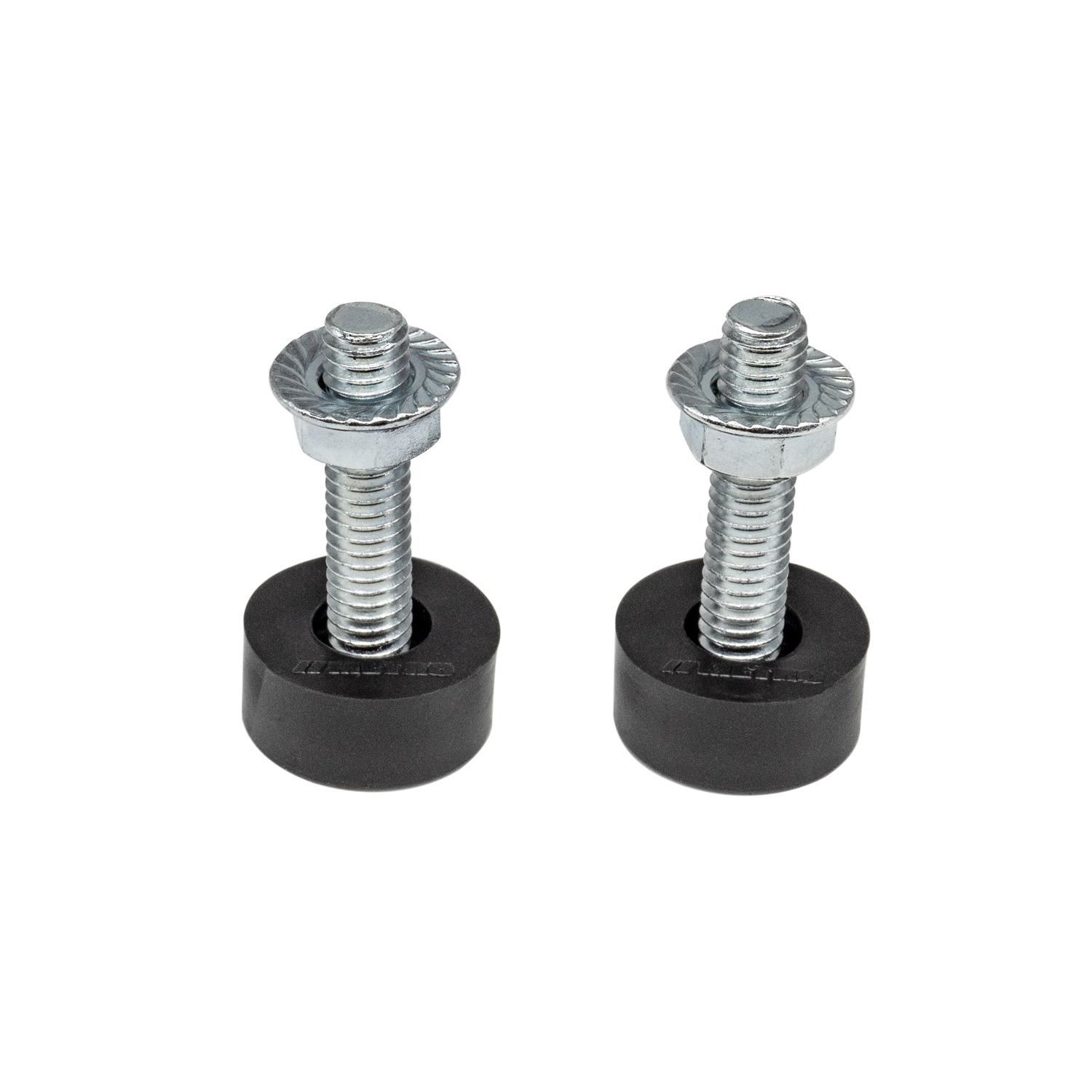 1978 GMC K15 Hood Adjustment Bolt,Nut and Bumper Pair-HA 5-BHood Adjustment Bolt, Nut and Bumper 5/16-18 x 1 1/2 Bolt, 5/16-18 Nut and Bumper 7/8 x 7/16.
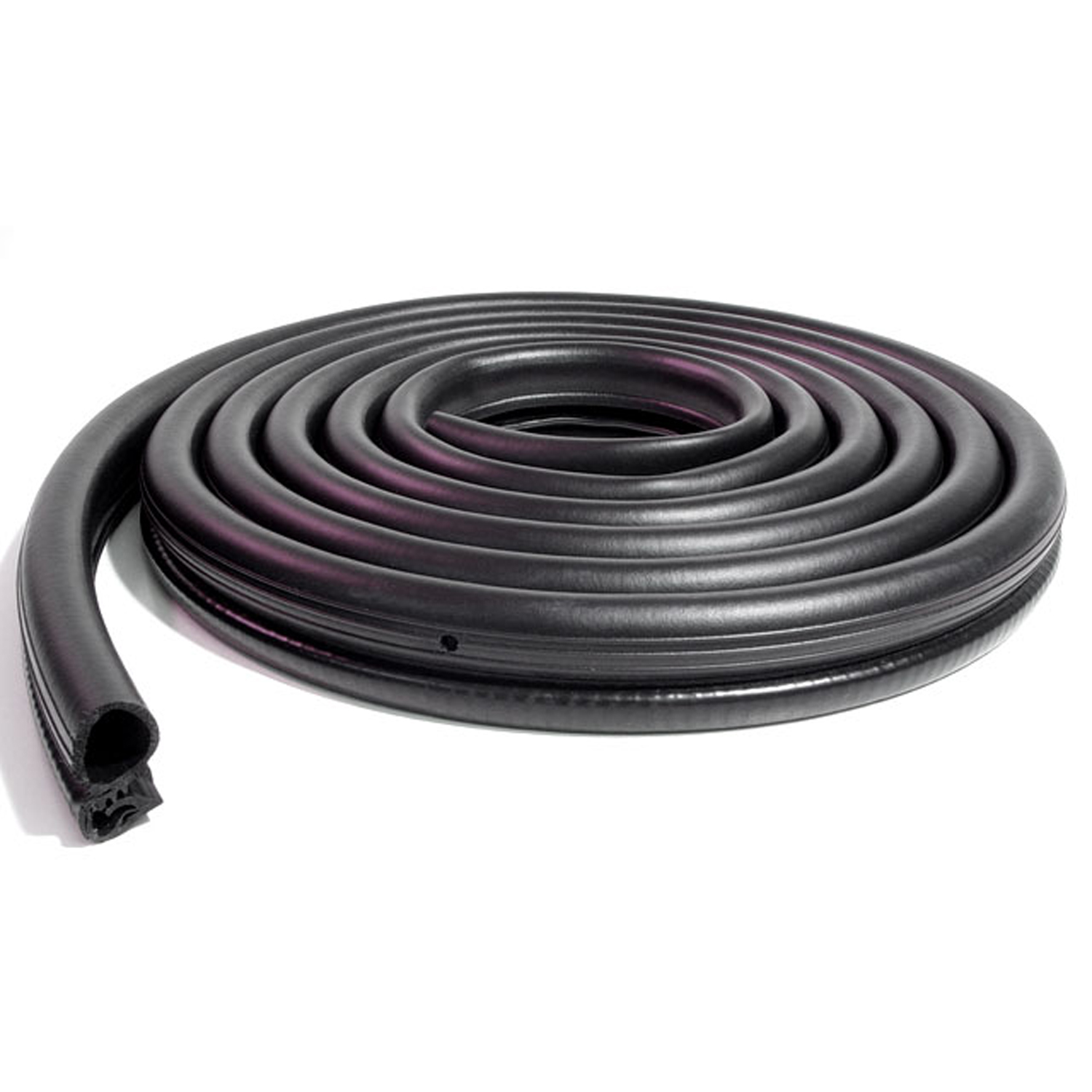 1978 GMC K15 Front Door Seal (Imported). Fits either side. 148" Long-IS-LM 121Front Door Seal (Imported). Fits either side. 148" Long. Each
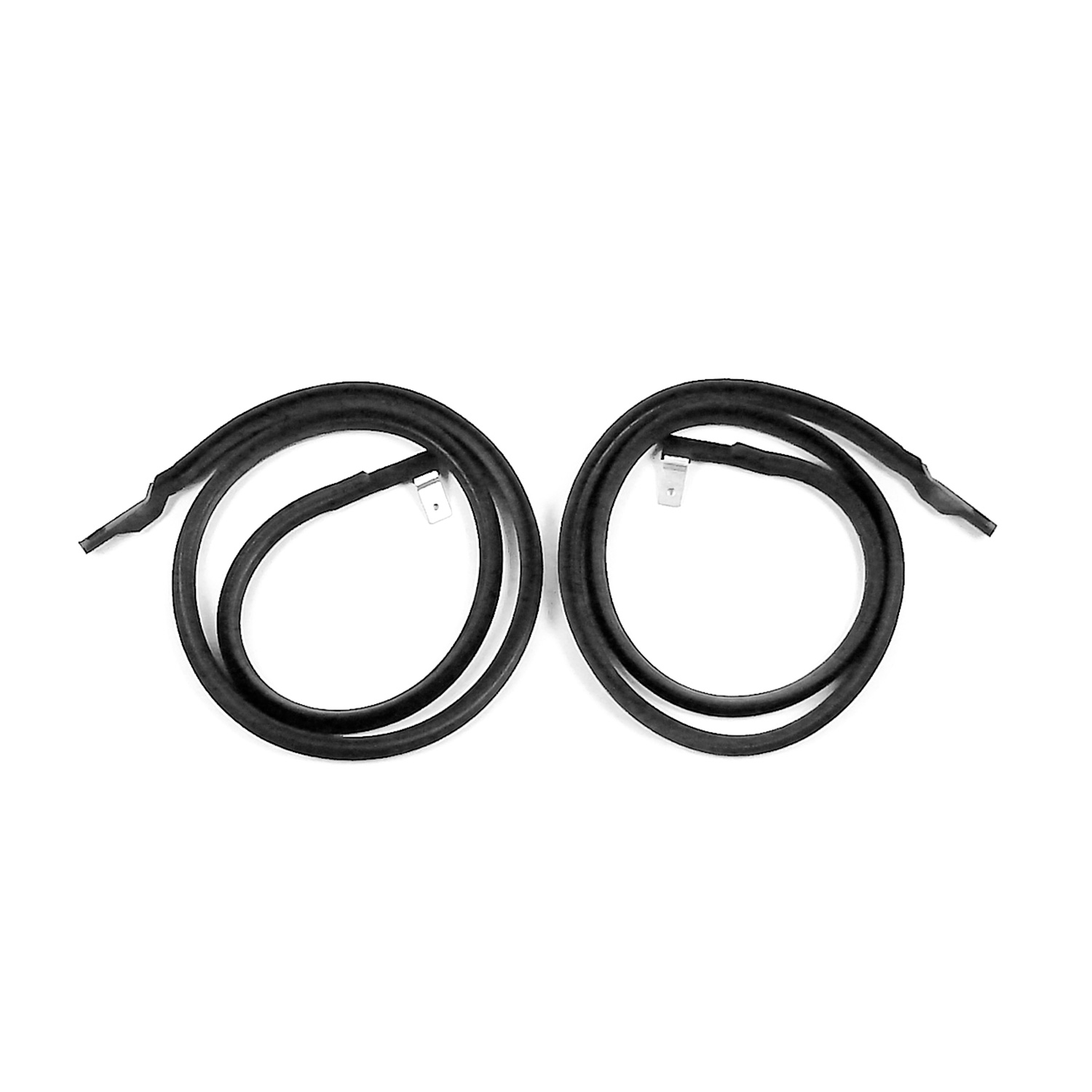 1978 GMC K15 Upper Door Seal, 78-82 GM Full Size Truck and SUV, Fits Right Side Only, Each-LM 121-JUpper Door Seal, 78-82 GM Full Size Truck and SUV, Fits Right Side Only, Each. Replaces OEM # 14016512. This seal mounts on the upper part of the passenger (right) door with weatherstrip adhesive glue (not included). This product is made from the original specs and with high quality ozone resistant EPDM rubber for a great fit and long life.
 1978 GMC K15 Upper Door Seal, 78-82 GM Full Size Truck and SUV, Fits Left Side Only, Each-LM 121-KUpper Door Seal, 78-82 GM Full Size Truck and SUV, Fits Left Side Only, Each. Replaces OEM # 14016511. This seal mounts on the upper part of the driver (left) door with weatherstrip adhesive glue (not included). This product is made from the original specs and with high quality ozone resistant EPDM rubber for a great fit and long life.
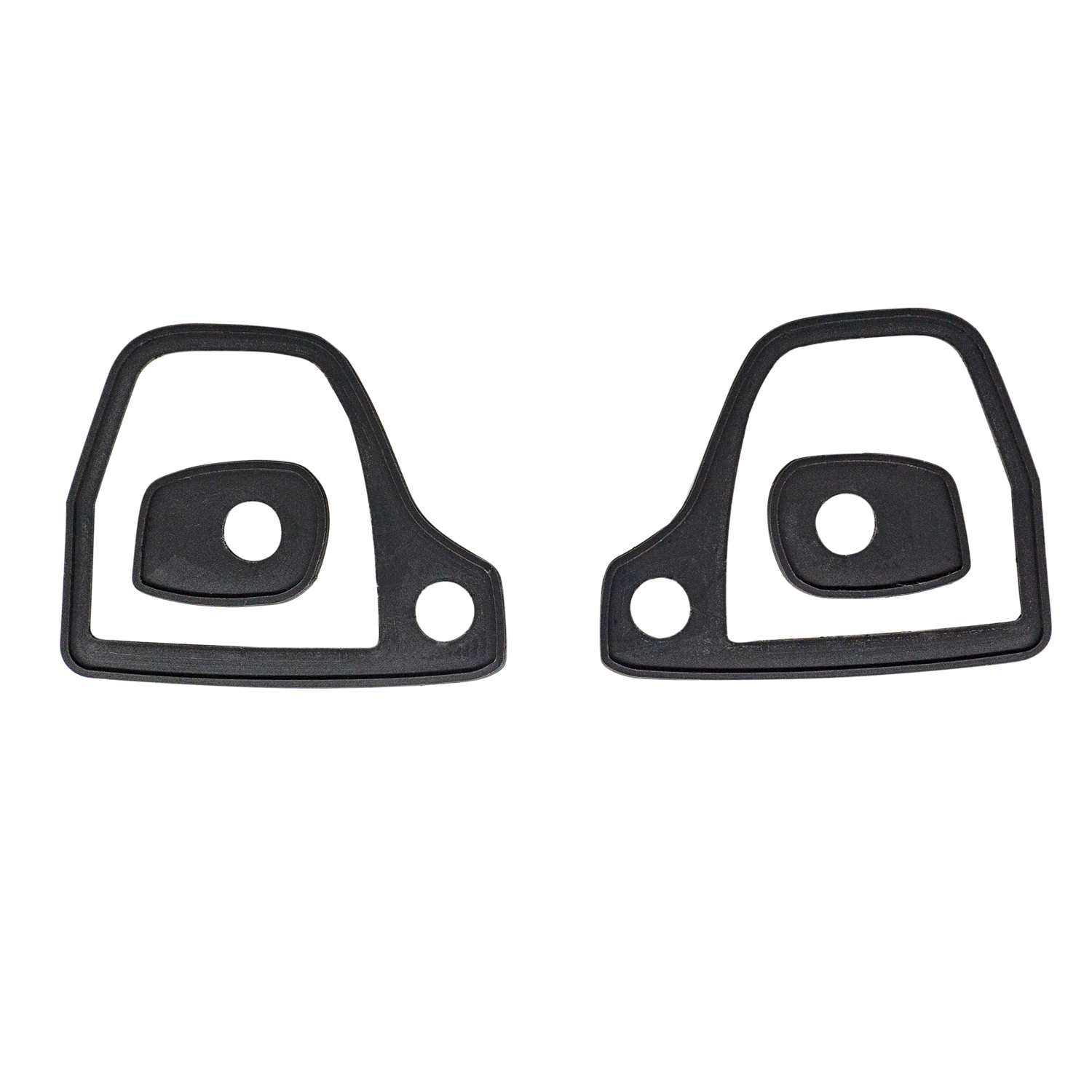 1978 GMC K15 Door Handle Gasket Set Fits 73-87 Chevy and GMC Trucks OEM-Style Molded Lip-MP 806Each component is built by factory measurements and specifications for a direct-fit replacement and simple installation, focusing on restored authenticity. The top-tier USA Made construction and materials ensure durability and longevity for a long-lived replacement that will far outlast your factory stock models.
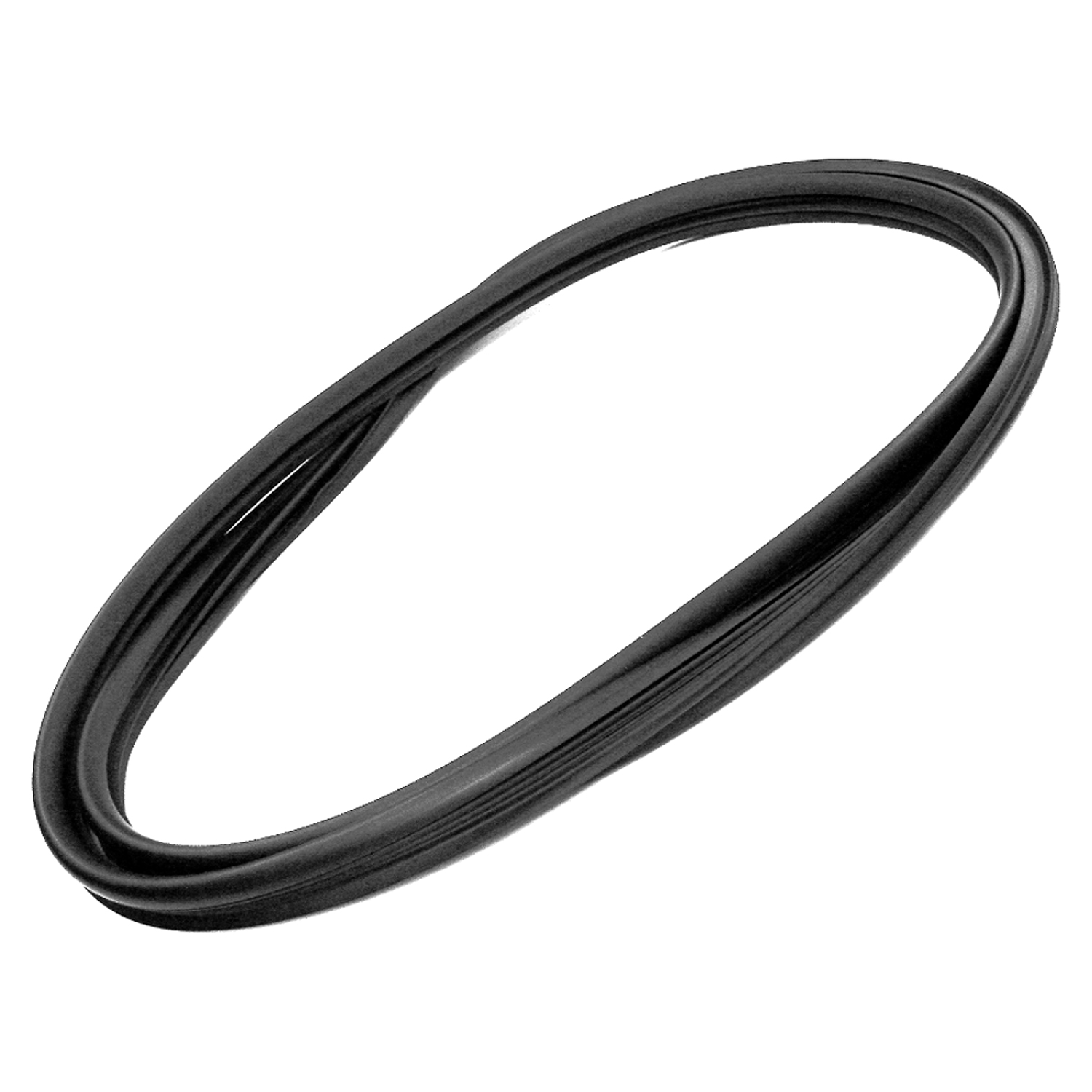 1978 GMC K15 Windshield Seal, 73-87 GM Full Size Truck, 73-91 GM SUV, Without Trim Groove-VWS 7313-DThis windshield seal goes on the body first then the glass is placed in the opening. Tucking in the self locking strip secures the glass in place. It is a standard black gasket without trim groove. This product is made from the original specs and with high quality ozone resistant materials for a great fit and long life. This item is designed to be installed during glass replacement.
 1978 GMC K15 Rear Window Seal, 73-87 GM Full Size Truck, With Trim Groove-VWS 7313-YThis rear window seal goes first on the body then the glass is placed in the opening. Tucking in the self locking strip secures the glass in place. This product is made from the original specs and with high quality ozone resistant materials for a great fit and long life. This item is designed to be installed during glass replacement. Note. This weatherstrip does not work with original sliders.
 1978 GMC K15 Window Channel and Sweeper Kit, for Front Doors-WC 5900-15Window Channel and Sweeper Kit, for Front Doors. 6-Piece Kit
Why Choose Metro?
For over 100 years, Metro Moulded Parts has been the pinnacle of quality in classic car restoration parts. Our commitment to precision and authenticity in every component ensures a perfect fit and an OEM-level appearance.
- Expert Craftsmanship & Quality: Each part is a testament to our dedication to reliability and perfection, crafted from original designs and thoroughly tested.
- Advanced Technology: We use cutting-edge techniques to create flawless, long-lasting parts that surpass others in performance.
- SuperSoft Sponge – The Ultimate Door Seal: Not only are our door seals 30% softer than competitors', but they're also guaranteed to never leak. They effectively reduce wind and road noise, enhancing your classic car's comfort and driving experience.
- Proudly American: Our parts are a product of American craftsmanship, made in the USA with a spirit of excellence and heritage.
- Unrivaled Warranty: We back our products with a 30-year industry-leading warranty, a testament to our confidence in their quality.
Join us in preserving the legacy of classic cars with parts that are crafted for perfection, not just made.