
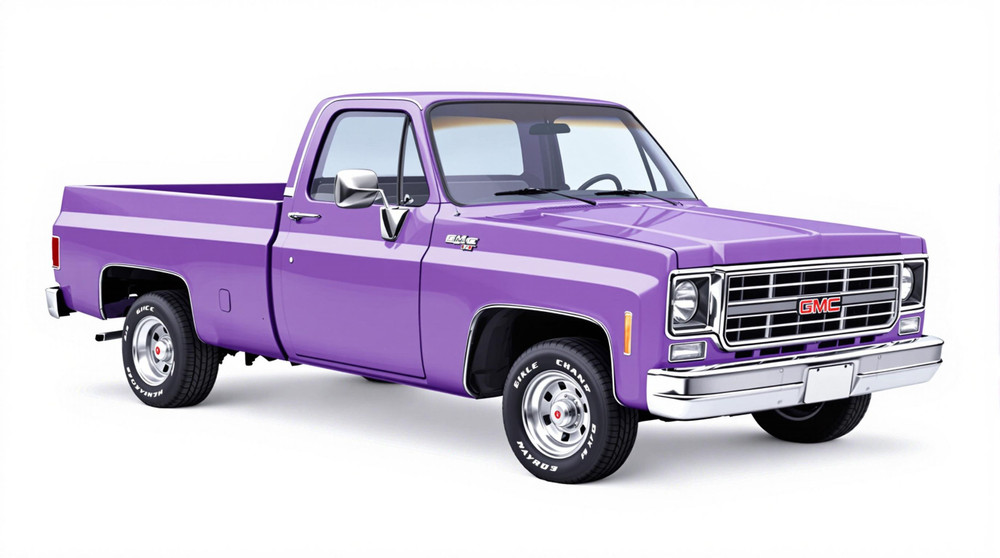
Image of 1979 Gmc C1500, Note: These illustrations use artistic license and may differ from actual historical models.
Performance Metrics
Fundamental Metrics
Emotional Appeal
MMP Rating
| Engine Specifications | |
|---|---|
| Engine Options: | 4.1 L 250 cu in I6, 4.8 L 292 cu in I6, 5.0 L 305 cu in V8, 5.7 L 350 cu in V8, 6.6 L 400 cu in V8 |
| Displacement Range: | 250-400 cu in |
| Horsepower Range: | 115-185 hp |
| Torque: | 175-295 lb-ft |
| Compression Ratio: | 8.0:1 - 8.5:1 |
| Ignition System: | Conventional breaker-point ignition system |
| Cooling System: | Liquid-cooled |
| Performance Specifications | |
| 0-60 Time: | Estimated 10-15 seconds |
| 1/4 Mile Time: | Estimated 17-20 seconds |
| Top Speed: | 85-100 mph |
| Transmission and Drive | |
| Drive Type: | Rear-wheel drive |
| Transmission Type: | 3-speed automatic, 4-speed manual |
| Fuel and Efficiency | |
| Fuel System Type: | Carburetor |
| MPG: | Estimated 10-15 mpg |
| Dimensions and Brakes | |
| Brakes: | Front disc, rear drum |
| Wheelbase: | 117.5 inches |
| Weight: | 3,500-4,500 lbs |
Note: Specifications for classic cars are given to the best of our ability, considering the limited and variant data available.
1979 GMC C1500: The Squarebody Workhorse
The 1979 GMC C1500 brings together the honest utility of a pickup and the unmistakable presence of GM’s celebrated “Squarebody” trucks. Built by General Motors’ GMC division, it belongs to the third-generation C/K line introduced for 1973. In its name, “C” identifies a two-wheel-drive model, while “1500” places it in the half-ton class. It shared much of its engineering with the Chevrolet C10, but GMC gave the truck its own grille, badging, and trim character.
The C1500 arrived during an important period for American pickups. Buyers increasingly wanted trucks that could work hard during the week and serve as comfortable personal transportation the rest of the time. The 1973 redesign had already brought a roomier cab, a more composed ride, and improved attention to comfort and safety. By 1979, the Squarebody was a familiar sight on farms, job sites, and suburban streets.
A fun detail is that a GMC C1500 was not simply a Chevrolet with a different badge. The two trucks shared a platform and many mechanical parts, but GMC’s styling and trim gave it a distinct identity. That combination of common, serviceable hardware and brand-specific personality helped make the C1500 a durable favorite.
Squarebody Styling and Cabin Details
The 1979 C1500 has the clean, broad-shouldered shape that defines the Squarebody generation. Its flat hood, upright windshield, tall greenhouse, and slab-sided body give it a purposeful stance without excessive ornament. The GMC grille and front-end details distinguish it from its Chevrolet counterpart, while the broad fenders and straight body lines make the truck look sturdy even when parked.
Cab and bed combinations included a regular cab with either a short or long bed. Buyers could choose the smooth-sided Fleetside or the more old-fashioned Stepside, with its separate rear fenders and narrow running boards. The long-bed Fleetside became a familiar work-truck configuration, while short-bed examples, especially clean Stepsides, have particular appeal among enthusiasts. Four-wheel drive was sold under the K1500 name, so the C1500 is the rear-wheel-drive version.
Interior equipment depended on trim and options. A basic truck might have painted metal, durable vinyl, a simple bench seat, and straightforward gauges. Higher trim levels, such as Sierra Grande or Sierra Classic depending on configuration, could add more complete carpeting, upgraded upholstery, extra brightwork, and convenience features. The materials were practical rather than luxurious, but the controls were generally simple to reach and understand.
For its time, available technology could include power steering, power brakes, air conditioning, an AM/FM radio, cruise control, tilt steering, and intermittent wipers. These were options, not guaranteed equipment, so two 1979 C1500s can feel very different inside. Paint choices varied by year and trim, with solid work-truck colors, metallic shades, and two-tone combinations available. Earth tones, white, blue, red, and period two-tone schemes are especially recognizable on surviving trucks.
Why the 1979 GMC C1500 Matters
The C1500’s significance lies less in a single breakthrough feature than in how well the Squarebody formula balanced work and everyday use. Its cab was more accommodating than that of many older pickups, and its suspension and chassis were designed to deliver a more settled road feel while retaining the toughness buyers expected. The result helped establish the modern pickup as both a tool and a personal vehicle.
Underneath, the two-wheel-drive C1500 used an independent front suspension and a solid rear axle supported by leaf springs. That layout gave it a useful blend of steering control, load-carrying ability, and mechanical simplicity. The Squarebody’s proportions also proved unusually durable as a design. Its squared-off cab and bed look at home as a restored classic, a custom truck, or a working vehicle, which is a major reason the shape remains popular.
Compared with contemporary pickups, the GMC stood out for its broad range of configurations and familiar GM mechanicals. It was not a radical technological showcase, but it was easy to understand, adaptable to different jobs, and supported by a large supply of shared parts. Those qualities have helped keep the C1500 on the road long after many newer trucks have disappeared.
Engines, Speed, and Road Manners
Engine availability varied with trim, equipment, and market. Period C/K choices included inline-six and V8 engines, with V8 options commonly including 305- and 350-cubic-inch small-blocks. Larger engines were available in parts of the broader truck range, but exact availability for a specific C1500 should be confirmed from its build documentation. Depending on the truck, power reached the rear wheels through a manual transmission or an automatic such as the Turbo-Hydramatic 350.
There is no single factory 0-to-60-mph figure that accurately describes every 1979 C1500. Engine, axle ratio, transmission, tire size, payload, and emissions equipment all affect performance. As a broad period-truck estimate, a V8-equipped example might take roughly 11 to 15 seconds to reach 60 mph. A six-cylinder or heavily loaded truck would generally be slower. Top speed is similarly configuration-dependent; many stock examples are best thought of as roughly 85 to 100 mph vehicles, not machines designed for sustained high-speed travel.
On the road, the C1500 feels substantial and direct. The steering is heavier and less precise than that of a modern pickup, especially without power assistance, and the long hood makes the truck feel large in tight spaces. Its rear leaf springs can hop or feel firm when the bed is empty, while a load often settles the ride. On broken pavement, the suspension is built to tolerate work rather than isolate every bump.
In windy conditions, the tall cab and broad sides catch crosswinds, and the truck needs more correction than a low passenger car. On a winding road, it is most comfortable when driven smoothly, with respect for its weight, older tire technology, and relatively simple brakes. A V8 supplies a familiar low-frequency rumble, while the cabin lets in more engine and road noise than a modern truck. The overall experience is mechanical and involving: the driver feels connected to the steering, drivetrain, and road.
Living With a Squarebody
Owners use the 1979 C1500 as a classic daily driver, weekend cruiser, farm or shop truck, restoration project, and show vehicle. Short-bed examples are popular for street-truck builds, while long-bed models retain strong appeal as practical haulers. It is not a natural choice for modern performance competition, though custom builds may use upgraded suspension, brakes, or engines for street and track events.
Routine maintenance is generally approachable for a mechanically minded owner. The engine bay is roomy, the hardware is familiar, and many components are shared with related GM trucks. Common service work includes ignition and carburetor tuning, cooling-system attention, brake repairs, steering and suspension wear, and replacement of old rubber seals and hoses. Parts availability is a major advantage, although finding correct trim pieces, rust-free body panels, and original interior components can take more effort.
Age is the main reliability challenge. Rust around cab corners, rocker panels, floors, bed mounts, and wheel arches deserves careful inspection. Buyers should also check frame condition, brake lines, steering joints, wiring modifications, and evidence of poor repairs. A well-maintained truck can be dependable, but a neglected example may need substantial work even if its engine starts readily.
Squarebody Trivia and Common Complaints
The Squarebody nickname refers to the generation’s squared-off styling, not a perfectly square body. GMC and Chevrolet versions shared much of their underlying structure, which makes many mechanical repairs easier to source. The C1500’s long production family, running from the 1973 redesign into the 1980s, also means owners benefit from a large enthusiast community and extensive aftermarket support.
There is no widely recognized 1979 C1500 production speed or endurance record, and celebrity ownership claims are often difficult to verify for ordinary trucks. The model’s lasting fame comes instead from its everyday role across North America and its continued presence in restorations, custom builds, and working fleets. Some trucks have appeared in film and television as period-correct vehicles, but appearances vary by individual example and production.
Common criticisms include modest fuel economy, dated braking and handling compared with modern pickups, and a firm ride when the truck is empty. Rust and worn interiors can also turn an inexpensive purchase into a costly restoration. On the other hand, the simple layout, rugged mechanicals, and widespread parts support are precisely what many owners value.
1979 GMC C1500 Values and Rarity
Exact production totals for every 1979 GMC C1500 cab, bed, engine, and trim combination are not consistently available in public records. A reasonable broad estimate is that tens of thousands of GMC C1500s were built for the model year, with the number potentially reaching the low tens of thousands or more depending on how configurations are counted. That is an estimate, not a verified factory figure. The truck is not rare overall, but original, rust-free examples with desirable equipment are much less common than project vehicles.
In the current U.S. collector market, a rough project truck might sell for about $3,000 to $8,000. A usable driver in fair to good condition may bring approximately $8,000 to $18,000. Clean, well-presented examples often fall in the $20,000 to $35,000 range, while high-quality restorations or especially desirable builds can reach $35,000 to $60,000 or more. These are broad estimates, and regional demand, originality, documentation, engine choice, and rust condition can move the price considerably.
Squarebody values have generally strengthened as nostalgia and collector interest have grown, especially for clean short-bed trucks and well-executed restorations. The market is not uniform: modified trucks can be valuable to the right buyer, while originality matters more to others. Condition is usually more important than mileage or a long list of accessories. A complete, solid truck is often a better buy than a cheap example with extensive corrosion or unfinished bodywork.
A Classic Built to Keep Working
The 1979 GMC C1500 is an enduring example of the American half-ton pickup at a turning point: tough enough for real work, comfortable enough for regular driving, and simple enough to maintain decades later. Its Squarebody styling, adaptable configurations, familiar mechanicals, and distinct GMC character have helped it move from ordinary transport to sought-after classic.
Whether restored to factory style or kept as a dependable old hauler, the C1500 proves that a great truck does not need complicated technology to make a lasting impression. It just needs the right proportions, honest capability, and the kind of character that still turns heads at the curb.
1979 Gmc C1500 Catalog of Parts
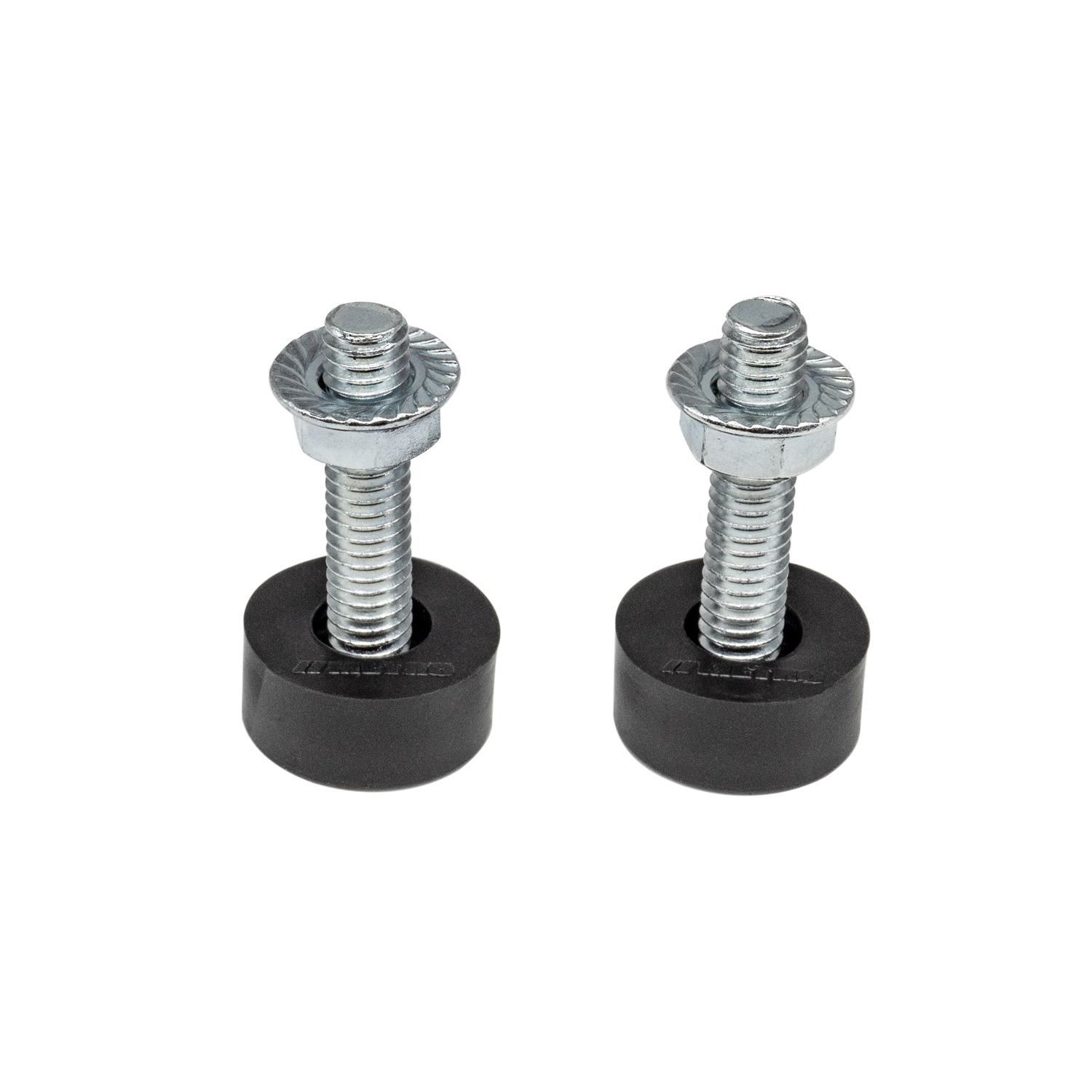 1979 GMC C1500 Hood Adjustment Bolt,Nut and Bumper Pair-HA 5-BHood Adjustment Bolt, Nut and Bumper 5/16-18 x 1 1/2 Bolt, 5/16-18 Nut and Bumper 7/8 x 7/16.
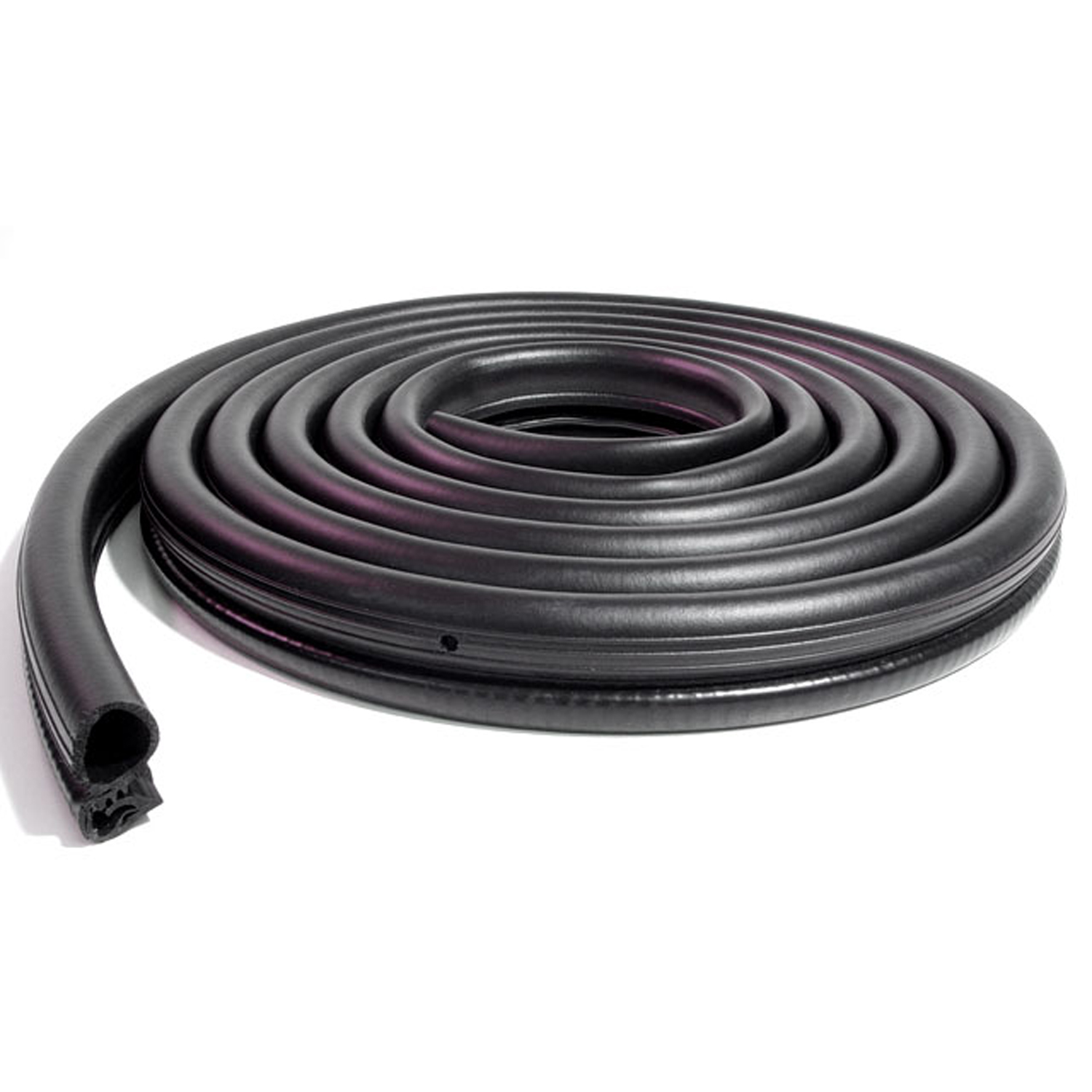 1979 GMC C1500 Front Door Seal (Imported). Fits either side. 148" Long-IS-LM 121Front Door Seal (Imported). Fits either side. 148" Long. Each
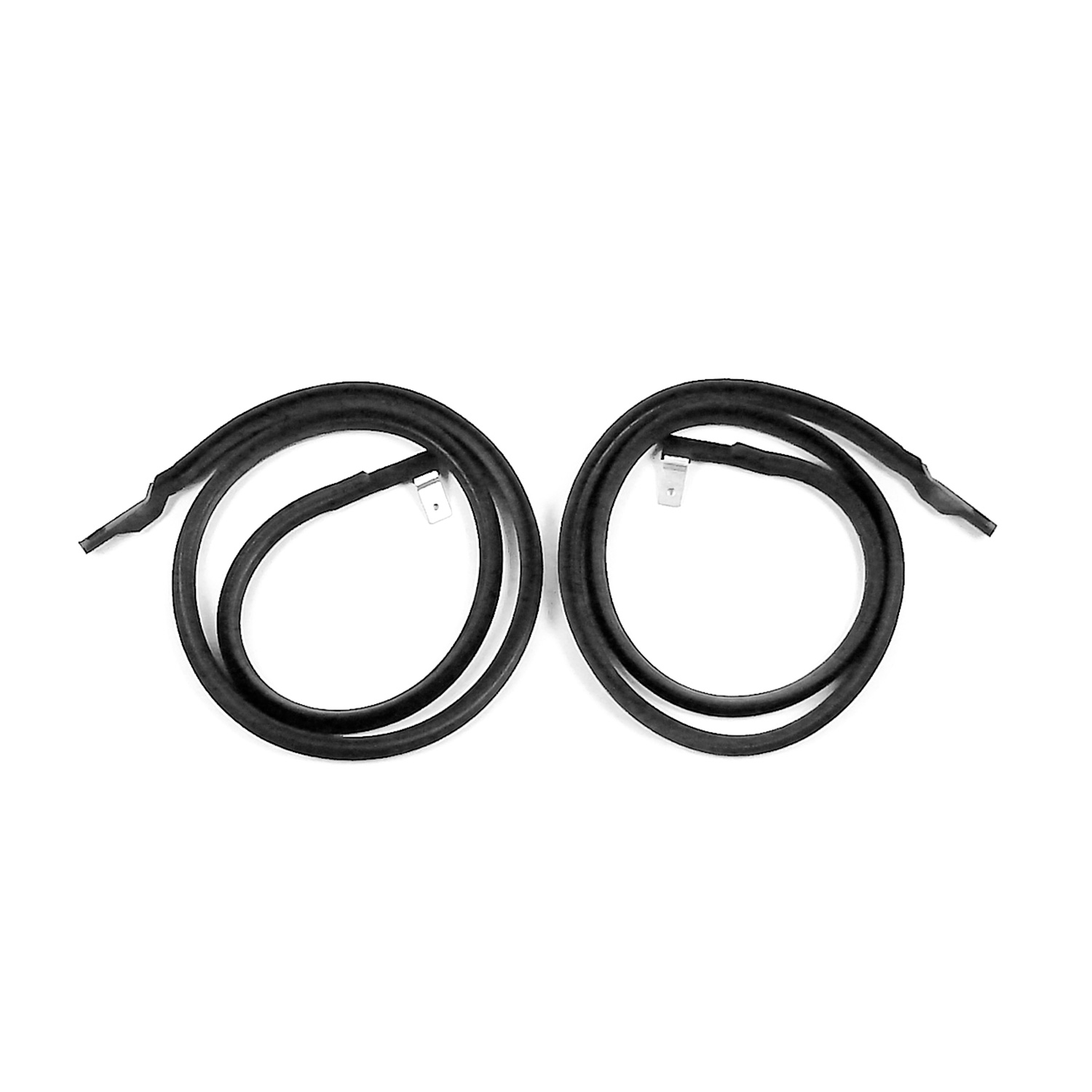 1979 GMC C1500 Upper Door Seal, 78-82 GM Full Size Truck and SUV, Fits Right Side Only, Each-LM 121-JUpper Door Seal, 78-82 GM Full Size Truck and SUV, Fits Right Side Only, Each. Replaces OEM # 14016512. This seal mounts on the upper part of the passenger (right) door with weatherstrip adhesive glue (not included). This product is made from the original specs and with high quality ozone resistant EPDM rubber for a great fit and long life.
 1979 GMC C1500 Upper Door Seal, 78-82 GM Full Size Truck and SUV, Fits Left Side Only, Each-LM 121-KUpper Door Seal, 78-82 GM Full Size Truck and SUV, Fits Left Side Only, Each. Replaces OEM # 14016511. This seal mounts on the upper part of the driver (left) door with weatherstrip adhesive glue (not included). This product is made from the original specs and with high quality ozone resistant EPDM rubber for a great fit and long life.
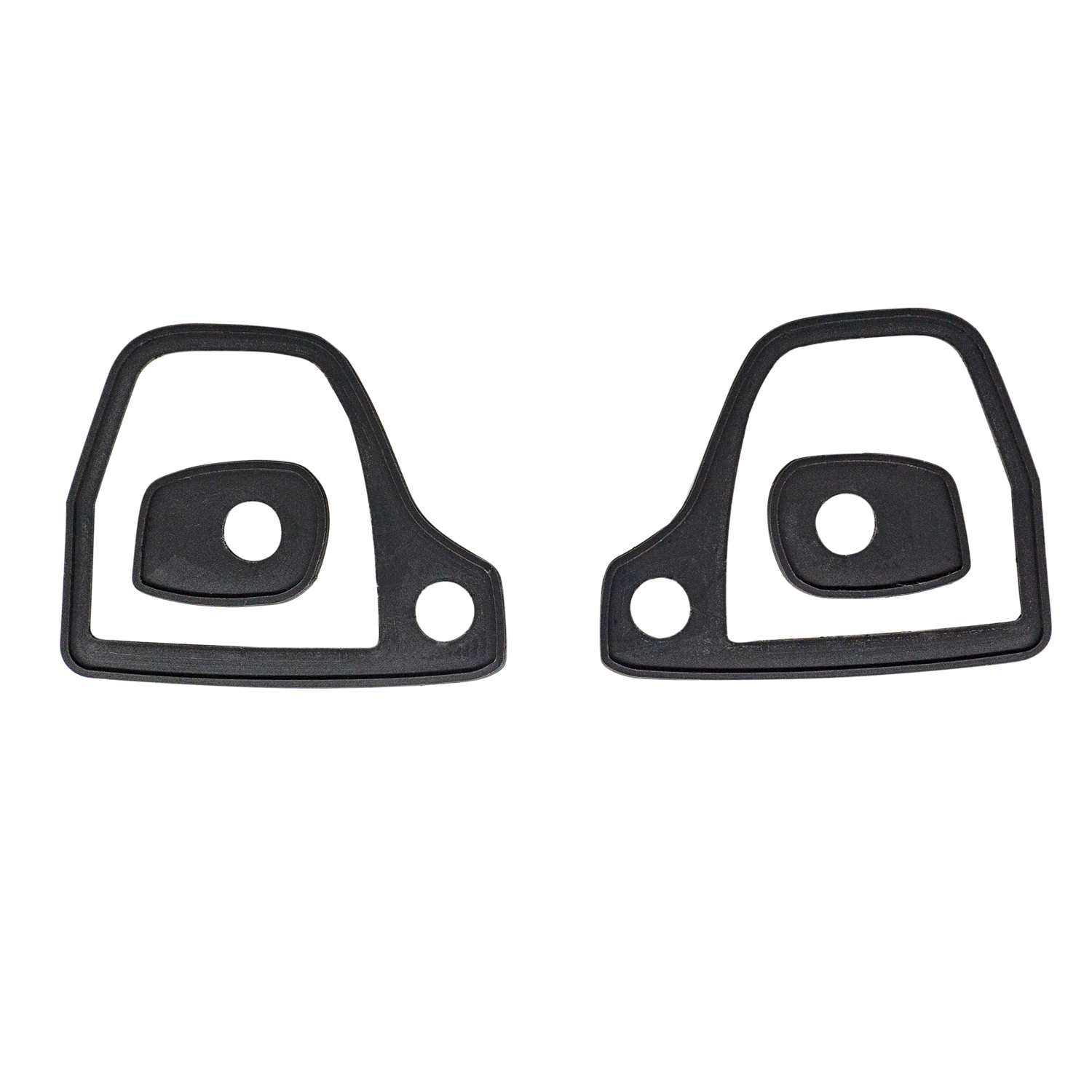 1979 GMC C1500 Door Handle Gasket Set Fits 73-87 Chevy and GMC Trucks OEM-Style Molded Lip-MP 806Each component is built by factory measurements and specifications for a direct-fit replacement and simple installation, focusing on restored authenticity. The top-tier USA Made construction and materials ensure durability and longevity for a long-lived replacement that will far outlast your factory stock models.
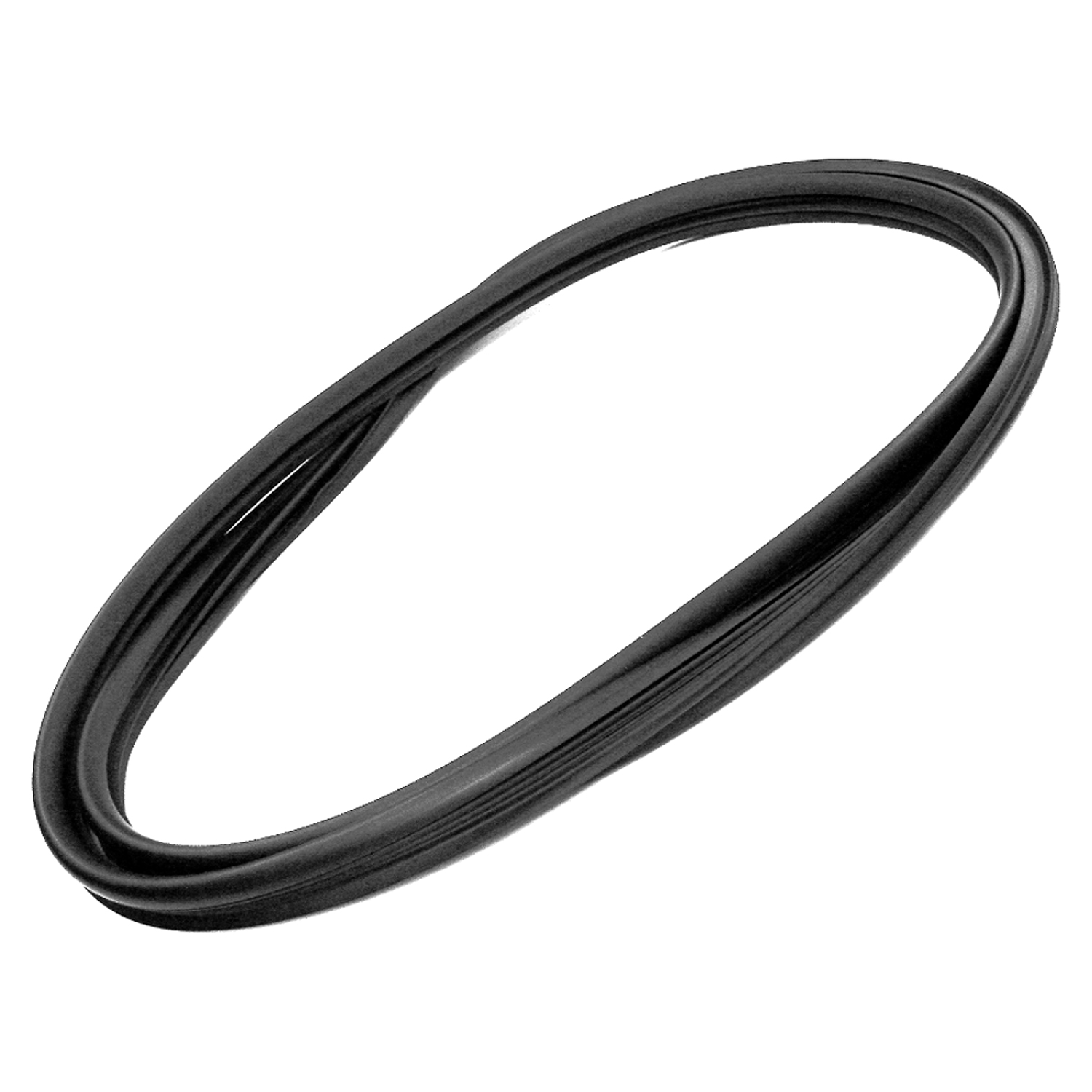 1979 GMC C1500 Windshield Seal, 73-87 GM Full Size Truck, 73-91 GM SUV, Without Trim Groove-VWS 7313-DThis windshield seal goes on the body first then the glass is placed in the opening. Tucking in the self locking strip secures the glass in place. It is a standard black gasket without trim groove. This product is made from the original specs and with high quality ozone resistant materials for a great fit and long life. This item is designed to be installed during glass replacement.
 1979 GMC C1500 Rear Window Seal, 73-87 GM Full Size Truck, With Trim Groove-VWS 7313-YThis rear window seal goes first on the body then the glass is placed in the opening. Tucking in the self locking strip secures the glass in place. This product is made from the original specs and with high quality ozone resistant materials for a great fit and long life. This item is designed to be installed during glass replacement. Note. This weatherstrip does not work with original sliders.
 1979 GMC C1500 Window Channel and Sweeper Kit, for Front Doors-WC 5900-15Window Channel and Sweeper Kit, for Front Doors. 6-Piece Kit
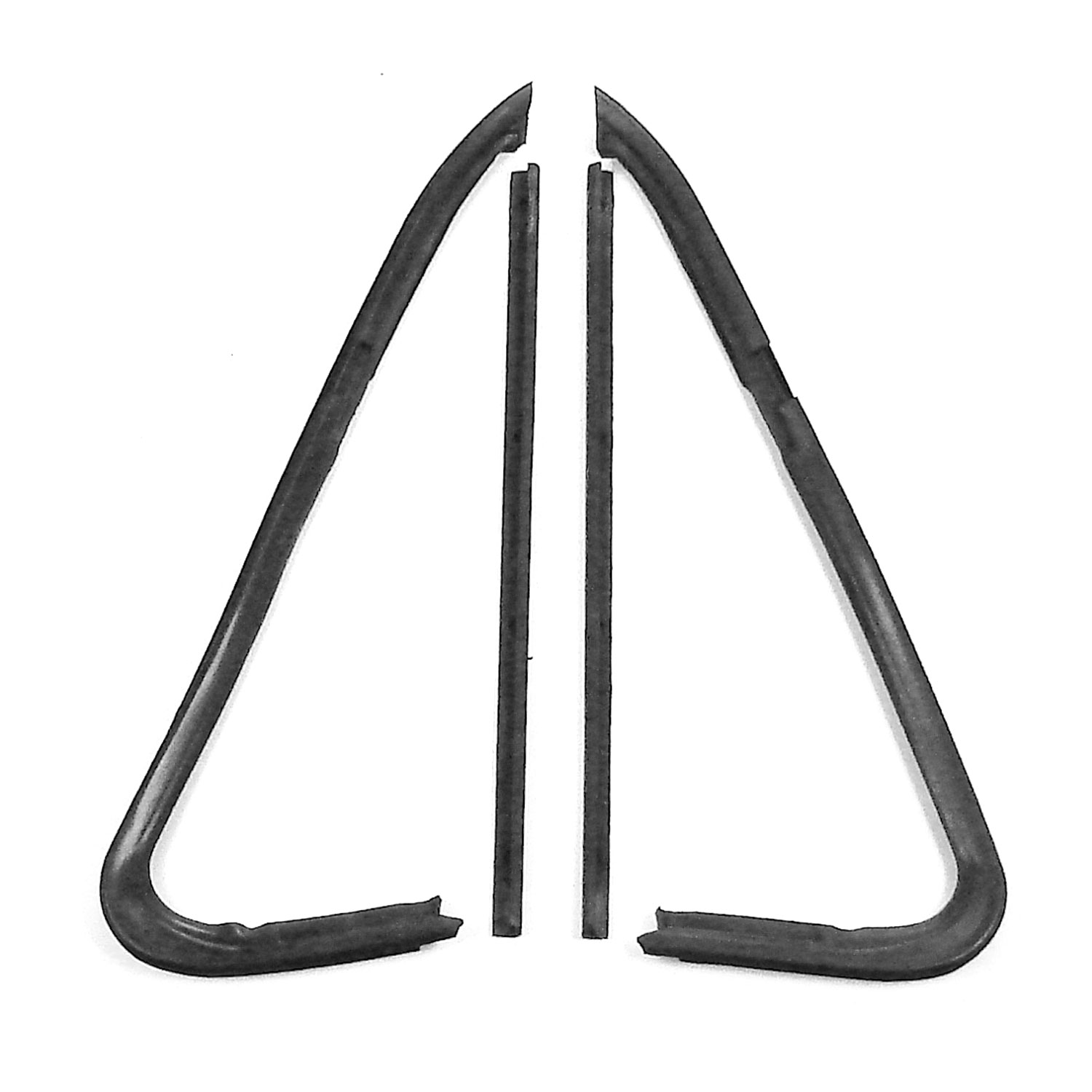 1979 GMC C1500 Vent Window Seal,73-80 GM Truck and SUV, Set of Four-WR 2005-BThis 4 piece set replaces both the main driver and passenger door vent window seals and the rear division channel seals as well. Made from high quality ozone resistant EPDM rubber from the original specs for a great fit and long life.
Why Choose Metro?
For over 100 years, Metro Moulded Parts has been the pinnacle of quality in classic car restoration parts. Our commitment to precision and authenticity in every component ensures a perfect fit and an OEM-level appearance.
- Expert Craftsmanship & Quality: Each part is a testament to our dedication to reliability and perfection, crafted from original designs and thoroughly tested.
- Advanced Technology: We use cutting-edge techniques to create flawless, long-lasting parts that surpass others in performance.
- SuperSoft Sponge – The Ultimate Door Seal: Not only are our door seals 30% softer than competitors', but they're also guaranteed to never leak. They effectively reduce wind and road noise, enhancing your classic car's comfort and driving experience.
- Proudly American: Our parts are a product of American craftsmanship, made in the USA with a spirit of excellence and heritage.
- Unrivaled Warranty: We back our products with a 30-year industry-leading warranty, a testament to our confidence in their quality.
Join us in preserving the legacy of classic cars with parts that are crafted for perfection, not just made.