
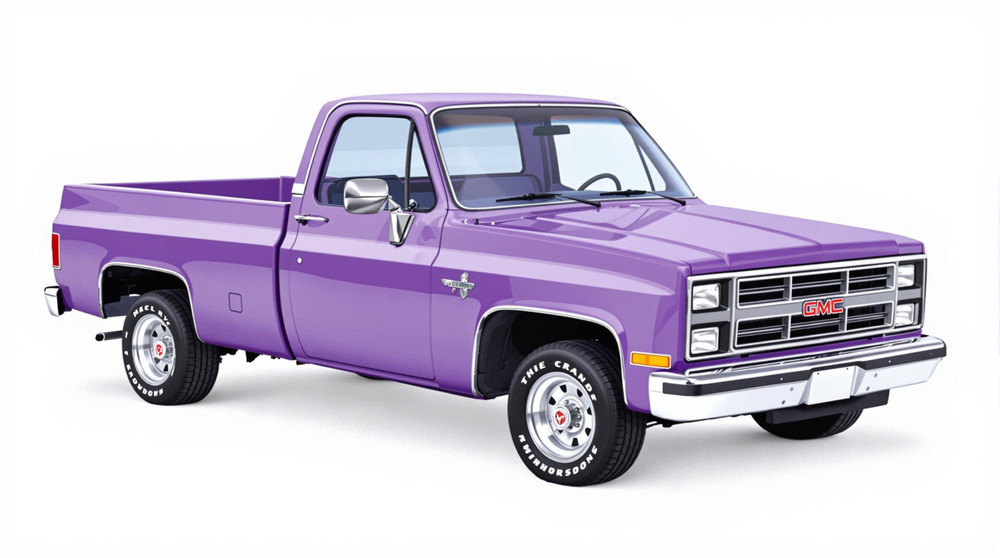
Image of 1982 Gmc Caballero, Note: These illustrations use artistic license and may differ from actual historical models.
Performance Metrics
Fundamental Metrics
Emotional Appeal
MMP Rating
| Engine Specifications | |
|---|---|
| Engine: | 3.8L V6, 5.0L V8 |
| Displacement: | 229-305 cu in |
| Horsepower: | 110-150 hp (approximate) |
| Torque: | 185-240 lb-ft (approximate) |
| Compression Ratio: | 8.0:1 (V6), 8.4:1 (V8) |
| Ignition System: | Electronic ignition |
| Cooling System: | Liquid-cooled |
| Performance Specifications | |
| 0-60 Time: | 10-12 seconds (estimated) |
| 1/4 Mile Time: | 17-19 seconds (estimated) |
| Top Speed: | 105-110 mph (estimated) |
| Transmission and Drive | |
| Drive Type: | Rear-wheel drive |
| Transmission Type: | 3-speed automatic, 4-speed manual |
| Fuel and Efficiency | |
| Fuel System Type: | Carburetor |
| MPG: | 15-20 mpg (estimated) |
| Dimensions and Brakes | |
| Brakes: | Front disc, rear drum |
| Wheelbase: | 117.1 inches |
| Weight: | 3,200-3,600 lbs (approximate) |
Note: Specifications for classic cars are given to the best of our ability, considering the limited and variant data available.
1982 GMC Caballero: The Gentleman’s Pickup
The 1982 GMC Caballero was a pickup with a coupe’s profile and a working bed, a combination that gave it far more personality than an ordinary light-duty truck. Built as GMC’s counterpart to the Chevrolet El Camino, the rear-wheel-drive Caballero paired passenger-car comfort with open cargo space. It was part of the long-running car-truck tradition, but its boxy 1980s styling and shared General Motors G-body platform gave it a character all its own.
The Caballero arrived in 1978 as the successor to GMC’s earlier Sprint. By 1982, it was in the later years of its run, which ended after the 1987 model year. One detail that makes it especially interesting today is its dual identity: it wore GMC badges and trim, yet shared much of its basic structure and mechanical hardware with the Chevrolet El Camino. That gave buyers a less common alternative to the better-known Chevy while keeping many parts familiar to GM mechanics.
G-Body Style and Cabin
The Caballero’s proportions are its calling card. A long hood leads into a compact two-door cabin, while the roofline flows into a short, open cargo bed. Its squared-off front end, rectangular lighting, upright grille, and crisp body lines fit the early-1980s look. The result is less flamboyant than a 1950s car-truck and more like a personal coupe that happens to carry lumber, camping gear, or a motorcycle.
Caballero trim and appearance packages could add distinctive moldings, wheel designs, brightwork, and graphics. The Diablo was the best-known sporty Caballero package, giving the truck a more assertive look. Exact equipment varied by year and order, so a buyer should check a specific truck’s original documentation rather than assume that every Diablo carried the same options.
Inside, the Caballero was closer to a contemporary GM passenger car than a basic work truck. Depending on trim, it could have cloth or vinyl upholstery, a bench seat or bucket seats, carpeting, and convenience options such as air conditioning, power accessories, cruise control, and an upgraded radio. Materials were respectable for the period, though not luxurious by modern standards. Today, cracked vinyl, faded carpeting, worn seat bolsters, and tired dash pads are common signs of age.
Exterior colors ranged from understated whites, silvers, and darker neutral shades to stronger reds and blues. Availability and paint names depended on the model-year order guide. Sportier trucks with contrasting trim or graphics tend to attract attention, but clean original paint in any period-correct color is appealing to collectors.
Engines, Equipment, and Options
The 1982 Caballero shared its basic mechanical menu with its El Camino relative. Depending on configuration, buyers could find a 3.8-liter V6, a 4.4-liter (267-cubic-inch) V8, a 5.0-liter (305-cubic-inch) V8, or a 5.7-liter diesel V8. Availability could vary by trim, market, and order. These engines used period-appropriate carburetion and emissions equipment, so they deliver a very different feel from a modern fuel-injected truck.
Automatic transmissions were common, while manual-transmission examples are less frequently encountered. The Caballero’s body-on-frame construction and shared G-body components also connect it to GM coupes and sedans such as the Chevrolet Monte Carlo, Buick Regal, Oldsmobile Cutlass, and Pontiac Grand Prix. That family resemblance is useful for parts sourcing, although Caballero-specific trim and bed pieces can take more effort to find.
Why the Caballero Mattered
The Caballero was not a breakthrough in engine technology, but it represented an important idea in American vehicle design: one vehicle could serve as personal transportation and a light-duty hauler. Its passenger-car roots made it more comfortable and easier to live with than many traditional pickups, while its separate cargo bed offered real utility for everyday tasks.
Its 1978 redesign placed it on GM’s downsized G-body platform. By 1982, that meant a relatively manageable footprint, familiar rear-wheel-drive hardware, and a ride designed for paved roads as well as light work. The Caballero did not invent the car-based pickup, but it helped keep the format alive through an era when buyers increasingly wanted comfort and convenience alongside practical cargo space.
Compared with a full-size pickup, the Caballero was easier to park and more carlike to drive. Compared with a conventional coupe, it offered an open bed. That middle ground is exactly what set it apart. Its influence is best understood as part of a broader American appetite for vehicles that blurred the lines between car and truck, rather than as a direct template for today’s much larger pickups.
Performance and Road Manners
Performance depends heavily on the engine, transmission, axle ratio, condition, and tire size. A healthy 305 V8 Caballero might reach 60 mph in roughly 10 to 12 seconds, with a top speed in the neighborhood of 100 to 105 mph. V6 versions are generally slower, often taking about 13 to 16 seconds to reach 60 mph. Diesel examples prioritize economy and low-speed pulling over acceleration. These are practical estimates, not a single factory figure that applies to every truck.
On the road, the Caballero feels like a large, softly sprung rear-drive coupe rather than a modern pickup. Its independent front suspension helps absorb ordinary pavement imperfections, while the solid rear axle can feel more unsettled over sharp bumps, especially with an empty bed. A load can calm the rear suspension and improve traction, but the Caballero was never intended to match a modern heavy-duty truck’s payload or towing capability.
On winding roads, expect relaxed rather than sporting responses. The steering and suspension favor comfort, and the vehicle’s age, tire condition, and alignment make a major difference to how confidently it corners. Crosswinds and a light rear end can be noticeable, particularly when the bed is empty. Behind the wheel, the V8’s low rumble, carburetor response, and period automatic transmission provide much of the charm. It feels mechanical and direct, with the driver more involved than in a contemporary vehicle.
Living With a 1982 Caballero
Owners use Caballeros as weekend cruisers, show vehicles, light-duty haulers, and, increasingly, preservation projects. A clean example can still manage local errands, but age-related issues make a thorough inspection essential before treating one as dependable daily transport.
Routine engine and brake work is generally familiar to a mechanic who knows older GM vehicles. Shared G-body parts can help with suspension and drivetrain repairs, and many service components remain obtainable through classic-car suppliers. The harder items are often Caballero-specific: body and bed panels, trim, emblems, interior pieces, and some package details. Rust deserves particular attention around the lower body, wheel openings, bed floor, cab corners, and frame, especially on trucks that have lived in snowy or coastal regions.
Carburetors, aging fuel hoses, electrical connections, cooling systems, and decades-old emissions equipment may need careful sorting. A truck that starts and drives well on a short test drive can still need significant recommissioning. Originality matters to collectors, but a documented, well-executed mechanical refresh can make a Caballero much more enjoyable to use.
Caballero Trivia and Criticisms
“Caballero” is a Spanish word commonly translated as “gentleman” or “horseman,” a fittingly distinctive name for GMC’s personal pickup. The Diablo package is among the most recognizable Caballero variants, while the shared platform means many mechanical conversations naturally include the El Camino and other G-body cars.
The Caballero is not known for a major speed record, endurance achievement, or defining appearance in a historic event. Its appeal is more everyday and cultural: it represents an era when American buyers could choose a stylish car-truck from a mainstream manufacturer. There are no widely documented celebrity ownership stories that define the model’s history.
Common criticisms are easy to understand. The bed is short compared with a full-size pickup, the engines are modest by modern standards, and fuel economy can disappoint, particularly with a V8. Age can also bring rust, worn interiors, and parts-hunting challenges. Still, those drawbacks are balanced by its approachable size, comfortable cabin, and unmistakable profile.
Collector Value and Rarity
There is no widely available, authoritative production total for every 1982 Caballero configuration. As a rough estimate rather than a factory-certified number, annual production may have been in the range of about 5,000 to 8,000 trucks. That makes the Caballero less common than its Chevrolet cousin, though it is not so rare that a determined buyer will never find one. Condition, originality, location, and trim all affect availability.
As a broad U.S. market estimate for 2026, a project truck may sell for around $2,500 to $6,000. A usable driver in decent condition may bring roughly $7,000 to $14,000, while a clean, well-restored example or desirable Diablo can reach approximately $15,000 to $25,000 or more. Exceptional, highly original trucks can exceed that range, but the market is selective: rust-free structure and quality workmanship matter more than a long list of claimed options.
Values have generally strengthened as interest in 1970s and 1980s vehicles has grown, but Caballeros remain a niche collectible. Their prices tend to rise gradually rather than surge. Originality, complete trim, and documented history are likely to support long-term value, while poorly executed modifications or hidden corrosion can hold a truck back.
A Distinctive Piece of GM History
The 1982 GMC Caballero combined G-body comfort, rear-wheel-drive character, and a practical open bed in a package that few vehicles can replicate. It was not the fastest truck or the most capable hauler, but it offered a clever blend of utility and personal-car style. For collectors, it is a less-common alternative to the El Camino; for drivers, it is a reminder that a working vehicle can have plenty of personality. The Caballero’s lasting appeal comes from being exactly what its name suggests: a gentleman’s pickup with a distinctly American streak.
1982 Gmc Caballero Catalog of Parts
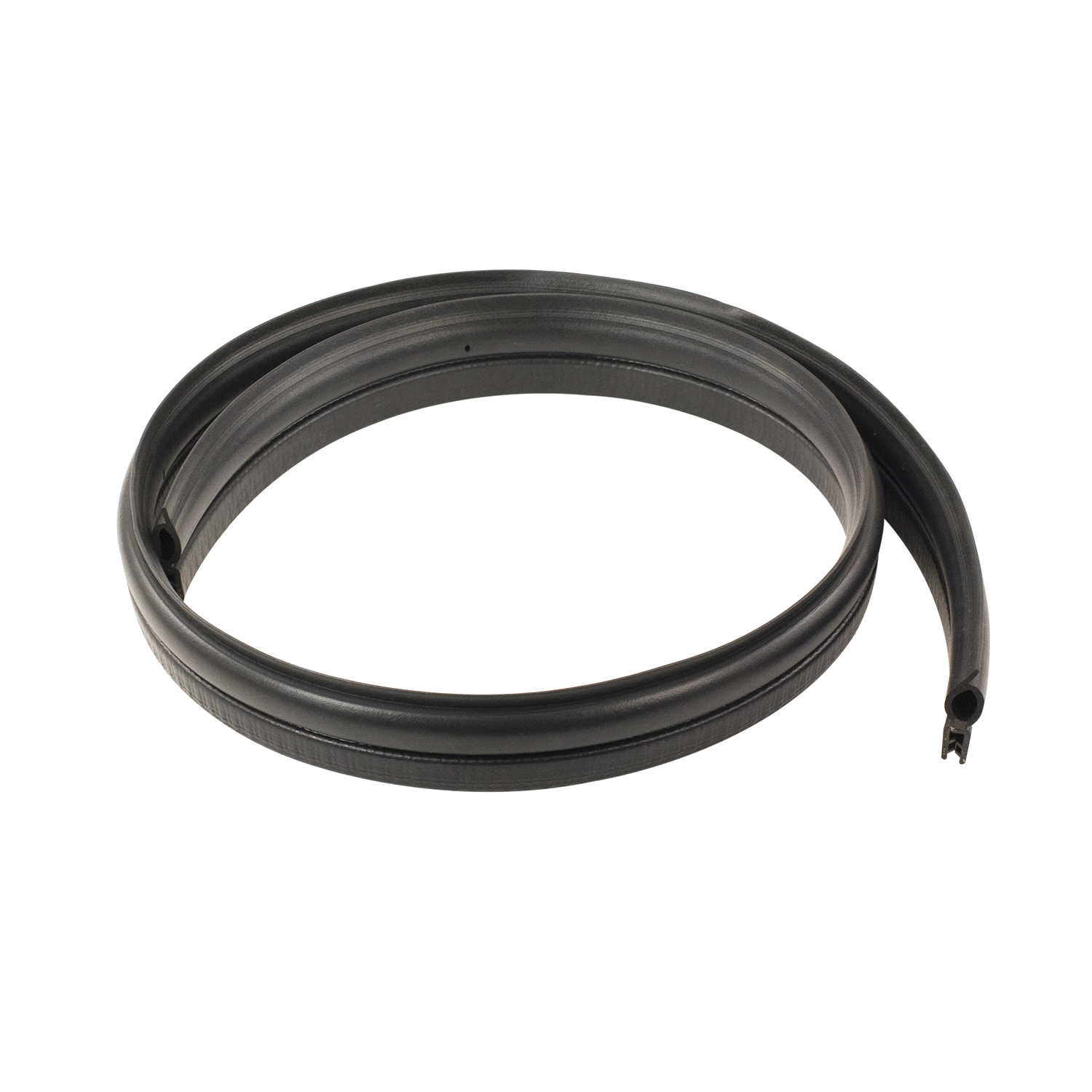 1982 GMC Caballero Hood and cowl seal-CS 13-GHood and cowl seal. Fits '78-'88 GM A-body, A-Special (A-SPEC) and G-body 2-door hardtop coupes with rear wheel drive (RWD). Dual-durometer extrusion with flexible metal core. Easy to install; fits over pinchweld. Replaces OEM# 20255857 and 25505704. Made in the USA. Each.
 1982 GMC Caballero Molded Door Seals. 2-Door Coupe-LM 16-JEMolded Door Seals. 2-Door Coupe. Replaces OEM part numbers 20008188/9. Pair. R&L.
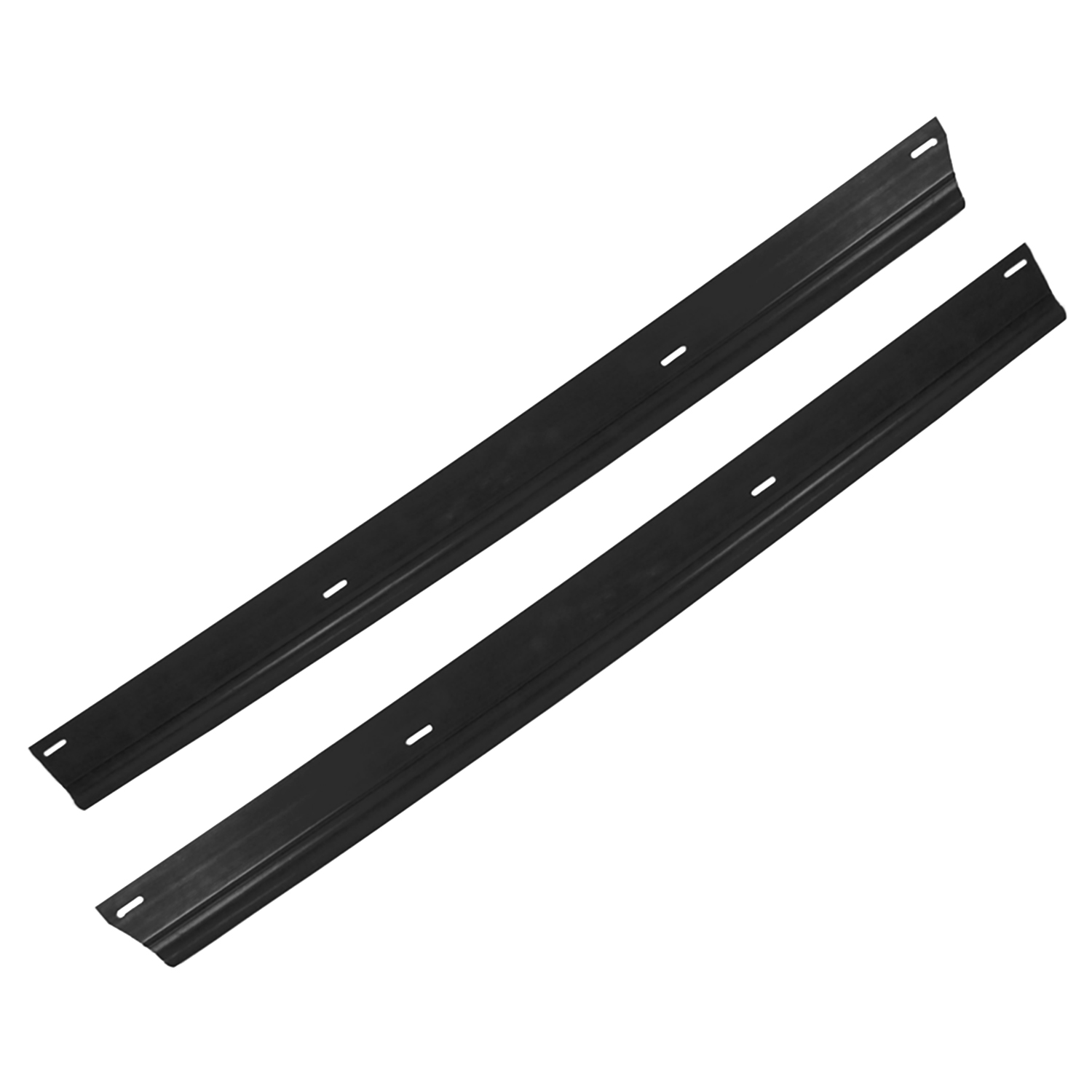 1982 GMC Caballero Lower Door Sill Seal, 78-88 GM G Body 2 Doors, Pair-LM 16-JSLower Door Sill Seal, 78-88 GM G Body 2 Doors, Pair. Replaces OEM # 20376226. These seals fit in between the panel and the lower part of the doors.
 1982 GMC Caballero Basic kit-RKB 1900-103Basic kit. '78-'88 Chevrolet El Camino / GMC Caballero 2-door. Door (LM 16-JE) and roof-rail (RR 5020-E) seals. 4-piece set.
 1982 GMC Caballero Molded Roof Rail Seals, for 2-Door Hardtop. Pair R&L-RR 5020-EMolded Roof Rail Seals, for 2-Door Hardtop. Pair R&L
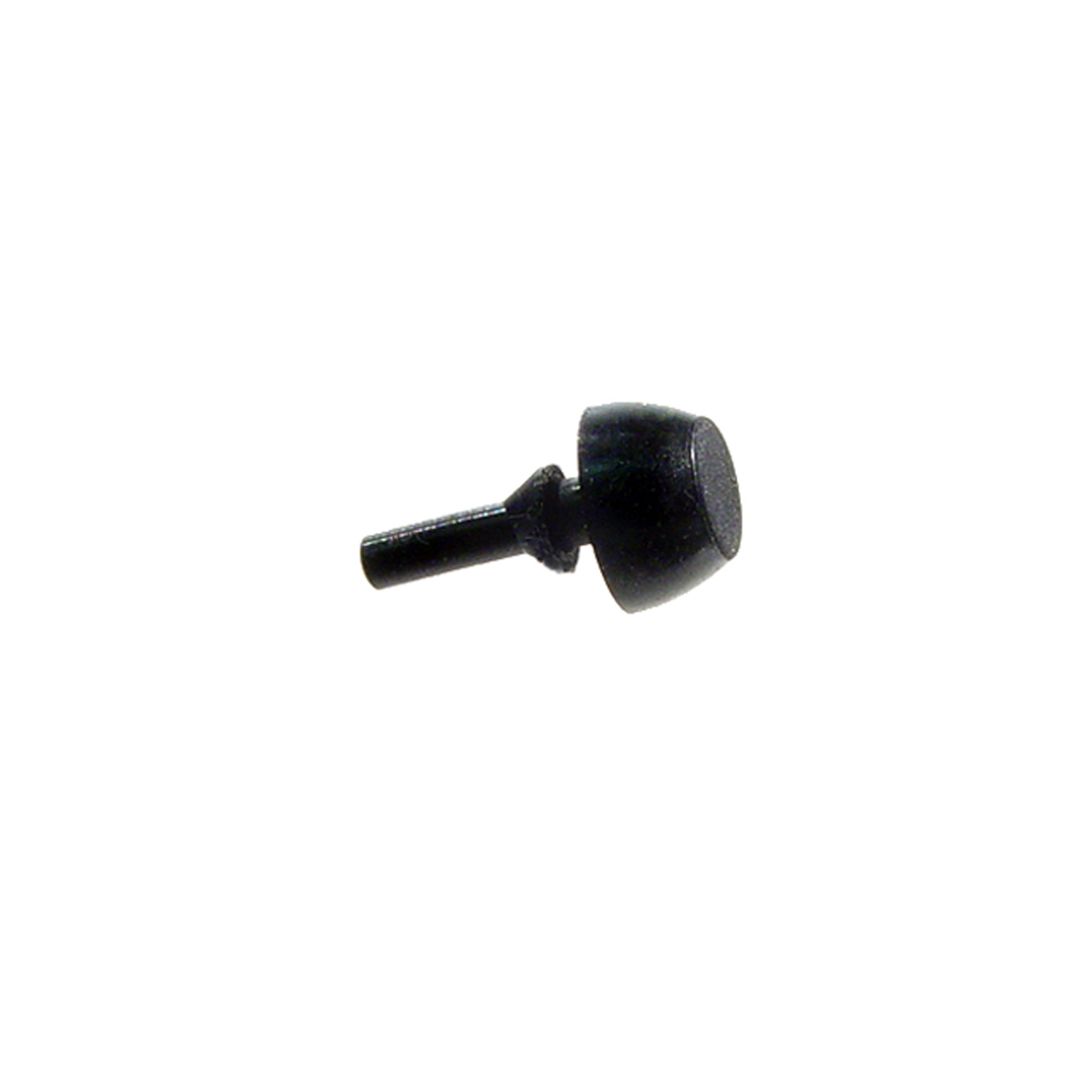 1982 GMC Caballero Glove Box Bumper. Each-SB 78-AGlove Box Bumper. Each
 1982 GMC Caballero Tailgate Seal Set, 78 to 87 Chevrolet El Camino, GMC Caballero, 7 Piece Set-TG 18This seal set contains the weatherstrip for the bottom and vertical sides of the tailgate. It also includes the rubber plugs for the rear quarter panels. This product is made from the original specs and with high quality ozone resistant materials for a great fit and long life.
 1982 GMC Caballero Window sweeper kit-WC 2003-78Window sweeper kit. '78-'87 El Camino, GMC Caballero; '78-'83 Malibu; '78-'81 Grand Am 2-door coupe. Left and right inner and outer sweeps with chrome bead, without reveal moldings. Replaces OEM#'s 20208434, 20672574 and 20672575. 4-piece set.
Why Choose Metro?
For over 100 years, Metro Moulded Parts has been the pinnacle of quality in classic car restoration parts. Our commitment to precision and authenticity in every component ensures a perfect fit and an OEM-level appearance.
- Expert Craftsmanship & Quality: Each part is a testament to our dedication to reliability and perfection, crafted from original designs and thoroughly tested.
- Advanced Technology: We use cutting-edge techniques to create flawless, long-lasting parts that surpass others in performance.
- SuperSoft Sponge – The Ultimate Door Seal: Not only are our door seals 30% softer than competitors', but they're also guaranteed to never leak. They effectively reduce wind and road noise, enhancing your classic car's comfort and driving experience.
- Proudly American: Our parts are a product of American craftsmanship, made in the USA with a spirit of excellence and heritage.
- Unrivaled Warranty: We back our products with a 30-year industry-leading warranty, a testament to our confidence in their quality.
Join us in preserving the legacy of classic cars with parts that are crafted for perfection, not just made.