
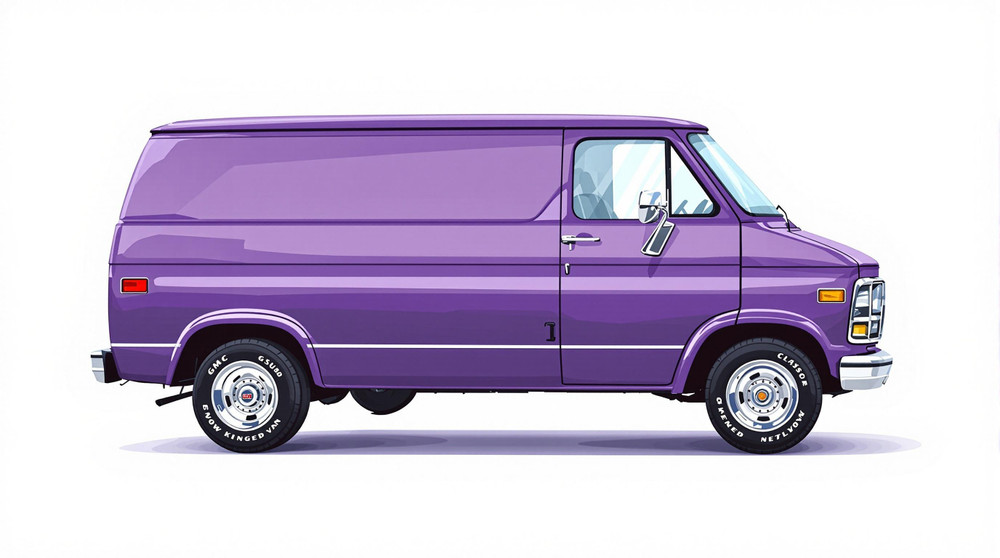
Image of 1982 Gmc G1500, Note: These illustrations use artistic license and may differ from actual historical models.
Performance Metrics
Fundamental Metrics
Emotional Appeal
MMP Rating
| Engine Specifications | |
|---|---|
| Engine Options: | 4.1L 250 cu in I6, 5.0L 305 cu in V8, 5.7L 350 cu in V8 |
| Displacement Range: | 4.1L - 5.7L |
| Horsepower Range: | 115-165 hp |
| Torque: | 210-275 lb-ft |
| Compression Ratio: | 8.0:1 - 8.6:1 |
| Ignition System: | Electronic ignition |
| Cooling System: | Liquid-cooled |
| Performance Specifications | |
| 0-60 Time: | Estimated 12-15 seconds |
| 1/4 Mile Time: | Estimated 18-20 seconds |
| Top Speed: | 85-95 mph |
| Transmission and Drive | |
| Drive Type: | Rear-wheel drive |
| Transmission Type: | 3-speed automatic, 4-speed manual |
| Fuel and Efficiency | |
| Fuel System Type: | Carburetor |
| MPG: | Estimated 10-15 mpg |
| Dimensions and Brakes | |
| Brakes: | Front disc, rear drum |
| Wheelbase: | 125 inches |
| Weight: | 4,500-5,000 lbs |
Note: Specifications for classic cars are given to the best of our ability, considering the limited and variant data available.
1982 GMC G1500: The Full-Size Van That Made Room for Anything
Part workhorse, part family hauler, and part blank canvas for customizers, the 1982 GMC G1500 could be built to suit almost any kind of life on the road. It was GMC’s half-ton member of the full-size G-series van family, sold in cargo form as the Vandura and in passenger form as the Rally. Beneath its squared-off body was practical truck hardware, while its roomy interior invited everything from shelving and toolboxes to plush conversion-van furniture.
GMC was part of General Motors, and the G1500 shared its basic platform and much of its mechanical equipment with the Chevrolet G-series vans. The design had been introduced for 1971, so the 1982 model was a mature, well-developed version rather than an all-new van. That long-running formula made it a familiar sight for tradespeople, families, small businesses, and custom-van enthusiasts.
One detail that still catches people’s attention: the famous black-and-gray van from The A-Team was a GMC Vandura, helping turn the G-series into a pop-culture icon. The television van was a 1983 model, not a 1982, but it belongs to the same generation and helped cement the square-nosed GMC’s place in van history.
Vandura Style and G1500 Configurations
The G1500 had the classic late-1970s and early-1980s van profile: a tall, blunt front end, broad grille, upright windshield, and long slab sides that made the most of its interior volume. The cab-forward layout placed the driver close to the front axle, giving the van a commanding view of the road. Large mirrors and big windows helped with visibility, although the high seating position and broad body required some adjustment in tight parking lots.
GMC kept the design deliberately straightforward. The front fascia, rectangular lamps, simple bumpers, and large expanses of sheet metal emphasized utility over decoration. Depending on trim and equipment, exterior details could include brighter grille or wheel accents, chrome-style trim, upgraded wheels, and decorative side moldings. The look could be plain and businesslike or dressed up as a comfortable people-mover.
Factory paint choices varied by trim and ordering details, but solid whites, reds, blues, silvers, and earth tones fit the period’s palette. White was a common practical choice for fleet and work vans. Conversion companies often added their own two-tone paint, stripes, contrasting roof colors, and custom graphics, so a highly decorated G1500 may reflect an aftermarket conversion rather than a special factory edition.
The main configurations were the Vandura cargo van and the Rally passenger van, with body length, glazing, seating, and equipment depending on the order. Cargo versions could be fitted with side and rear windows or kept largely enclosed for security and commercial use. Passenger versions offered rows of seats, while conversion companies transformed selected vans into more luxurious touring vehicles with carpet, captain’s chairs, rear seating, and entertainment equipment. The high-roof, heavily appointed conversion van became the most visually distinctive version of the G1500, even though the basic cargo van was the essential working model.
Cabin Comfort and Period Technology
In standard form, the interior was built for durability. Expect practical vinyl and cloth seating, hard-wearing floor coverings, simple door panels, and a dashboard designed around large, easy-to-read controls. Materials were generally sturdy rather than luxurious, and the broad cabin offered generous headroom. Passenger and conversion models could be far more comfortable, with upgraded upholstery, carpeting, extra trim, and rear seating.
Equipment depended heavily on how the van was ordered. Power steering and power brakes were common conveniences, while air conditioning, an automatic transmission, cruise control, upgraded sound systems, and rear climate equipment could be found on better-equipped examples. Conversion vans might add rear audio controls, reading lamps, privacy curtains, swiveling seats, a fold-down bed, television equipment, or extra storage. These additions were often installed by independent conversion companies, so two vans with similar exterior badges may have very different interiors.
By modern standards, the technology was simple. The G1500 did not have electronic stability control, airbags, or today’s driver-assistance systems. Its appeal was mechanical accessibility: a familiar instrument panel, conventional switches, and readily understood engine and transmission layouts. That straightforwardness is a major reason many examples remain usable decades later.
Why the G1500 Mattered
The G-series helped define the American full-size van as a flexible platform rather than a vehicle with just one job. A single basic design could serve as a delivery van, contractor’s rig, school or community transport, family passenger van, or custom road-trip machine. The G1500’s half-ton designation placed it in the lighter-duty part of the range, while larger G-series models served buyers who needed greater carrying capacity.
Its lasting influence is clearest in the conversion-van movement. During the 1970s and 1980s, customizers turned ordinary cargo and passenger vans into rolling lounges, complete with upgraded seating, shag carpeting, elaborate paint, and entertainment systems. The G1500’s boxy shape and generous cabin made that transformation easy. It also offered a more personal alternative to a large station wagon for families who wanted space, while businesses valued its useful cargo area and truck-based mechanicals.
Compared with more carlike vehicles, the GMC was not refined or especially economical. What set it apart was adaptability. Buyers could start with a basic work van and add only what they needed, or order a finished conversion that felt closer to a small motorhome than a commercial vehicle.
Engines, Speed, and Road Manners
Engine availability depended on configuration and market, but the 1982 G-series range could include a 250-cubic-inch (4.1-liter) inline-six, small-block V8s such as the 305 and 350, and, in some G-series applications, a 6.2-liter diesel. The 350-cubic-inch V8 is a particularly attractive choice for buyers who want stronger performance and the familiar sound of a Chevrolet small-block. Most G1500s were paired with an automatic transmission, though manual gearboxes were available in some configurations.
There is no single meaningful acceleration or top-speed figure for every 1982 G1500. Engine, axle ratio, transmission, tires, body style, and passenger or cargo load all make a difference. As a broad real-world estimate, a V8 van in sound condition might reach 60 mph in roughly 12 to 16 seconds, while a six-cylinder example could take around 17 to 20 seconds or more. A lightly loaded V8 model might manage a top speed in the neighborhood of 85 to 95 mph, but these vans were designed for carrying people and gear, not sustained high-speed driving. Treat those figures as estimates, not guaranteed factory test results.
On the road, the G1500 feels substantial and upright. Its truck-like suspension handles a normal load comfortably, but an empty cargo van can bounce or feel busy over broken pavement. Add passengers or equipment and the ride often settles down. The tall body catches crosswinds, and a gust or passing truck can require a firm hand on the steering wheel. On winding roads, expect measured turn-in and noticeable body lean rather than sports-car precision.
A healthy V8 provides a satisfying low-pitched rumble, especially when accelerating with a load. The inline-six is quieter and more modest in its response, while the diesel delivers a different, slower-revving character. Behind the wheel, the driver sits high with a broad view over the hood. The large steering wheel, straightforward controls, and wide cabin give the van an easygoing, commanding feel, though its size calls for patience when reversing or navigating narrow streets.
Living With a Classic GMC Van
Today, a 1982 G1500 can be a weekend cruiser, a vintage camper project, a show vehicle, or a working van for someone who appreciates old-school utility. Original cargo vans suit practical restorations and light-duty use. Passenger and conversion models are popular with enthusiasts looking for period character and space for road trips. They are not natural racing vehicles, and their age, weight, braking distances, and handling make modern traffic a setting for sensible driving rather than hard performance.
Routine maintenance is generally approachable for an experienced home mechanic. The small-block V8s and many of the van’s other mechanical components were widely used across GM vehicles, making parts and know-how relatively accessible. Common age-related concerns include rust in the body and undercarriage, worn suspension components, tired steering parts, transmission issues, cooling-system problems, and electrical faults. Conversion vans deserve extra inspection: added appliances, aftermarket wiring, roof modifications, and heavy interior fittings can create maintenance needs beyond those of a standard van.
Rust deserves particular attention around the lower body, wheel openings, doors, floor, and frame areas. Check carefully for leaks around windows and roof modifications, and confirm that any conversion equipment is safely installed. A sound, well-maintained G1500 can be satisfying to own, but a neglected one may require extensive bodywork and sorting before it is dependable.
G1500 Trivia and Common Complaints
The A-Team connection is the model’s best-known pop-culture association, but it should not be confused with a limited-edition 1982 package. It was a television vehicle based on the same generation of GMC Vandura. The G-series’ bigger claim to fame is its versatility: vans from this family served as delivery vehicles, passenger carriers, custom conversions, and even the foundation for camper-style builds.
There is no widely recognized production or speed record attached specifically to the 1982 G1500. GMC did not publish an easily accessible, definitive production total for every combination of model, engine, wheelbase, and body configuration. A reasonable working estimate is that production of the G1500 model line was in the tens of thousands for the model year, perhaps around 20,000 to 40,000 units across configurations. That is an estimate, not a verified factory count, and surviving examples are fewer still.
The common criticisms are familiar: fuel consumption can be high, handling is affected by the tall body, and the driving position and controls feel dated. Cargo versions can be noisy, while conversion vans may be heavy and cumbersome. Buyers should also remember that a van that looks tidy outside may conceal rust or a patchwork of old electrical and conversion work.
Collector Values and Availability
As of 2026, values vary widely with condition, originality, rust, engine, equipment, and the quality of any conversion. A rough project or heavily worn work van might sell for roughly $1,500 to $4,000. A usable driver with a presentable body could fall around $4,000 to $10,000. Clean, well-kept examples often bring about $10,000 to $20,000, while carefully restored vans or especially attractive, well-finished conversions may reach $20,000 to $35,000 or more. Exceptional vehicles can exceed those ranges, but condition and documentation matter more than custom accessories alone.
The G1500 is not exceptionally rare as a model, but finding a solid example is getting harder. Work vans were often used intensively, and conversion vans have sometimes been modified repeatedly. A rust-free body, complete interior, sound drivetrain, and credible maintenance history make a vehicle notably more desirable than a cosmetically flashy but poorly documented one.
Values have generally strengthened for clean, nostalgic vans as interest in classic utility vehicles and period conversions has grown. Ordinary projects remain relatively affordable, while high-quality restorations and distinctive conversions can command a premium. The market is selective: an expensive restoration does not automatically mean an equally high resale value, so buyers should judge the vehicle’s condition and workmanship carefully.
The Enduring Appeal of the 1982 GMC G1500
The 1982 GMC G1500 combines simple GM truck engineering with an unusually adaptable body. It could haul tools during the week, carry a full crew on the weekend, or become a plush custom van with room to travel in comfort. Its V8 rumble, upright driving position, and unmistakable boxy shape make it a memorable part of American automotive history.
It may not be quick, economical, or graceful in a crosswind, but the G1500 was never about doing just one thing exceptionally well. Its significance lies in how many different lives it could accommodate, and that versatility still makes a good Vandura or Rally a rewarding classic to own.
1982 Gmc G1500 Catalog of Parts
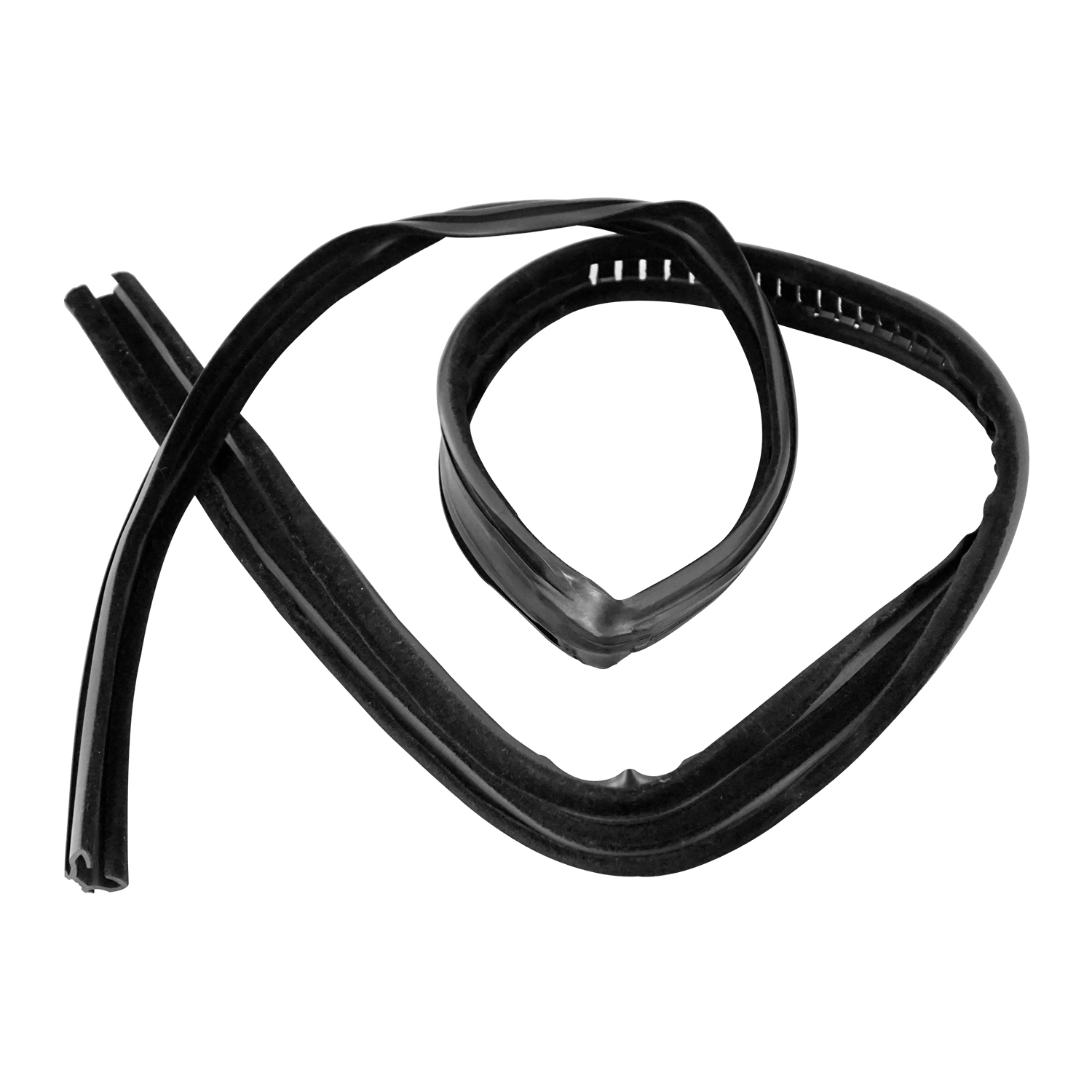 1982 GMC G1500 Window glass-run channel seal-IS-WC 5900-23Window glass-run channel seal. Fits left or right front door of '80-'96 Chevrolet/GMC full-size vans. EPDM rubber, flocked channels, snap-in installation with detailed corners. Replaces OEM# 15990050. Each.
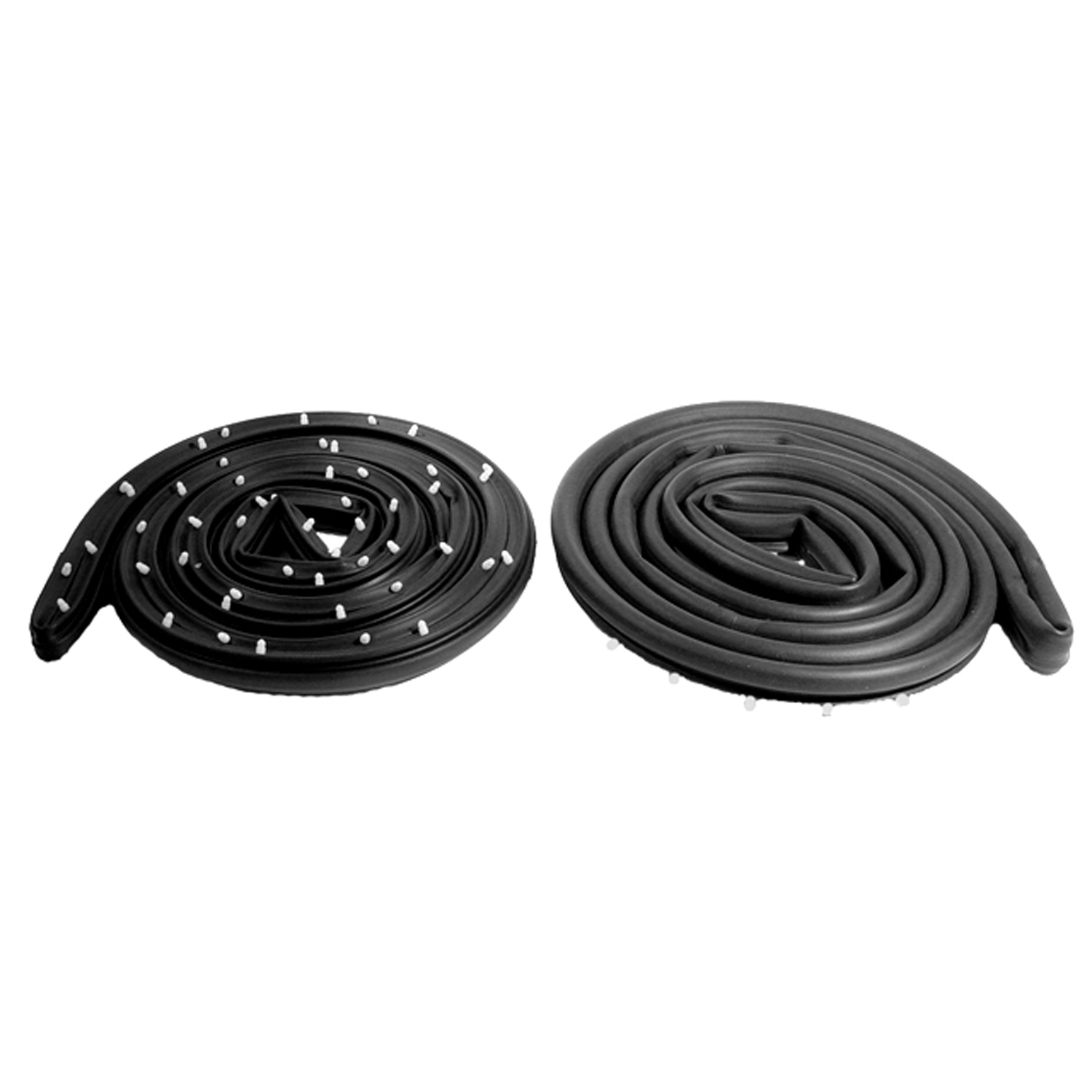 1982 GMC G1500 Front Molded Door Seals-LM 13-VFront Molded Door Seals. For full size models (1996 early design). 162" Long. Pair R&L
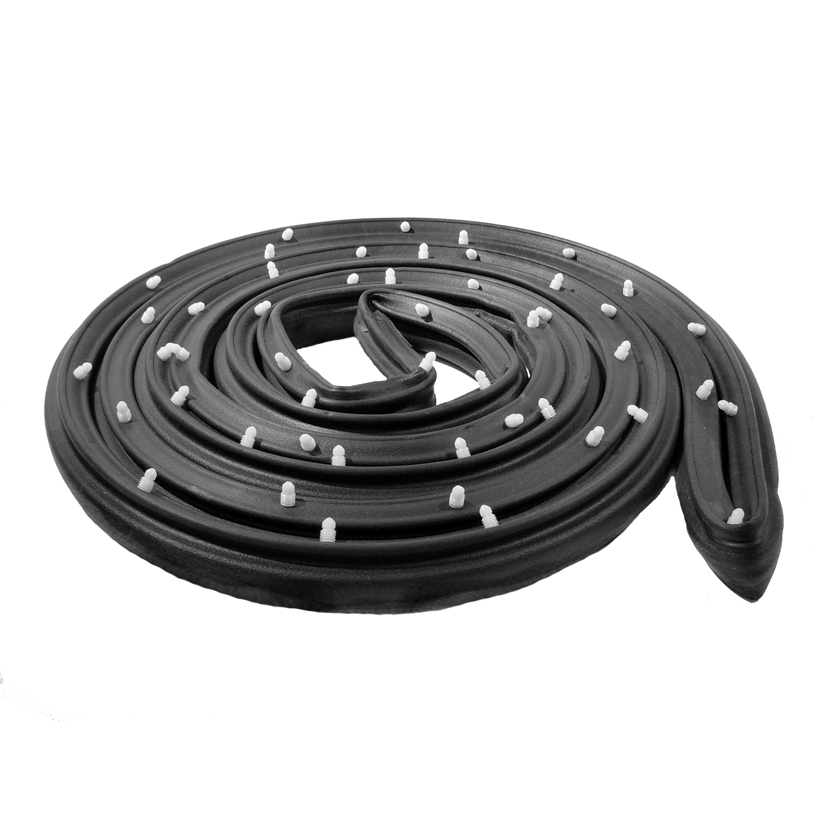 1982 GMC G1500 Front LH (driver's side) Molded Door Seal-LM 13-V/DSFront LH (driver's side) Molded Door Seal. For full-size vans (1996 early design). Each.
 1982 GMC G1500 Front LH (passenger's side) Molded Door Seal-LM 13-V/PSFront LH (passenger's side) Molded Door Seal. For full-size vans (1996 early design). Each.
 1982 GMC G1500 Side Cargo Door Seals-LM 13-VCSide Cargo Door Seals. For full size models (1996 early design). Includes front and rear seals. Pair
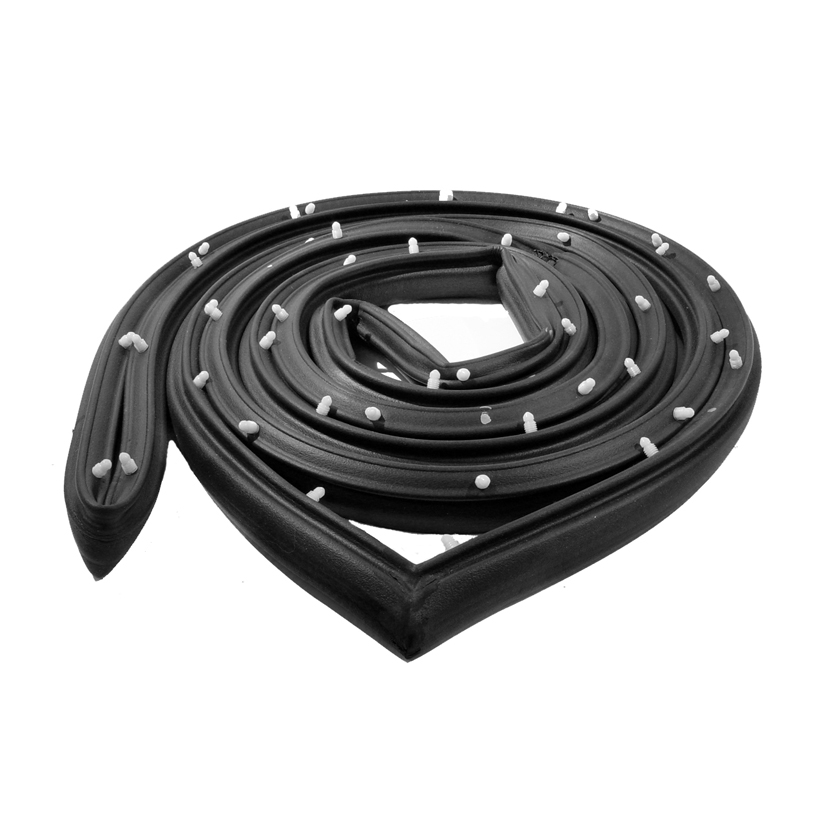 1982 GMC G1500 Side Cargo Door Seal. Front portion-LM 13-VCFSide Cargo Door Seal. Front portion. For full-size vans (1996 early design). Each.
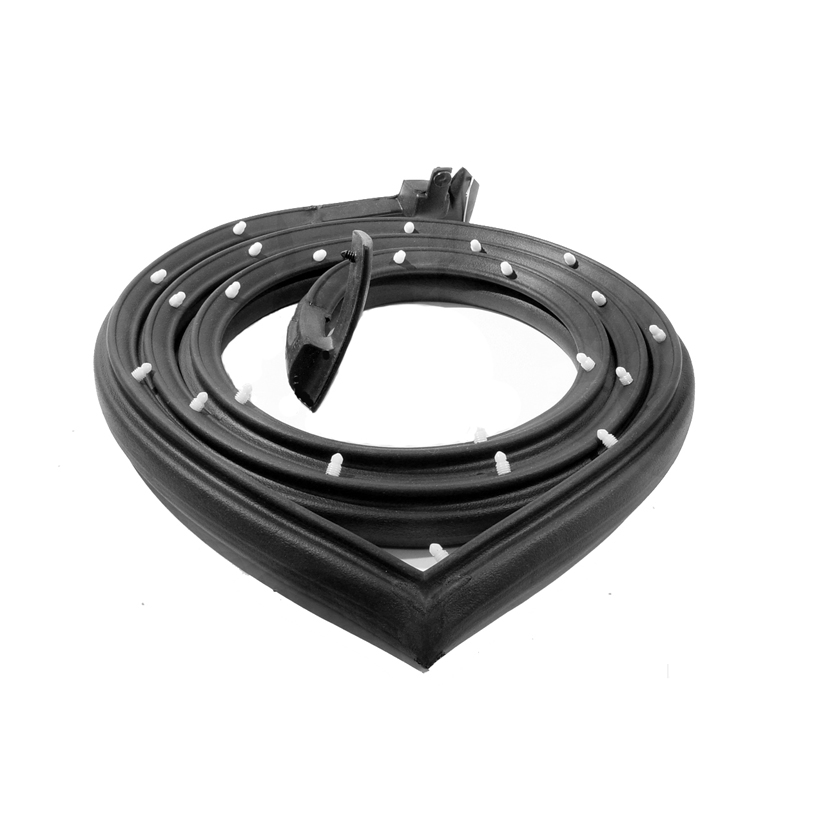 1982 GMC G1500 Side Cargo Door Seal. Rear portion-LM 13-VCRSide Cargo Door Seal. Rear portion. For full-size vans (1996 early design). Each.
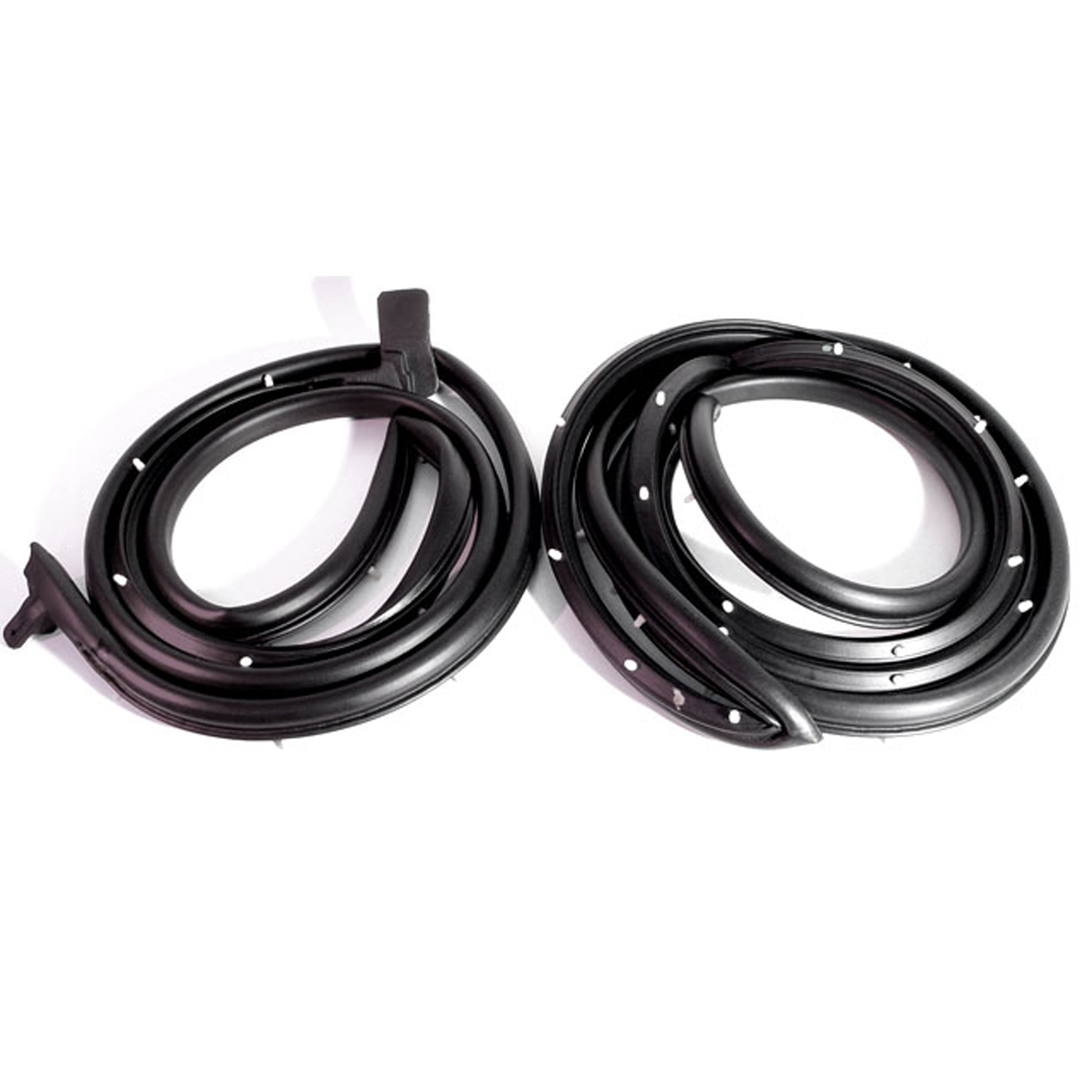 1982 GMC G1500 Rear Cargo Door Seals-LM 13-VRRear Cargo Door Seals. For full size models (1996 early design). Includes left and right seals. Pair
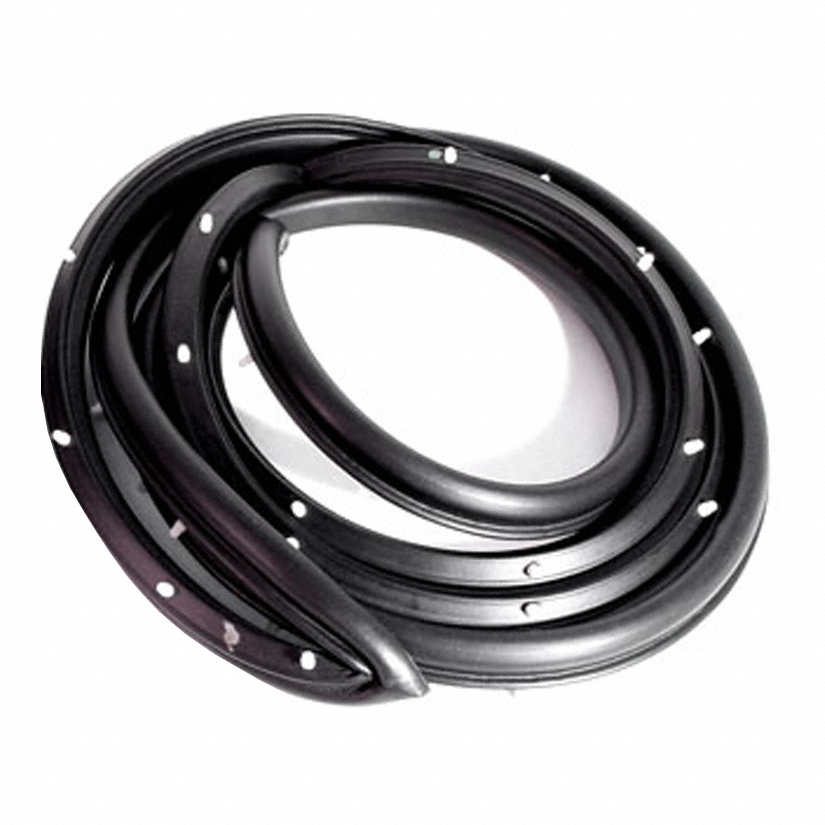 1982 GMC G1500 Rear Cargo Door Seal. LH portion (driver's side)-LM 13-VR/DSRear Cargo Door Seal. LH portion (driver's side). For full-size vans (1996 early design). Each.
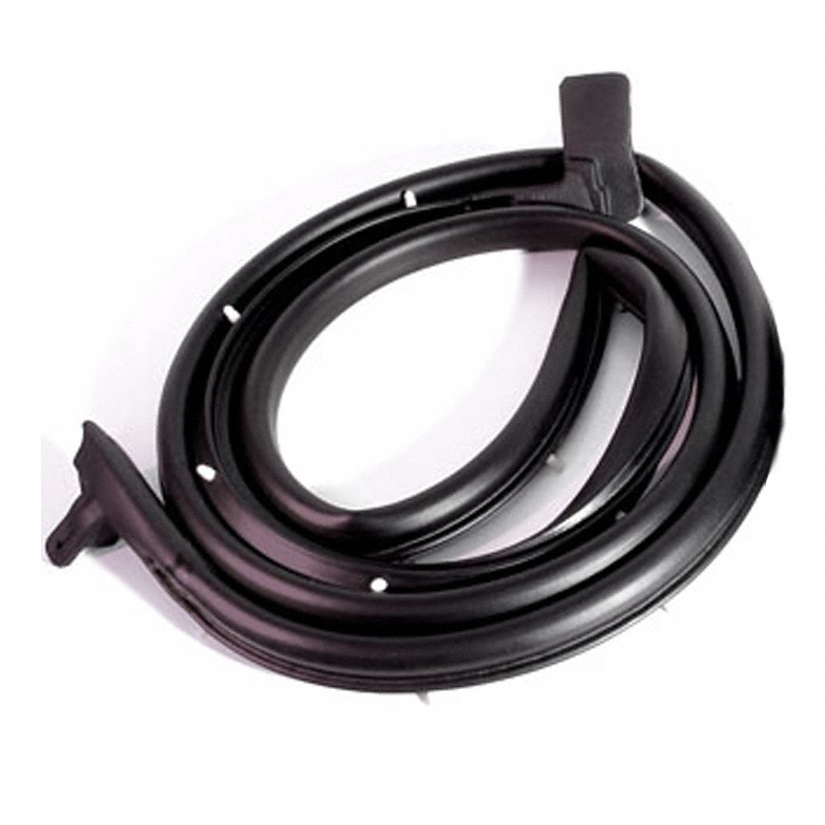 1982 GMC G1500 Rear Cargo Door Seal. RH (passenger's side)-LM 13-VR/PSRear Cargo Door Seal. RH (passenger's side). For full-size vans (1996 early design). Each.Rear Cargo Door Seal. RH (passenger's side). For full-size vans (1996 early design). Each.
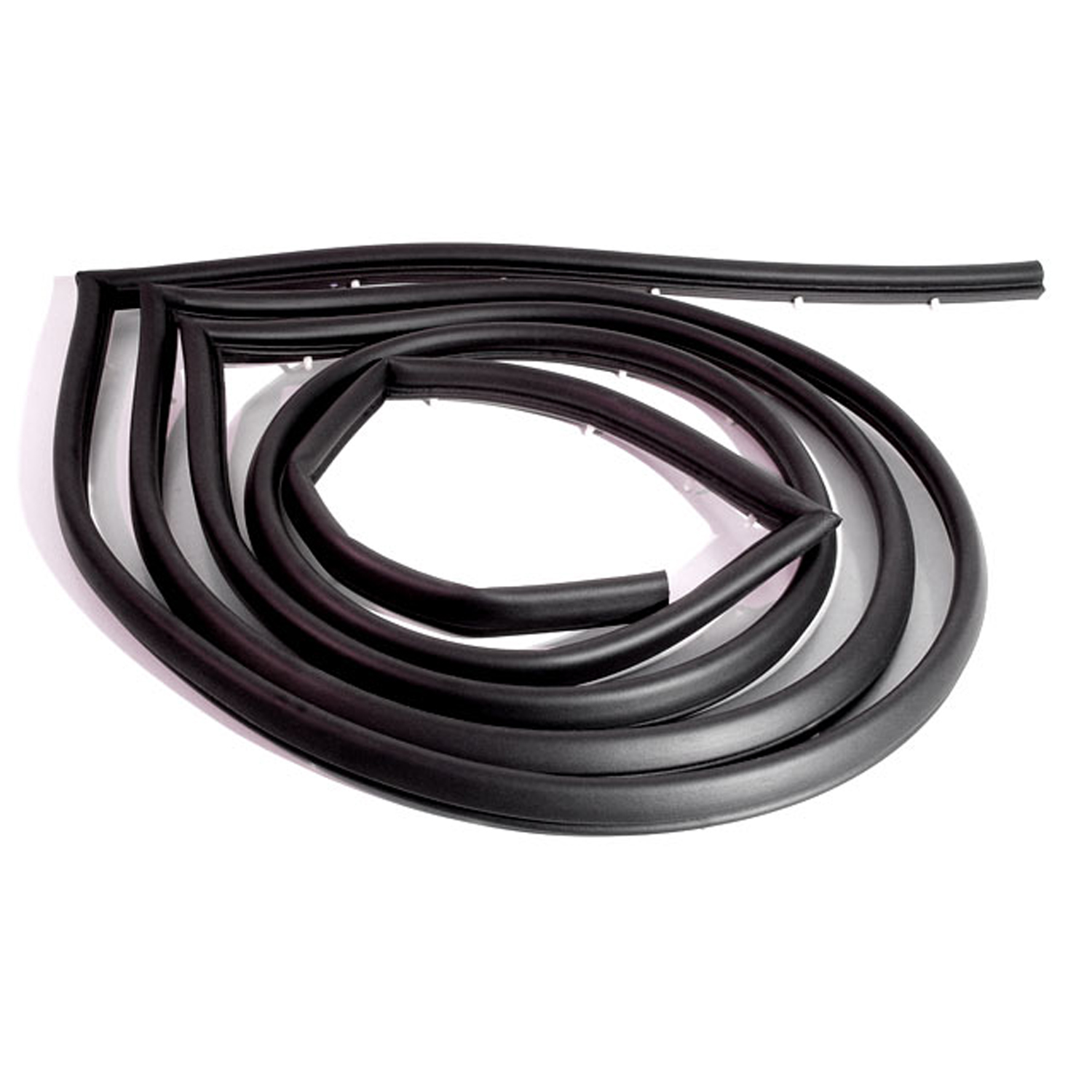 1982 GMC G1500 Side Sliding Door Seal-LM 13-VSSide Sliding Door Seal. For full size models (1996 early design). 213-1/4" Long. Each
 1982 GMC G1500 Basic Kit, for Models with Sliding Side Doors-RKB 1300-100Basic Kit, for Models with Sliding Side Doors. Front Door (LM 13-V) Rear Door (LM 13-VR) Side Slider (LM 13-VS), Seals.
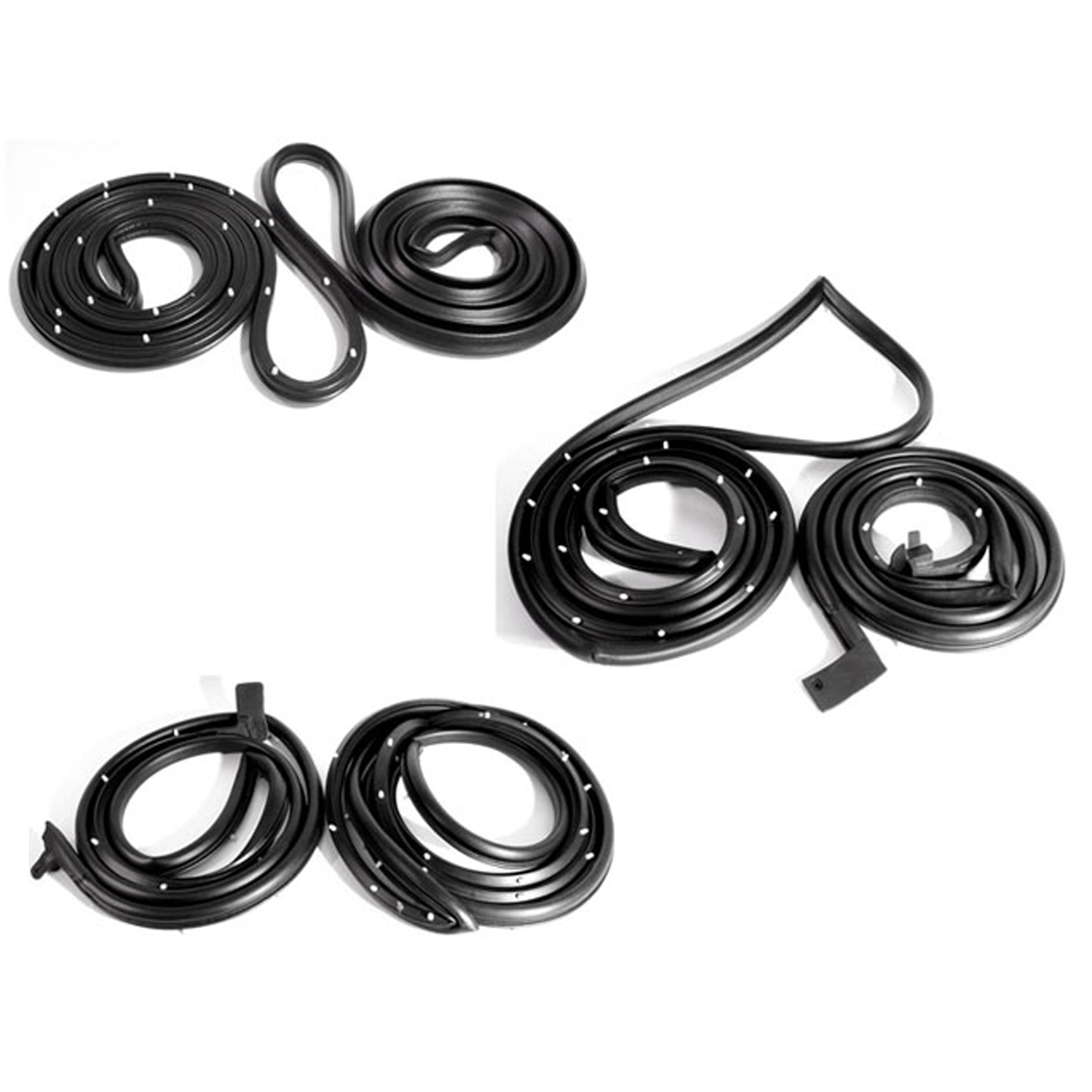 1982 GMC G1500 Basic Kit, for Models with Side Cargo Doors-RKB 1300-101Basic Kit, for Models with Side Cargo Doors. Front Door (LM 13-V) Rear Door (LM 13-VR) Side Cargo (LM 13-VC), Seals.
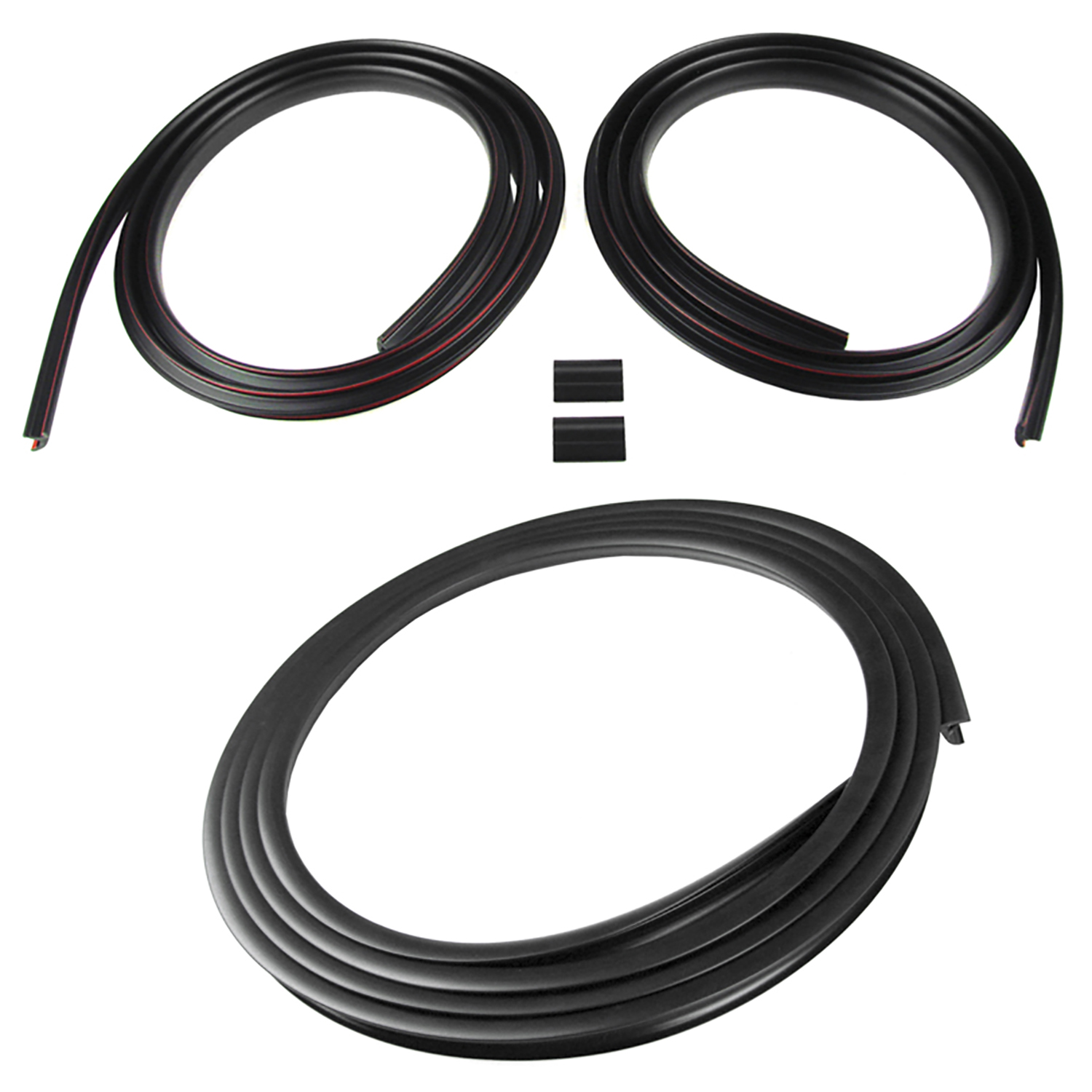 1982 GMC G1500 Windshield Seal Set, 81 95 GM G Series Van, 96 Chevy G30,GMC G3500 Van, Set of 5-VWS 7313-EIncludes two outer PVC pieces and clips. Also includes the EPDM sponge inner seal. This product is made from the original specs and with high quality ozone resistant materials for a great fit and long life. This item is designed to be installed during glass replacement.
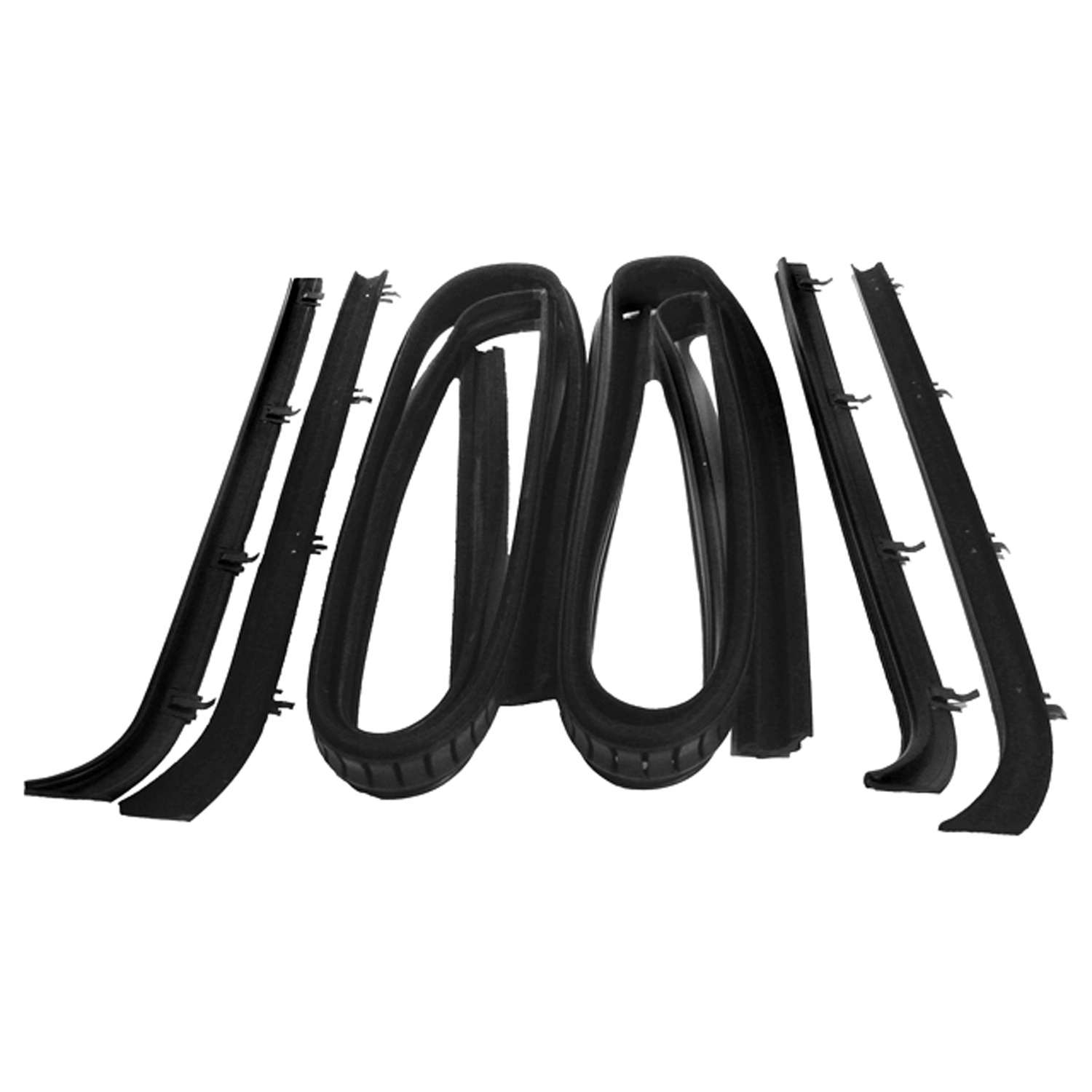 1982 GMC G1500 Window Channel and Sweeper Kit. 6-Piece Kit-WC 5900-20Window Channel and Sweeper Kit. 6-Piece Kit
Why Choose Metro?
For over 100 years, Metro Moulded Parts has been the pinnacle of quality in classic car restoration parts. Our commitment to precision and authenticity in every component ensures a perfect fit and an OEM-level appearance.
- Expert Craftsmanship & Quality: Each part is a testament to our dedication to reliability and perfection, crafted from original designs and thoroughly tested.
- Advanced Technology: We use cutting-edge techniques to create flawless, long-lasting parts that surpass others in performance.
- SuperSoft Sponge – The Ultimate Door Seal: Not only are our door seals 30% softer than competitors', but they're also guaranteed to never leak. They effectively reduce wind and road noise, enhancing your classic car's comfort and driving experience.
- Proudly American: Our parts are a product of American craftsmanship, made in the USA with a spirit of excellence and heritage.
- Unrivaled Warranty: We back our products with a 30-year industry-leading warranty, a testament to our confidence in their quality.
Join us in preserving the legacy of classic cars with parts that are crafted for perfection, not just made.