
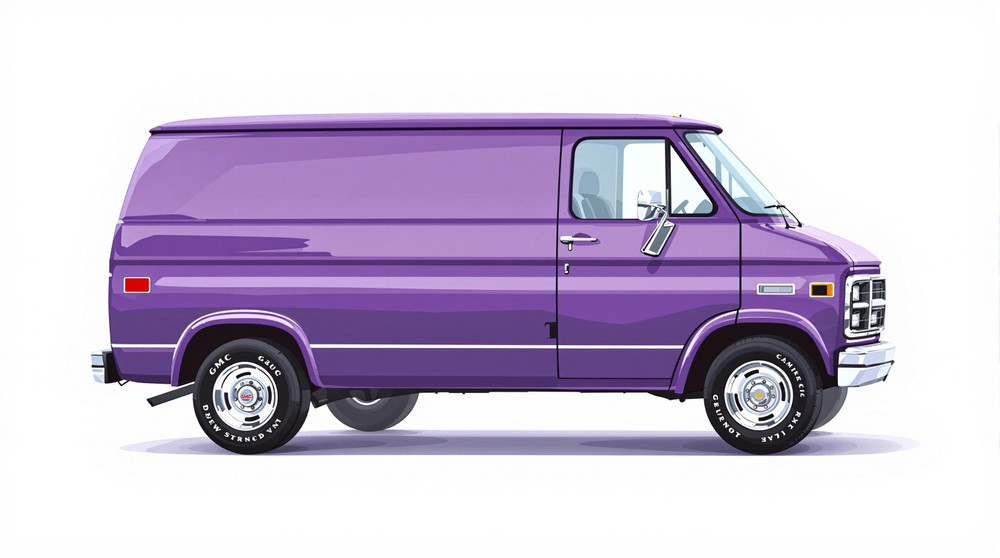
Image of 1982 Gmc G2500, Note: These illustrations use artistic license and may differ from actual historical models.
Performance Metrics
Fundamental Metrics
Emotional Appeal
MMP Rating
| Engine Specifications | |
|---|---|
| Engine Options: | 4.1L 6-cylinder, 5.0L V8, 5.7L V8, 6.2L V8 Diesel |
| Displacement Range: | 4.1L - 6.2L |
| Horsepower Range: | 110-165 HP |
| Torque: | 210-285 lb-ft |
| Compression Ratio: | 8.0:1 - 8.6:1 |
| Ignition System: | Electronic ignition system |
| Cooling System: | Liquid-cooled |
| Performance Specifications | |
| 0-60 Time: | Estimated 12-15 seconds |
| 1/4 Mile Time: | Estimated 18-20 seconds |
| Top Speed: | 85-95 mph |
| Transmission and Drive | |
| Drive Type: | Rear-wheel drive |
| Transmission Type: | 3-speed automatic, 4-speed manual |
| Fuel and Efficiency | |
| Fuel System Type: | Carburetor |
| MPG: | 10-15 MPG |
| Dimensions and Brakes | |
| Brakes: | Front disc, rear drum |
| Wheelbase: | 125 inches |
| Weight: | 4,500-5,000 lbs |
Note: Specifications for classic cars are given to the best of our ability, considering the limited and variant data available.
1982 GMC G2500: The Full-Size Van With a Truck’s Backbone
The 1982 GMC G2500 could be a work van on Monday, a family hauler on Friday, and the foundation for a custom camper by the weekend. Built by General Motors, the G2500 was the three-quarter-ton version of GMC’s full-size G-Series van, commonly sold under the Vandura name in passenger and trim-focused versions. Its mix of useful cargo space, truck-based running gear, and broad customization options made it a familiar sight on American roads.
The G2500 belonged to the third-generation GM van family, introduced for 1971 and produced in updated form through 1996. By 1982, its basic formula was well established: a forward-control layout with the engine housed beneath a doghouse between the front seats, rear-wheel drive, and a sturdy chassis intended to handle people, equipment, or both. One fun connection is that the famous black-and-red A-Team van was a closely related GMC Vandura from a later model year, not a 1982 G2500. The resemblance helps explain why this generation remains so recognizable.
Vandura Styling and Practical Design
The G2500 had a square-shouldered, purposeful look. Its broad front end, upright windshield, flat sides, and large glass areas favored visibility and interior room over sleekness. Depending on configuration, it could wear a plain work-van face with minimal trim or a more finished passenger-van appearance with brighter accents, wheel covers, and additional windows. The design was practical, but its simple proportions have aged into a distinct classic-van look.
G2500s were offered in different layouts, including cargo vans, passenger vans, and windowed versions that became popular starting points for conversion companies. Buyers could also choose between standard and extended-length bodies, depending on model and configuration. Cargo vans prioritized enclosed space and access for tools or freight. Passenger versions added seating and windows, while conversion vans commonly gained upgraded upholstery, cabinetry, carpeting, captain’s chairs, and entertainment equipment. The most iconic look today is often the custom conversion van, though the unadorned cargo model has its own appeal among tradespeople and restorers.
Exterior paint choices varied by trim, order, and fleet requirements. Period colors included practical whites and earth tones as well as more expressive shades, with two-tone treatments especially suited to customized examples. White was a common fleet and work-van choice. Bright graphics, contrasting stripes, and custom paint became popular on conversion vans, although those touches were often added by conversion firms or owners rather than being unique G2500 factory packages.
Cabin, Comfort, and 1980s Equipment
Inside, the G2500 was built around function. The front cabin used durable, straightforward materials, with vinyl or cloth seating and hard-wearing trim depending on specification. The engine cover, or doghouse, sat between the driver and passenger, a defining feature of the driving position. It made the van compact for its interior capacity, but also meant engine heat and noise could be more noticeable in the cabin than in a conventional pickup.
Equipment varied considerably. A basic work van could be sparsely appointed, while passenger and higher-trim examples might have carpeting, more comfortable seating, extra interior trim, and rear climate equipment. Depending on the order, available conveniences could include power steering, power brakes, air conditioning, an automatic transmission, cruise control, and an AM/FM radio. These were useful upgrades rather than advanced technology by modern standards. The G2500’s real innovation was its adaptable package: a large, configurable interior paired with familiar, serviceable truck components.
Why the G2500 Mattered
The 1982 G2500 did not introduce a revolutionary engine or a radical new body structure. Its significance came from how effectively it served different jobs. The same basic van could work as a delivery vehicle, passenger shuttle, service truck, camper, or luxury conversion. That flexibility helped make full-size vans a major part of American commercial and recreational life.
Compared with smaller vans, the G2500 offered more carrying capacity and a heavier-duty character. Compared with a pickup, it protected cargo from weather and theft while providing an enclosed space that could be fitted out for passengers or specialized work. Its truck-derived mechanical layout also made it familiar to many repair shops. The generation’s long production run and extensive aftermarket support helped establish the full-size van as a platform people could tailor to their own needs.
Engines, Speed, and Road Manners
Engine availability depended on configuration and market. Period G-series vans could be fitted with gasoline six-cylinder or V8 engines, and some versions were offered with a 6.2-liter diesel. Common gasoline choices included small-block V8s such as the 5.0-liter and 5.7-liter, though buyers should confirm the original specification through the vehicle’s documentation and identification codes. Three-speed automatic transmissions were common, with manual transmissions available in some configurations. Exact combinations could vary with payload rating, wheelbase, and equipment.
There is no single meaningful factory 0-to-60 mph figure for every G2500. Engine, axle gearing, passenger or cargo load, and transmission all affect performance. As a broad period-style estimate, a gasoline V8 example might take roughly 13 to 18 seconds to reach 60 mph, while a heavily loaded van or a less powerful engine could be slower. Top speed likewise depends on gearing and condition. A reasonable estimate for many stock examples is around 85 to 95 mph, but the G2500 was designed for hauling and cruising, not high-speed running.
On the road, the G2500 feels substantial and upright. Its front suspension and truck-oriented setup cope well with ordinary pavement, but sharp bumps can send a firm jolt through the cabin, especially in a lightly loaded cargo van. A full load often settles the ride. In crosswinds, the tall body can be pushed around, and tight, winding roads call for measured steering inputs and sensible speeds. The driving position is commanding, but the wide body and long rear overhang require care when parking or maneuvering in confined spaces.
A V8 adds a familiar low rumble, joined by the sound of the engine working close beneath the doghouse. Acceleration is steady rather than sporty, and the driver feels the van’s weight through braking, cornering, and changes in direction. For many owners, that is part of the appeal: the G2500 feels like a piece of useful equipment rather than a car wearing a van body.
Living With a 1982 GMC G2500
Today, owners use G2500s as weekend campers, work vehicles, vintage show entries, family projects, and rolling canvases for period-correct custom interiors. Original cargo vans are attractive to buyers who want a practical classic, while passenger and conversion examples draw people interested in road trips and retro van culture. It is not a racing vehicle, though well-maintained examples can comfortably handle ordinary highway travel at sensible speeds.
Mechanical service is generally straightforward for a classic vehicle. Many engines and drivetrain parts were shared across GM trucks and other models, and the layout is familiar to independent mechanics. The doghouse provides access to the engine, but working there can be cramped and hot. Age-related problems are more likely to define ownership than exotic mechanical complexity: inspect the cooling system, brakes, steering, transmission, electrical connections, fuel system, and rubber components carefully.
Rust deserves particular attention. Check the floors, rocker areas, wheel openings, door bottoms, body mounts, and frame for corrosion or old repairs. Also examine the sliding or rear doors, window seals, and roof for water leaks. A conversion van may have extra wiring, appliances, or interior modifications that need careful inspection. A solid body and a well-documented mechanical history are usually more valuable than a long list of accessories.
Trivia, Pop Culture, and Common Complaints
The G2500’s best-known pop-culture association is the GMC Vandura used as the A-Team van. That television vehicle is from a later model year, but it helped cement the look of this generation in popular memory. The 1982 G2500 shares the same broad family resemblance, making it a natural choice for period-inspired restorations and replicas.
There is no widely recognized speed, endurance, or sales record specific to the 1982 G2500. Nor is there a well-documented celebrity-owned edition that defines the model. Its appeal is more grounded: it was a common, adaptable vehicle that could be ordered for work or transformed by aftermarket builders. Exact production totals for the G2500 by year, body style, and engine are not readily available in public sources, so claims of a precise number should be treated cautiously.
Common criticisms are familiar to anyone who has driven an older full-size van. Fuel economy is modest, the engine cover can make the front cabin warm, and the tall body catches crosswinds. Parking and visibility around the rear corners can also be challenging. Those shortcomings are balanced by a spacious interior, robust utility, and mechanical parts that are often easier to source than components for less common classic vehicles.
Collector Prices and Availability
The 1982 GMC G2500 is a niche classic rather than a rare investment-grade collectible. Exact production figures are unavailable, but the G-Series was built in large numbers over its long production life. A cautious estimate is that 1982 G2500 production likely reached the thousands and may have amounted to tens of thousands across configurations, but a more precise figure cannot be responsibly stated without factory records.
As a general U.S. market guide, rough or non-running project vans may sell for about $2,000 to $6,000. Usable drivers often fall around $7,000 to $16,000, while clean, well-maintained examples can reach roughly $15,000 to $25,000. High-quality restorations and desirable conversion vans may ask $25,000 to $35,000 or more, particularly when the body is rust-free and the interior is complete. These are broad estimates, not guaranteed sale prices. Condition, engine, documentation, conversion quality, and local demand can shift values substantially.
Values have generally benefited from renewed interest in vintage vans and road-trip culture, but the market remains selective. A clean, original, or thoughtfully restored example is more likely to hold value than a neglected van with incomplete modifications. The G2500 is best approached as an enjoyable classic with practical character, rather than a sure-fire short-term investment.
Final Take on the 1982 GMC G2500
The 1982 GMC G2500 brought together truck-like durability, a roomy and adaptable body, and the freedom to build a van for nearly any purpose. It was not quick or especially refined, but it was useful, customizable, and easy to recognize. Whether preserved as a working cargo van or transformed into a comfortable period-style cruiser, the G2500 captures an era when a full-size van could be both everyday transport and a project with room to dream.
1982 Gmc G2500 Catalog of Parts
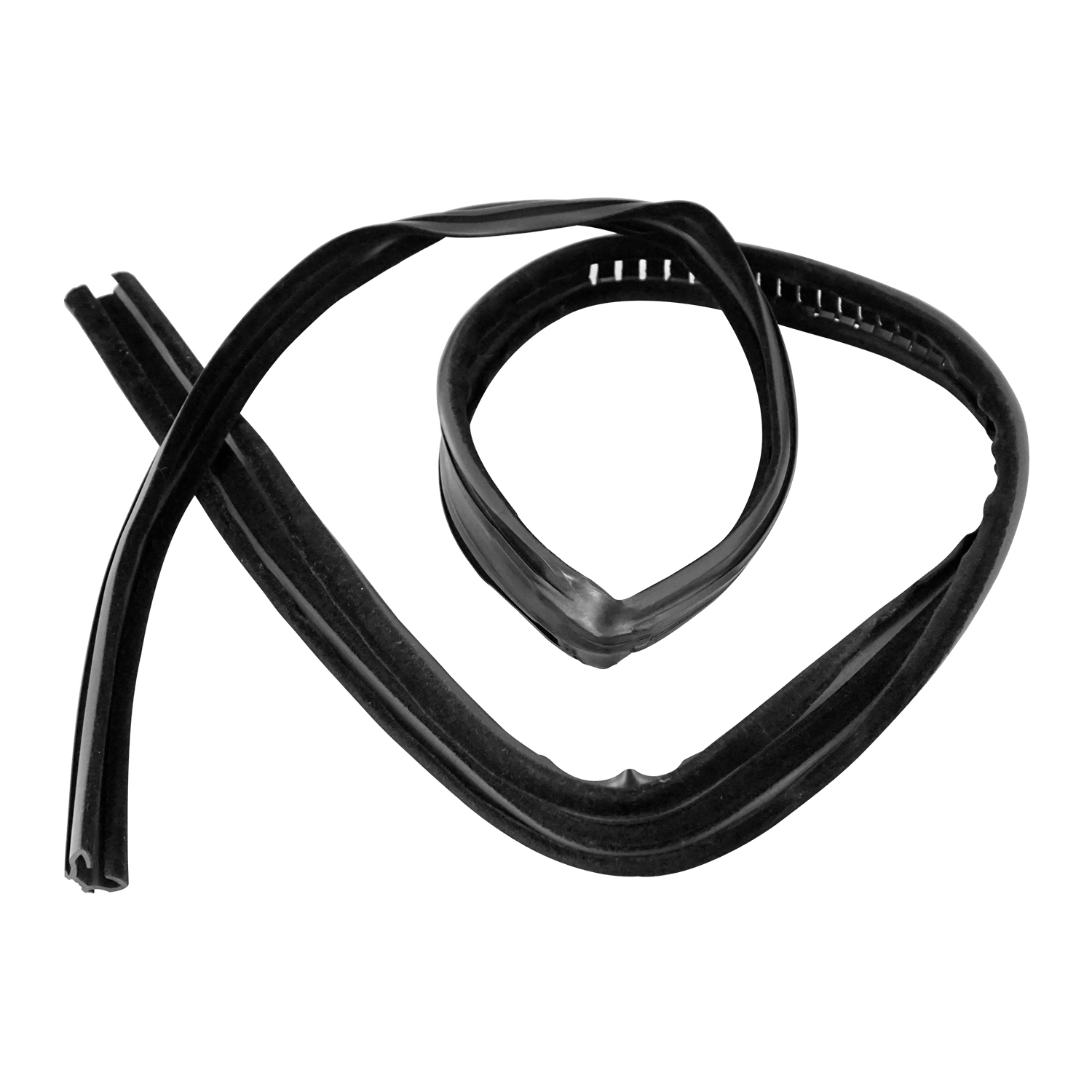 1982 GMC G2500 Window glass-run channel seal-IS-WC 5900-23Window glass-run channel seal. Fits left or right front door of '80-'96 Chevrolet/GMC full-size vans. EPDM rubber, flocked channels, snap-in installation with detailed corners. Replaces OEM# 15990050. Each.
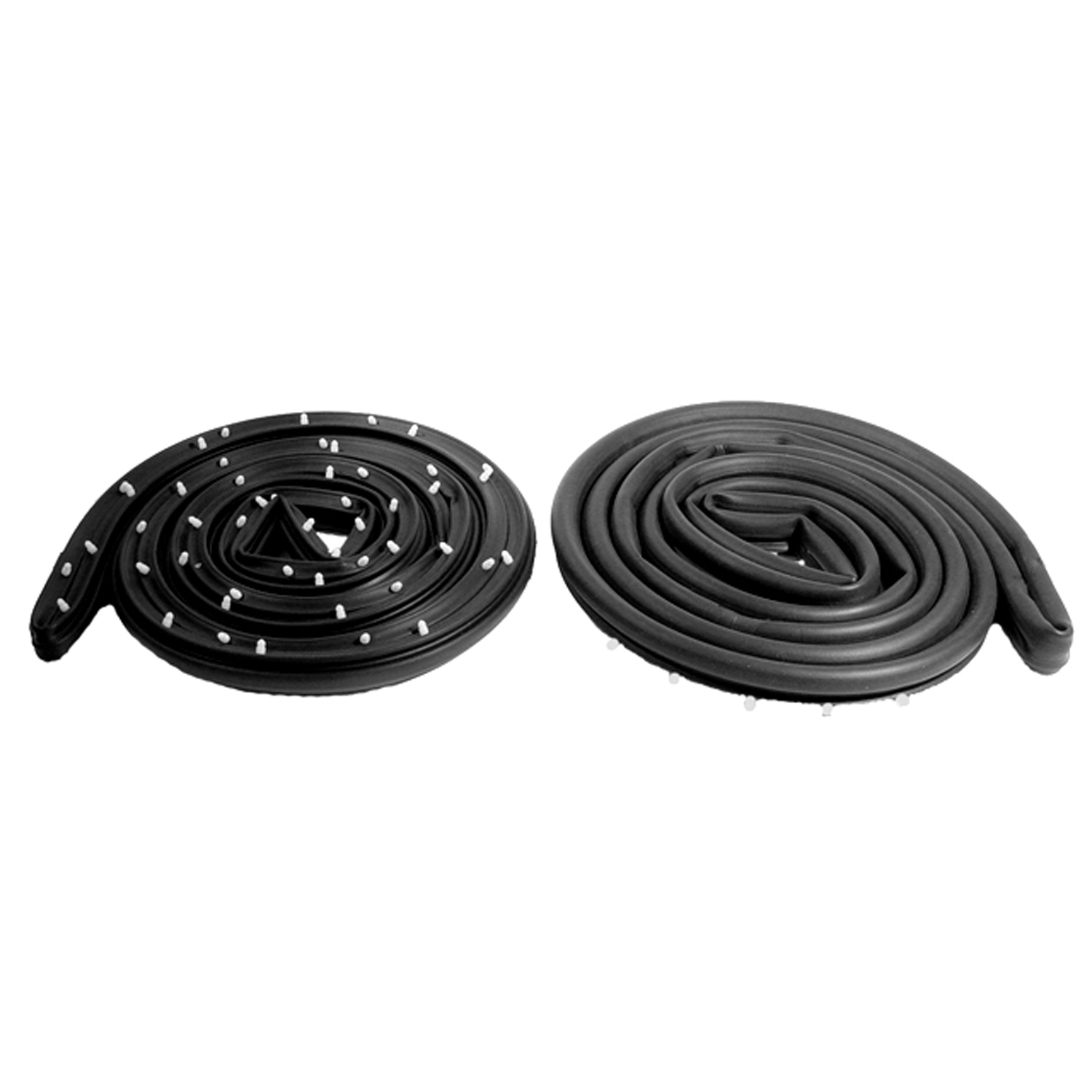 1982 GMC G2500 Front Molded Door Seals-LM 13-VFront Molded Door Seals. For full size models (1996 early design). 162" Long. Pair R&L
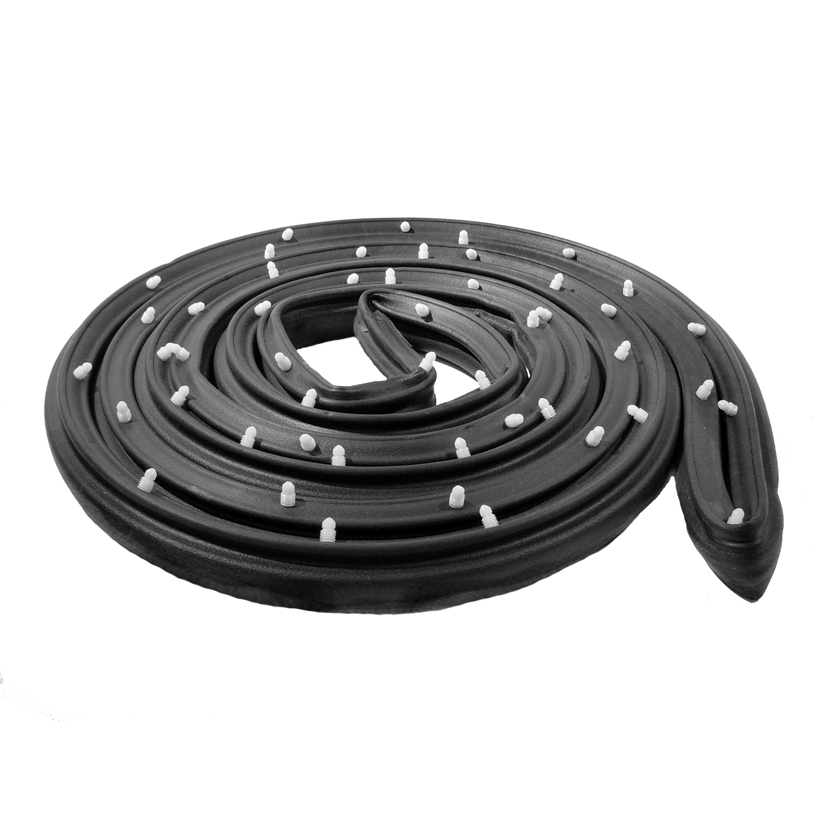 1982 GMC G2500 Front LH (driver's side) Molded Door Seal-LM 13-V/DSFront LH (driver's side) Molded Door Seal. For full-size vans (1996 early design). Each.
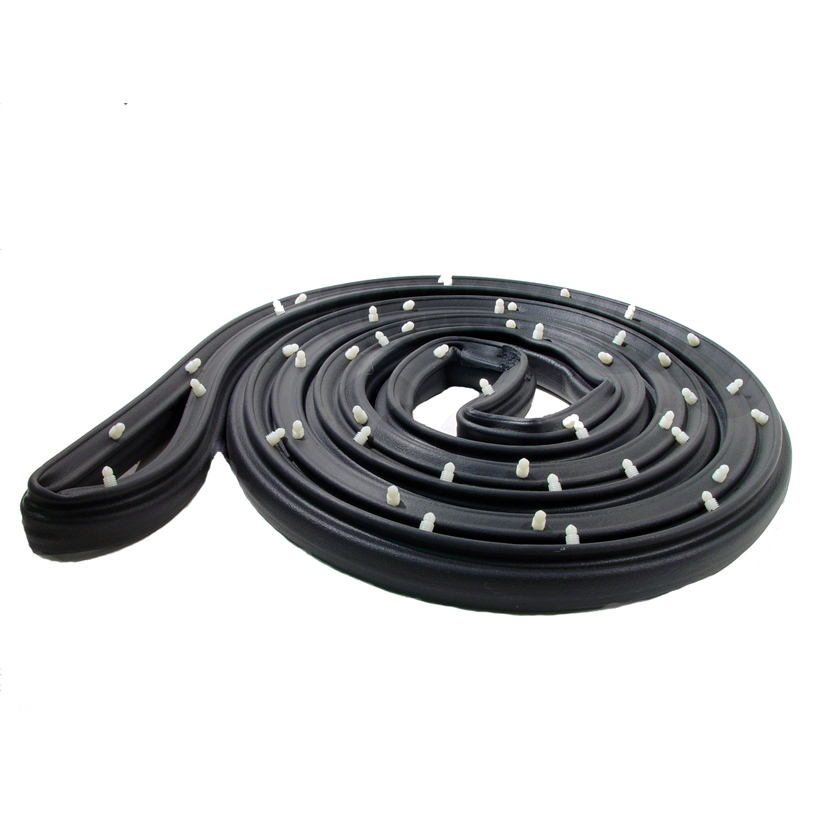 1982 GMC G2500 Front LH (passenger's side) Molded Door Seal-LM 13-V/PSFront LH (passenger's side) Molded Door Seal. For full-size vans (1996 early design). Each.
 1982 GMC G2500 Side Cargo Door Seals-LM 13-VCSide Cargo Door Seals. For full size models (1996 early design). Includes front and rear seals. Pair
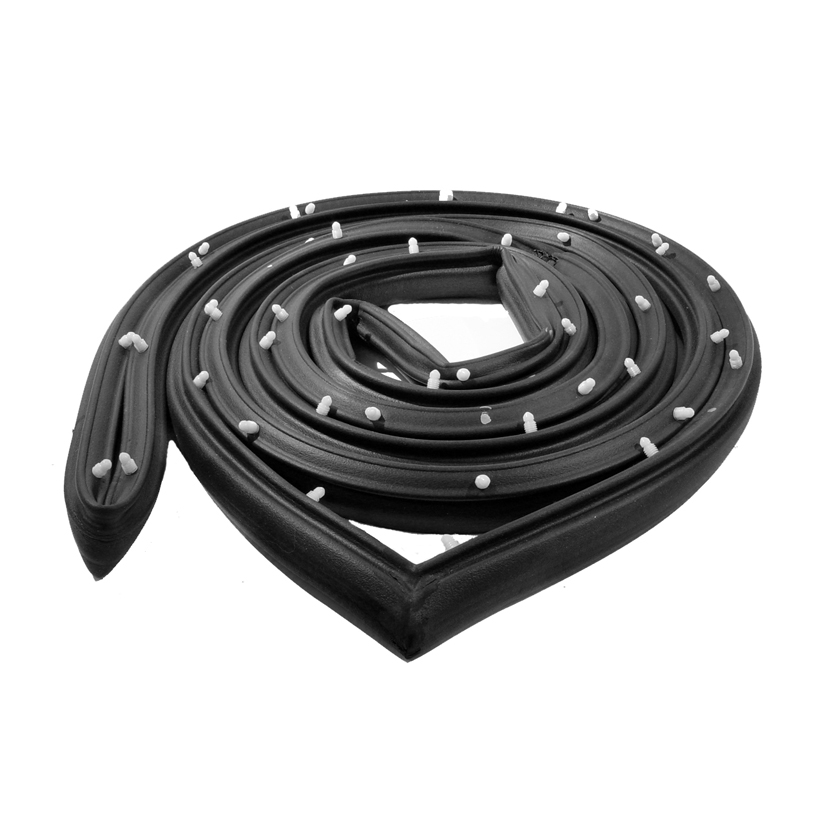 1982 GMC G2500 Side Cargo Door Seal. Front portion-LM 13-VCFSide Cargo Door Seal. Front portion. For full-size vans (1996 early design). Each.
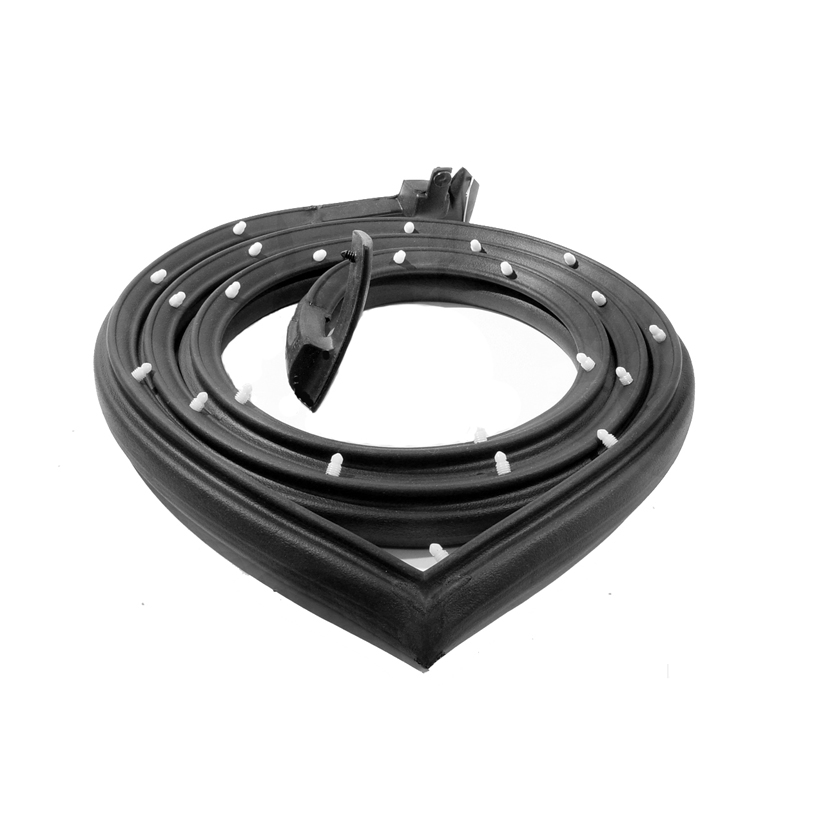 1982 GMC G2500 Side Cargo Door Seal. Rear portion-LM 13-VCRSide Cargo Door Seal. Rear portion. For full-size vans (1996 early design). Each.
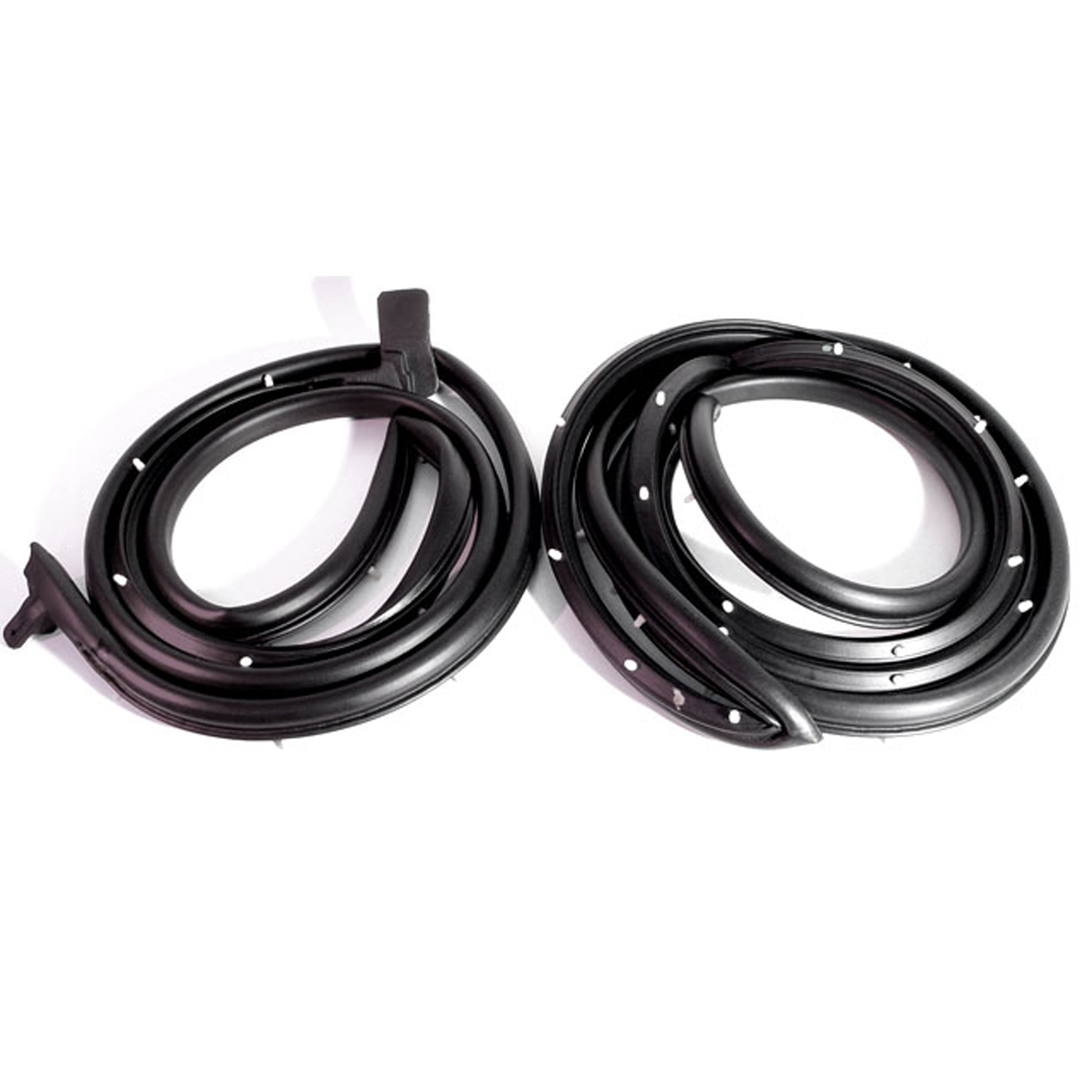 1982 GMC G2500 Rear Cargo Door Seals-LM 13-VRRear Cargo Door Seals. For full size models (1996 early design). Includes left and right seals. Pair
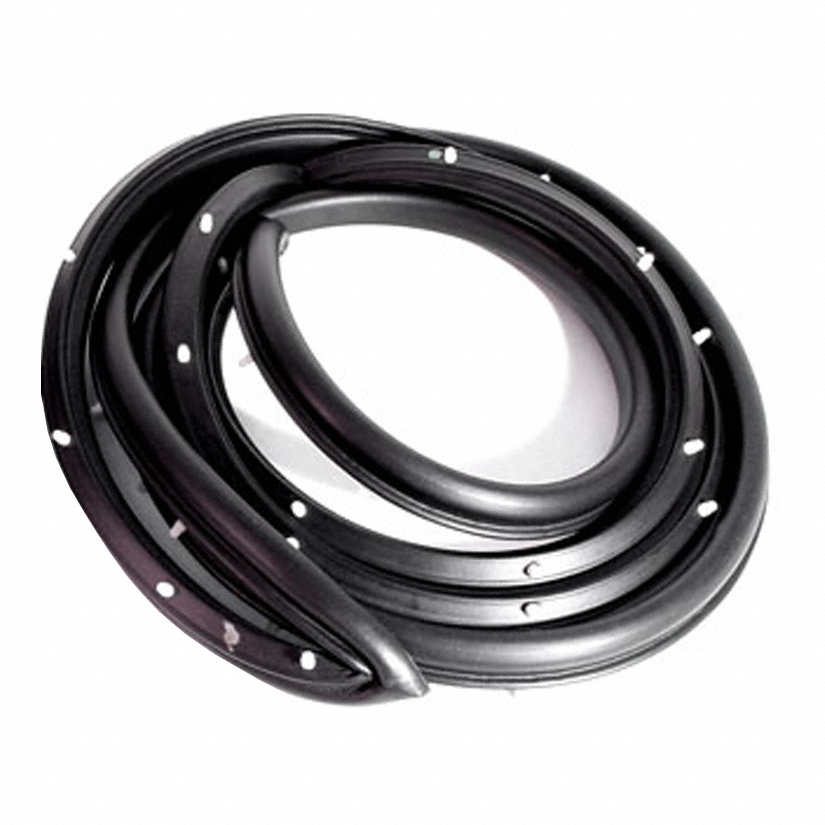 1982 GMC G2500 Rear Cargo Door Seal. LH portion (driver's side)-LM 13-VR/DSRear Cargo Door Seal. LH portion (driver's side). For full-size vans (1996 early design). Each.
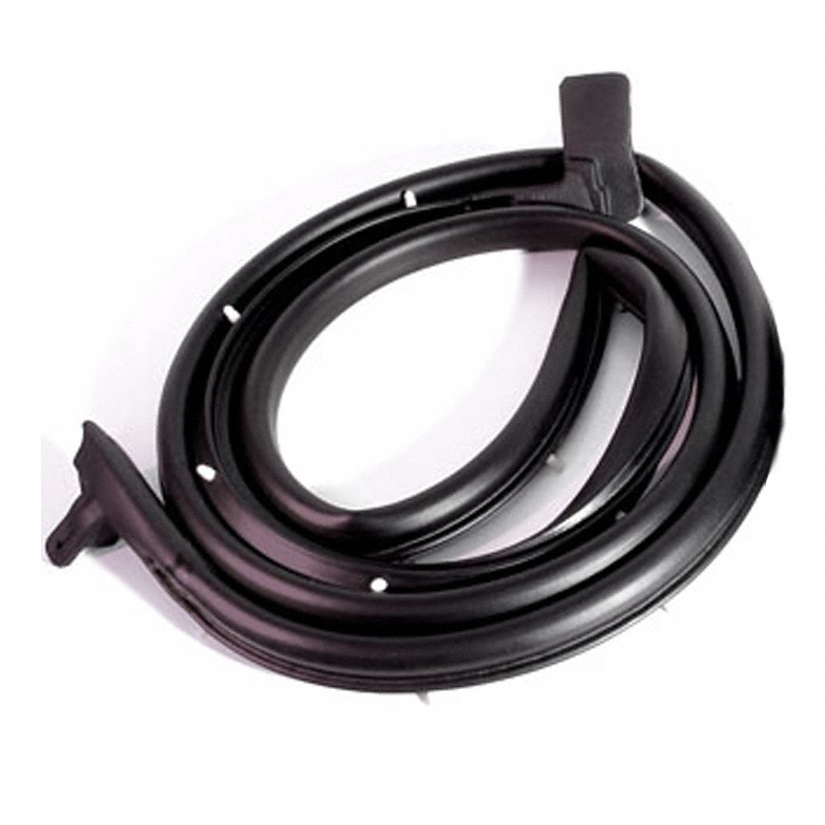 1982 GMC G2500 Rear Cargo Door Seal. RH (passenger's side)-LM 13-VR/PSRear Cargo Door Seal. RH (passenger's side). For full-size vans (1996 early design). Each.Rear Cargo Door Seal. RH (passenger's side). For full-size vans (1996 early design). Each.
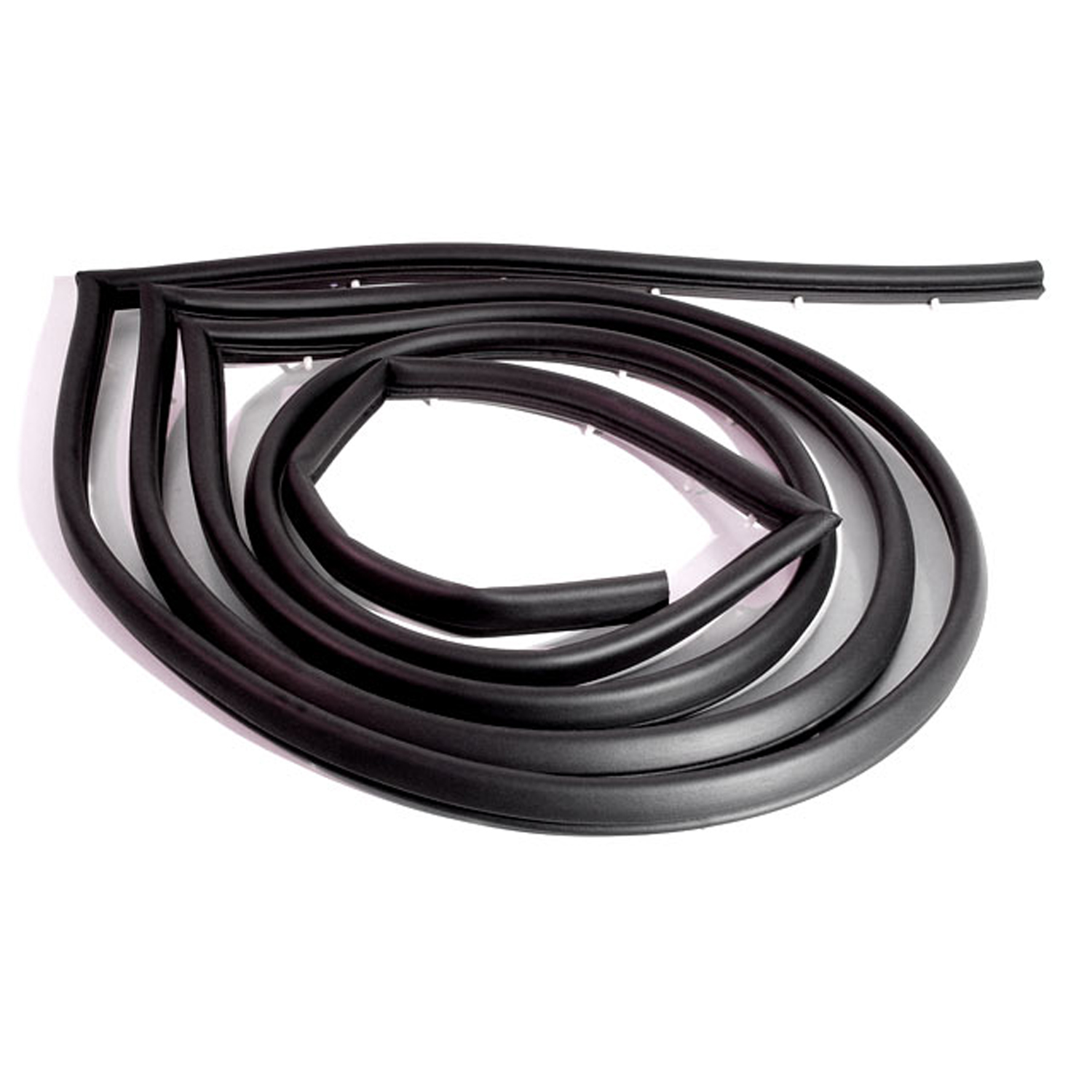 1982 GMC G2500 Side Sliding Door Seal-LM 13-VSSide Sliding Door Seal. For full size models (1996 early design). 213-1/4" Long. Each
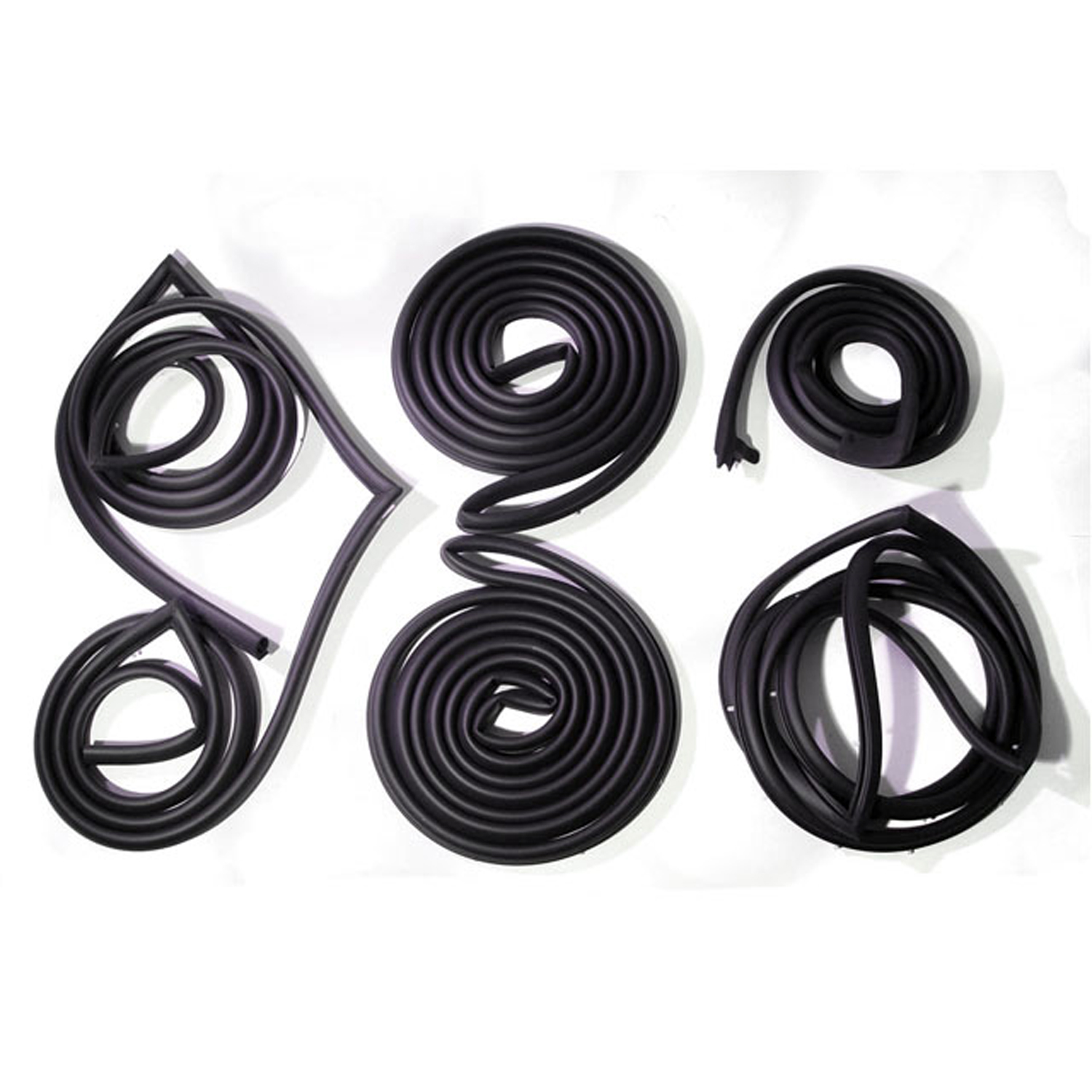 1982 GMC G2500 Basic Kit, for Models with Sliding Side Doors-RKB 1300-100Basic Kit, for Models with Sliding Side Doors. Front Door (LM 13-V) Rear Door (LM 13-VR) Side Slider (LM 13-VS), Seals.
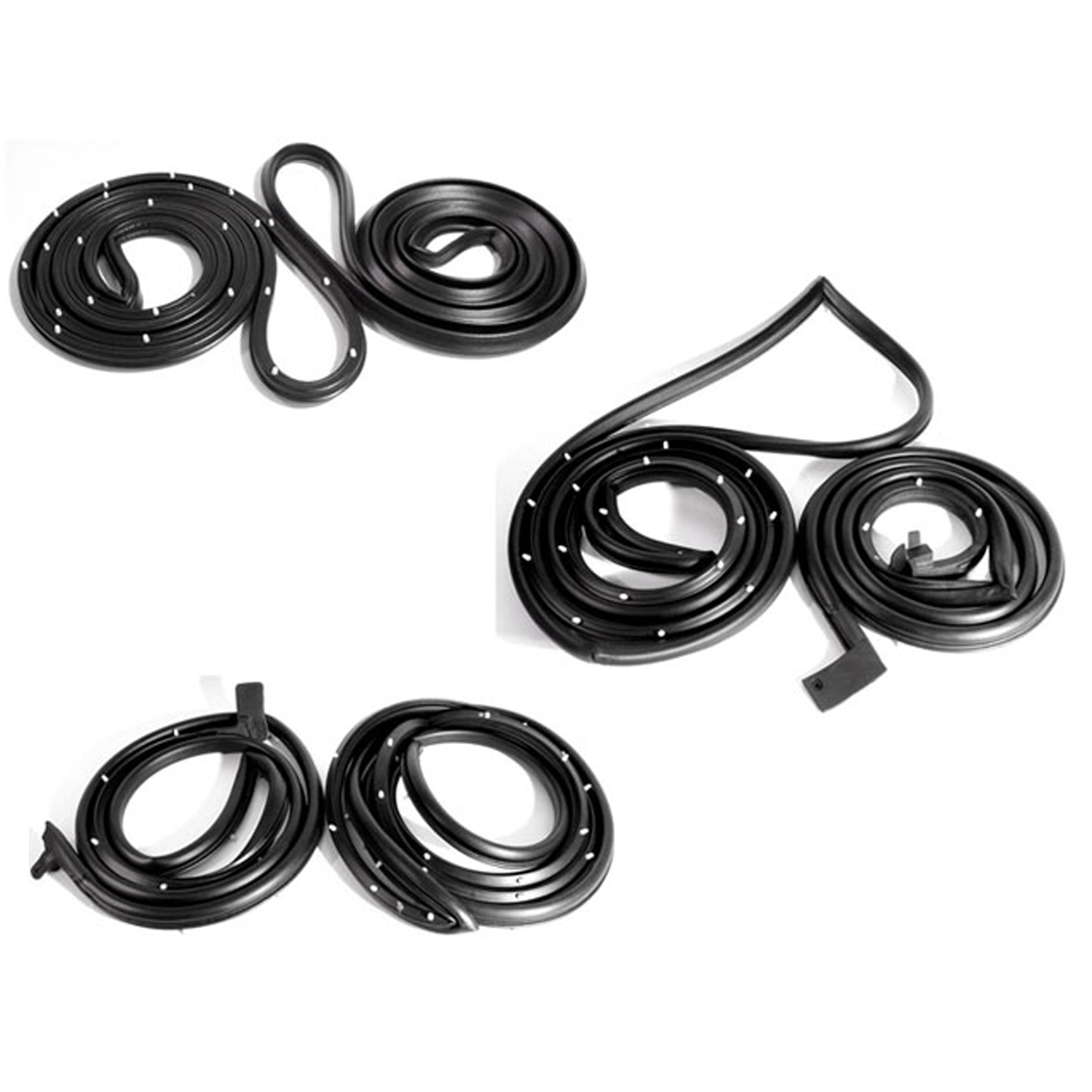 1982 GMC G2500 Basic Kit, for Models with Side Cargo Doors-RKB 1300-101Basic Kit, for Models with Side Cargo Doors. Front Door (LM 13-V) Rear Door (LM 13-VR) Side Cargo (LM 13-VC), Seals.
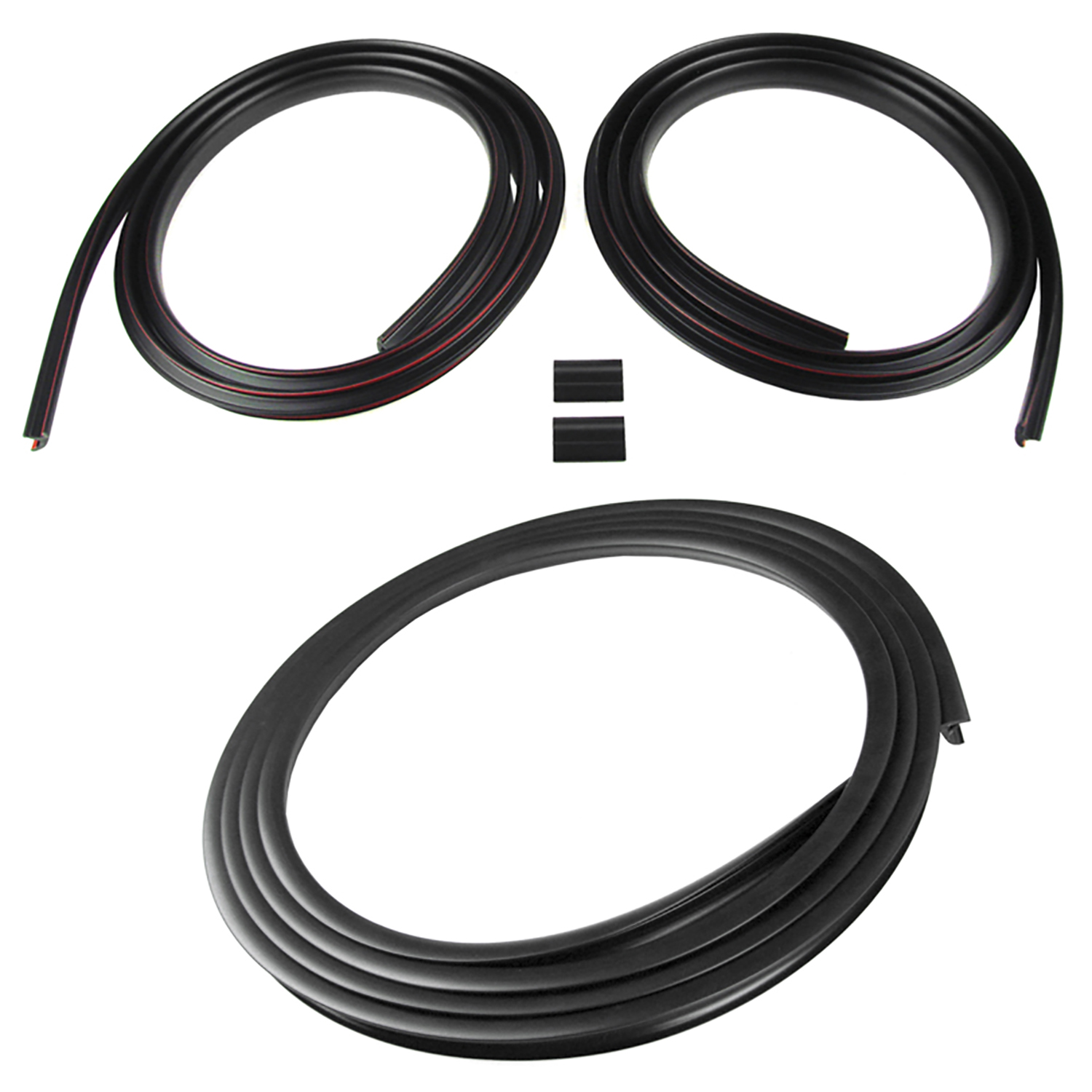 1982 GMC G2500 Windshield Seal Set, 81 95 GM G Series Van, 96 Chevy G30,GMC G3500 Van, Set of 5-VWS 7313-EIncludes two outer PVC pieces and clips. Also includes the EPDM sponge inner seal. This product is made from the original specs and with high quality ozone resistant materials for a great fit and long life. This item is designed to be installed during glass replacement.
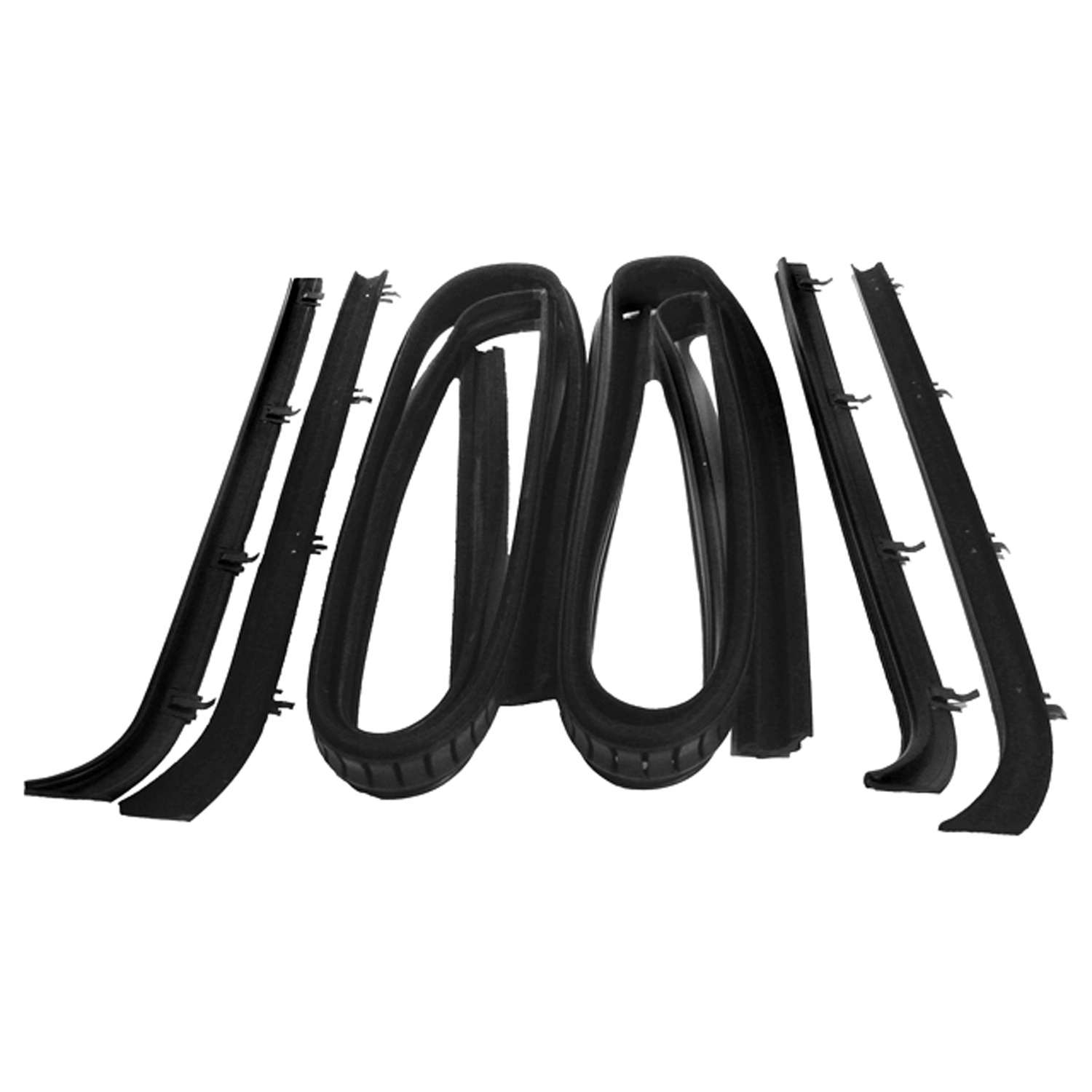 1982 GMC G2500 Window Channel and Sweeper Kit. 6-Piece Kit-WC 5900-20Window Channel and Sweeper Kit. 6-Piece Kit
Why Choose Metro?
For over 100 years, Metro Moulded Parts has been the pinnacle of quality in classic car restoration parts. Our commitment to precision and authenticity in every component ensures a perfect fit and an OEM-level appearance.
- Expert Craftsmanship & Quality: Each part is a testament to our dedication to reliability and perfection, crafted from original designs and thoroughly tested.
- Advanced Technology: We use cutting-edge techniques to create flawless, long-lasting parts that surpass others in performance.
- SuperSoft Sponge – The Ultimate Door Seal: Not only are our door seals 30% softer than competitors', but they're also guaranteed to never leak. They effectively reduce wind and road noise, enhancing your classic car's comfort and driving experience.
- Proudly American: Our parts are a product of American craftsmanship, made in the USA with a spirit of excellence and heritage.
- Unrivaled Warranty: We back our products with a 30-year industry-leading warranty, a testament to our confidence in their quality.
Join us in preserving the legacy of classic cars with parts that are crafted for perfection, not just made.