

Image of 1982 Gmc G3500, Note: These illustrations use artistic license and may differ from actual historical models.
Performance Metrics
Fundamental Metrics
Emotional Appeal
MMP Rating
| Engine Specifications | |
|---|---|
| Engine Options: | 5.7L V8, 7.4L V8 |
| Displacement Range: | 350 - 454 cu in |
| Horsepower Range: | 145 - 230 hp |
| Torque: | 250 - 385 lb-ft |
| Compression Ratio: | 8.0:1 - 8.4:1 |
| Ignition System: | Electronic ignition |
| Cooling System: | Liquid-cooled |
| Performance Specifications | |
| 0-60 Time: | Estimated 10 - 12 seconds |
| 1/4 Mile Time: | Estimated 17 - 19 seconds |
| Top Speed: | 85 - 100 mph |
| Transmission and Drive | |
| Drive Type: | Rear-wheel drive |
| Transmission Type: | 3-speed automatic, 4-speed manual |
| Fuel and Efficiency | |
| Fuel System Type: | Carburetor |
| MPG: | Estimated 10 - 12 mpg |
| Dimensions and Brakes | |
| Brakes: | Front disc, rear drum |
| Wheelbase: | 135 - 159 inches |
| Weight: | 4,500 - 5,500 lbs |
Note: Specifications for classic cars are given to the best of our ability, considering the limited and variant data available.
1982 GMC G3500: A Heavy-Duty Van With Big Plans
The 1982 GMC G3500 was less a single-purpose van than a dependable platform ready for almost any job, from hauling tools to carrying a family or supporting a motorhome conversion. Built by General Motors under its GMC truck division, the one-ton G-series paired a traditional body-on-frame layout with rear-wheel drive and heavy-duty running gear. It belonged to the third-generation GMC van family, a design that remained in production from 1971 through 1996.
By 1982, full-size vans had become familiar sights on work sites, highways, and campground roads. The G3500 represented the robust end of that market, with a higher payload potential than lighter G-series models. One useful point of context for fans of pop culture: the famous black-and-red A-Team van was a GMC Vandura from a later model year, not a 1982 G3500. The connection still gives this generation of GMC vans a place in the imagination of van enthusiasts.
Square-Shouldered GMC Styling
The G3500 wore the upright, practical proportions that defined American vans of the era. Its broad hood, nearly vertical windshield, flat side panels, and blunt front end put function ahead of aerodynamic flair. Depending on configuration, it could have a conventional van nose or a cutaway cab designed to accept a larger commercial body. The tall, boxy shape made the van easy to load and gave converters plenty of room to work.
GMC offered the G-series in several forms, including cargo vans, passenger vans sold under the Vandura name, and cutaway chassis supplied for conversion into ambulances, delivery bodies, shuttle buses, and recreational vehicles. Exact body styles, wheelbases, and equipment depended on the order. The cargo van was a common sight in commercial fleets, while passenger Vanduras and camper conversions became especially recognizable to the public.
Paint choices varied by trim and fleet order. White was a popular commercial choice because it was easy to match and practical for work vehicles. Buyers could also find subdued factory colors, while passenger models and custom conversions often wore brighter paint, contrasting stripes, or two-tone schemes. Today, period-correct graphics and custom paint are both common ways owners personalize these vans.
Work-Tough Interior and Period Equipment
Inside, the G3500 was built to take use. A basic cargo model typically had durable vinyl surfaces, straightforward controls, and limited trim. Passenger versions could add more comfortable seating, carpeting, upgraded upholstery, and convenience features. Depending on specification, materials ranged from hard-wearing commercial vinyl to cloth and padded trim. Conversion companies often replaced or covered much of the original interior, so surviving examples can differ dramatically from one another.
For 1982, the G3500’s technology was conventional rather than futuristic. Available equipment could include power steering, power brakes, air conditioning, an automatic transmission, and an AM/FM radio. Many gasoline versions used GM’s High Energy Ignition system, which reduced routine ignition maintenance compared with older breaker-point systems. Heavy-duty brakes, suspension components, and cooling equipment were important options or configuration details for vans expected to carry substantial loads. Modern conveniences such as navigation, stability control, and airbags were not part of the package.
Engines, Power, and Road Manners
Engine availability depended on the vehicle’s configuration and original order. G-series vans of this period could be equipped with gasoline engines such as an inline-six or small-block V8, and a 6.2-liter diesel was available in applicable heavy-duty configurations. The 5.7-liter 350-cubic-inch V8 is a particularly familiar choice among surviving GMC vans. Transmission and axle choices also varied, so two G3500s may behave quite differently even when they share a model year.
There is no single reliable factory 0-to-60-mph or top-speed figure for every 1982 G3500. Engine, gearing, transmission, body style, and load all make a substantial difference. As a broad real-world estimate, a gasoline-powered van might take roughly 15 to 20 seconds to reach 60 mph, with a practical top speed commonly in the neighborhood of 80 to 95 mph. Those numbers are estimates, not a universal factory specification, and a loaded van or a low-powered version may be slower. The G3500 was designed for carrying capacity and durability, not quick acceleration.
Behind the wheel, the van feels solid and distinctly old-school. The V8 delivers a low, familiar rumble, while the high seating position gives the driver a clear view over traffic. Steering is slower and less precise than in a modern vehicle, and the long body requires attention in tight turns and parking lots. On rough pavement, the heavy-duty suspension can feel firm when the van is empty; with a proper load, it tends to settle into a more composed ride. Tall sides also make it sensitive to crosswinds, especially when carrying a roof load or towing.
Why the G3500 Mattered
The G3500’s importance lies in its adaptability. Its body-on-frame construction and rear-wheel-drive layout made it a practical base for commercial bodies and specialized conversions. Rather than forcing buyers into one role, GMC supplied a platform that businesses and upfitters could tailor to their needs. That approach helped full-size vans become essential tools for tradespeople, transport operators, emergency services, and recreational travelers.
Compared with many lighter vans, the one-ton G3500 was built for heavier work. Its appeal was not a radical new technology or a dramatic styling breakthrough. It was the combination of familiar truck components, a large usable interior, and a chassis that could be configured for different jobs. That flexible formula helped keep the G-series in service across multiple generations and made well-kept examples useful long after their original fleet careers ended.
Living With a 1982 GMC G3500
Owners use these vans as work vehicles, weekend campers, touring rigs, show vehicles, and restoration projects. A cargo van can still be useful for hauling, while a passenger model may suit family trips or vintage-van gatherings. Camper conversions are popular because the roomy body makes it possible to add beds, storage, cooking equipment, and electrical systems.
Routine maintenance is generally approachable for a mechanically confident owner. The basic layout is familiar to many older-truck specialists, and common service parts for the engine, brakes, and suspension are often available through classic GM and aftermarket suppliers. The main challenge is condition rather than complexity. Rust in the body, frame, floors, and windshield areas can be costly to repair, and conversion work may include aging wiring, plumbing, appliances, or improvised modifications. Before buying, inspect the frame and body carefully, verify the engine and transmission, and check that the brakes and cooling system can handle the van’s intended load.
Reliability depends heavily on maintenance and use. A regularly serviced van that has not been overloaded can remain dependable, but age-related issues are inevitable. Old fuel systems, worn steering parts, tired suspension bushings, cooling problems, and electrical faults deserve particular attention. A neglected G3500 can quickly turn a low purchase price into an expensive project.
G3500 Trivia and Common Criticisms
The G3500’s many lives are part of its charm. A single chassis design could leave the factory as a cargo van and later become a camper, service vehicle, or custom show van. The A-Team association is often brought up, but the familiar television van was a later GMC Vandura rather than this exact 1982 model year. There is no widely recognized production record or speed record associated specifically with the 1982 G3500.
Common complaints are familiar to anyone who has driven an older full-size van: modest acceleration, high fuel consumption, a large turning circle, and wind sensitivity. The driving position and ride can also feel dated by modern standards. On the plus side, the simple layout, generous interior, and broad range of possible uses are precisely why many owners continue to value these vans.
Collector Value and Availability
There is no widely published production total specifically for 1982 GMC G3500 vans, especially when cargo vans, passenger models, cutaways, and converted vehicles are considered together. As a clearly labeled estimate rather than a factory figure, production may have been in the range of roughly 10,000 to 20,000 G3500 chassis and vans for the model year in North America. That estimate is uncertain, and the number of surviving vehicles in original condition is considerably smaller.
G3500s are not especially rare in the broad sense, but finding a clean, unmodified example can take patience. Values vary sharply with rust, mechanical condition, body style, and conversion quality. A rough project may sell for about $3,000 to $8,000, while a usable driver could bring roughly $8,000 to $18,000. Well-restored examples and thoughtfully completed camper conversions may reach $20,000 to $40,000 or more, particularly when they have documented work and appealing period details. These are broad market estimates, not guaranteed sale prices.
Interest in vintage vans and classic campers has supported prices for clean examples, but the market remains condition-sensitive. Basic work vans may stay relatively affordable, while rust-free passenger models and high-quality conversions attract more attention. Over time, the best-preserved examples are more likely to appreciate than neglected projects, though restoration costs can easily exceed the value of an average van.
The G3500’s Lasting Appeal
The 1982 GMC G3500 combines sturdy truck engineering with the versatility of a full-size van. Its square styling, straightforward mechanical layout, and adaptable chassis made it useful for everything from commercial work to road trips. It may not be fast or especially refined, but it delivers something many modern vehicles cannot: a generous, customizable space built on a tough, familiar platform. For enthusiasts, that mix of utility and personality is what keeps the G3500 rolling.
1982 Gmc G3500 Catalog of Parts
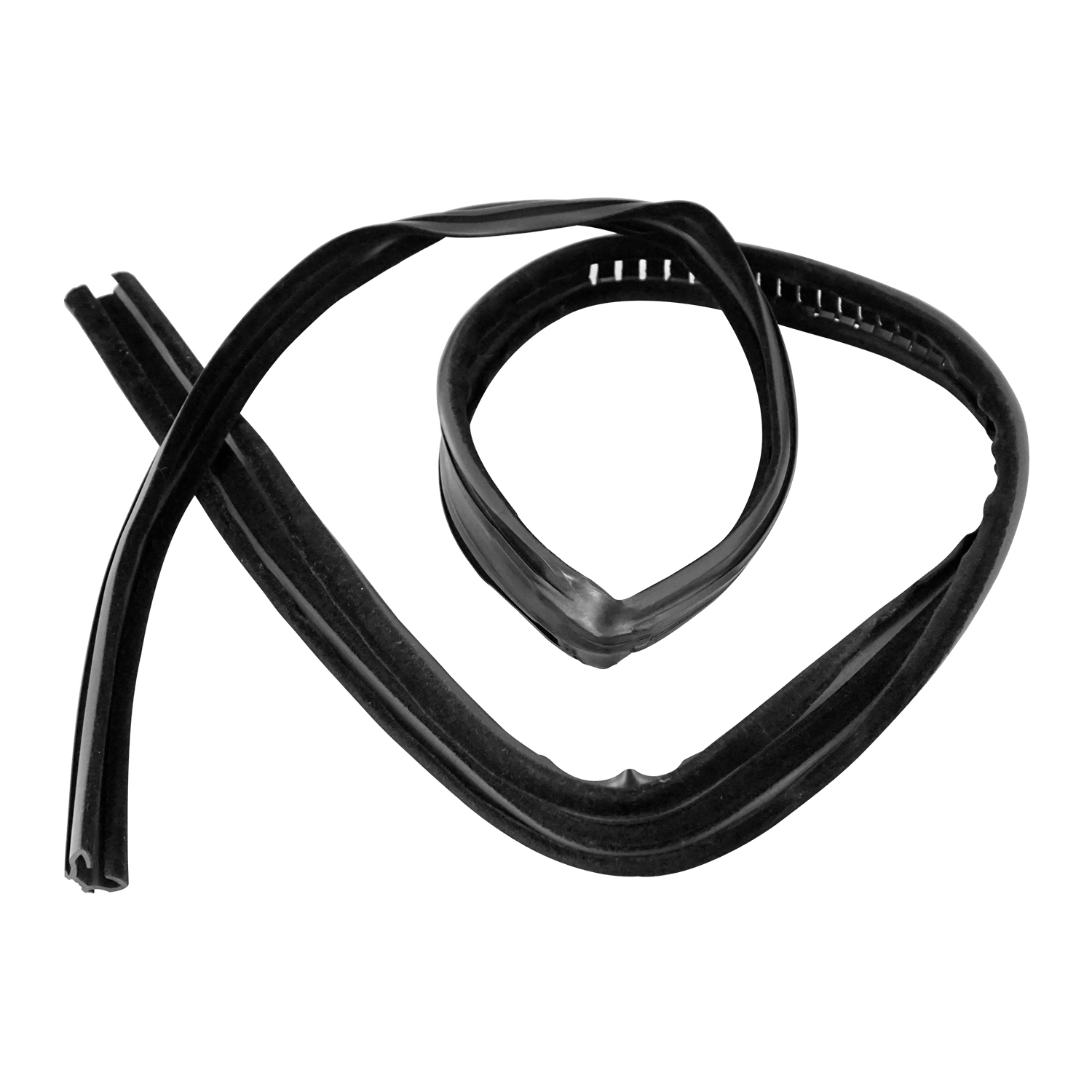 1982 GMC G3500 Window glass-run channel seal-IS-WC 5900-23Window glass-run channel seal. Fits left or right front door of '80-'96 Chevrolet/GMC full-size vans. EPDM rubber, flocked channels, snap-in installation with detailed corners. Replaces OEM# 15990050. Each.
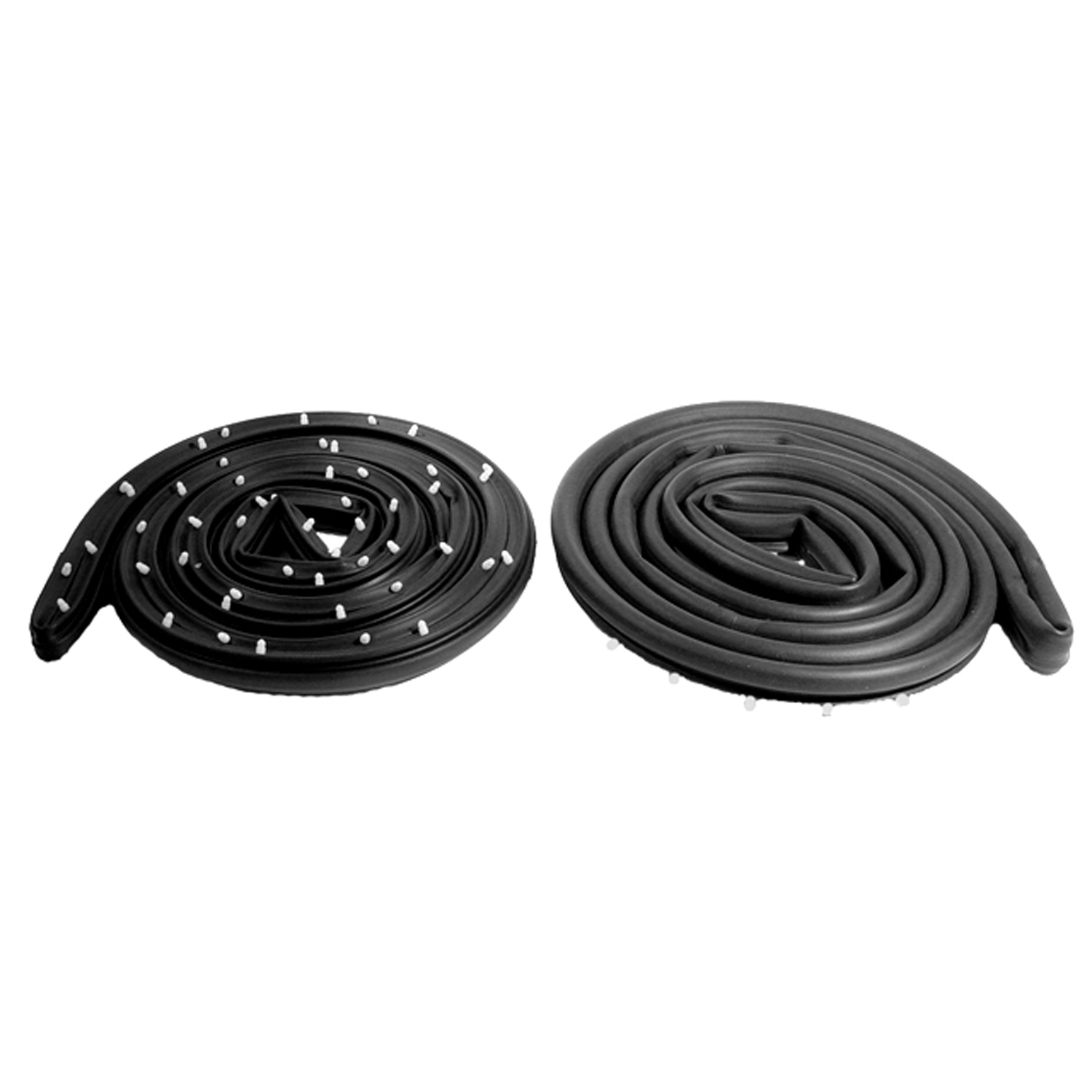 1982 GMC G3500 Front Molded Door Seals-LM 13-VFront Molded Door Seals. For full size models (1996 early design). 162" Long. Pair R&L
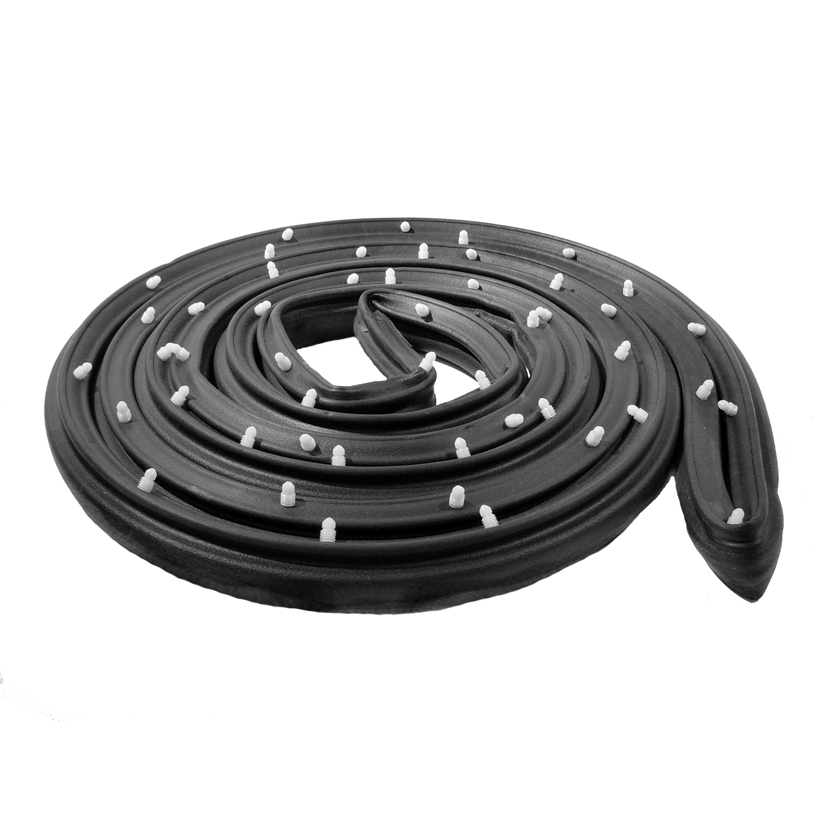 1982 GMC G3500 Front LH (driver's side) Molded Door Seal-LM 13-V/DSFront LH (driver's side) Molded Door Seal. For full-size vans (1996 early design). Each.
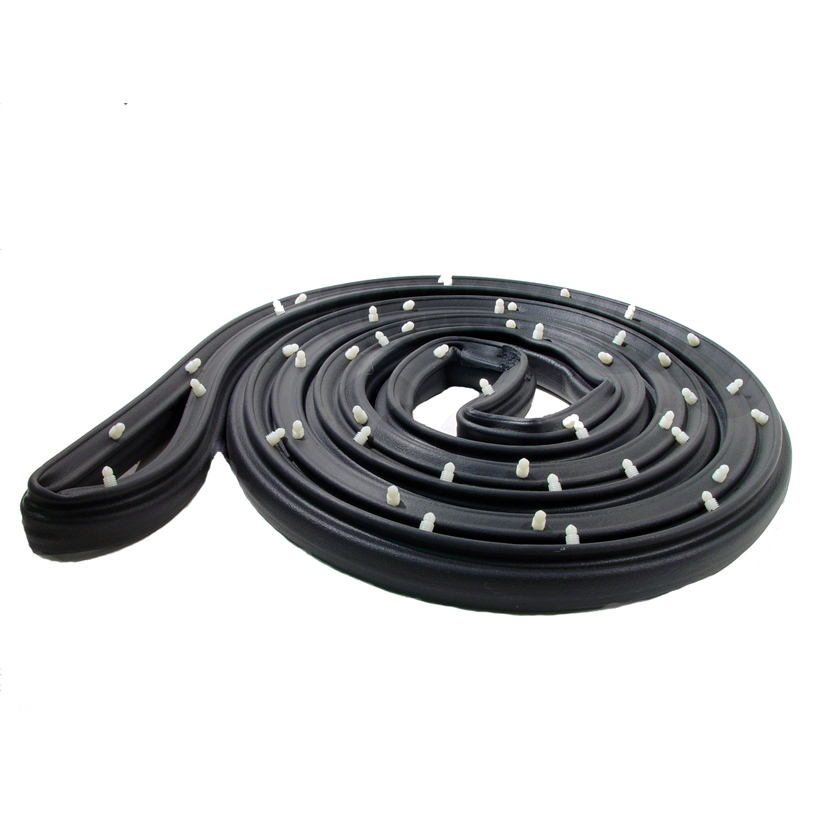 1982 GMC G3500 Front LH (passenger's side) Molded Door Seal-LM 13-V/PSFront LH (passenger's side) Molded Door Seal. For full-size vans (1996 early design). Each.
 1982 GMC G3500 Side Cargo Door Seals-LM 13-VCSide Cargo Door Seals. For full size models (1996 early design). Includes front and rear seals. Pair
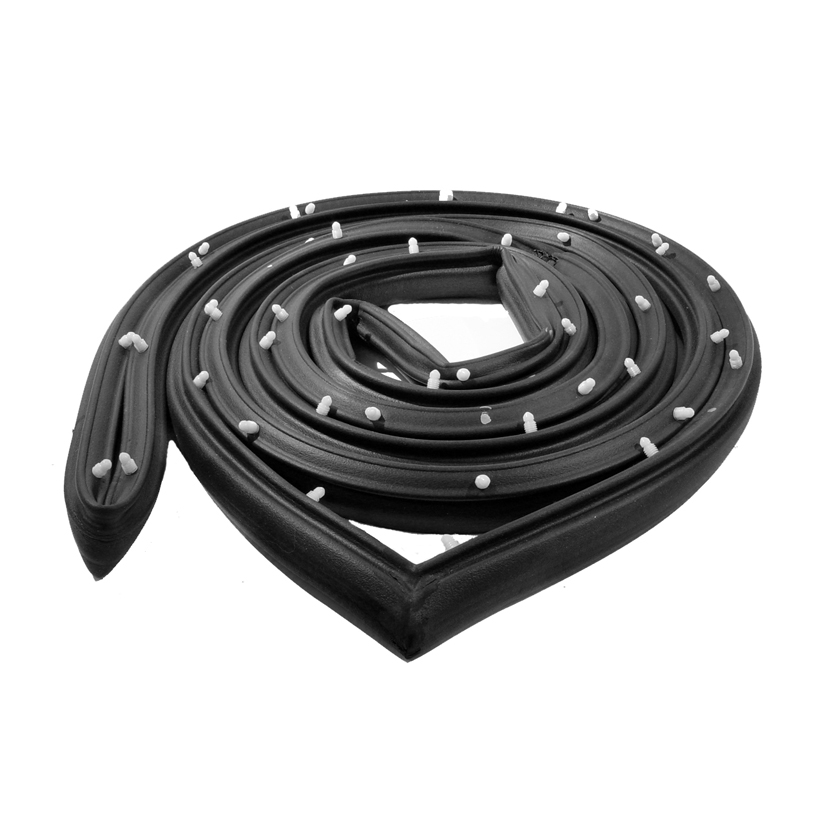 1982 GMC G3500 Side Cargo Door Seal. Front portion-LM 13-VCFSide Cargo Door Seal. Front portion. For full-size vans (1996 early design). Each.
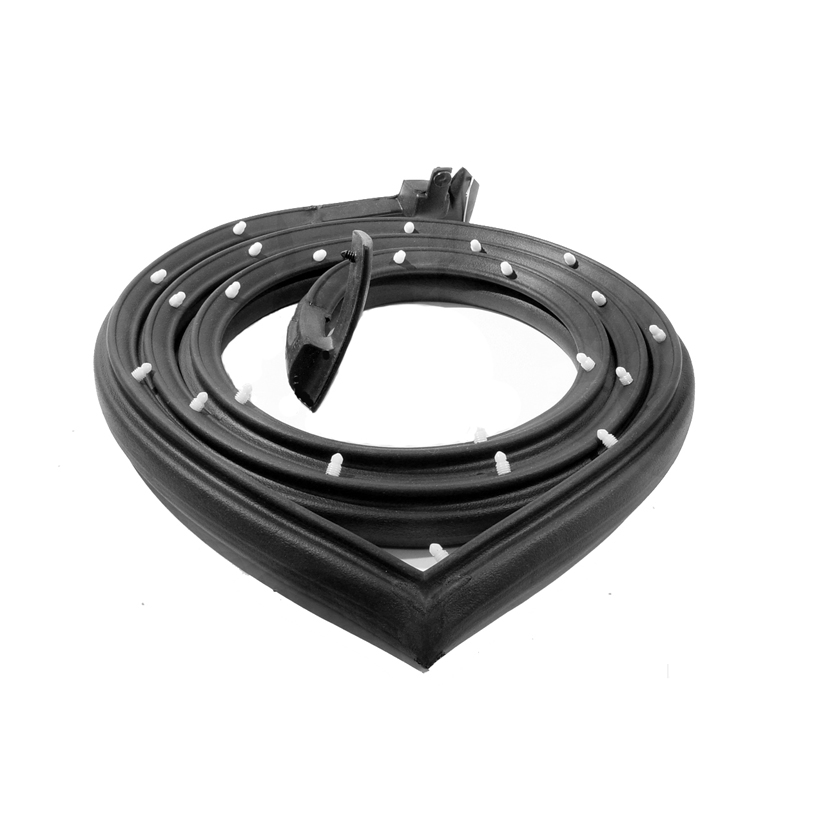 1982 GMC G3500 Side Cargo Door Seal. Rear portion-LM 13-VCRSide Cargo Door Seal. Rear portion. For full-size vans (1996 early design). Each.
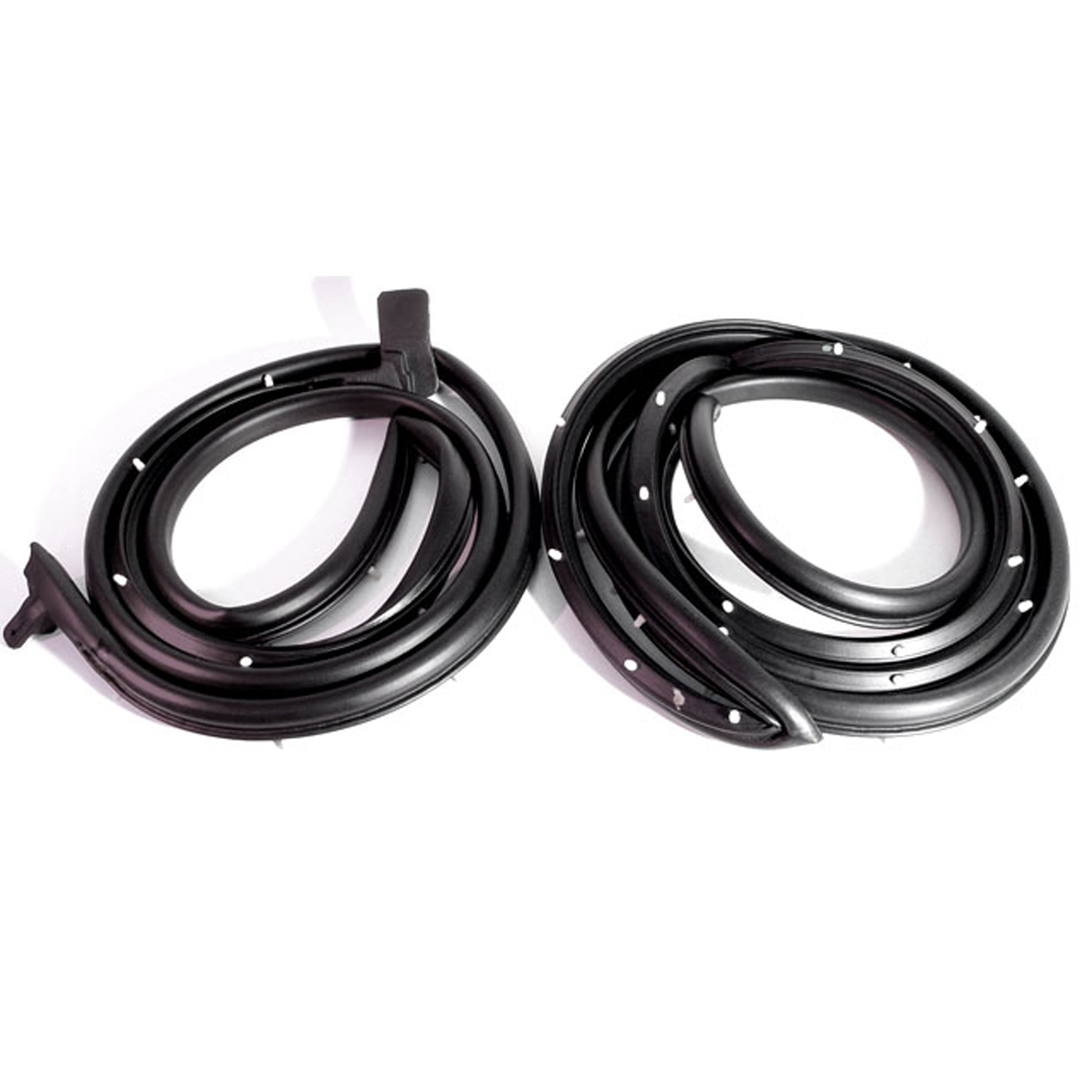 1982 GMC G3500 Rear Cargo Door Seals-LM 13-VRRear Cargo Door Seals. For full size models (1996 early design). Includes left and right seals. Pair
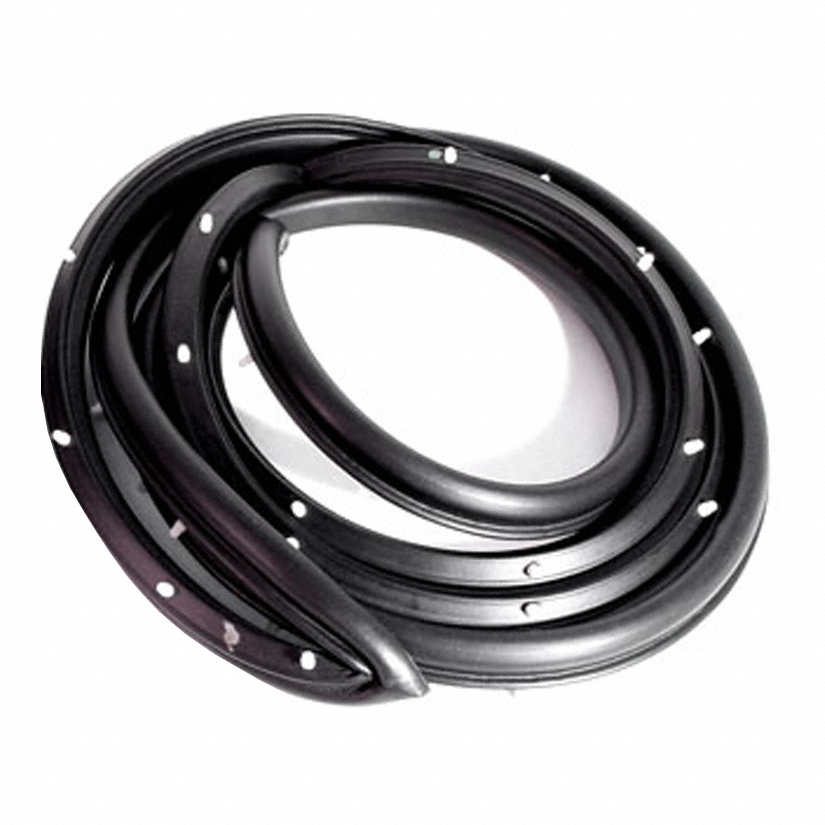 1982 GMC G3500 Rear Cargo Door Seal. LH portion (driver's side)-LM 13-VR/DSRear Cargo Door Seal. LH portion (driver's side). For full-size vans (1996 early design). Each.
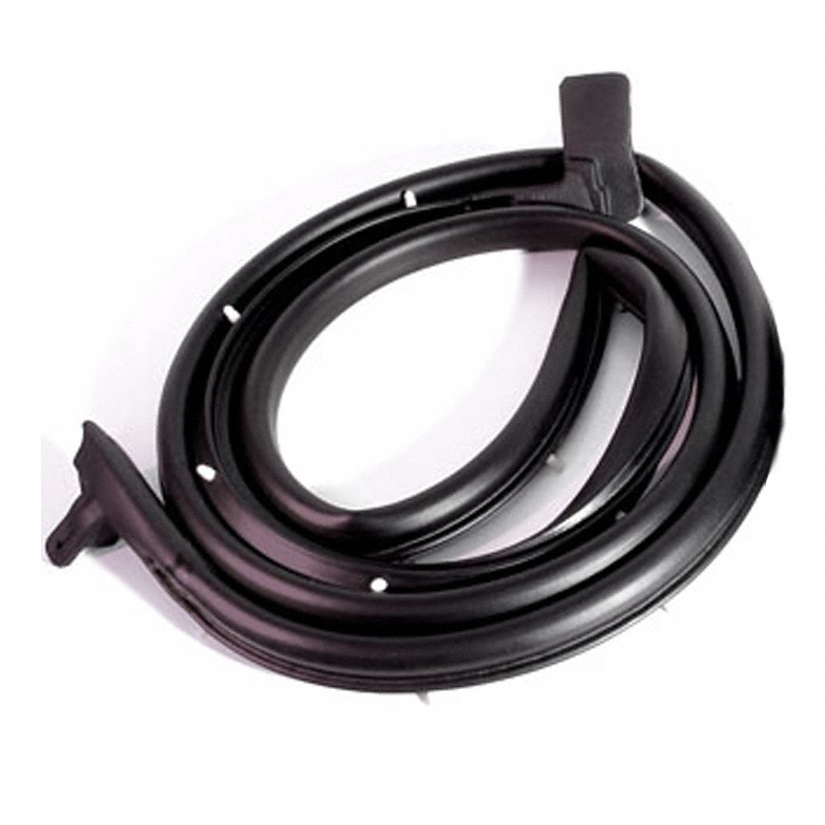 1982 GMC G3500 Rear Cargo Door Seal. RH (passenger's side)-LM 13-VR/PSRear Cargo Door Seal. RH (passenger's side). For full-size vans (1996 early design). Each.Rear Cargo Door Seal. RH (passenger's side). For full-size vans (1996 early design). Each.
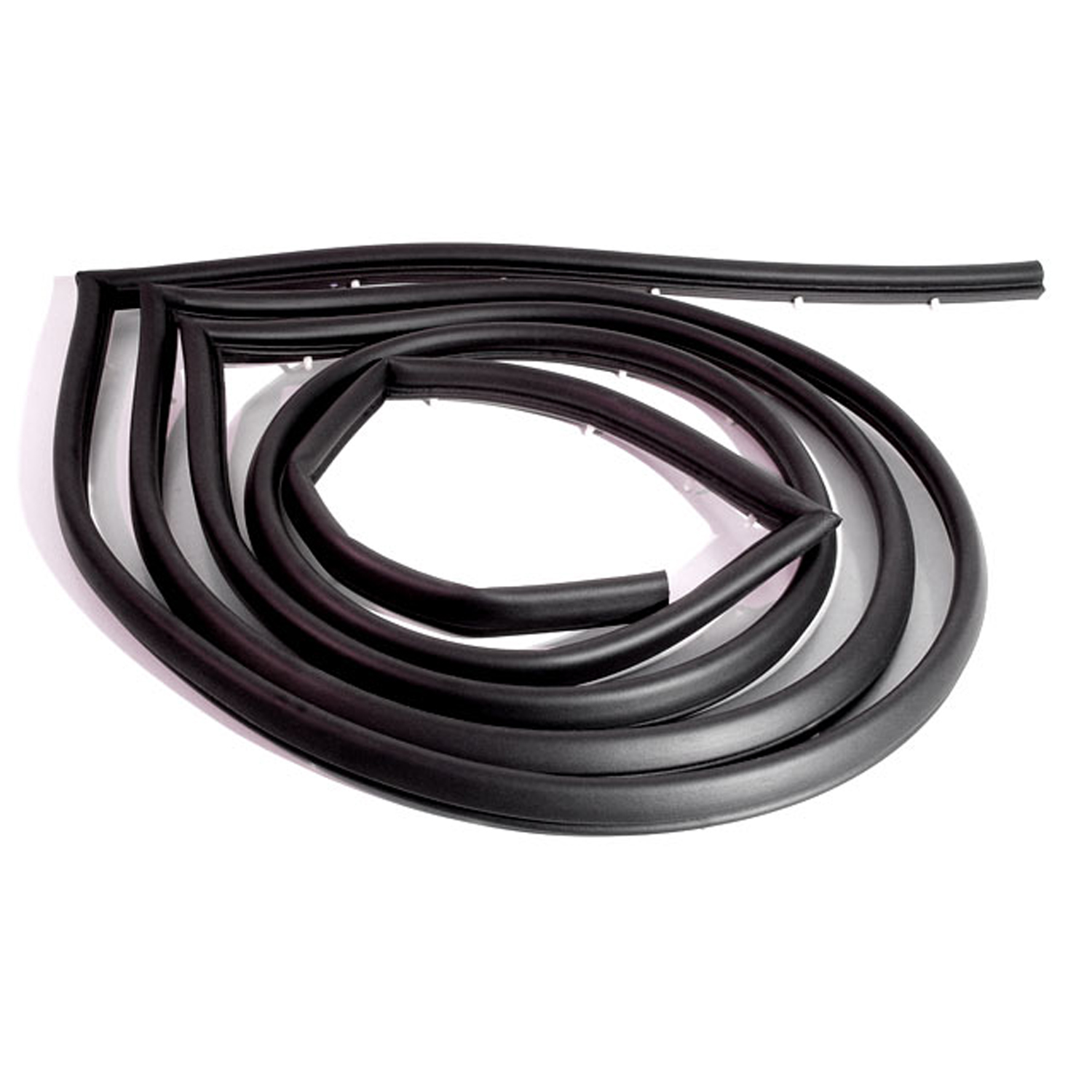 1982 GMC G3500 Side Sliding Door Seal-LM 13-VSSide Sliding Door Seal. For full size models (1996 early design). 213-1/4" Long. Each
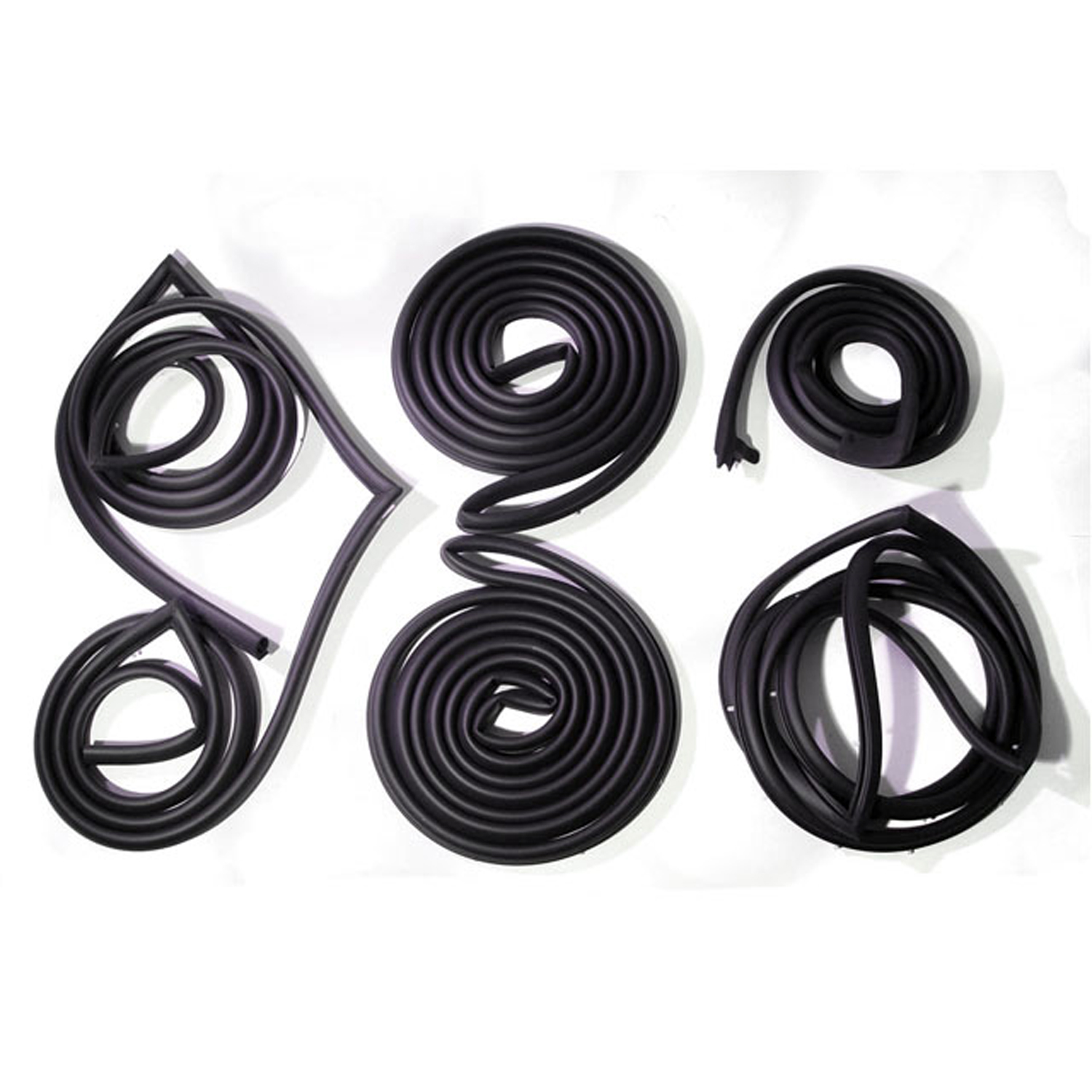 1982 GMC G3500 Basic Kit, for Models with Sliding Side Doors-RKB 1300-100Basic Kit, for Models with Sliding Side Doors. Front Door (LM 13-V) Rear Door (LM 13-VR) Side Slider (LM 13-VS), Seals.
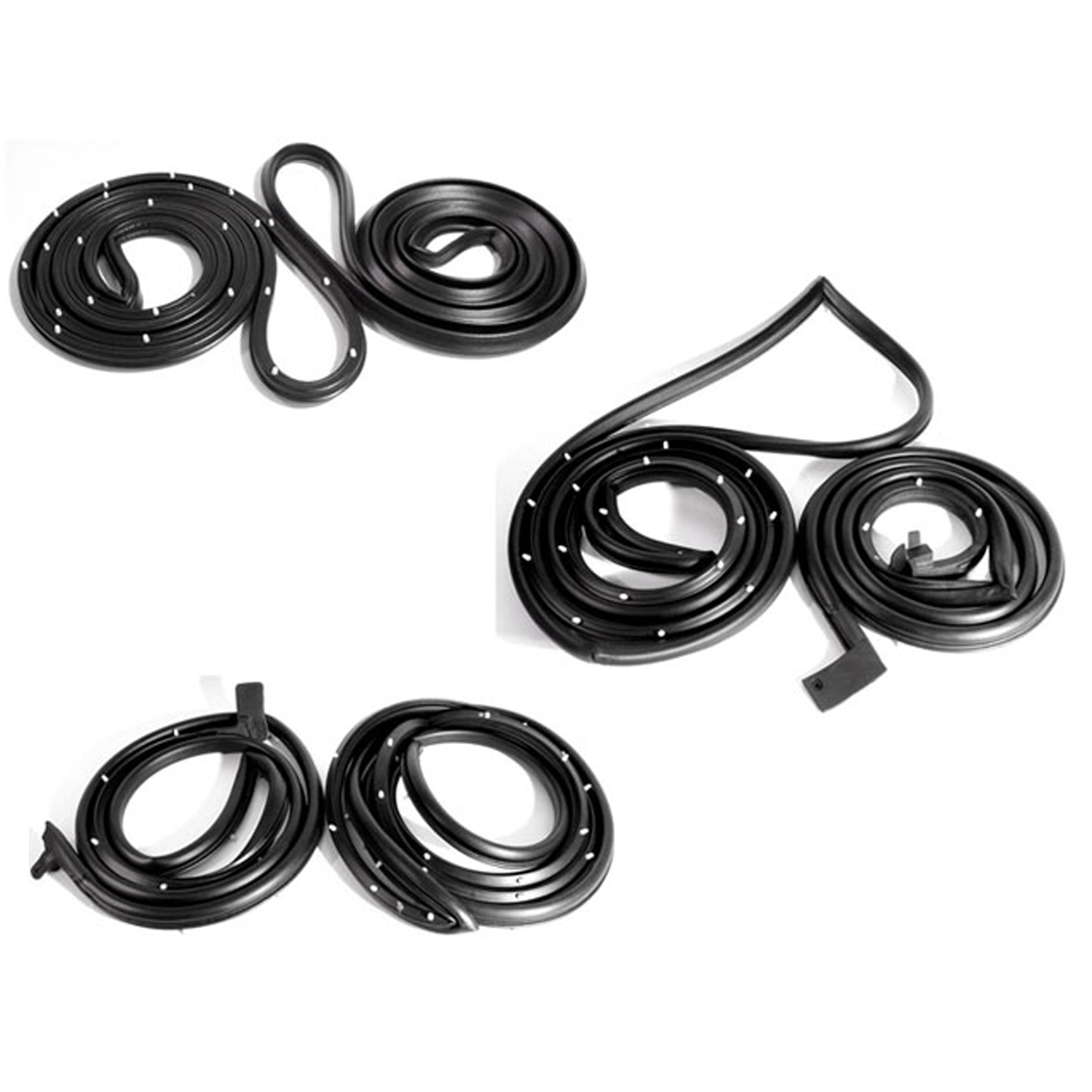 1982 GMC G3500 Basic Kit, for Models with Side Cargo Doors-RKB 1300-101Basic Kit, for Models with Side Cargo Doors. Front Door (LM 13-V) Rear Door (LM 13-VR) Side Cargo (LM 13-VC), Seals.
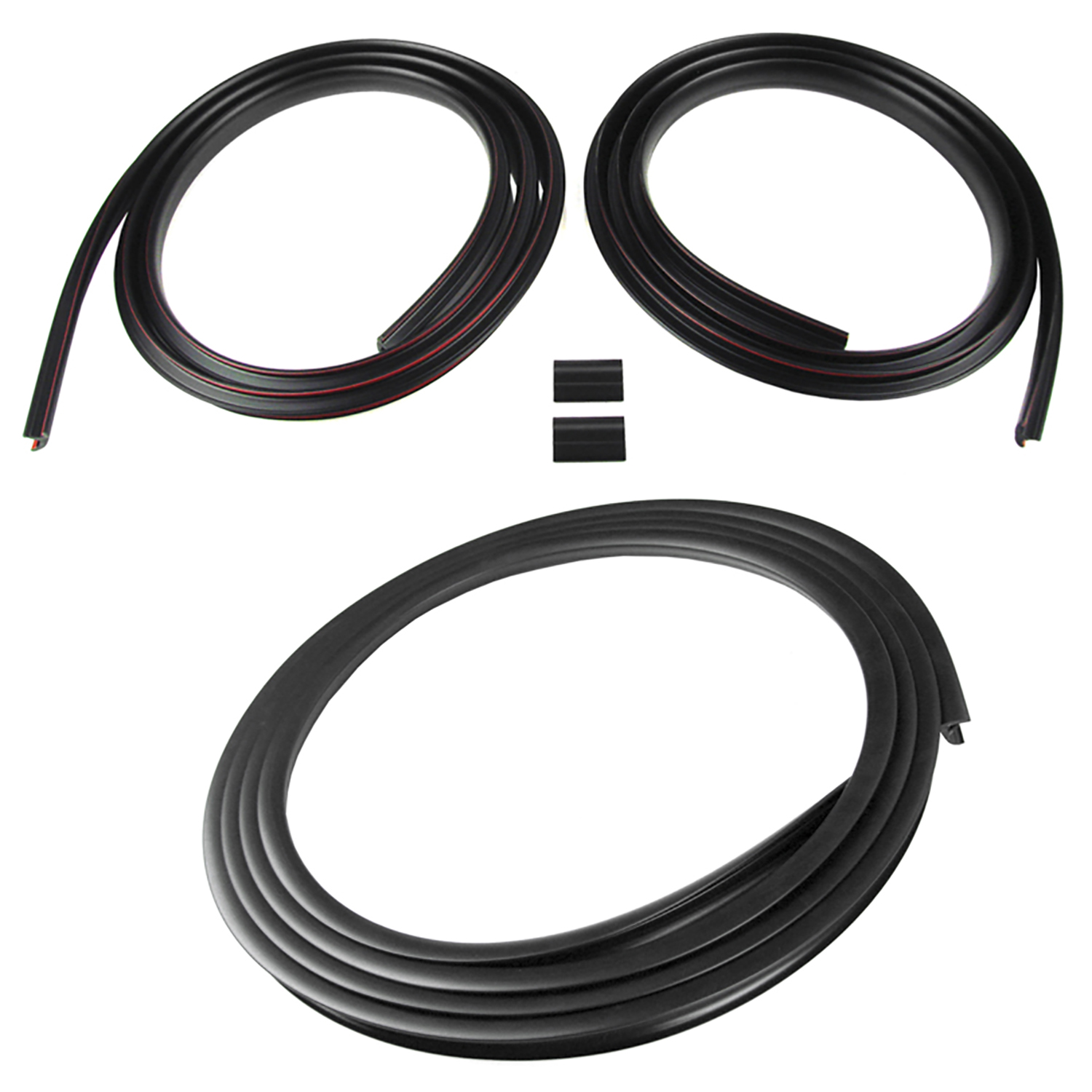 1982 GMC G3500 Windshield Seal Set, 81 95 GM G Series Van, 96 Chevy G30,GMC G3500 Van, Set of 5-VWS 7313-EIncludes two outer PVC pieces and clips. Also includes the EPDM sponge inner seal. This product is made from the original specs and with high quality ozone resistant materials for a great fit and long life. This item is designed to be installed during glass replacement.
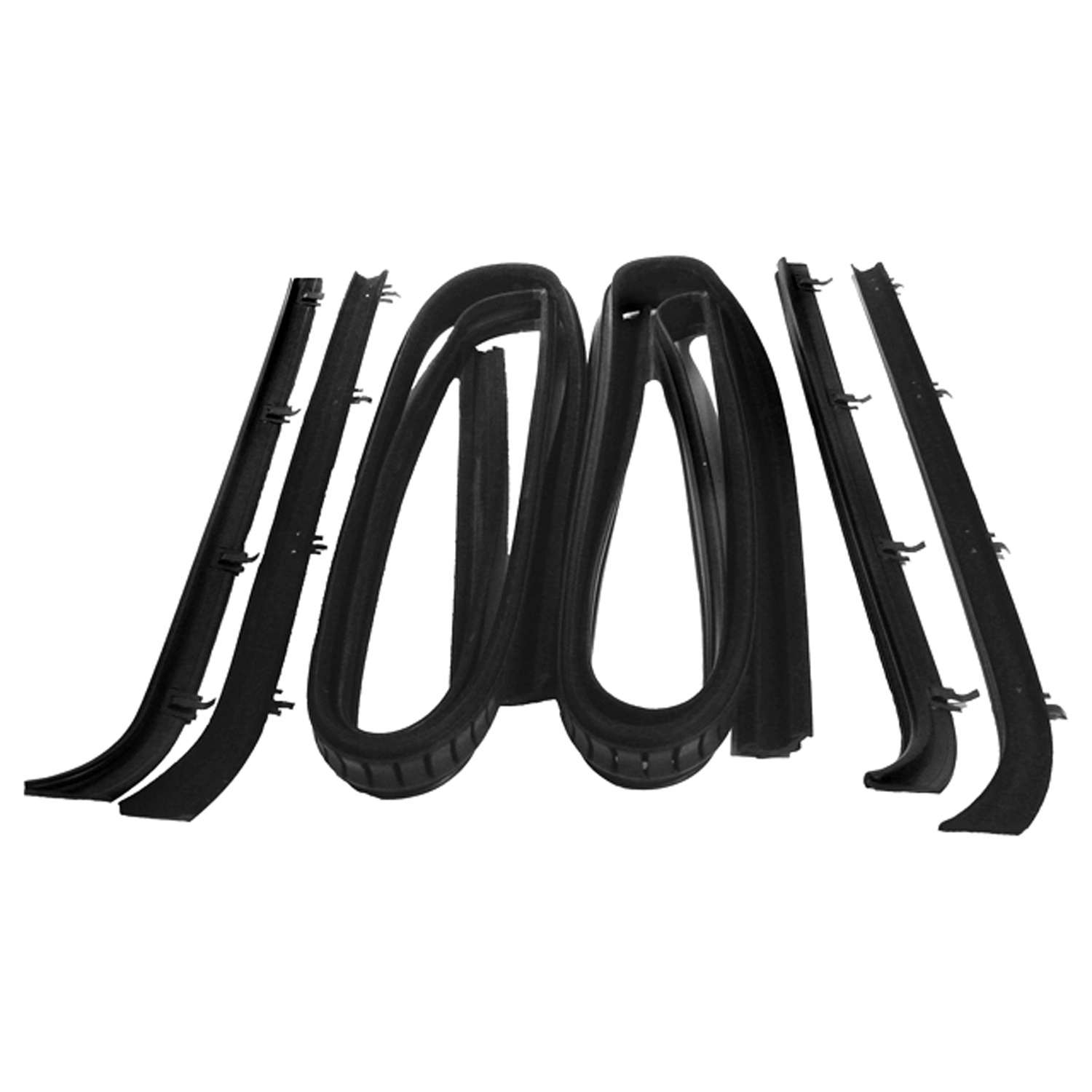 1982 GMC G3500 Window Channel and Sweeper Kit. 6-Piece Kit-WC 5900-20Window Channel and Sweeper Kit. 6-Piece Kit
Why Choose Metro?
For over 100 years, Metro Moulded Parts has been the pinnacle of quality in classic car restoration parts. Our commitment to precision and authenticity in every component ensures a perfect fit and an OEM-level appearance.
- Expert Craftsmanship & Quality: Each part is a testament to our dedication to reliability and perfection, crafted from original designs and thoroughly tested.
- Advanced Technology: We use cutting-edge techniques to create flawless, long-lasting parts that surpass others in performance.
- SuperSoft Sponge – The Ultimate Door Seal: Not only are our door seals 30% softer than competitors', but they're also guaranteed to never leak. They effectively reduce wind and road noise, enhancing your classic car's comfort and driving experience.
- Proudly American: Our parts are a product of American craftsmanship, made in the USA with a spirit of excellence and heritage.
- Unrivaled Warranty: We back our products with a 30-year industry-leading warranty, a testament to our confidence in their quality.
Join us in preserving the legacy of classic cars with parts that are crafted for perfection, not just made.