

Image of 1982 Gmc K3500, Note: These illustrations use artistic license and may differ from actual historical models.
Performance Metrics
Fundamental Metrics
Emotional Appeal
MMP Rating
| Engine Specifications | |
|---|---|
| Engine Options: | 5.7L V8, 6.2L V8 Diesel |
| Displacement Range: | 350-379 cu in. |
| Horsepower Range: | 160-210 hp (estimated) |
| Torque: | 285-380 lb-ft (estimated) |
| Compression Ratio: | 8.6:1 (5.7L V8), 21.5:1 (6.2L V8 Diesel) |
| Ignition System: | Electronic |
| Cooling System: | Liquid-cooled |
| Performance Specifications | |
| 0-60 Time: | 10-12 seconds (estimated) |
| 1/4 Mile Time: | 17-19 seconds (estimated) |
| Top Speed: | 85-95 mph (estimated) |
| Transmission and Drive | |
| Drive Type: | 4WD |
| Transmission Type: | 4-speed automatic, 4-speed manual |
| Fuel and Efficiency | |
| Fuel System Type: | Carburetor (5.7L V8), Direct Injection (6.2L V8 Diesel) |
| MPG: | 10-15 mpg (estimated) |
| Dimensions and Brakes | |
| Brakes: | Front Disc/Rear Drum |
| Wheelbase: | 131.5 in. |
| Weight: | 4500-5000 lbs (estimated) |
Note: Specifications for classic cars are given to the best of our ability, considering the limited and variant data available.
1982 GMC K3500: The Squarebody One-Ton 4x4
The 1982 GMC K3500 was built for work that could overwhelm an ordinary pickup. A one-ton, four-wheel-drive member of GMC’s squarebody C/K family, it combined a heavy-duty chassis with straightforward mechanicals and the tough, unmistakable shape that made these trucks fixtures on farms, job sites, and highways across America.
GMC, then part of General Motors, shared its basic truck engineering with Chevrolet, but gave its version distinctive trim and badging. The 1982 K3500 belonged to the 1973–1987 squarebody generation, named for its squared-off cab and body lines. Its K designation identified four-wheel drive, while 3500 marked the one-ton class. A noteworthy option for the model year was GM’s 6.2-liter diesel V8, a comparatively early factory diesel offering in a full-size American pickup.
Squarebody Styling and Cab Details
The K3500 looked purposeful rather than decorative. Its broad hood, upright windshield, flat-sided body, and squared wheel openings gave it a sturdy, almost architectural presence. The front end wore a rectangular grille and headlamps, with GMC lettering setting it apart from its Chevrolet counterpart. Depending on trim and equipment, bright grille details, chrome bumpers, wheel choices, and exterior molding could make the truck look more polished or keep it firmly in work-truck territory.
Inside, the design followed the same practical logic. The dashboard was broad and easy to read, with large controls and gauges positioned for quick use. Materials were durable by design: vinyl seating and hard-wearing plastic were common, while cloth upholstery and upgraded trim could add comfort. This was not a luxury cabin by modern standards, but its uncomplicated layout is part of its appeal today. There is room to work in the cab, and the controls are generally straightforward to understand.
Available colors varied by order and trim, with solid work-truck shades and more vivid period colors joined by two-tone combinations on some trucks. White, red, blue, and earth-toned finishes all suit the squarebody’s shape. There was no single color that defined the K3500, but clean factory paint and correct trim can make a surviving truck stand out.
Configurations and Heavy-Duty Equipment
The K3500 was offered in more than one working form. Buyers could choose a conventional pickup or a chassis-cab configuration intended for utility bodies, flatbeds, and other commercial equipment. Pickup versions were commonly ordered with a long bed, and dual rear wheels were available on suitable configurations to improve stability and carrying capacity. Cab, bed, axle, and equipment combinations depended on the truck’s intended use and the original order.
Underneath, the K3500’s one-ton hardware was the main event. It used a heavy-duty frame, robust axles, and truck-grade suspension components suited to substantial loads. Four-wheel drive added traction for muddy sites, snow, and rough access roads. Exact specifications differed with the selected package, so a buyer restoring one should check its identification tags, drivetrain, and original paperwork rather than assume every K3500 left the factory with identical equipment.
Engines, Gearboxes, and 1982 Technology
Engine availability varied according to configuration and market. Gasoline V8s, including 350- and 454-cubic-inch options in the broader C/K range, offered the familiar sound and pulling character of a traditional big-block or small-block truck. The 6.2-liter diesel V8 was an important alternative for buyers who valued fuel economy and low-speed torque. Not every engine was available with every cab, axle, or equipment combination.
Transmission choices included manual and automatic gearboxes, with heavy-duty four-speed manuals a natural match for work-oriented trucks. Four-wheel-drive hardware and axle ratios also varied, affecting how the truck behaved under load and at highway speed. Gasoline versions could use emissions-control systems such as computer-managed carburetor feedback, while the diesel relied on mechanical fuel delivery. By modern standards the technology was simple, but that simplicity makes many repairs accessible to an experienced home mechanic.
How the K3500 Fits Automotive History
The K3500 represents an important kind of American vehicle: a full-size pickup engineered as a tool first and a personal vehicle second. Its squarebody platform bridged changing expectations in safety, emissions, comfort, and fuel economy while retaining a traditional body-on-frame layout and mechanical character. Rather than reinventing the heavy-duty truck, GMC refined a practical formula that could serve private owners, businesses, farms, and government fleets.
The 6.2-liter diesel option is a particularly notable part of the story. It arrived during a period when fuel costs and efficiency were major concerns, giving truck buyers a factory-built diesel alternative in a familiar pickup format. The K3500 did not introduce a revolutionary new design, but it helped establish the kind of versatile, diesel-powered American work truck that would become increasingly common.
Compared with many contemporaries, the K3500 stood out for combining one-ton capability with four-wheel drive and a wide range of upfit possibilities. Its lasting influence is visible in the continued popularity of squarebody trucks, especially among restorers and enthusiasts who value their straightforward construction and unmistakable proportions.
Performance and Road Manners
There is no single reliable 0–60 mph or top-speed figure for every 1982 K3500. Engine, transmission, axle gearing, tire size, body style, and payload all make a substantial difference, and period testing of a specific configuration is not always available. As a broad real-world estimate, a typical work-spec truck might take roughly 14 to 20 seconds to reach 60 mph. An unloaded truck with a strong gasoline engine may be quicker, while a diesel, dually, or heavily loaded example may be slower.
A reasonable estimate for maximum speed is roughly 75 to 90 mph, though a K3500 is not designed for sustained high-speed driving. Its gearing, tall profile, heavy tires, and load-focused suspension favor steady progress and pulling power over quick acceleration or high-speed agility. These estimates should be treated as configuration-dependent, not factory guarantees.
On the road, the truck feels substantial. Its suspension is tuned to carry weight, so an empty K3500 can ride firmly over broken pavement and sharp bumps. Add a useful load and the ride often settles down. On windy roads, the tall body and heavy-duty tires call for deliberate steering, and a dual-rear-wheel truck can feel particularly broad. The driver sits high, looks out over a long hood, and works with a large steering wheel and mechanical-feeling controls.
Sound is part of the experience. A gasoline V8 gives the truck a familiar, low rumble under acceleration, while the 6.2 diesel has a distinct clatter at idle and a steady, workmanlike note under load. Neither turns the K3500 into a sports truck. The pleasure comes from its deliberate pace, commanding view, and feeling that the chassis is built to do a job.
Living with a 1982 GMC K3500
These trucks were intended for hauling, towing, farm work, construction, utility service, and recreational use. Today, they still appear as working pickups, trail and tow rigs, restoration projects, and show vehicles. A clean, lightly modified example can also serve as a weekend driver, although its fuel consumption, size, and old-truck ride make it less convenient than a modern pickup for everyday commuting.
Routine maintenance is generally approachable for owners comfortable with older vehicles. The engine bay is relatively accessible, and many parts are shared with Chevrolet and other GM trucks of the era. Common service needs include attention to brakes, steering components, suspension bushings, cooling systems, electrical connections, and aging rubber hoses. Diesel versions need particular care with fuel-system condition, glow plugs, starting equipment, and cooling health.
Rust is often a bigger concern than complicated mechanical systems. Inspect the cab corners, rocker panels, floor, bed, wheel arches, frame, and body mounts carefully. Also check the four-wheel-drive components, front axle, transfer case, and any signs of hard towing or overloading. Replacement parts are available, but a badly corroded frame or poorly repaired body can make a project expensive quickly.
Notable Details and Common Criticisms
The K3500’s most interesting trivia is that its identity describes its job unusually clearly: K for four-wheel drive, 3500 for the one-ton series. The model could be ordered as a pickup or a commercial chassis, making it a foundation for many specialized bodies and equipment packages. Its long production-generation roots also mean that parts and restoration knowledge are widely shared across the 1973–1987 squarebody family.
There is no widely recognized speed, sales, or endurance record associated specifically with the 1982 K3500. Its significance is quieter and more practical: thousands of trucks like it spent decades earning their keep in demanding service. Exact production numbers for the K3500 by model year and configuration are not readily available in commonly published totals. A cautious estimate would put 1982 K3500 production in the several-thousand to low-tens-of-thousands range, but that is an informed approximation, not a verified factory figure.
Common complaints are predictable for a one-ton truck of its age. The ride can be harsh when empty, fuel economy is modest, and the steering and brakes feel dated beside modern pickups. Older diesels can be noisy and slow, while gas V8s may use plenty of fuel. Rust, worn suspension parts, and neglected drivetrain maintenance are the usual obstacles to an enjoyable ownership experience.
Collector Values and Market Outlook
As of 2026, K3500 values vary widely with rust, originality, drivetrain, body style, and overall condition. A rough project may fall around $5,000 to $10,000. A usable driver in fair-to-good condition might bring approximately $10,000 to $20,000, while a clean, well-restored example could reach $20,000 to $35,000 or more. Exceptional restorations and especially desirable configurations can exceed that range, while modified or heavily worn trucks may sell for less.
Four-wheel drive, a well-preserved diesel, dual rear wheels, desirable factory equipment, and documented restoration work can attract extra interest. However, condition matters more than a badge or engine description alone. Buyers should inspect the frame and cab carefully and verify that major components are correctly identified.
Squarebody trucks have gained attention among collectors, and good examples have generally become more desirable over time. The K3500 market is still strongly condition-driven, so it is better described as gradually appreciating for clean, original trucks than as a guaranteed investment. Availability is fair: projects and working trucks appear regularly, but rust-free examples with documented histories are much harder to find.
Why the 1982 K3500 Still Matters
The 1982 GMC K3500 brought together the squarebody’s practical design, one-ton hardware, four-wheel-drive capability, and an engine range that included the notable 6.2-liter diesel. It was built to haul, tow, and keep working, not to chase fashion or set acceleration records. That clear purpose is exactly what gives it lasting appeal.
For collectors, restorers, and drivers who appreciate honest machinery, the K3500 remains a compelling piece of GMC history. It is a reminder that a great truck does not need to be flashy. Sometimes a broad hood, a sturdy frame, and the confidence to take on a hard day are more than enough.
1982 Gmc K3500 Catalog of Parts
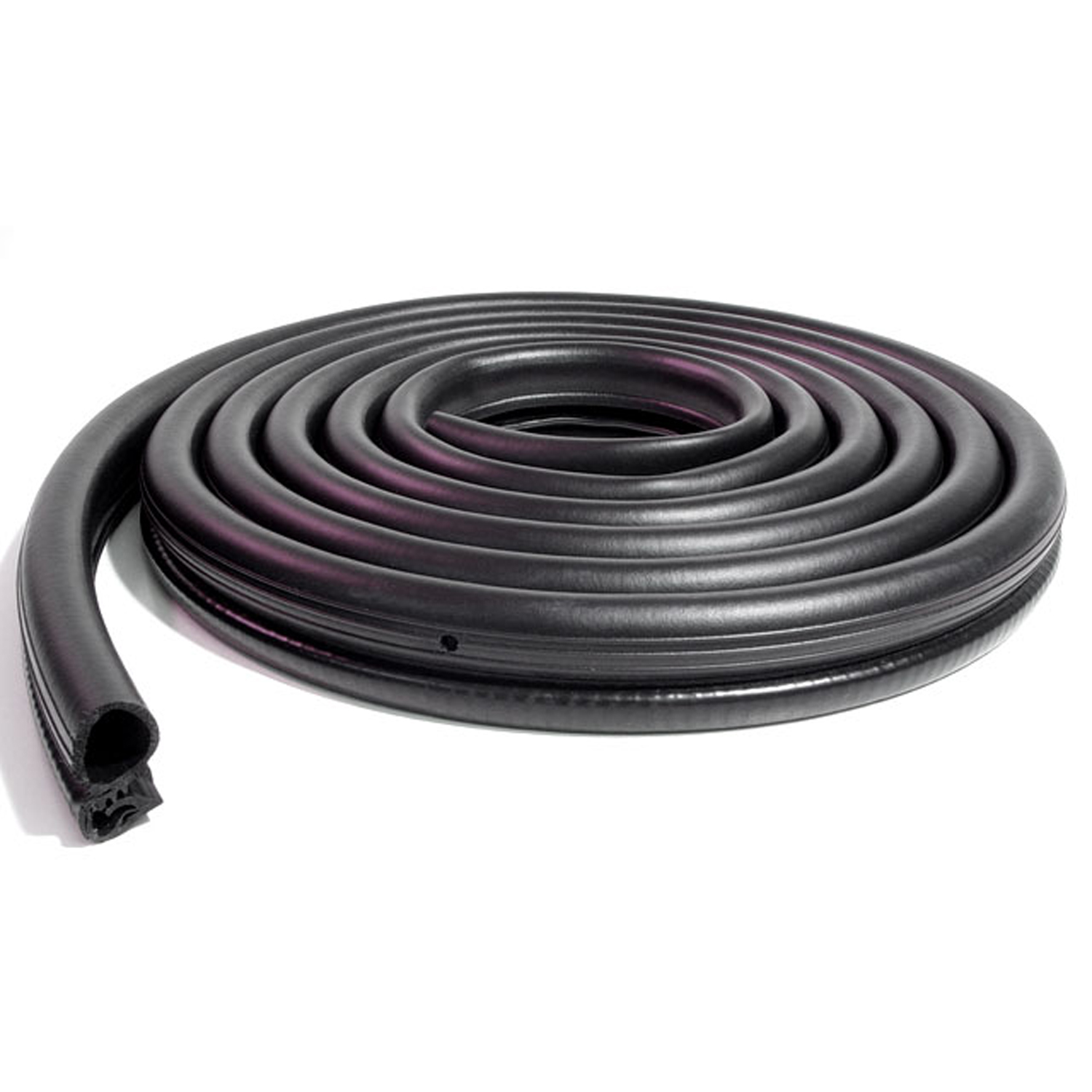 1982 GMC K3500 Front Door Seal (Imported). Fits either side. 148" Long-IS-LM 121Front Door Seal (Imported). Fits either side. 148" Long. Each
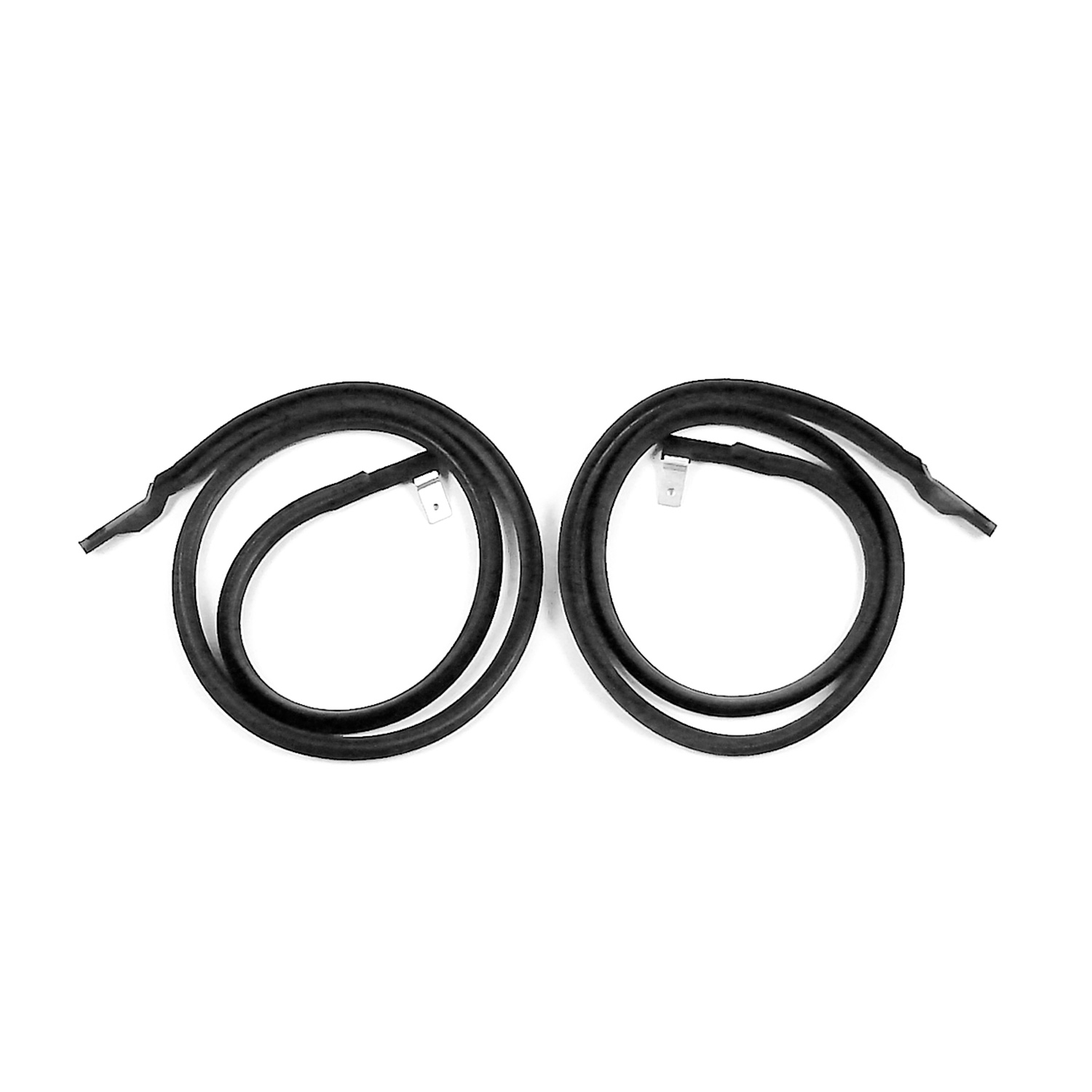 1982 GMC K3500 Upper Door Seal, 78-82 GM Full Size Truck and SUV, Fits Right Side Only, Each-LM 121-JUpper Door Seal, 78-82 GM Full Size Truck and SUV, Fits Right Side Only, Each. Replaces OEM # 14016512. This seal mounts on the upper part of the passenger (right) door with weatherstrip adhesive glue (not included). This product is made from the original specs and with high quality ozone resistant EPDM rubber for a great fit and long life.
 1982 GMC K3500 Upper Door Seal, 78-82 GM Full Size Truck and SUV, Fits Left Side Only, Each-LM 121-KUpper Door Seal, 78-82 GM Full Size Truck and SUV, Fits Left Side Only, Each. Replaces OEM # 14016511. This seal mounts on the upper part of the driver (left) door with weatherstrip adhesive glue (not included). This product is made from the original specs and with high quality ozone resistant EPDM rubber for a great fit and long life.
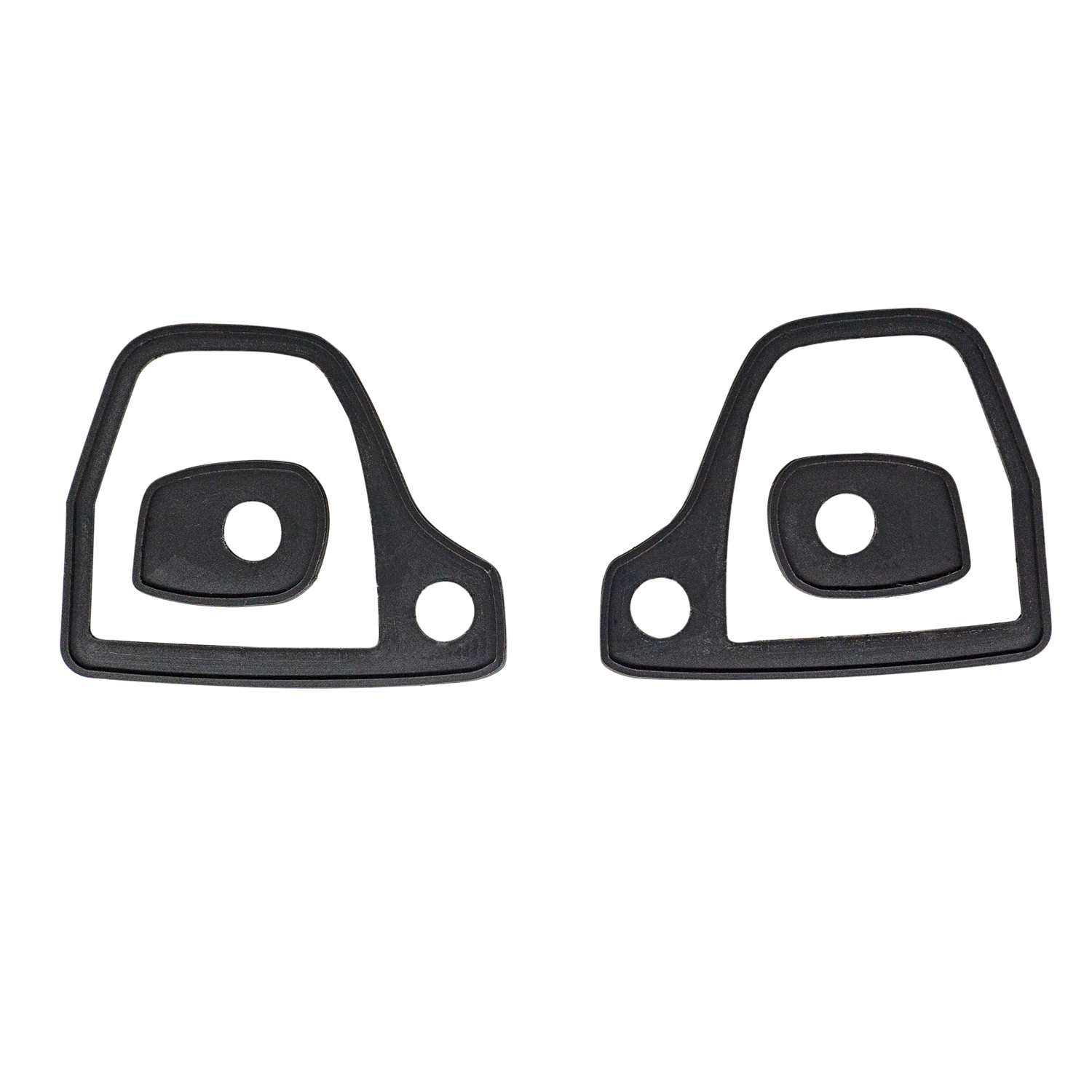 1982 GMC K3500 Door Handle Gasket Set Fits 73-87 Chevy and GMC Trucks OEM-Style Molded Lip-MP 806Each component is built by factory measurements and specifications for a direct-fit replacement and simple installation, focusing on restored authenticity. The top-tier USA Made construction and materials ensure durability and longevity for a long-lived replacement that will far outlast your factory stock models.
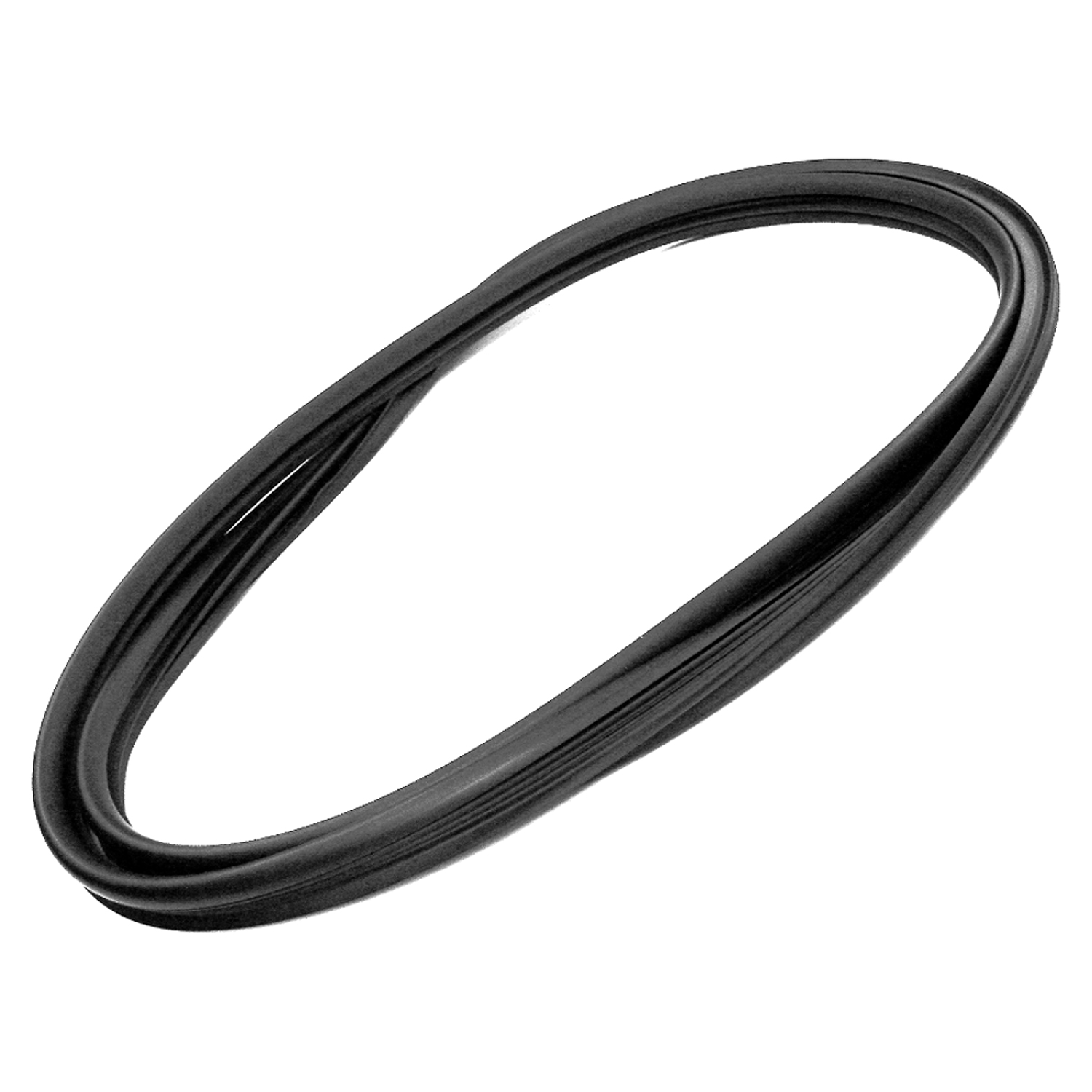 1982 GMC K3500 Windshield Seal, 73-87 GM Full Size Truck, 73-91 GM SUV, Without Trim Groove-VWS 7313-DThis windshield seal goes on the body first then the glass is placed in the opening. Tucking in the self locking strip secures the glass in place. It is a standard black gasket without trim groove. This product is made from the original specs and with high quality ozone resistant materials for a great fit and long life. This item is designed to be installed during glass replacement.
 1982 GMC K3500 Rear Window Seal, 73-87 GM Full Size Truck, With Trim Groove-VWS 7313-YThis rear window seal goes first on the body then the glass is placed in the opening. Tucking in the self locking strip secures the glass in place. This product is made from the original specs and with high quality ozone resistant materials for a great fit and long life. This item is designed to be installed during glass replacement. Note. This weatherstrip does not work with original sliders.
 1982 GMC K3500 Vent Window Seal, 81-85 GM Full Size Truck, GMC Jimmy, 85-91 Chevy Blazer-WR 2005-CProtect your interior from the elements and reduce road noise simply by replacing your worn-out weatherstrips. This 4 piece set replaces both the main driver and passenger door vent window seals and the rear division channel seals as well. NOTE--there is a one and a two piece per side design available for these years. Be sure to check to see which ones you need beforehand. Made from high quality ozone resistant EPDM rubber from the original specs for a great fit and long life.
Why Choose Metro?
For over 100 years, Metro Moulded Parts has been the pinnacle of quality in classic car restoration parts. Our commitment to precision and authenticity in every component ensures a perfect fit and an OEM-level appearance.
- Expert Craftsmanship & Quality: Each part is a testament to our dedication to reliability and perfection, crafted from original designs and thoroughly tested.
- Advanced Technology: We use cutting-edge techniques to create flawless, long-lasting parts that surpass others in performance.
- SuperSoft Sponge – The Ultimate Door Seal: Not only are our door seals 30% softer than competitors', but they're also guaranteed to never leak. They effectively reduce wind and road noise, enhancing your classic car's comfort and driving experience.
- Proudly American: Our parts are a product of American craftsmanship, made in the USA with a spirit of excellence and heritage.
- Unrivaled Warranty: We back our products with a 30-year industry-leading warranty, a testament to our confidence in their quality.
Join us in preserving the legacy of classic cars with parts that are crafted for perfection, not just made.