

Image of 1928 Graham-Paige Model 610, Note: These illustrations use artistic license and may differ from actual historical models.
Performance Metrics
Fundamental Metrics
Emotional Appeal
MMP Rating
| Engine Specifications | |
|---|---|
| Engine Options: | Inline 6 |
| Displacement Range: | 3.3L |
| Horsepower Range: | Estimated 61-70 HP |
| Torque: | Not available |
| Compression Ratio: | Not available |
| Ignition System: | Distributor and coil |
| Cooling System: | Water-cooled |
| Performance Specifications | |
| 0-60 Time: | Not available |
| 1/4 Mile Time: | Not available |
| Top Speed: | 60 mph |
| Transmission and Drive | |
| Drive Type: | Rear-wheel drive |
| Transmission Type: | 3-speed manual |
| Fuel and Efficiency | |
| Fuel System Type: | Carburetor |
| MPG: | Not available |
| Dimensions and Brakes | |
| Brakes: | Mechanical drum brakes |
| Wheelbase: | 112.75 inches |
| Weight: | Estimated 2,800 lbs |
Note: Specifications for classic cars are given to the best of our ability, considering the limited and variant data available.
1928 Graham-Paige Model 610: A New Name on the Road
The 1928 Graham-Paige Model 610 brought the sound of a fresh automotive name to American roads, backed by a company with serious manufacturing experience. Graham-Paige Motor Corporation was formed in 1927 when brothers Joseph, Robert, and Ray Graham acquired the Paige-Detroit Motor Car Company. The 610 was among the first cars sold under the new Graham-Paige badge, and it gave buyers a comparatively accessible way to join the marque’s launch.
The Graham brothers were not newcomers to the motor industry. They had built a successful business producing glass and later became prominent in the Dodge Brothers truck operation. Their move into passenger cars paired business know-how with Paige’s existing automobile manufacturing facilities. A noteworthy twist: the 610 was part of a debut lineup broad enough to include larger six-cylinder cars and an eight-cylinder model, a confident statement from a company that had only just taken shape.
Conservative Styling, Carefully Finished
The Model 610 wore the upright proportions typical of a late-1920s touring car. Its tall radiator, separate fenders, running boards, and narrow tires gave it a formal, purposeful stance. The hood stretched back from the radiator in a long, straight line, while the fenders curved closely over the wheels. Headlamps stood proud of the bodywork, and a rear-mounted spare tire was common on open models. Compared with the dramatic streamlining that would arrive in the following decade, the 610’s design was orderly and traditional, with its character coming from balanced proportions and period detailing.
Interior appointments depended on body style and trim level, but buyers could expect practical period materials rather than modern luxury-car equipment. Upholstery was generally cloth, with painted or wood-finished trim and a straightforward dashboard carrying the essential gauges and controls. The seating was upright and the cabin arranged for easy entry and a commanding view of the road. As with many cars of the era, surviving examples may have replacement upholstery or restored trim, so the details of an individual car should be checked rather than assumed from its model name.
Paint choices and combinations varied with the body and the factory’s offerings. Dark, dignified colors such as black, blue, maroon, and green suit the car’s formal lines, while some bodies could be finished in contrasting colors. Original paint records are not always available for surviving cars, so a modern color scheme should not automatically be taken as factory-correct.
Model 610 Body Styles and Equipment
The 610 belonged to a family of Graham-Paige body styles that included closed and open cars. Depending on catalog year and configuration, buyers could choose such forms as a sedan, coupe, roadster, or touring car. The sedan was the practical choice for year-round family use, while the roadster and touring styles offered a more open-air experience and remain especially appealing to collectors today. Exact offerings could vary, so identifying a particular car by its body tag, chassis details, and period literature is worthwhile.
At the heart of the 610 was a six-cylinder engine of approximately 169 cubic inches, commonly listed at about 48 horsepower. It drove the rear wheels through a manual transmission, with a conventional chassis and solid axles reflecting established engineering practice of the time. The 610 was not a technology showcase packed with unusual equipment. Its appeal was a combination of sound mechanical fundamentals, a new manufacturer’s ambitions, and a range of bodies suited to different buyers.
Why the First Graham-Paige Cars Matter
The Model 610 represents the beginning of Graham-Paige as a passenger-car marque. The company brought Paige’s production base together with the Graham brothers’ business experience, then entered a crowded market with a full range rather than a single experimental model. That strategy helped establish the company quickly and gave it a platform for later growth.
The 610 did not introduce a defining technology that transformed the industry. Its significance is more closely tied to the company behind it and to the way it bridged established 1920s carmaking with Graham-Paige’s later identity. The marque would become particularly well known in the 1930s for more adventurous styling, including the striking “Spirit of Motion” designs often nicknamed the Sharknose. The modest, upright 610 is a useful reminder that the company’s design story began with a much more conventional-looking car.
Performance and Road Manners
With roughly 48 horsepower, the Model 610 was built for steady travel, not rapid acceleration. Period cars rarely had standardized modern 0-to-60-mph test figures, and condition, gearing, body style, and road surface all affect the result. A reasonable modern estimate for a healthy example is roughly 30 to 40 seconds to reach 60 mph, if it can reach that speed comfortably at all. Top speed is likely in the neighborhood of 55 to 65 mph, but sustained cruising at the upper end would depend heavily on mechanical condition and should not be expected from every car.
On a smooth road, the 610 should feel deliberate and composed rather than quick. Its suspension and tall tires soften many ordinary bumps, though rough surfaces can produce body movement and a distinctly vintage bounce. The steering is unassisted, and the driver must work the wheel more at low speeds than in a modern car. On winding roads, measured inputs are essential: the car’s height, narrow tires, and period brakes reward anticipation rather than abrupt maneuvers.
From behind the wheel, the engine’s low, even six-cylinder note and the sounds of the gearbox, tires, and chassis are part of the experience. The driver changes gears manually, watches the road well ahead, and allows more room for braking than in a contemporary vehicle. It is an involving drive, but not one to approach with modern traffic expectations.
Living With a Model 610
Today, most Model 610s are enjoyed as show cars, touring vehicles, or occasional-use classics rather than daily transportation. Their upright seating and relatively simple mechanical layout suit leisurely events, local parades, and vintage-car gatherings. A well-prepared example can be rewarding on suitable roads, but modern highways and fast traffic are generally a poor match.
Routine maintenance is understandable to an experienced vintage-car owner: lubrication, ignition, cooling, carburetion, and careful adjustment are familiar jobs. The challenge is less about complicated electronics, which the car does not have, and more about finding correct parts and preserving old components. Engine and chassis work may be manageable for a capable home mechanic, but body, woodwork, upholstery, and period-correct restoration can demand specialist skills. Brakes, tires, steering, and fuel systems should be inspected before any road use.
Facts, Myths, and Period Context
The Graham brothers’ earlier success with Dodge trucks is an unusual part of the 610’s backstory: its makers had experience in commercial vehicles before they took over a passenger-car company. The Graham-Paige name also survived well beyond the 1928 launch, eventually becoming associated with the more distinctive cars of the 1930s. That later fame can sometimes overshadow the first-year models, making an early 610 a less familiar sight at shows.
No widely recognized speed or endurance record is associated specifically with the Model 610, and claims of celebrity ownership should be treated cautiously unless supported by documentation. Common criticisms are typical of cars from its period: limited speed, manual controls, modest braking by modern standards, and the difficulty of sourcing specialized parts. Those drawbacks are also part of what makes an authentic drive different from a modern classic designed with more convenience in mind.
Collector Values and Availability
Model-specific production totals are difficult to establish from commonly available records. Graham-Paige sold cars across several models and body styles, but a reliable, definitive count for the 610 alone is not easy to confirm. As a best-guess estimate, production may have reached several thousand and perhaps around 10,000 to 20,000 cars, though that range should be treated as an estimate, not a verified factory figure. Surviving examples are uncommon, and complete, correctly identified cars are scarcer than the broad production estimate might suggest.
As a rough 2026 market guide, a project car might fall around $8,000 to $15,000, while a presentable driver or older restoration could bring roughly $15,000 to $30,000. A high-quality restoration, especially in a desirable body style with strong documentation, could reach approximately $30,000 to $45,000 or more. These are broad estimates: condition, originality, provenance, completeness, and the quality of the restoration matter far more than a single guidebook figure.
The Model 610 occupies a specialized corner of the collector market. Its values are more likely to move gradually than to follow the sharp swings seen in famous sports cars. Well-restored examples may appreciate modestly over time, but restoration costs can exceed resale value, so buyers should choose the car for its history and enjoyment rather than assume it will be a quick investment.
A Strong Start for Graham-Paige
The 1928 Graham-Paige Model 610 combines the solid, upright character of a late-1920s automobile with the story of a company just beginning its passenger-car chapter. Its six-cylinder power, conventional engineering, and range of body styles made it a practical member of the original Graham-Paige lineup, while its relative rarity gives it a quieter appeal among collectors today. It may not be the fastest or most radical car of its era, but it captures a pivotal moment when the Graham brothers turned their manufacturing experience toward a new name on the American road.
1928 Graham-Paige Model 610 Catalog of Parts
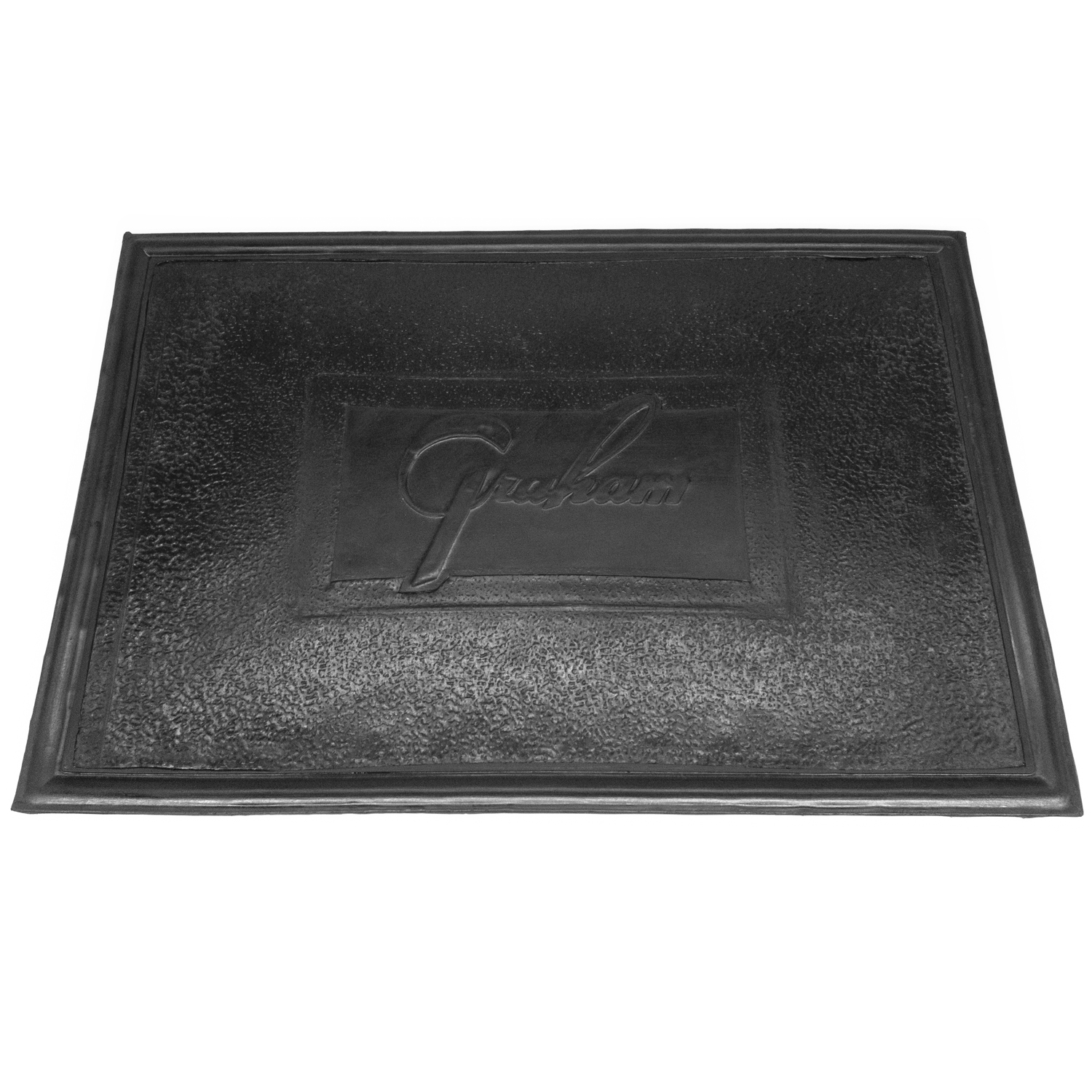 1928 Graham-Paige Model 610 Accessory Floor Mat - 12"X17"-AC 12Accessory Floor Mat - made of high quality black rubber with molded original emblem. Also designed to be sewn into new carpets. 12"X17", Each
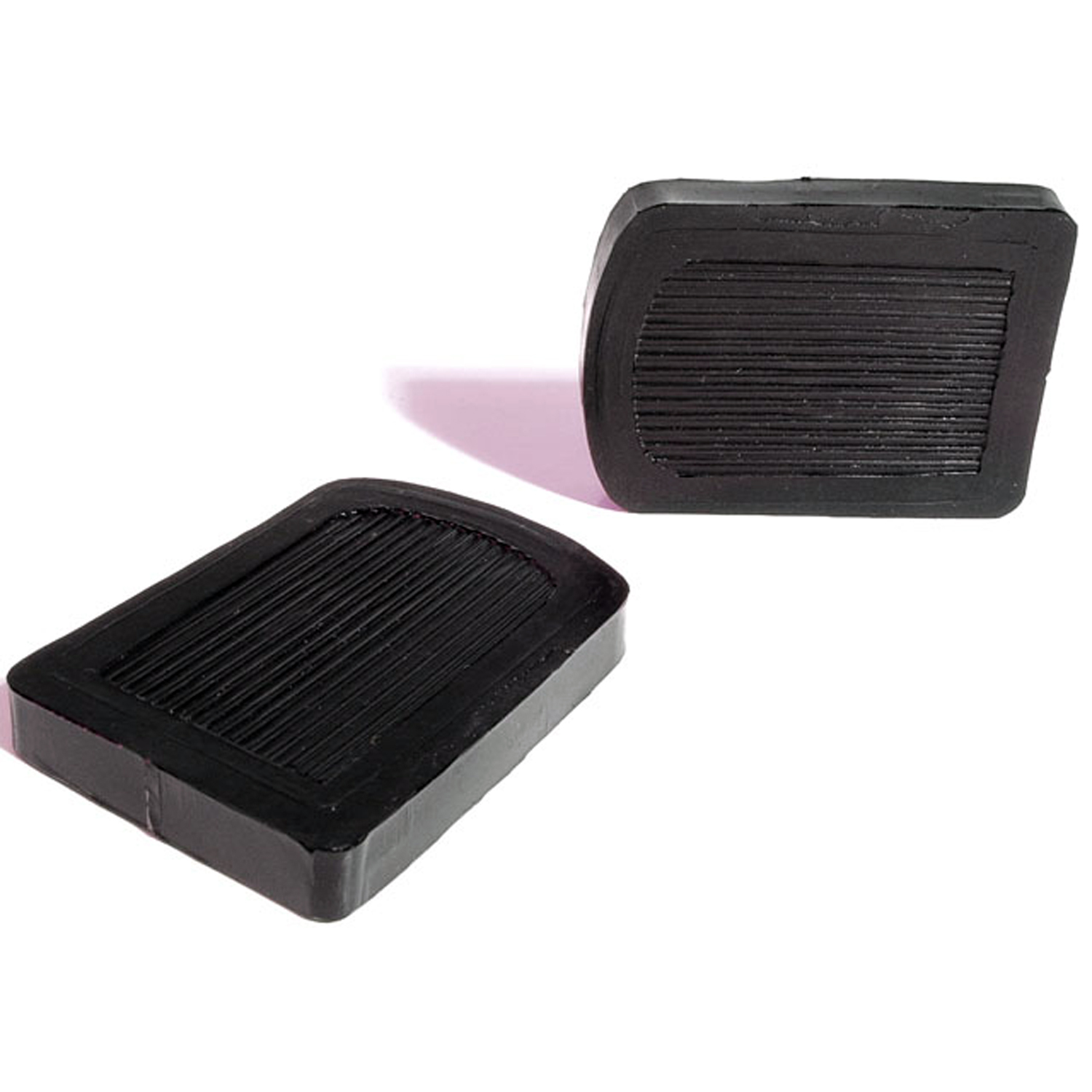 1928 Graham-Paige Model 610 Clutch and Brake Pedal Pads. 2-5/8" wide X 3-5/8" long-CB 25Clutch and Brake Pedal Pads. 2-5/8" wide X 3-5/8" long. Pair
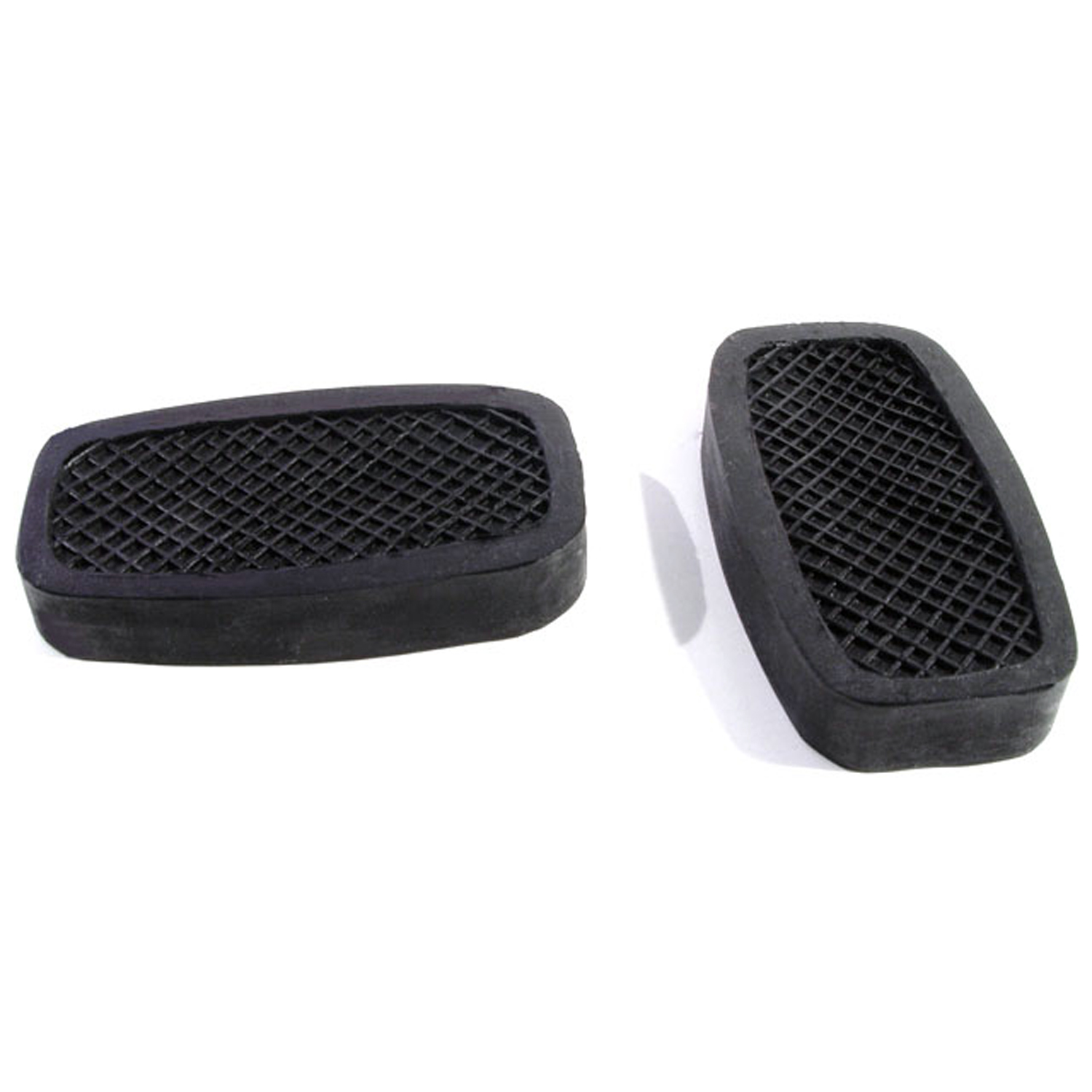 1928 Graham-Paige Model 610 Clutch and Brake Pedal Pads. 2" wide X 3-5/8" long. Pair-CB 46Clutch and Brake Pedal Pads. 2" wide X 3-5/8" long. Pair
Why Choose Metro?
For over 100 years, Metro Moulded Parts has been the pinnacle of quality in classic car restoration parts. Our commitment to precision and authenticity in every component ensures a perfect fit and an OEM-level appearance.
- Expert Craftsmanship & Quality: Each part is a testament to our dedication to reliability and perfection, crafted from original designs and thoroughly tested.
- Advanced Technology: We use cutting-edge techniques to create flawless, long-lasting parts that surpass others in performance.
- SuperSoft Sponge – The Ultimate Door Seal: Not only are our door seals 30% softer than competitors', but they're also guaranteed to never leak. They effectively reduce wind and road noise, enhancing your classic car's comfort and driving experience.
- Proudly American: Our parts are a product of American craftsmanship, made in the USA with a spirit of excellence and heritage.
- Unrivaled Warranty: We back our products with a 30-year industry-leading warranty, a testament to our confidence in their quality.
Join us in preserving the legacy of classic cars with parts that are crafted for perfection, not just made.