

Image of 1928 Graham-Paige Model 619, Note: These illustrations use artistic license and may differ from actual historical models.
Performance Metrics
Fundamental Metrics
Emotional Appeal
MMP Rating
| Engine Specifications | |
|---|---|
| Engine Options: | Inline 6 |
| Displacement Range: | 3.3L |
| Horsepower Range: | Estimated 70-80 HP |
| Torque: | Not available |
| Compression Ratio: | Not available |
| Ignition System: | Distributor and coil |
| Cooling System: | Water-cooled |
| Performance Specifications | |
| 0-60 Time: | Not available |
| 1/4 Mile Time: | Not available |
| Top Speed: | 60 mph |
| Transmission and Drive | |
| Drive Type: | Rear-wheel drive |
| Transmission Type: | 3-speed manual |
| Fuel and Efficiency | |
| Fuel System Type: | Carburetor |
| MPG: | Not available |
| Dimensions and Brakes | |
| Brakes: | Mechanical drum brakes |
| Wheelbase: | 115 inches |
| Weight: | Estimated 2,800 lbs |
Note: Specifications for classic cars are given to the best of our ability, considering the limited and variant data available.
1928 Graham-Paige Model 619: A New Name on the American Road
The 1928 Graham-Paige Model 619 arrived with a fresh badge, a capable six-cylinder engine, and the ambition to take on some of America’s best-established carmakers. It was among the first automobiles produced by Graham-Paige, a Detroit company founded by brothers Joseph, Robert, and Ray Graham after they sold their successful commercial-vehicle business to Dodge.
The brothers acquired the Paige-Detroit Motor Car Company in 1927 and reorganized it as Graham-Paige. The Model 619 was part of the company’s opening passenger-car lineup, which also included other six- and eight-cylinder models. Its name identifies a particular series in the range, rather than a 619-cubic-inch engine.
One intriguing detail is how quickly the new company established itself. Graham-Paige was not a small, untested startup: its founders brought manufacturing experience, business connections, and the resources of an existing automaker to their new venture. The 619 therefore represents both a new marque and a continuation of the Paige company’s industrial foundations.
Streamlined Presence and Period Craftsmanship
The Model 619 has the upright, dignified proportions associated with late-1920s cars. Its tall radiator, separate front fenders, running boards, and high-mounted lamps give it a distinctly formal profile. Long hood lines lead toward a passenger compartment set well back from the front axle, while the rear bodywork varies according to the chosen style. Fine trim, brightwork, and wheel details add visual polish without disguising the car’s substantial, traditional shape.
Inside, the experience was more about comfort and finish than modern convenience. Depending on body style and equipment, the cabin could feature upholstered bench seating, a broad steering wheel, clear period-style instruments, and practical storage. Materials and trim varied by specification, but Graham-Paige positioned its cars as quality products, so buyers could expect a more carefully finished interior than the bare-bones treatment found in some low-priced cars.
Exact colors depended on the body, year, and factory order. Period cars were offered in dark and subdued shades, including colors such as black, blue, green, and maroon, with contrasting trim or two-tone treatments available on some bodies. Dark blue and maroon are especially evocative choices for a restored 1920s touring car, though surviving examples and original paint records are the best guides to a particular car’s factory finish.
Graham-Paige offered the 619 in multiple body configurations across its catalog, with closed sedans and coupes appealing to buyers who wanted weather protection, and open touring-style bodies delivering the classic motoring experience. Availability could differ by series and production date, so not every body style should be assumed to have been offered on every 619 chassis. A well-proportioned sedan is a particularly representative choice: formal, usable, and very much in keeping with the era.
Engineering for the Late 1920s
The Model 619’s six-cylinder engine delivered smoother power than the four-cylinder engines still common in less expensive cars. Published specifications vary among reference sources and individual cars, but the 619 is generally associated with a conventional side-valve six of roughly 225 cubic inches, producing power in the neighborhood of 60 to 70 horsepower. A three-speed manual transmission, rear-wheel drive, and traditional chassis construction were typical of the period.
Its suspension followed familiar 1920s practice, using solid axles and leaf springs. Four-wheel mechanical brakes were also in keeping with the technology of the time. These systems were not revolutionary, but they gave the Graham-Paige a solid, substantial character. Compared with a basic economy car, the 619’s appeal lay in its combination of six-cylinder smoothness, substantial construction, and a range of body choices.
The Model 619 did not introduce a headline-making technology that transformed the industry. Its significance is more grounded: Graham-Paige brought established manufacturing know-how to a new marque and offered buyers a well-equipped alternative in a crowded market. That practical approach helped the company build a reputation for sturdy, well-appointed automobiles.
Road Manners and Performance
Period performance figures are not always consistent, and condition has a major effect on any surviving car. A sound Model 619 can be expected to reach approximately 60 to 70 mph, with acceleration from 0 to 60 mph likely taking well over 20 seconds. Those are reasonable estimates for a large late-1920s automobile, not modern test figures. The car is best understood as a comfortable road tourer rather than a quick sports machine.
On a smooth road, the six-cylinder engine should feel relaxed and unhurried, while the long wheelbase helps the car settle into a steady cruise. Over broken pavement, the solid axles and leaf springs transmit more movement than a modern suspension, and the tall body can lean noticeably through bends. On winding roads, a driver needs to plan ahead, use the gearbox, and allow extra room for the brakes. Steering and braking effort can be substantial by modern standards.
The driving experience is part of the Model 619’s appeal. Expect engine sound and mechanical feel to remain present in the cabin: the engine’s steady note, the movement of the gear lever, and the response of the chassis all remind the driver that this is a machine from another motoring age. A carefully maintained example can be enjoyable on scenic touring roads, but it rewards smooth inputs and sensible speeds.
Living With a Graham-Paige
Today, the Model 619 is most often used for vintage-car touring, local club events, museum displays, and concours-style gatherings. It is not generally a racing car, and using one as a daily driver would require patience, mechanical sympathy, and a route suited to slower traffic.
Maintenance is manageable for an owner familiar with prewar cars, but it is not equivalent to servicing a modern vehicle. Ignition, carburetion, cooling, lubrication, brakes, and chassis adjustments all need regular attention. Many components follow familiar period engineering principles, which can make basic work approachable for a capable home mechanic. The larger challenge is often locating correct parts, specialist knowledge, and body-specific fittings.
Reliability depends heavily on restoration quality and ongoing care. A car that has been properly rebuilt and driven regularly is generally a better touring prospect than one that has spent years standing. Before buying, inspect the engine, transmission, frame, brakes, cooling system, and wood or structural elements in the body, where applicable. A pre-purchase review by a mechanic experienced with vintage cars is money well spent.
Notable Details and Common Criticisms
The Model 619’s strongest trivia point is its place at the beginning of the Graham-Paige story. The company’s founders had already made a name in commercial vehicles before turning their attention to passenger cars, giving the new marque an unusual blend of entrepreneurial energy and manufacturing experience.
No widely recognized speed, endurance, or sales record is specifically associated with the 1928 Model 619. Nor is it known primarily for a famous celebrity owner or a defining appearance in a major historical event. Its distinction is quieter: it represents a serious new entrant in the American automobile market during a period when manufacturers were competing fiercely on price, comfort, and engineering.
Common criticisms are typical of cars of its age. The Model 619 is slow by modern standards, requires more frequent adjustment and upkeep than a newer classic, and lacks modern safety equipment. Its mechanical brakes and handling demand anticipation. Parts availability can also be less convenient than for far more numerous Ford or Chevrolet models. In return, owners get an uncommon car with a distinctive identity and a strong period presence.
Collector Values and Availability
There is no dependable public production total for the Model 619 alone, so any exact figure should be treated cautiously. Graham-Paige produced multiple series and body styles, and surviving records do not always provide a clean model-by-model count. A reasonable working estimate is that the 619 was built in the thousands, rather than in the tiny numbers associated with a limited-production luxury car. Surviving examples are uncommon, and particular body styles can be much harder to find than others.
As a broad market estimate, a project or incomplete car might bring roughly $8,000 to $18,000, while a usable but imperfect example could fall around $18,000 to $35,000. A well-restored car may sell for approximately $35,000 to $60,000, with exceptional, highly original, or especially desirable body styles potentially exceeding that range. These are general estimates, not a formal appraisal. Condition, provenance, completeness, restoration quality, and current market demand can shift the price substantially.
Values for cars like the 619 tend to be steady but selective. High-quality restorations and attractive open-body cars can command strong interest, while projects may be difficult to sell because restoration costs can outstrip the finished car’s market value. The model is not as liquid as a mass-produced Ford, but its rarity and Graham-Paige heritage give it appeal among collectors who value less-common American marques.
A Distinctive Piece of American Motoring
The 1928 Graham-Paige Model 619 combines the formal style, mechanical character, and unhurried pace of late-1920s motoring with the story of a company making its first mark in the passenger-car world. It was not a revolutionary machine, but it offered six-cylinder refinement, substantial construction, and a range of traditional body styles at an important moment in American automotive history.
For collectors, the 619 is more than an elegant old sedan or touring car. It is a rolling reminder that some of the most interesting chapters in automotive history belong to ambitious marques just outside the mainstream.
1928 Graham-Paige Model 619 Catalog of Parts
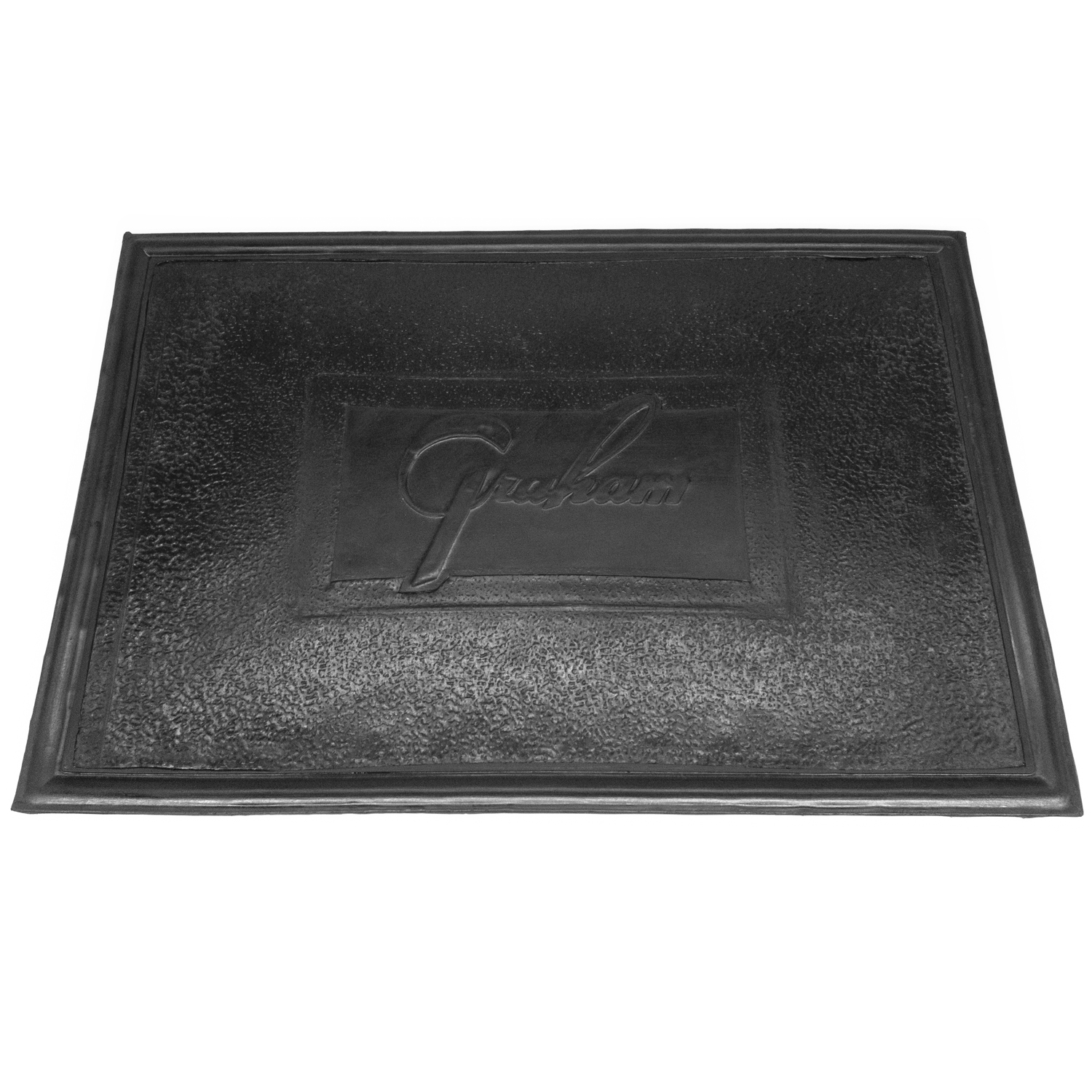 1928 Graham-Paige Model 619 Accessory Floor Mat - 12"X17"-AC 12Accessory Floor Mat - made of high quality black rubber with molded original emblem. Also designed to be sewn into new carpets. 12"X17", Each
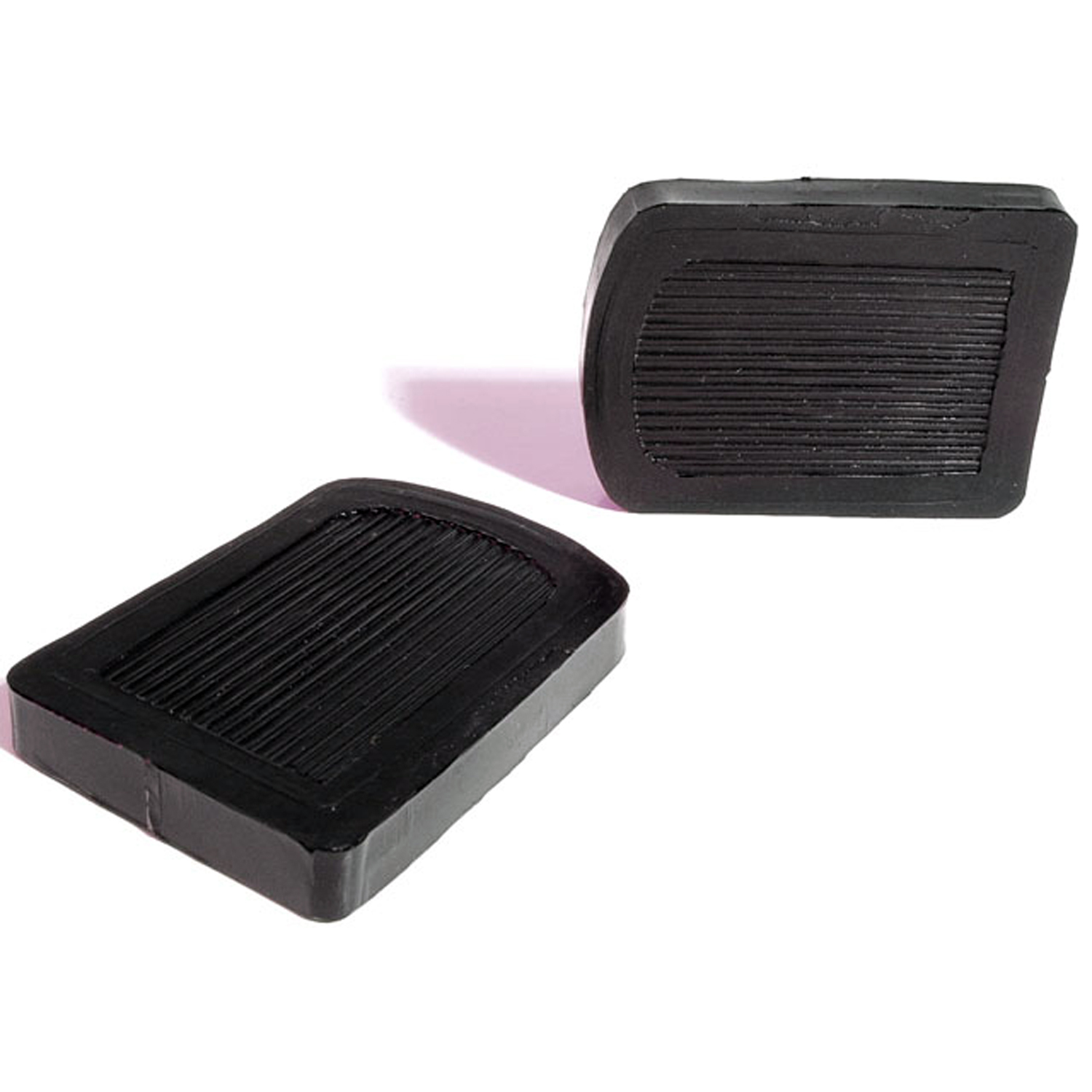 1928 Graham-Paige Model 619 Clutch and Brake Pedal Pads. 2-5/8" wide X 3-5/8" long-CB 25Clutch and Brake Pedal Pads. 2-5/8" wide X 3-5/8" long. Pair
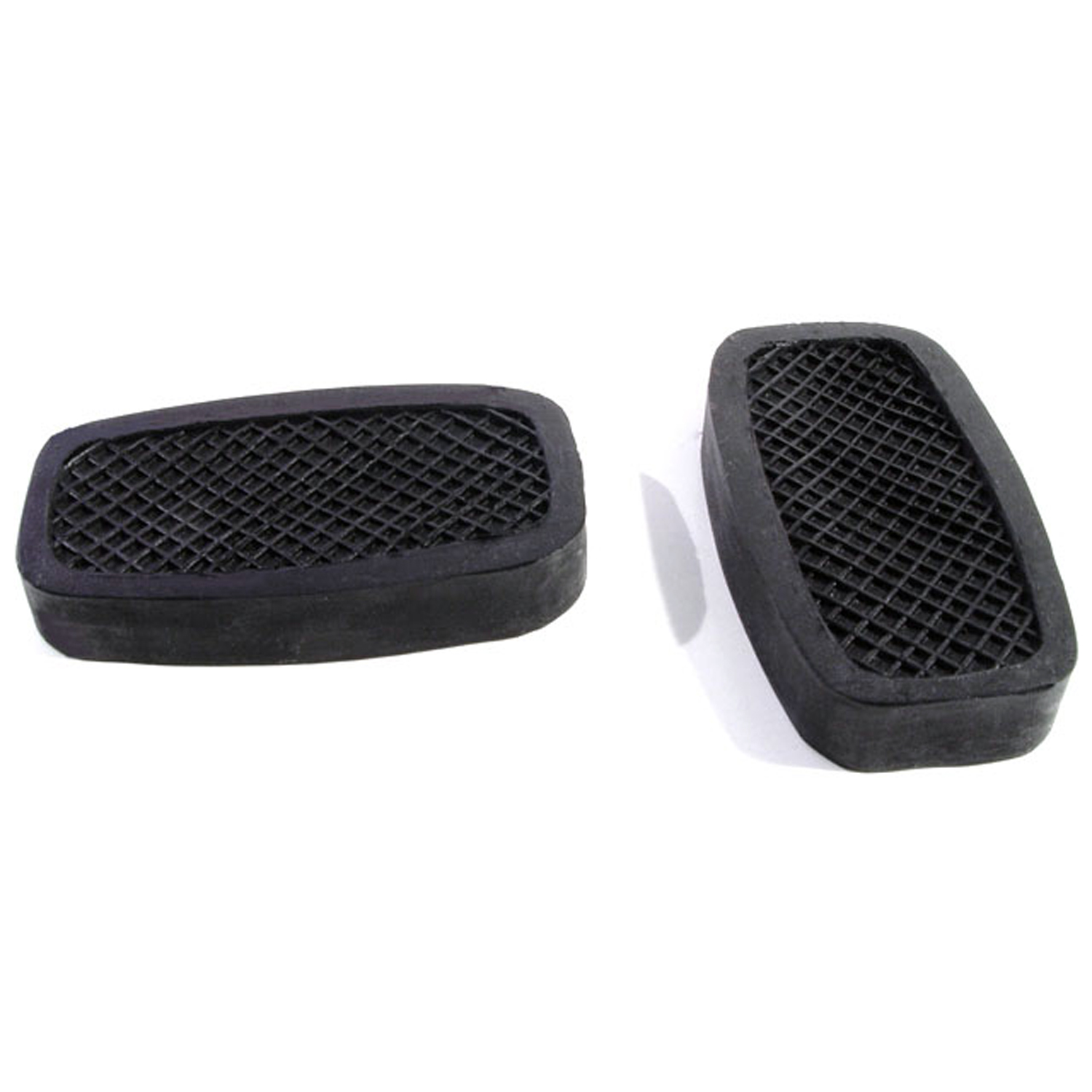 1928 Graham-Paige Model 619 Clutch and Brake Pedal Pads. 2" wide X 3-5/8" long. Pair-CB 46Clutch and Brake Pedal Pads. 2" wide X 3-5/8" long. Pair
Why Choose Metro?
For over 100 years, Metro Moulded Parts has been the pinnacle of quality in classic car restoration parts. Our commitment to precision and authenticity in every component ensures a perfect fit and an OEM-level appearance.
- Expert Craftsmanship & Quality: Each part is a testament to our dedication to reliability and perfection, crafted from original designs and thoroughly tested.
- Advanced Technology: We use cutting-edge techniques to create flawless, long-lasting parts that surpass others in performance.
- SuperSoft Sponge – The Ultimate Door Seal: Not only are our door seals 30% softer than competitors', but they're also guaranteed to never leak. They effectively reduce wind and road noise, enhancing your classic car's comfort and driving experience.
- Proudly American: Our parts are a product of American craftsmanship, made in the USA with a spirit of excellence and heritage.
- Unrivaled Warranty: We back our products with a 30-year industry-leading warranty, a testament to our confidence in their quality.
Join us in preserving the legacy of classic cars with parts that are crafted for perfection, not just made.