

Image of 1928 Graham-Paige Model 629, Note: These illustrations use artistic license and may differ from actual historical models.
Performance Metrics
Fundamental Metrics
Emotional Appeal
MMP Rating
| Engine Specifications | |
|---|---|
| Engine Options: | Straight-6 |
| Displacement Range: | 3.3L |
| Horsepower Range: | Estimated 70-80 HP |
| Torque: | Not available |
| Compression Ratio: | Not available |
| Ignition System: | Distributor and coil |
| Cooling System: | Water-cooled |
| Performance Specifications | |
| 0-60 Time: | Not available |
| 1/4 Mile Time: | Not available |
| Top Speed: | 60-70 mph |
| Transmission and Drive | |
| Drive Type: | Rear-wheel drive |
| Transmission Type: | 3-speed manual |
| Fuel and Efficiency | |
| Fuel System Type: | Carburetor |
| MPG: | Not available |
| Dimensions and Brakes | |
| Brakes: | Mechanical drum brakes |
| Wheelbase: | 120 inches |
| Weight: | Estimated 3000-3500 lbs |
Note: Specifications for classic cars are given to the best of our ability, considering the limited and variant data available.
1928 Graham-Paige Model 629: A New Name with Big Ambitions
The 1928 Graham-Paige Model 629 arrived with the presence of a luxury car and the confidence of a company determined to make its mark. It was part of the first lineup from Graham-Paige, the American automaker founded by brothers Joseph, Robert, and Ray Graham after they acquired the Paige-Detroit Motor Car Company in 1927.
The Graham brothers were experienced industrialists with a background in trucks and manufacturing. Their new passenger-car business combined Paige’s established facilities and engineering with the Grahams’ appetite for expansion. The cars made their public debut in 1928, offering buyers a broad range of models and body styles. The 629 sat toward the larger, more substantial end of that early range.
One useful detail for identifying the car: “629” is a model designation, not a reference to a 629-cubic-inch engine. The name belongs to Graham-Paige’s early model-naming system. Though the 629 is not remembered for a single record-setting event, it represents a fascinating moment when a new automaker entered a crowded market and immediately aimed above the ordinary family car.
Long Hood, Formal Lines, and a Spacious Cabin
The Model 629 had the classic proportions of a substantial late-1920s automobile: a tall, upright radiator, long hood, pronounced front fenders, running boards, and a high roofline. Its styling was formal rather than sporty. Brightwork around the radiator and lamps, a folding windshield on open versions, and a rear-mounted spare helped give the car the dignified appearance buyers expected in a premium automobile.
Inside, the experience depended on the body style and trim level. Closed cars were designed for comfortable, sheltered travel, with broad seats, door trim, carpeting, and wood or wood-grain decorative details. Upholstery materials and colors varied by configuration, but period cars in this class commonly used quality cloth or leather, with more elaborate finishes available on higher-priced bodies. Today, an original, well-preserved interior is especially valuable because correct fabrics, trim patterns, and hardware can be difficult to source.
Factory paint choices could vary by body and year, and surviving records do not establish one universal color list for every 629. Period buyers could choose from restrained dark shades and brighter colors, while contrasting colors or trim details added visual interest on some bodies. Dark green, maroon, blue, and black are appropriate period-style choices, but an individual car’s original paint should be confirmed from factory records or evidence beneath later finishes rather than assumed from its model name.
Graham-Paige offered a range of body styles across its early catalog, including closed sedans and coupes as well as open touring or phaeton-type cars. Exact availability depended on the chassis and catalog listing, and some cars received coachwork or equipment tailored to the buyer. The sedan is the most familiar and practical 629 form today. Its enclosed cabin also suits the model’s composed, formal character particularly well.
Engineering for the Late 1920s
The 629’s appeal came from combining substantial size with the established engineering of the period, rather than from one radical new invention. It used a front-mounted six-cylinder engine driving the rear wheels through a manual transmission. Period specifications commonly associate the larger 629 with an engine of roughly 288 cubic inches and output in the neighborhood of 80 horsepower. Exact specifications can differ by source and equipment, so a car’s engine number and original literature are the best guides to its individual details.
Four-wheel mechanical brakes, a conventional clutch and gearshift, and leaf-spring suspension were typical of cars in this class and era. These systems were familiar to mechanics of the day, but they require a different driving approach from a modern car. Braking distances are longer, steering effort is heavier at low speeds, and the driver must plan gear changes and stops well in advance.
What distinguished Graham-Paige was its ambition and the breadth of its initial product range. The company was not simply selling a basic runabout. It offered buyers a choice of sizes and body styles from the outset, positioning the brand as a serious competitor in the middle and upper reaches of the American market. The 629 helped establish that image.
Performance and Road Manners
There is no single reliable factory figure for a 1928 Model 629’s top speed or 0-to-60-mph acceleration across all body styles and mechanical conditions. As a broad modern estimate, a healthy example might reach roughly 65 to 75 mph, while acceleration from 0 to 60 mph could take around 25 to 35 seconds. These are estimates, not guaranteed specifications. Vehicle weight, gearing, bodywork, engine condition, and tire type all make a significant difference.
On a smooth road, the 629’s long wheelbase and substantial chassis should give it a steady, settled feel. Broken pavement is handled in the softer, more deliberate manner typical of a large car from the period, with body movement and road shocks that are far more noticeable than in a modern sedan. On winding roads, the driver needs to respect the car’s size, narrow tires, steering effort, and limited braking capability. It rewards smooth inputs rather than quick direction changes.
Behind the wheel, the six-cylinder engine would likely produce a measured mechanical rumble, growing more audible as the revs rise. The manual gearbox asks the driver to work with the engine rather than rush it. The overall impression is less about speed than occasion: a tall view over the hood, the rhythm of the drivetrain, and the sense of piloting a substantial machine from another automotive era.
Living with a Model 629
Today, most 629s are best suited to touring, club events, museum displays, and vintage-car shows. A carefully maintained example can take part in local drives, but it is not a sensible modern daily driver. Traffic speeds, limited visibility, old-style brakes, and the availability of suitable tires all call for a cautious owner.
Routine service is understandable to a mechanic familiar with prewar cars. The engine, clutch, transmission, brakes, and suspension use broadly traditional mechanical systems. The challenge is less about complex electronics and more about finding correct parts, establishing a dependable fuel and ignition setup, and ensuring that decades-old components are safe. Body trim, lamps, instruments, upholstery, and model-specific engine parts may take patience to locate.
Reliability depends heavily on restoration quality. A well-sorted car can be a satisfying touring machine, while one that has been stored for years may need extensive work before it should be driven. A pre-purchase inspection by a specialist is essential, particularly for the brakes, steering, chassis, cooling system, and engine internals.
Graham-Paige Facts and Myths
The Graham brothers were not newcomers to the motor trade. Before launching passenger cars under the Graham-Paige name, they had built a reputation in commercial vehicles. Their manufacturing experience helped give the new marque credibility, even as it competed against established names with larger dealer networks and longer histories.
The Model 629 is not widely associated with a famous speed record, racing victory, or celebrity ownership. Its historical interest lies instead in being part of Graham-Paige’s first year of automobile production. No dependable, widely published model-specific production total or surviving-car census is available for the 629, so precise claims about its rarity should be treated cautiously.
A common criticism of cars like the 629 is that they can seem slow, cumbersome, and demanding by modern standards. That is fair if the benchmark is contemporary traffic. It misses the point if the car is judged in its own context: it offered substantial size, six-cylinder power, and a choice of refined bodywork at a time when buyers were increasingly expecting more comfort and capability from their automobiles.
Collector Values and Availability
The 1928 Model 629 is uncommon on the market, and the number of surviving examples is difficult to establish. As a best-effort estimate, production may have numbered in the low thousands, perhaps roughly 1,000 to 3,000 cars. That range is speculative rather than a documented factory figure. The number of surviving examples is likely much smaller, especially for particular body styles.
As a broad 2026 market guide, a project car or incomplete example might fall around $10,000 to $25,000. A presentable, running car could be roughly $25,000 to $50,000, while a well-restored example with desirable bodywork and strong documentation might reach about $50,000 to $85,000 or more. These are approximate U.S. values, not appraisals. Condition, originality, restoration quality, body style, provenance, and regional demand can move a sale well outside those ranges.
Values for early Graham-Paige cars tend to be steadier than those of the most fashionable prewar marques. Exceptional restorations can attract strong interest, but buyers often weigh the cost of parts and specialist work carefully. Over time, the 629’s rarity and place in the company’s origin story may support appreciation, though condition and quality of documentation remain more important than rarity alone.
Why the 1928 Model 629 Still Matters
The Graham-Paige Model 629 captures the confidence of a young American automaker with serious manufacturing experience and ambitions to match. Its long, formal styling, roomy cabin, six-cylinder power, and range of body configurations made it a substantial choice in 1928. It was not a technological revolution, but it helped introduce a marque that would become an important part of American automotive history.
For collectors, the 629 offers more than an attractive prewar silhouette. It is a rolling reminder of Graham-Paige’s first chapter: a bold entry into the market, built for buyers who wanted comfort and presence before the modern automobile had fully taken shape.
1928 Graham-Paige Model 629 Catalog of Parts
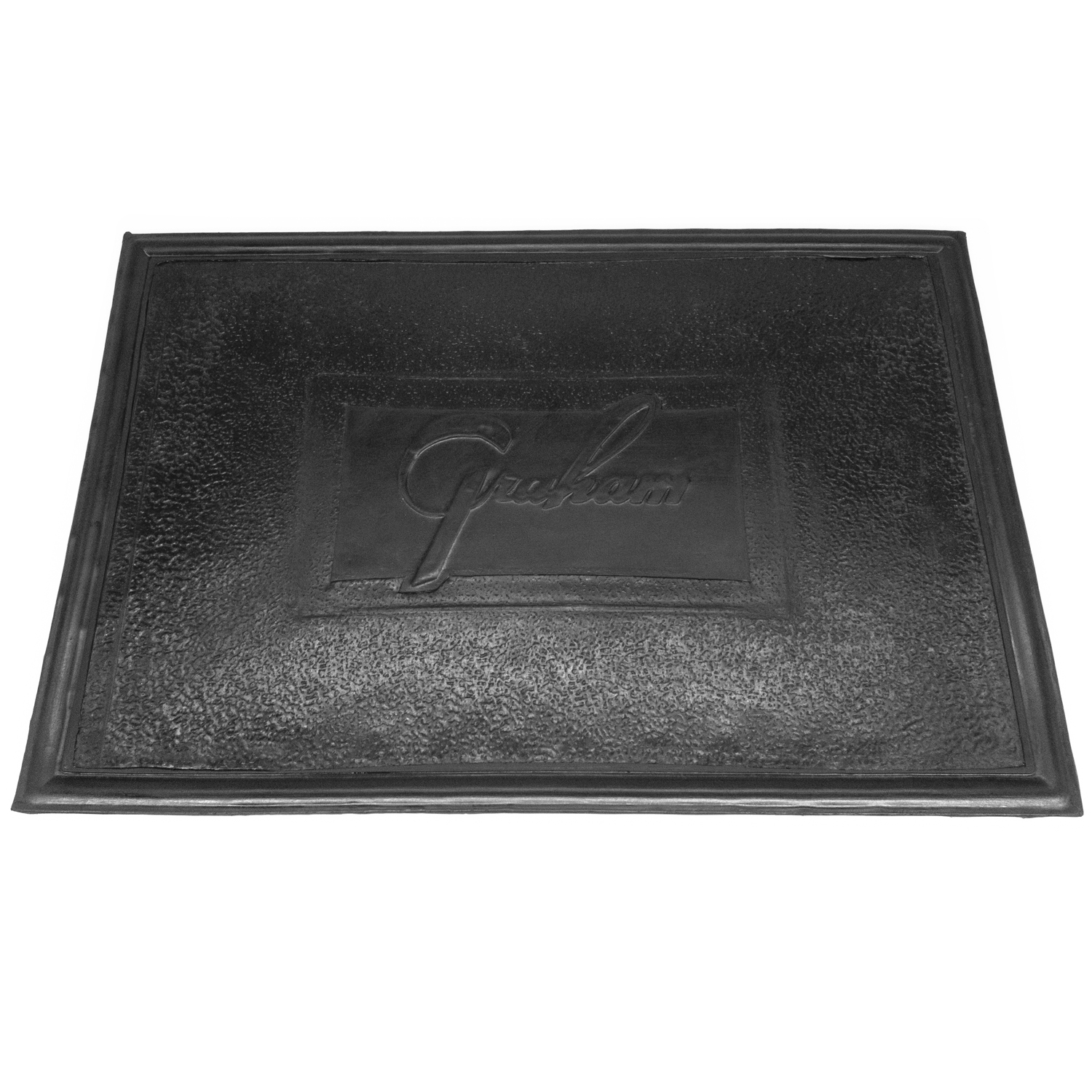 1928 Graham-Paige Model 629 Accessory Floor Mat - 12"X17"-AC 12Accessory Floor Mat - made of high quality black rubber with molded original emblem. Also designed to be sewn into new carpets. 12"X17", Each
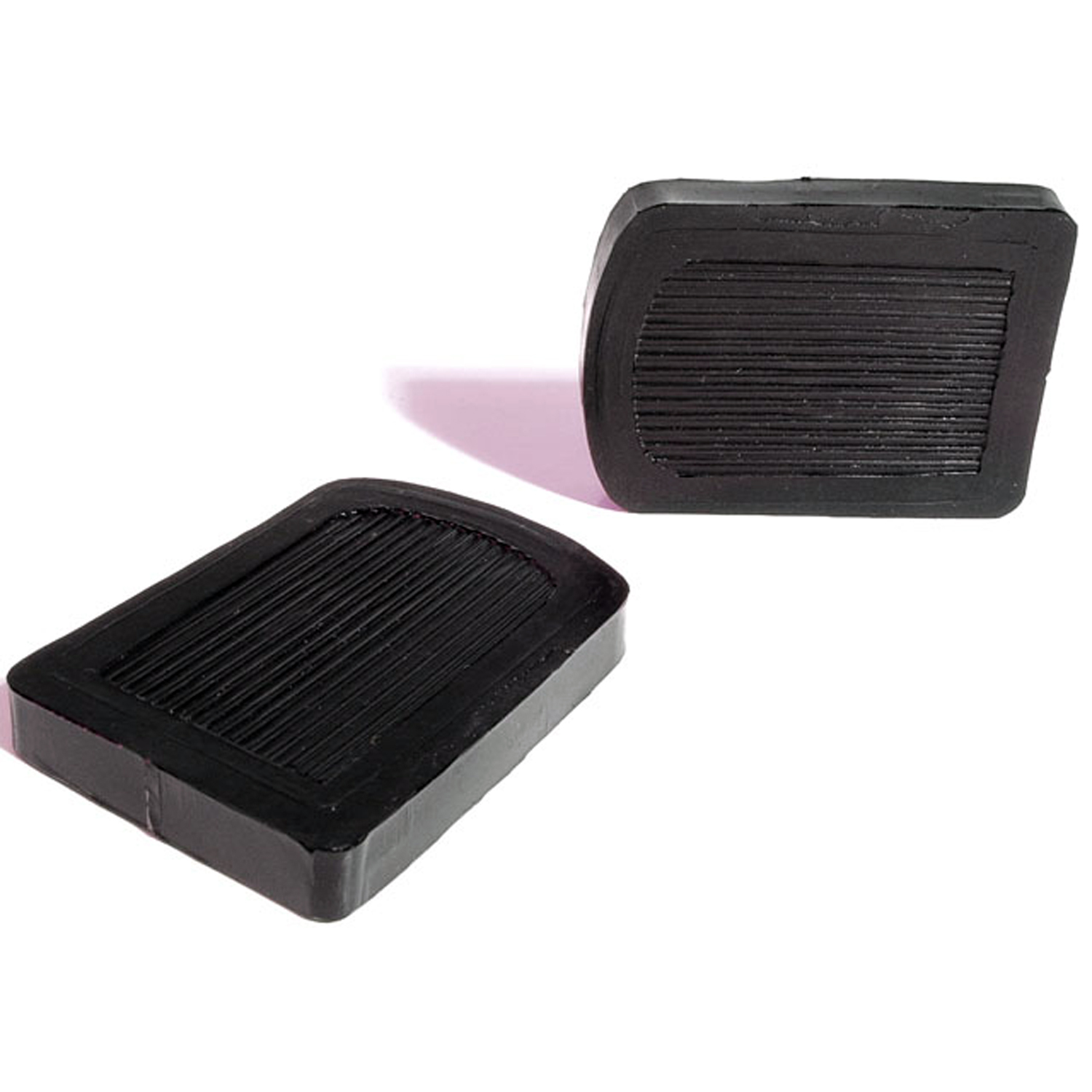 1928 Graham-Paige Model 629 Clutch and Brake Pedal Pads. 2-5/8" wide X 3-5/8" long-CB 25Clutch and Brake Pedal Pads. 2-5/8" wide X 3-5/8" long. Pair
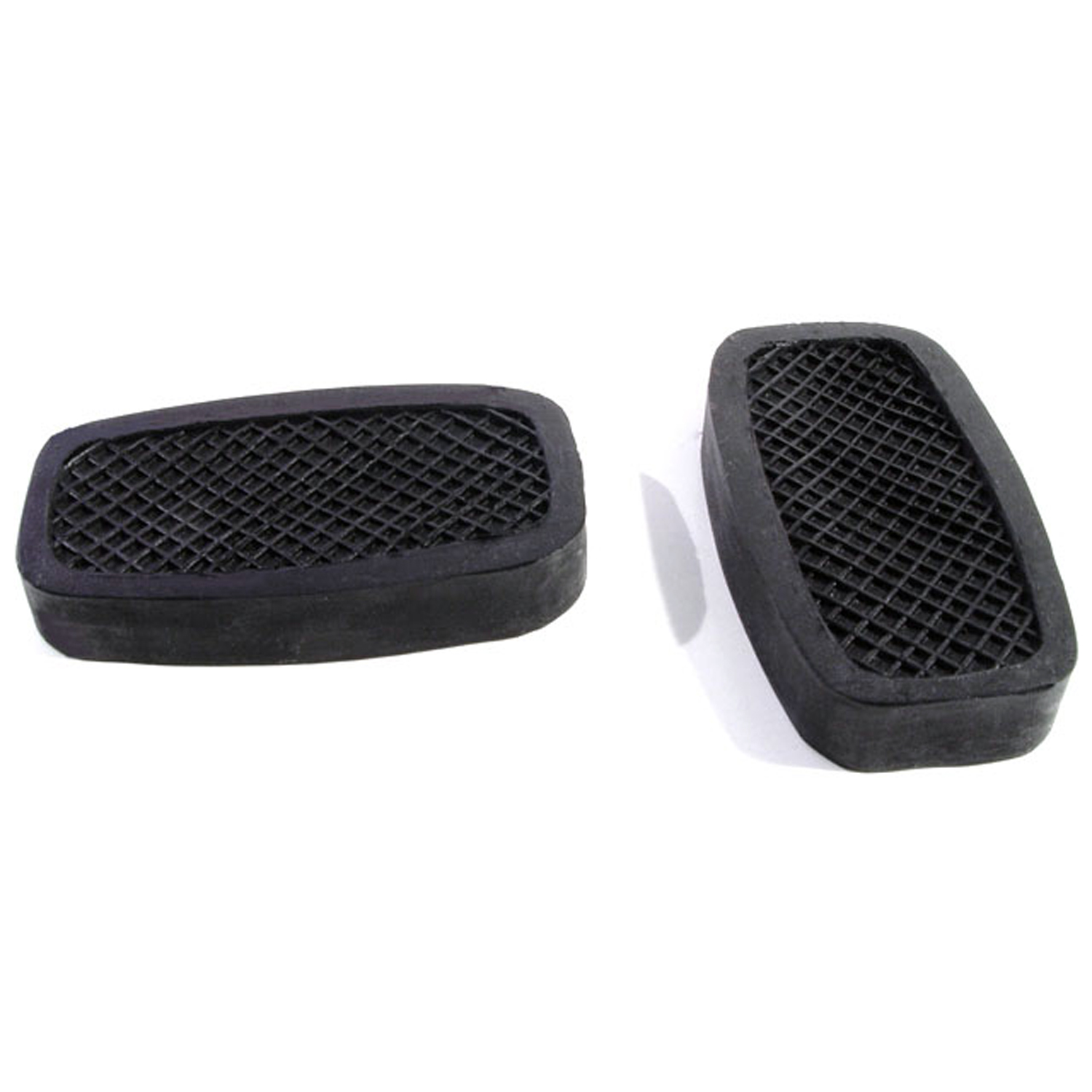 1928 Graham-Paige Model 629 Clutch and Brake Pedal Pads. 2" wide X 3-5/8" long. Pair-CB 46Clutch and Brake Pedal Pads. 2" wide X 3-5/8" long. Pair
Why Choose Metro?
For over 100 years, Metro Moulded Parts has been the pinnacle of quality in classic car restoration parts. Our commitment to precision and authenticity in every component ensures a perfect fit and an OEM-level appearance.
- Expert Craftsmanship & Quality: Each part is a testament to our dedication to reliability and perfection, crafted from original designs and thoroughly tested.
- Advanced Technology: We use cutting-edge techniques to create flawless, long-lasting parts that surpass others in performance.
- SuperSoft Sponge – The Ultimate Door Seal: Not only are our door seals 30% softer than competitors', but they're also guaranteed to never leak. They effectively reduce wind and road noise, enhancing your classic car's comfort and driving experience.
- Proudly American: Our parts are a product of American craftsmanship, made in the USA with a spirit of excellence and heritage.
- Unrivaled Warranty: We back our products with a 30-year industry-leading warranty, a testament to our confidence in their quality.
Join us in preserving the legacy of classic cars with parts that are crafted for perfection, not just made.