

Image of 1928 Graham-Paige Model 835, Note: These illustrations use artistic license and may differ from actual historical models.
Performance Metrics
Fundamental Metrics
Emotional Appeal
MMP Rating
| Engine Specifications | |
|---|---|
| Engine: | Straight-8 |
| Displacement: | 4.7L |
| Horsepower: | Estimated 100-120 HP |
| Torque: | Not available |
| Compression Ratio: | Not available |
| Ignition System: | Distributor and coil |
| Cooling System: | Water-cooled |
| Performance Specifications | |
| 0-60 Time: | Not available |
| 1/4 Mile Time: | Not available |
| Top Speed: | 70 mph |
| Transmission and Drive | |
| Drive Type: | Rear-wheel drive |
| Transmission Type: | 3-speed manual |
| Fuel and Efficiency | |
| Fuel System Type: | Carburetor |
| MPG: | Not available |
| Dimensions and Brakes | |
| Brakes: | Mechanical drum brakes |
| Wheelbase: | 137.5 inches |
| Weight: | Estimated 3,500 lbs |
Note: Specifications for classic cars are given to the best of our ability, considering the limited and variant data available.
1928 Graham-Paige Model 835: An Eight-Cylinder American Original
The 1928 Graham-Paige Model 835 brought the smoothness of an inline-eight to a young American marque that was determined to compete with the established luxury names. Built by Graham-Paige Motors Corporation of Detroit, it came from a company founded by brothers Joseph, Robert, and Ray Graham. The brothers had made their name in the glass business before buying the assets of Paige-Detroit Motor Car Company and launching Graham-Paige in 1927.
The 835 was part of the company’s early push into the upper end of the market. Its eight-cylinder engine, substantial chassis, and broad range of body styles gave buyers a credible alternative to better-known premium cars. One intriguing detail is the speed of Graham-Paige’s start: the new company quickly gained attention and achieved strong early sales, even though it was competing against manufacturers with much longer histories.
Long Lines, Fine Coachwork, and a Refined Cabin
The Model 835 wore the confident proportions typical of a large American car of the late 1920s. Its long hood announced the eight-cylinder engine beneath, while a tall radiator, upright windshield, sweeping fenders, and running boards gave it a formal, well-balanced profile. Details such as bright radiator trim, headlamps mounted near the front fenders, and carefully finished lamps and bumpers added polish without overwhelming the design.
Inside, the 835 was built for comfortable touring rather than minimalist motoring. Depending on body style and specification, the cabin could feature leather upholstery or durable cloth, with wood trim and a broad dashboard. The seating was generously sized by the standards of the day, and the upright driving position offered a clear view over the long hood. Exact materials and trim varied between bodies and individual cars, particularly where coachwork was customized.
Factory color combinations followed the tastes of the period: dark, dignified body colors were common, often set off with contrasting fenders, wheels, or pinstriping. Deep blue, maroon, green, and black are all period-appropriate choices, but surviving cars may have been repainted, and a single definitive color list for every 835 configuration is difficult to establish.
Graham-Paige offered the 835 in several open and closed body styles. Depending on the catalog and coachwork configuration, buyers could choose forms such as a sedan, coupe, roadster, phaeton, or limousine. The four-door sedan is perhaps the most recognizable and practical expression of the car: it combines the 835’s imposing stance with weather protection and room for passengers. Open models, especially phaetons, make the chassis and sweeping fenders more visible.
What Made the Model 835 Stand Out
The 835’s central attraction was its inline-eight engine. Eight-cylinder power was an important selling point in the late 1920s, when smoothness and effortless cruising were prized features of an expensive car. The long engine delivered power more continuously than many contemporary four- and six-cylinder units, helping the Graham-Paige feel composed at touring speeds.
The car was not a radical break from automotive convention. It used familiar front-engine, rear-wheel-drive architecture, a manual transmission, and a substantial frame. Its distinction lay in how Graham-Paige combined a refined powerplant, generous size, attractive coachwork, and a premium feel in a relatively young marque. The Model 835 helped establish the company as more than a newcomer trading on a memorable name.
Its lasting significance also comes from the story of the manufacturer. Graham-Paige continued to build cars through the 1930s and became especially well known for its boldly styled “sharknose” models later in that decade. The 835 belongs to an earlier, more formal chapter: a car from the company’s ambitious first years, before the Great Depression reshaped the American automobile business.
Eight-Cylinder Touring Performance
Published specifications for individual surviving cars can vary, but the Model 835 is generally associated with an L-head inline-eight of roughly 288 cubic inches and about 100 horsepower. It used a three-speed manual transmission and rear-wheel drive. Those figures suited a large touring car, not a lightweight sports car.
Factory acceleration figures are not consistently available, so modern 0-to-60 estimates should be treated as approximations. A healthy, correctly tuned 835 might take roughly 25 to 30 seconds to reach 60 mph. Top speed is commonly estimated in the neighborhood of 70 to 80 mph, though gearing, body style, condition, tires, and road surface all affect the result. Its natural pace is steady highway touring, not repeated high-speed runs.
Behind the wheel, the inline-eight’s character is more about smoothness than a sharp burst of acceleration. Expect a measured engine note, a firm mechanical presence, and the familiar sounds of an older car: drivetrain whir, tire noise, and wind around the windshield. The ride is cushioned by period suspension, but the 835 still has a solid-axle feel. It can settle over ordinary bumps, while rough roads will remind the driver that its suspension and tires belong to another era.
On a winding road, the car’s size and weight call for anticipation. Steering is unassisted, and the driver needs to plan braking and corner entry well ahead. The 835 rewards smooth inputs and a relaxed pace. It can be enjoyable on scenic roads, but it is not likely to feel nimble by modern standards.
Living With a Graham-Paige
Today, most Model 835s are used for touring, vintage-car events, display, or careful collection rather than everyday commuting. Their size and period controls make them better suited to planned drives than to dense traffic. A well-maintained example can still cover meaningful distances, but it needs an owner who understands the demands of a nearly century-old machine.
Routine maintenance is straightforward in principle: keep the engine lubricated and cooled, inspect the ignition and fuel systems, maintain the brakes, and check the chassis and wheel bearings regularly. The challenge is less about complicated technology than sourcing correct parts and finding someone familiar with early Graham-Paige cars. Mechanical work is accessible to an experienced vintage-car owner, but the average modern driver may find adjustments, non-synchronized gear changes, and period braking techniques unfamiliar.
Reliability depends heavily on restoration quality and ongoing care. Age-related problems can include worn engine internals, deteriorated wiring, fuel-system issues, tired suspension components, and corrosion or wood deterioration in bodies that use structural timber. Before buying, inspect the frame, body structure, engine, transmission, brakes, and cooling system, and verify that any replacement parts are suitable for the car.
Interesting Facts and Common Misconceptions
The Model 835’s story is notable without needing a racing legend attached to it. It was an early product of a company that moved quickly from acquisition to automobile production, and it represented Graham-Paige’s effort to earn a place among American premium manufacturers. There is no widely established record of the 835 holding a major speed or endurance title, and no single celebrity association defines the model.
Nor should the 835 be mistaken for a modern performance car simply because it has eight cylinders. Its engine offered smooth, respectable power for its time, but the car’s mass, gearing, and brakes set clear limits. Another common misconception is that every 835 left the factory with identical trim. Body construction, equipment, and finish could differ, so individual cars should be judged by their history and documented specification rather than by a single assumed standard.
Collector Values, Rarity, and Market Outlook
Exact production figures for the Model 835 are not consistently documented in readily available model-by-model records. Graham-Paige produced many cars during its early years, but the total for the 835 alone is uncertain. A cautious working estimate is several thousand to perhaps around 10,000 examples, though that is a broad estimate rather than a confirmed factory figure. Surviving cars are much rarer than that number suggests, particularly in complete, running condition.
As a general 2026 guide, a project car may fall around $10,000 to $20,000, while a sound, usable example might bring roughly $25,000 to $45,000. A high-quality restoration, especially in a desirable open body style with strong documentation, could reach approximately $50,000 to $80,000 or more. These are broad estimates: condition, originality, provenance, coachwork, and the quality of restoration can produce large differences in value.
Interest in the 835 has benefited from growing appreciation for lesser-known American marques, but the market is specialized. Top examples can attract dedicated collectors, while less complete cars may take time to sell because parts and marque expertise are not as plentiful as they are for better-known classics. In general, the best cars are likely to hold interest more reliably than projects, but buyers should view appreciation as uncertain rather than guaranteed.
Why the 1928 Graham-Paige 835 Still Matters
The Graham-Paige Model 835 combined an ambitious young manufacturer, a smooth inline-eight, substantial period styling, and the comfort expected of a premium American automobile. It was not a technological revolution, but it was a confident statement of intent from a company eager to challenge established rivals. Its size and age demand patience behind the wheel, while its engineering and presence make it rewarding for anyone who enjoys early American motoring.
Nearly a century later, the 835 remains a vivid reminder that automotive history was shaped not only by household names, but also by determined independent builders. It carries the ambition of Graham-Paige in every long hood and measured mile.
1928 Graham-Paige Model 835 Catalog of Parts
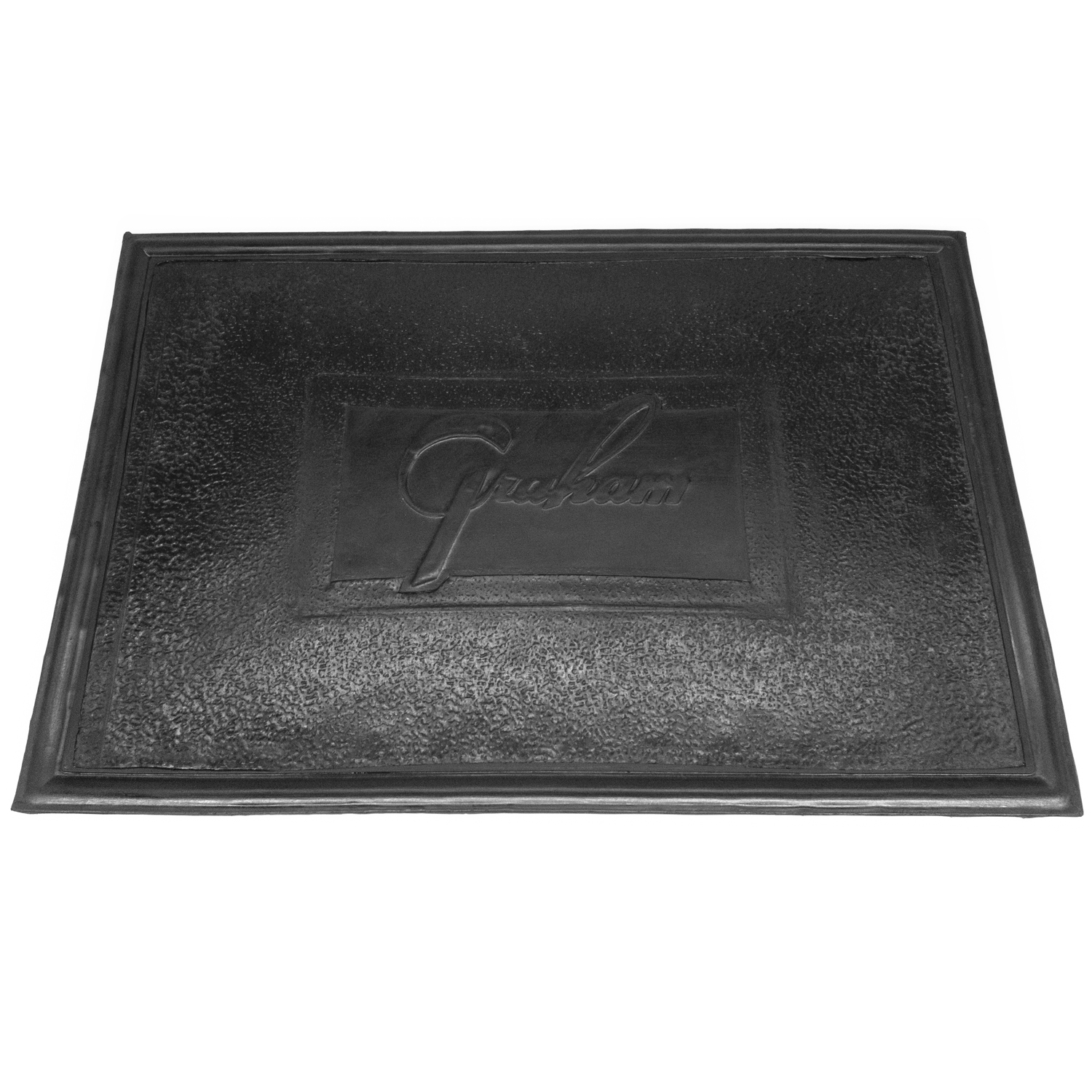 1928 Graham-Paige Model 835 Accessory Floor Mat - 12"X17"-AC 12Accessory Floor Mat - made of high quality black rubber with molded original emblem. Also designed to be sewn into new carpets. 12"X17", Each
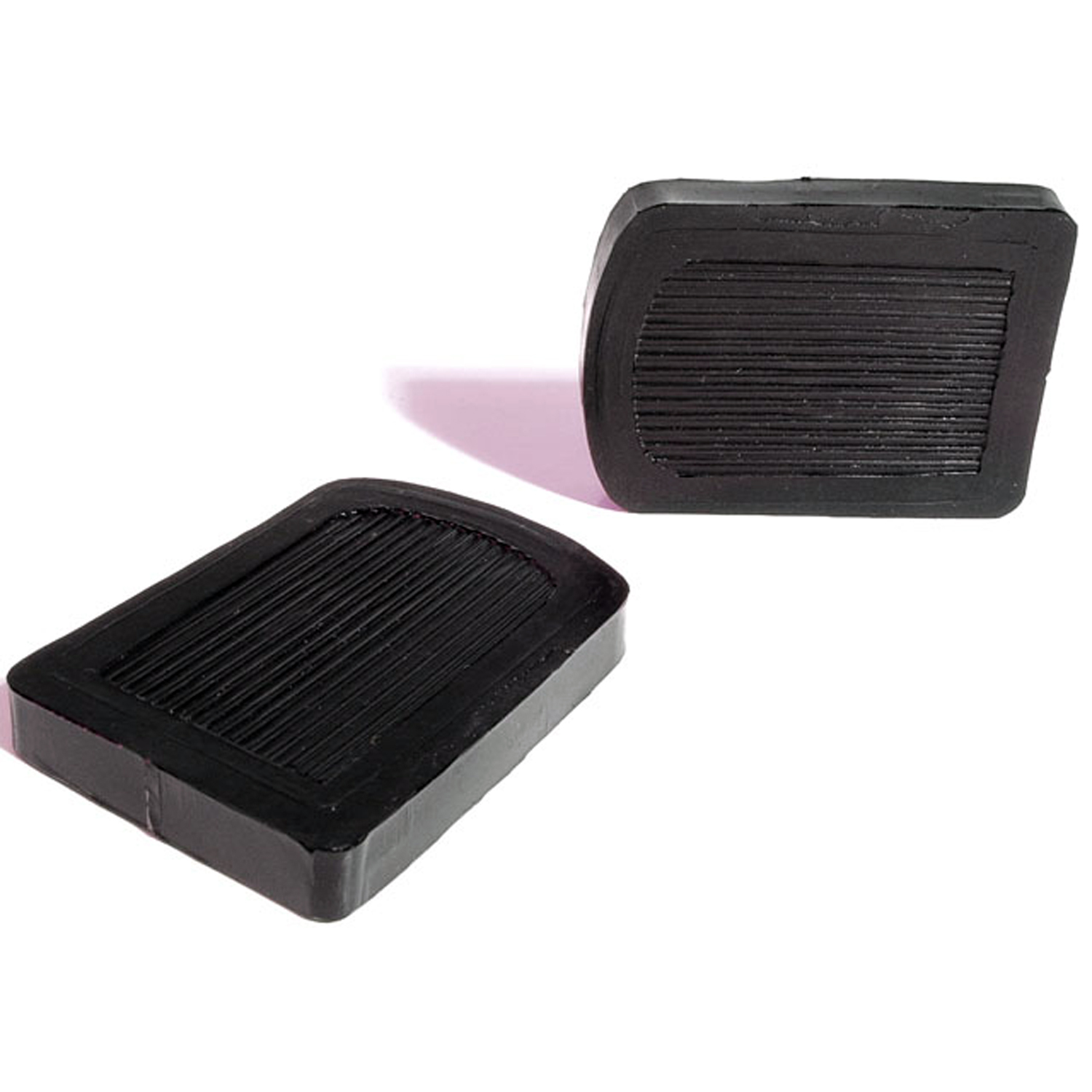 1928 Graham-Paige Model 835 Clutch and Brake Pedal Pads. 2-5/8" wide X 3-5/8" long-CB 25Clutch and Brake Pedal Pads. 2-5/8" wide X 3-5/8" long. Pair
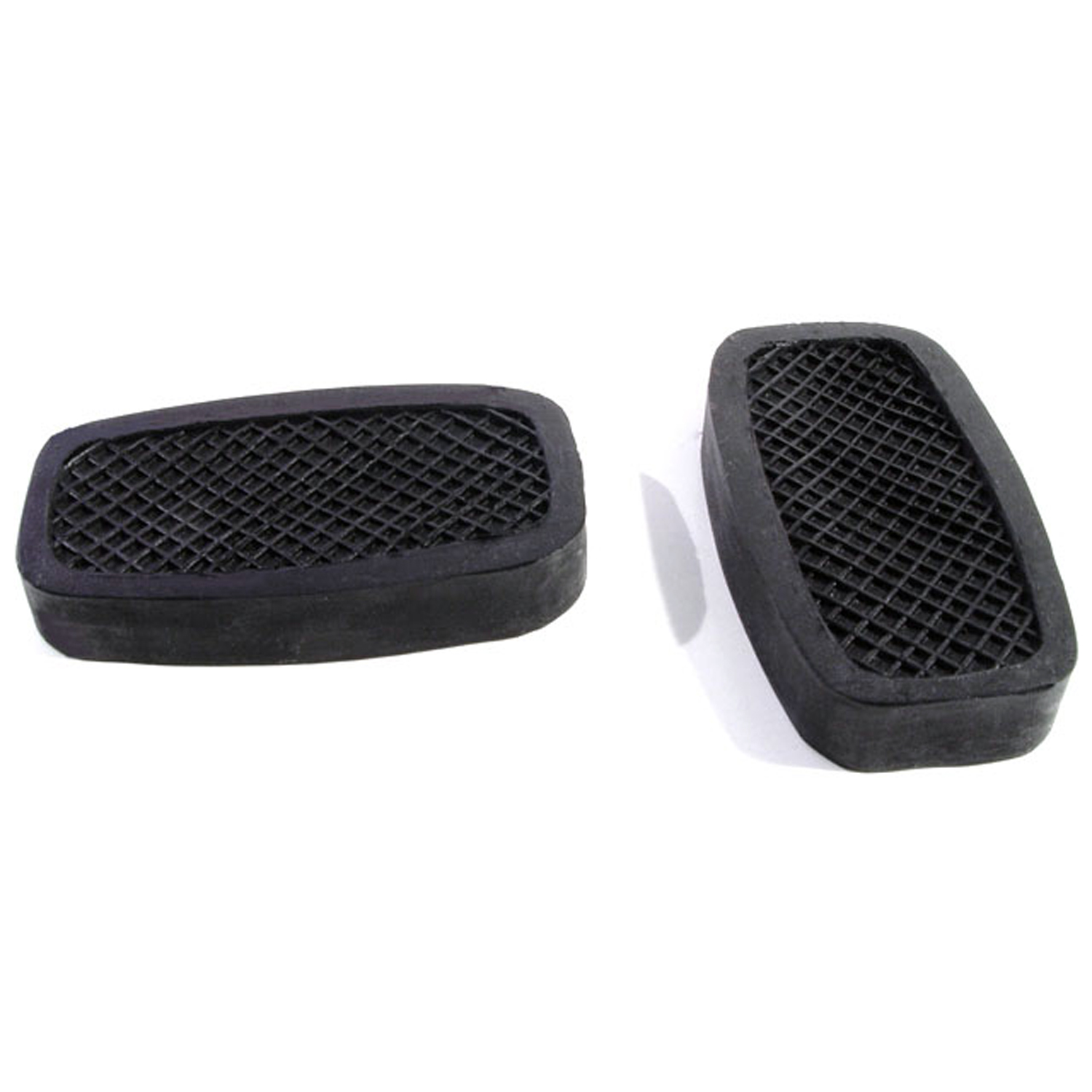 1928 Graham-Paige Model 835 Clutch and Brake Pedal Pads. 2" wide X 3-5/8" long. Pair-CB 46Clutch and Brake Pedal Pads. 2" wide X 3-5/8" long. Pair
Why Choose Metro?
For over 100 years, Metro Moulded Parts has been the pinnacle of quality in classic car restoration parts. Our commitment to precision and authenticity in every component ensures a perfect fit and an OEM-level appearance.
- Expert Craftsmanship & Quality: Each part is a testament to our dedication to reliability and perfection, crafted from original designs and thoroughly tested.
- Advanced Technology: We use cutting-edge techniques to create flawless, long-lasting parts that surpass others in performance.
- SuperSoft Sponge – The Ultimate Door Seal: Not only are our door seals 30% softer than competitors', but they're also guaranteed to never leak. They effectively reduce wind and road noise, enhancing your classic car's comfort and driving experience.
- Proudly American: Our parts are a product of American craftsmanship, made in the USA with a spirit of excellence and heritage.
- Unrivaled Warranty: We back our products with a 30-year industry-leading warranty, a testament to our confidence in their quality.
Join us in preserving the legacy of classic cars with parts that are crafted for perfection, not just made.